
13 Movie Catchphrases That Became Everyday Talk
Movie catchphrases have a unique way of sticking with us, often crossing over from the big screen into our daily conversations. These memorable lines, once iconic to specific films, have taken on new meanings and are now commonly used in various contexts, from humor to expressing emotion. Whether they make us laugh, motivate us, or remind us of unforgettable characters, these phrases have become ingrained in our everyday language.
This post may contain affiliate links, which helps keep this content free. Please read our disclosure for more info.
“May the Force be with you” – Star Wars (1977)
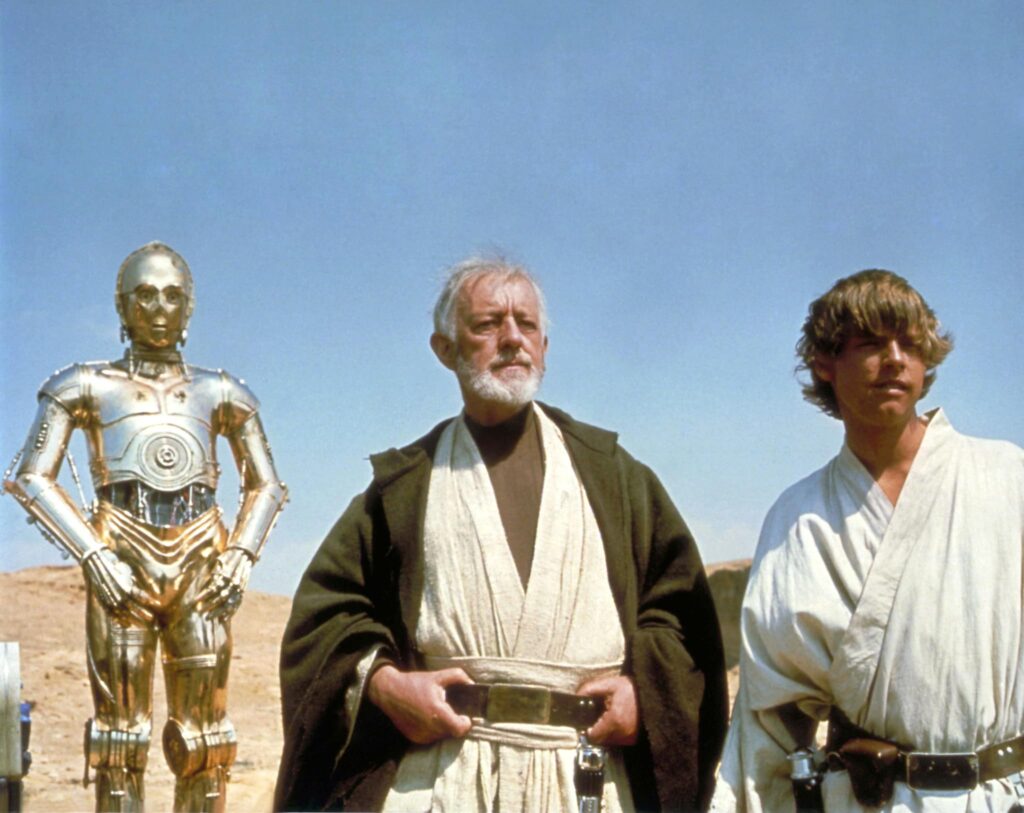
This iconic line from Star Wars is deeply embedded in popular culture, known for its association with the Jedi’s mystical powers in the franchise. The phrase, originally used by Jedi characters as a blessing or a way to wish someone success in battle, has evolved beyond its sci-fi origins. Today, it’s often used humorously or seriously in various situations to wish someone good luck or success. Whether someone is starting a new job, going for an interview, or simply embarking on a challenging task, this line is a go-to expression for encouragement.
In addition to its use in everyday conversation, the phrase has grown to symbolize the broader theme of unseen forces guiding one’s journey. Star Wars fans, of course, still use it to show loyalty to the franchise, but it’s the general public that has turned this line into a cultural idiom. Its universal appeal lies in the sentiment behind it, a hope that some kind of “force” will help guide people through their endeavors, whether they be significant life changes or mundane daily obstacles.
“Here’s looking at you, kid” – Casablanca (1942)
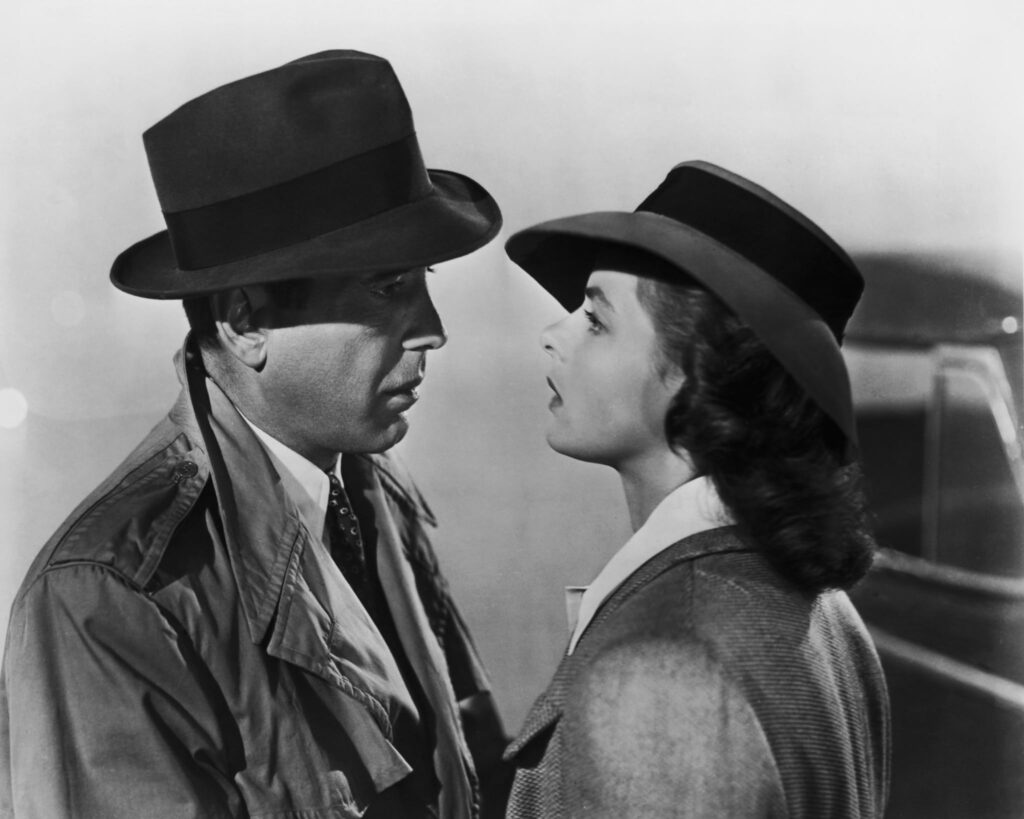
This line, spoken by Humphrey Bogart to Ingrid Bergman in Casablanca, has become an expression of affectionate recognition. In the film, it serves as a tender and bittersweet moment between the characters as they part ways. Over the years, this phrase has been adopted in various contexts, often with humor or warmth, to acknowledge someone with admiration. It’s frequently used among friends or in casual conversations to express fondness or respect, typically in a way that makes the interaction feel personal and meaningful.
In everyday use, the phrase has taken on a playful connotation. It’s often said in a lighthearted way, sometimes even tongue-in-cheek, making it a go-to for moments of humor or affection. Its rise in popularity is likely due to the charm and nostalgia associated with Casablanca, as well as the effortless coolness of Bogart’s delivery. The line has stood the test of time, evolving into a staple of casual conversation, especially when someone wants to convey endearment or playful recognition.
“I’ll be back” – The Terminator (1984)
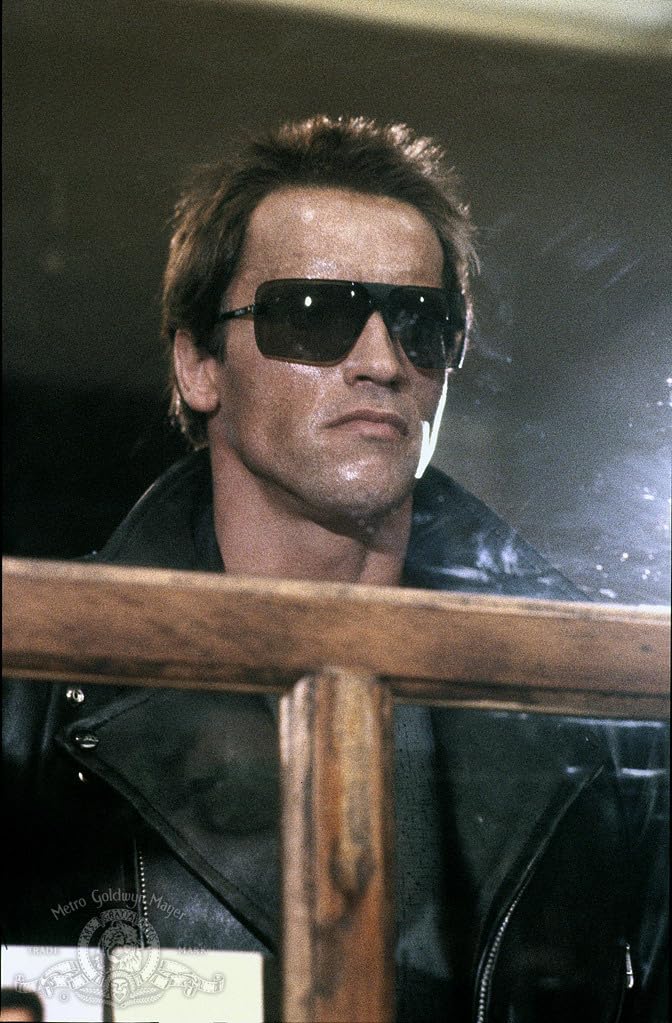
Arnold Schwarzenegger’s famous line, “I’ll be back,” became synonymous with his character in The Terminator, a promise of his return that was both chilling and inevitable in the context of the film. Originally, the phrase signified the unstoppable nature of the Terminator, a machine capable of returning no matter what obstacles stood in its way. Over time, however, it has become a playful expression used in everyday speech, often to indicate that someone is leaving but intends to return soon. Its transformation from menacing to humorous is a testament to its versatility and enduring impact on popular culture.
The phrase has become so entrenched in the public’s lexicon that it’s often used jokingly when someone leaves a room or a group but promises to come back. It carries with it a sense of confidence, often used to reassure others that a person won’t be gone for long. Its popularity has only grown over the years, thanks to frequent parodies, references in various media, and the broad appeal of Schwarzenegger’s portrayal. The phrase now evokes both nostalgia for The Terminator and a sense of familiarity, making it a go-to line for those looking to add humor to the notion of leaving and returning.
“You can’t handle the truth!” – A Few Good Men (1992)
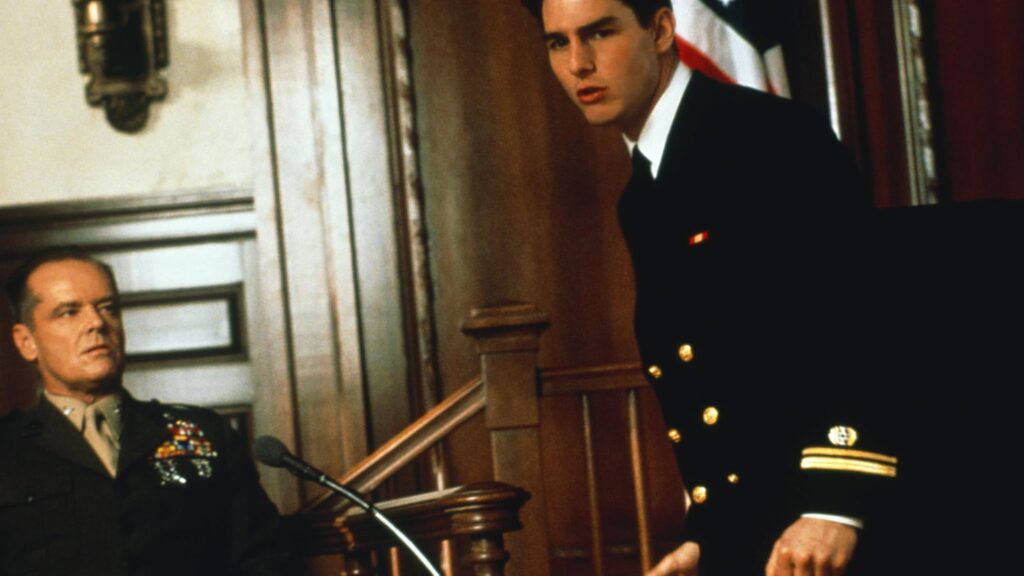
Jack Nicholson’s explosive delivery of “You can’t handle the truth!” in A Few Good Men has become one of the most recognizable movie lines, often quoted in moments of frustration or intensity. In the film, the line is directed at Tom Cruise’s character during a courtroom scene, where Nicholson’s character, Colonel Jessup, reacts to being questioned about military conduct. The raw emotion and power behind the line have made it an enduring part of popular culture, often used to express disbelief when someone is unable to understand or accept a hard truth.
In everyday conversation, the line is often quoted with dramatic flair to highlight situations where someone is confronted with uncomfortable truths or facts they would rather ignore. It’s frequently used in both serious debates and lighthearted exchanges, adding a touch of humor to otherwise tense discussions. Its widespread use is largely due to the potency of Nicholson’s performance, which continues to resonate with audiences. Today, the phrase is often delivered with exaggerated emotion for comedic effect, reinforcing its place in both everyday vernacular and pop culture.
“I’m the king of the world!” – Titanic (1997)
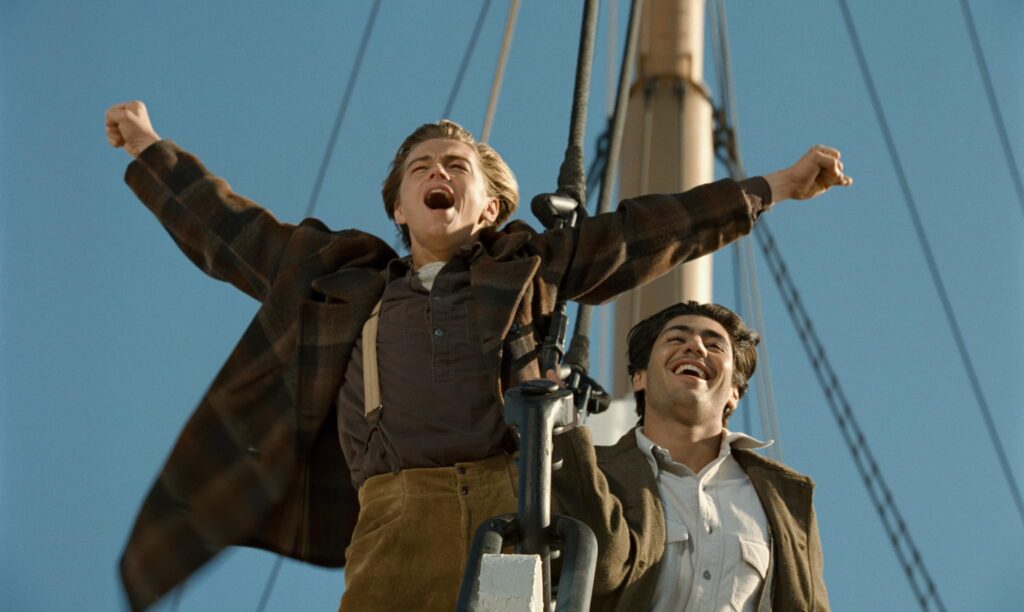
When Leonardo DiCaprio’s character, Jack Dawson, stands at the bow of the Titanic and declares, “I’m the king of the world!” it encapsulates a moment of carefree joy and youthful exuberance. The phrase quickly became a symbol of confidence and triumph, reflecting Jack’s free-spirited nature in the film. Over time, this line has been adopted by many as a playful declaration of feeling on top of the world, particularly in moments of excitement or victory, whether during personal achievements or just for fun.
The line’s continued popularity can be attributed to its universal appeal, especially among those who’ve seen Titanic and felt the emotional weight of the scene. It has evolved from a dramatic moment in the film into a humorous expression used by people when they feel particularly elated or powerful. Whether it’s in the context of completing a difficult task, having a good day, or celebrating a small victory, “I’m the king of the world!” is now an expression of feeling unbeatable, often used in a joking manner to convey an inflated sense of triumph.
“Life is like a box of chocolates” – Forrest Gump (1994)
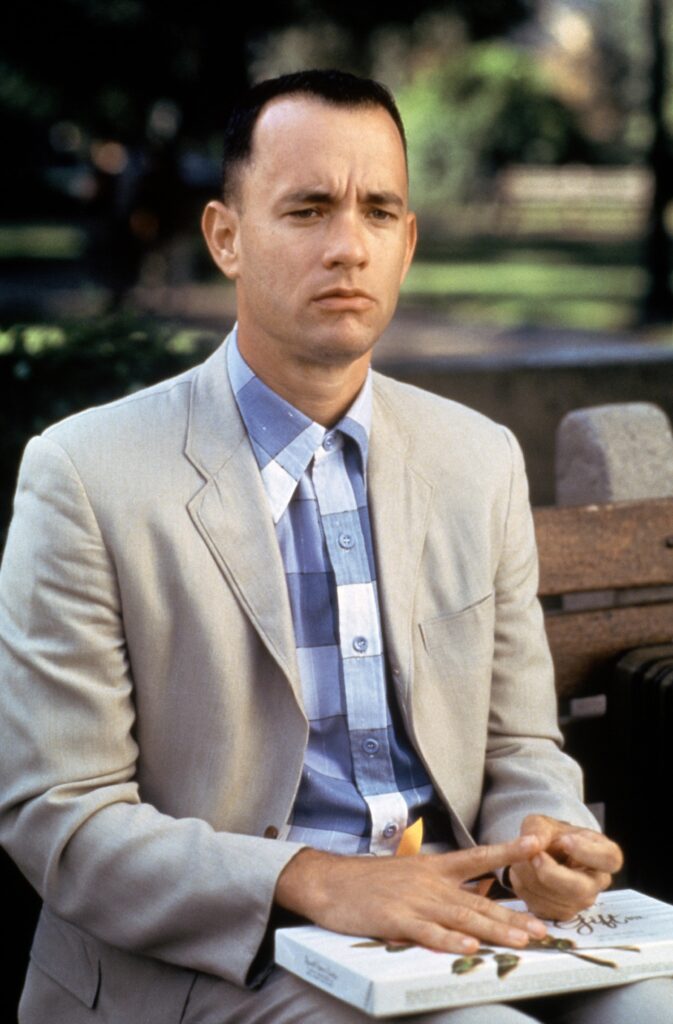
“Forrest Gump’s” memorable line, “Life is like a box of chocolates,” encapsulates the unpredictability of life. Delivered by Tom Hanks as the titular character, this line has become a reflection of the random nature of life’s journey. The metaphor of a box of chocolates, where one never knows what they’re going to get, resonates with people facing the ups and downs of life. Over the years, it has become a common saying to express the idea that life is full of surprises and unexpected twists.
Today, the phrase is frequently used in a variety of contexts, from moments of uncertainty to reflections on life’s unpredictability. People often use it to explain or excuse the randomness of events, particularly when things don’t go according to plan. The phrase’s charm lies in its simplicity and its connection to a universally relatable experience. Its continued relevance is enhanced by the timeless nature of Forrest Gump and the easy, relatable wisdom of the line, which remains a staple in casual conversations, especially when people are contemplating life’s unexpected turns.
“Why so serious?” – The Dark Knight (2008)
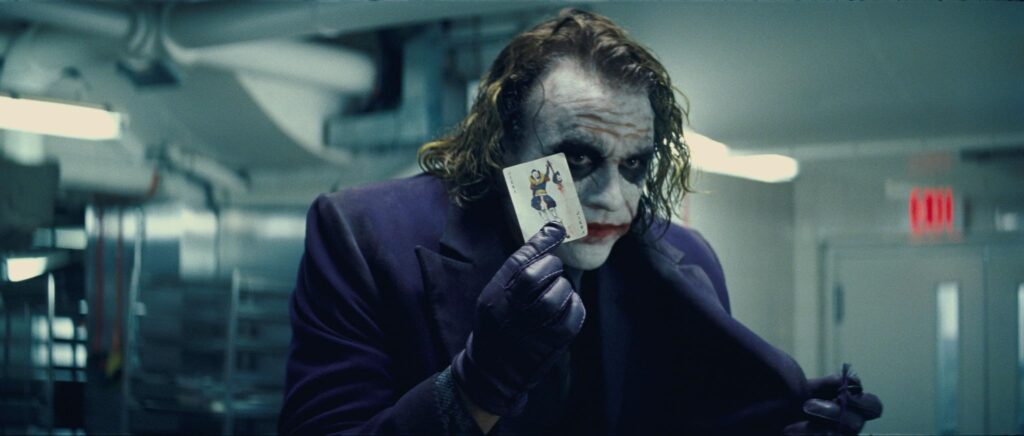
The Joker’s chilling question, “Why so serious?” has become one of the most quoted lines from The Dark Knight, often used to mock overly intense situations or people who are taking things too seriously. In the film, Heath Ledger’s portrayal of the Joker delivers this line with menacing glee, asking his victims before launching into chaotic, violent acts. However, outside of the film, it has been recontextualized into a playful jab at those who are perhaps a bit too focused or grim in a particular moment.
In everyday conversation, this line is often said to diffuse tense or overly serious situations, turning them into more lighthearted moments. Its use has spread across social media, memes, and casual exchanges, where it’s used to poke fun at someone who is overly focused or stressed. The dark humor of the line, combined with Ledger’s unforgettable performance, has made it a line that people continue to use, albeit with a more jovial intent, to lighten the mood or add some levity to serious conversations.
“You had me at hello” – Jerry Maguire (1996)
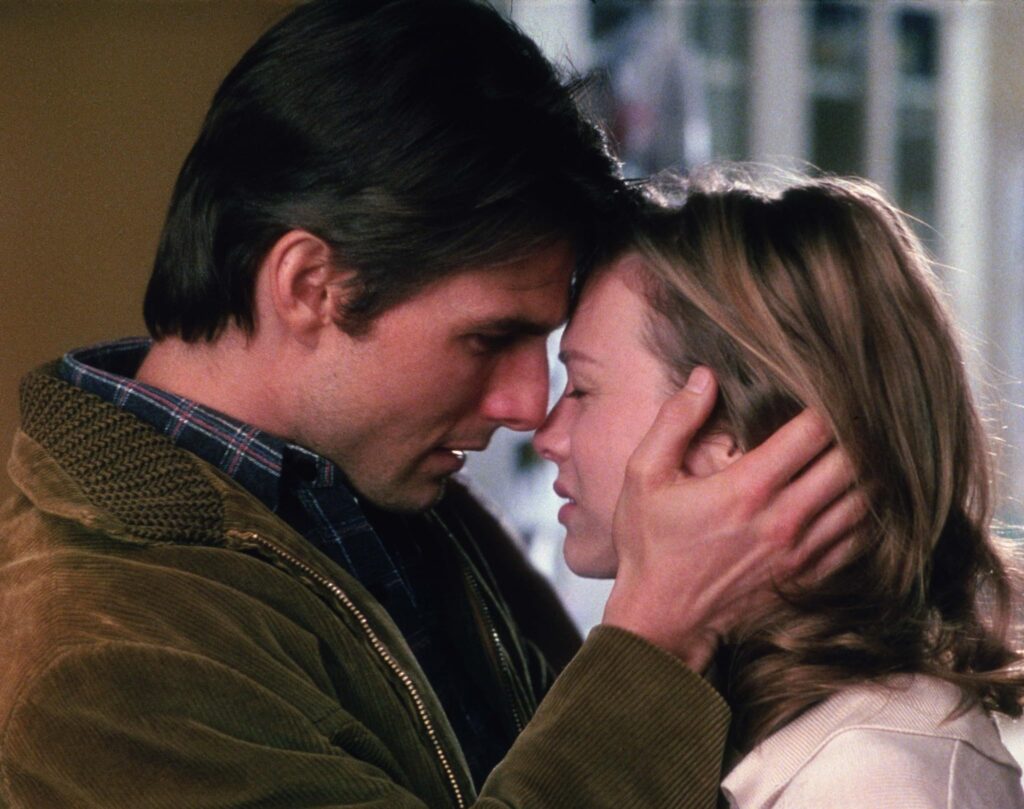
In Jerry Maguire, Renée Zellweger’s character, Dorothy, declares, “You had me at hello,” a line that perfectly captures the moment of romantic realization. This line has become a go-to expression for those who feel they were won over by someone or something early on in an interaction. It conveys that someone has made such a strong impression from the start that further persuasion is unnecessary. It’s now commonly used in a variety of contexts, from romantic relationships to any situation where someone is immediately won over by an idea, product, or performance.
The phrase has evolved beyond the romantic context of the film to be used humorously or affectionately to express how quickly someone or something can win someone’s favor. Whether it’s in response to an argument, a proposal, or even a heartfelt gesture, “You had me at hello” is often said with a sense of warmth and admiration. It’s a versatile line, often used to signify that no more convincing was needed, as the person was already convinced from the very beginning.
“Keep the change, ya filthy animal!” – Home Alone (1990)
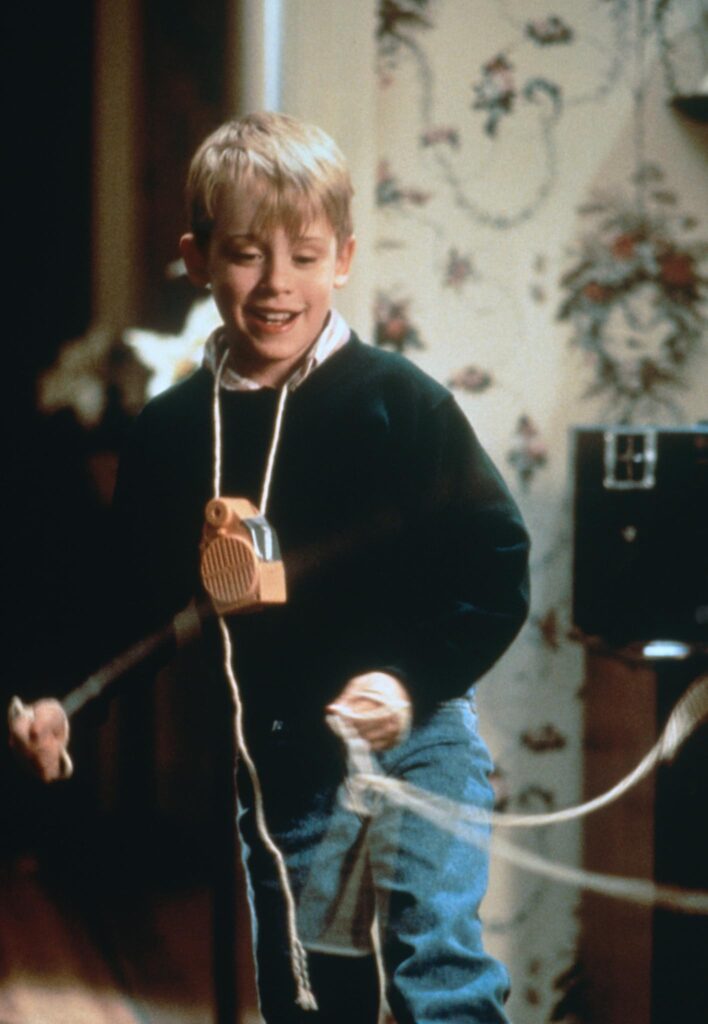
In Home Alone, the mischievous Kevin McCallister (played by Macaulay Culkin) delivers the line, “Keep the change, ya filthy animal!” while using a fake gangster movie scene to prank the burglars trying to break into his house. This line, originally a part of a fictional film within Home Alone, has become a beloved catchphrase used to playfully express mock anger or disdain in humorous contexts. Its use often carries a nostalgic vibe, especially around the holiday season, thanks to Home Alone’s enduring popularity.
Over time, the line has been adopted by people who enjoy using it for comedic effect, particularly when they want to lighten a situation or playfully mock someone. Its usage often involves exaggeration, as if one were responding to an imagined “enemy” or rival in an over-the-top manner. “Keep the change, ya filthy animal!” is a fun, ironic expression that has become ingrained in pop culture, frequently recited during holiday seasons or when humor is needed to break the ice in a conversation.
“There’s no place like home” – The Wizard of Oz (1939)

Dorothy’s heartfelt declaration, “There’s no place like home,” has become synonymous with the idea of finding comfort and peace in one’s familiar surroundings. In the film, Dorothy says this line as she longs to return to Kansas after her adventures in the magical land of Oz. The phrase has endured as a reminder of the value of home and the comforting feeling it provides, making it a common expression when people reflect on their personal sanctuary or when returning to a place of comfort.
This line is often used when someone returns to their hometown, finds solace in familiar surroundings, or experiences the warmth of family after a period of absence. It has become a part of the collective understanding of what “home” means to people, whether it’s a physical place or a state of mind. As one of the most recognizable lines from The Wizard of Oz, it continues to resonate with audiences who identify with the notion that, no matter how far one travels, there’s always a special place to return to.
“I feel the need-the need for speed” – Top Gun (1986)
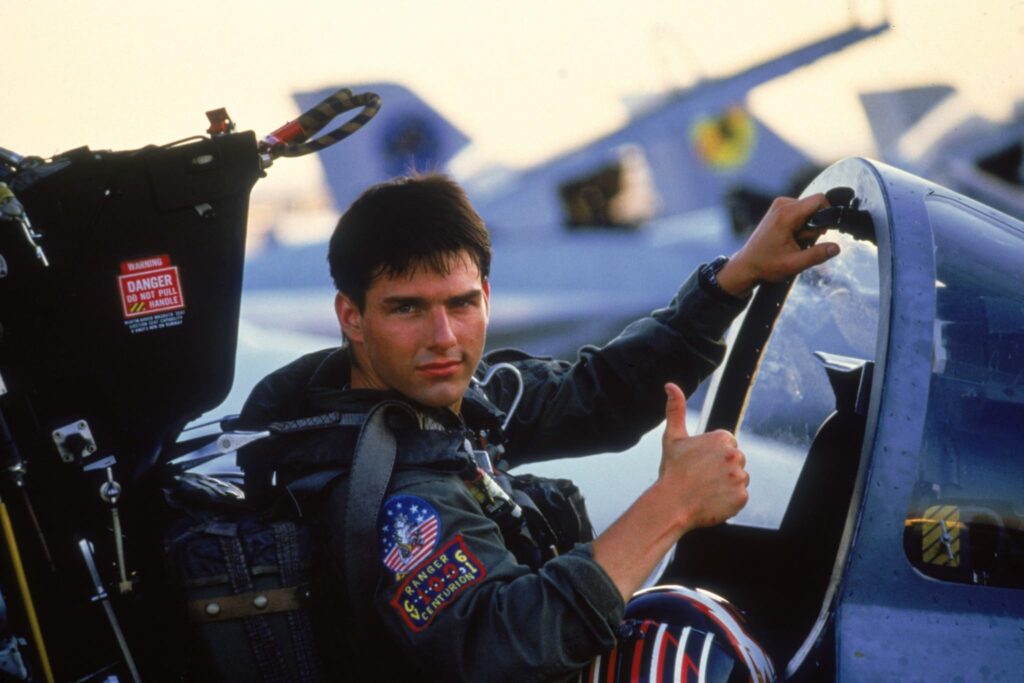
This iconic line, delivered by Tom Cruise’s character Maverick in Top Gun, has become a symbol of speed, excitement, and adrenaline. In the film, Maverick and Goose declare their shared love for fast, high-risk flying, making this line synonymous with thrill-seeking and action. Over time, the phrase has become a part of everyday conversation, often used to express excitement for something fast-paced, whether it’s a race, a project deadline, or even a night out with friends.
The catchphrase has evolved beyond its original context to become a humorous way of signaling a desire for speed or excitement. Whether it’s jokingly referring to a fast car, a high-energy activity, or even a quick decision, people have adopted this line to emphasize their enthusiasm for action. It’s a fun, energetic phrase that captures the spirit of Top Gun while being used in a variety of everyday situations to convey the feeling of wanting to get things done quickly or with intensity.
“Just keep swimming” – Finding Nemo (2003)
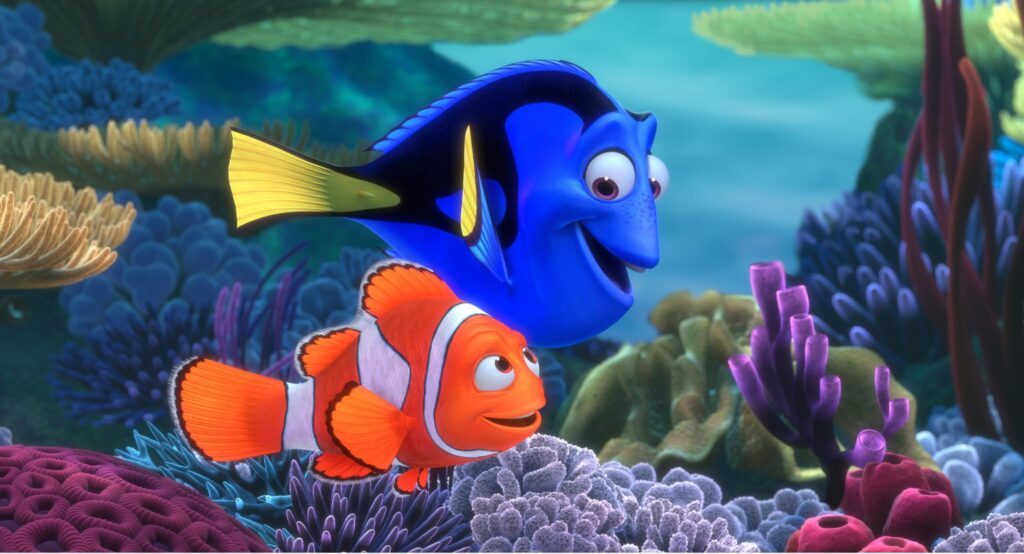
Dory’s motivational advice in Finding Nemo, “Just keep swimming,” has become a beloved phrase for perseverance in the face of adversity. In the film, Dory uses this line to encourage Marlin, the clownfish, to keep going despite the many challenges they face. Over time, the phrase has been embraced by people as a simple reminder to stay positive and keep moving forward, no matter what obstacles life throws at them. Its upbeat tone and simple wisdom make it a comforting and accessible phrase that encourages endurance and resilience.
Today, “Just keep swimming” is often used in both serious and lighthearted contexts to motivate others to persevere. It’s particularly popular during tough times when someone needs a reminder that things will eventually improve if they continue to push forward. The phrase’s universal appeal lies in its simplicity and optimism, making it a go-to expression for anyone looking to lift someone’s spirits or provide a sense of encouragement during difficult moments.
“Say hello to my little friend!” – Scarface (1983)
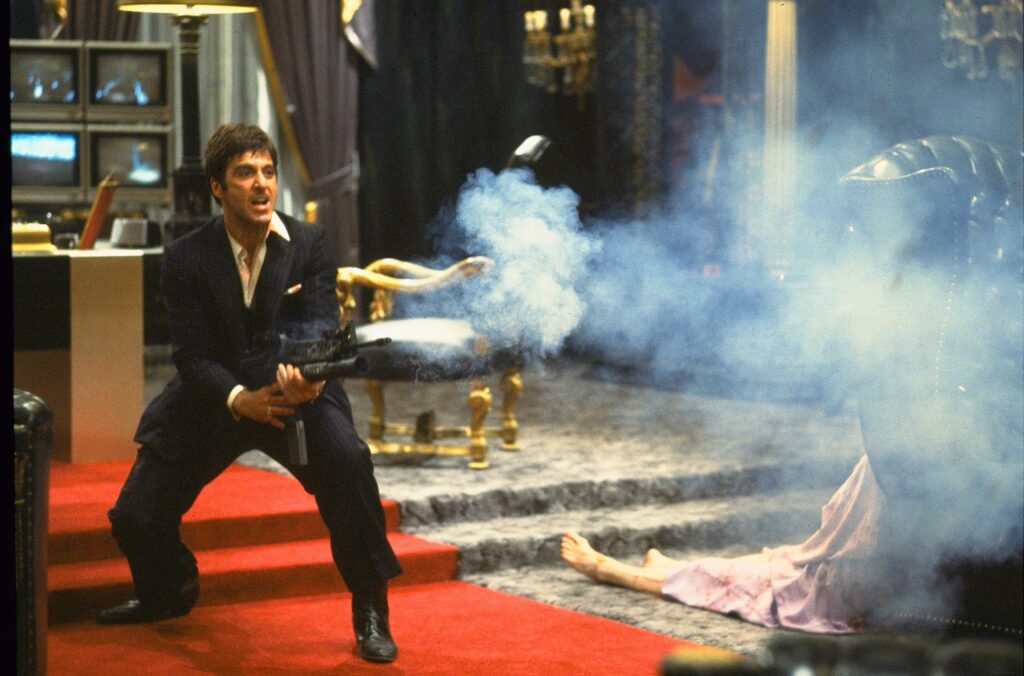
Al Pacino’s explosive line from Scarface, “Say hello to my little friend!”, has become one of the most quoted moments in film history. In the movie, Tony Montana delivers this line right before unleashing a torrent of gunfire on his enemies, making it synonymous with moments of power, rage, and defiance. The phrase has been adopted into everyday speech, often playfully or exaggeratedly, when someone wants to signal the arrival of something big or powerful.
While the line originally carried a menacing tone, it is often used humorously today. People reference this catchphrase when introducing something they feel is powerful or impressive, like a new gadget, car, or achievement. The humorous contrast between the line’s original intensity and its more playful use in modern conversation has helped it become a go-to catchphrase for making a dramatic entrance or showcasing something noteworthy.
This article originally appeared on Avocadu.