
12 January Houseplant Care Mistakes That Cause Winter Problems
January can be a tricky month for houseplants, especially when indoor conditions feel dry and uneven. Many common habits that seem harmless can quietly lead to yellow leaves or slow growth. Cold drafts, low light, and watering routines often play a bigger role than expected. That is why it helps to pause and take a closer look at everyday care.
This post may contain affiliate links, which helps keep this content free. Please read our disclosure for more info.
Watering on your usual summer schedule
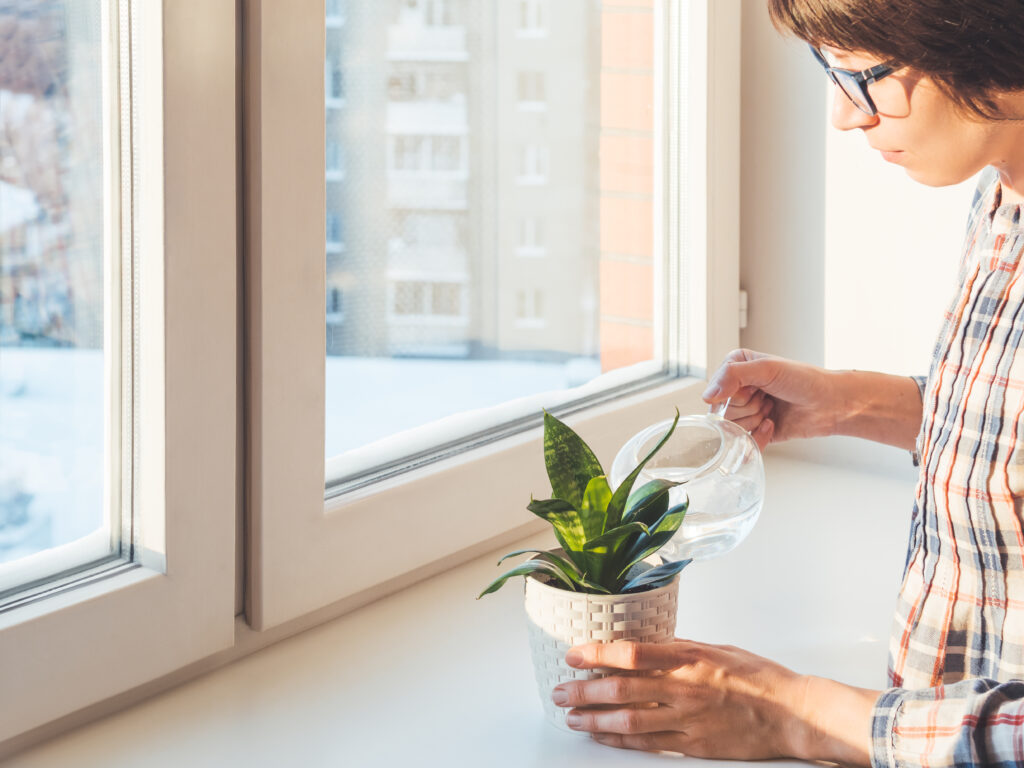
In January, many houseplants slow down because light levels are lower and indoor temperatures can vary. When the soil stays wet for too long, roots can struggle and rot can start quietly. A pot can look dry on top while still holding moisture deeper down, especially in larger containers. A simple habit is to check below the surface before watering and let the plant guide the timing.
If you notice yellowing leaves, soft stems, or a sour smell from the pot, water is often the reason. Scale back and wait until the mix has dried to a level that matches your plant type and pot size. Plants that are resting usually need less frequent watering, even if the air feels dry. Slow, careful changes are safer than trying to fix everything in one day.
Letting the pot sit in standing water
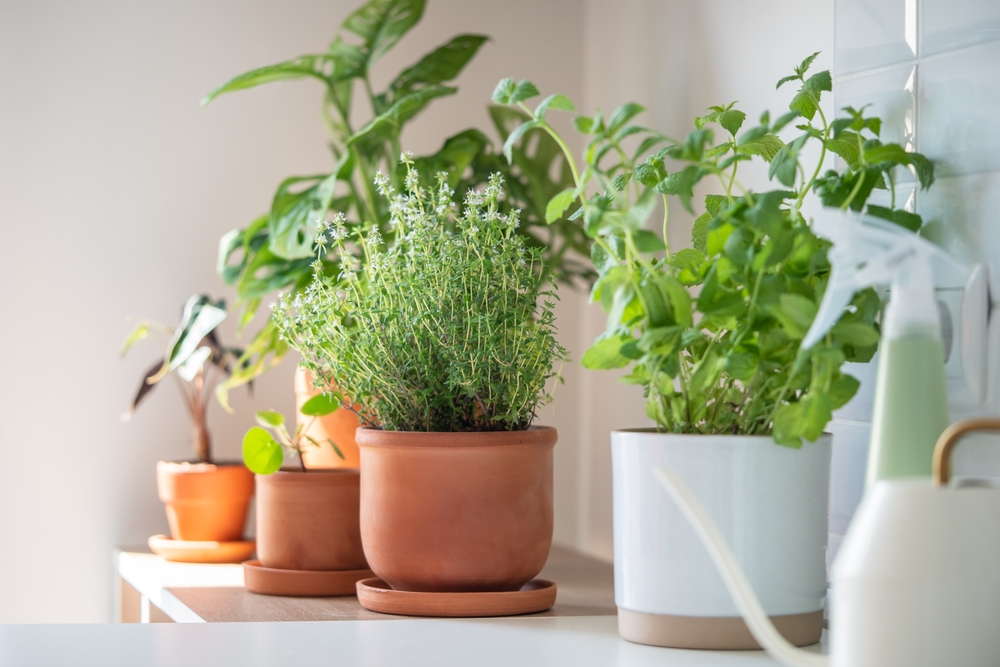
A saucer full of runoff can trap roots in a wet zone, which is a common winter problem. In January, evaporation tends to be slower, so that extra water can linger far longer than you expect. This is especially easy to miss when you use a decorative cachepot that hides the inner nursery pot. The roots still experience that soggy environment even if the top of the mix looks fine.
A good routine is to water, wait a short time, then empty the saucer or outer pot. If you want the look of a cover pot, use it with care and do not allow runoff to remain inside. Better drainage does not mean more watering, it means fewer chances for rot. This small step can prevent weeks of decline.
Watering with very cold water
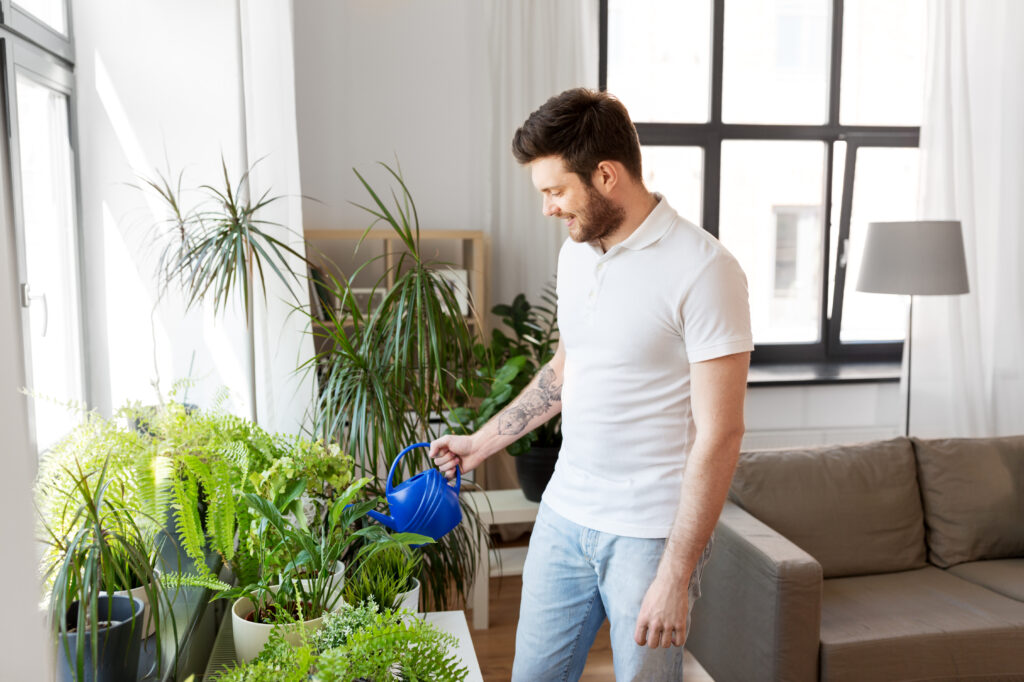
Cold water can shock warm indoor roots, especially when the room is heated and the potting mix is already cool. In winter, that temperature swing can slow root function and leave the mix wet for longer. People often notice leaf droop after watering and assume the plant needs more water, which can make the situation worse. Room temperature water is a safer option for most common houseplants.
Tap water, rainwater, and similar sources can work fine when they are warmed to room temperature. If your home is chilly at night, this matters even more for plants near windows. A steady approach helps roots recover between waterings. Over time, this reduces the risk of rot and stress related leaf drop.
Keeping plants pressed against cold windows
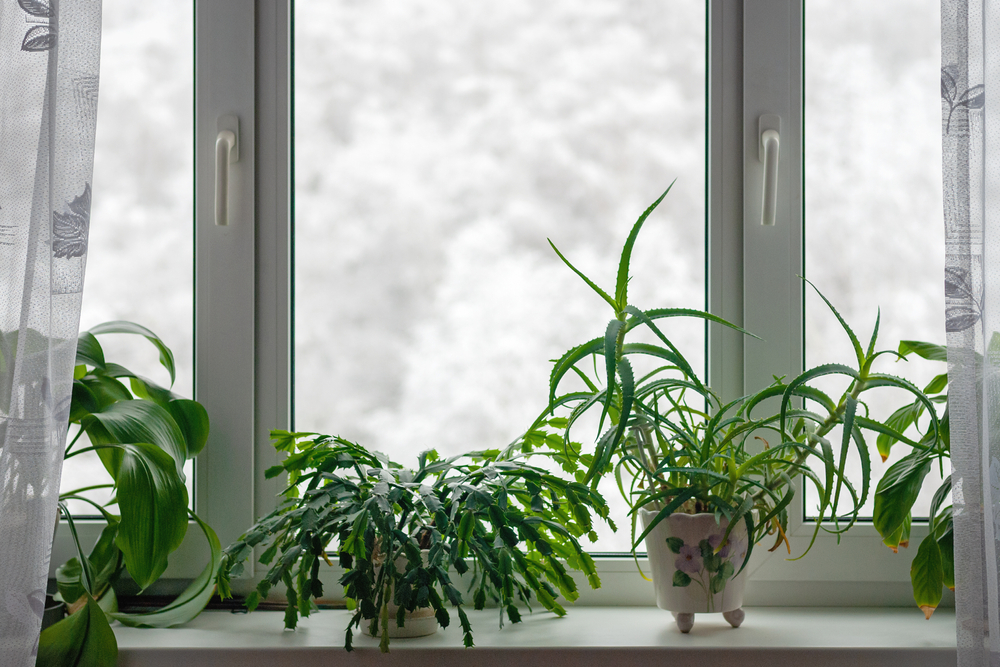
Glass can get much colder than the room, and leaves that touch it can be damaged quickly. In January, a plant can look fine during the day and still get chilled at night. This can show up as dark patches, limp leaves, or sudden drop on tropical plants. The cause is often exposure that is easy to overlook.
Move plants a short distance back from the glass, especially overnight. If you need them near a window for light, shift them slightly inward and keep leaves from brushing the pane. Curtains that close at night can trap cold air near the window, so check the spot after sunset. A small relocation can stop repeat damage.
Ignoring low humidity from indoor heating
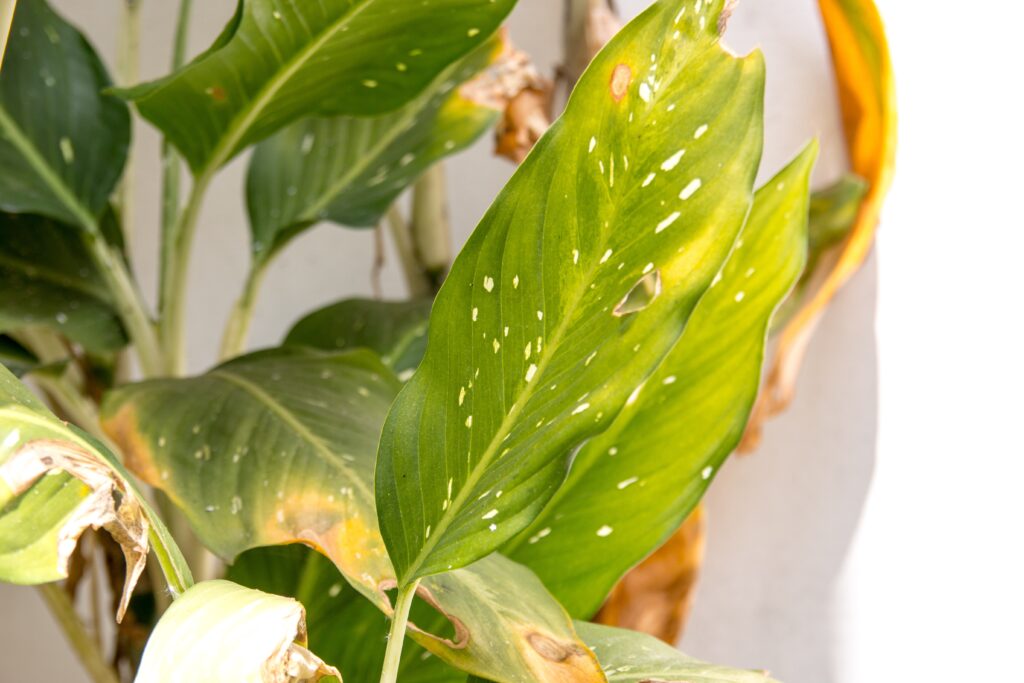
Indoor humidity can drop sharply in winter, sometimes far below what many tropical houseplants prefer. Dry air can lead to crispy edges, brown tips, and stuck new growth on plants like calatheas and ferns. Some pests also thrive when the air is dry, which adds another layer of trouble. January is often when these issues become obvious.
Grouping plants can raise humidity in the area around them, and pebble trays or humidifiers can help. Bathrooms can work well for some plants if there is enough light and the temperature stays stable. Focus on steady moisture in the air rather than quick fixes. Over time, plants respond better to consistency.
Relying on hand misting as your main humidity fix
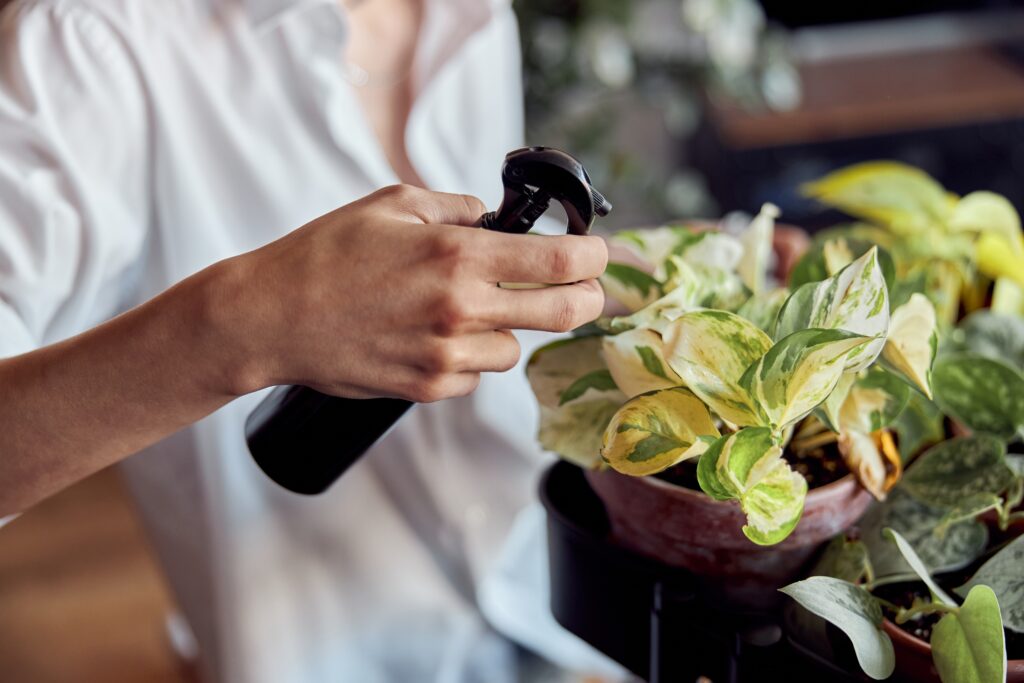
Misting can feel helpful, yet the humidity bump is usually short lived. Water droplets evaporate and the room air returns to its usual dryness soon after. Meanwhile, repeated wet leaves can increase the chance of spotting on some plants. In January, this can turn into a cycle of misting without solving the real issue.
If you enjoy misting, treat it as a minor extra, not the main plan. A humidifier, a pebble tray, or grouping plants tends to do more for the air around the plant. You can also keep humidity friendly plants in naturally humid rooms when light allows. A steadier plan is what usually makes the visible difference.
Forgetting to rotate and clean dusty leaves
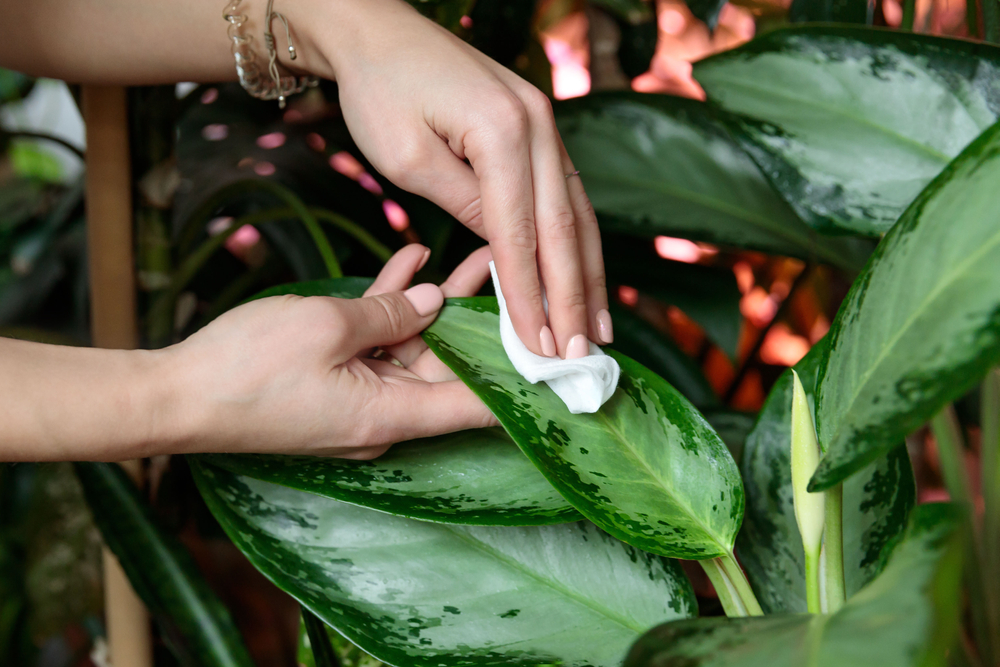
When light is coming from one direction, plants tend to lean and grow unevenly. In January, even a sunny window can be weaker than it was a few months ago, so every bit of light matters. Dust on leaves acts like a thin film and can reduce the light the plant can use. This can show up as slowed growth and dull looking foliage.
A quick leaf wipe with a damp cloth can help many foliage plants. Rotating the pot now and then keeps the plant from stretching to one side. This habit also gives you a chance to check stems and leaf undersides for pests. Small care steps like this can prevent bigger issues.
Making big temperature changes overnight
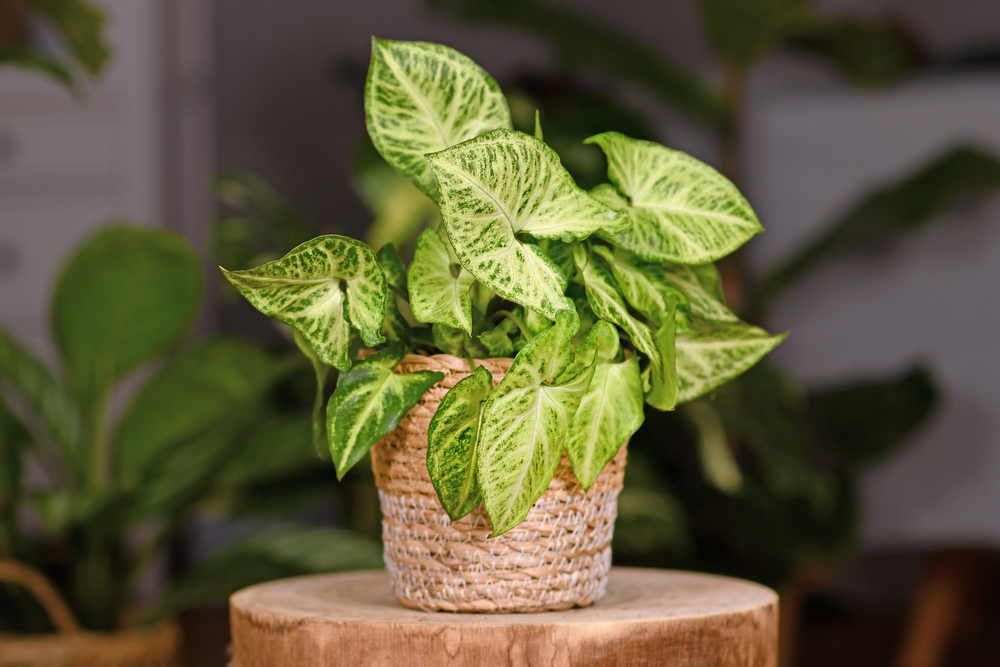
Many homes warm up during the day and cool down at night, and plants feel those swings. Cold drafts near doors or windows can stress tropical plants and cause leaf drop. At the same time, sudden blasts of warm air from heating systems can dry foliage. January is when these shifts can be at their strongest.
Try to give plants a stable spot away from exterior doors and drafty corners. If you open windows for fresh air, move sensitive plants back first. Watch how the plant reacts after a cold night, since damage can appear a day or two later. A steadier temperature usually leads to steadier growth.
Fertilizing as if it is peak growing season
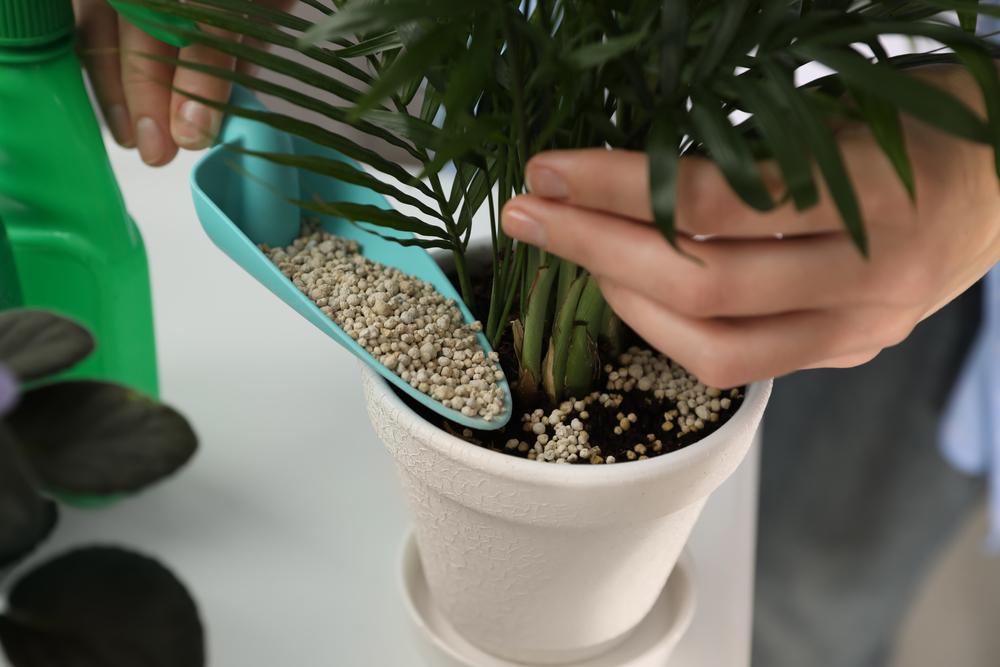
Many houseplants slow down in winter, and fertilizer can do more harm than good when growth is minimal. Excess salts can build up in the soil and irritate roots, especially when watering is already reduced. People sometimes fertilize to fix yellow leaves, yet the real issue is often light or watering. In January, feeding is rarely the first answer.
If a plant is clearly putting out new growth under good light, light feeding may be fine, yet less is usually safer. For many common houseplants, waiting until growth picks up is a sensible plan. Focus on stable light, correct watering, and humidity before reaching for fertilizer. When in doubt, pause feeding and observe.
Repotting during the low light season
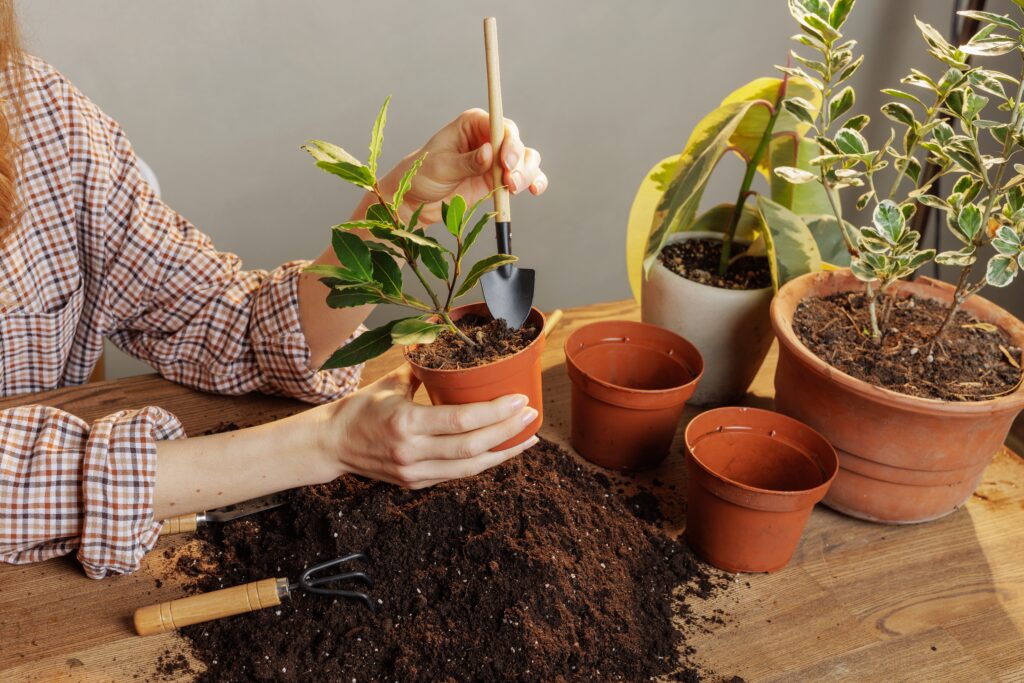
Repotting is stressful because it disturbs roots and changes how water moves through the pot. In January, slower growth means the plant often takes longer to recover. Fresh soil can also hold water longer than expected, which raises the risk of overwatering. Even healthy plants can stall after a winter repot.
Unless the plant is in real trouble, it is often better to wait until light improves and growth resumes. If you must repot due to rot or severe root crowding, choose a pot that is only slightly larger and water carefully after. Keep the plant warm and stable while it adjusts. Slow recovery is normal during winter.
Heavy pruning or major cutting back in midwinter
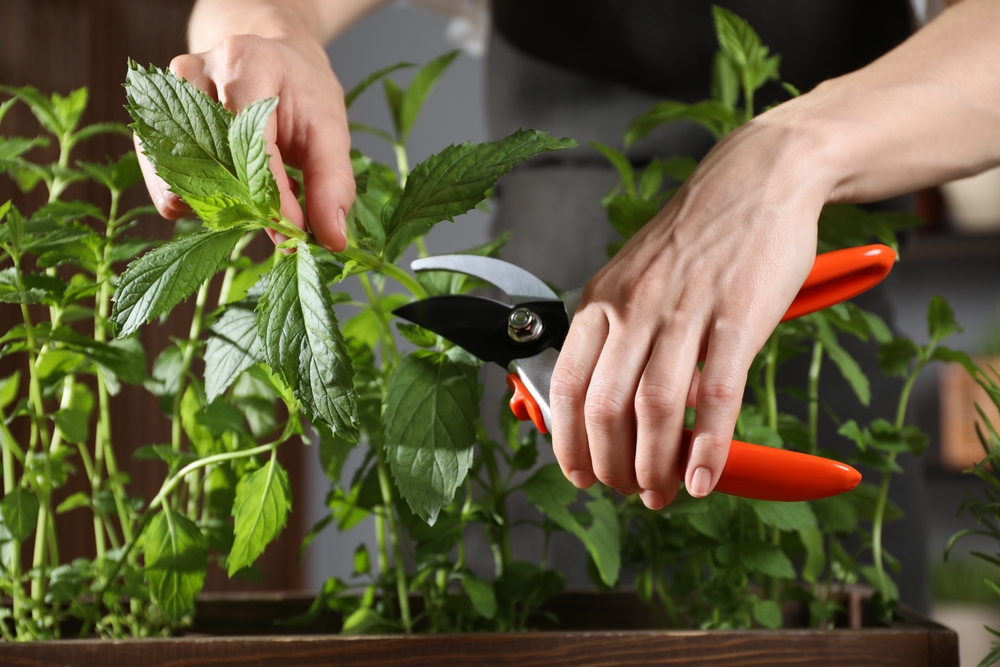
Many houseplants rest in winter, and big cuts can interrupt that cycle. A plant that is not actively growing may take longer to heal, which can lead to weak regrowth or stress. Some people prune heavily to shape a plant, then wonder why it looks sparse for weeks. January is usually not the best time for major shaping.
You can still remove dead leaves, broken stems, or obvious damage as needed. For larger shaping jobs, waiting until growth returns is often easier on the plant. If you do prune, use clean tools and keep cuts minimal. Small touch ups are safer than a full haircut.
Skipping pest checks because it is winter

Spider mites, mealybugs, and other pests can still show up indoors, and dry air can help some of them spread. In January, plants that are already stressed by low light and dry air are easier targets. Early signs can be tiny webbing, sticky spots, speckled leaves, or cottony clusters. These problems often grow quietly until the plant looks visibly unhealthy.
A simple habit is to check leaf undersides and stem joints when you water. If you bring plants indoors from outside, a short quarantine period can prevent pests from spreading to your whole collection. Treat issues early with gentle methods and repeat as needed. Consistent checks are easier than a full outbreak clean up.
This article originally appeared on Avocadu.