
11 American Destinations Where Parades Remain a Major Tradition
Parades still bring entire towns together in a way few traditions can. Streets fill with families, local groups, and longtime customs that feel tied to the place itself. These American destinations continue to treat parades as a big deal, turning regular calendars into shared moments people look forward to year after year.
This post may contain affiliate links, which helps keep this content free. Please read our disclosure for more info.
New Orleans
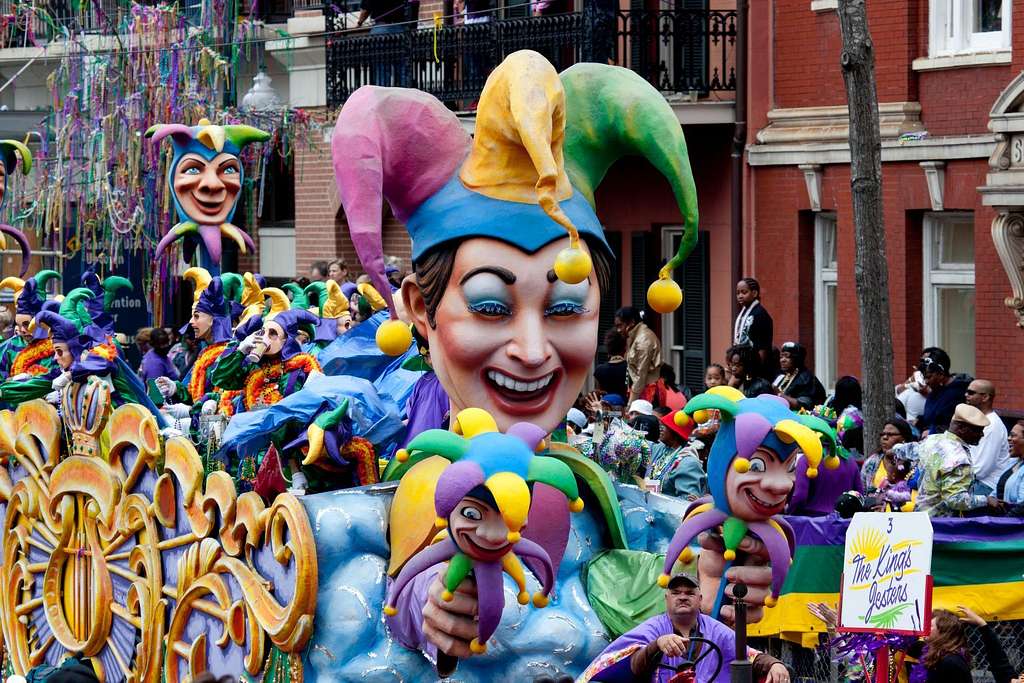
Parades in New Orleans are woven into everyday life, not saved only for holidays. Children grow up knowing parade routes, ladder spots, and the sound of marching bands echoing through old neighborhoods. Mardi Gras krewes spend months preparing floats that locals recognize year after year. Families often mark seasons by which parade is coming next rather than by the calendar.
What makes New Orleans special is how personal the parades feel. Neighbors greet each other along the route and share snacks while waiting for floats to roll past. Kids learn early how to catch throws and how to respect parade traditions passed down for generations. The streets feel familiar, welcoming, and full of shared memory.
Pasadena
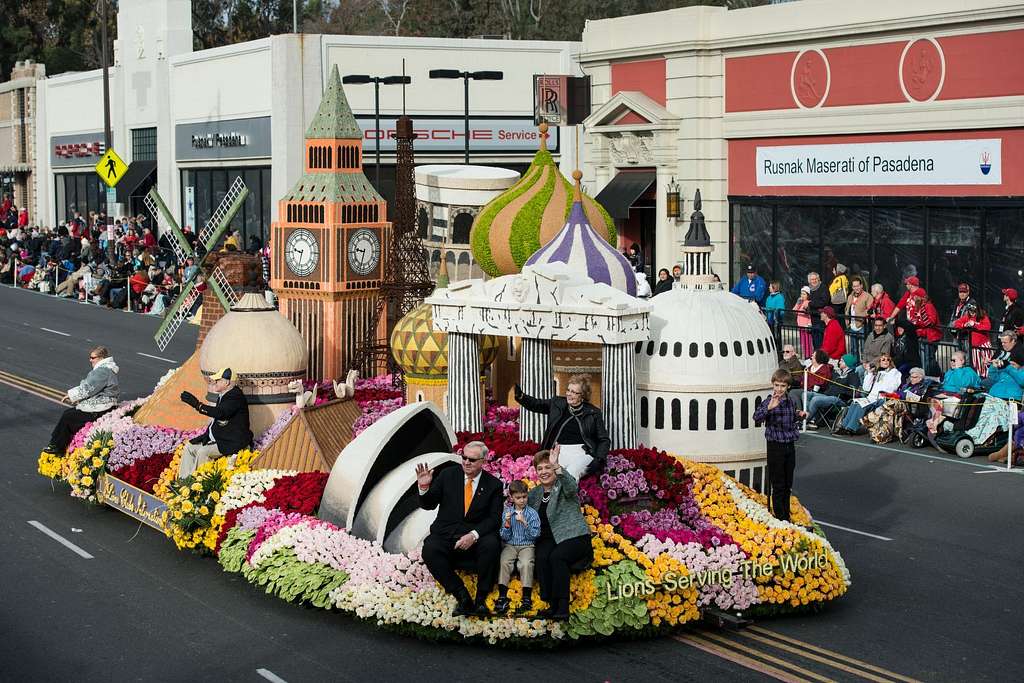
Pasadena treats parade day like a citywide celebration that starts well before sunrise. The Tournament of Roses Parade draws families who camp out overnight just to see the floats up close. Floral designs become a point of pride, with local volunteers helping decorate every inch. For many households, this parade marks the true start of the year.
The mood is calm and friendly despite the crowds. Parents point out details on the floats while kids watch marching bands and riders pass by. Streets feel festive without being overwhelming. It is a tradition families return to again and again.
Mobile
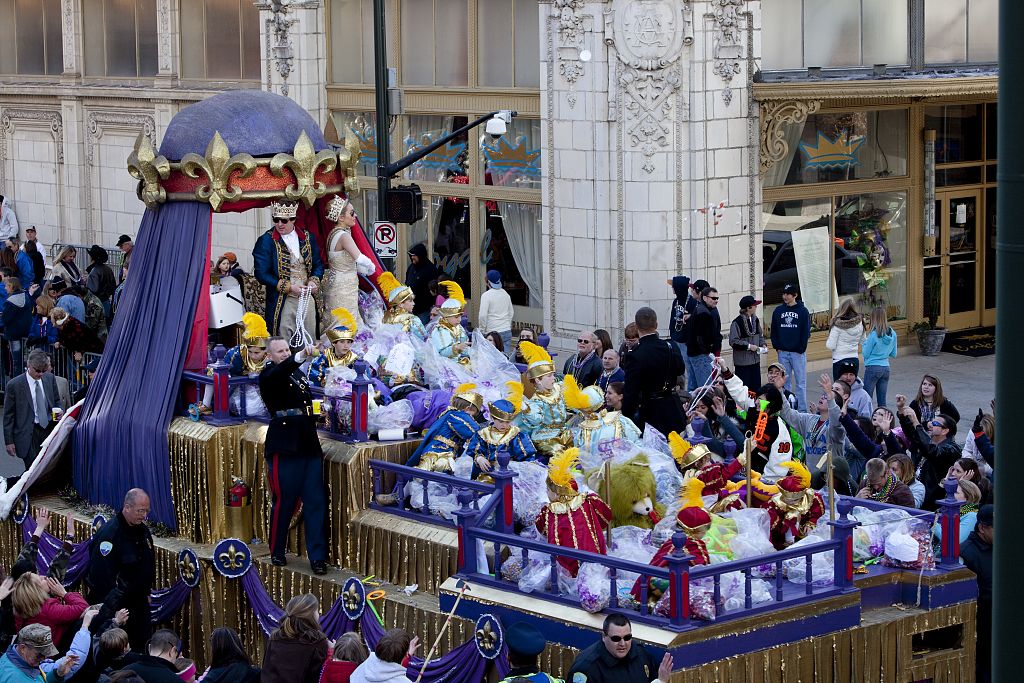
Mobile takes pride in being the birthplace of American Mardi Gras. Parades fill downtown streets weeks before Fat Tuesday, giving families many chances to join in. Locals know the names of mystic societies and recognize their floats each season. The celebrations feel rooted and familiar rather than flashy.
Families line sidewalks early with chairs and coolers. Children learn parade etiquette from parents who grew up attending the same events. Beads and moon pies rain down as crowds cheer together. It feels like a hometown tradition that never lost its meaning.
Philadelphia

Philadelphia parades carry a strong sense of neighborhood pride. The Mummers Parade is loud, playful, and unlike anything else in the country. Families recognize string bands and clubs that return year after year. Costumes and performances feel handmade and deeply personal.
Crowds gather early on New Year’s Day despite the cold. Parents explain the history while kids dance to music echoing through the streets. The parade feels less like a show and more like a shared city ritual. It reflects Philly’s personality in every step.
Savannah
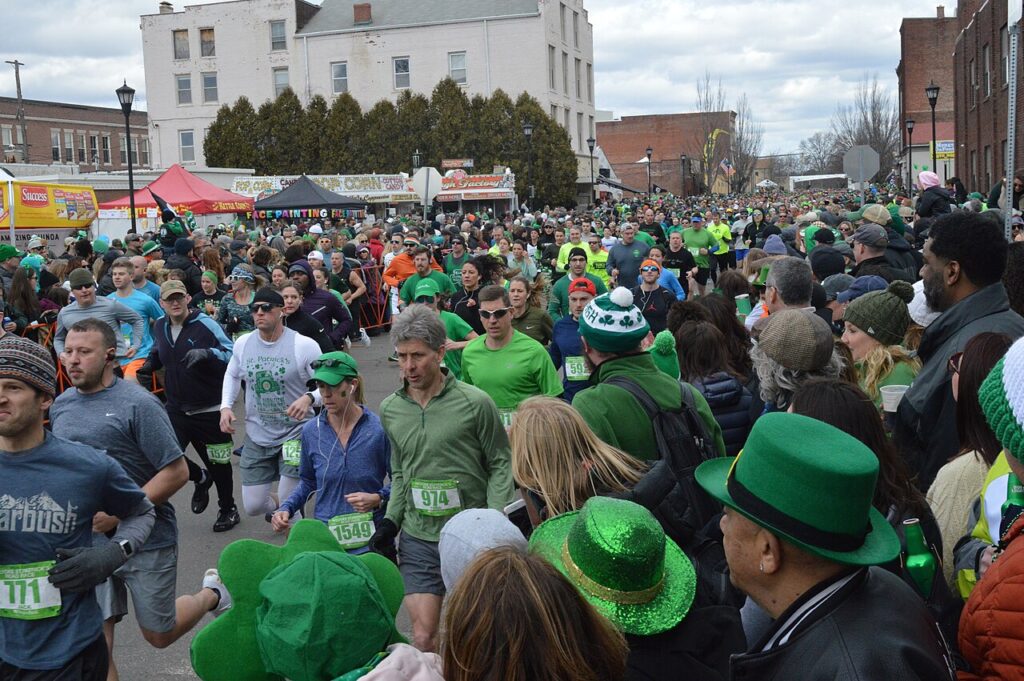
Savannah parades move slowly through historic streets shaded by oak trees. St. Patrick’s Day celebrations turn the city bright green and bring generations together downtown. Locals treat the parade as a social gathering as much as an event. Families often stand in the same spots each year.
Children wave at performers while parents chat with neighbors nearby. The pace is relaxed, making it easy for families with younger kids. Music, uniforms, and classic floats fill the route. The whole city feels involved from start to finish.
Honolulu
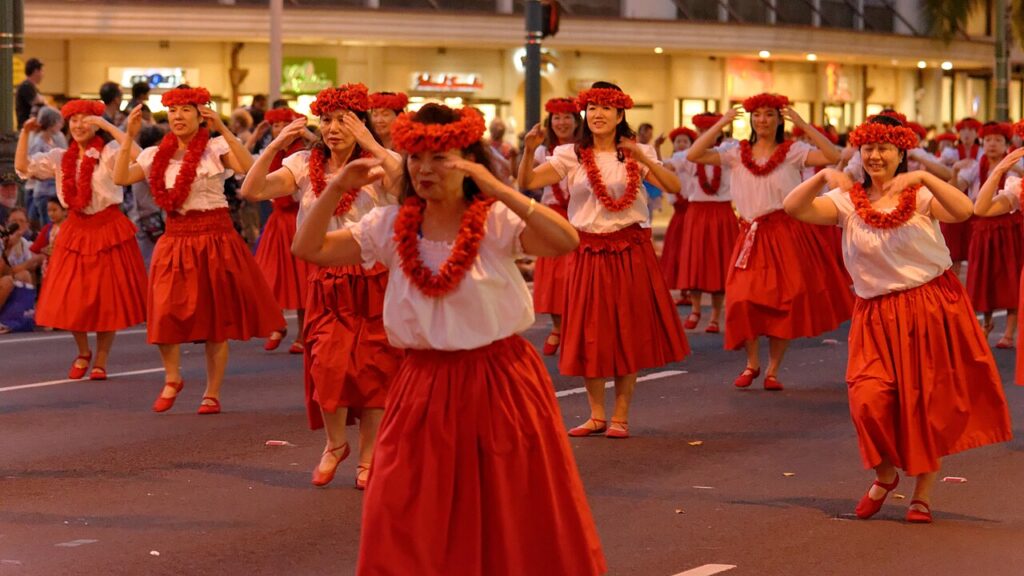
Honolulu parades reflect local culture, history, and island pride. Events like the Aloha Festivals Floral Parade feature hula dancers, royal court members, and marching bands. Families attend together, often dressed in aloha wear. The atmosphere feels celebratory without feeling rushed.
Parades here highlight community rather than spectacle. Kids see traditions that connect them to Hawaiian history. Music and movement flow through wide streets lined with palms. It feels joyful and meaningful at the same time.
San Antonio
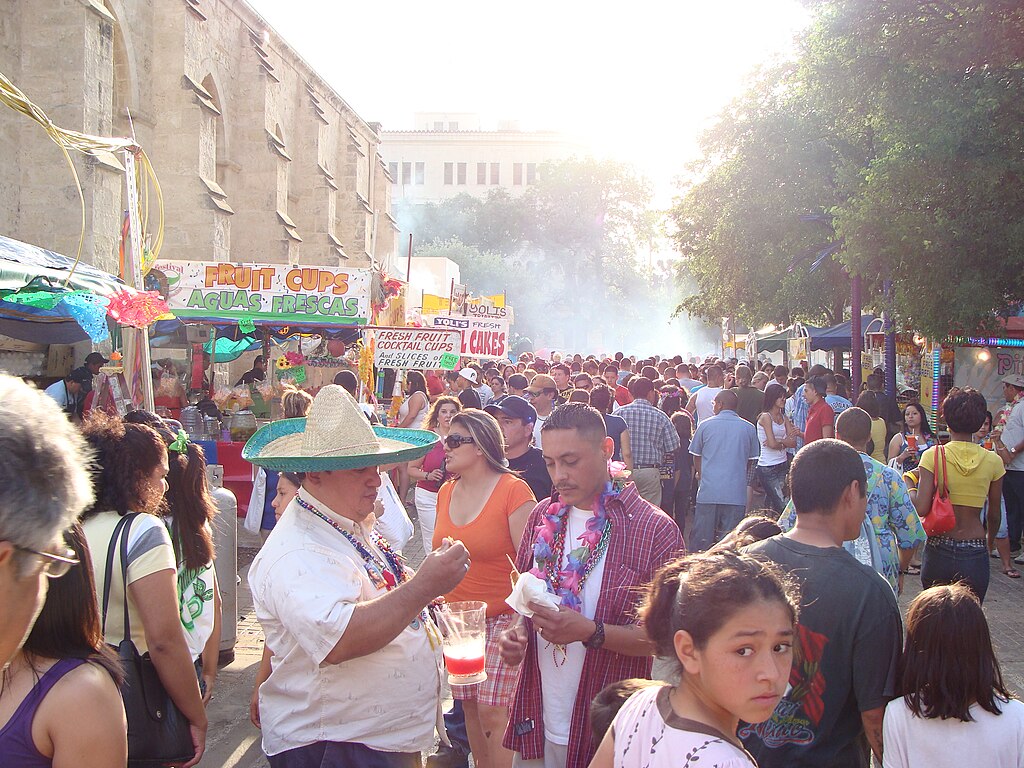
San Antonio parades play a central role in Fiesta celebrations each spring. Colorful floats move through downtown as families cheer along the route. Many groups return every year, making the parade feel familiar. Locals treat it as a must see event.
Parents often plan full days around parade schedules. Children enjoy the bright costumes and confetti filled streets. The energy stays friendly and welcoming. It feels like a celebration designed for all ages.
Chicago
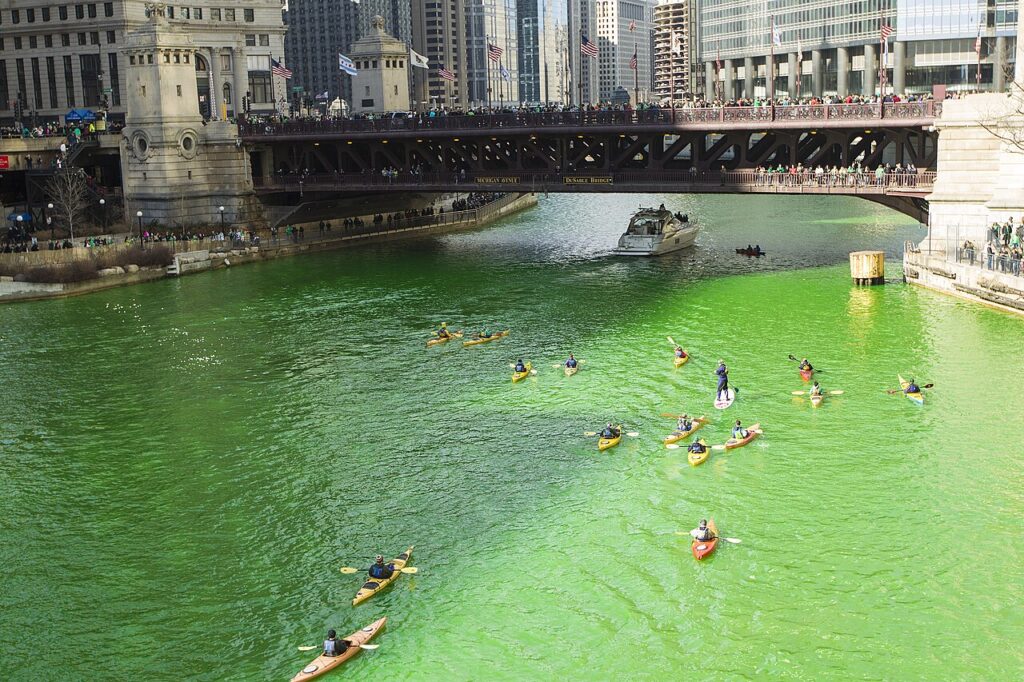
Chicago parades reflect the city’s many cultures and neighborhoods. Events range from St. Patrick’s Day to Thanksgiving and holiday celebrations. Families often choose parades that reflect their own traditions. Crowds gather along wide streets that make viewing easy.
Kids watch marching bands while parents enjoy the lively atmosphere. Parades feel organized yet full of personality. Even in cold weather, attendance stays strong. It shows how important these gatherings remain to the city.
Key West
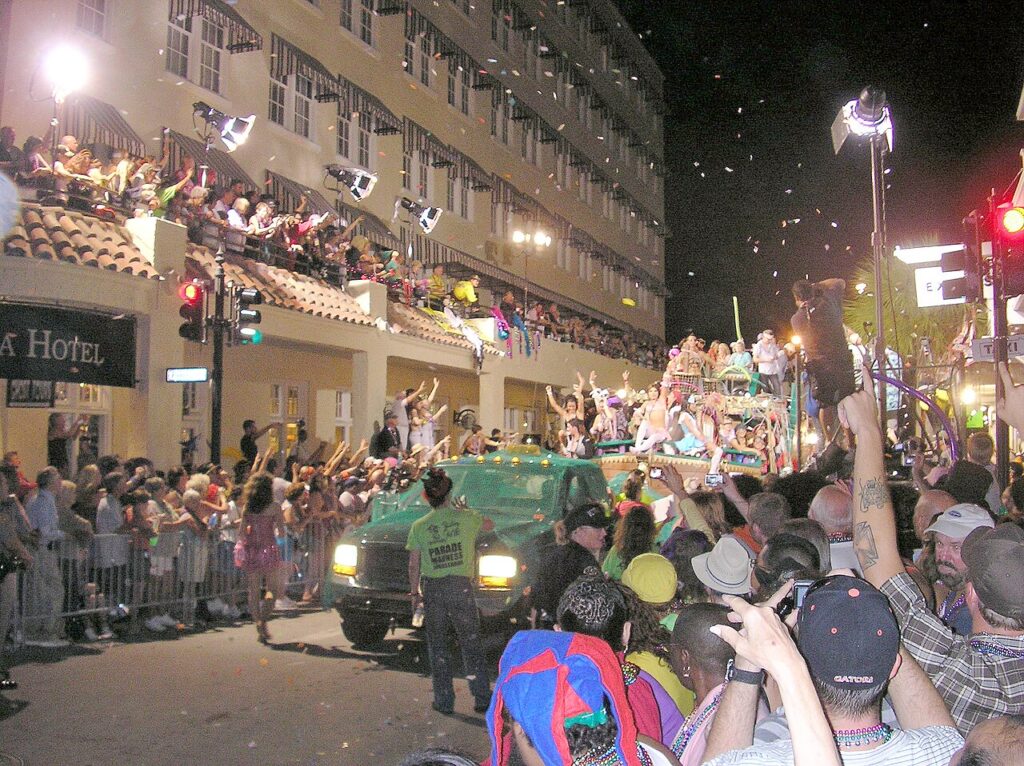
Key West parades lean playful and creative. Fantasy Fest and holiday parades bring out costumes, decorated bikes, and handmade floats. Families appreciate the lighthearted tone and smaller scale. It feels approachable and fun rather than overwhelming.
Parade routes wind through compact streets lined with cheering crowds. Kids enjoy the colorful visuals while parents soak in the relaxed mood. Locals often recognize participants personally. It feels like a shared island celebration.
Helena
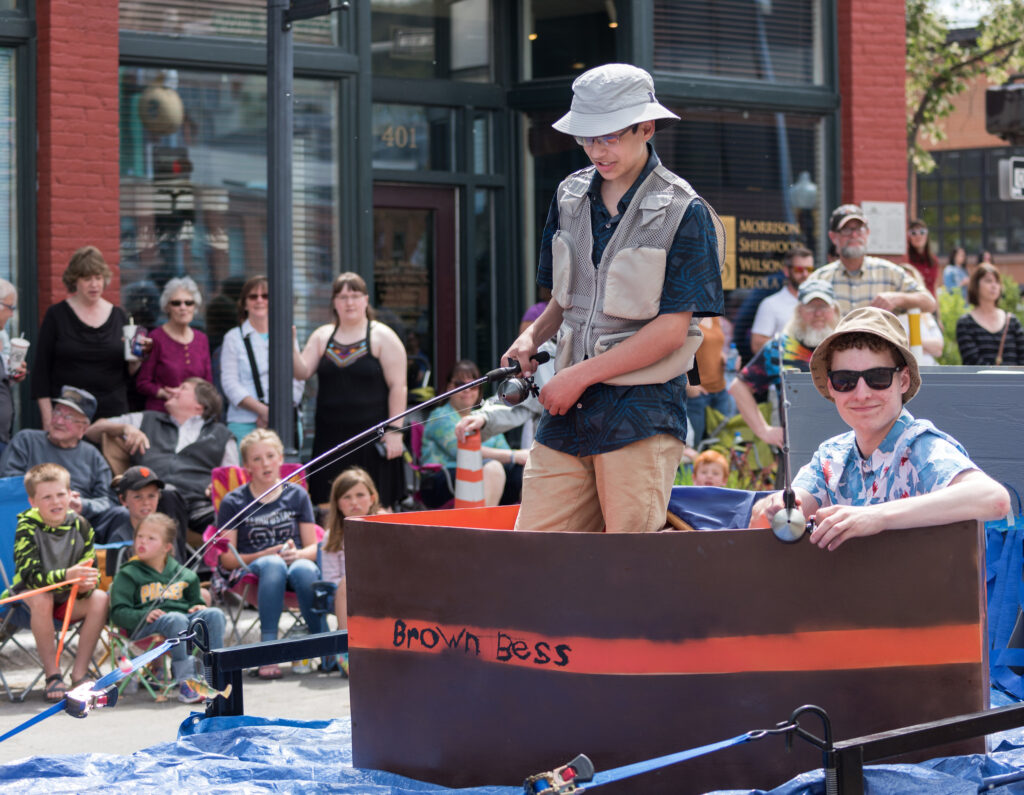
Helena parades reflect small town pride and local tradition. Seasonal events like the Vigilante Parade draw families downtown year after year. Many participants are students, local groups, and community clubs. The pace feels unhurried and friendly.
Parents greet neighbors while kids watch floats roll by. Parades often end with simple activities nearby. It feels easy to stay and socialize afterward. The tradition remains strong because everyone feels included.
St. Paul
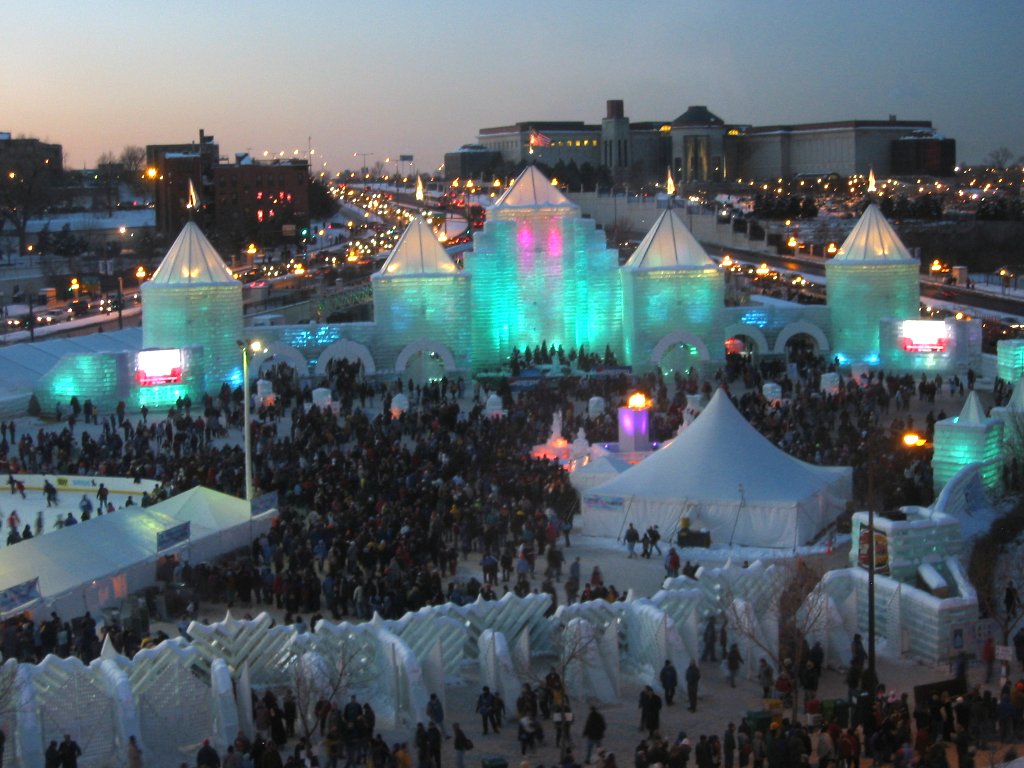
St. Paul treats parades as a core part of winter and summer celebrations. The Winter Carnival parade shows that cold weather does not stop tradition. Families bundle up and line the streets anyway. The commitment itself feels meaningful.
Kids watch performers march through snowy streets with excitement. Parents appreciate how events stay family centered. Parades here feel steady and dependable. They bring people together even when conditions are tough.
This article originally appeared on Avocadu.