
16 January Skincare Mistakes That Make Dryness Worse
As the cold winter months roll in, dry skin can quickly become a major concern. January, in particular, brings chilly air and indoor heating, which can leave your skin feeling tight and flaky. Many of us try to combat this by switching up our skincare routines, but sometimes, those well-meaning changes can make dryness worse. From using the wrong products to skipping essential steps, it’s easy to unintentionally aggravate your skin. Being mindful of your skincare choices during this time can make all the difference in keeping your complexion smooth and hydrated. Simple adjustments to your routine can help your skin thrive through the cold months.
This post may contain affiliate links, which helps keep this content free. Please read our disclosure for more info.
Drying Cleansers That Strip Moisture

When the air is cold and dry in January most people reach for a cleanser that feels like it is eliminating excess oil. A drying cleanser can take away much of the natural moisture that your skin needs at this time of year. A product like CeraVe Foaming Facial Cleanser priced at about $15 is mild for many skin types, yet some switch to stronger formulas that leave skin tight and flaky. Using a harsh cleansing formula in winter often causes the skin barrier to break down and leads to ongoing dryness.
Gentle cleansing is preferable because it allows the skin to hold on to its own protective oils. If you choose a product that strips moisture you might find your skin becomes rough, itchy, or red. Many people make the mistake of thinking that squeaky clean means healthy skin. In reality, gentle and supportive cleansing keeps moisture in place. Pay attention to how your skin feels after washing and adjust to milder products if dryness gets worse.
Skipping Moisturizer in Cold Weather

Skipping moisturizer is a common mistake when people are rushing through their skincare routine in January. Moisturizer adds a layer of hydration that helps skin remain soft through dry indoor heat and cold winds. A product like Neutrogena Hydro Boost Gel Cream for about $20 holds water in the skin without feeling heavy. Without applying a moisturizing product your skin loses water to the air more quickly. This loss of water can make fine lines more noticeable and leave the skin looking dull.
A good lotion or cream forms a cushion that prevents moisture from escaping. Many people think that lotion is only needed in summer but winter air pulls moisture out equally. Using a moisturizer morning and night is a gentle habit that keeps skin calm and supple. If the first product you try feels too light look for something richer.
Washing Face with Hot Water

Using water that feels hot when you wash your face feels relaxing yet it can make dryness worse. Hot water strips away the natural oils on your skin’s surface and can cause tightness after washing. A wash product like La Roche-Posay Toleriane Hydrating Gentle Cleanser at about $25 works well with lukewarm water for calm results. When the temperature of the water is high, the skin’s protective layer becomes weaker.
This leads to redness and a rough texture that is harder to soothe. Keeping water warm but not hot helps maintain the balance of moisture in the skin. If you cannot adjust this habit your skin might feel rough and uncomfortable by the end of the day. Instead aim for warmth that feels soothing without overheating the skin. This small change makes a noticeable difference over weeks.
Not Using Sunscreen Indoors

Skipping sunscreen in winter is a mistake because UV rays still reach your skin through windows or during outdoor errands. A product like EltaMD UV Daily Broad-Spectrum SPF 40 priced around $37 protects skin without feeling sticky. Ultraviolet radiation can accelerate dryness and lead to uneven skin texture. Even on cloudy days the rays are present and can stress the skin.
Applying a broad spectrum sunscreen each morning adds a protective layer that keeps moisture from fading. Many people think sunscreen is only for warm months yet winter sunlight reflects off snow and enters buildings. Make SPF part of your daily routine even if you are mostly indoors. This habit keeps your complexion calmer and less parched.
Using Astringent Toners That Dry Skin

Some toners contain alcohol or strong ingredients that remove oil but leave the skin feeling parched. Products like Thayers Witch Hazel Toner Unscented at about $10 are alcohol free and better for dry climates. Astringent toners tighten pores yet they can remove beneficial moisture. When the skin barrier is compromised from dryness it becomes more sensitive and prone to irritation.
Switching to a toner that focuses on hydration helps balance pH without stripping oils. Toners can soothe and add a layer of comfort if chosen carefully. If your skin feels tight after applying toner it may not be a good match for winter. Try a gentle toner and pay attention to how your skin feels over several days.
Ignoring Lip and Eye Area Hydration
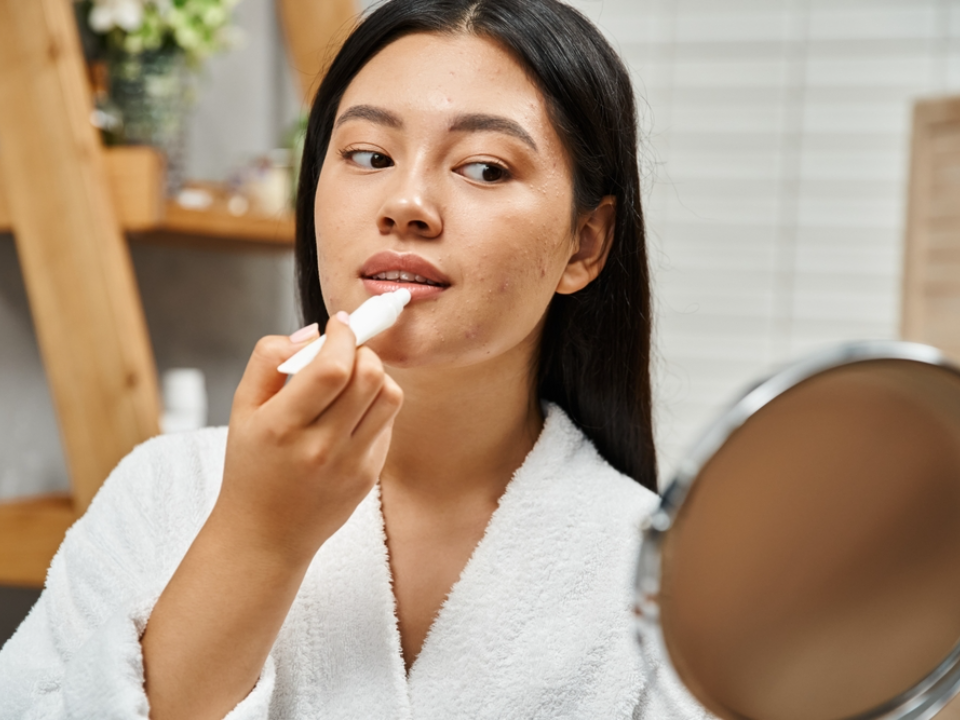
The lips and the skin around the eyes are thinner and require specific care in dry months. A lip balm like Aquaphor Healing Ointment for about $8 protects against wind and indoor heat loss. Eye creams such as CeraVe Eye Repair Cream priced around $13 gently support the delicate area. When these parts are ignored they can become chapped and wrinkled.
Lip dryness leads to peeling and uncomfortable cracks. The skin around the eyes feels tight and looks tired without proper hydration. Using products designed for these areas keeps them soft and less reactive. Apply them throughout the day to maintain comfort. Pausing on this step often results in irritation that takes longer to calm.
Showering With Long Hot Baths

Long hot showers or baths feel soothing in cold months yet they draw moisture out of the skin. A shower oil like Aveeno Skin Relief Body Wash at around $10 helps prevent dryness but water temperature still matters. High heat speeds up moisture loss even when using a gentle wash. Skin can become itchy and flaky after prolonged exposure to hot water.
Reducing the length and heat of showers helps retain your natural oils. Keep showers warm and limit them to brief periods for daily hygiene. After washing pat your skin dry and immediately apply a rich body lotion. This simple pattern keeps your skin feeling softer throughout the day.
Choosing The Wrong Moisturizer Texture

Not all moisturizers match your skin’s needs in winter. A light lotion might feel okay but fail to provide enough comfort during dry spells. A product like Eucerin Advanced Repair Cream priced at about $16 offers thicker hydration for colder months. Choosing a lighter moisturizer because it feels less heavy can backfire in dry air.
When the formula is too thin it does not hold enough moisture at the skin’s surface. This leads to flakiness and discomfort by afternoon. Look for creams with ceramides and glycerin which encourage softness. Switching textures with the seasons supports your skin’s comfort. Observe how your skin feels over several days after applying your product.
Overusing Vitamin C Serums

While Vitamin C is known for its brightening properties, overuse during the winter months can lead to dryness. A serum like SkinCeuticals C E Ferulic priced around $166 is a popular choice, but it is potent and might irritate skin if used too often. Vitamin C is an active ingredient that can make skin more sensitive to the elements, particularly in harsh winter weather.
When your skin is already vulnerable to dryness, introducing strong actives without proper moisture balance may leave it feeling tight and flaky. To protect your skin barrier, alternate your Vitamin C use with hydrating serums. If you notice stinging or redness, reduce the frequency of application. Your skin will thank you when you use these potent serums thoughtfully, ensuring you don’t irritate your complexion.
Skipping Night Cream
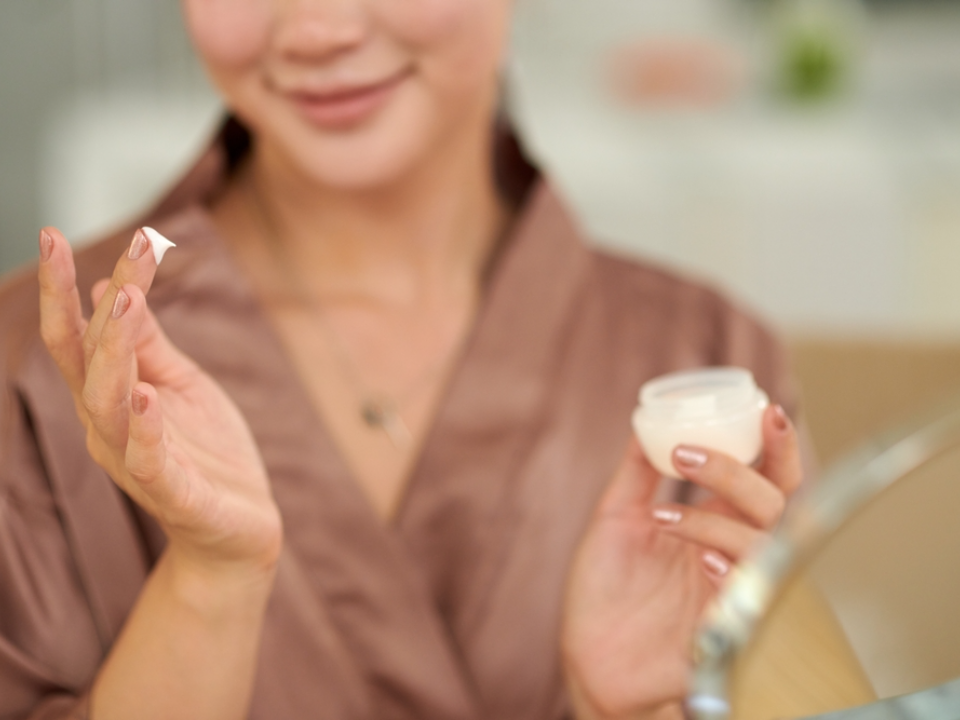
Night creams are formulated to work overnight when your skin is in repair mode. A product like Olay Regenerist Night Recovery Cream priced at about $28 nourishes skin while you sleep, helping to lock in moisture. Skipping this step in the winter can result in dry patches and irritation by morning.
While you may feel like your daytime moisturizer is enough, the skin’s needs change overnight. Night creams are richer and provide intense hydration and restorative benefits. The extra time spent sleeping allows your skin to fully absorb the nourishing ingredients. If you find your skin becomes dry after a night’s rest, incorporating a thicker night cream can be an easy solution.
Overlooking the Importance of Hydrating Masks

Hydrating masks are one of the best ways to provide a quick moisture boost to your skin. A product like Laneige Water Sleeping Mask at around $25 is known for its deep hydration properties. Applying a hydrating mask once or twice a week can replenish moisture levels that daily products may miss.
In January, your skin needs extra support to combat the dry weather, and hydrating masks deliver a concentrated dose of moisture. These masks help improve the skin’s overall texture, making it feel softer and more nourished. Leave them on overnight or for the recommended time to let them work their magic. Hydrating masks are a great way to pamper your skin, especially when it’s feeling extra dry.
Using Oil-Free Products Exclusively
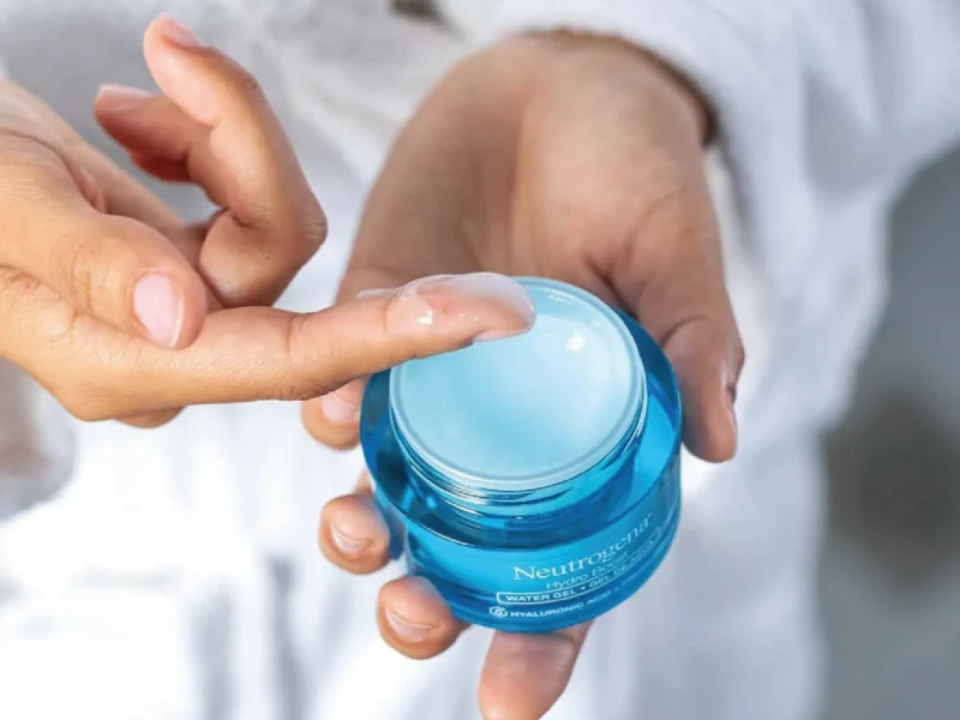
Oil-free products are often marketed as being perfect for oily skin types. However, in the winter, even oily skin can become dry and irritated. Using oil-free moisturizers or serums, such as Neutrogena Hydro Boost Water Gel, at around $17, can leave skin feeling more parched. Oils help to lock in moisture, especially in dry climates, and they create a protective barrier against the elements.
By avoiding oils altogether, you could miss out on the benefits of added hydration. If you struggle with oily skin, consider switching to oil-based serums or oils that can deliver moisture without adding to oil production. It’s essential to balance hydration levels without compromising the skin’s natural moisture.
Using Strong Chemical Peels During the Winter
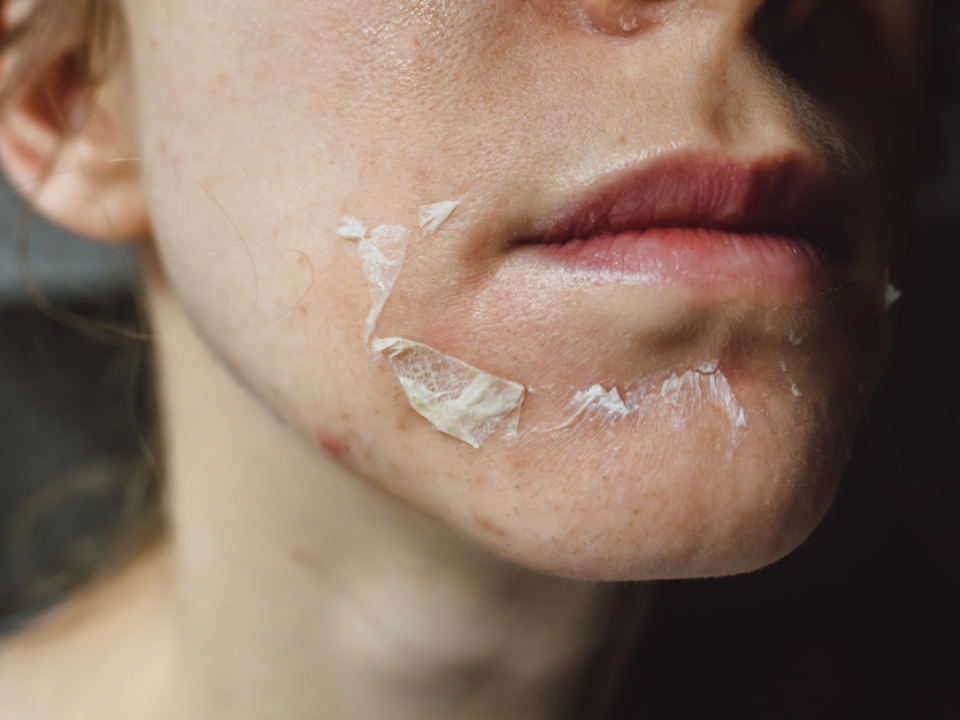
Chemical peels can be a great way to rejuvenate skin, but using them in the winter months can lead to excess dryness and sensitivity. A product like The Ordinary AHA 30% + BHA 2% Peeling Solution priced at about $7 works well for exfoliation but is best used in moderation during the colder months. These peels remove dead skin cells, but they also strip away moisture, leaving skin vulnerable to dryness.
After a chemical peel, your skin may feel more sensitive and prone to irritation. Instead of using a peel every week, space it out and ensure you are using hydrating products to balance the effects. With less exposure to sun in winter, it’s tempting to indulge in peels more often, but it is important to avoid overdoing it to maintain skin hydration.
Not Removing Makeup Before Bed

Leaving makeup on overnight can contribute to skin dryness and clogged pores, especially in winter. A product like Bioderma Sensibio H2O Micellar Water priced at about $15 gently removes makeup without drying the skin. During the colder months, makeup can create a barrier that traps moisture, preventing your skin from breathing. If left on, it can contribute to dullness and make your skin look more lifeless.
Make sure to cleanse thoroughly and follow up with a hydrating toner and moisturizer. This practice ensures that your skin stays clean and can absorb the beneficial ingredients from your other products. A simple step like makeup removal at night can go a long way in maintaining healthy skin.
Using Scented Products on Dry Skin
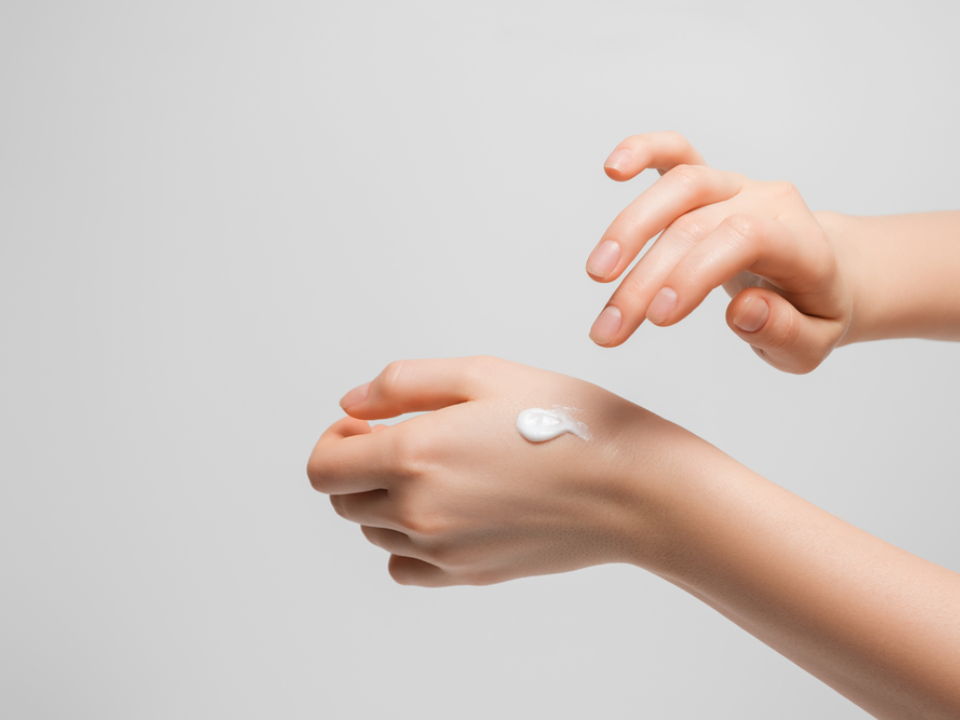
Scented lotions and creams may smell lovely, but they can irritate sensitive skin, especially during the dry winter months. When your skin is dry and vulnerable, the added fragrances can worsen these symptoms.
Opt for fragrance-free products or those with minimal scent, as they are less likely to trigger irritation. Fragrance-free moisturizers like Vanicream Moisturizing Cream at about $10 are formulated to soothe and hydrate skin without causing further dryness. Choosing the right product for your skin type is key to avoiding unwanted irritation and dryness during the colder months.
Using Harsh Scrubs on Sensitive Skin
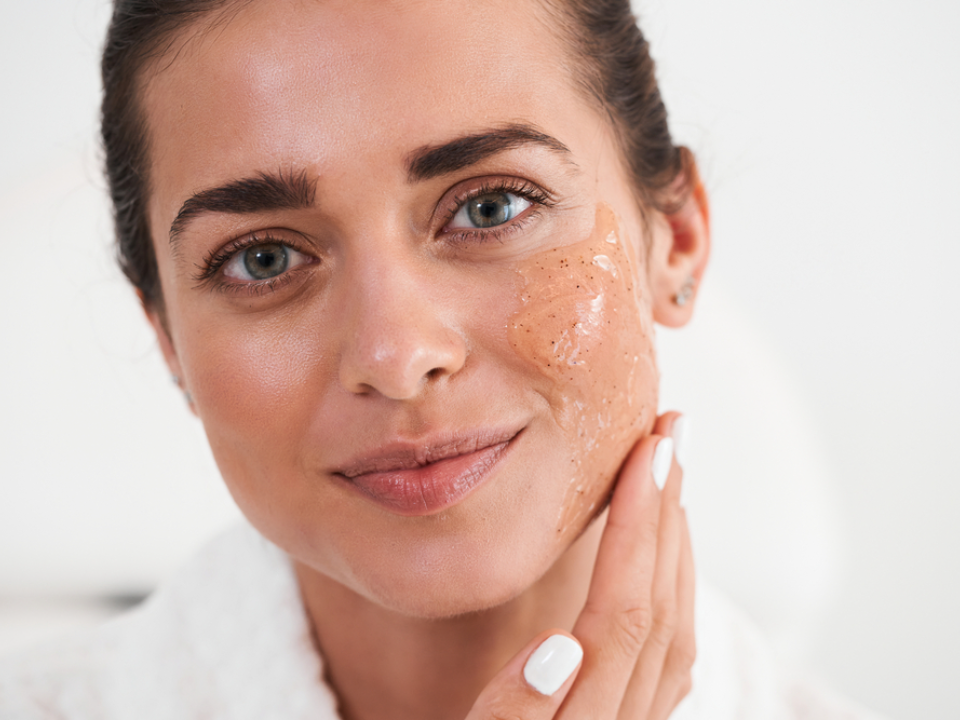
Scrubs that contain rough exfoliating particles can cause microtears in the skin, especially when the skin is already dry in January. A Scrub is often too harsh for the delicate skin of winter. The friction from harsh scrubbing can cause irritation and leave skin more exposed to dryness.
Instead of physical scrubs, consider using gentle chemical exfoliants that won’t harm the skin barrier. A product like The Ordinary Glycolic Acid 7% Toning Solution, priced around $8, can help remove dead skin cells while keeping moisture intact. When exfoliating in winter, always choose mild and soothing options that protect your skin’s moisture.
This article originally appeared on Avocadu.