
15 Rare Monsteras That Look Nothing Like the Classic One
Monstera plants are beloved for their unique, eye-catching leaves, but there are some rare varieties that look nothing like the classic Monstera Deliciosa. These rare Monsteras stand out with their distinct foliage, from smaller, more intricate leaves to unusual variegation patterns. While the traditional Monstera is known for its large, perforated leaves, these unique varieties offer a completely different aesthetic that can bring something fresh and exciting to any plant collection. Whether it’s the delicate, lace-like appearance of certain types or the striking contrast of bold colors, these plants are a must-see for collectors and enthusiasts.
This post may contain affiliate links, which helps keep this content free. Please read our disclosure for more info.
Monstera Adansonii ‘Friedrichsthalii’
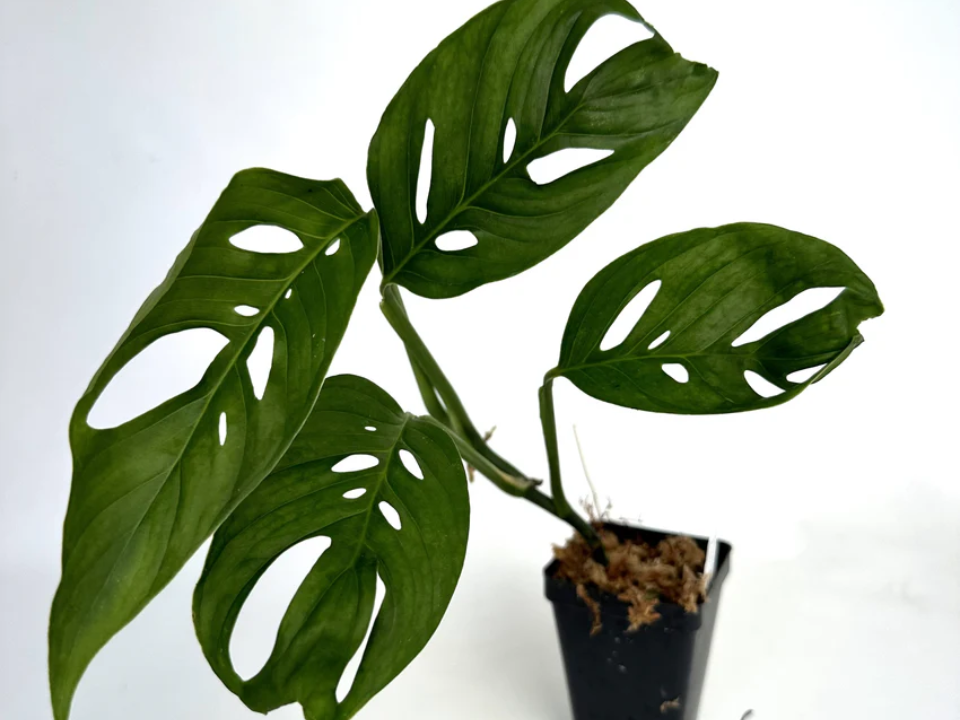
The Monstera Adansonii ‘Friedrichsthalii’ is often referred to as the “Swiss cheese plant” due to the distinctive holes in its leaves. Unlike the classic Monstera, this variety has smaller, more elongated leaves that display a unique pattern of perforations. The plant thrives in a warm, humid environment and requires moderate indirect light to grow properly. It is known for its vining nature, which makes it perfect for hanging baskets or as a cascading houseplant.
The ‘Friedrichsthalii’ is particularly popular for its aesthetic appeal, making it a favorite among interior designers looking for unique foliage in modern settings. Care for this plant is fairly simple, requiring well-draining soil and a regular watering schedule. However, it does best when allowed to dry out between waterings to avoid root rot. Its ability to adapt to a variety of lighting conditions also makes it a versatile addition to any home.
Monstera Obliqua

The Monstera Obliqua is one of the rarest and most sought-after varieties of the genus. This plant’s leaves are noticeably thinner and more delicate than its more common relatives, giving it an airy, almost lace-like appearance. The holes in the leaves of the Monstera Obliqua are larger and more irregularly shaped, adding to its unique beauty. Unlike the classic Monstera Deliciosa, the Obliqua does not have the large, wide leaves but instead boasts small, intricate foliage.
Due to its rarity, the Monstera Obliqua commands a high price in the plant market, with collectors eager to add it to their collections. It thrives in a humid environment with bright, indirect light and prefers a consistent watering schedule. The plant is relatively slow-growing and requires patience, but its striking foliage makes it a rewarding addition for those with the right conditions. It is best suited for experienced plant owners who can provide the care and attention it needs.
Monstera Dubia
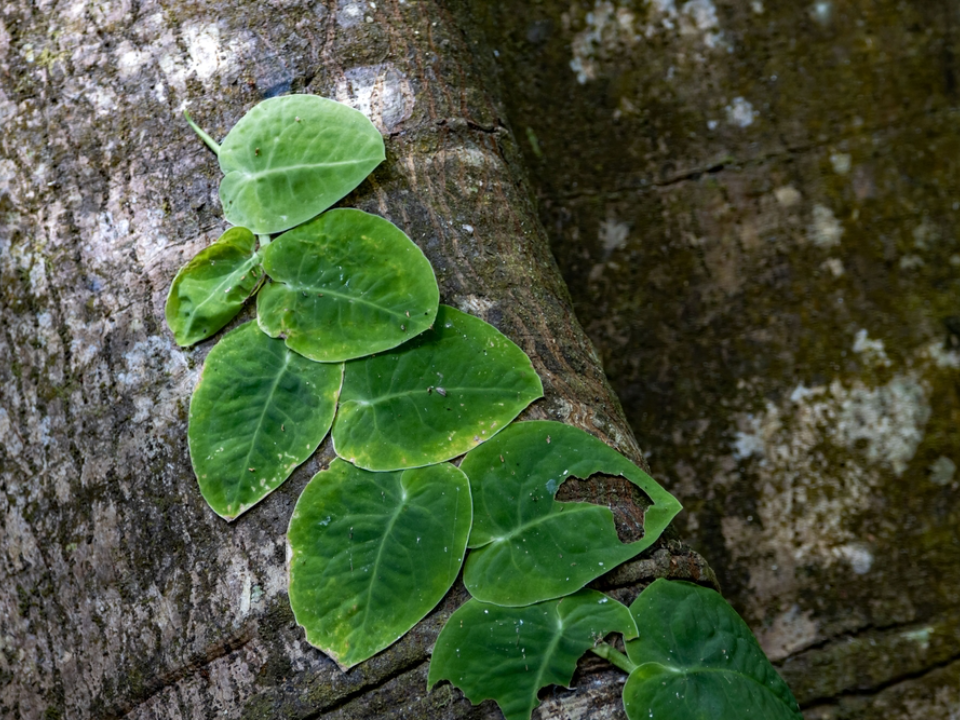
The Monstera Dubia is often compared to the Monstera Peru because of its striking resemblance, but it stands out due to its unique, heart-shaped leaves that transition from a deep green to a silvery hue as the plant matures. Unlike the classic Monstera, the Dubia is a climbing plant that thrives when given a support structure to latch onto. Its leaves are smaller and more compact, but they still maintain that characteristic
Monstera texture and pattern, with a more subtle perforation. The Monstera Dubia can adapt to lower light conditions but will flourish best in bright, indirect light. It enjoys a moderate level of humidity and needs a consistent watering schedule to prevent the soil from drying out completely. As it matures, the plant can grow long, trailing vines that make it a fantastic choice for vertical gardening or hanging baskets. Its rare leaf coloration and unique growth pattern make it a stunning addition to any collection of houseplants.
Monstera Pinnatipartita
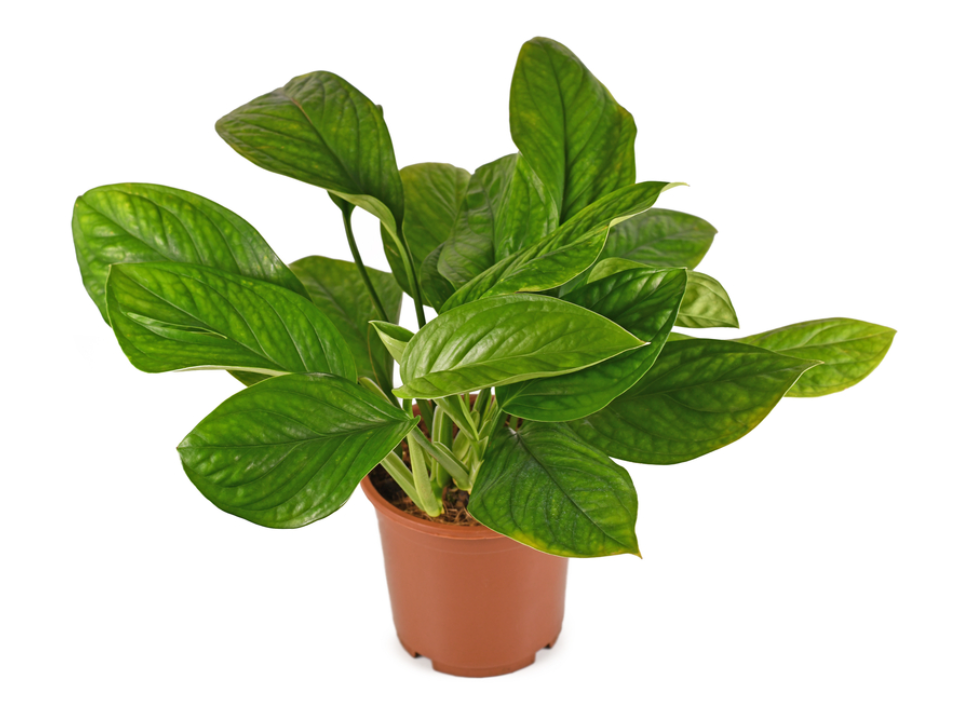
The Monstera Pinnatipartita is a rare variety known for its deeply lobed leaves that are unlike the typical perforated Monstera leaves. This variety’s leaves are pinnate, meaning they have deep cuts along the edges, giving it a feather-like appearance. The Monstera Pinnatipartita’s leaves are usually a rich green color, with veins that become more pronounced as the plant matures. While it shares the same general growth habit as the Monstera Deliciosa, the Pinnatipartita’s unique leaf structure sets it apart, making it a prized specimen among collectors.
This plant thrives in bright, indirect light and benefits from a humid environment. Like many Monsteras, it prefers to be watered when the top inch of soil is dry to the touch, though it is important to avoid letting the soil become soggy. Its slow growth rate means it requires patience, but its stunning leaves are a beautiful reward for the effort. This variety is particularly well-suited for those with a passion for rare, exotic plants.
Monstera ‘Albo Variegata’
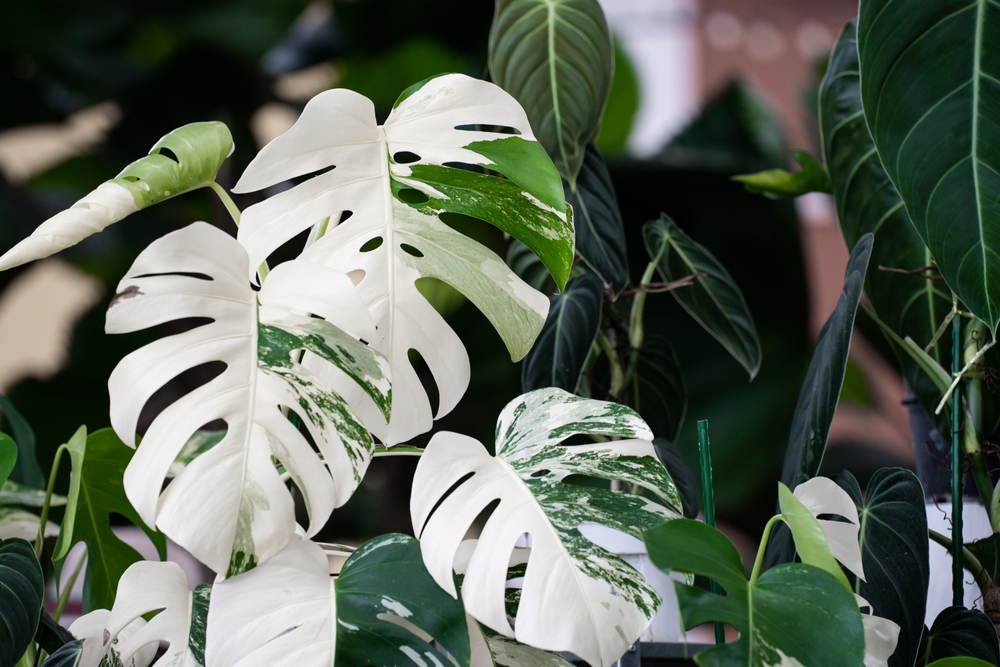
The Monstera ‘Albo Variegata’ is a stunning variegated variety of the Monstera Deliciosa that features striking white and green patterns across its leaves. Unlike the classic Monstera, this variety displays irregular variegation, with some leaves featuring nearly half white and half green. This plant has a slower growth rate than the standard Monstera Deliciosa and requires careful attention to light and watering to maintain its vibrant colors.
The ‘Albo Variegata’ thrives in bright, indirect light, and the variegated leaves are more likely to develop their characteristic white patches when exposed to enough light. Due to its rarity and the difficulty in propagating it, the Monstera ‘Albo Variegata’ is highly sought after in the plant community. It prefers a well-draining soil mix and should not be overwatered to prevent root rot. The plant’s dramatic foliage makes it a stunning addition to any indoor garden, but it does require consistent care to thrive.
Monstera Borsigiana
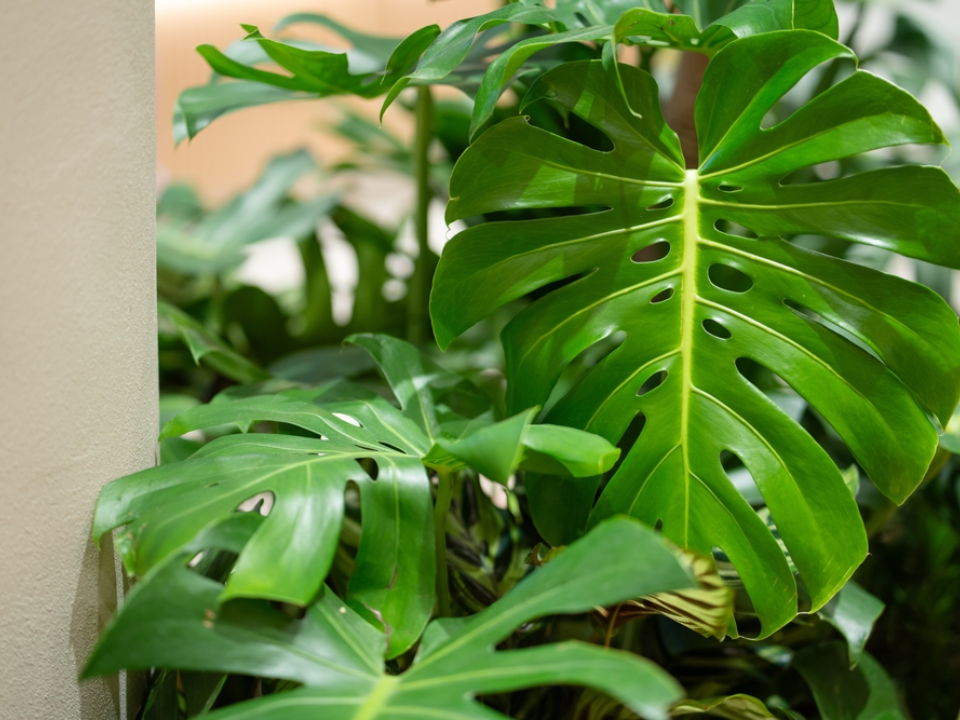
The Monstera Borsigiana is often mistaken for the classic Monstera Deliciosa, but it differs in its smaller, more compact leaves and faster growth rate. The plant’s leaves are similar in shape to the Deliciosa, but they are thinner and less perforated, which gives it a more delicate appearance. As it grows, the Monstera Borsigiana can develop aerial roots that can be trained to climb, making it ideal for a vertical garden setup.
While it prefers bright, indirect light, it can tolerate lower light conditions, making it a versatile plant for various indoor environments. It requires a well-draining potting mix and should be watered when the soil is dry to the touch. Unlike its larger cousin, the Monstera Deliciosa, the Borsigiana is often seen as a more manageable size for indoor spaces. Its unique appearance and ease of care make it a popular choice among both beginners and seasoned plant enthusiasts.
Monstera Standleyana
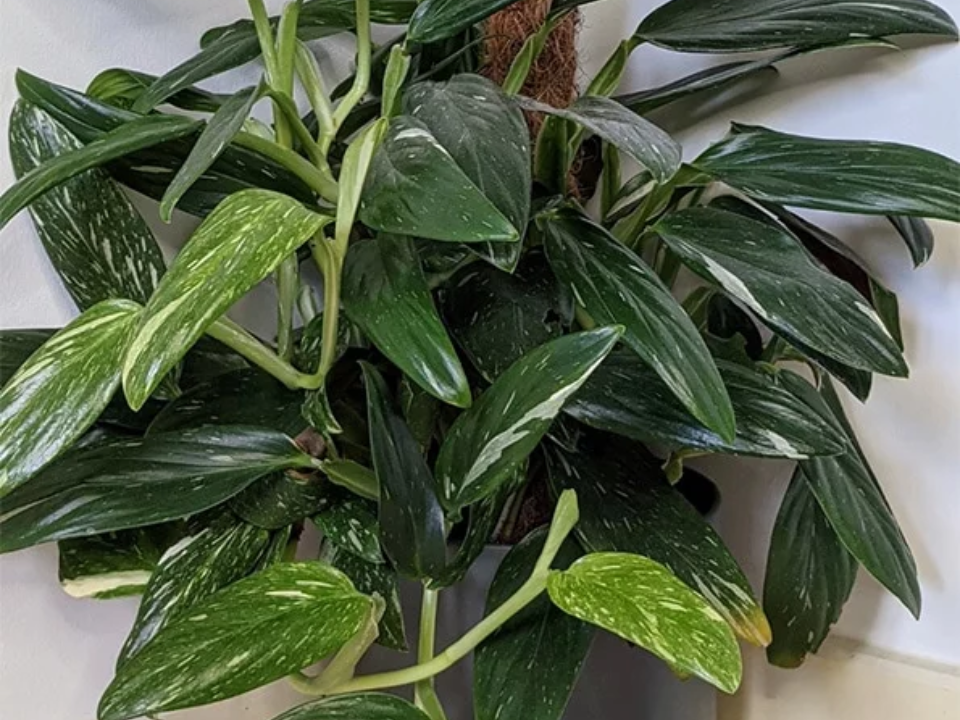
The Monstera Standleyana is a rare variety that is often overshadowed by its more famous relatives but stands out with its narrow, elongated leaves that are covered in white or yellow markings. This variety has smaller, more compact leaves than the classic Monstera and lacks the large perforations typically associated with the species. Instead, the leaves of the Monstera Standleyana are marked with unique variegations that give it a striking appearance.
It grows as a climbing vine, making it an excellent choice for a hanging basket or trellis. The plant thrives in bright, indirect light and prefers a well-draining, acidic soil mix. It requires regular watering but should not be allowed to sit in soggy soil. Its rare leaf variegation and compact size make it a fantastic choice for those looking to add an unusual Monstera variety to their collection.
Monstera ‘Thai Constellation’
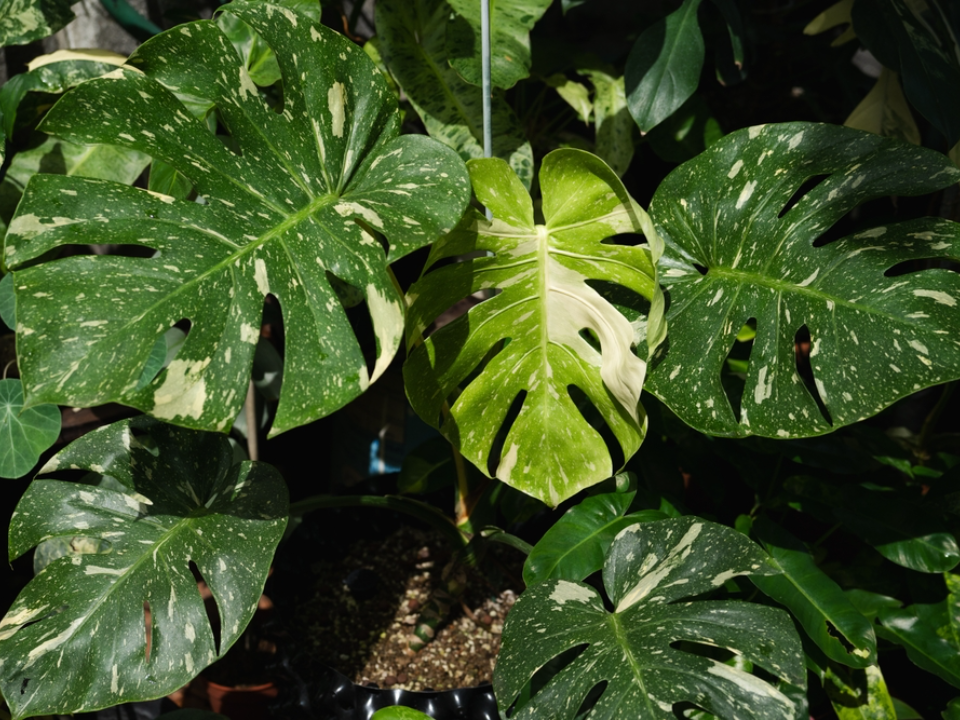
The Monstera ‘Thai Constellation’ is a stunning variegated variety that boasts creamy white patches and speckles across its dark green leaves, resembling a starry sky. Unlike the classic Monstera, this variety has more irregular variegation, with some leaves featuring large, blotchy white sections, while others have fine speckles of white throughout. This rare plant is highly prized by collectors and often commands high prices due to its unique appearance and difficulty in propagation.
The ‘Thai Constellation’ thrives in bright, indirect light, and it requires a consistent watering schedule to keep its soil slightly moist. It should not be overwatered, as this can lead to root rot. The variegation of the leaves can be affected by the amount of light the plant receives, with more intense light resulting in more pronounced variegation. Its slow growth rate and stunning foliage make it an excellent choice for anyone looking to add a touch of elegance to their indoor plant collection.
Monstera Acacoyaguensis
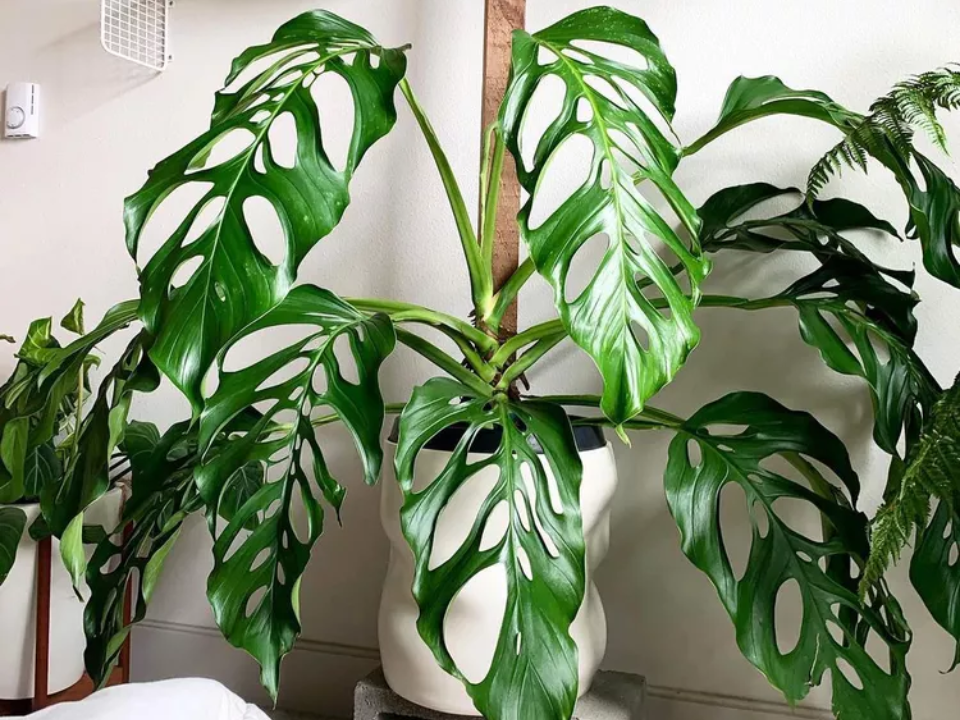
The Monstera Acacoyaguensis is a rare variety that is known for its distinctive, elongated leaves with subtle perforations and a unique appearance compared to the classic Monstera Deliciosa. This variety is native to the rainforests of Central America, where it thrives in the humid, low-light conditions found under the forest canopy. The Acacoyaguensis has deep green leaves that are typically less glossy than other Monsteras, giving it a more matte finish.
Its growth habit is more compact compared to other climbing varieties, making it a great choice for those with limited space. The plant prefers moderate to high humidity and should be watered when the top layer of soil becomes dry. It grows slowly but steadily, with its unique leaf shape making it a conversation piece in any indoor space. Careful attention to its light and watering needs ensures this Monstera thrives and remains a beautiful addition to a plant collection.
Monstera Peru
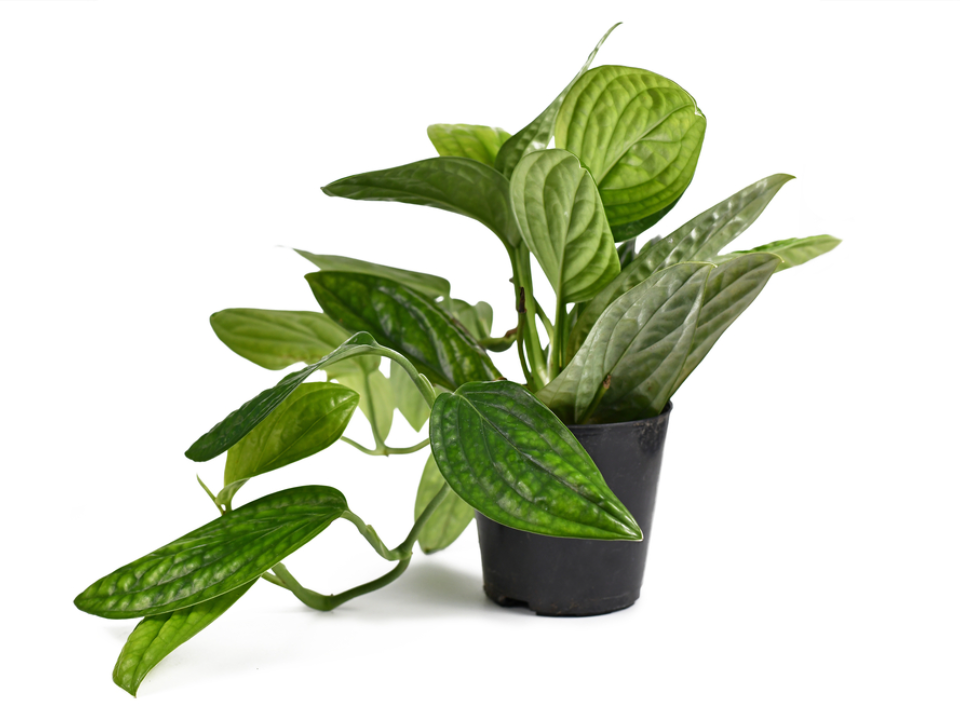
The Monstera Peru is an extraordinary variety that stands out due to its deeply textured, dark green leaves that have a rough, almost leathery appearance. Unlike the classic Monstera Deliciosa, this variety features elongated, narrow leaves that are covered in pronounced veins and ridges. The plant has a unique, almost sculptural quality, with its deep green foliage providing a striking contrast to other plants in a collection.
The Monstera Peru is a climbing vine, thriving when provided with a moss pole or similar structure to support its growth. It requires moderate to bright, indirect light, and its growth rate is relatively slow. It prefers a humid environment and needs regular watering, but care should be taken not to overwater it. Its hardy nature and low-maintenance care requirements make it a popular choice for both new and experienced plant enthusiasts. As it matures, the Monstera Peru develops aerial roots, making it a great addition to vertical gardens or spaces where it can climb freely.
Monstera Siltepecana
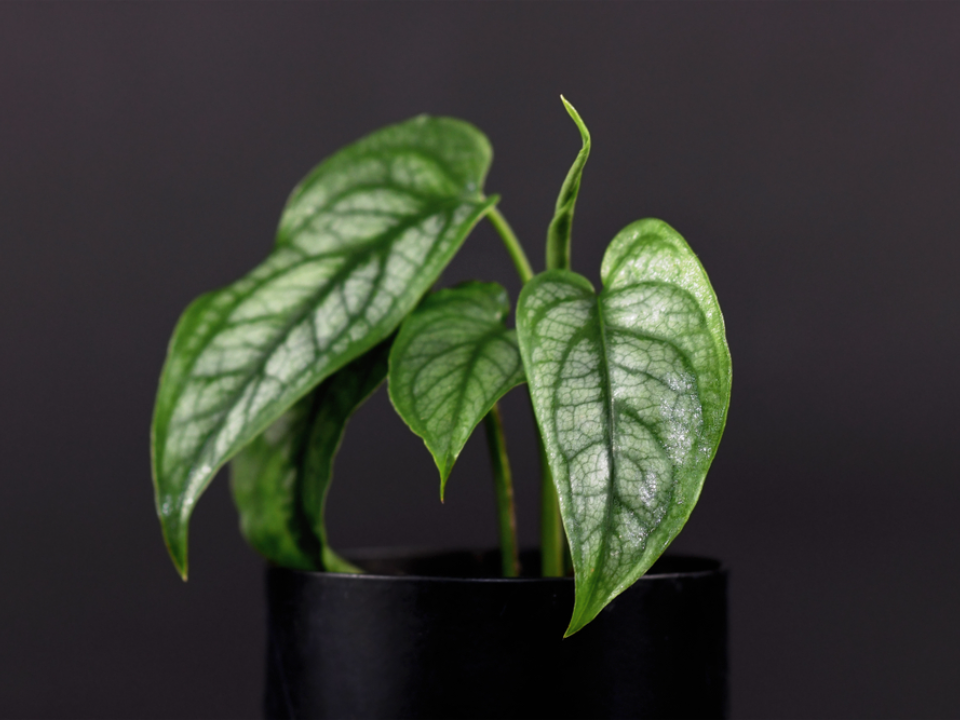
The Monstera Siltepecana is a rare variety known for its uniquely shaped, silver-green leaves that start out small and gradually increase in size as the plant matures. This variety is often mistaken for the Monstera Adansonii because of its similar leaf shape, but the Siltepecana features a more metallic sheen that gives its foliage an almost shimmering quality. As the plant grows, it produces more pronounced veins that give it a textured appearance, adding to its appeal.
The Monstera Siltepecana is a climbing vine, and it thrives when given a structure like a trellis or moss pole. It prefers moderate, indirect light and requires a well-draining soil mix to prevent water retention. Regular watering is necessary, but the soil should be allowed to dry out between waterings to avoid root rot. This variety is known for its resilience and ability to adapt to a variety of lighting conditions, making it a versatile choice for collectors looking for a unique Monstera with striking foliage.
Monstera Esqueleto
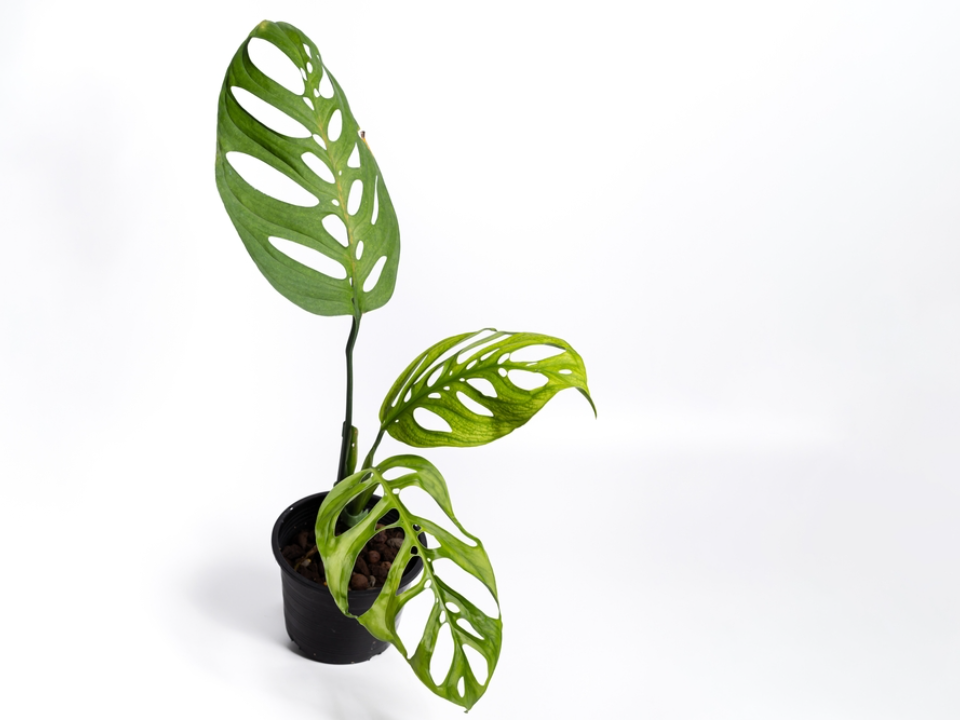
The Monstera Esqueleto is a rare Monstera variety that features leaves with a distinctive, skeletal appearance. The leaves are large and deeply perforated, but what sets this plant apart is the intricate pattern of cuts that run along the edges, creating a lace-like effect. This variety is different from the classic Monstera due to its more delicate leaf structure, which gives it a refined and elegant look. It thrives in bright, indirect light and enjoys a humid environment to mimic its native tropical habitat.
Like other Monstera species, the Esqueleto prefers a well-draining potting mix and should not be overwatered. It is relatively slow-growing, but with proper care, it can eventually develop large, dramatic leaves that create a striking focal point in any indoor space. The Monstera Esqueleto is a perfect choice for those looking for a Monstera with unique, intricate leaf patterns that are sure to impress any plant lover.
Monstera ‘Koko’
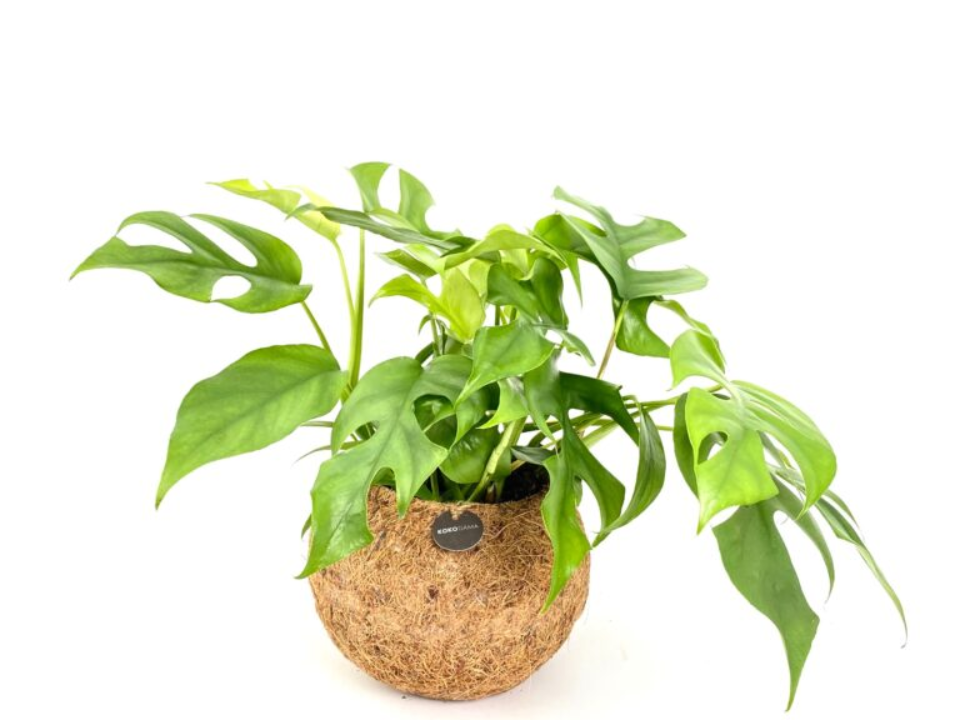
The Monstera ‘Koko’ is a rare and stunning variety that is characterized by its large, glossy green leaves with prominent perforations. This variety is similar in appearance to the classic Monstera Deliciosa but stands out due to the more defined and symmetrical holes in the leaves. The Monstera ‘Koko’ is a fast-growing vine that can quickly become a focal point in any room.
It prefers bright, indirect light and thrives in a humid environment, making it ideal for bathrooms or kitchens. Like other Monsteras, it enjoys regular watering, but the soil should be allowed to dry out between waterings to prevent root rot. The ‘Koko’ variety has a more compact growth habit compared to the larger Monstera varieties, making it perfect for those with limited space. Its striking foliage and easy care requirements make it a favorite among Monstera enthusiasts.
Monstera ‘Deliciosa Aurea’
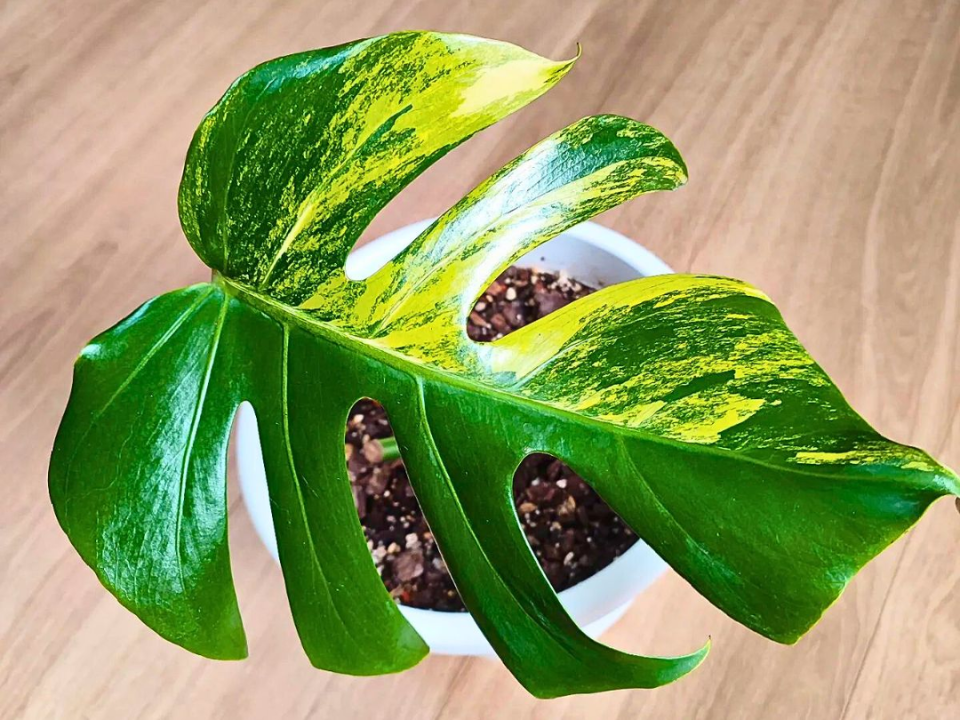
The Monstera Deliciosa Aurea is a stunning variegated variety of the classic Monstera, characterized by its golden-yellow variegation that appears in irregular patterns across the leaves. Unlike the standard Monstera Deliciosa, which has dark green leaves, the Aurea variety is known for its eye-catching contrast of golden hues against the green. This rare variety has become a highly sought-after plant due to its vibrant and dramatic appearance.
The Monstera Deliciosa Aurea thrives in bright, indirect light and requires a consistent watering schedule to keep its soil moist but not soggy. It is important to allow the soil to dry slightly between waterings to prevent root rot. The plant’s slow growth rate means that it may take some time to reach its full size, but its unique and vibrant foliage makes it a rewarding plant to care for. This variety is perfect for those who want to add a touch of gold to their indoor plant collection.
Monstera ‘Jungle Boogie’
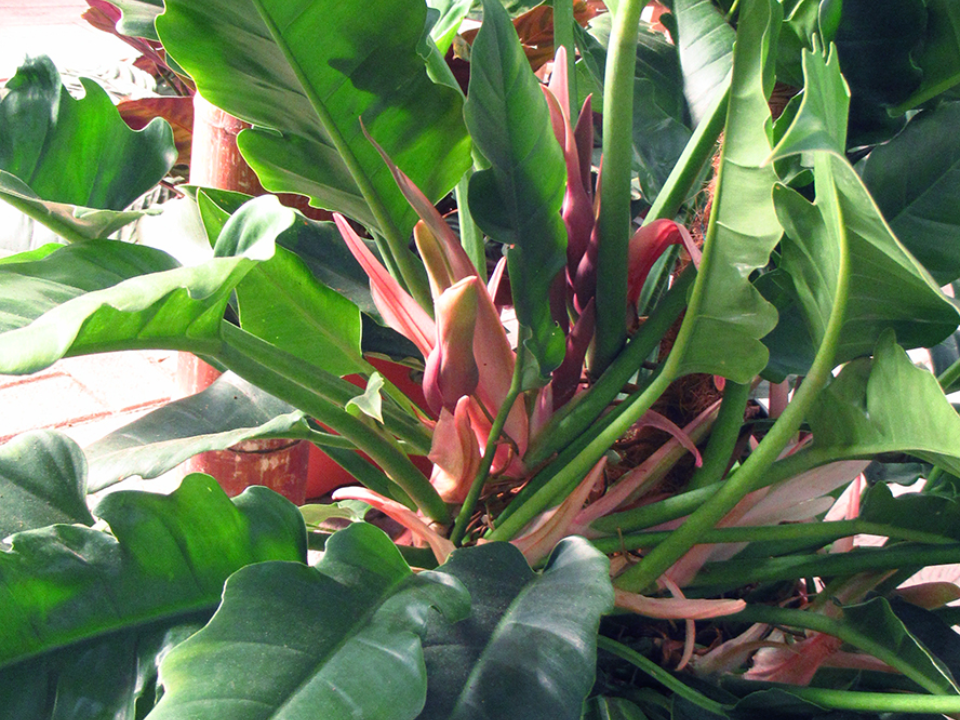
The Monstera ‘Jungle Boogie’ is a rare variety that is known for its striking leaves, which feature bold, irregular perforations and deep indentations. The leaves are large and have a more dramatic appearance compared to the classic Monstera Deliciosa, making it an eye-catching addition to any plant collection. This variety grows as a climbing vine and requires a support structure to thrive. It prefers bright, indirect light and benefits from a humid environment, making it ideal for bathrooms or other spaces with higher humidity levels.
The Monstera ‘Jungle Boogie’ requires a well-draining potting mix and should be watered when the soil is dry to the touch. Its bold, unique leaves and climbing habit make it a favorite among collectors of rare Monsteras. With proper care, the ‘Jungle Boogie’ can become a large, impressive plant that adds character and drama to any indoor garden.
This article originally appeared on Avocadu.