
13 Rare Plants With Fragrance That Surprises First Time Growers
When you think of fragrant plants, you might picture well-known favorites. However, there are rare plants out there with fragrances that will truly surprise you. These plants don’t just look beautiful, but their scents are equally captivating. Whether you’re new to gardening or a seasoned expert, there’s something about these rare finds that makes them stand out.
This post may contain affiliate links, which helps keep this content free. Please read our disclosure for more info.
Hoya (Wax Plant)
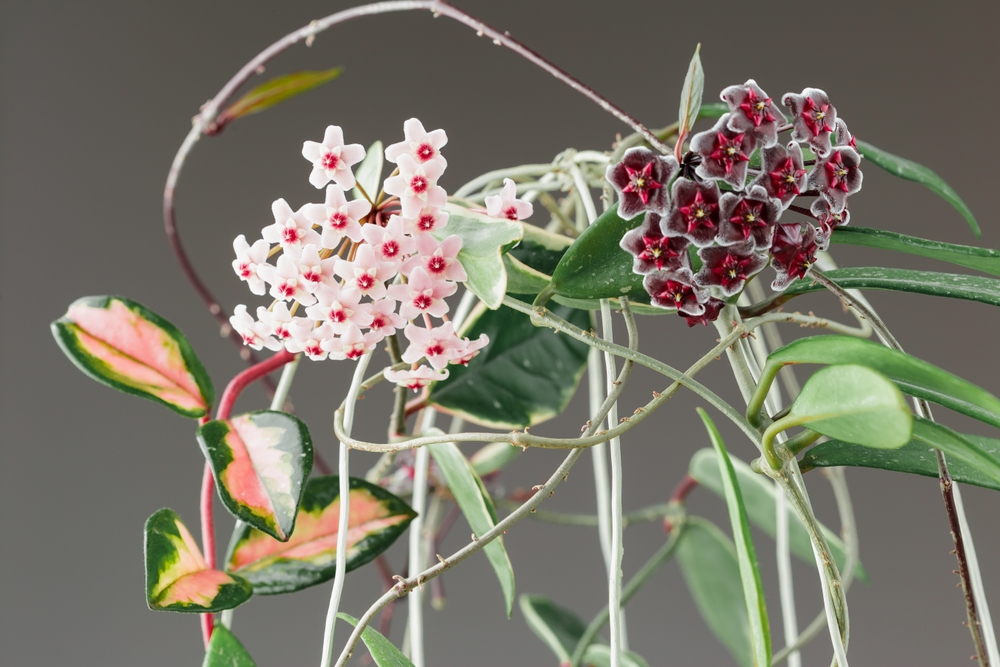
Hoya, also known as the wax plant, is a rare and low-maintenance plant prized for its fragrant flowers. It has star-shaped blooms that emit a sweet, honey-like scent that is strongest when the flowers are in full bloom. These plants thrive in warm temperatures with plenty of indirect light and well-drained soil. While they are relatively easy to grow, they require patience, as they may take a few years to bloom. Hoya can be grown as a houseplant or in a hanging basket, making it a perfect choice for those with limited space.
The fragrance of Hoya flowers is often compared to vanilla or honey, and it becomes more noticeable in the evening. These plants do not require frequent watering, but they do benefit from occasional feeding with a diluted liquid fertilizer. Their waxy, succulent leaves also add to their charm, making them an attractive addition to any home. For first-time growers, the slow-growing nature of Hoya can be a bit surprising, but its fragrance will make it worth the wait. Be sure to keep it in a location with consistent temperatures and away from cold drafts.
Heliotrope (Heliotropium arborescens)
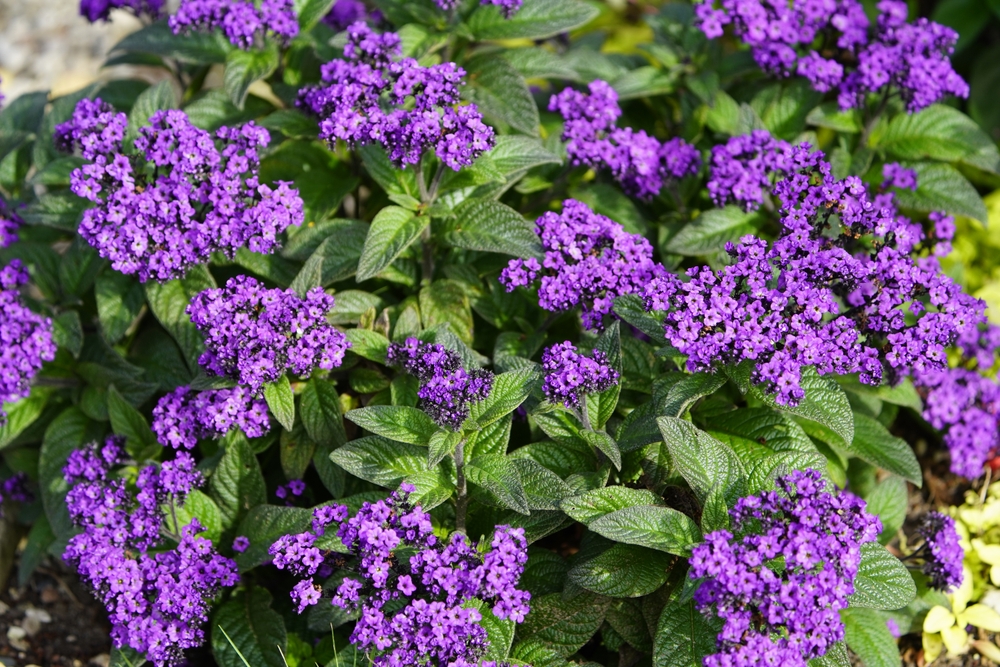
Heliotrope is a rare, fragrant shrub known for its small clusters of purple, white, or blue flowers that bloom in the summer. The fragrance is strong, sweet, and often compared to vanilla or almond, making it a favorite for those seeking aromatic plants. This plant thrives in full sun and well-drained, moderately rich soil. It needs regular watering, especially during dry periods, but it is important not to overwater, as it can lead to root rot. Heliotrope is perfect for adding fragrance to flower beds or containers in a sunny spot.
The strong scent of Heliotrope is most noticeable in the evening, making it ideal for those who want a fragrant garden after sunset. Its compact size makes it suitable for smaller gardens or as a potted plant. Heliotrope also requires occasional pruning to keep it tidy and encourage more blooms. It is generally easy to grow, but it does prefer mild temperatures and should be protected from frost. With the right care, the sweet fragrance and colorful blooms of Heliotrope will surprise first-time gardeners.
Chocolate Daisy (Berlandiera lyrata)
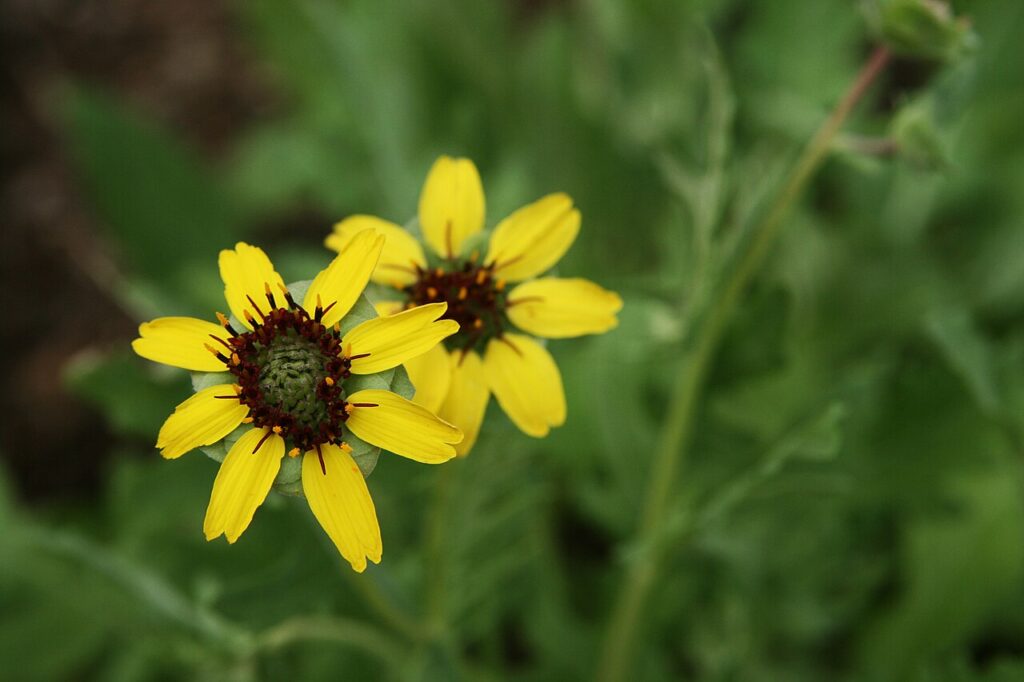
Chocolate Daisy is a rare, drought-tolerant perennial with striking yellow flowers that release a delightful chocolate scent. This plant is native to North America and is often found in wildflower gardens or xeriscapes. The fragrance is most prominent during the day when the flowers are open, giving off a warm, cocoa-like aroma. Chocolate Daisy thrives in full sun and well-drained, sandy or rocky soil. It is highly resilient and can tolerate dry conditions, making it a great plant for beginner gardeners who want low-maintenance options.
The fragrance of Chocolate Daisy is unique and offers a fun twist to any garden with its sweet, chocolate-like aroma. Although it is drought-tolerant, regular watering is needed during prolonged dry spells to keep the plant healthy. It grows best in arid or semi-arid climates and can handle extreme heat. Chocolate Daisy also attracts pollinators like bees and butterflies, making it a valuable addition to any garden. For those new to gardening, this plant is an easy choice that offers both visual and aromatic appeal.
Tillandsia crocata
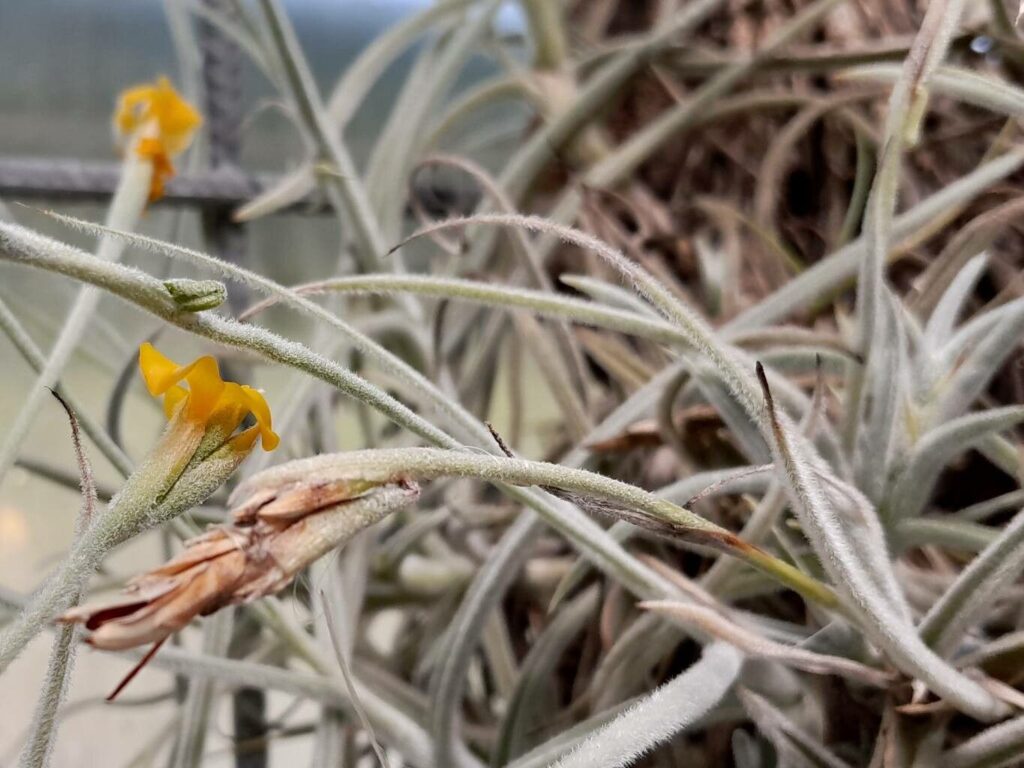
Tillandsia crocata, a species of air plant, is a rare plant known for its pleasant, citrus-like fragrance. Unlike most plants, it does not require soil to grow, making it an excellent option for first-time gardeners who may have limited space. This plant thrives in bright, indirect light and requires regular misting or soaking in water to keep its leaves hydrated. The fragrance is strongest when the plant is in bloom, and it adds a fresh, citrusy scent to any room or garden. Tillandsia crocata is a perfect choice for those looking for a low-maintenance yet fragrant plant.
The unique aspect of Tillandsia crocata is that it can be displayed in a variety of ways, from hanging in a terrarium to being placed on decorative stones. Its ability to grow without soil makes it an interesting addition to any indoor space. Regular misting is important, but it should never be left sitting in water, as this can cause the plant to rot. With its simple care requirements and distinctive fragrance, Tillandsia crocata is a fun and surprising plant for beginners to grow. It will thrive with minimal care and reward you with a refreshing citrus scent.
Giant Peruvian Daffodil (Paramongaia weberbaueri)
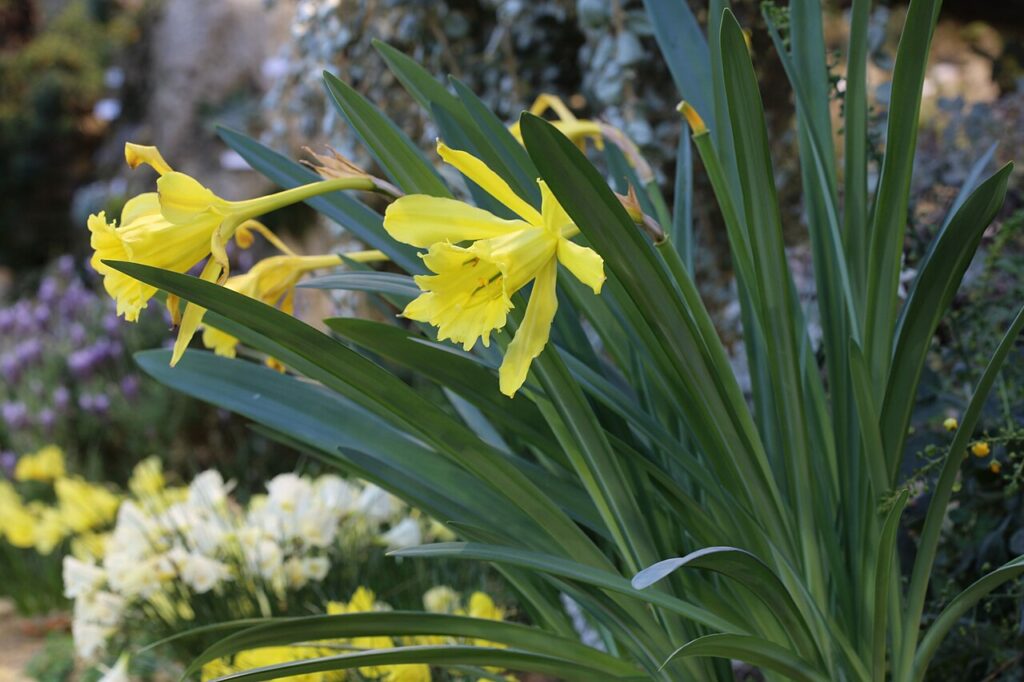
The Giant Peruvian Daffodil is a rare bulb plant native to the Andes, known for its enormous, trumpet-shaped flowers that release a sweet, pleasant fragrance. This plant blooms in the spring and summer, and its fragrance is often described as rich, floral, and somewhat exotic. It requires a sunny spot with well-drained, fertile soil and needs to be watered regularly, especially during its growing season. The Giant Peruvian Daffodil thrives in temperate climates and can be grown in containers for those in cooler regions. After blooming, the plant requires minimal care until the next flowering season.
The flowers of the Giant Peruvian Daffodil are stunning, measuring up to 8 inches in diameter, and their fragrance is strongest during the evening. This rare plant adds a touch of drama to any garden or indoor space. It’s a great option for gardeners looking for a low-maintenance, fragrant plant that also makes a bold visual statement. Though it is rare and somewhat difficult to find, its unique flowers and fragrance make it worth the effort. First-time growers will enjoy its simplicity once they provide the right growing conditions.
Sweet Box (Sarcococca ruscifolia)
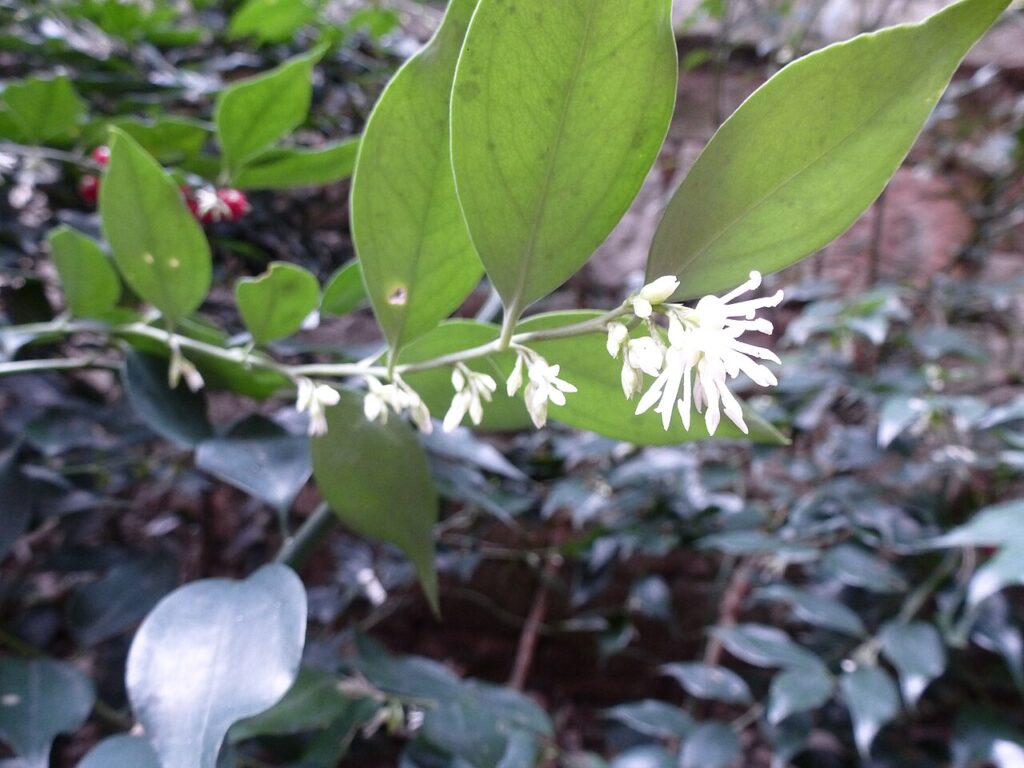
Sweet Box is a rare evergreen shrub that offers small, fragrant white flowers that release a sweet, honey-like fragrance in the winter. It is known for its ability to bloom in the colder months, providing much-needed fragrance during the off-season in the garden. Sweet Box thrives in shady spots with well-drained, acidic soil and needs regular watering, especially during dry spells. This plant is perfect for creating a fragrant winter garden, as it grows well in cooler climates. It also makes an excellent ground cover due to its dense, compact growth.
The fragrance of Sweet Box is soft and sweet, filling the air with a honey-like scent that surprises many first-time gardeners. This plant is low-maintenance and can tolerate a variety of soil conditions as long as they are well-drained. It also attracts pollinators during its blooming period, adding value to your garden. Sweet Box is ideal for shaded areas where other plants may not thrive. Its ability to bloom in winter and provide a delightful fragrance makes it an excellent choice for gardeners looking for something a bit different.
Banana Shrub (Michelia figo)
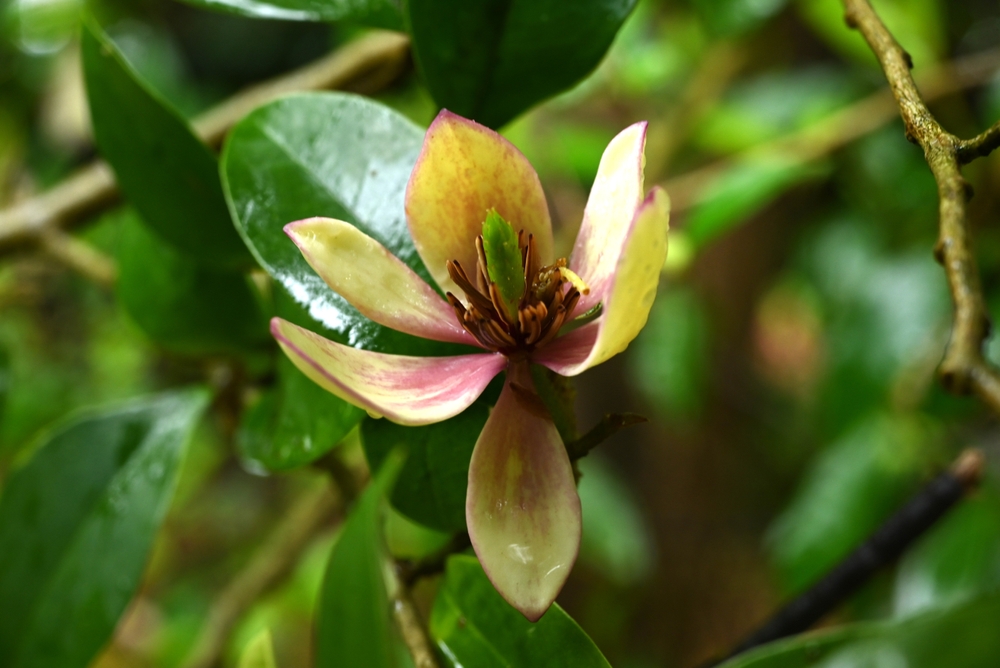
The Banana Shrub is a rare, fragrant shrub with dark green leaves and small, yellow flowers that emit a scent reminiscent of ripe bananas. This plant thrives in warm climates with well-drained soil and is often grown in garden beds or containers. The fragrance is strongest when the flowers are in bloom, making it a great addition to any garden or patio. The Banana Shrub prefers full sun or partial shade and requires regular watering during dry spells. It is also fairly resistant to pests and diseases, making it relatively easy to care for.
The fragrance of the Banana Shrub is sweet and tropical, filling the air with a fresh, banana-like scent that can surprise first-time growers. This plant grows best in warm, humid environments and can be grown in containers if you live in a cooler region. Regular pruning will help maintain its shape and encourage more blooms. While it requires consistent care, the Banana Shrub is a rewarding plant for those looking for a fragrant, easy-to-grow option. Its tropical scent makes it an excellent choice for adding a touch of exotic appeal to your garden.
Angel’s Trumpet (Brugmansia aurea)
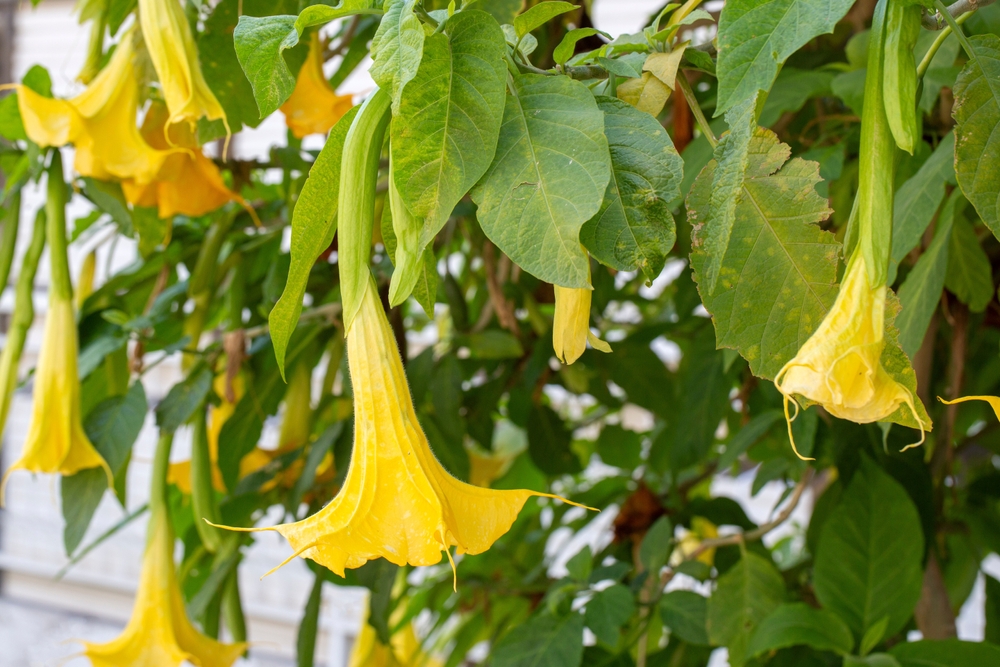
Angel’s Trumpet is a rare and striking plant known for its large, trumpet-shaped flowers that come in a variety of colors, including white, pink, and yellow. The fragrance of the flowers is strong and sweet, often compared to jasmine or gardenia, making it a favorite among gardeners seeking a fragrant addition. This plant thrives in warm, sunny locations with well-drained soil and regular watering. Angel’s Trumpet is often grown as a large shrub or small tree, and it can be pruned to maintain its shape. While it’s relatively low-maintenance, care must be taken to avoid overwatering, as this can lead to root rot.
The fragrance of Angel’s Trumpet is most pronounced in the evening, making it an excellent plant for adding fragrance to your garden at night. It grows quickly when provided with plenty of sunlight and can bloom multiple times during the growing season. Although it can be toxic if ingested, Angel’s Trumpet is safe to handle as long as precautions are taken. This rare plant is a great choice for those looking for a stunning and fragrant addition to their garden. It’s also ideal for creating a dramatic effect with its large, pendulous flowers.
Chocolate Cosmos (Cosmos atrosanguineus)
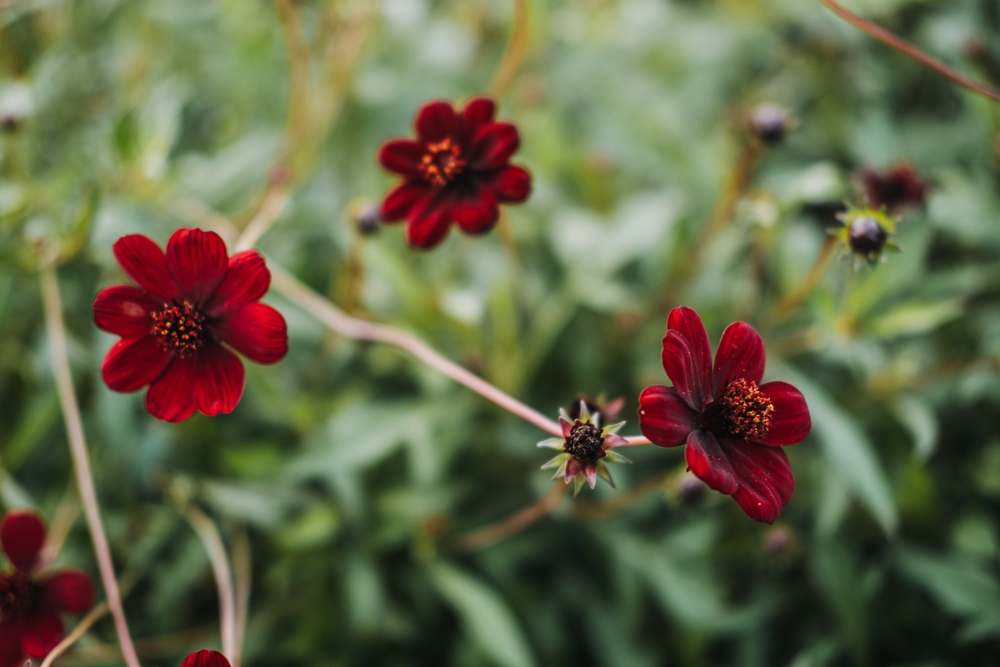
The Chocolate Cosmos is a rare, tuberous perennial that produces deep red to nearly black flowers with a fragrance that resembles dark chocolate. This plant is native to Mexico and is not commonly found in regular nurseries, making it a rare gem for gardeners. It thrives in well-drained, loamy soil and requires full sun to partial shade for optimal growth. Regular watering is needed, but care must be taken to avoid overwatering, which can cause root rot. Chocolate Cosmos is best grown in pots or containers to allow for easier maintenance and care.
The chocolate-scented blooms of this plant are particularly fragrant in the late afternoon and evening. The fragrance adds a delightful surprise to your garden or patio, making it an ideal choice for those who appreciate aromatic plants. Chocolate Cosmos also attracts pollinators such as bees and butterflies, making it a beneficial addition to any garden. With the right care, this rare plant will reward you with its stunning blooms and unique fragrance year after year.
Sweet Osmanthus (Osmanthus fragrans)
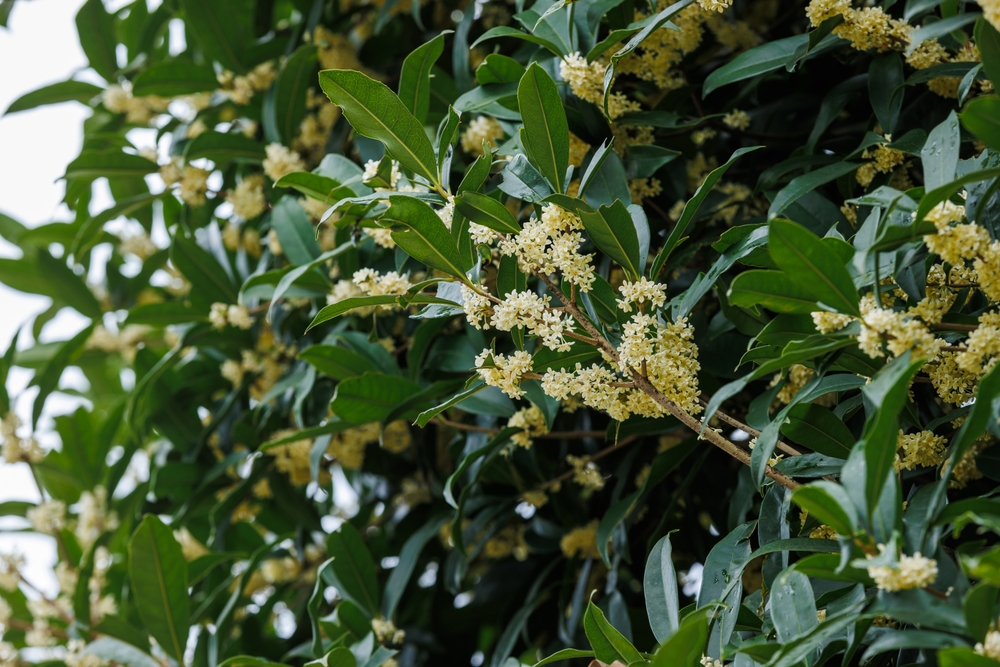
Sweet Osmanthus is a rare, evergreen shrub that produces small, white or yellow flowers with a fragrance often compared to apricots or peaches. This plant is native to Asia and is highly valued for its fragrant blooms, which appear in the fall and winter months. Sweet Osmanthus thrives in full sun or partial shade with well-drained, slightly acidic soil. It requires regular watering, but once established, it is quite drought-tolerant. Pruning after flowering will help maintain the shape of the plant and encourage new growth.
The fragrance of Sweet Osmanthus is rich and sweet, filling the air with a pleasant, fruity aroma that surprises first-time growers. This plant is particularly special because it blooms during the cooler months, providing much-needed fragrance when other plants are dormant. It grows well in temperate climates and can be planted as a hedge or ornamental shrub. Sweet Osmanthus is relatively low-maintenance and can adapt to a variety of growing conditions. Its delightful fragrance makes it a popular choice for those looking to add a rare, aromatic plant to their garden.
Frangipani (Plumeria)
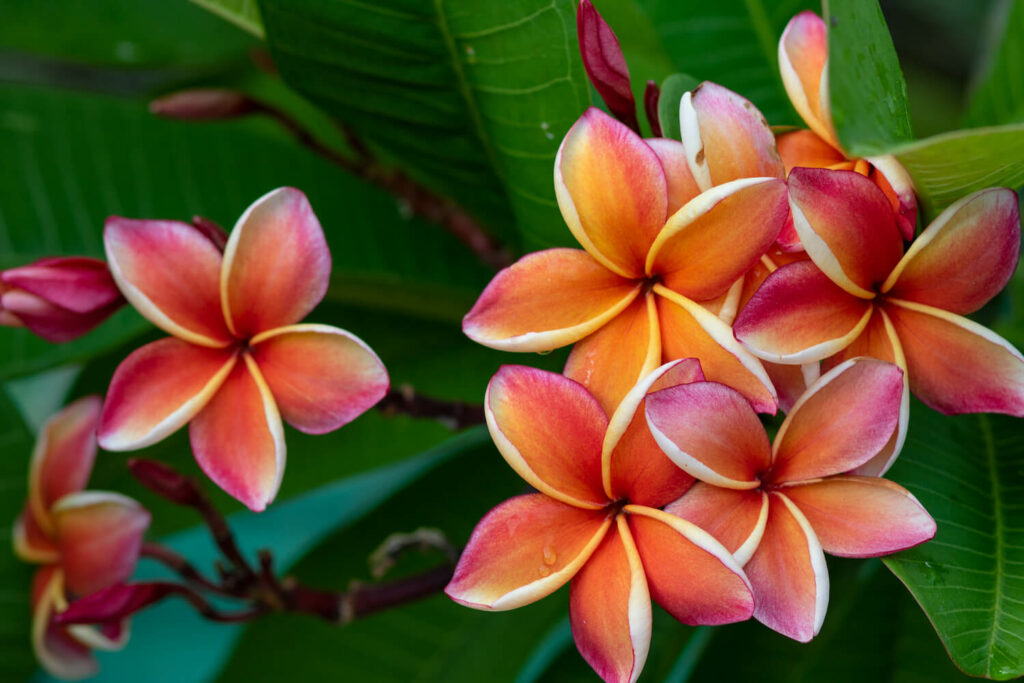
Frangipani is a tropical plant known for its sweet, floral fragrance that many people associate with tropical vacations. The flowers of Frangipani come in a variety of colors, including white, pink, yellow, and red, and their fragrance can fill the air with a subtle yet intoxicating scent. This plant thrives in warm, sunny climates with well-drained soil. It requires regular watering but should not be overwatered, as it is prone to root rot in soggy conditions. Frangipani can be grown in pots or directly in the garden, making it a versatile choice for gardeners.
The fragrance of Frangipani is sweet and tropical, often evoking memories of warm beaches and island escapes. It is most intense in the late afternoon or evening, making it a perfect plant for a fragrant garden. While it is rare in cooler climates, Frangipani is an excellent choice for gardeners living in tropical or subtropical regions. It thrives in full sun and can be grown indoors in pots if the climate is not warm enough. This plant is a rewarding choice for those looking for a fragrant, tropical addition to their collection.
Vanilla Orchid (Vanilla planifolia)
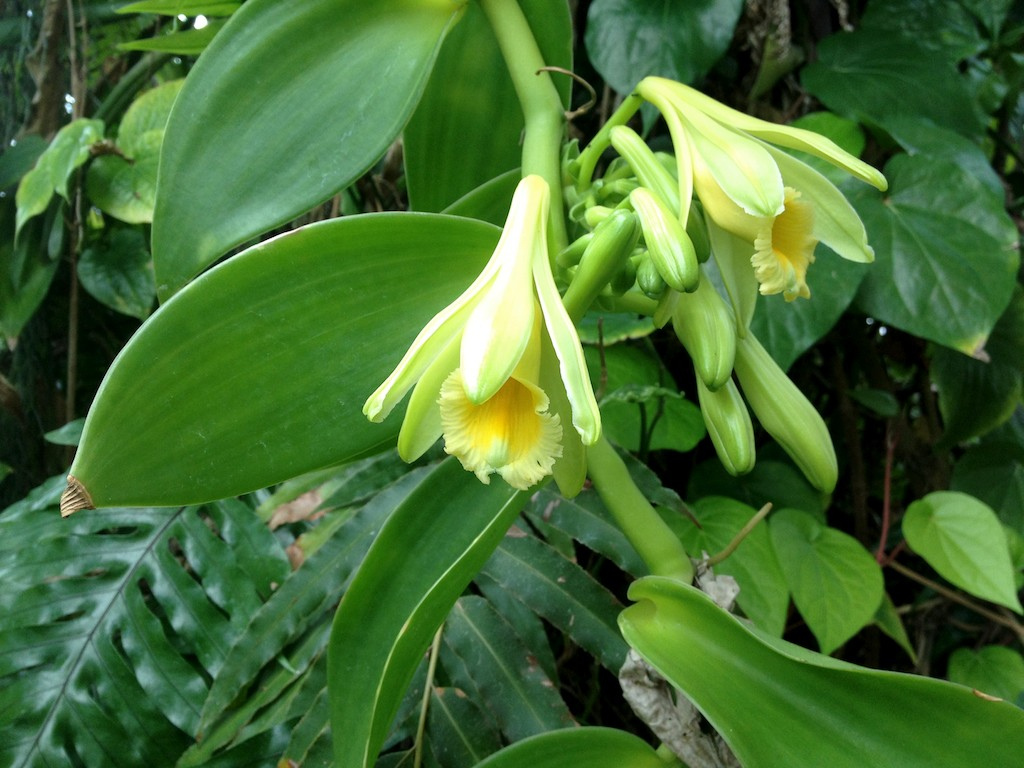
The Vanilla Orchid is a rare plant known for its fragrant, creamy white flowers and its ability to produce vanilla beans. This plant is native to tropical regions and requires specific conditions to thrive, including warmth, humidity, and plenty of indirect light. It is relatively slow-growing, and it may take several years before it produces flowers. The fragrance of the flowers is subtle yet sweet, and once the beans are harvested, they can be used to make homemade vanilla extract. To grow Vanilla Orchid successfully, provide it with a trellis or other support for its climbing growth.
The fragrance of Vanilla Orchid is sweet and creamy, with a subtle scent that is both soothing and tropical. This plant requires patience and care, as it is difficult to grow outside of tropical or subtropical climates. However, it is well worth the effort for those who want to grow their own vanilla and enjoy its sweet fragrance. With the right care, the Vanilla Orchid can thrive and reward you with fragrant flowers and delicious vanilla beans.
Night-Blooming Cereus (Selenicereus grandiflorus)
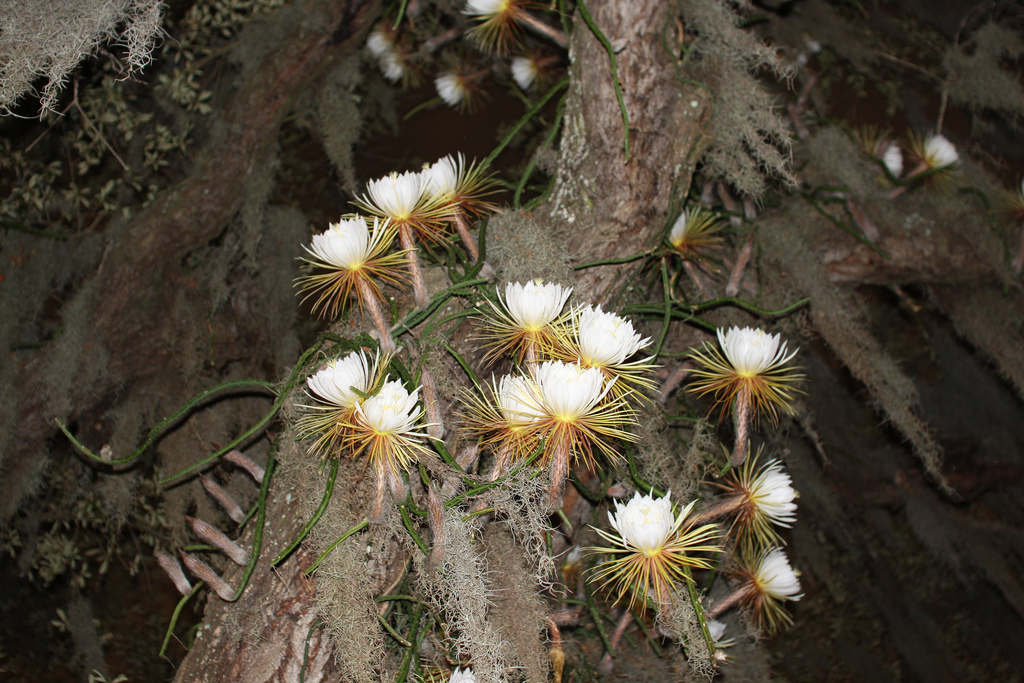
The Night-Blooming Cereus is a rare cactus known for its large, white, fragrant flowers that bloom only at night. The fragrance is strong and sweet, filling the air with a honey-like scent that can be detected from a distance. This plant thrives in well-drained, sandy soil and requires plenty of indirect light. It is perfect for gardeners who live in warmer climates, as it cannot tolerate frost. The Night-Blooming Cereus blooms only once a year, so its fragrance is highly anticipated and adds a touch of magic to any garden.
The fragrance of the Night-Blooming Cereus is one of its most enchanting qualities, making it a favorite among night-time gardeners. This plant is relatively low-maintenance and can thrive in a variety of containers or garden beds. Its large, fragrant flowers are a rare treat, blooming only during the summer months. Although it is a bit more challenging to grow than some other plants, the beauty and fragrance of this plant make it well worth the effort. First-time gardeners will be surprised by the incredible scent that fills the garden when these flowers bloom.
This article originally appeared on Avocadu.