
14 Plants That Bring a Pop of Green to Winter Shelves
As temperatures drop and days grow shorter, adding some plants to your home can make a big difference. Greenery helps liven up winter spaces and brings a natural charm. A few plants in the right spots can create a refreshing and cozy atmosphere. They are easy to maintain and can even survive indoors during winter.
This post may contain affiliate links, which helps keep this content free. Please read our disclosure for more info.
Snake Plant
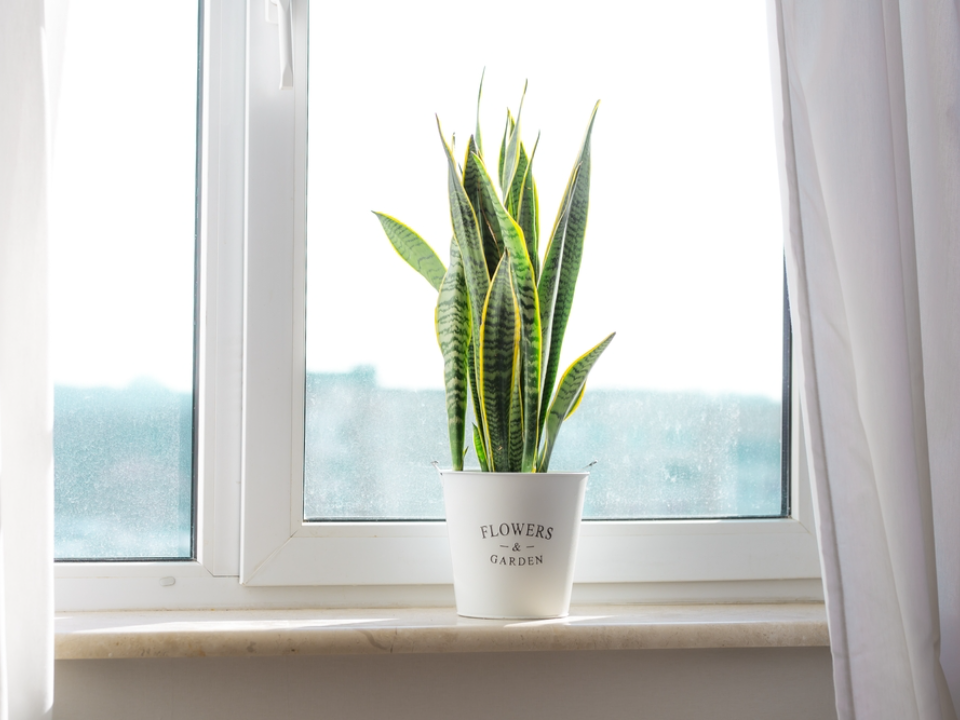
Snake plant is an iconic houseplant known for its stiff, upright leaves and simple care needs. It tolerates a range of light levels, including low light on a winter shelf, and its vertical shape makes it a great fit for narrow spaces. This plant does not need frequent watering, which can be helpful when days are short and the soil dries slowly. Its deep green leaves bring life to indoor rooms that lack natural sunlight.
In winter care, water only when the soil feels dry to the touch, and avoid placing it right next to cold windows that might chill the roots. Snake plant can grow quietly through the season, giving consistent greenery without fuss. Its foliage looks striking in simple pots, adding structure and colour to shelves. Many are kept in private collections or on display in museums.
Peace Lily
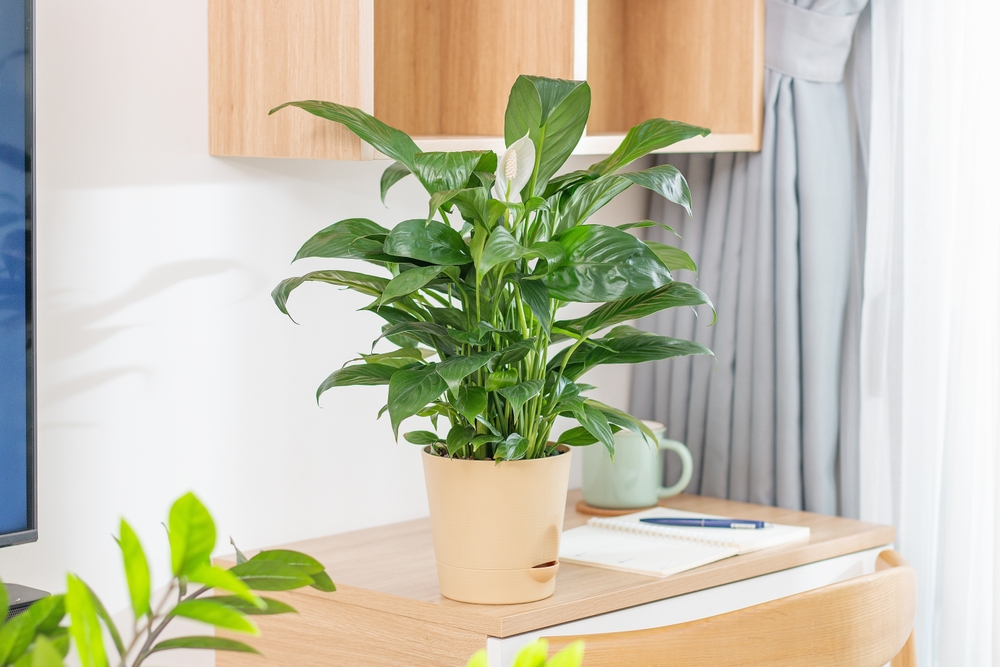
Peace lily is a classic choice that combines lush green leaves with occasional white blooms even in the winter months. It thrives in moderate to low light, making it well suited for indoor locations where sunshine is limited. Its glossy foliage helps fill shelf space with a smooth, calming presence. Peace lily also reacts to dry air and low humidity by drooping slightly, which can be a signal to adjust conditions around your plants.
In addition to its greenery, the peace lily can remove some indoor air impurities, supporting a healthier environment during the cooler months. Keep soil consistently moist but avoid overwatering, as soggy conditions can lead to root issues. Placing it near other green plants can create a small, thriving indoor garden feel. This plant has long been a favourite for spaces that need both softness and visual appeal.
Spider Plant
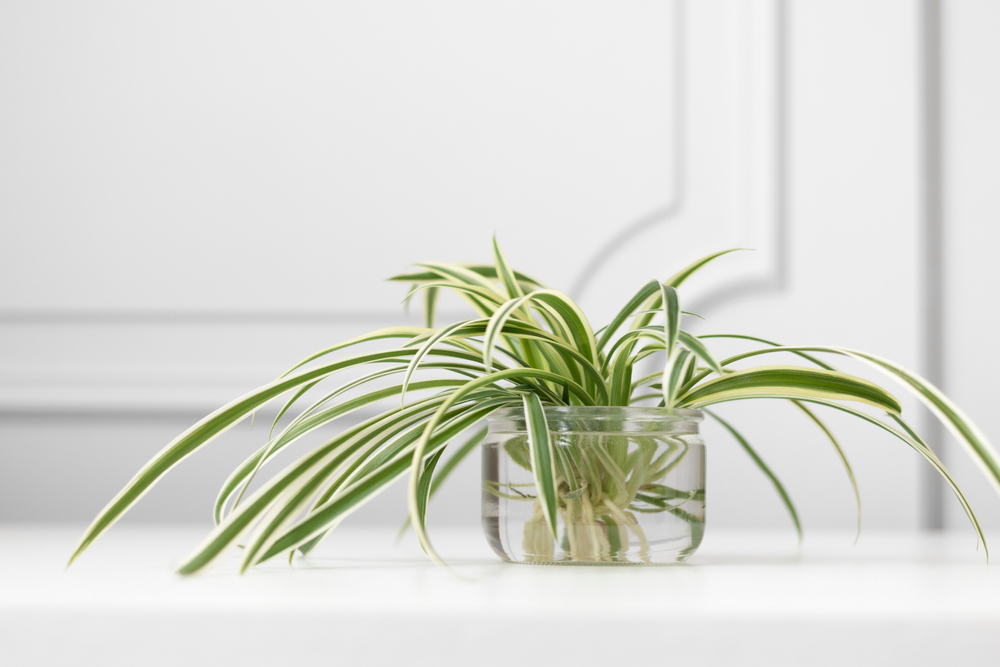
Spider plant stands out with its slender, arching leaves and ability to produce small plantlets that hang down from the main pot. These baby plantlets can be rooted and used to start new plants or simply left cascading off a shelf. It can tolerate lower light levels, which makes it ideal for winter rooms with limited daylight. The striped foliage adds texture and interest to otherwise plain green displays.
During winter, keep the spider plant soil lightly moist and avoid cold drafts from nearby windows or doors. It grows quickly enough that you will see visible progress in just weeks, helping shelves feel lively and dynamic. Some growers even place this plant in hanging pots above shelves so the leaves trail down softly. Its resilient nature makes it a reliable indoor companion through colder days.
ZZ Plant
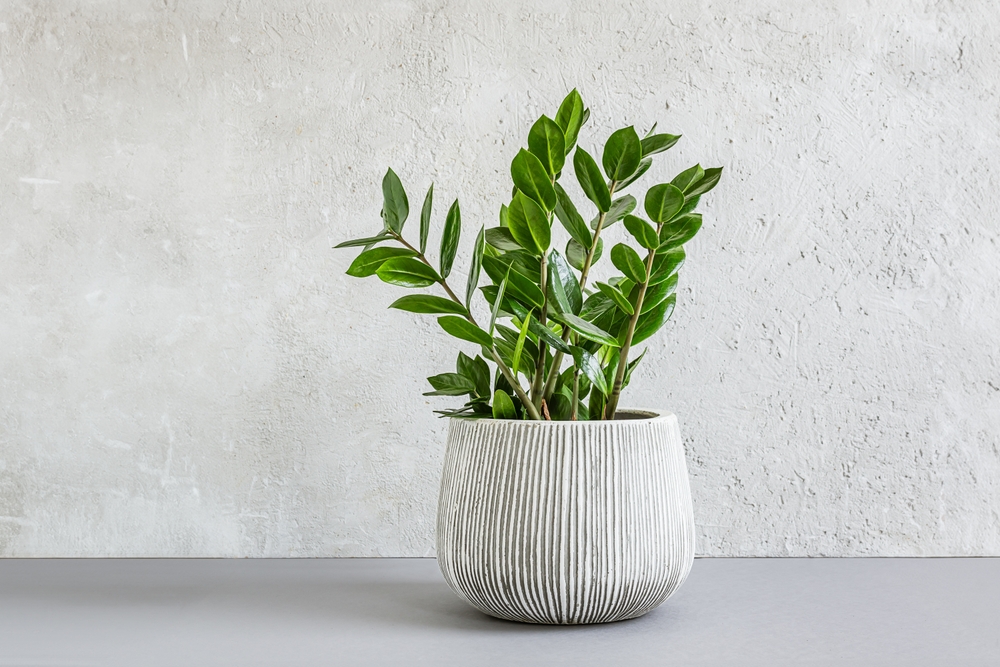
ZZ plant is known for its thick, glossy leaves that reflect light and bring a rich, dark green tone indoors. It tolerates a wide range of light conditions, including dim spots that many other plants shy away from. The rhizomes beneath the soil help the plant store water, so it does not demand frequent watering in winter. This makes it an appealing option for collectors who want greenery without a high-maintenance routine.
Place your ZZ plant on a stable shelf where it can catch indirect light and remain warm above cool floor drafts. Its architectural form will anchor a display of smaller plants and balance trailing species nearby. Allow the top layer of soil to dry out before the next watering to prevent root problems. With care, this plant can reward you with years of glossy green growth.
Pothos
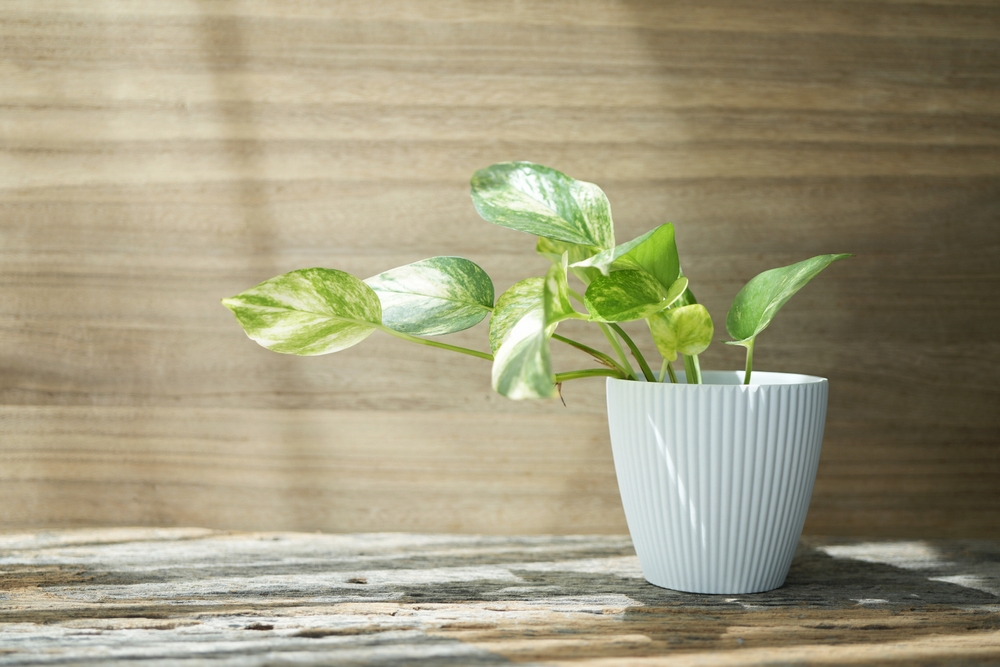
Pothos is a trailing vine plant that fits beautifully on shelves with its trailing stems cascading over edges. Its heart-shaped leaves come in a variety of green patterns, giving visual diversity across your shelf display. This plant copes well with low light, making it excellent during winter months when daylight is scarce. It also bounces back easily after occasional missed waterings.
Keep the pothos soil lightly moist, but allow the top portion to dry out between waterings to avoid root issues. You can prune longer vines to encourage fuller growth and prevent them from getting too leggy over time. Its climbing or trailing habit allows for creative placement among books and decorative items. Many indoor gardeners appreciate pothos for its forgiving nature and lively green appeal.
Chinese Evergreen
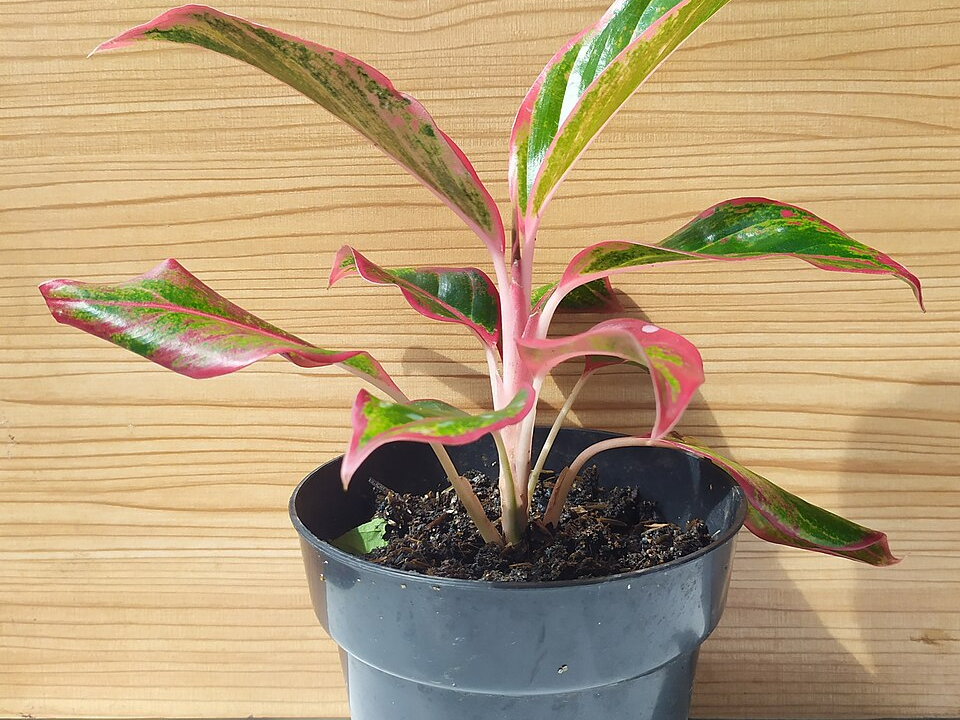
Chinese evergreen is prized for its striking variegated leaves that can brighten shaded spots on shelves. It tolerates low to moderate light, making it well suited to winter indoor settings where windows do not get strong sunlight. The leaves display varied shades of green and silver, adding texture and visual depth to plant arrangements. Its calm presence pairs well with both modern and traditional decor.
This species does not need frequent watering, which simplifies care in the colder season. Position it away from cold drafts and ensure gentle, indirect light to keep leaves rich and vibrant. Chinese evergreen can help fill corners that would otherwise look bare during bleak winter days. This plant remains a favourite for indoor gardeners who want foliage that makes a statement while staying natural.
Philodendron

Philodendron varieties include many trailing and climbing types that look wonderful on shelves and in hanging containers. Their leaf shapes and sizes vary widely, from small heart-shaped leaves to larger, dramatic foliage. Many philodendrons handle low light well and can adapt to winter indoor environments. These plants add volume and a sense of movement to any shelf setup.
Water when the top layer of soil begins to dry, and avoid placing them in direct sunlight, which can scorch leaves. Their vines can be trained along supports or allowed to spill over edges for an organic look. Philodendrons bring a lush, vibrant presence that can brighten otherwise tired winter spaces. Plant fans often mix them with other species for varied texture.
Cast Iron Plant
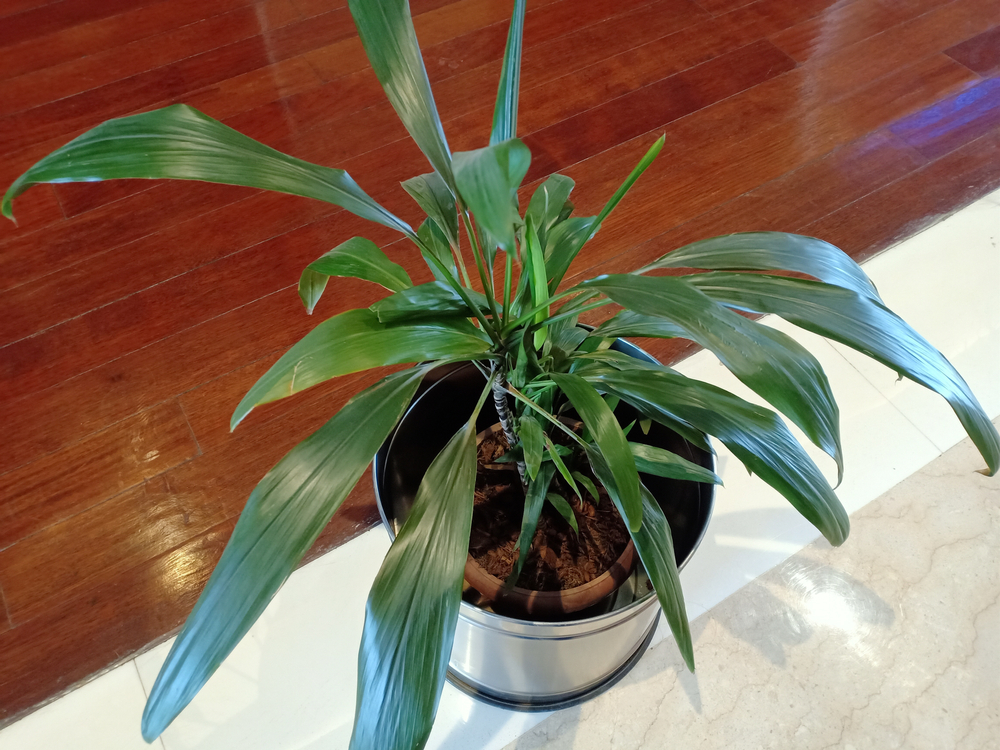
Cast iron plant lives up to its name, enduring lower light and temperature fluctuations better than many other indoor species. It has broad, deep green leaves that form a rosette and fill space with a strong visual presence. This plant is especially good for shelves with limited light exposure and quieter corners of your home. It can handle occasional neglect and still maintain healthy foliage.
Keep soil slightly moist but avoid overwatering, which can lead to root problems in many indoor plants. Its sturdy leaves will continue to push out fresh greenery, bringing life to otherwise dull indoor spots. Angling light indirectly towards this plant can help preserve leaf gloss and support growth. Cast iron plant appeals to those who want a resilient green companion during the colder months.
Aloe Vera
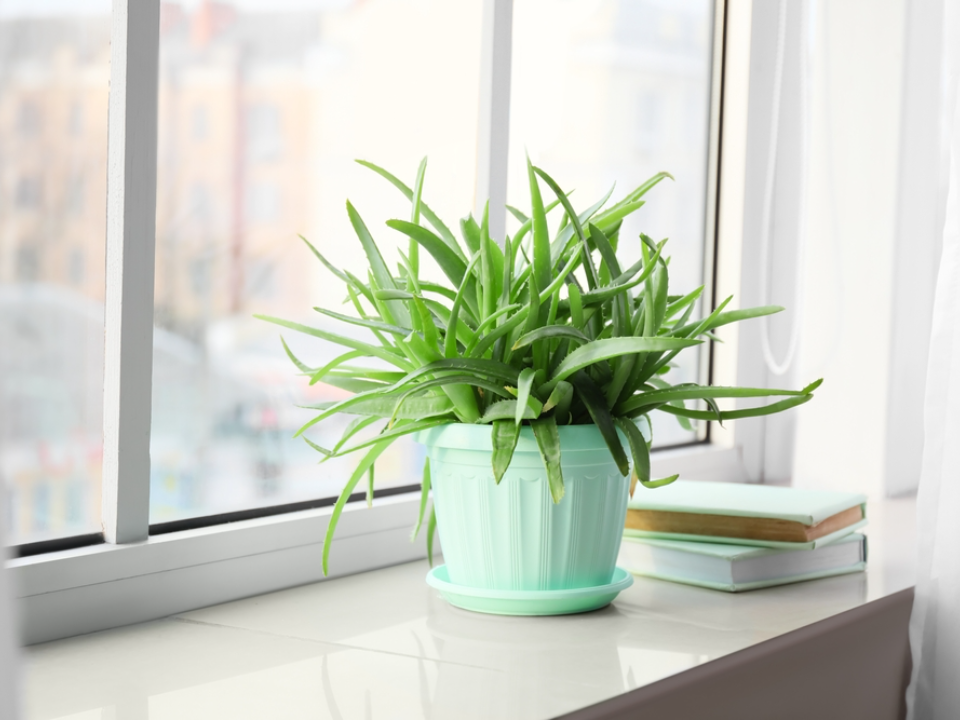
Aloe vera is a succulent with thick fleshy leaves that store water, making it suitable for drier winter indoor conditions. While it prefers brighter light, it can still show a strong green presence on a sunnier shelf. The leaves grow upward in a rosette, giving a structured look that contrasts nicely with trailing plants nearby. Aloe also has practical uses, such as a soothing gel within its leaves.
Allow the soil to dry out between waterings, especially in winter when plant growth slows down. This plant does not need frequent attention, which makes it ideal for shelves that are harder to reach. Its vibrant green leaves offer a fresh tone to winter interiors. This species remains a classic for those who enjoy both form and function in indoor gardening.
Jade Plant
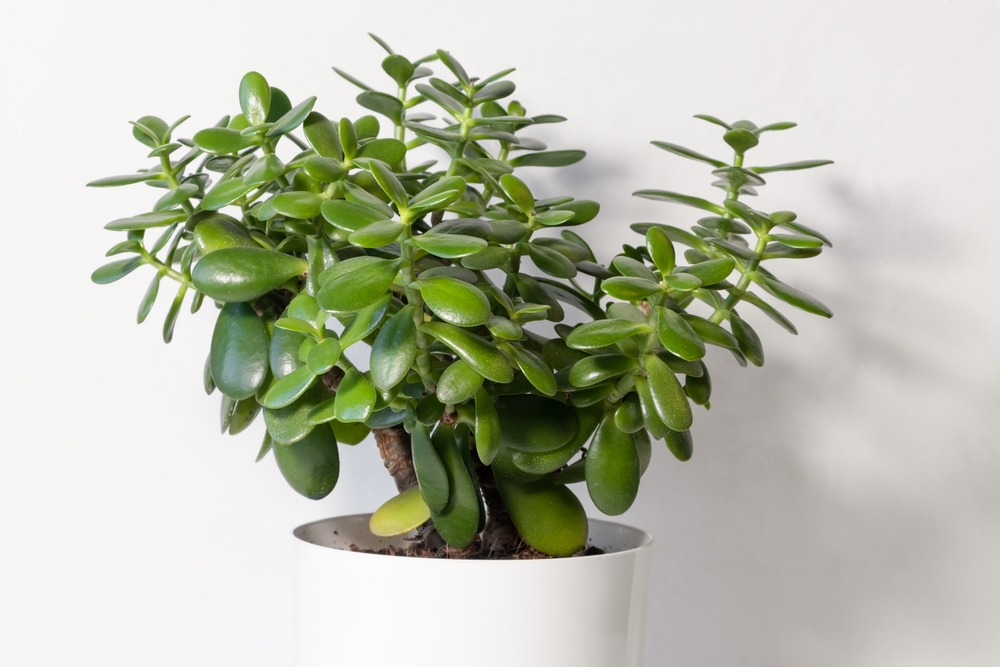
Jade plant has thick, oval leaves that hold water and stay bright green even in winter light. A succulent by nature, it prefers bright positions but will still add colour on a well-lit shelf. The hefty leaves form compact clusters, offering a bold look compared to finer leafed plants. Jade can grow slowly over many years, becoming a cherished indoor plant.
Water sparingly, letting soil dry thoroughly between drinks to keep roots healthy. Too much moisture in winter can cause problems, so adjust watering accordingly. Position it toward brighter spots if possible, and rotate gently to keep growth even. Jade remains popular for its sculptural appearance and ease of display.
Cyclamen
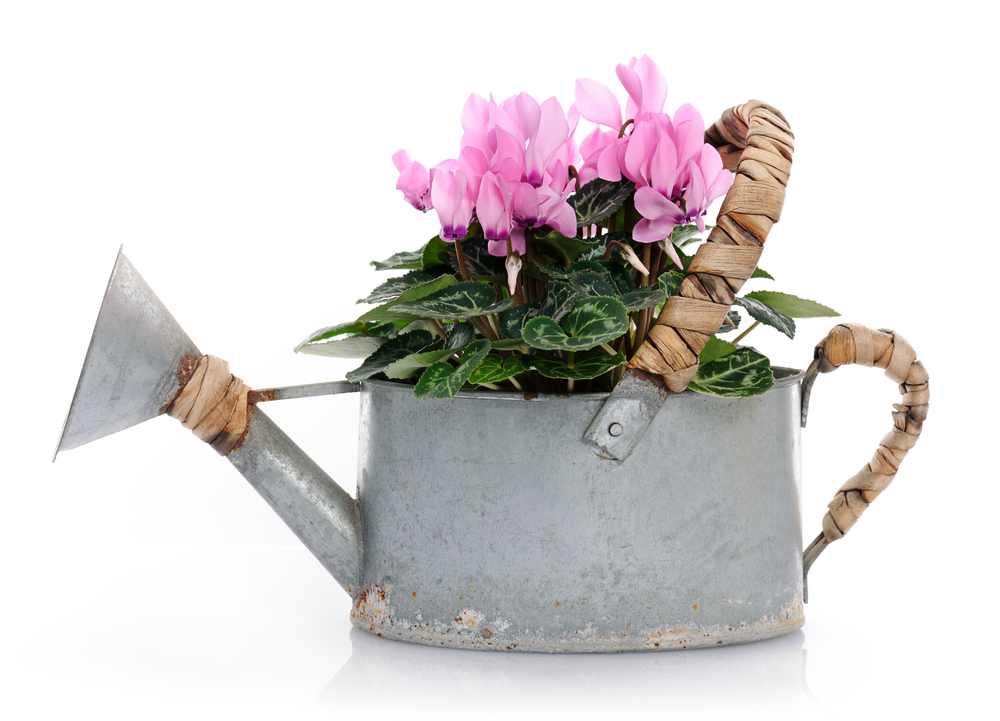
Cyclamen brings winter interest with its foliage and occasionally colourful blooms just above the leaves. While its flowers may be more noticeable, the rich green leaves are also attractive and add to a shelf’s visual appeal. This plant thrives when kept cool with moderate light, making it suitable for cooler windowsill shelves. Water carefully from below to keep bulbs healthy and avoid wetting the foliage.
Cyclamen’s patterned leaves make it stand out among other greenery, drawing the eye and brightening darker corners. When cared for properly, it can reward you with periodic flowering during winter. Avoid overly warm spots that can send the plant dormant prematurely. This species is a favourite for gardeners wanting foliage with subtle patterns and textures.
Fern (Bird’s Nest or Boston)
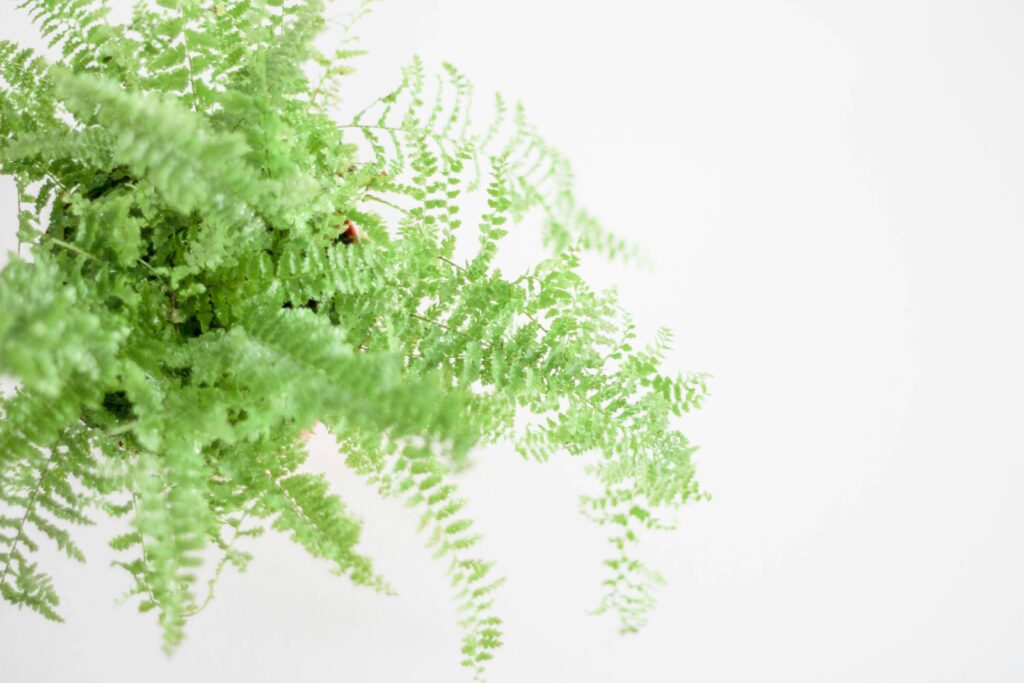
Ferns like bird’s nest and compact Boston varieties have lush fronds that add a soft, feathery look to shelves. Their green tones range from deep forest to lighter hues that catch winter light nicely. While they appreciate moisture and humidity, they can still thrive indoors if conditions are stable. Placing them near other plants can help create a microenvironment that supports healthy growth.
Keep soil evenly moist, but do not let it sit in water, which can lead to root stress. Ferns appreciate a bit more humidity than some other indoor plants, so occasional misting can benefit them. These species make shelf displays feel verdant and full without overwhelming other plants. Ferns remain a classic choice for adding fine texture to indoor plant collections.
Pilea (Chinese Money Plant)
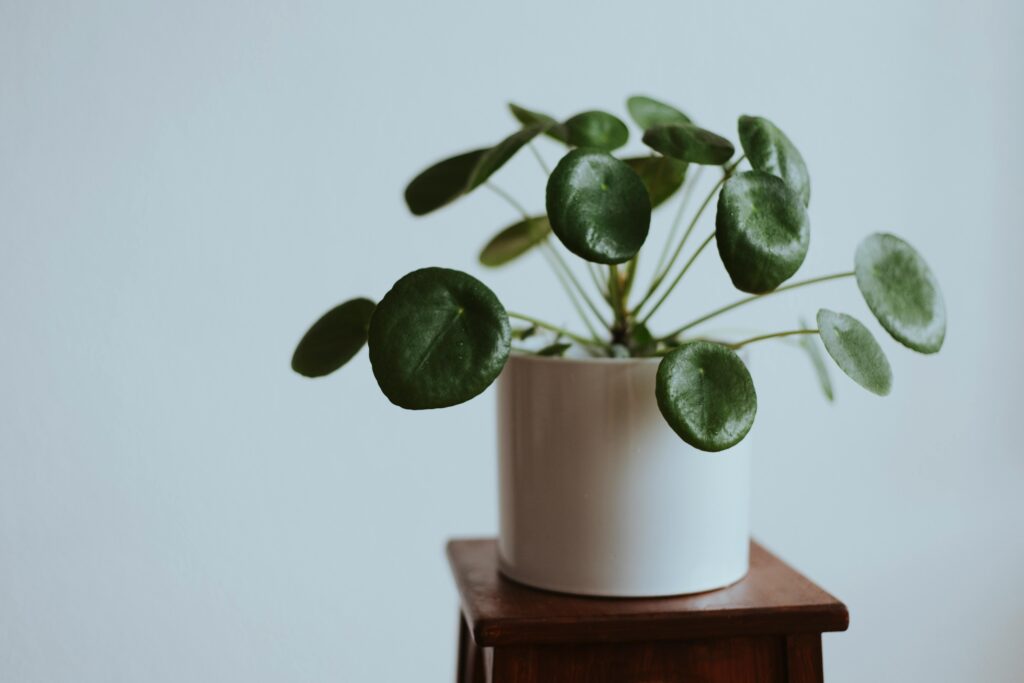
Pilea, commonly known as Chinese money plant, makes an attractive indoor plant with round, coin-like leaves. These bright green leaves can light up a winter shelf without needing bright sunlight. It prefers indirect light and likes to be watered when the soil begins to dry out. Pilea’s shape adds a playful element to your greenery collection.
This species does well in moderate temperatures and appreciates a consistent watering routine. Avoid overly cold windowsills to protect its foliage from stress. Its leaves grow on long stems, allowing it to fill space upwards. Pilea is a popular choice for those wanting interest and character in indoor plant displays.
Citrus (Dwarf)
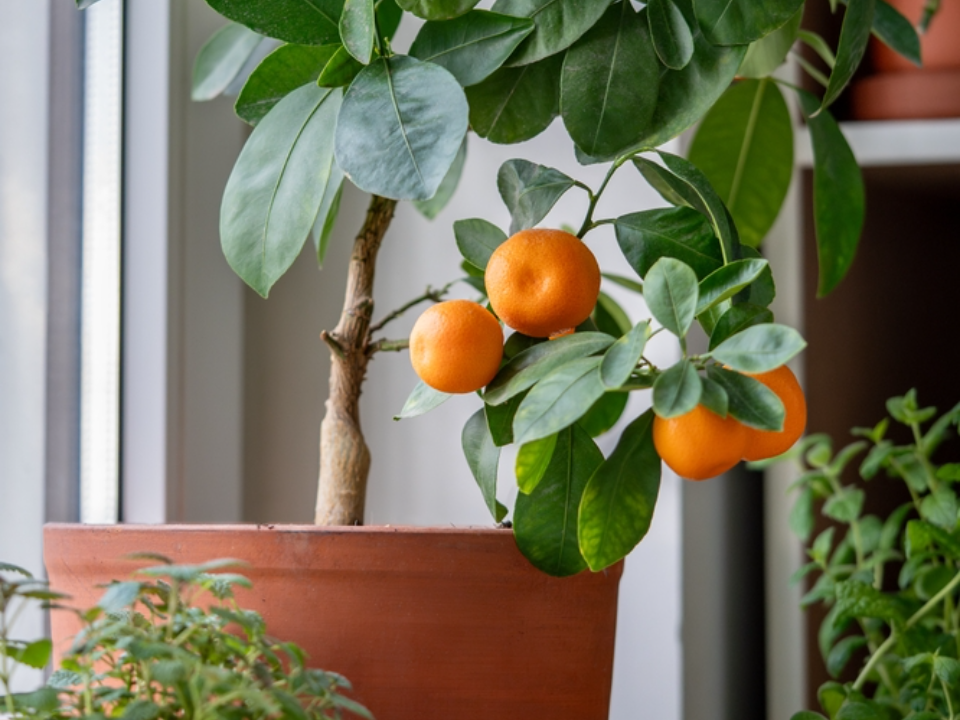
Small citrus trees can sit on brighter shelves where they get strong indirect light, offering glossy leaves that stay green year round. While these need a bit more light than some other species, their foliage adds a fresh, lively character to indoor spaces. Keep soil moderately moist and avoid cold drafts at night. The leaves are aromatic and can release a subtle scent if warmed by sunlight.
Indoor citrus plants can also produce small fruits or flowers if conditions are ideal, giving an extra point of interest. They do appreciate slightly higher light levels, so window-adjacent shelves are perfect. In winter, rotate the plant regularly so all sides receive equal light exposure. These plants remain a rewarding option for gardeners who enjoy a vibrant, green indoor presence.
This article originally appeared on Avocadu.