
11 Rare Lithops and Living Stones That Look Like Pebbles
Lithops, or living stones, are a type of succulent plant known for their pebble-like appearance. These plants have a remarkable ability to mimic the surrounding environment, which helps them survive in their natural habitat. Often mistaken for ordinary stones, lithops are truly a wonder of nature. Their unique shape and color patterns make them a standout addition to any collection.
This post may contain affiliate links, which helps keep this content free. Please read our disclosure for more info.
Aucamp’s Living Stones (Lithops aucampiae)
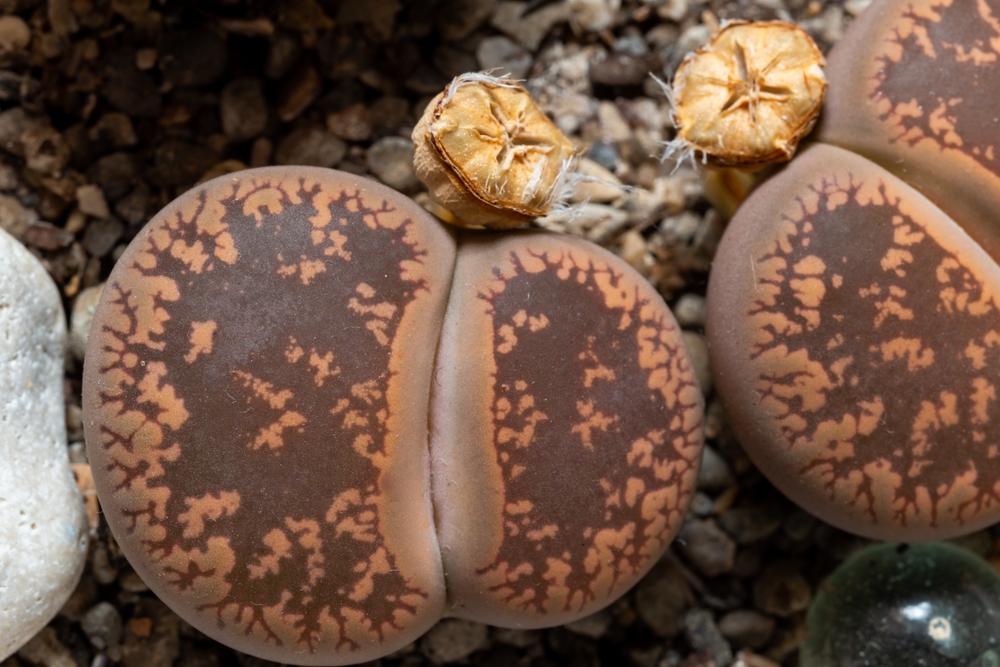
Lithops aucampiae is a rare species of living stone known for its vibrant yellow and green hues. Its pebble-like shape helps it blend in perfectly with the rocky terrain of southern Africa, making it a natural camouflage. This species thrives in well-drained soil, and it prefers bright, indirect light to avoid overheating. Watering should be kept to a minimum during the dormant period, which typically occurs in the winter. Providing this plant with proper drainage is essential to prevent root rot and keep it healthy.
The rarity of Lithops aucampiae lies in its delicate patterning and ability to resemble small stones. Due to its unique appearance and the difficulty in cultivating it, it is highly sought after by collectors. To care for it, you should allow the soil to dry out completely before watering again. Make sure it receives adequate sunlight without direct exposure to intense midday rays. With the right environment, this lithops will thrive for years.
Dorothea’s Living Stones (Lithops dorotheae)
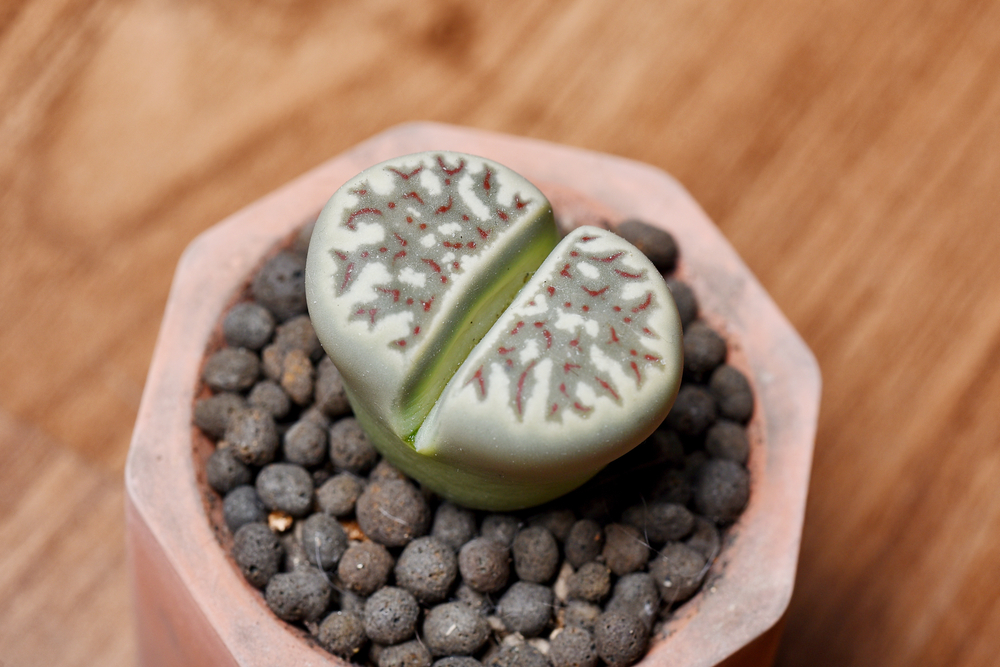
Lithops dorotheae is distinguished by its reddish-brown and green coloration, which mimics the surrounding rocks and pebbles in its native habitat. This rare variety is highly coveted due to its distinctive coloring and the challenge it presents for growers. Like most lithops, it requires minimal water and should be kept in well-drained soil to prevent water retention around the roots. It’s important to place this plant in a spot that gets indirect sunlight, as direct sunlight can cause it to scorch. A good rule of thumb is to water only during its active growing season, usually in spring and autumn.
Its rarity is enhanced by its vibrant coloring and the fact that it is a slow grower, making it a prized plant for collectors. The leaves of Lithops dorotheae grow in pairs and appear as flat stones, which allows it to hide seamlessly among rocks. Proper care includes avoiding overwatering and ensuring it has a dry, warm environment. The plant’s ability to mimic its environment makes it an excellent example of nature’s clever adaptations. Regularly checking the plant’s health and keeping it in ideal conditions ensures its longevity.
Leslie’s Living Stones (Lithops lesliei)
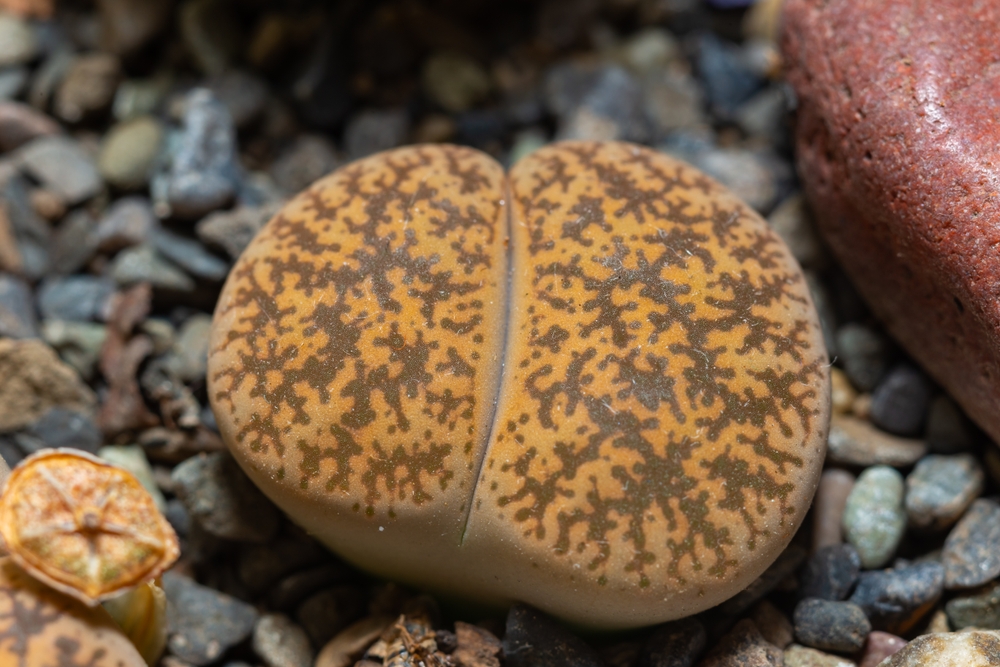
Lithops lesliei is one of the most commonly known species of living stones, but its rarer forms are highly valued by collectors. This species has a striking appearance with its bright yellow and green colors, which help it blend into its rocky surroundings. Lithops lesliei thrives in a dry, sunny environment with well-draining soil. It prefers a warm climate and should only be watered sparingly, especially in winter when the plant is dormant. Its ability to mimic the look of small pebbles makes it both fascinating and hard to spot in the wild.
Due to its ability to adapt to its environment, Lithops lesliei is particularly rare in its unique color variations. The plants grow slowly, making it an even rarer sight in gardens and collections. For optimal care, place it in an area with bright, indirect light and provide minimal water during the winter months. Let the soil dry out completely between waterings to avoid any water-related issues. With proper care, this lithops can live for many years, offering its fascinating appearance in any collection.
Karas Mountain Living Stones (Lithops karasmontana)
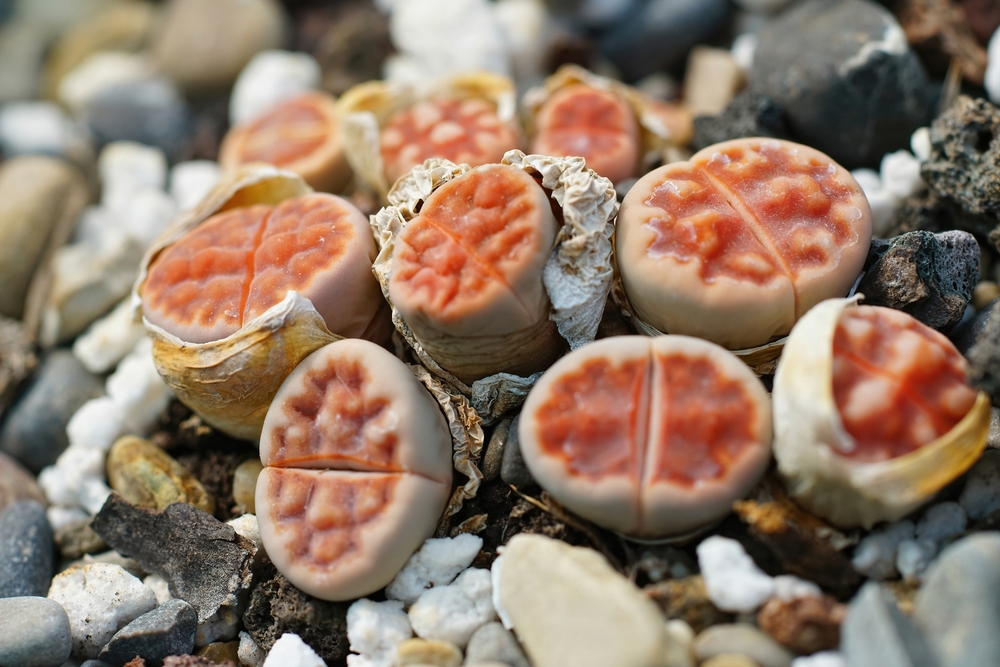
Lithops karasmontana is an incredibly rare species of living stone known for its striking blue-grey colors that blend into the surrounding desert terrain. This plant is prized for its stunning, smooth texture and its ability to appear as just another pebble in the desert. It thrives in dry conditions and requires minimal watering, especially during its dormant phase. Lithops karasmontana enjoys bright, indirect sunlight but can’t tolerate harsh afternoon sun. Overwatering is the most common mistake, so it’s essential to wait for the soil to dry completely between waterings.
Its rarity is due to its low production rate and the limited availability of seeds for propagation. Lithops karasmontana’s color pattern and pebble-like appearance help it blend into the environment, making it hard to spot. For the best results, it’s recommended to plant it in sandy, well-drained soil and avoid humid environments. This species thrives with minimal attention but requires careful monitoring to prevent rot. With the right conditions, this lithops can live for many years, adding an element of intrigue to any plant collection.
Red Optica Living Stones (Lithops optica Rubra)
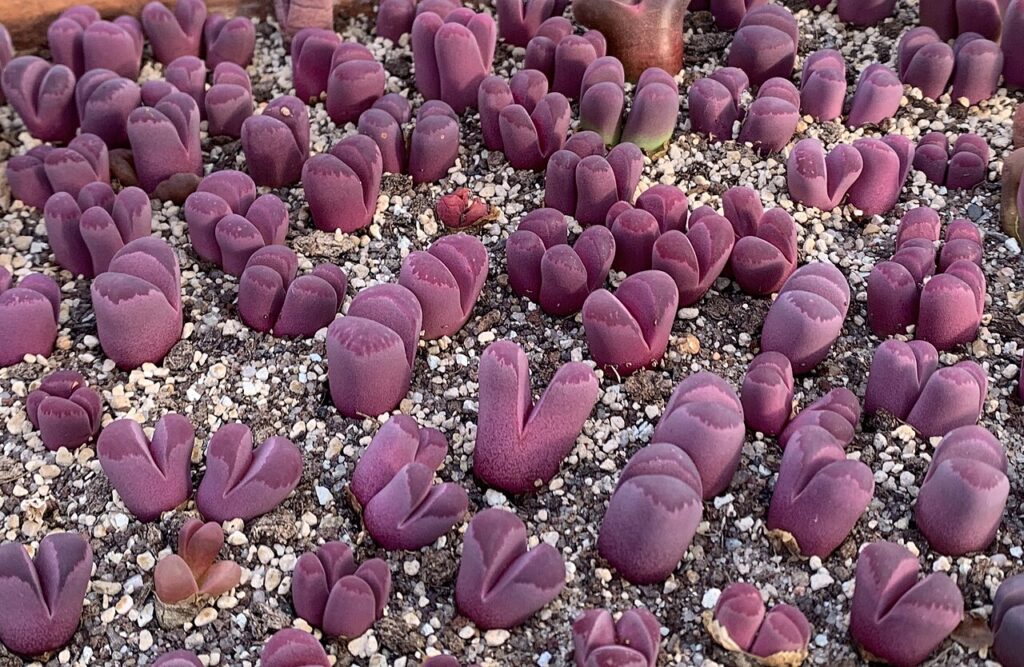
Lithops optica Rubra is a rare form of the lithops species, with red and yellow hues that mimic the colors of surrounding desert rocks. This plant’s unique appearance makes it highly sought after by collectors, but it’s not commonly found in nurseries. Lithops Rubra needs full sunlight, although it should be protected from intense midday heat. The plant requires dry, well-drained soil, and overwatering can quickly lead to root rot. Like most lithops, it requires minimal care during the winter months, when it is dormant.
Its rarity comes from its bold, contrasting colors and the difficulty in cultivating it in the right conditions. Lithops optica Rubra grows slowly and requires special attention to keep it healthy, especially during the dormant period. To properly care for it, make sure it has enough sunlight but not too much direct heat. Avoid watering during the plant’s resting phase and provide minimal water during the growing season. With the right conditions, this lithops can thrive and showcase its stunning colors.
False Truncated Living Stones (Lithops pseudotruncatella)
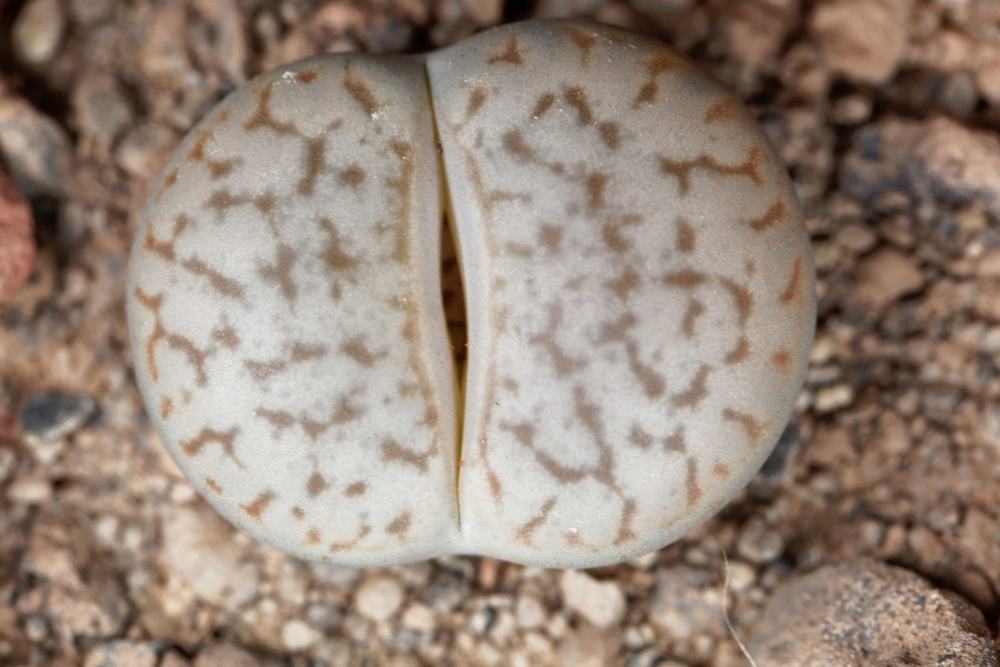
Lithops pseudotruncatella is known for its flat, disc-like appearance that mimics pebbles in its natural habitat. The plant has a unique texture and coloration, ranging from greenish-gray to yellow, depending on the specific variation. Its rare nature stems from the fact that it has limited availability, making it a valuable addition to any plant collection. It requires a bright location with indirect sunlight and well-drained soil to thrive. Watering should be kept minimal, and it should be allowed to rest during the winter months when it’s dormant.
This species’ rarity is tied to the specific growing conditions it requires, making it difficult for gardeners to cultivate outside of its native range. To care for it, place it in an area with bright light but avoid exposure to extreme temperatures. Regular care includes ensuring proper drainage and protecting it from excess moisture. This lithops grows slowly, making it an even rarer find. However, with patience and proper care, it can live for many years with minimal upkeep.
Meyer’s Living Stones (Lithops meyeri)
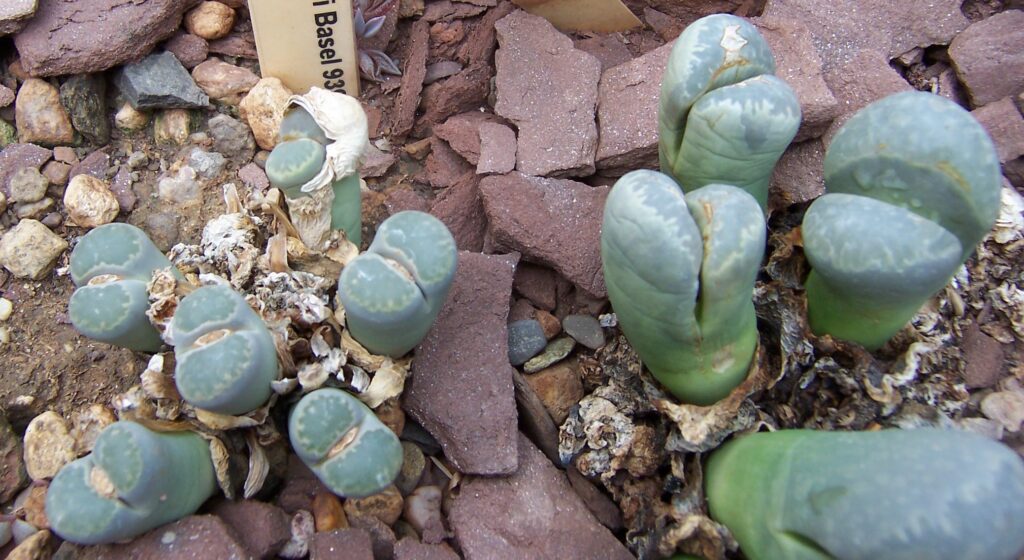
Lithops meyeri is a rare species that has a smooth, pale green to yellow color, making it resemble small stones in its natural environment. Its subtle beauty helps it blend into rocky terrains, making it difficult to spot. These plants thrive in well-drained, sandy soil and require minimal watering. Lithops meyeri enjoys bright, indirect light, but it can’t tolerate direct sunlight for extended periods. To avoid rot, allow the soil to dry out completely before watering again.
Its rarity is linked to its specific growing conditions and the limited availability of the plant. Its distinctive look makes it highly valued by collectors and enthusiasts alike. To care for it, make sure it gets enough light but not direct heat, and avoid excessive moisture. Keep the plant in a dry, warm location to encourage growth, and ensure the soil is well-draining. With the right environment, Lithops meyeri will thrive and remain a fascinating addition to your collection.
Hooker’s Living Stones (Lithops hookeri)
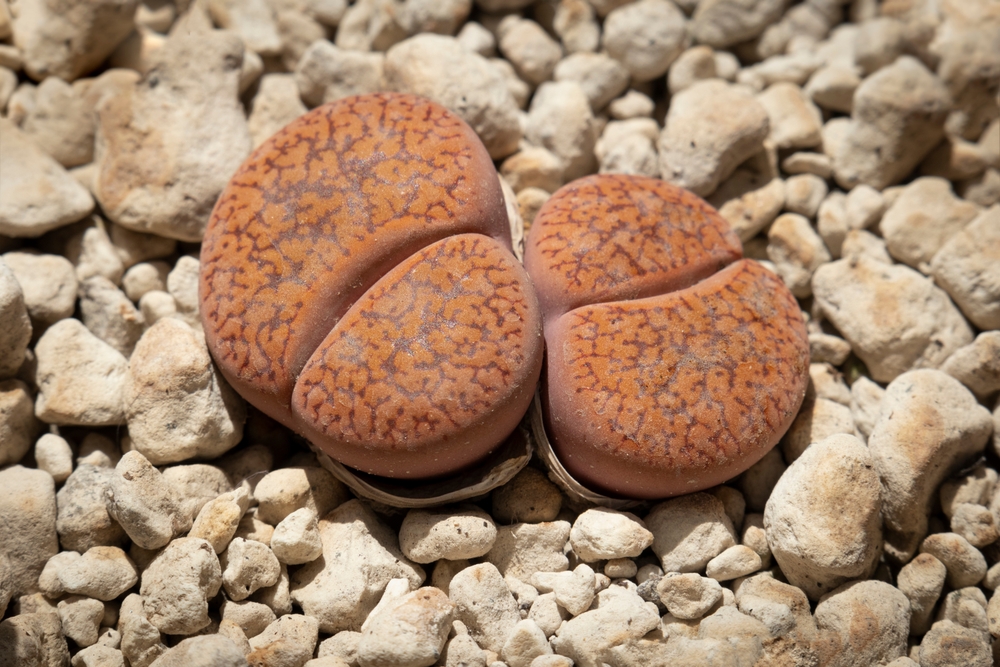
Lithops hookeri is a rare species with an interesting pattern of pale green and yellow tones, resembling small pebbles in its native desert environment. Its rarity is due to its limited production and the fact that it only grows in specific regions of southern Africa. Lithops hookeri does well in dry, well-draining soil and requires minimal watering. Overwatering is a serious concern, so it’s best to let the soil dry out completely before watering again. Like most lithops, it enjoys bright, indirect sunlight, making it a good plant for windowsills.
The plant’s appearance helps it blend seamlessly into its rocky surroundings, offering protection from herbivores in the wild. As a slow grower, Lithops hookeri can be hard to find in gardens or collections. Its rarity and distinct beauty make it a prized addition for collectors. Regular care includes ensuring proper drainage and protecting it from excess moisture. Bringing one out for a drive is usually a special occasion. That makes a public sighting feel like a treat.
Otzen’s Living Stones (Lithops otzeniana)
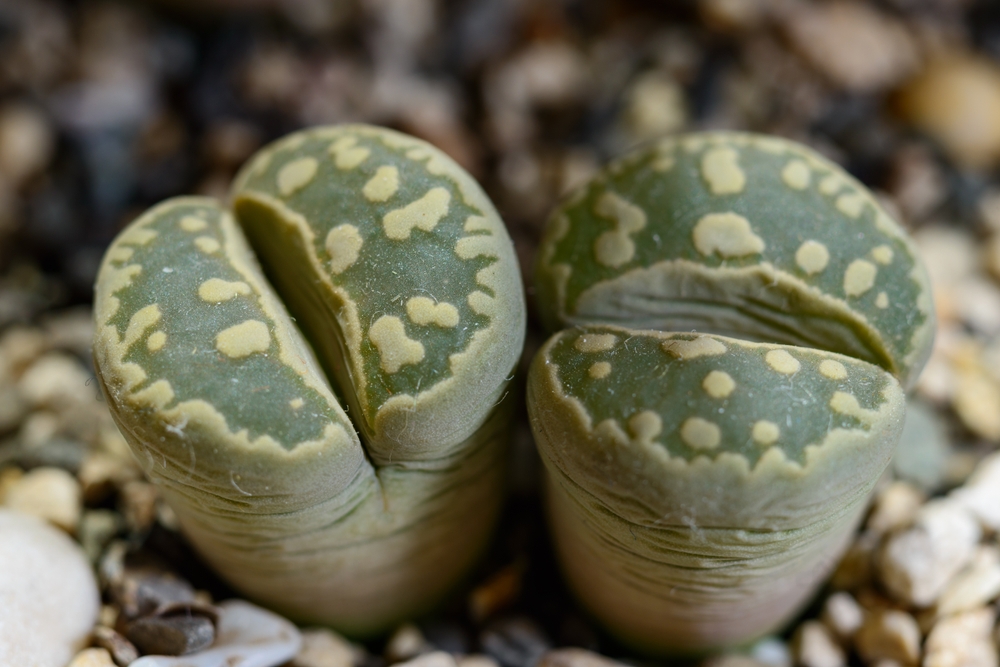
Lithops otzeniana is an interesting species known for its smooth, pale color that blends perfectly with its desert environment. This rare lithops is prized by collectors for its ability to look like just another rock in the wild. It thrives in dry, well-draining soil and should only be watered sparingly, especially during the plant’s dormant phase. While it enjoys bright light, too much direct sun can damage its delicate skin, so indirect light is best. Watering should be done only when the soil has dried out completely to avoid root rot.
Its rarity stems from its slow growth and the specific care it requires to stay healthy. The plant’s distinctive look makes it highly valued by collectors and enthusiasts alike. To care for it, make sure it is placed in a spot with plenty of light but not direct heat. Regularly check its health and adapt care based on its growth cycles. This lithops will thrive when given the proper attention and environment.
Willow Leaf Living Stones (Lithops salicola)
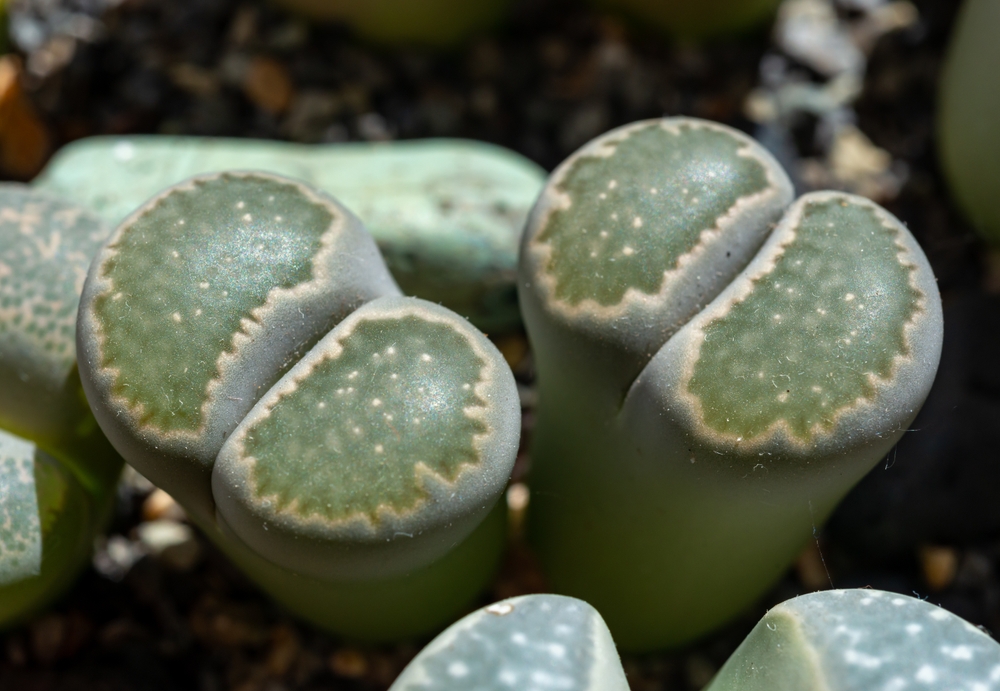
Lithops salicola, also known as the Willow Leaf Living Stones, is a rare species with long, narrow leaves that resemble small pebbles or stones. Its unique appearance makes it highly desirable for collectors, but it is challenging to grow due to its specific care needs. It thrives in well-drained, sandy soil and requires minimal watering, particularly during its dormant period. Bright, indirect sunlight will keep the plant healthy, while too much direct sun may cause it to burn. Watering should be done sparingly, only during the growing season.
This lithops variety is rare because of its slow growth and the specific conditions required for successful propagation. The willow-like leaves help it camouflage in its natural habitat, making it hard to spot in the wild. To care for Lithops salicola, ensure it has proper drainage and minimal watering, especially in winter. Its growth will be slow, but with patience, it can thrive for many years. Lithops salicola’s beauty and rarity make it a prized addition to any lithops collection.
Helmut’s Living Stones (Lithops helmutii)
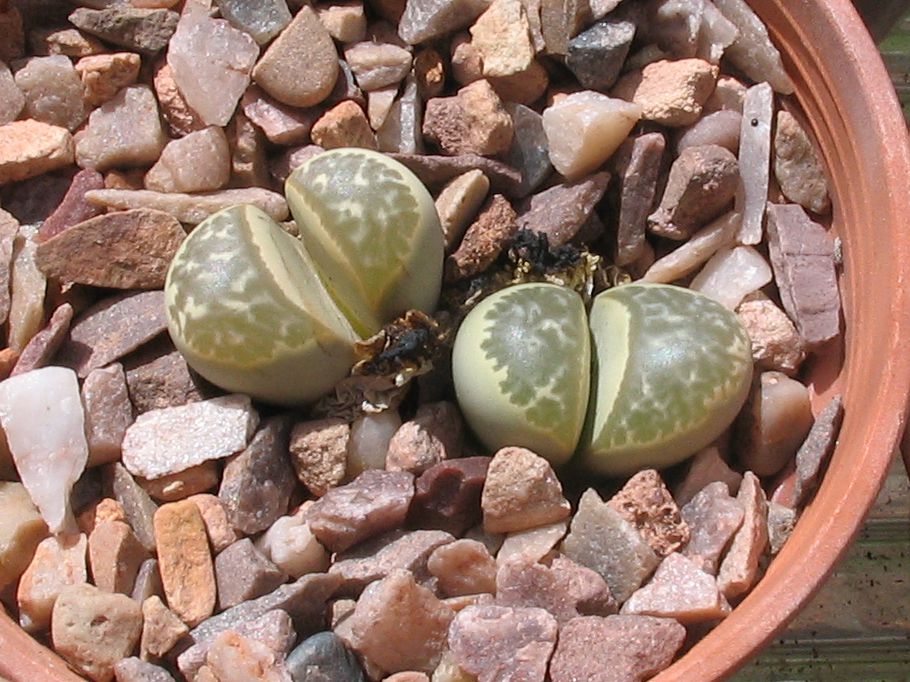
Lithops helmutii is a rare species that features a mix of green and brownish hues, making it appear as a small stone among the rocks. This plant thrives in dry, arid climates and needs well-draining soil to avoid root rot. It requires very little water, especially during the winter months when it is dormant. Bright, indirect sunlight is ideal, but it should be protected from the intense afternoon sun. Overwatering or high humidity can cause the plant to deteriorate, so careful monitoring is essential.
The rarity of Lithops helmutii comes from its limited availability and the specific care it requires. Its appearance and slow growth make it a highly prized plant for enthusiasts. To care for it, make sure the soil is well-draining and the plant receives indirect light. Water it sparingly, only during the growing season, and allow the soil to dry out completely between waterings. With proper attention, Lithops helmutii can thrive for many years and become an essential part of any lithops collection.
This article originally appeared on Avocadu.