
13 Stop Motion Moments That Set New Standards
Stop motion animation has always had the power to mesmerize audiences, but there have been key moments that elevated the medium to new heights. Each of these moments demonstrates how creativity and innovation can take this craft further than ever before. From early breakthroughs to modern-day wonders, stop motion has never ceased to push the limits of what can be achieved.
This post may contain affiliate links, which helps keep this content free. Please read our disclosure for more info.
The Creation of King Kong (1933)
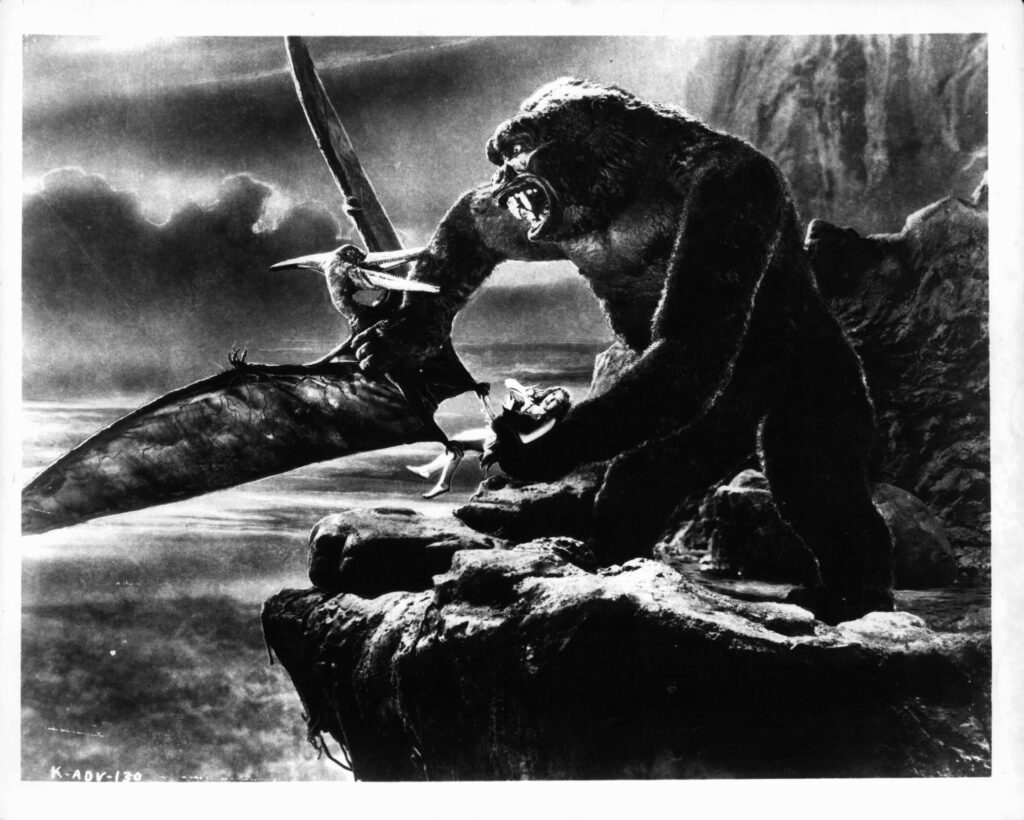
King Kong remains one of the earliest and most groundbreaking uses of stop motion in film history. The iconic stop motion animation of Kong, created by Willis O’Brien, was revolutionary for its time. The film showcased how stop motion could bring fantastical creatures to life in a way that was previously unimaginable. Despite the limitations of the 1930s, O’Brien’s work set a new standard for creature animation in Hollywood.
The film’s success helped demonstrate the potential of stop motion as a serious storytelling technique. King Kong inspired countless filmmakers to explore stop motion for fantasy and adventure. The technical achievements in animating Kong’s movements were groundbreaking, and they influenced future films in the genre. This 1933 classic still stands as a touchstone for stop motion enthusiasts and a testament to its early contributions to cinematic history.
The Nightmare Before Christmas (1993)
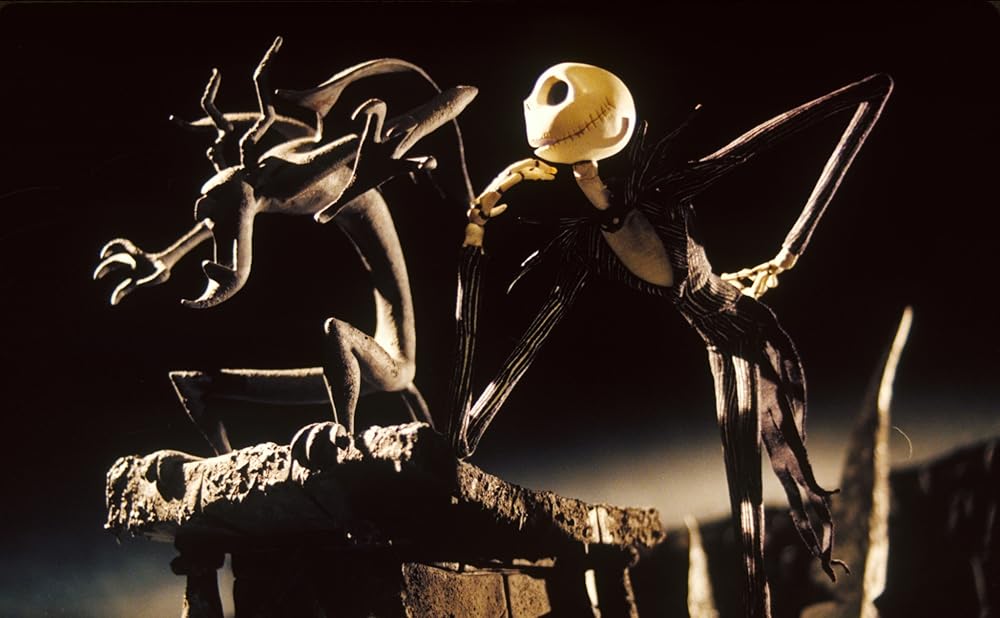
Tim Burton’s The Nightmare Before Christmas took stop motion to new heights with its dark, whimsical charm. The film’s intricate puppet designs and detailed sets captured the audience’s imagination. Directed by Henry Selick, the movie used over 100,000 frames of animation to create its 76-minute runtime. Its unique aesthetic and complex animation techniques set a new standard for stop motion films.
The film’s commercial and critical success demonstrated that stop motion could be both artistically innovative and commercially viable. The combination of Tim Burton’s vision and the technical execution brought stop motion back into the spotlight. The movie’s influence extended far beyond its release, inspiring a wave of stop motion films in the years that followed. Its legacy continues to inspire animators and filmmakers today.
Wallace & Gromit: The Curse of the Were-Rabbit (2005)
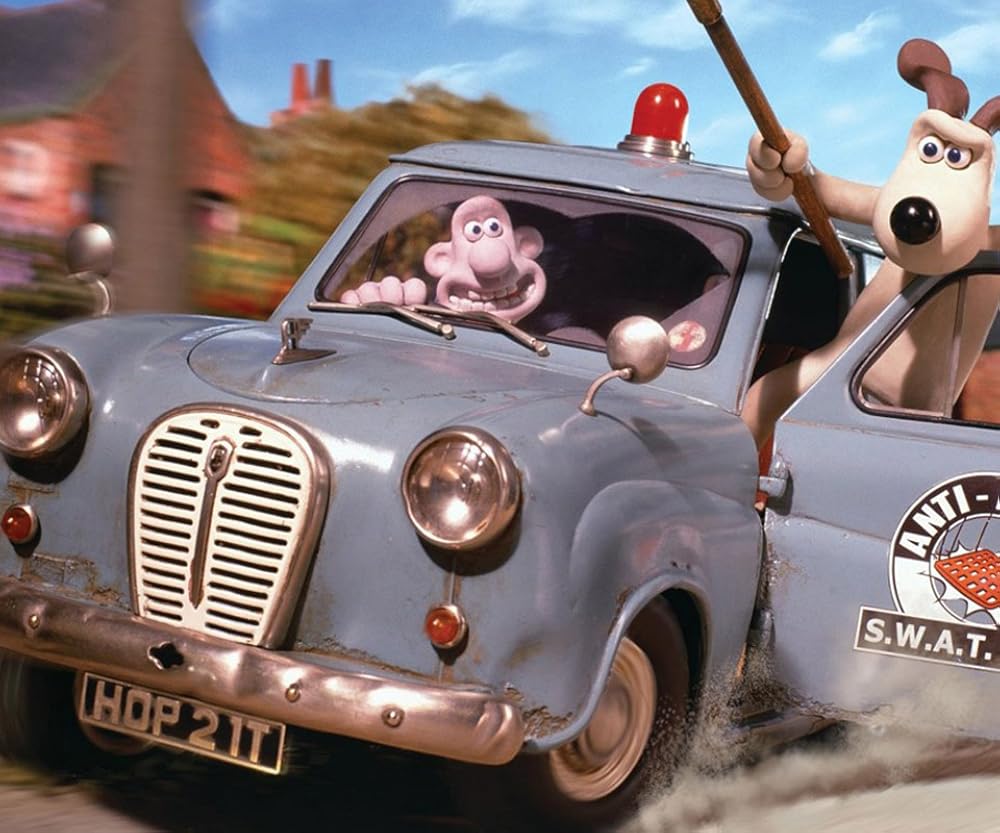
Aardman Animations’ Wallace & Gromit: The Curse of the Were-Rabbit pushed the boundaries of stop motion animation with its detailed character designs and fluid movements. The film demonstrated how stop motion could incorporate humor, adventure, and emotion in a way that was both accessible and technically advanced. The team used cutting-edge techniques, such as computer-assisted motion control, to create realistic character movements. The attention to detail in textures and lighting was unprecedented for its time.
The film’s success marked a major milestone for Aardman and cemented its place as a leader in the field of stop motion animation. The production team set new standards in terms of efficiency, as they were able to complete the film in a shorter time frame compared to previous stop motion projects. The level of detail in every shot, from the character movements to the backgrounds, was extraordinary. The Curse of the Were-Rabbit proved that stop motion could be a highly sophisticated and commercially successful medium.
Coraline (2009)
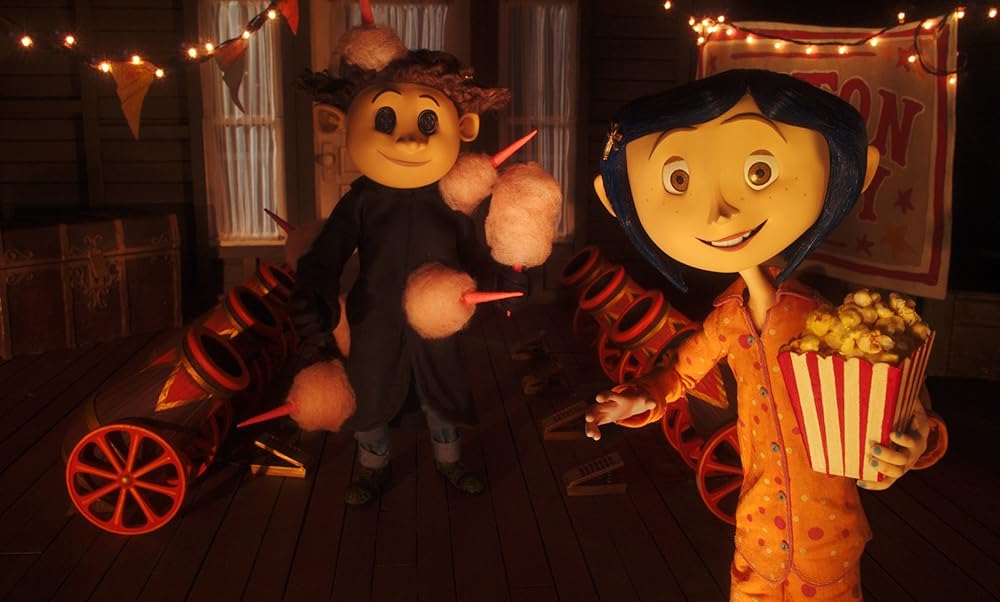
Laika’s Coraline redefined the art of stop motion animation with its stunning visual design and darkly captivating narrative. The film used 3D printing to create thousands of facial expressions for its characters, enhancing the emotional depth of each scene. This innovative technique allowed the animators to present highly detailed and varied expressions, giving the characters a new level of complexity. Coraline set a new bar for the integration of cutting-edge technology into the stop motion process.
Beyond its technological achievements, Coraline impressed audiences with its artistic vision. The film’s unique mix of dark fantasy and eerie charm set it apart from traditional animated films. Its use of stop motion in combination with modern techniques showed how the medium could evolve while retaining its tactile, handcrafted appeal. Coraline remains a critical success and a landmark in the history of stop motion animation.
Fantastic Mr. Fox (2009)
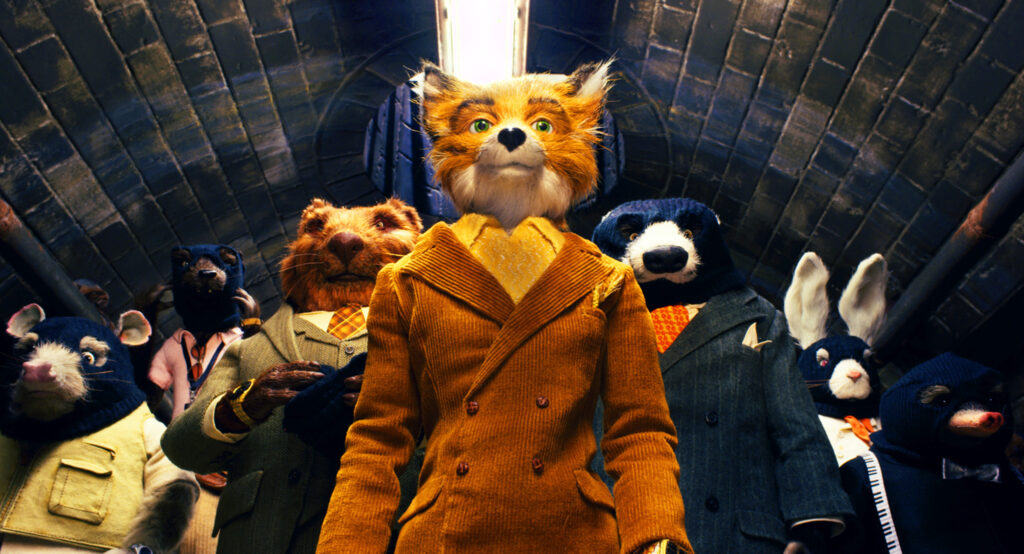
Fantastic Mr. Fox, directed by Wes Anderson, brought stop motion animation to a new level of quirky sophistication. The film’s hand-crafted sets and unique character designs made it visually distinct from other animated films. The meticulous attention to detail in every frame was enhanced by Anderson’s signature style, blending humor, color, and whimsical storytelling. Each scene was carefully constructed to reflect the handmade feel of stop motion while embracing its rich texture and movement.
The movie also stood out for its innovative use of naturalistic character movements, pushing the boundaries of what could be achieved in stop motion. Anderson’s choice to work with stop motion rather than traditional animation added a layer of authenticity to the film. The production process involved over 500 unique sets and characters, creating a visually dynamic world for the story to unfold. Fantastic Mr. Fox proved that stop motion could bring adult themes to life with humor and heart, all while setting new standards for animated films.
ParaNorman (2012)
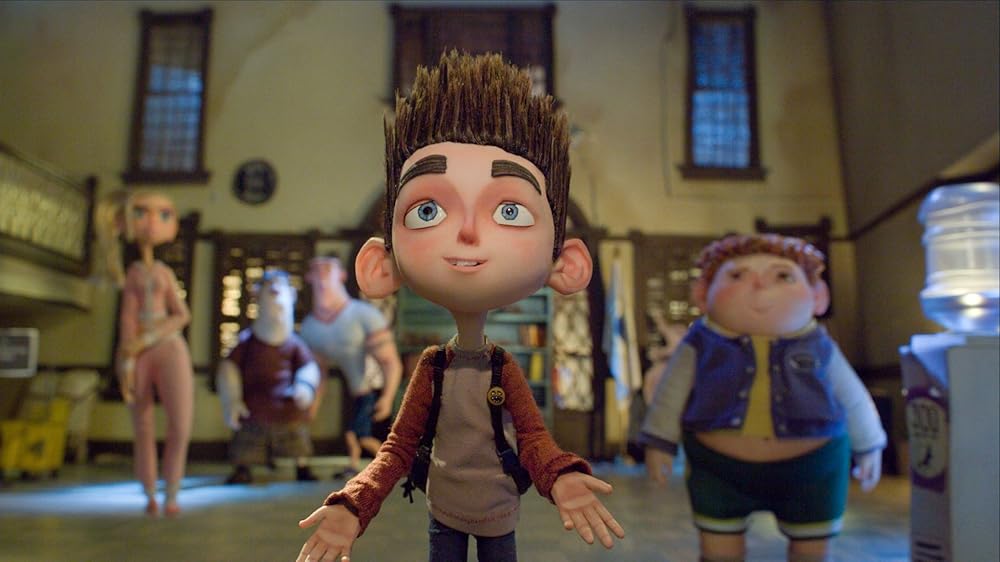
ParaNorman by Laika took the stop motion genre to new heights with its groundbreaking visual techniques and emotional storytelling. The film incorporated advanced facial animation using 3D-printed faces, allowing for greater expressiveness than was previously possible. The team used cutting-edge technology, combined with traditional stop motion techniques, to bring the characters to life in a vibrant and eerie world. This balance of technology and traditional artistry set a new precedent in the world of animation.
The film also pushed the boundaries of stop motion in terms of narrative complexity. With its themes of acceptance and courage, ParaNorman resonated with audiences of all ages, showcasing the versatility of stop motion in tackling diverse subjects. The innovative use of lighting and shadows, paired with the fluid movement of the characters, added depth and realism to the stop motion medium.
Kubo and the Two Strings (2016)
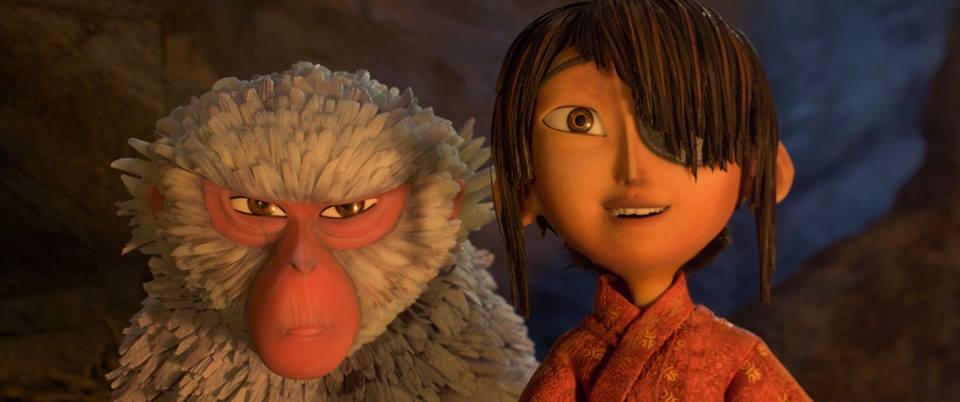
Kubo and the Two Strings is a visually stunning stop-motion film that set new standards for both animation and storytelling. Laika’s dedication to perfection is evident in the film’s intricate set designs and character movements. The movie used cutting-edge techniques, such as 3D printing and computer-generated imagery combined with traditional stop motion, to create a visually rich world. The fluidity of motion and the level of detail in every frame were groundbreaking for stop motion animation.
The film was praised for its groundbreaking visual effects and highly stylized action sequences. It showcased the capability of stop motion to not only deliver visual beauty but also to craft emotionally compelling stories. The collaboration of CGI and stop motion created an experience that was both captivating and immersive. Kubo and the Two Strings elevated stop motion animation to new levels of artistry and technical achievement.
The Boxtrolls (2014)
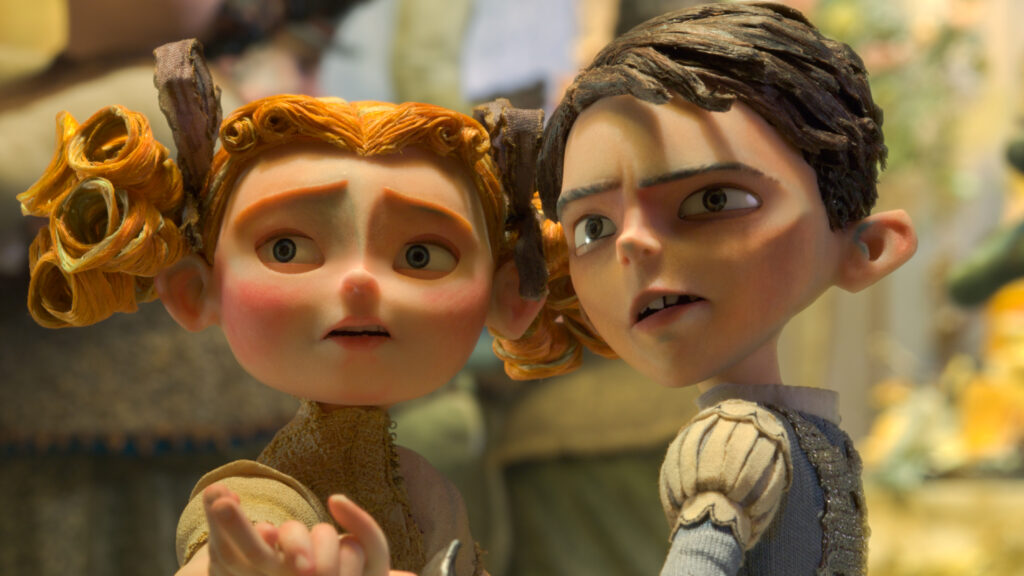
The Boxtrolls, another Laika production, demonstrated the potential of stop motion to blend whimsical characters with dark, layered storytelling. The film’s unique character designs and clever use of lighting set a new visual standard for animated films. The creative team worked tirelessly to develop complex environments and intricate character movements. Every scene in The Boxtrolls was carefully crafted to reflect the handcrafted nature of stop motion while incorporating modern animation technology.
The film’s success further established Laika as a leader in the stop motion industry. The Boxtrolls was not only a critical and commercial success but also a testament to the possibilities of stop motion as a serious form of cinematic expression. The film’s combination of innovative animation techniques, vivid color palettes, and detailed textures pushed the boundaries of the medium. The Boxtrolls set new standards in both animation and storytelling, cementing stop motion’s place in modern filmmaking.
Shaun the Sheep Movie (2015)
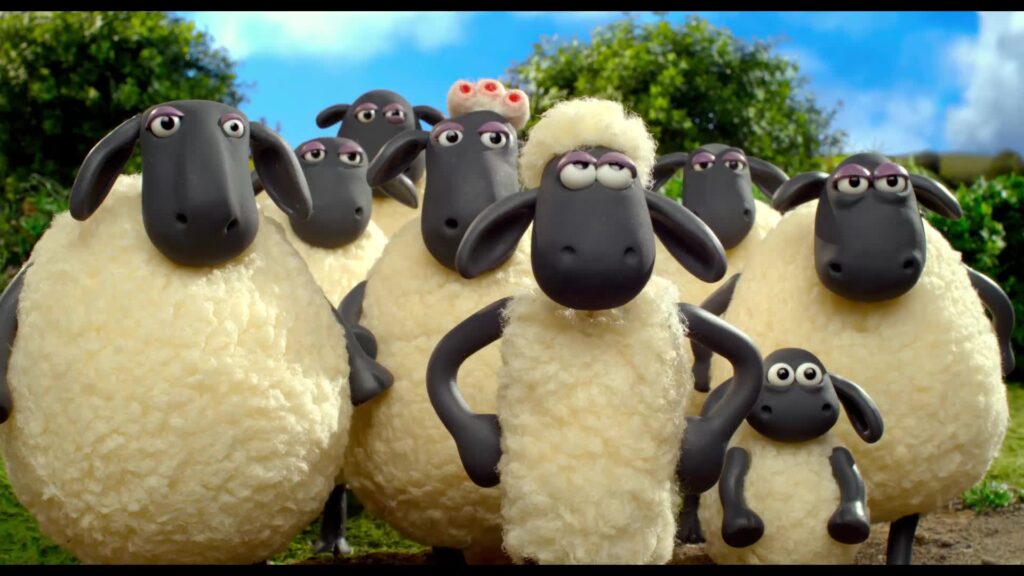
Aardman Animations continued to push the limits of stop motion with Shaun the Sheep Movie, which blended humor and intricate animation. The film used traditional stop motion techniques alongside new technologies to achieve smooth, natural movements. The character designs were playful and expressive, setting a new standard for how stop motion could convey emotions through subtle body language. The movie’s fast-paced action and clever visual gags were a testament to the sophistication of modern stop motion.
Shaun the Sheep Movie demonstrated how stop motion animation could appeal to audiences of all ages. The film’s detailed sets and characters, combined with Aardman’s distinctive sense of humor, made it a standout in the genre. The movie used innovative techniques to deliver a visually stunning and emotionally engaging experience. Its success added to the growing recognition of stop motion as a versatile and effective form of animation.
Chicken Run (2000)
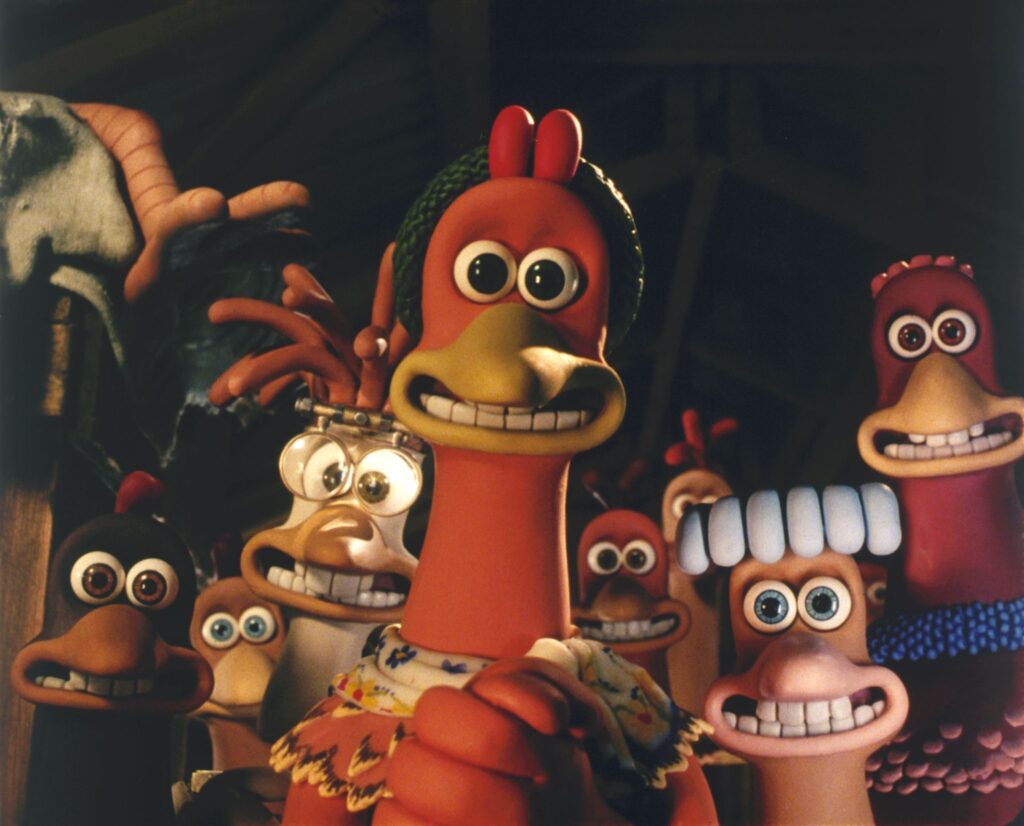
Aardman’s Chicken Run was a groundbreaking film that showed how stop motion could be used to tell a rich, engaging story. The film’s blend of humor, drama, and social commentary demonstrated the depth that stop motion animation could achieve. The character designs, which were detailed and expressive, gave the characters life in a way that had never been seen before in a claymation film. The film’s use of stop motion added texture and personality to the animation, setting new standards for both the craft and the industry.
The success of Chicken Run helped establish Aardman Animations as one of the premier stop motion studios. The film broke box office records and garnered critical acclaim for its innovative animation and unique storytelling approach. The combination of innovative stop motion techniques and traditional humor appealed to both children and adults. Chicken Run remains one of the most important films in the history of stop motion animation.
The Secret Adventures of Tom Thumb (1993)
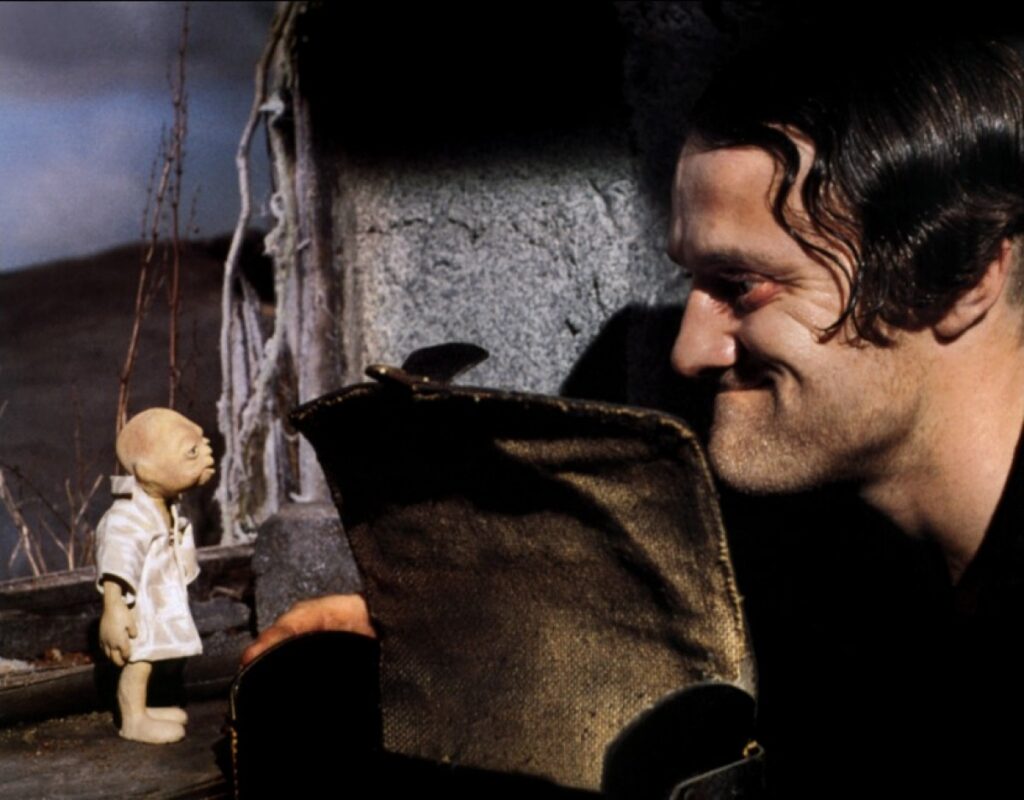
The Secret Adventures of Tom Thumb is a unique example of stop motion animation that blends artistry with surreal storytelling. Directed by Dave McKean, the film used a mixture of stop motion and live-action techniques to create a dark, imaginative world. The animation, often disturbing and surreal, pushed the boundaries of what was possible in stop motion, blending horror with beauty. The intricate set designs and character movements set a new standard for the genre.
The film is notable for its mature themes and the way it pushed stop motion into more experimental and artistic realms. The unique style of the film made it stand out in the world of animation, showing how stop motion could explore darker, more complex narratives. Its use of mixed media was groundbreaking for its time, and the film remains a cult favorite among stop motion enthusiasts. The Secret Adventures of Tom Thumb set new standards for artistic ambition in stop motion films.
Corpse Bride (2005)
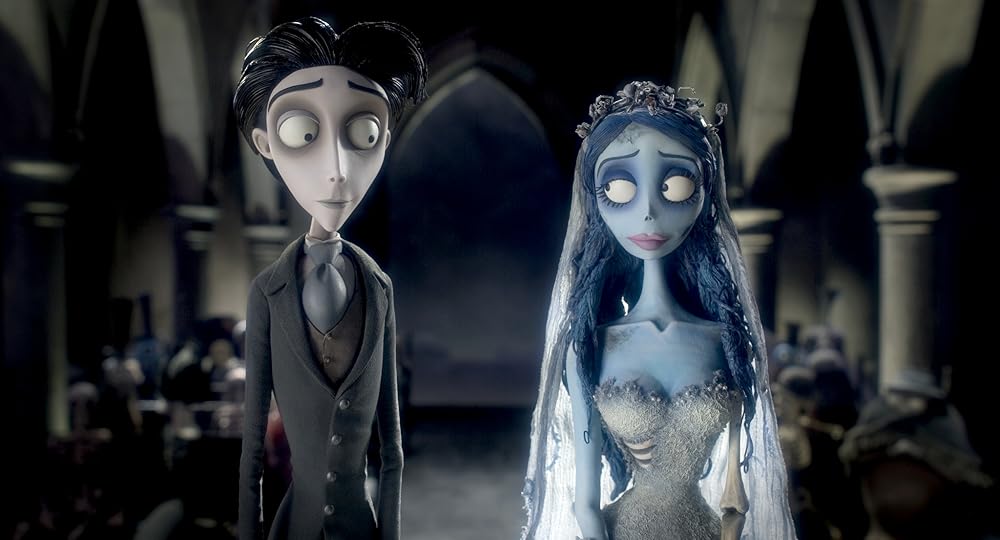
Tim Burton’s Corpse Bride is another example of how stop motion can be used to create visually stunning and emotionally resonant stories. The film, with its distinctive gothic style, used stop motion to bring Burton’s dark, whimsical world to life. The movie’s careful attention to character detail, set design, and atmosphere set a new standard for how stop motion could be used to create unique, fully realized worlds. The expressive character movements and the blend of traditional stop motion with digital effects elevated the film to a new level.
Corpse Bride is a standout in Burton’s career, demonstrating his unique artistic vision in the stop motion medium. The film used innovative techniques to create smooth character movements, particularly with the use of rigs and wires that were hidden to maintain the film’s fluidity. The careful attention to lighting, color, and texture created a haunting yet beautiful visual experience. The success of the film reinforced the versatility of stop motion in telling stories of both dark humor and deep emotion.
Isle of Dogs (2018)
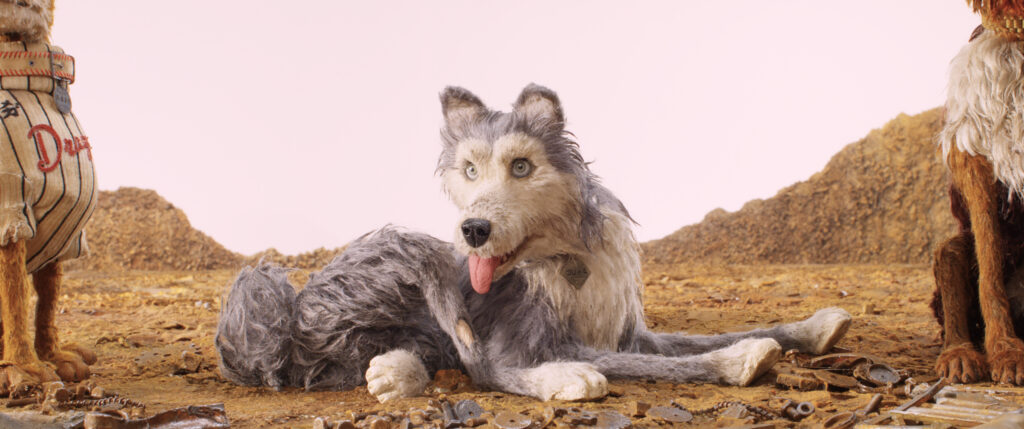
Wes Anderson’s Isle of Dogs further cemented stop motion as a significant medium for animated films. The film’s intricate puppets and detailed sets demonstrated how stop motion could be used to create a visually stunning world that was both immersive and unique. Anderson’s distinctive style, combined with the stop motion technique, gave the film a personality that was both quirky and detailed. The use of stop motion in Isle of Dogs created a sense of authenticity, which enhanced the story’s emotional depth.
The film was praised for its attention to detail, particularly in the puppets’ facial expressions, which added a layer of emotional depth to the characters. Anderson’s use of stop motion allowed for a tactile, hands-on approach to filmmaking, creating a sense of intimacy and connection between the audience and the characters. Isle of Dogs also demonstrated how stop motion could push the boundaries of storytelling with its mature themes and unique visual style. It remains a standout in the world of stop motion animation.
This article originally appeared on Avocadu.