
10 Rare Carnivorous Plants That People Cannot Stop Watching
For those who love the unexpected side of nature, carnivorous plants offer a world of wonder. With their eerie yet beautiful traps, these plants provide a glimpse into nature’s more fascinating side. Whether you’re watching a Venus flytrap snap shut or a pitcher plant slowly digesting its catch, these plants never fail to intrigue. People have been captivated by them for years, and it’s easy to see why.
This post may contain affiliate links, which helps keep this content free. Please read our disclosure for more info.
Venus Flytrap
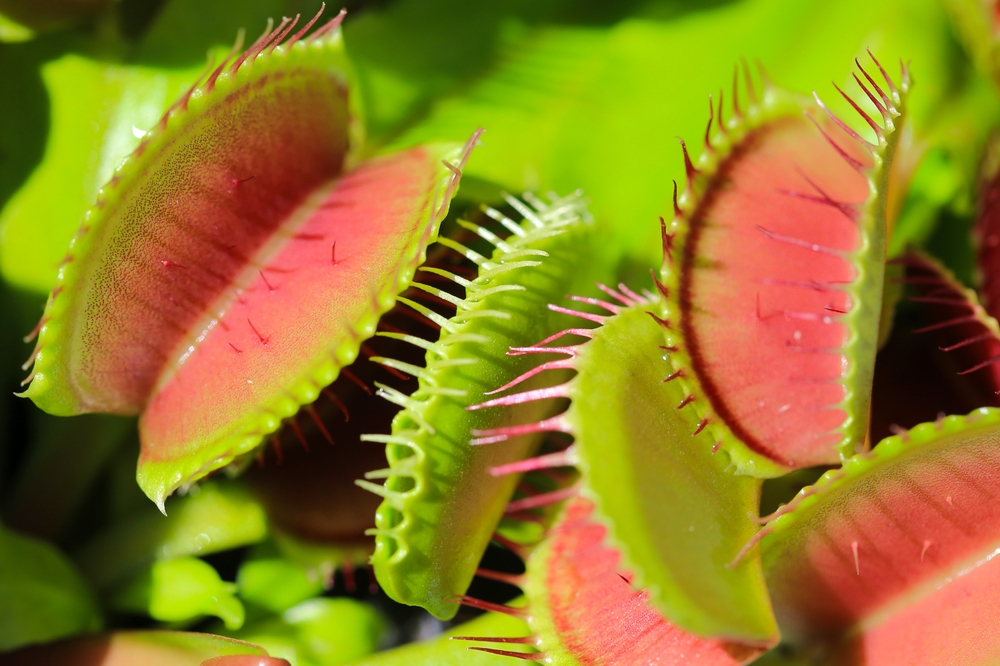
The Venus flytrap is one of the most iconic carnivorous plants, known for its unique leaf structure that snaps shut when prey touches its trigger hairs. It can make a fantastic houseplant if you provide the right conditions, such as direct sunlight and moist, well-drained soil. These plants thrive in a humid environment, so a terrarium or humidifier can help keep them healthy indoors. Feeding them live insects occasionally is essential to maintain their health, but they can go without food for long periods. A Venus flytrap requires a dormancy period in the winter to stay in good condition, so be sure to reduce the temperature for a few months.
Careful watering is key-use distilled water or rainwater to prevent minerals from damaging the plant. Placing the plant in a sunny window or under grow lights will keep it thriving. Never feed it human food, as it will not digest it properly. Venus flytraps are quite easy to care for once their specific needs are understood. With patience, they can thrive in a home and provide fascinating moments when catching prey.
Pitcher Plant (Sarracenia)
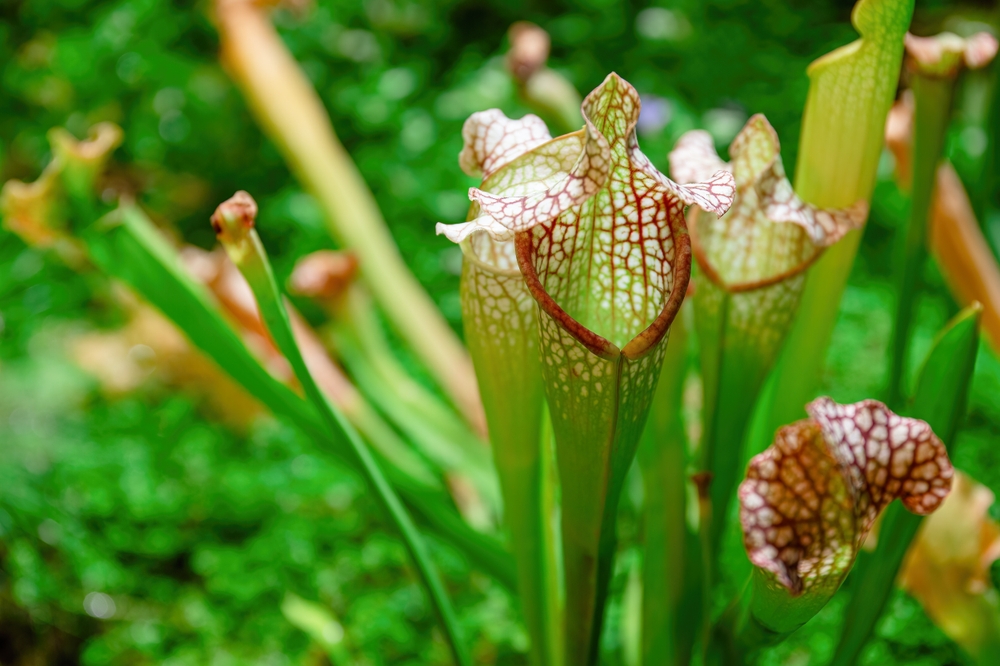
Pitcher plants are known for their tall, tubular leaves that resemble pitchers, which trap insects inside their fluid-filled chambers. These plants can be grown as houseplants, especially in areas with adequate sunlight and high humidity. They are relatively easy to maintain as long as you keep them in a moist environment and provide a mix of sphagnum moss and perlite. Pitcher plants can be fed small insects, though they can survive without food for a while. The most important care tip is to avoid using regular tap water, as it can harm the plant.
These plants thrive in warm conditions and need a winter dormancy period in cooler temperatures to grow properly. Keep them in a spot that receives at least 4-6 hours of direct sunlight per day. Regular misting or a humidifier can provide the moisture they need. If you’re lucky, you might even get to see the plant’s dramatic, vibrant pitchers grow and develop throughout the season. Pitcher plants are a great way to add a unique touch to your indoor garden.
Sundew (Drosera)
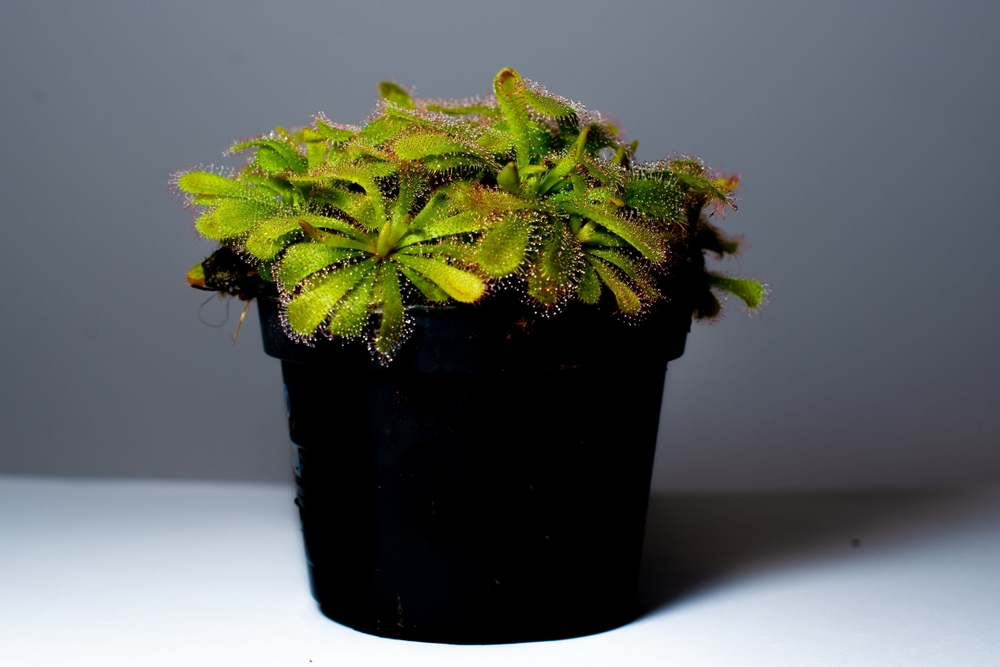
Sundews are known for their sticky, dew-covered leaves that trap insects, making them an exciting addition to any plant collection. These plants can absolutely be grown as houseplants in a humid and sunny environment. Sundews prefer acidic, nutrient-poor soil, so it’s important to use a mix of sphagnum moss and sand. They require a fair amount of moisture, so be sure to keep their soil consistently damp. Depending on the species, they will need several hours of direct sunlight each day to thrive.
Feeding sundews is optional, as they can catch their own food. However, if kept indoors, you may need to feed them small insects or provide artificial feeding methods. These plants need to rest during winter, so you should reduce their light and water them less frequently. Their delicate, sparkling dew makes them visually captivating, and they are sure to be a conversation starter. With proper care, sundews can make an impressive, low-maintenance houseplant.
Butterwort (Pinguicula)
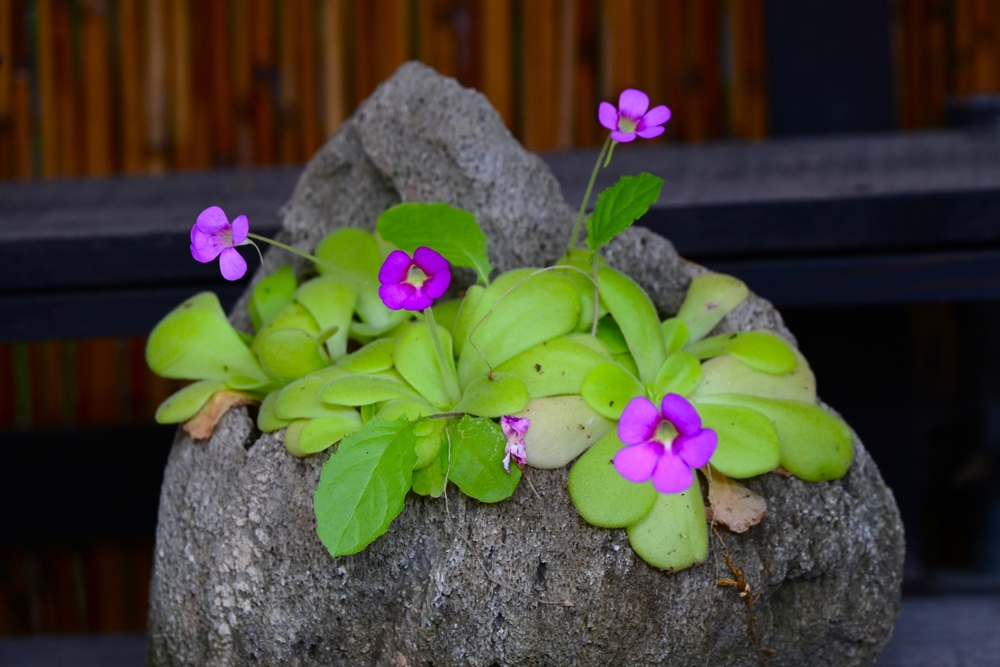
Butterworts are carnivorous plants with round, succulent-like leaves that secrete a sticky substance to trap insects. These plants can easily adapt to indoor environments, requiring minimal care beyond regular watering and indirect sunlight. Butterworts prefer moist, acidic soil, which can be achieved by using a peat-based mix. They thrive in temperatures between 65-75 degrees F and need to be kept relatively humid, especially in the winter months. Their charming, small flowers also add beauty to their practical nature.
These plants benefit from a little feeding, but it is not necessary for them to survive. If you do decide to feed them, small insects like ants or fruit flies are ideal. Be cautious with water, as butterworts do not tolerate minerals well-always use distilled or rainwater. Placing them in a terrarium or near a humidifier will help keep them happy indoors. Butterworts can be grown in small pots or containers, making them a great option for apartments or small spaces.
Bladderwort (Utricularia)
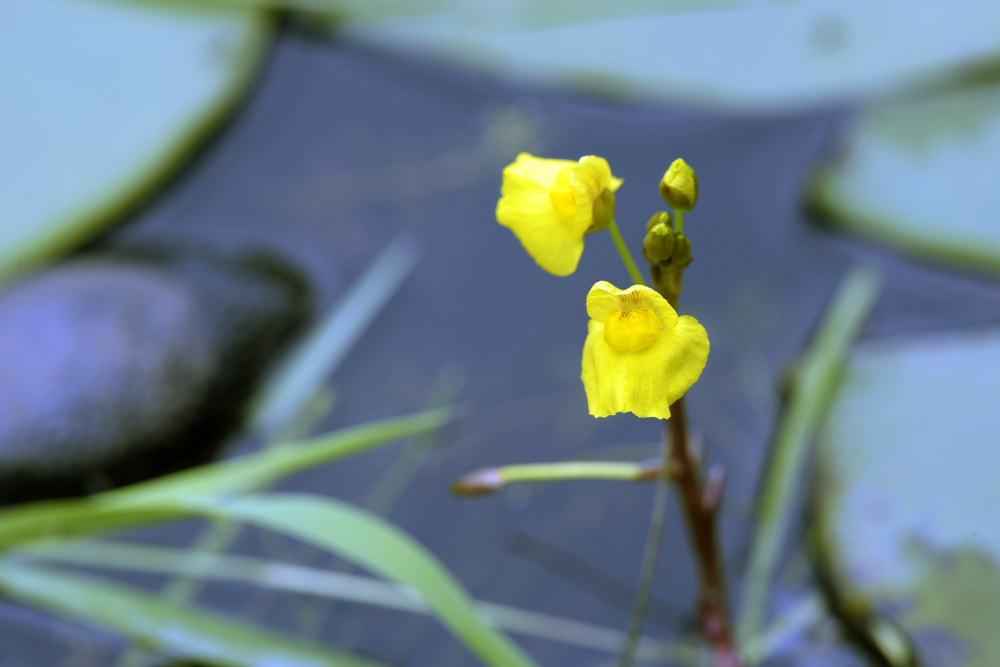
Bladderworts are unique because they have tiny bladder-like traps that suck in prey when triggered. These aquatic or semi-aquatic plants can be kept in containers with standing water or placed in bog gardens. They do well in moderate sunlight and enjoy slightly acidic, nutrient-poor soil. Bladderworts require a consistent water source, so they are best suited to humid environments or terrariums with moisture retention. While they can be difficult to care for at first, they are a fascinating plant to observe once you understand their needs.
These plants grow best when the soil is kept damp, but not submerged, unless grown in a water feature. Bladderworts may not require frequent feeding, as they can catch their own food. However, in an indoor setting, it’s helpful to feed them small invertebrates like flies. If they are grown in water, make sure to change the water every few weeks to keep the environment clean. Bladderworts are certainly among the most visually exciting and low-maintenance carnivorous plants.
Tropical Pitcher Plant (Nepenthes)
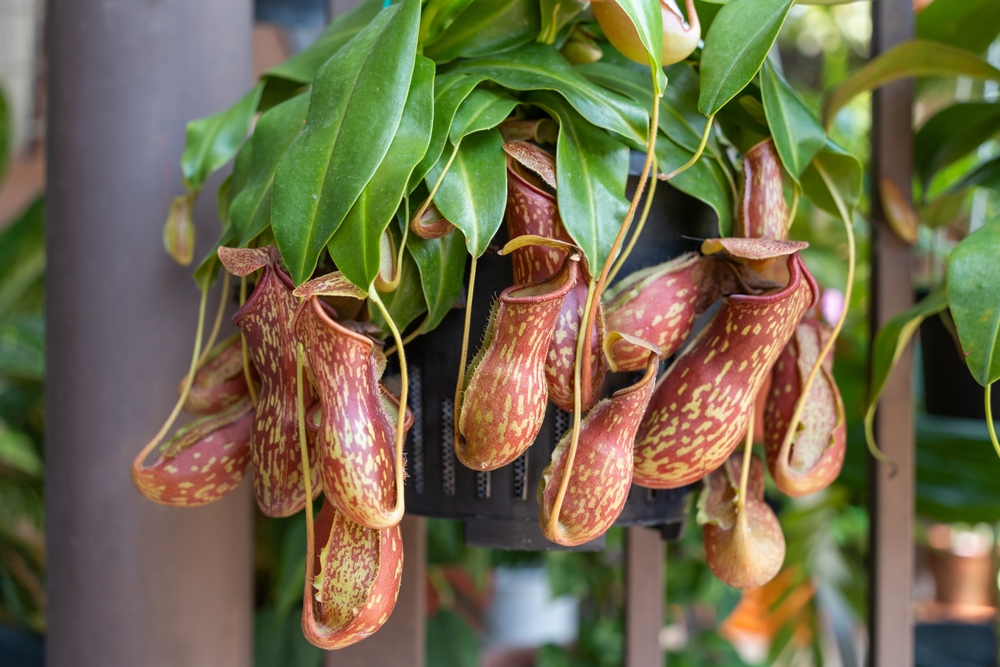
Tropical pitcher plants, also known as Nepenthes, are exotic-looking plants that can thrive in high humidity and warm temperatures. These plants feature long, tubular pitchers that trap and digest prey, often catching insects and even small vertebrates. Indoors, they can be kept in large pots or hanging baskets, where they will enjoy bright, indirect sunlight and moist, well-drained soil. Make sure to use a mix of sphagnum moss and orchid bark to mimic their natural habitat. Feeding them insects occasionally is beneficial, but they can survive without it as long as their environmental needs are met.
These plants are best suited to a warm and humid environment, which is why a terrarium or greenhouse is often ideal. Nepenthes can also be placed in a spot with constant humidity, such as near a bathroom window. With proper care, they will grow long, graceful vines and produce vibrant pitchers. As houseplants, they need to be misted regularly to maintain humidity. While they are a bit more complex to care for, their unique appearance makes them well worth the effort.
Cobra Lily
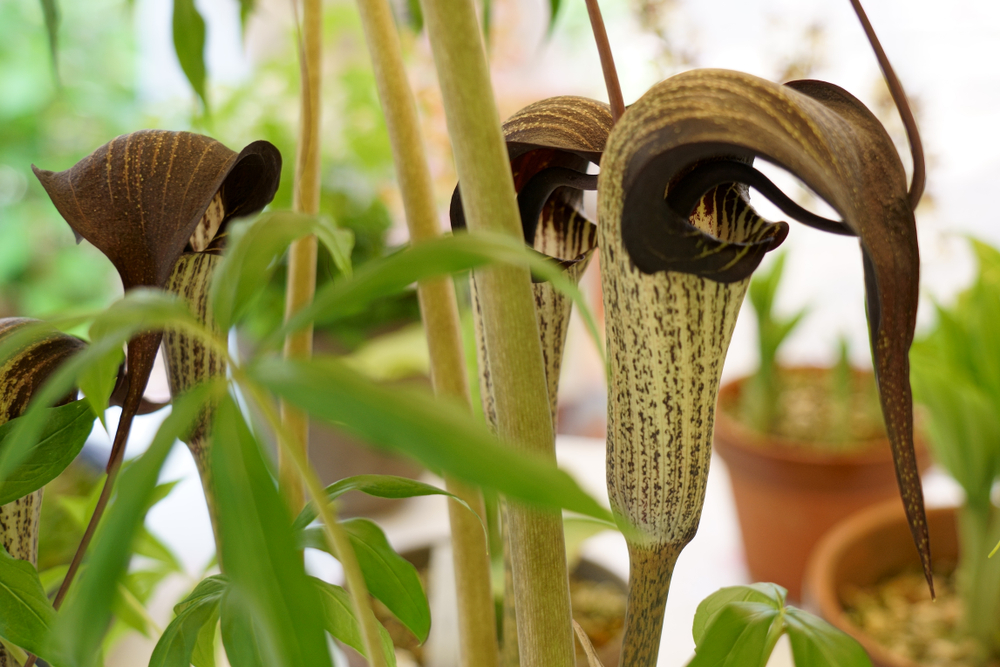
Cobra lilies, are native to Northern California and Oregon and are known for their distinct, cobra-shaped pitchers. These plants thrive in cool, flowing water and can be grown indoors in a water dish or shallow basin. They require bright, indirect light and a cool room temperature, generally between 60-75 degrees F. To keep them healthy, provide them with water that is free of minerals, such as distilled or rainwater. Their remarkable appearance makes them a captivating addition to any plant collection.
Caring for cobra lilies requires maintaining consistently moist soil or water and ensuring they are kept in a well-ventilated area. Feeding them live insects is optional, as their traps can catch food on their own. They are best suited for larger indoor spaces or as part of a bog garden. Cobra lilies may not be the easiest carnivorous plant to grow indoors, but their unique shape makes them a striking choice for those willing to put in the effort. When well-cared for, they create a mysterious, exotic atmosphere.
Albany Pitcher Plant (Cephalotus)
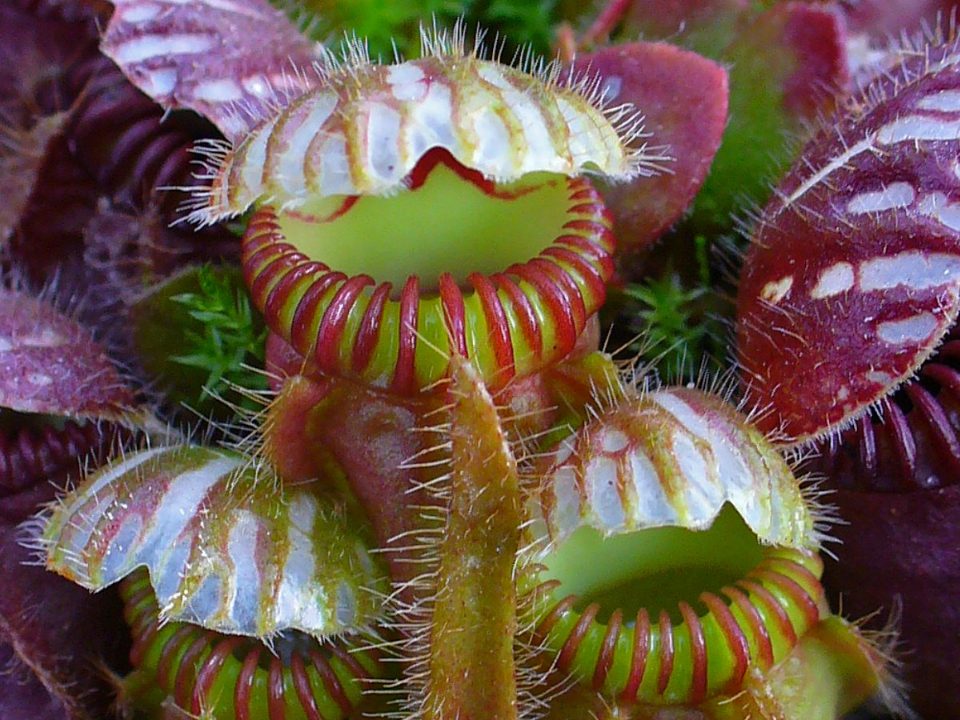
Cephalotus, or the Albany pitcher plant, is a small but impressive carnivorous plant native to Western Australia. Its pitcher-like traps are uniquely small and have a distinct lid that helps prevent prey from escaping. Cephalotus can be grown as a houseplant if provided with the right conditions, including bright light, humidity, and a moist environment. These plants prefer cool temperatures and thrive in soil that is slightly acidic, with a mix of sphagnum moss and sand. Their tiny size makes them ideal for small indoor spaces or terrariums.
Careful watering is important, as Cephalotus cannot tolerate hard tap water. Use distilled or rainwater to keep the plant healthy. It may take some time for the plant to produce its characteristic pitchers, but once it does, the effect is mesmerizing. These plants can also be fed small insects, which they will trap in their unique, lid-covered pitchers. With patience, Cephalotus can be an excellent addition to any carnivorous plant collection.
Roridula (Roridula gorgonias)
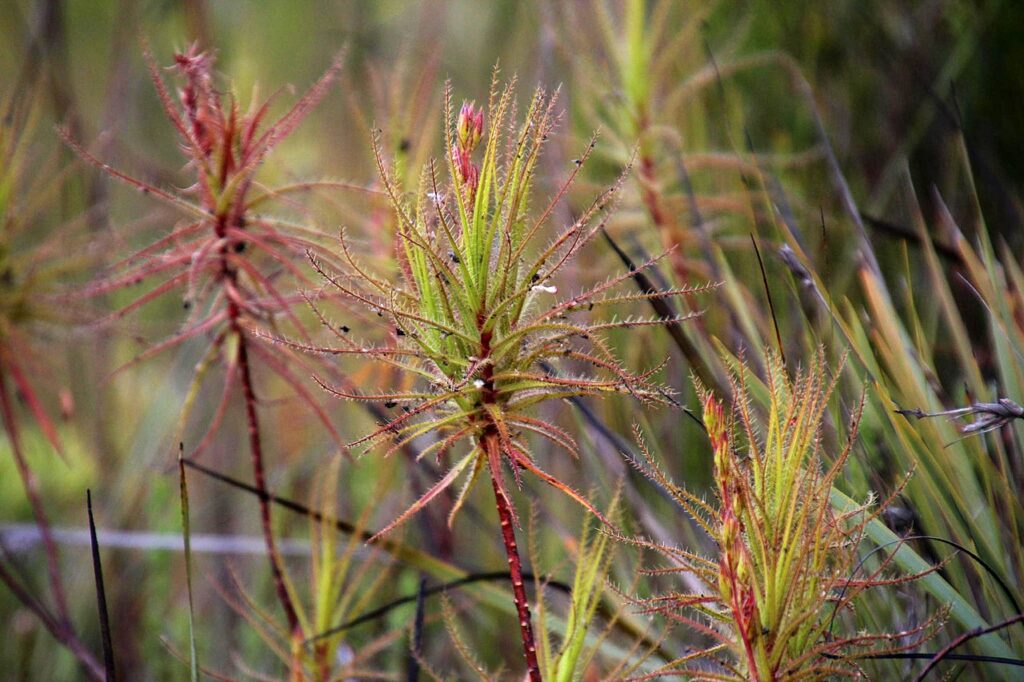
Roridula is a rare and fascinating carnivorous plant that thrives in warm, sunny environments. Unlike most carnivorous plants, Roridula does not digest its prey directly. Instead, it relies on a mutualistic relationship with insects called bug glue, where prey gets stuck in the plant’s sticky hairs. These plants are perfect for warm, sunny windowsills, as they require direct sunlight to thrive. Their intriguing method of catching and using insects is one of the reasons collectors can’t stop watching them.
Roridula plants require well-draining, acidic soil, similar to that of other carnivorous species. They need regular watering with distilled water to keep the soil moist but not soggy. Although they don’t digest prey directly, they benefit from a boost in nutrients from their insect catch. With proper care, they will produce sticky leaves that attract insects naturally. These plants offer an exciting way to learn about nature’s ingenious solutions to survival.
Sun Pitcher Plant (Heliamphora)
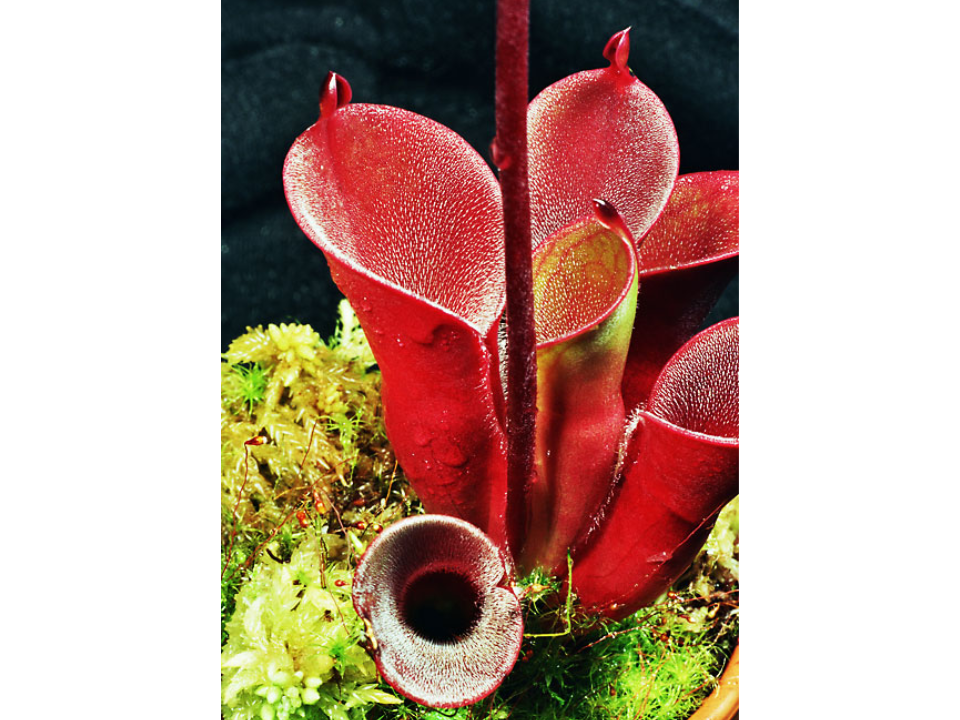
Heliamphora, or sun pitcher plants, are another type of pitcher plant that grows in highland environments. These plants are native to the Tepui regions of South America, where they thrive in cool, moist conditions. They can be grown indoors in a well-maintained terrarium that mimics their native environment. Heliamphora require bright, indirect sunlight and need to be watered with distilled or rainwater to prevent damage from minerals. Their unique pitcher shape and ability to trap insects make them a stunning and engaging houseplant.
This plant enjoys high humidity and cooler temperatures, making it a perfect candidate for indoor cultivation in climates where these conditions can be maintained. Heliamphora requires nutrient-poor soil, which is essential to their health. Though feeding them is not mandatory, they will catch their own insects if given the chance. Providing them with a consistent environment and occasional feeding will keep them happy. Their beautiful, translucent pitchers make them an eye-catching addition to any collection.
This article originally appeared on Avocadu.