
12 Beloved Kids Shows That Started as Total Experiments
There are some kids’ shows that started as nothing more than experiments, and no one really knew what to expect. These shows took a chance, hoping to connect with young audiences in ways no one had before. What followed was nothing short of magical, as these programs grew into beloved classics. Their success shows how daring ideas can transform into treasures.
This post may contain affiliate links, which helps keep this content free. Please read our disclosure for more info.
Sesame Street
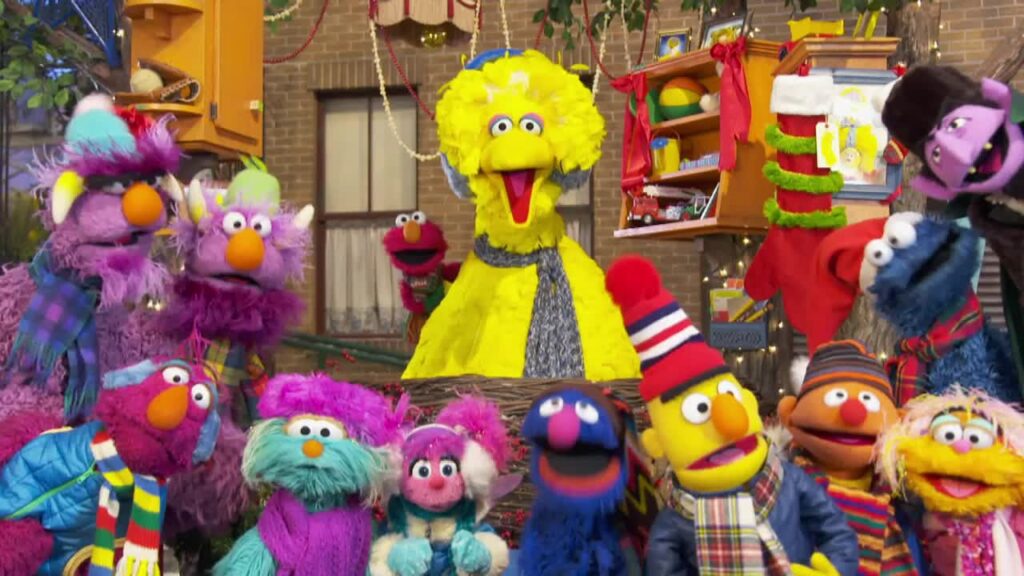
Sesame Street is an iconic children’s show that began as a bold experiment in educational television. When it first aired in 1969, it was designed to teach children academic basics in a fun and engaging way. The show’s creators took a risk by using puppets and animation to teach lessons about everything from math to social skills. Over time, Sesame Street became a global phenomenon, recognized for its ability to educate and entertain at the same time.
The show revolutionized children’s television by blending entertainment with learning. Its diverse cast of characters, including the beloved Elmo, Big Bird, and Cookie Monster, created a connection with viewers. The combination of humor, music, and storytelling helped make complex subjects easy for children to understand. Today, Sesame Street continues to be one of the most respected kids’ shows in the world, with a legacy that has shaped how educational TV is produced.
Mister Rogers’ Neighborhood

Mister Rogers’ Neighborhood was once considered an unusual approach to children’s television. Fred Rogers, a Presbyterian minister, launched the show in 1968 with the goal of comforting and teaching young audiences about emotional intelligence. At the time, television was dominated by flashy cartoons, and Mister Rogers’ Neighborhood was a slow-paced, gentle contrast. His approach, focused on kindness and understanding, was a radical experiment in children’s programming.
The show’s simple set, calm demeanor, and reflective style made it stand out, but it struck a deep chord with its audience. Rogers’ ability to address complex issues such as death, divorce, and fear made the show unique in children’s TV history. The show ran for more than 30 years, winning numerous awards and influencing generations of viewers. Fred Rogers became a beloved figure, proving that TV for kids could be both soothing and insightful.
The Magic School Bus
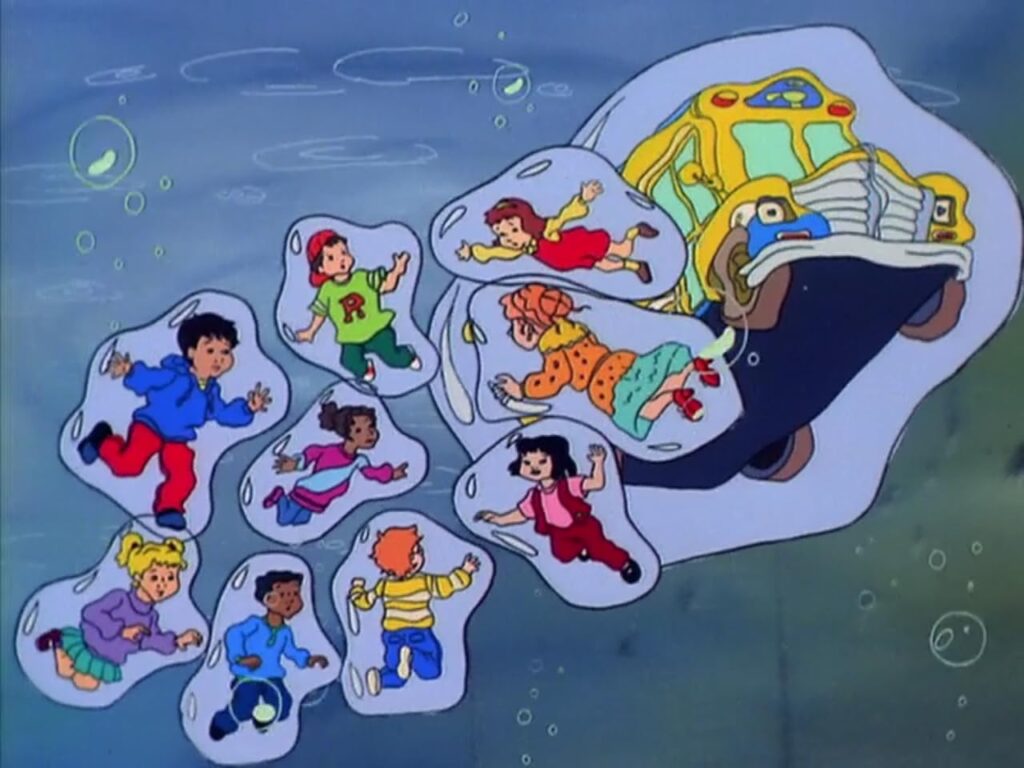
The Magic School Bus was an unconventional kids’ show that blended science with a magical adventure. The show first aired in 1994 and was based on a book series of the same name. What set it apart was its bold decision to explore educational content through an animated bus that could travel anywhere, even inside the human body. Kids followed Ms. Frizzle and her students on wild, fun-filled journeys that made learning about science feel like an exciting exploration.
The show’s format allowed children to experience science in a completely new way, sparking curiosity about the world around them. Its creativity and educational value made it a hit with both kids and parents. By incorporating fun facts, memorable characters, and imaginative storylines, The Magic School Bus made complex topics like biology, physics, and space exploration accessible. It continues to be a classic, with new adaptations keeping the spirit of the show alive for younger generations.
SpongeBob SquarePants
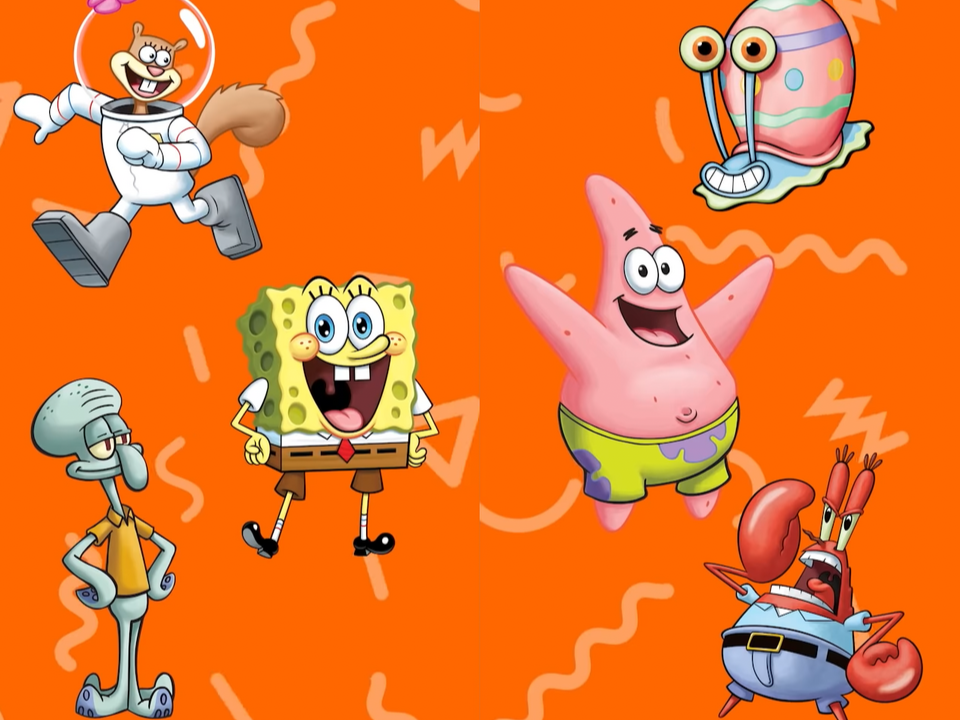
SpongeBob SquarePants started as an unexpected experiment when it premiered in 1999. Created by marine science educator Stephen Hillenburg, the show was initially aimed at introducing marine biology to children through quirky underwater characters. While many critics initially doubted the appeal of a show about a talking sponge, SpongeBob quickly became a beloved character known for his infectious optimism and bizarre adventures. The show’s mix of slapstick humor and subtle adult jokes resonated with audiences of all ages.
The world of Bikini Bottom, complete with eccentric characters like Patrick and Squidward, became a unique and playful setting for exploring various topics. SpongeBob revolutionized animated television by appealing to both children and adults, a trait that continues to help it thrive today. The show has since spawned movies, theme park attractions, and a loyal fan base. SpongeBob is considered one of the most successful animated series of all time, proving that even the most unconventional ideas can lead to global success.
The Simpsons

The Simpsons began in 1989 as a short segment on The Tracey Ullman Show before being developed into a full-length series. Its irreverent humor and satirical take on American family life were fresh and, at the time, unexpected for a prime-time animated show. Many were skeptical about the show’s ability to sustain a full season, but The Simpsons defied the odds, quickly gaining popularity with its witty writing and memorable characters. The show became a staple of American television and a cultural touchstone for generations.
The family dynamic of Homer, Marge, Bart, Lisa, and Maggie provided a satirical look at suburban life, tackling issues from politics to pop culture. With its blend of humor, heart, and critique of American society, The Simpsons set the stage for future adult animated sitcoms. The series became the longest-running American sitcom, influencing countless other shows and earning a spot in TV history. The Simpsons continues to entertain audiences with new episodes, maintaining its relevance and widespread impact.
Teletubbies
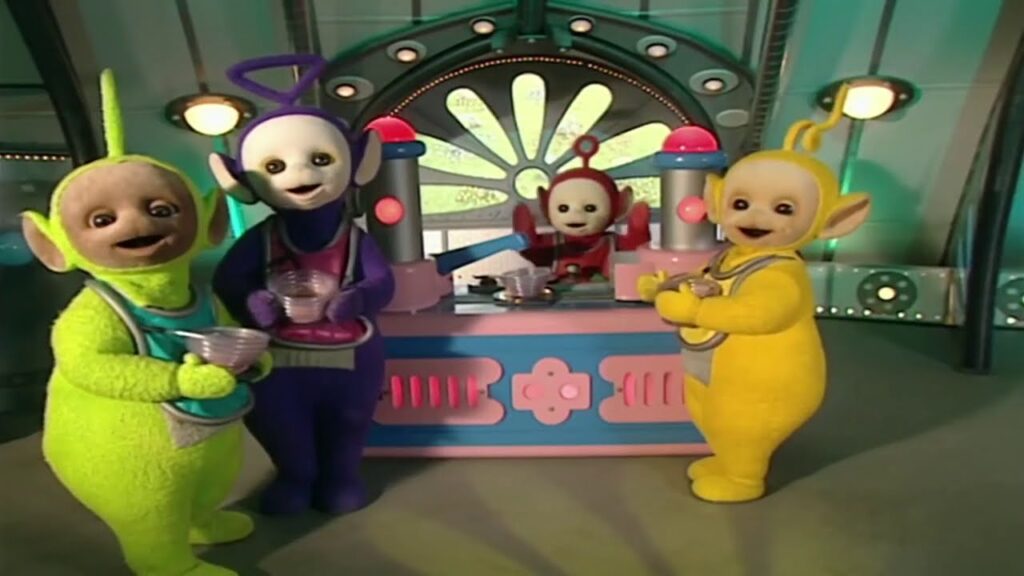
Teletubbies is one of the most unconventional children’s shows ever created. When it debuted in 1997, it introduced four colorful, nonspeaking characters, each with their own quirky characteristics, in a magical landscape. The show’s repetitive, slow-paced format and its focus on sensory experiences rather than narrative storytelling raised questions about its appeal. However, it became a global phenomenon, beloved for its whimsical characters and ability to capture the attention of very young children.
The show was groundbreaking in its use of visual and auditory elements to engage toddlers, and its simple, non-verbal communication made it accessible to kids worldwide. Teletubbies focused on early childhood development, encouraging play and exploration through a captivating world filled with bright colors and sound. Despite mixed reactions from critics, the show found success, especially among preschoolers. It sparked debates about television’s role in child development but ultimately became a cherished part of many childhoods.
The Fresh Prince of Bel-Air
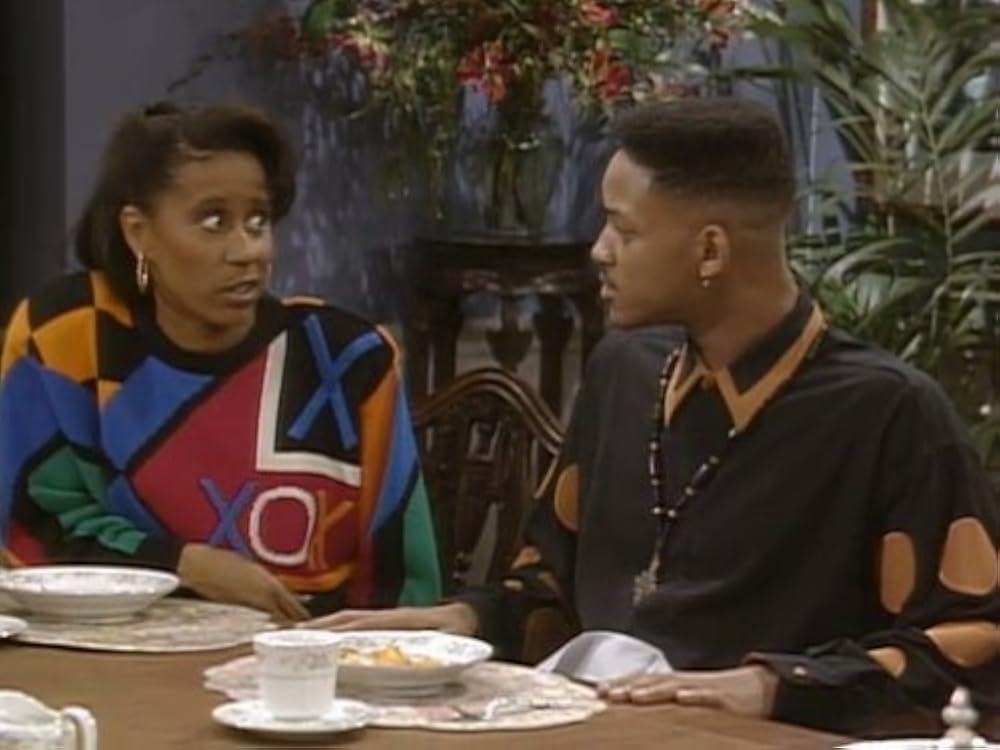
The Fresh Prince of Bel-Air started as an unlikely experiment in 1990 when Will Smith, a rapper with no acting experience, was cast in the lead role. The show’s premise about a street-smart teenager from Philadelphia moving in with his wealthy relatives in Beverly Hills was an unusual premise for a sitcom. At the time, television had rarely seen a show with such a mix of humor, drama, and cultural commentary. However, the show quickly became a cultural touchstone for its portrayal of African-American life and its memorable characters.
Will Smith’s comedic timing, combined with the talented supporting cast, helped make the show a hit. The Fresh Prince touched on social issues such as race, class, and identity, making it both entertaining and thought-provoking. The show resonated with viewers of all ages and backgrounds, becoming one of the most beloved sitcoms of the 1990s. Today, it remains a classic, with fans still celebrating its timeless appeal and the legendary theme song.
Rugrats
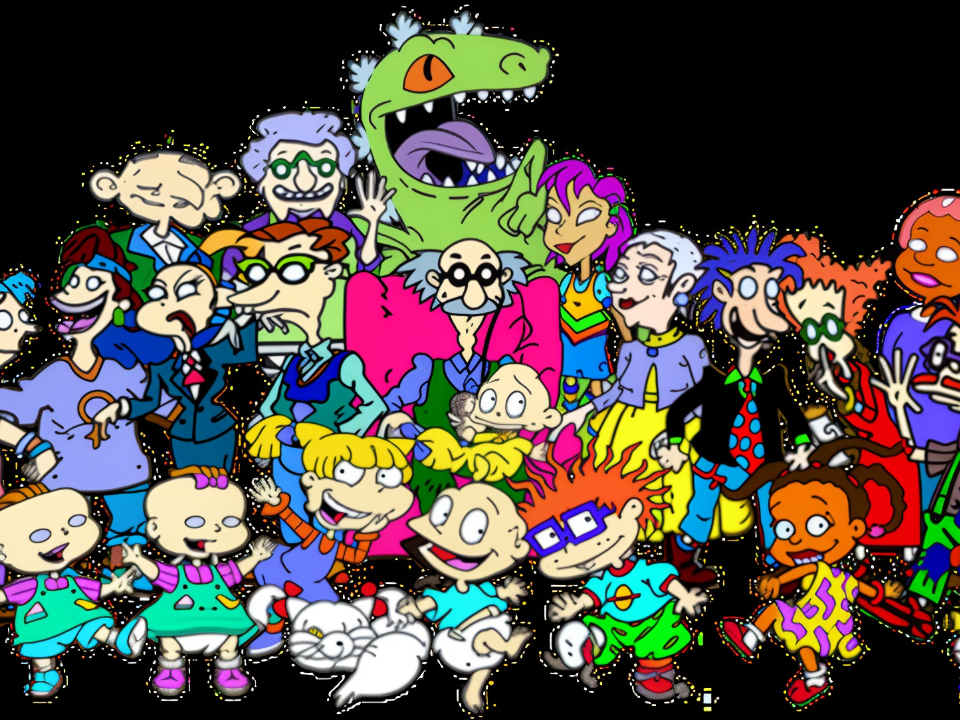
Rugrats was an animated series that began in 1991 and followed the adventures of a group of toddlers. The show was a unique experiment in the genre, focusing on the perspective of babies exploring the world around them. Unlike most children’s shows, Rugrats took viewers into the imaginative minds of the toddlers, creating a quirky, fun world where anything could happen. This fresh perspective set it apart from other animated series at the time.
The characters of Tommy, Chuckie, and Angelica became iconic, and the show’s humor and storytelling resonated with children and parents alike. Rugrats was praised for its creativity, tackling everyday childhood experiences from a unique angle. The show’s success led to a long-running series and multiple movies, making it one of the most popular animated kids’ shows of the 1990s. It continues to be remembered fondly for its cleverness and its ability to capture the essence of childhood wonder.
The Muppet Show
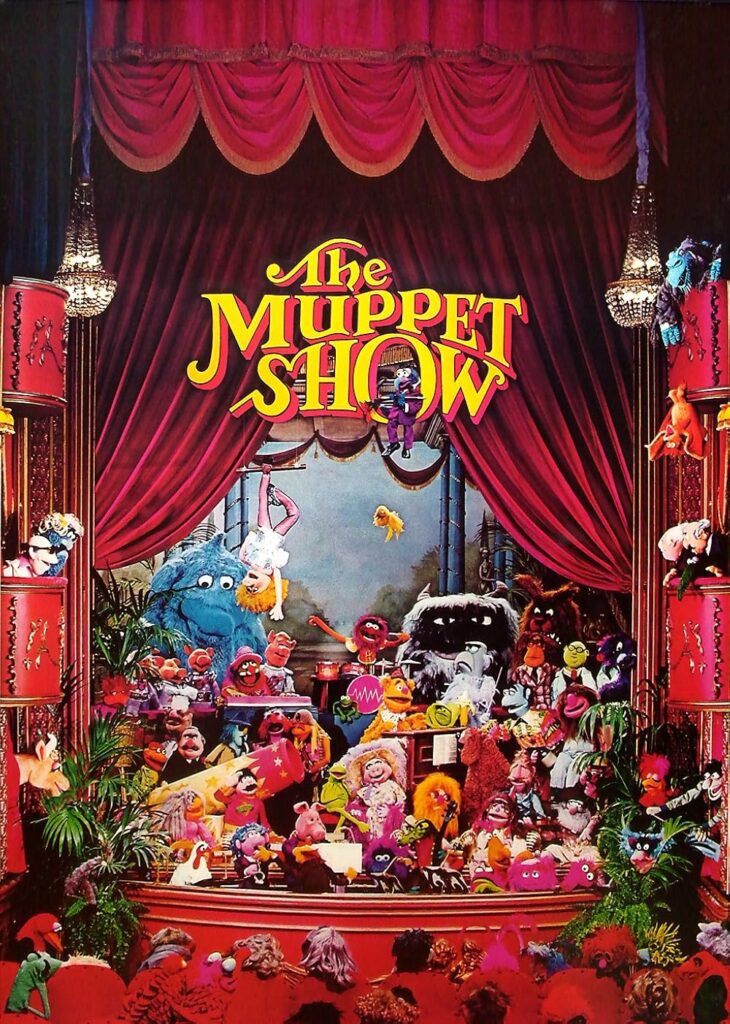
The Muppet Show is a beloved series that started as a risky experiment in 1976. Created by Jim Henson, the show combined puppetry, comedy, and variety show formats, featuring a mix of celebrity guests and outlandish characters like Kermit the Frog and Miss Piggy. The idea of mixing puppetry with adult humor was unheard of at the time, and many questioned whether the show would find an audience. Despite these doubts, it became a smash hit, attracting millions of viewers with its clever writing and unique charm.
The Muppets quickly became icons, with their antics and memorable sketches leaving a lasting impact on both kids and adults. The Muppet Show introduced a variety of memorable characters that are still cherished today, including Fozzie Bear and Gonzo. The show’s ability to blend slapstick comedy with clever satire made it stand out. The Muppet Show went on to influence many future children’s shows and remains a classic, with the Muppets continuing to entertain generations of fans.
Pokemon

Pokemon began in 1997 as an experiment in blending gaming, animation, and card collecting. Originally a video game series, it quickly expanded into an animated TV show, capturing the attention of children around the world. The show followed Ash Ketchum and his loyal Pikachu as they traveled the world to become Pokemon masters, sparking a massive franchise. At the time, the concept of pocket monsters battling each other seemed like an unusual idea for a kids’ show, but it quickly became a global phenomenon.
The Pokemon series’ success was driven by its mix of adventure, friendship, and competition. The show’s characters, from Ash to Team Rocket, became instantly recognizable, and the franchise expanded into movies, toys, and games. The show’s clever use of strategy, combined with its colorful world, kept viewers engaged. Today, Pokemon is still a major cultural force, continuing to grow with new generations and evolving media.
The Powerpuff Girls
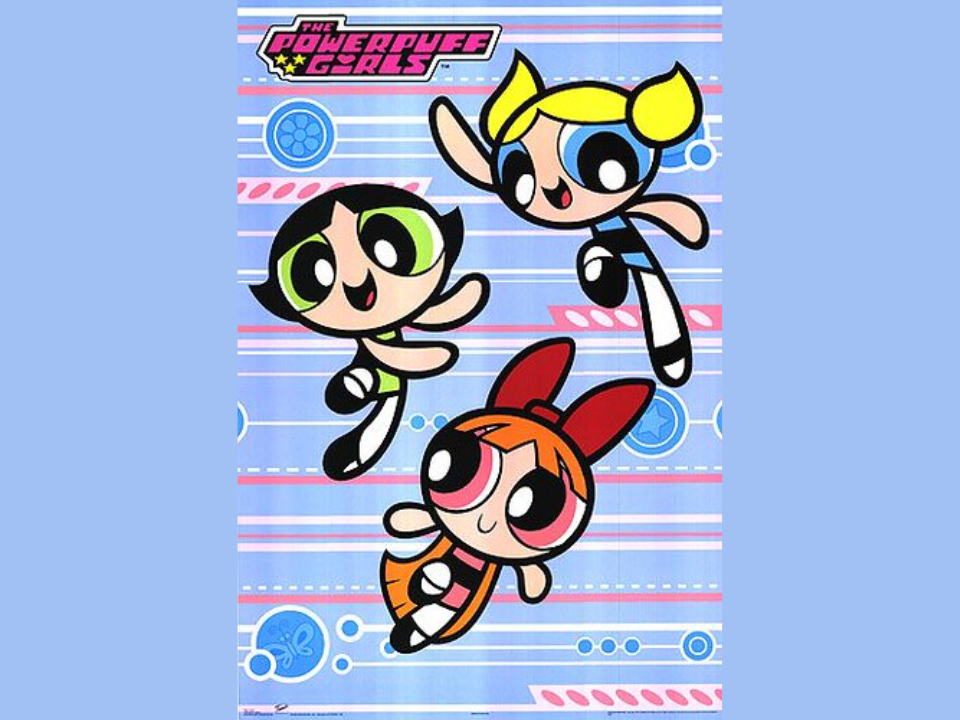
When The Powerpuff Girls premiered in 1998, it was a fresh and unexpected approach to animated kids’ television. The show, created by Craig McCracken, featured three superhero sisters, Blossom, Bubbles, and Buttercup, who fought crime while still being young girls. Combining action, humor, and a unique animation style, the show defied expectations for what a kids’ show could be. At first, it seemed like a strange concept, but the combination of colorful characters and serious action made it an instant hit.
The show became known for its feminist themes, strong female characters, and memorable villains. Its influence can be seen in later animated series that balanced action with deeper storytelling. The Powerpuff Girls provided positive role models for young viewers while still being entertaining and engaging. The show’s success led to a long-lasting legacy, with movies, merchandise, and reboots continuing to entertain new generations.
Adventure Time
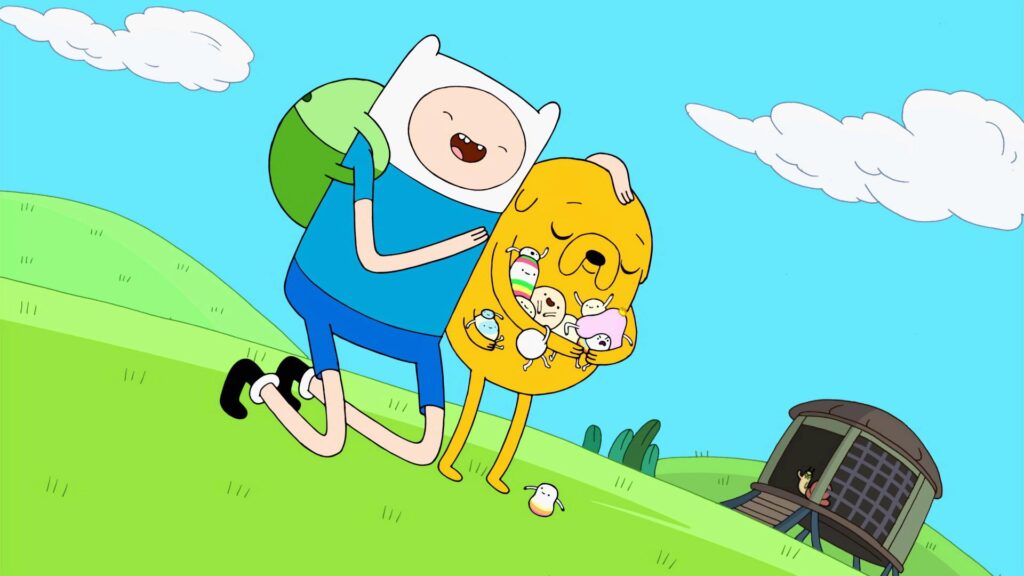
Adventure Time, which premiered in 2010, started as a quirky and imaginative experiment in animated storytelling. Created by Pendleton Ward, the show followed Finn and his dog Jake as they ventured through the post-apocalyptic Land of Ooo. The show’s unique blend of absurdity, surrealism, and emotional depth made it stand out from other kids’ cartoons. Initially, many were unsure if such an unconventional show would resonate with audiences, but Adventure Time became a cultural touchstone.
The show was praised for its creative storytelling, clever humor, and underlying themes of friendship and personal growth. It appealed not just to kids, but to adults as well, with its complex characters and sometimes dark themes. Adventure Time was groundbreaking in its ability to explore deep emotions while maintaining a playful tone. Over the years, it developed a large, devoted fan base and has influenced countless other animated series that followed.
This article originally appeared on Avocadu.