
12 Cartoons That Tackled Big Topics Long Before Anyone Else
Cartoons have long been a way to entertain, but they have also served as a platform for discussing important social issues. Through clever storytelling and humor, many shows have tackled tough subjects, offering perspectives that were ahead of their time. These animated series were not afraid to dive into topics that others may have shied away from. By using wit and satire, they often helped raise awareness or spark conversation about difficult issues.
This post may contain affiliate links, which helps keep this content free. Please read our disclosure for more info.
The Simpsons

The Simpsons, an animated sitcom that debuted in 1989, has consistently used satire to address a range of social issues. From politics to environmental concerns, the show often presents complex topics through humor and relatable characters. The character of Homer Simpson, for instance, is used to critique societal norms and corporate culture. Many episodes explore themes like family dynamics, education, and the media, all while keeping viewers entertained with clever writing.
One of the show’s standout moments was its commentary on climate change in the episode “The Fool Monty.” This early acknowledgment of the topic was surprising, given its widespread denial at the time. The Simpsons has always been ahead of its time, making sharp observations about society, and it remains a cultural touchstone for tackling big issues in subtle yet impactful ways.
South Park

South Park has never shied away from controversial topics, using dark humor to tackle political and social issues. Since its debut in 1997, the show has critiqued everything from religion to the environment, often reflecting the chaos of the world through its crude animation style. The show’s creators, Trey Parker and Matt Stone, are known for their quick turnaround, allowing them to address current events almost immediately. This allows the show to stay relevant and timely, giving it a unique ability to comment on topics like gun control and LGBTQ+ rights in ways other shows have not.
An early example of South Park’s forward-thinking approach was the 1999 episode “It Hits the Fan,” which made a bold statement about censorship. The show’s willingness to explore taboo topics often sparked outrage but also started important conversations. Despite its crude humor, South Park has become one of the most influential animated series, pushing boundaries and leading the charge in addressing difficult social issues.
Captain Planet and the Planeteers
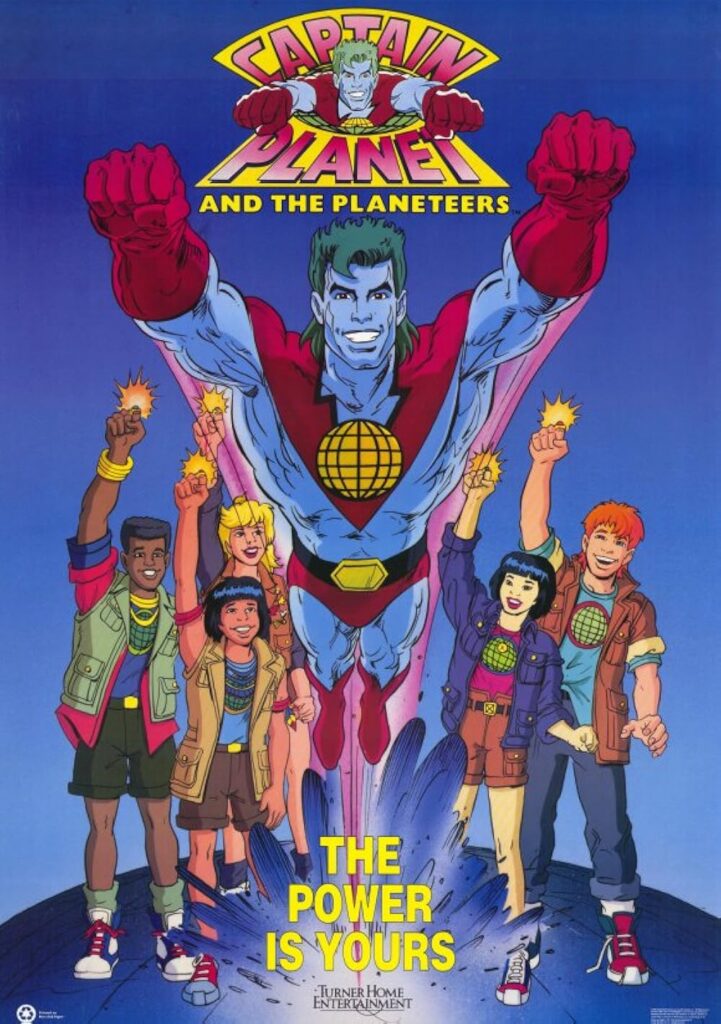
Captain Planet and the Planeteers, which aired from 1990 to 1996, was one of the first cartoons to focus heavily on environmental issues. The show, which followed five young heroes with the power to summon Captain Planet, tackled issues like pollution, deforestation, and climate change. Each episode was a call to action, encouraging young viewers to be more aware of their environmental impact. The show also introduced concepts like corporate greed and its harmful effects on the planet.
Beyond its educational nature, Captain Planet aimed to inspire children to take responsibility for the world around them. The character of Captain Planet himself symbolized hope and the possibility of change, which resonated with audiences at the time. Its legacy continues to be felt, as environmental topics remain at the forefront of global discussions.
The Flintstones
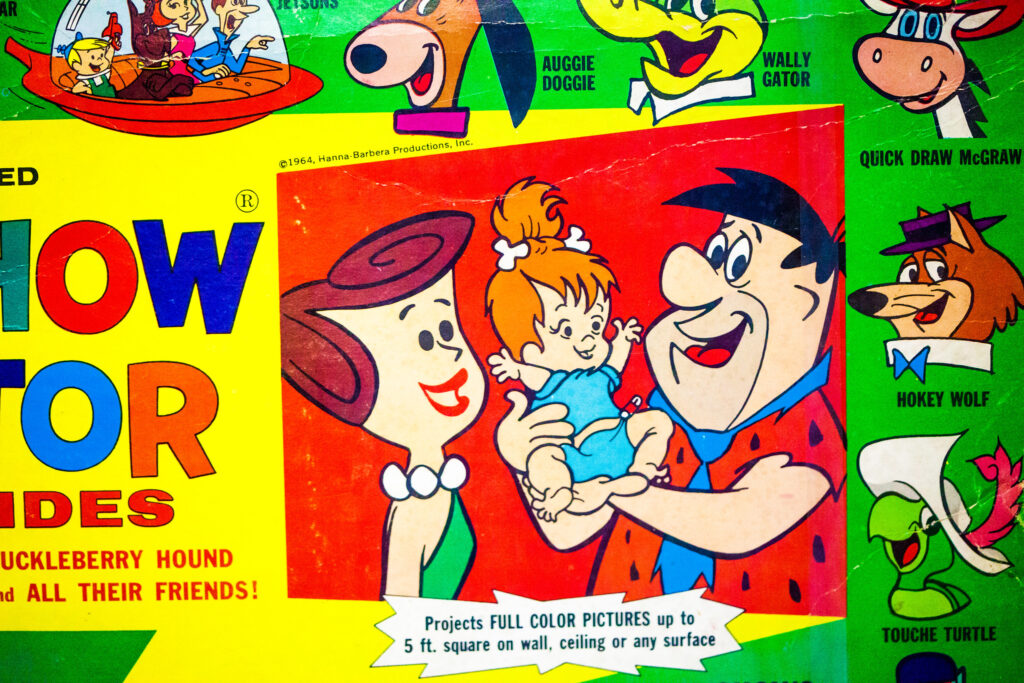
The Flintstones, the first prime-time animated TV series, originally aired in the 1960s. While it is often remembered as a family sitcom set in a prehistoric world, the show was a clever reflection of modern life. It used the setting of Bedrock to comment on societal issues such as class disparity, work-life balance, and gender roles. Fred Flintstone’s role as a blue-collar worker was a direct satire of the American dream, often highlighting the struggles and frustrations that came with it.
Additionally, The Flintstones made subtle references to consumerism and the rise of the advertising industry. This forward-thinking approach to social commentary was groundbreaking for its time. Despite its light-hearted tone, the show was not afraid to tackle significant issues, all while making sure audiences could enjoy a laugh.
Family Guy

Family Guy, created by Seth MacFarlane, has been known for its bold, satirical take on politics, culture, and family life since its debut in 1999. The show often includes references to current events, social norms, and political figures, using its dark humor to critique them. With characters like Peter Griffin and Stewie, Family Guy takes a unique approach by blending absurdity with commentary on topics like war, the economy, and social inequality. Its willingness to discuss taboo subjects has made it one of the most daring cartoons to date.
A noteworthy moment was the episode “Patriot Games,” where the show addressed the concept of American patriotism in a satirical light. Family Guy frequently explores the contradictions and flaws in modern society, often shining a light on the uncomfortable truths behind seemingly simple topics. While the show’s humor can be polarizing, it undoubtedly pushes boundaries in ways few cartoons dare to do.
Futurama

Futurama, created by Matt Groening, explores themes of technology, inequality, and the human condition in a futuristic setting. Since its debut in 1999, the show has been a reflection of society’s fears and hopes about the future, particularly in relation to science and technology. Futurama’s sharp wit and brilliant world-building allow it to explore deep topics like space exploration, corporate control, and artificial intelligence. Characters like Fry and Bender often face existential questions, giving the show a thought-provoking edge.
One of the show’s standout episodes is “The Sting,” which addresses themes of love, loss, and the afterlife in a deeply emotional way. Despite its comedic premise, Futurama has tackled heavy issues such as depression, class struggles, and the ethics of scientific advancements. It remains one of the most forward-thinking cartoons, offering intelligent commentary through its entertaining, sci-fi lens.
The Boondocks

The Boondocks, based on the comic strip by Aaron McGruder, aired from 2005 to 2014 and was one of the most politically charged animated series of its time. The show’s focus on African American culture, social justice, and race relations made it a powerful tool for commentary. Through the character of Huey Freeman, the show often tackled issues like police brutality, economic inequality, and the complexities of identity. The series was unapologetically bold, using humor to expose and challenge societal flaws.
The Boondocks made waves with episodes like “The Story of Thugnificent,” which critiqued the commercialization of hip-hop culture. By addressing these themes head-on, the show opened up important conversations about race in America. Its ability to balance humor with social activism made it one of the most relevant and provocative cartoons in recent history.
Rugrats
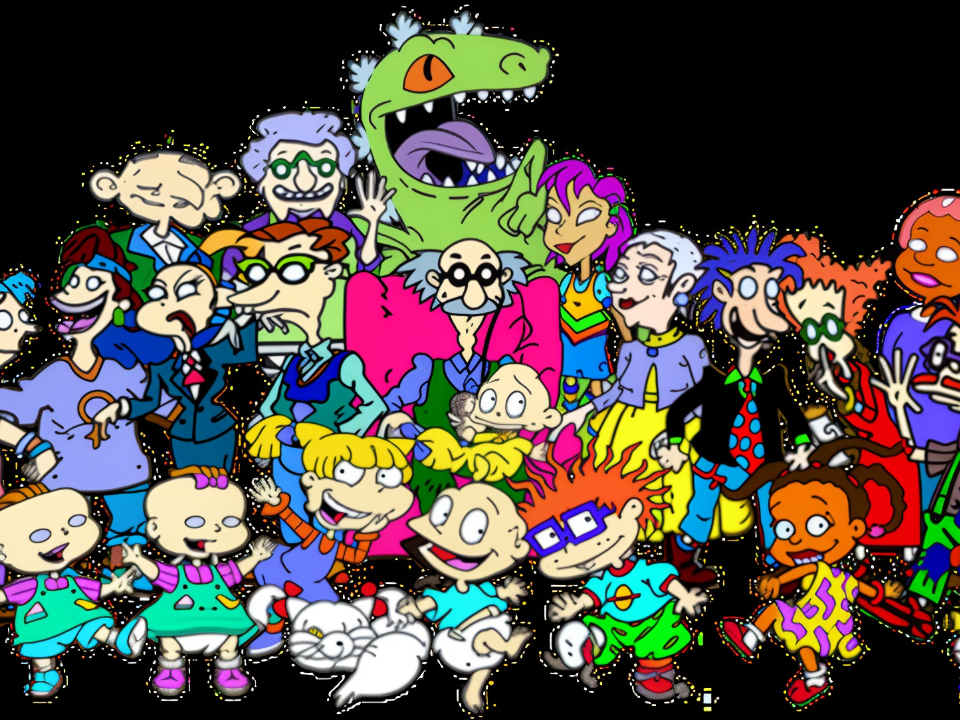
Rugrats, a beloved children’s show from the 1990s, was surprisingly progressive in its approach to family dynamics and personal growth. Though primarily focused on a group of toddlers, the show was ahead of its time in addressing issues like divorce, gender roles, and acceptance. Through characters like Tommy Pickles and Angelica, the show explored what it meant to navigate growing up in a complicated world. The series also introduced diversity, with characters of different backgrounds and family structures.
An episode titled “The Last Teardrop,” for example, addressed the concept of death, a topic often avoided in children’s programming. By integrating these sensitive topics into its storyline, Rugrats allowed children to process emotions and questions in a relatable way. The show was a trailblazer in using cartoons as a vehicle for teaching important life lessons, making it an essential part of children’s television history.
Beavis and Butt-Head
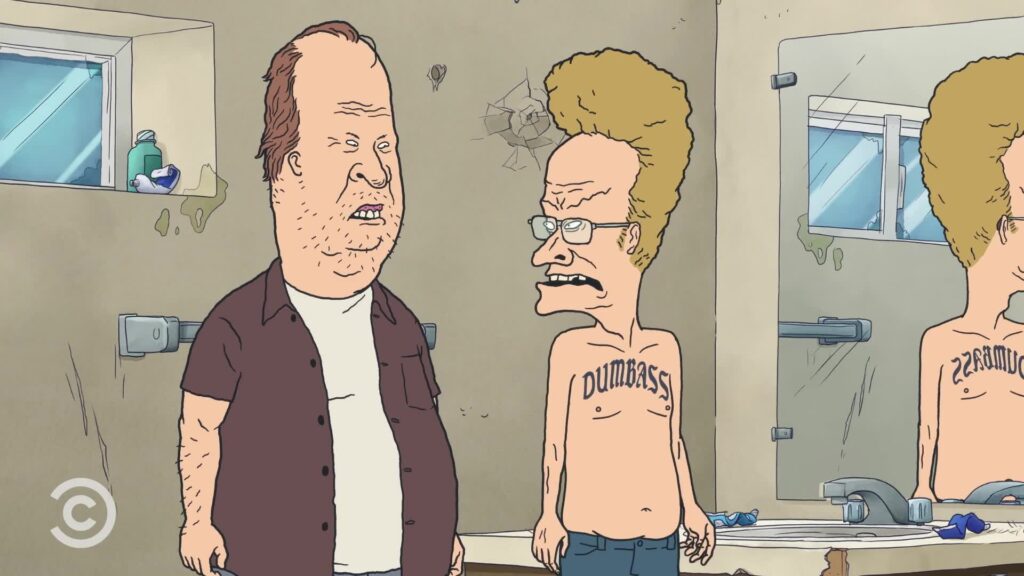
Beavis and Butt-Head, created by Mike Judge, pushed the envelope for animated series when it debuted in 1993. While it is often remembered for its crude humor, the show also took on issues of adolescent identity, social alienation, and consumerism. The characters’ misadventures often highlighted the emptiness of mainstream culture, offering a satirical look at the societal pressures faced by young people. The show’s satirical commentary on TV shows, music videos, and the media made it a sharp critique of the culture of the early ’90s.
Episodes like “The Great Cornholio” are famous for making light of issues such as substance abuse and the search for meaning in life. Beavis and Butt-Head’s success lay in its ability to entertain while making pointed observations about youth culture and consumerism. Although the humor was often controversial, it successfully raised questions about the role of media and identity in shaping societal norms.
The Magic School Bus
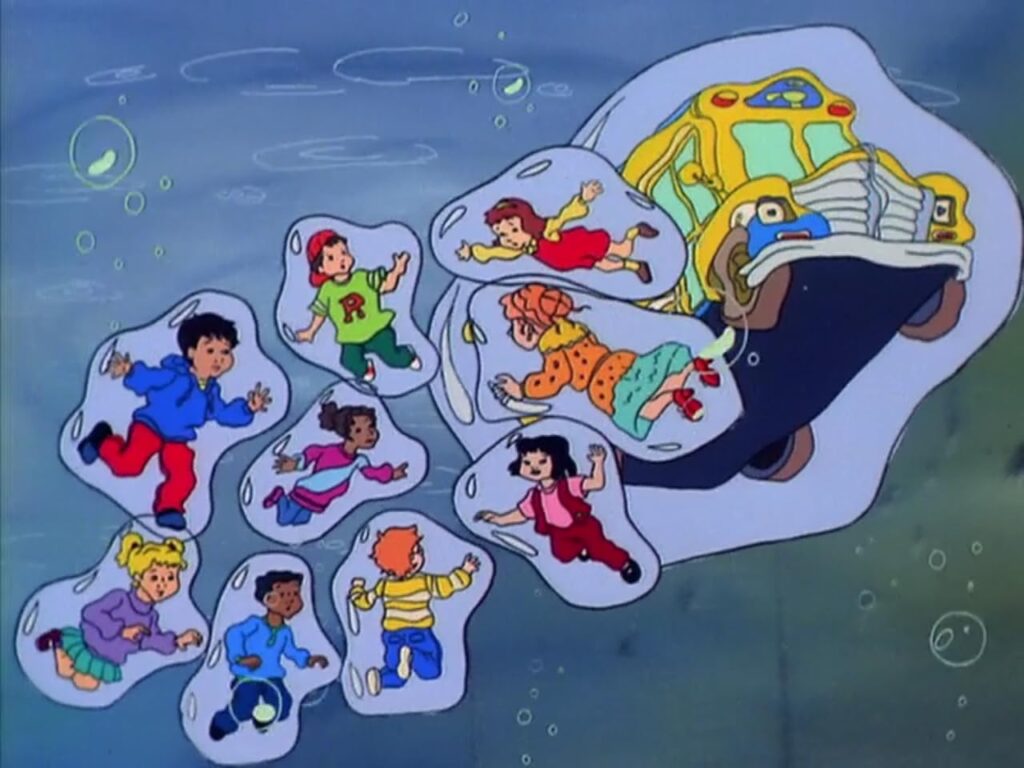
The Magic School Bus, which aired in the 1990s, was a groundbreaking educational cartoon that taught children about science, nature, and the world around them. Its premise, where Ms. Frizzle and her class embark on wild adventures in a magic bus, allowed kids to learn about complex topics in a fun, engaging way. The show covered everything from the human body to space exploration, breaking down difficult subjects into bite-sized lessons. It was one of the first cartoons to emphasize STEM education in a way that was accessible to young viewers.
Episodes like “Inside Ralphie” took children inside the human body, explaining biological processes in an entertaining format. The series also promoted environmental awareness, highlighting issues like pollution and conservation. The Magic School Bus remains an iconic part of educational television, offering lessons that were way ahead of its time in terms of both content and presentation.
Pinky and the Brain

Pinky and the Brain, a spin-off of Animaniacs, featured two lab mice with the mission of world domination. While the show often used slapstick humor, it also subtly critiqued political and social systems. The brain, often portrayed as an overly ambitious genius, frequently devised plans that were thwarted by his own shortcomings and Pinky’s carefree nature. This dynamic offered a humorous yet insightful commentary on the power struggles inherent in society.
The show’s appeal went beyond its comedic premise, as it frequently explored the concept of authority and the absurdity of human governance. Its satirical take on these topics, wrapped in the guise of a children’s cartoon, gave young viewers an opportunity to think critically about power and control. Pinky and the Brain’s lasting legacy continues to be felt in animated series that use humor to discuss serious matters.
Adventure Time

Adventure Time, which aired from 2010 to 2018, is known for its surreal storytelling and fantasy world. However, beneath its whimsical surface, the show tackled serious themes like mental health, the consequences of war, and the nature of existence. Characters like Finn and Jake undergo emotional growth, and the series addresses personal struggles such as loss and identity. Its ability to balance these deeper topics with light-hearted adventures made it a unique and thought-provoking show.
One episode, “I Remember You,” stands out for its exploration of memory loss and the impact it has on relationships. Adventure Time made these complex topics accessible to young viewers, showing that cartoons could do more than just entertain. The show’s lasting influence continues to inspire new animated series to take on big themes, making it a standout in modern animation.
This article originally appeared on Avocadu.