
10 Rare Houseplants People Keep Searching For
Houseplants have become more than just decorations in our homes; they’re a way to bring nature indoors and add a touch of beauty to any space. Some plants, however, stand out due to their rarity and unique features. These rare houseplants are not only hard to find but also become cherished additions to any collection. Whether it’s their striking foliage, vibrant colors, or unusual shapes, these plants have a certain allure that makes plant lovers keep searching for them. Many of these rare finds require special care, making them even more prized.
This post may contain affiliate links, which helps keep this content free. Please read our disclosure for more info.
Variegated Monstera Deliciosa
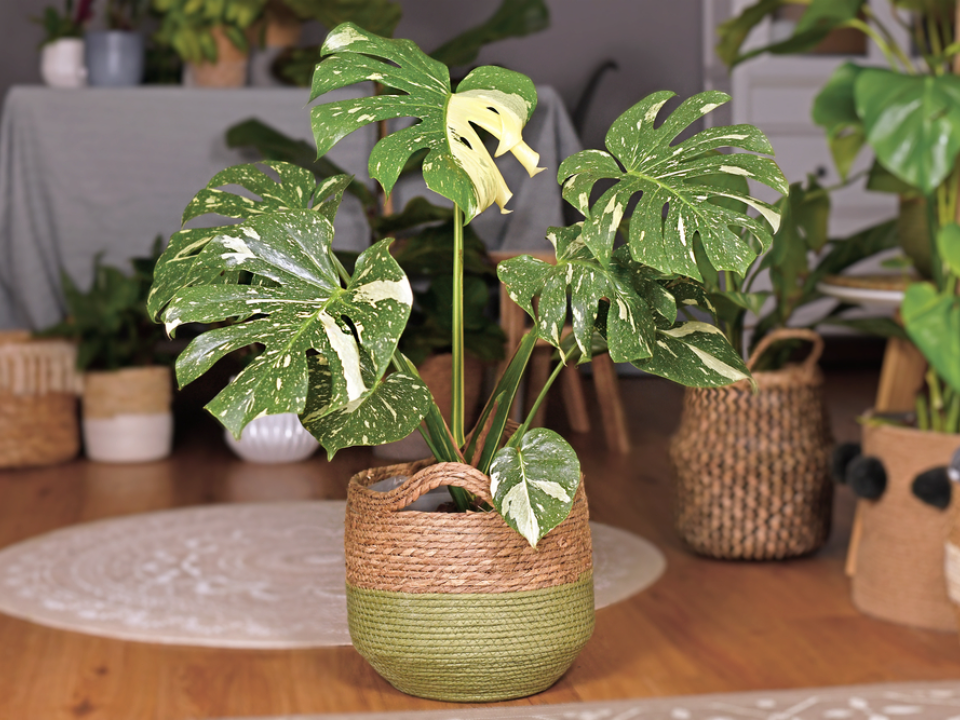
The variegated Monstera Deliciosa, often called the “Swiss Cheese Plant,” is a highly sought-after houseplant due to its unique pattern of white and green on its leaves. The plant can grow quite large in the right conditions, and its eye-catching leaves with characteristic holes make it a standout in any room. However, because of its rarity, it is quite expensive and may be challenging to find. It requires bright, indirect light to maintain its striking variegation, and it thrives in humid environments.
Over time, as the plant matures, the leaves can develop more holes, which gives it its signature look. Propagating this plant is often done through stem cuttings, though it can take time for the new growth to develop the variegation. Despite being low maintenance, it requires a bit of patience as the plant grows. Proper watering and occasional fertilizing will help keep it healthy and looking its best.
Philodendron Pink Princess
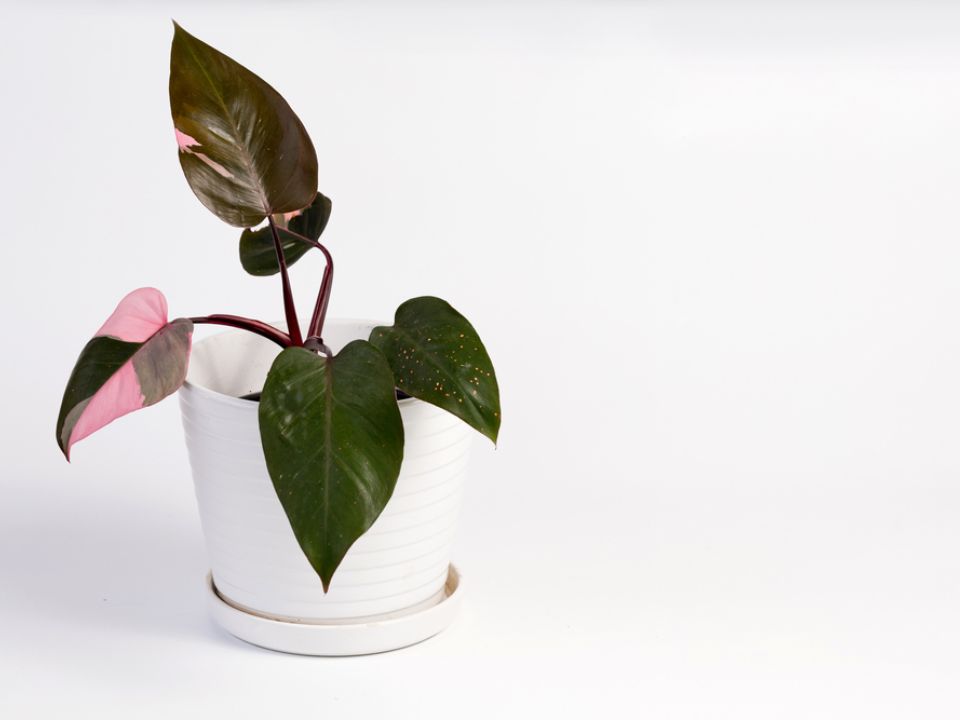
The Philodendron Pink Princess is one of the most coveted houseplants, especially among plant collectors. Its dark green leaves are splashed with pink and maroon, making it a dramatic addition to any indoor space. This plant requires a warm and humid environment to thrive, along with bright, indirect light. The striking colors in the leaves are due to the plant’s natural variegation, and the more light it gets, the more vibrant the pink hues become.
However, achieving the perfect balance of light and water can be tricky, as too much water can lead to root rot. As a slow-growing plant, it often takes time to establish itself, but with care, it can be a long-lasting beauty. The pink hues also tend to change depending on environmental factors, making it a dynamic addition to your collection. Despite its high price, this plant is worth the investment for any enthusiast.
Ficus Lyrata ‘Bambino’
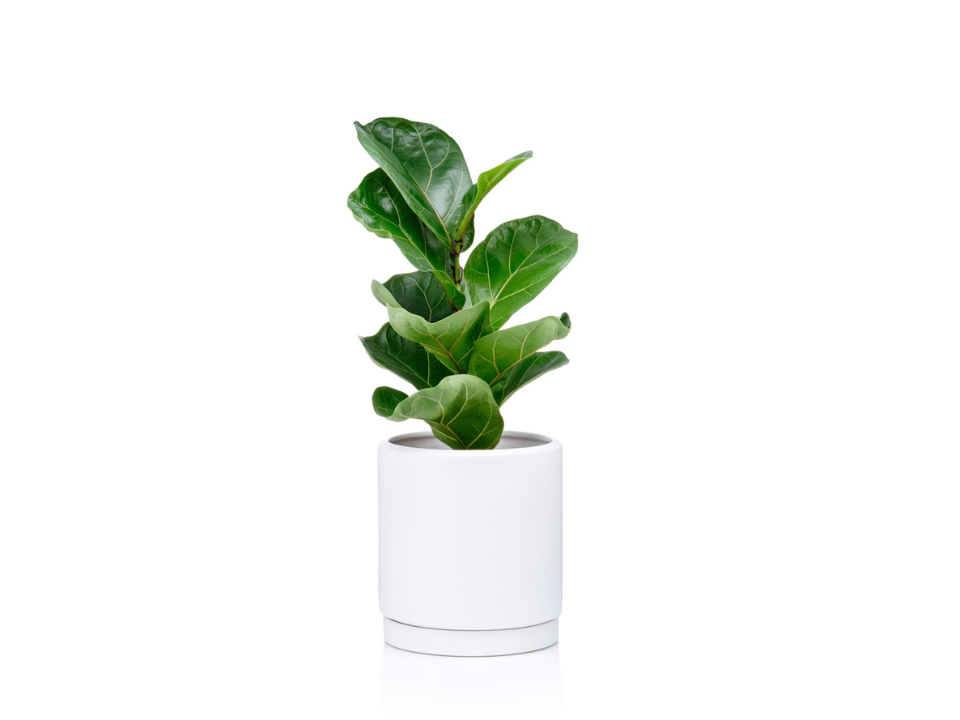
The Ficus Lyrata, commonly known as the fiddle leaf fig, has been popular for quite some time. However, the ‘Bambino’ variety is rarer and much smaller in size, making it an ideal choice for indoor spaces with limited room. The compact size of the Bambino still offers the same glossy, violin-shaped leaves that its larger counterpart is known for. It thrives in bright, indirect light and needs consistent watering without over-wetting the soil.
While it is a low-maintenance plant, it requires occasional pruning to keep its shape in check. Its popularity has surged in recent years, leading to a scarcity in availability. The ‘Bambino’ is a perfect choice for those looking to enjoy the beauty of a fiddle leaf fig without the space constraints of the larger variety. It is also a great plant for those who are just starting out in plant care due to its resilience.
Hoya Kerrii (Sweetheart Plant)
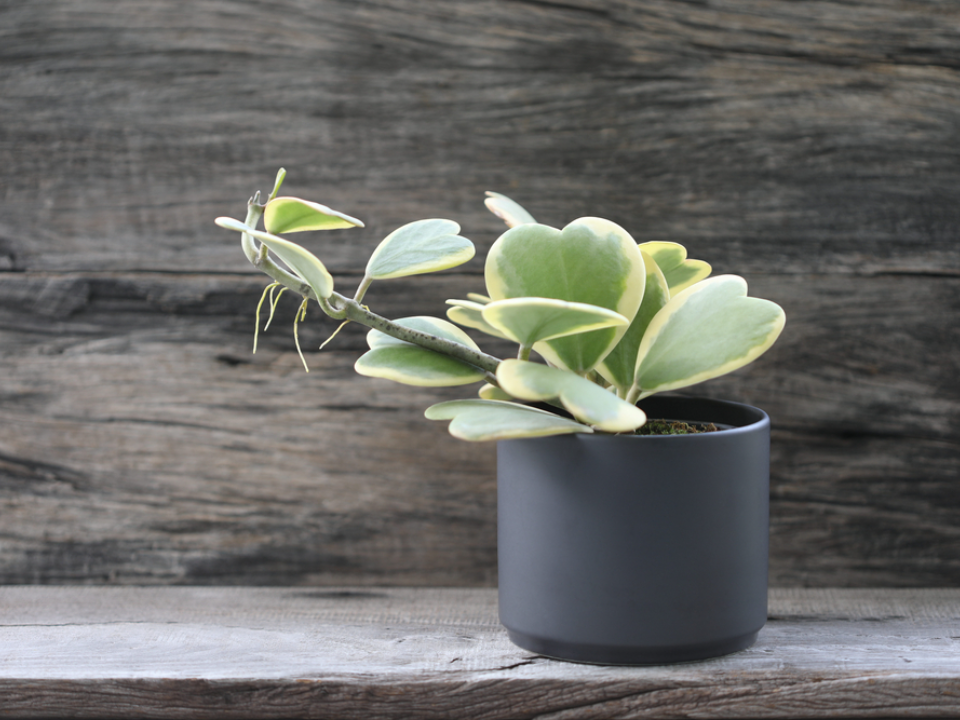
The Hoya Kerrii, often referred to as the Sweetheart Plant, is a heart-shaped succulent that has gained a lot of attention for its unique appearance. This plant is often given as a gift on special occasions due to its shape, symbolizing love and affection. It is a low-maintenance plant that thrives in bright, indirect light and requires little water.
Its slow growth rate means it can stay small and cute for long periods, making it a favorite for indoor gardeners. However, despite its ease of care, it can be difficult to find, making it a rare treasure for plant collectors. It is especially sought after in its heart-shaped form, which adds a romantic and whimsical touch to any home. In ideal conditions, the plant can bloom with star-shaped flowers, adding a delightful scent to your space.
Alocasia Polly (African Mask Plant)
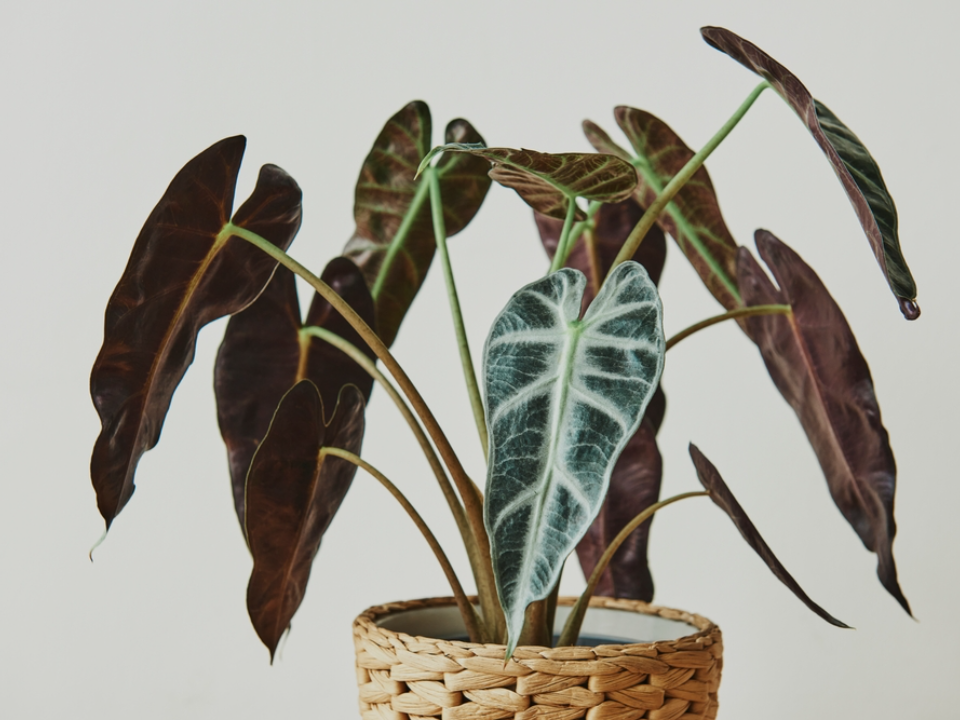
The Alocasia Polly, often known as the African Mask Plant, is a unique plant that is revered for its striking, arrow-shaped leaves. The deep green foliage contrasts beautifully with the white veins running across it, creating a dramatic effect that appeals to many plant enthusiasts. It prefers bright, indirect light and consistently moist, well-draining soil to thrive. While it is relatively easy to care for, it can be a bit temperamental in terms of humidity, requiring a humid environment to stay healthy.
This plant is particularly valued for its ornamental appeal, adding a touch of elegance to any room. It can grow relatively quickly when given the right care, reaching impressive sizes. However, because of its distinctive appearance, it is often in high demand, making it a rare find in many places. With proper care, the Alocasia Polly can last for years and remain a centerpiece in your collection.
Calathea White Fusion
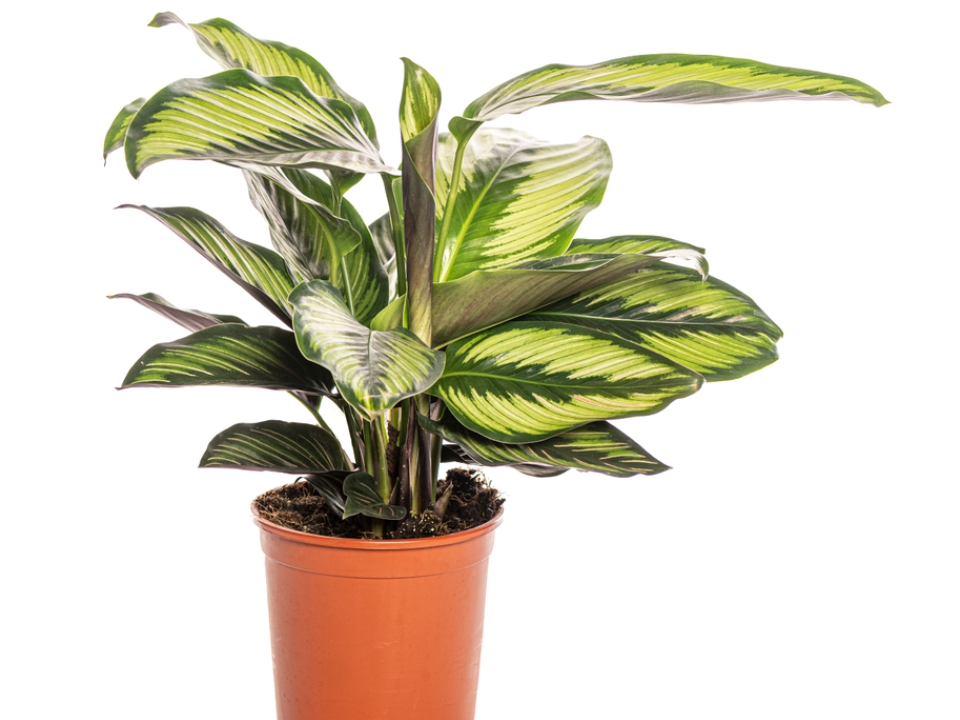
The Calathea White Fusion is an exceptional plant known for its stunning white and green variegated leaves. Its pattern, which looks like brushstrokes of white and green, makes it a favorite among plant collectors who are looking for something unique. The plant prefers indirect light and does not do well with direct sun exposure, which can cause its leaves to scorch. It thrives in humid environments, making it an excellent choice for bathrooms or kitchens.
Regular watering is important, but overwatering can cause root rot, so it is crucial to ensure the soil is well-draining. Its dramatic leaves often create a striking visual impact, and it can grow to a decent size when nurtured properly. Despite its beauty, this plant is relatively rare, making it a coveted find for those who are passionate about rare houseplants. Its popularity has grown significantly, and it is now often sought after by avid plant enthusiasts.
Ceropegia Woodii (String of Hearts)
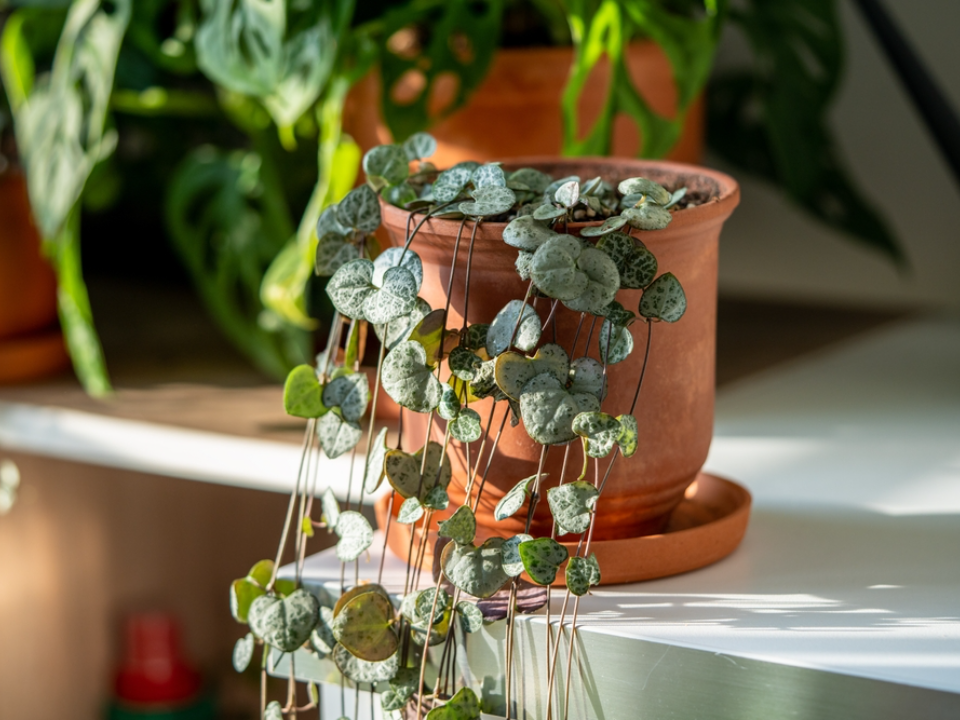
The String of Hearts is a charming, trailing plant that features small, heart-shaped leaves. Its delicate vines can grow long, creating an elegant, cascading effect, which makes it a perfect addition to hanging baskets or shelves. It is a low-maintenance plant that requires minimal attention, making it ideal for people with busy schedules. It thrives in bright, indirect light and only needs to be watered when the soil is dry.
Despite its hardiness, it can be a challenge to find, especially in the form of a mature plant with long, trailing vines. This plant is prized for its ornamental beauty, as well as its ability to thrive in a variety of indoor conditions. When in bloom, the String of Hearts produces small, tubular flowers that add to its overall appeal. It is a perfect choice for those looking for an attractive, low-maintenance plant that can tolerate some neglect.
Maranta Leuconeura (Red Prayer Plant)
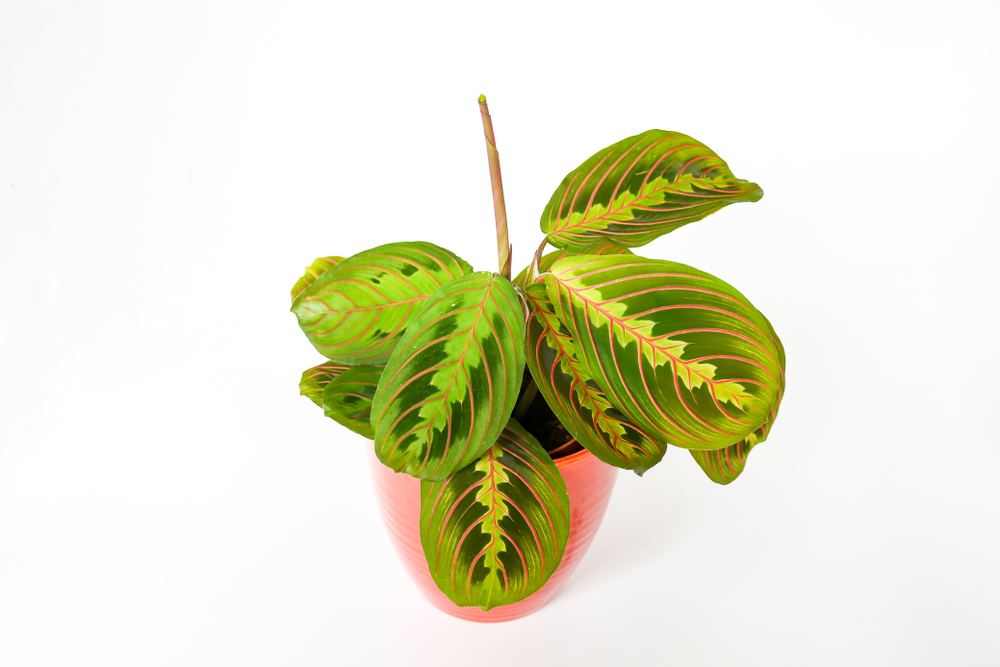
The Maranta Leuconeura, commonly known as the Red Prayer Plant, is a striking plant known for its unique leaf pattern. The dark green leaves are accented with red veins, and the plant is named for its ability to fold its leaves together at night, resembling hands in prayer. This plant prefers moderate to low light and high humidity, making it ideal for bathrooms or kitchens. It requires consistently moist soil but does not like to sit in water, so proper drainage is essential.
The plant can spread and fill out its container, making it a great choice for decorative indoor gardens. Its ability to change its leaf position adds an interesting dynamic to any room. The Red Prayer Plant is relatively easy to care for, though it does require consistent humidity levels. Its rare, captivating appearance makes it a must-have for plant collectors.
Anthurium Clarinervium
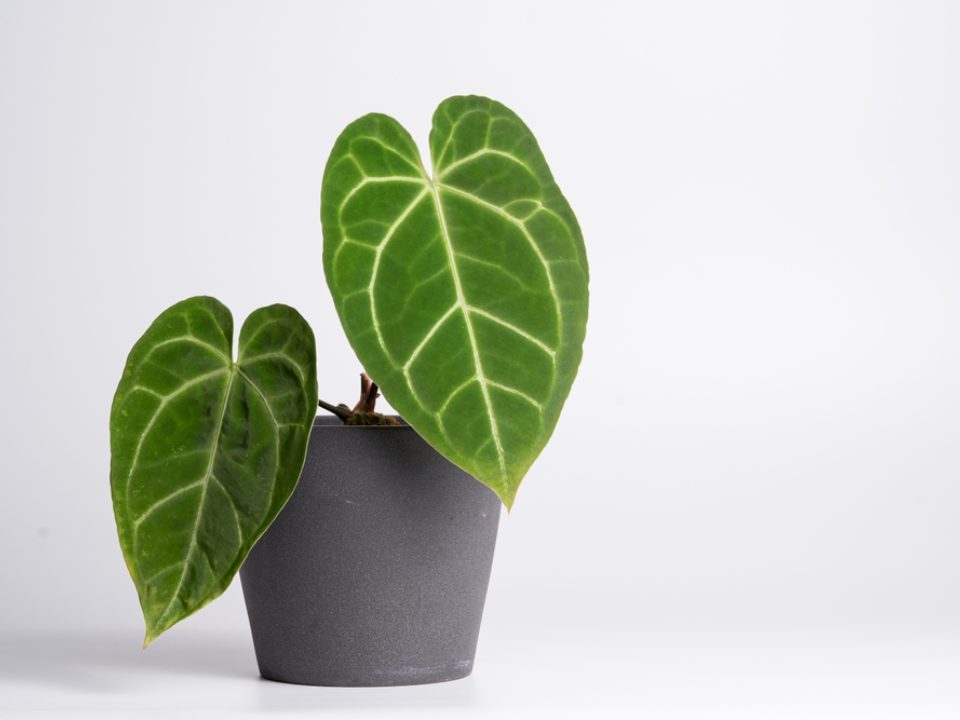
The Anthurium Clarinervium is a rare and highly prized houseplant known for its large, dark green leaves with striking white veins. This plant thrives in bright, indirect light and requires a humid environment to flourish. The heart-shaped leaves are the focal point of the plant, giving it a dramatic appearance that stands out in any collection. It prefers consistently moist soil, but overwatering can lead to root rot, so it’s essential to strike the right balance.
The Anthurium Clarinervium is a relatively slow grower, which makes it a more expensive investment for plant enthusiasts. However, its unique foliage and low-maintenance care requirements make it worth the effort. It is particularly popular in the world of rare plants because of its distinctive appearance and relatively low availability. Over time, the plant can grow to impressive sizes, making it a stunning centerpiece in any home.
Adansonii Monstera
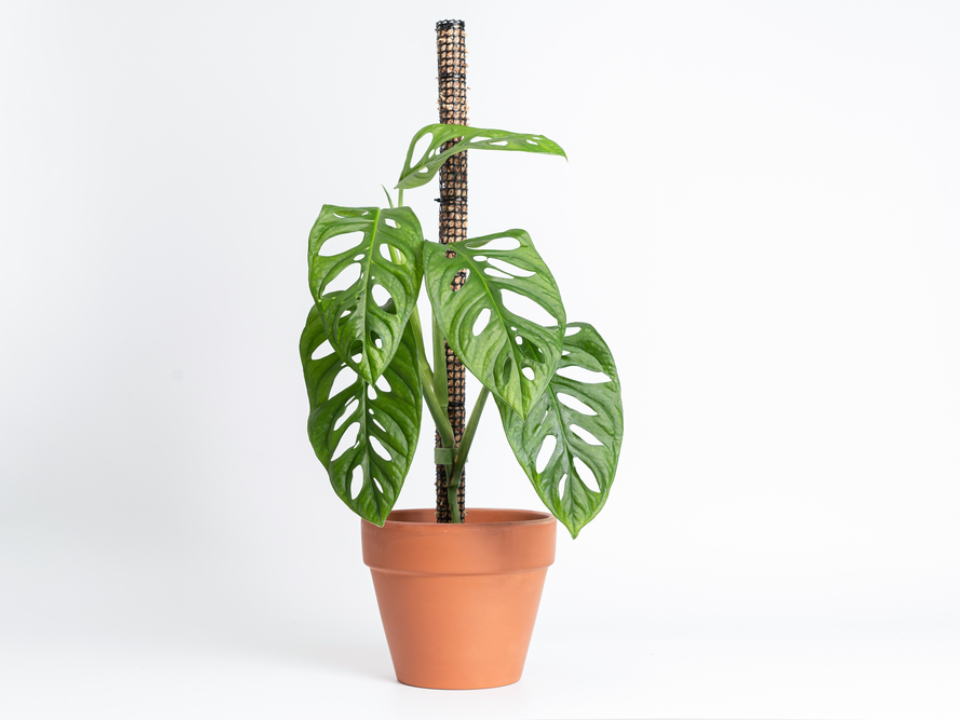
The Adansonii Monstera, also known as the “Swiss Cheese Vine,” is a variety of Monstera that is appreciated for its smaller size and unique leaf holes. Unlike the larger Monstera Deliciosa, the Adansonii has elongated leaves with distinct holes, which makes it highly desirable for indoor gardeners who want a more compact version of the original. This plant requires bright, indirect light to thrive and needs consistent watering, though it should not be overwatered.
It is a relatively easy-to-care-for plant, making it a great choice for beginners. As it matures, the leaves can grow larger, and the plant will produce long, trailing vines that can be trained to grow along trellises or in hanging baskets. Its beauty and easy care make it a rare but highly coveted addition to many plant collections. It is often propagated through cuttings, and as the plant matures, it can start to show more pronounced holes in its leaves.
This article originally appeared on Avocadu.