
14 Movies That Used Miniatures in Ways No One Expected
The art of using miniatures in film has evolved over the years, but its impact remains just as powerful. While CGI often takes center stage today, miniatures continue to be used in inventive and unexpected ways. These models have been key to creating visually stunning and memorable scenes, offering a tactile realism that digital effects cannot replicate. From intricate models to massive sets, miniatures bring a unique energy to the screen.
This post may contain affiliate links, which helps keep this content free. Please read our disclosure for more info.
Star Wars: A New Hope (1977)

The iconic space battles in Star Wars: A New Hope would not have been as captivating without the clever use of miniatures. The Death Star and Rebel ships were meticulously built in small scale to create the grand space battles that are still remembered today. These models were filmed with carefully controlled lighting and camera work, making them appear larger than life on screen. The results were revolutionary for its time, showing that miniatures could stand in for large, complicated sets.
Even though CGI would later dominate the industry, the miniatures in Star Wars remain a crucial part of its visual charm. The detailed work in creating these models added an extra layer of realism that enhanced the futuristic world. Some of these models, like the Millennium Falcon, were so intricately designed that they became iconic symbols in their own right. Fans and filmmakers alike still appreciate the craftsmanship that went into bringing these miniatures to life.
The Lord of the Rings: The Fellowship of the Ring (2001)
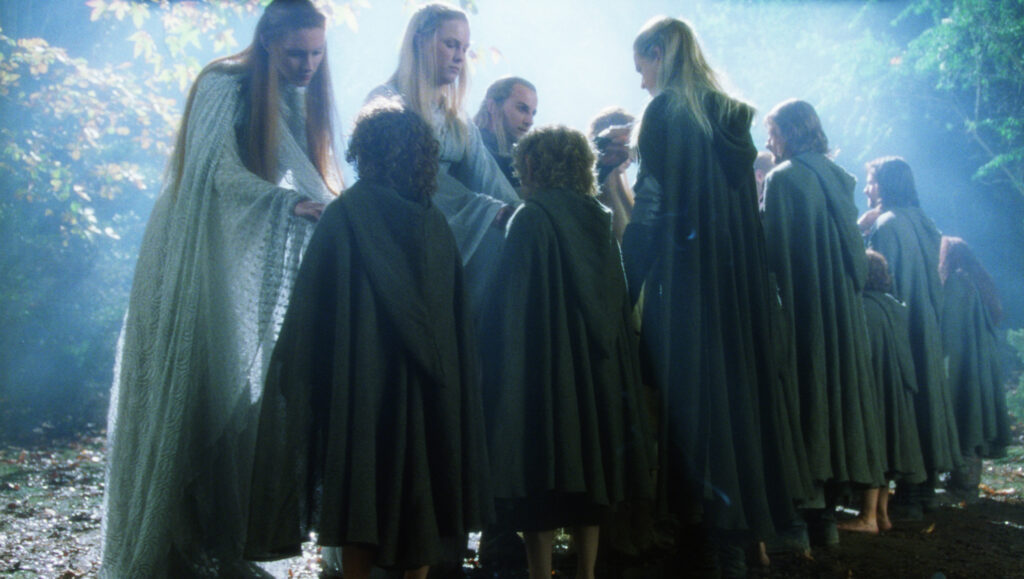
In The Lord of the Rings: The Fellowship of the Ring, Peter Jackson employed miniatures in ways that brought the expansive world of Middle-Earth to life. Large-scale models of landscapes, such as the Shire and the city of Minas Tirith, were used for sweeping shots that showed the grandeur of the setting. These miniatures were paired with digital effects to create some of the film’s most memorable sequences. They proved to be vital in capturing the fantasy world in a realistic way that CGI alone could not achieve.
Even with the advancement of CGI, the miniatures created for The Fellowship of the Ring retain their charm. The models added texture and detail that felt grounded in reality, creating a tactile connection to the world Jackson had crafted. By combining these physical models with digital imagery, the filmmakers achieved a balance of realism and fantasy. The use of miniatures in this film remains a defining feature of its visual style.
Jurassic Park (1993)
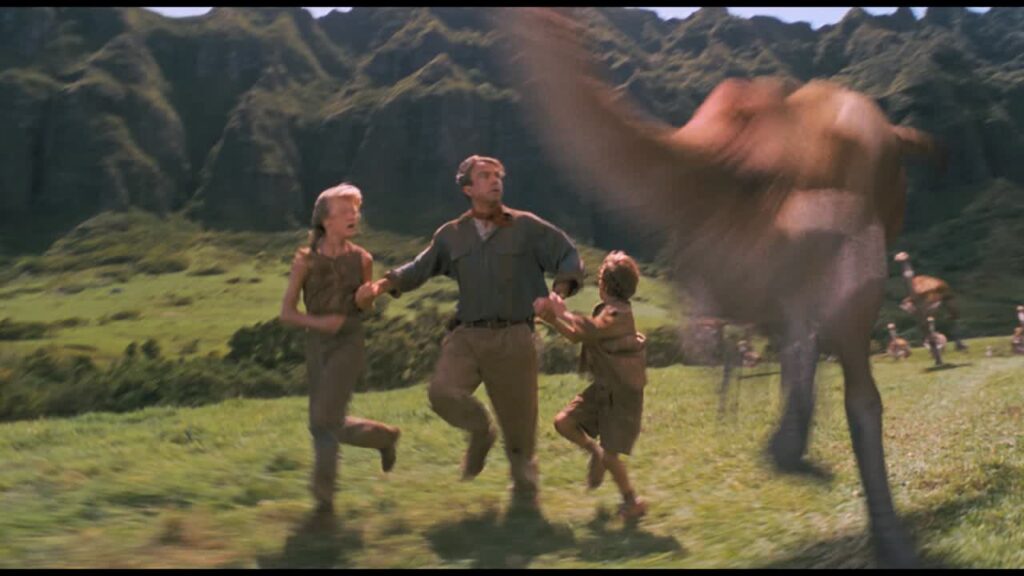
Jurassic Park is known for its groundbreaking use of CGI, but miniatures played a major role in creating the dinosaurs’ environment. Several of the park’s buildings and landscapes were built as detailed models, from the gates of Jurassic Park to the T-Rex paddock. These miniatures helped give the film a sense of scale and realism, especially in the tense moments of the film. By integrating the models with live-action shots, director Steven Spielberg ensured that the dinosaurs felt like they belonged in their environment.
The film’s special effects were groundbreaking, but the miniatures added a layer of authenticity that was crucial for the film’s atmosphere. The models were used for both establishing shots and close-ups, showing that miniatures could still be used effectively alongside CGI. This blend of practical effects and digital imagery set a standard for the industry, and the miniatures are still remembered as an essential part of Jurassic Park’s visual storytelling.
Blade Runner (1982)
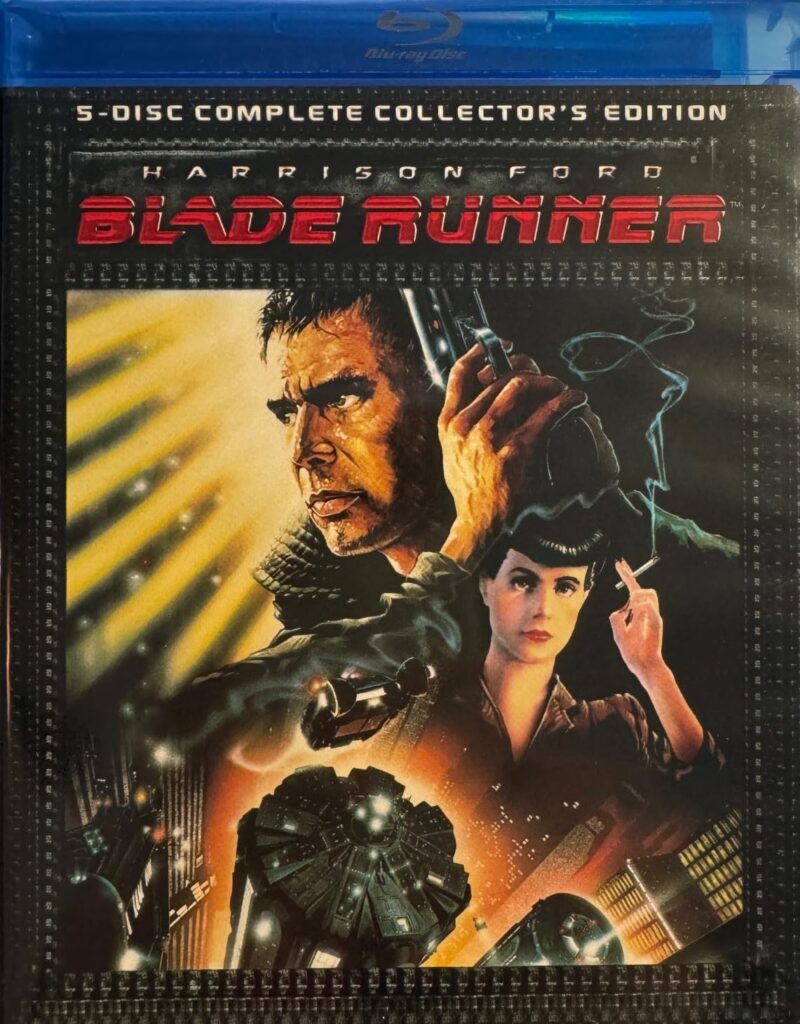
Blade Runner is a film known for its stunning vision of a dystopian future, and miniatures played a key role in bringing the cityscapes to life. The filmmakers used large-scale models to create the towering, rain-soaked buildings of Los Angeles, a city that felt both alive and overwhelming. These miniatures were used in various scenes, from flying car shots to wide-angle views of the city. They were carefully designed to reflect the film’s dark, noir aesthetic, adding depth to the world Ridley Scott envisioned.
Although Blade Runner is often remembered for its atmospheric use of neon and smoke, the miniatures contributed significantly to its iconic look. The models helped to establish the size and scale of the futuristic city, creating a sense of claustrophobia and isolation. Combined with matte paintings and lighting techniques, the miniatures contributed to the film’s timeless visual style. They were an essential part of Blade Runner’s groundbreaking look that influenced countless films after it.
The Dark Knight (2008)
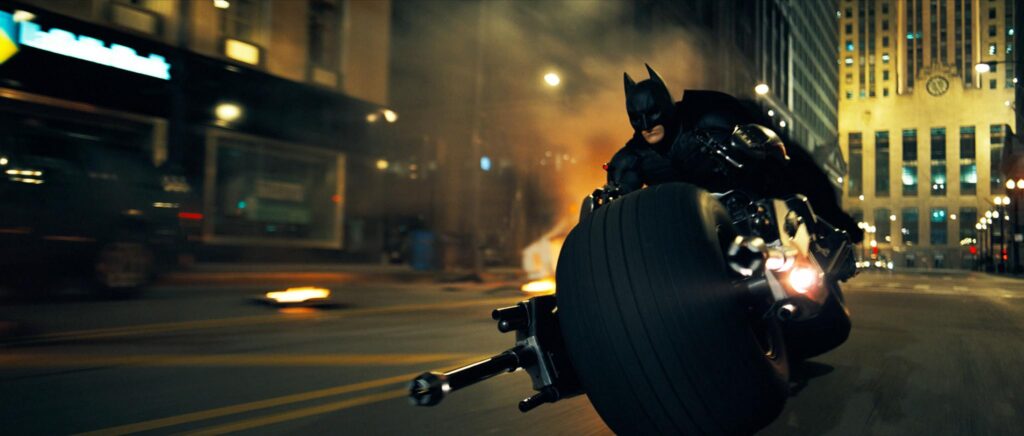
Christopher Nolan’s The Dark Knight is known for its intense action sequences and realistic portrayal of Gotham City. One of the unexpected uses of miniatures in the film was for the stunning chase scenes, including the iconic semi-truck flip. The filmmakers used a practical model of the truck and filmed it in motion to capture the high-speed action realistically. These miniatures were filmed alongside live-action shots to create the chaotic, high-stakes atmosphere that became a hallmark of the film.
While The Dark Knight is famous for its realism and emphasis on practical effects, the use of miniatures showed that even modern blockbusters could benefit from traditional filmmaking techniques. The miniatures were used not just for action scenes but also for several larger cityscape shots. The combination of these models with digital effects helped create a Gotham City that felt alive and dangerous. Nolan’s approach proved that miniatures still had a place in the world of big-budget filmmaking.
Indiana Jones and the Raiders of the Lost Ark (1981)
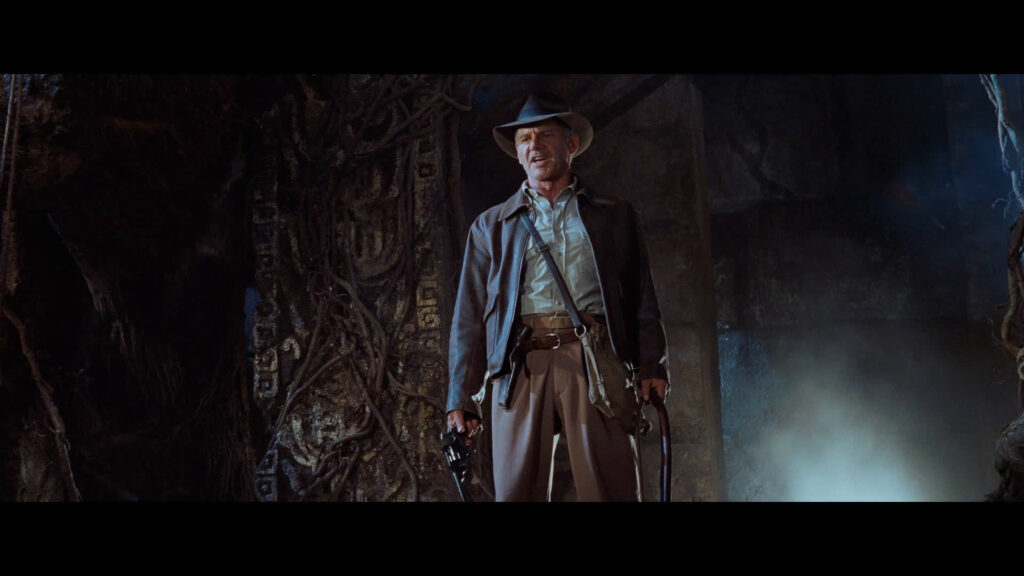
In Indiana Jones and the Raiders of the Lost Ark, miniatures were used to bring the perilous adventures of Indiana Jones to life. The iconic opening sequence, where Indy escapes from a booby-trapped temple, included detailed miniature models of the temple and the rolling boulder. These miniatures were filmed using a variety of techniques to make them look large and threatening. The precision and detail of these models added to the film’s intensity and action-packed scenes.
Miniatures in Raiders of the Lost Ark helped create some of the film’s most thrilling moments, showing that even in the early 1980s, practical effects could be used alongside stunts and action sequences. The use of these models added a tactile feel to the film’s action, making the adventure more immersive. Even with the rise of CGI, the miniatures used in Raiders of the Lost Ark remain some of the most memorable in film history. They added a sense of authenticity and excitement that still resonates with viewers today.
The Abyss (1989)
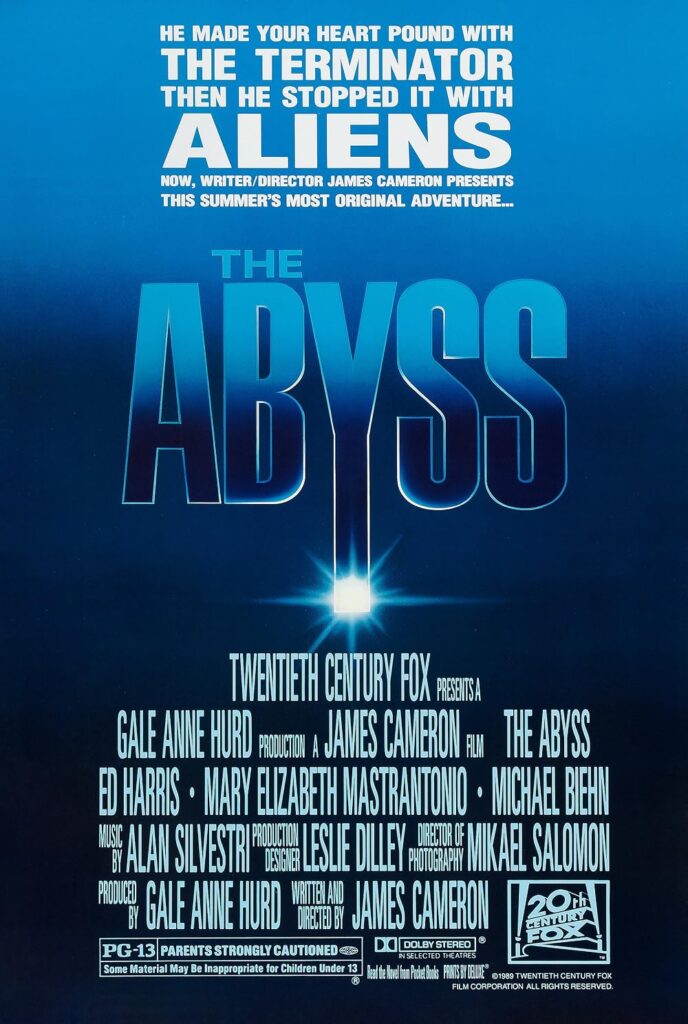
James Cameron’s The Abyss is known for its incredible underwater sequences, and miniatures were used to create the submerged structures and alien technology. The filmmakers used small-scale models of the underwater drilling platform and other equipment to create a sense of depth and realism. These miniatures were filmed in tanks, and the practical effects allowed for better integration with the live-action shots. By using miniatures in these scenes, the filmmakers were able to create a believable underwater environment.
Even with the groundbreaking use of CGI for the alien creatures, the miniatures added a level of realism that helped anchor the film’s otherworldly elements. The models were essential in making the underwater scenes feel authentic, showing how miniatures can still have a lasting impact on storytelling. Cameron’s innovative use of practical effects, including miniatures, set the tone for how filmmakers would use both traditional and digital techniques in future films. The attention to detail in these models continues to be a major point of admiration among fans.
Ghostbusters (1984)
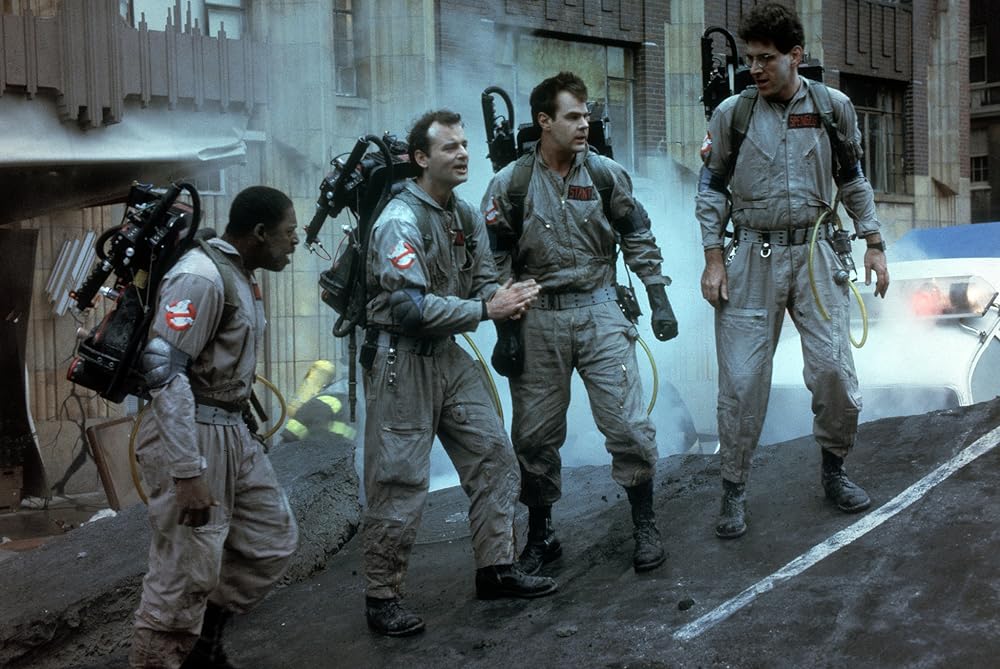
Ghostbusters is a film known for its clever blend of comedy and supernatural horror, and miniatures played a large role in its special effects. The filmmakers used small-scale models of buildings, such as the iconic firehouse, to create dynamic shots that felt larger than life. These miniatures were used for several key sequences, including the scene where the Ghostbusters’ proton packs are tested. The use of miniatures helped the filmmakers create the otherworldly feel of the movie without relying solely on digital effects.
The miniatures in Ghostbusters helped create memorable visual moments that still hold up today. The team behind the film was able to use models creatively to integrate them with live-action footage, making the supernatural elements appear tangible. While CGI became a staple for later entries in the franchise, the miniatures used in Ghostbusters are still regarded as a key part of the film’s charm. These small models were a testament to how practical effects can enhance a film’s magic.
The Matrix (1999)
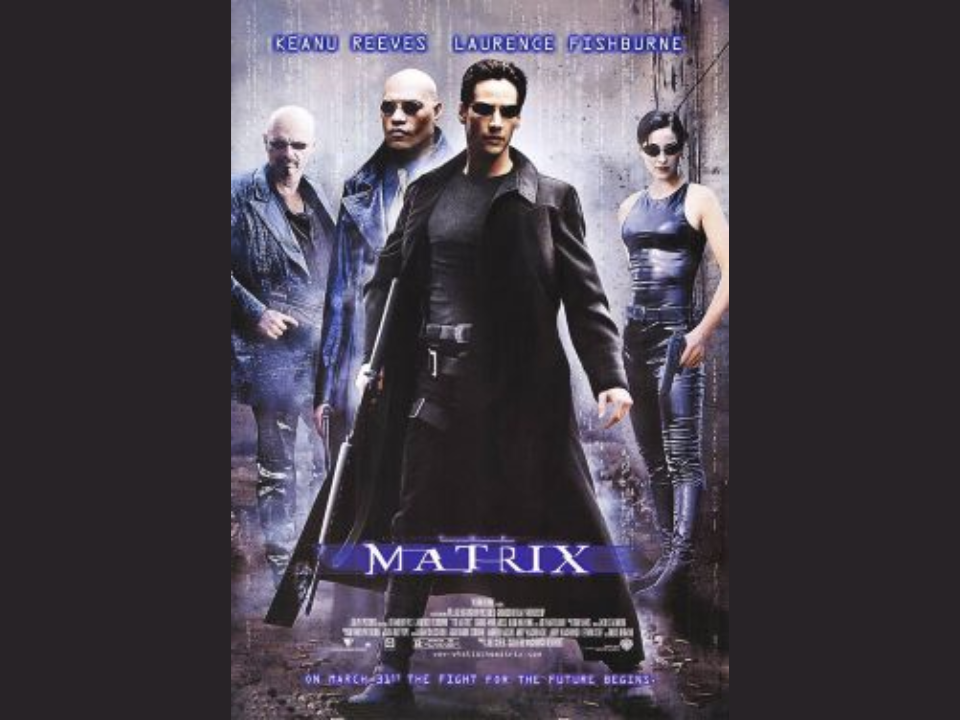
In The Matrix, miniatures were used in several action sequences to create some of the film’s most jaw-dropping visual effects. One example is the miniature replica of the helicopter, which was used in the iconic rooftop chase scene. By filming these small models from specific angles and integrating them with digital effects, the filmmakers created a sense of scale that would not have been possible otherwise. This technique helped make the action scenes feel grounded in reality, despite the surreal nature of the film.
Even in a film that relied heavily on groundbreaking digital effects, the use of miniatures played a crucial role in making the world of The Matrix feel tangible. The models were used alongside wire work and slow-motion effects to create dynamic shots that became instantly iconic. This blend of practical and digital effects is what set The Matrix apart from other films of its time. The miniatures helped create a world that was both futuristic and believable.
Starship Troopers (1997)

Paul Verhoeven’s Starship Troopers is a science fiction film known for its satirical take on militarism and its innovative special effects. Miniatures were used to create the massive spaceships and alien creatures that populated the film. These models were filmed using both traditional techniques and digital effects to create some of the most memorable sequences. The miniatures helped the filmmakers produce the scale and action needed to tell this epic story.
The use of miniatures in Starship Troopers remains one of the highlights of its visual effects. The filmmakers combined practical models with CGI to create a futuristic world that felt authentic. These miniatures were key in making the giant arachnids and spaceships feel imposing and real. They helped elevate the film’s tone, balancing satire with sci-fi spectacle.
The Empire Strikes Back (1980)
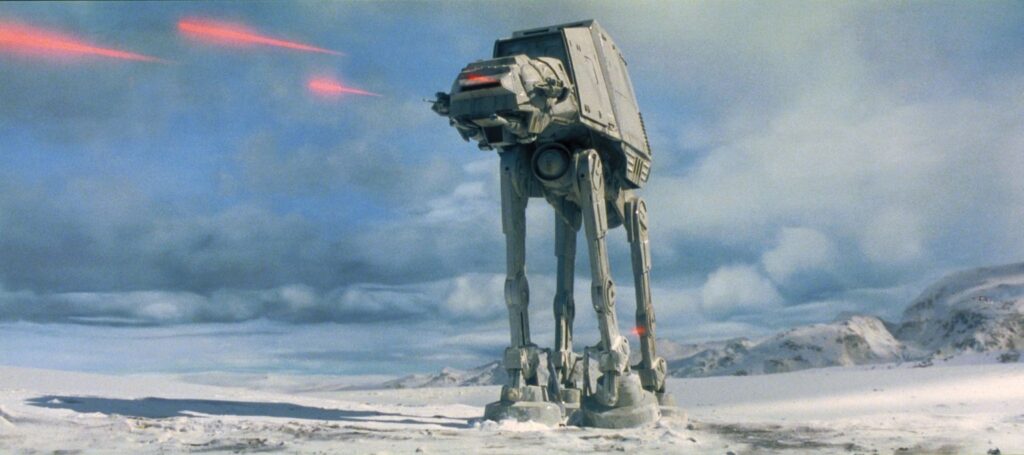
The Empire Strikes Back, the second installment in the Star Wars saga, used miniatures to create some of the most iconic sequences in cinematic history. The battle on the icy planet of Hoth was achieved through the use of large-scale models of the Rebel base and AT-AT walkers. These models were filmed against snow-covered backdrops and paired with intricate miniatures of the vehicles and structures. The result was a massive, immersive battle that felt both real and fantastical.
Even with the advancements in technology, the miniatures used in The Empire Strikes Back continue to be regarded as a technical achievement. The attention to detail in creating these models, especially the AT-ATs, helped establish the film’s epic scale. The use of miniatures in the battle scenes gave the audience a sense of intimacy with the action, making it feel immediate and dangerous. This combination of practical effects and miniatures helped make The Empire Strikes Back one of the most memorable entries in the Star Wars franchise.
The Terminator (1984)
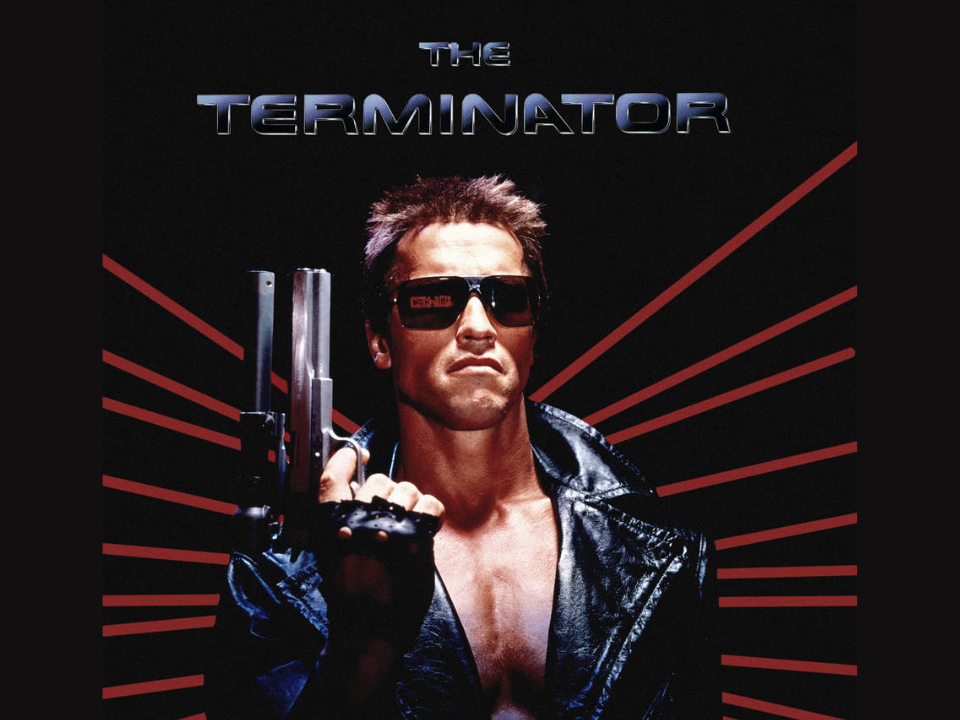
In The Terminator, miniatures were used to create the explosive action sequences that set the tone for the franchise. The filmmakers used small-scale models of cars and buildings for several key chase and fight scenes, especially during the film’s iconic finale. These miniatures allowed the filmmakers to create massive explosions and crashes that would have been difficult to achieve with live-action alone. The miniatures were filmed using a mix of practical effects, making them feel grounded in reality.
Despite the film’s reliance on special effects, the miniatures in The Terminator remain some of the most innovative of their time. They helped bring to life a gritty, dystopian world filled with chaos and destruction. The use of miniatures for the film’s action scenes gave them a tactile, real-world feel that worked in perfect harmony with the rest of the effects. This approach has become a hallmark of the franchise and continues to inspire filmmakers.
King Kong (2005)
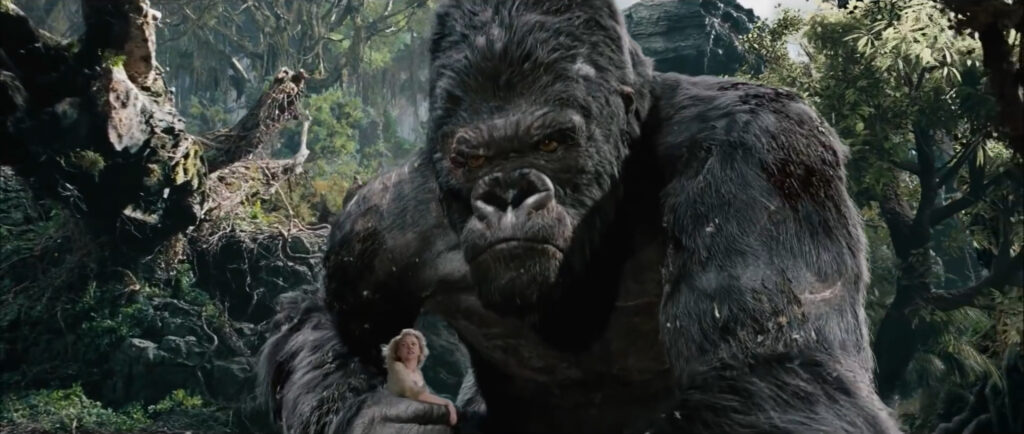
Peter Jackson’s King Kong made extensive use of miniatures to create the towering landscapes of Skull Island. The filmmakers built intricate models of the jungle and the iconic Empire State Building, which were later integrated with the film’s visual effects. These miniatures allowed the crew to film detailed sequences, including King Kong’s climb up the building, while maintaining a sense of scale and realism. The combination of miniatures and digital effects brought the world of Skull Island to life in a way that felt tangible.
The miniatures used in King Kong helped create a cinematic experience that was both grand and intimate. The models were crafted with incredible detail, from the dense jungle to the towering skyscraper, making them essential to the film’s visual storytelling. Even with the advancement of CGI, these miniatures remained an important part of the production, allowing for a more seamless blending of practical and digital effects. They continue to be an important example of how miniatures can bring a film’s world to life.
The Wizard of Oz (1939)
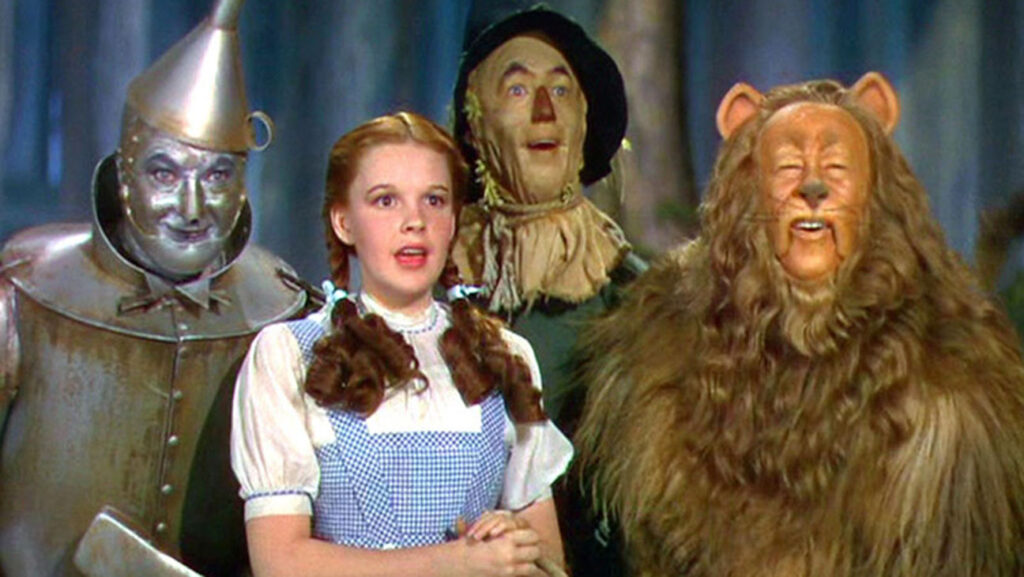
One of the earliest examples of miniature use in film, The Wizard of Oz relied heavily on small-scale models to create the fantastical world of Oz. The filmmakers used miniatures to represent the entire Emerald City and other key locations, making them appear larger than life. These models were complemented by matte paintings and special effects to give the illusion of a grand, colorful world. The use of miniatures added to the charm and whimsy of the film, making it one of the most beloved classics.
Although the film’s special effects were groundbreaking for its time, the miniatures were essential in establishing the dreamlike quality of Oz. They helped create a magical environment that felt both real and surreal, perfectly complementing the film’s fantastical elements. The small-scale models were especially important in giving the audience a sense of wonder as Dorothy and her companions traveled through the enchanted land. These miniatures remain a testament to the creativity and innovation of early Hollywood filmmaking.
This article originally appeared on Avocadu.