
15 Simple Garnishes That Make Any December Dish Feel More Festive
December dishes often feel extra special with just a small finishing touch. A simple garnish can change how a meal looks without adding extra work in the kitchen. These little details help plates feel warm, seasonal, and ready for sharing. Many garnishes use ingredients already sitting in the fridge or pantry. Some add color, while others bring texture or a gentle hint of flavor. They work for both sweet and savory foods served throughout the month.
This post may contain affiliate links, which helps keep this content free. Please read our disclosure for more info.
Fresh Rosemary Sprigs
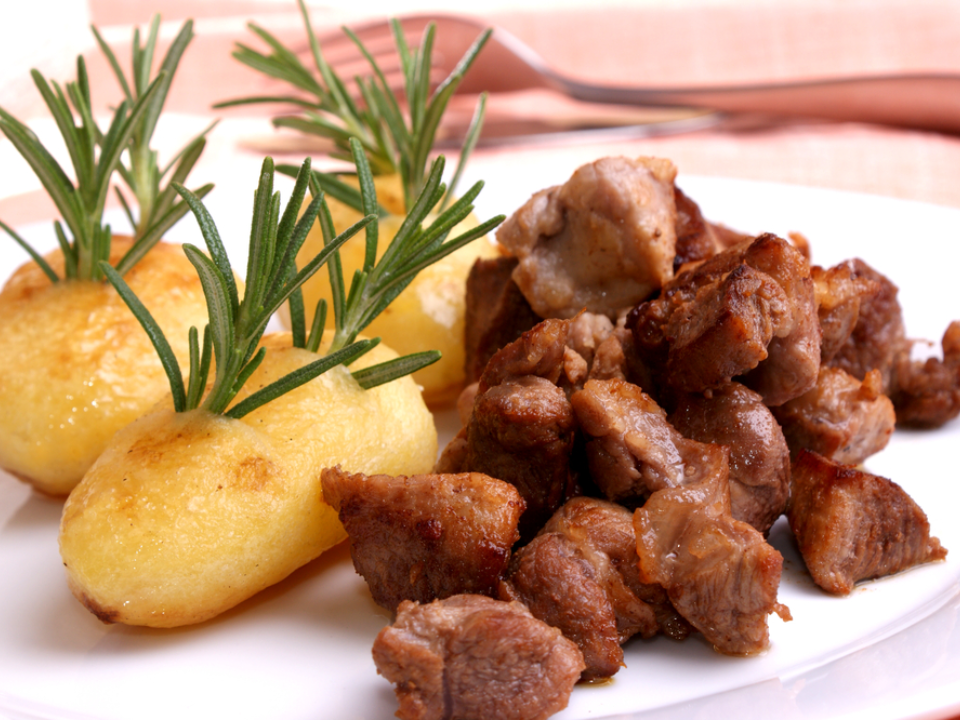
Fresh rosemary sprigs are a simple garnish that instantly brings a December feel to savory dishes. The deep green needles add color to roasted meats, potatoes, and warm bread baskets. Rosemary has a strong pine-like aroma that fits winter meals very well. A single sprig placed on a serving platter can make even a basic dish look thoughtful.
If rosemary is added to roasted vegetables, it works well at 400°F for about 25 to 30 minutes. Use about one small sprig per pound of vegetables to avoid overpowering the dish. Rosemary holds its shape well, so it stays attractive even after cooking. It also pairs nicely with butter-based sauces served warm.
Pomegranate Seeds
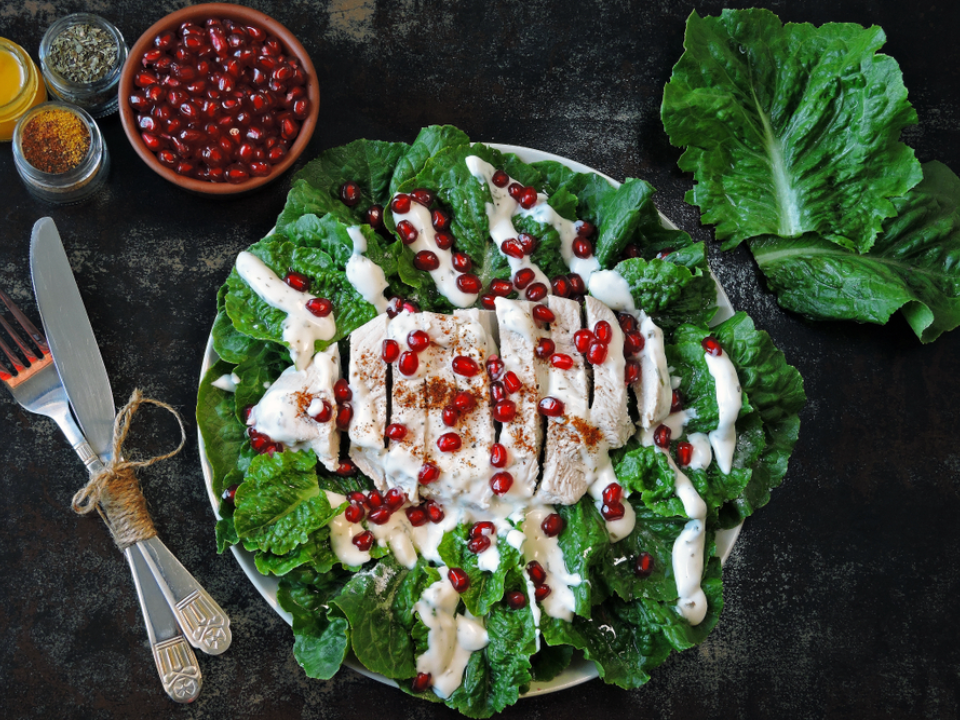
Pomegranate seeds add bright color and a pleasant pop of texture to December dishes. The deep red tones feel festive and pair well with both sweet and savory foods. They work well sprinkled over salads, rice dishes, or roasted vegetables. A small handful goes a long way, since the color stands out clearly.
Pomegranate seeds do not require baking and should be added just before serving. About two tablespoons per dish is usually enough for visual appeal. They also add a gentle sweetness that balances richer winter flavors. Keep them chilled until use so they stay crisp.
Candied Orange Peel
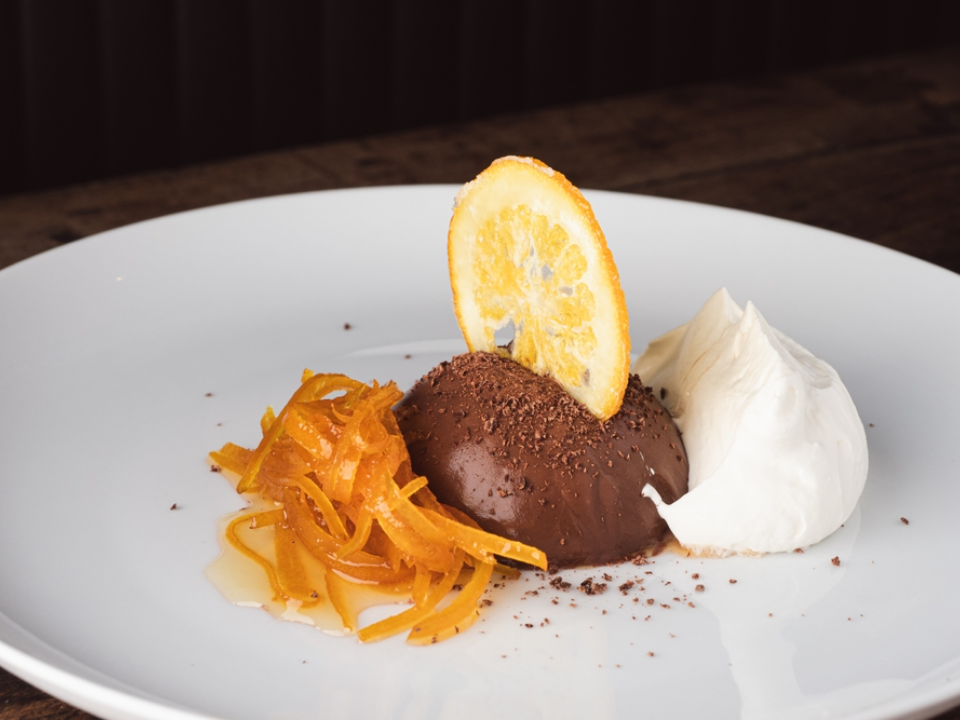
Candied orange peel adds a cheerful look and a sweet citrus note to desserts. The glossy finish makes cakes and cookies feel special without extra decoration. Orange peel works well on loaves, tarts, and chocolate desserts.
If baking with it, most cakes bake well at 350°F for 30 to 40 minutes depending on size. Use about one quarter cup of finely chopped peel per standard loaf pan. Candied peel can also be placed on top after baking for a cleaner look. The bright orange color stands out nicely against darker baked goods. Store unused peel in an airtight container to keep it soft.
Toasted Almond Slices
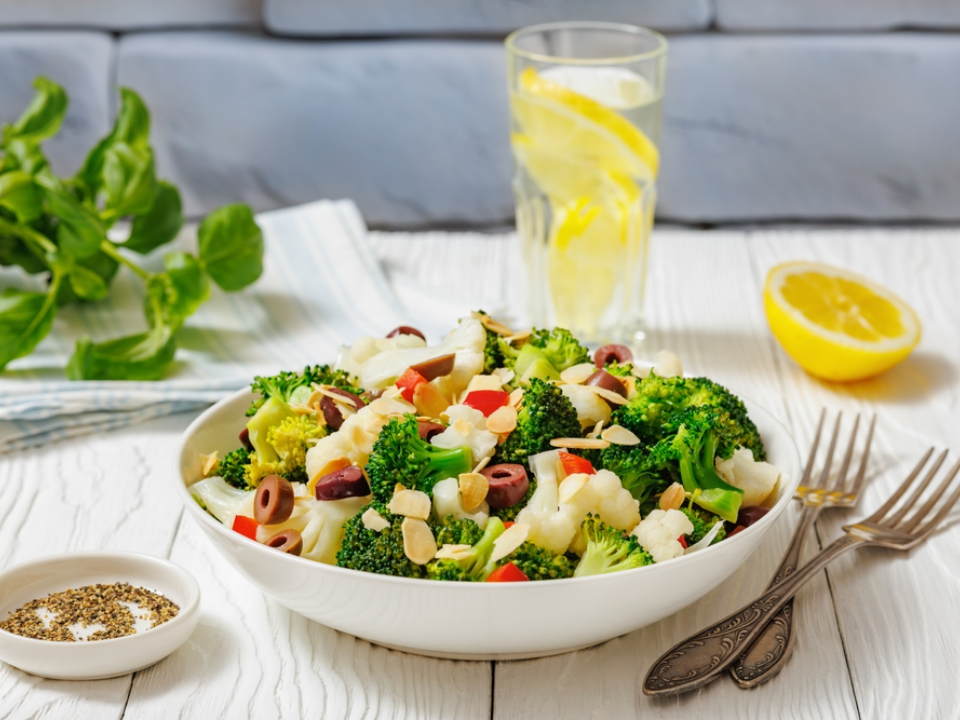
Toasted almond slices add warmth and crunch to December dishes. Their golden color pairs well with winter vegetables and creamy sides. Almonds are easy to toast in the oven at 350°F for 8 to 10 minutes. Spread them in a single layer and stir once halfway through baking. About two tablespoons per serving works well as a garnish.
They can be used on green beans, casseroles, or even sweet desserts. Toasting brings out a deeper flavor that feels comforting in cold months. Let them cool before sprinkling so they stay crisp.
Cranberries
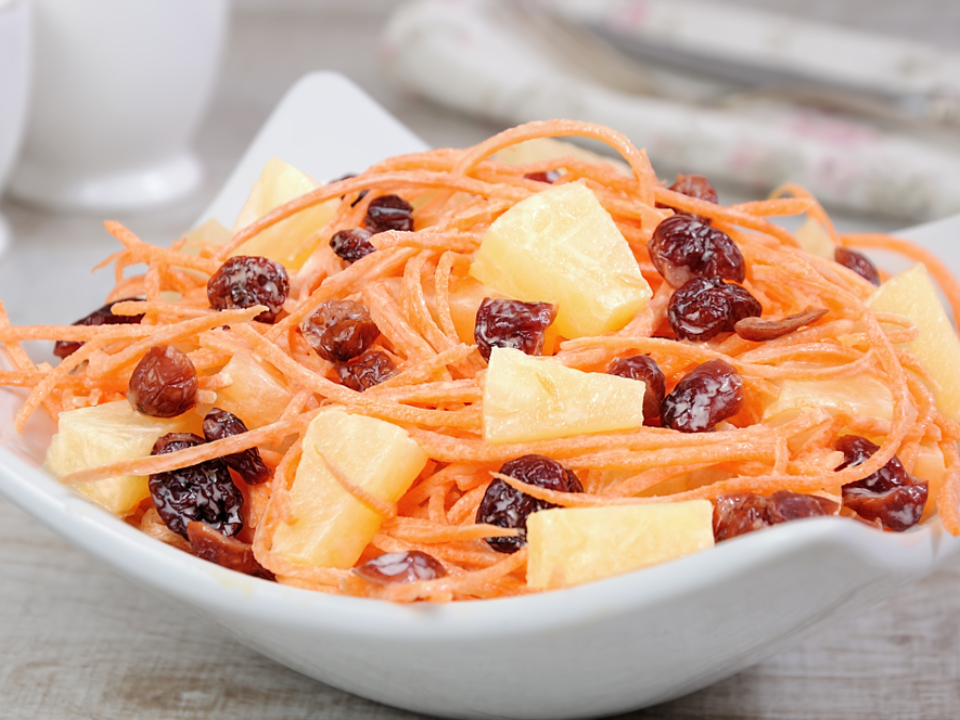
Cranberries add a bright and seasonal look to holiday dishes. Their natural shine makes platters look lively and fresh. They are often used whole as a garnish rather than eaten raw. Cranberries pair well with roasted meats, desserts, and cheese boards.
If roasting cranberries, bake them at 375°F for about 12 to 15 minutes with a light coating of sugar. Use about one cup per baking tray for even roasting. They soften slightly and develop a gentle sweetness. Add them right before serving for the best appearance.
Finely Chopped Parsley
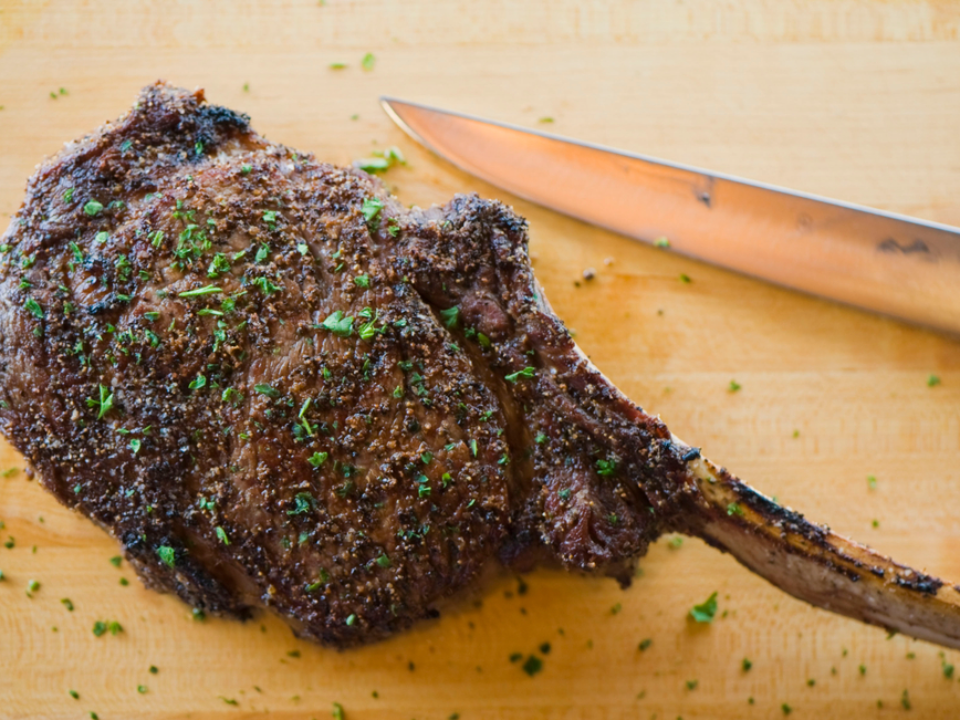
Finely chopped parsley is a classic garnish that works well for December meals. Its bright green color brings contrast to rich and heavy dishes. Parsley pairs well with mashed potatoes, soups, and roasted meats. It should be added after cooking to keep its fresh look.
About one tablespoon per serving is usually enough. Parsley does not need baking and loses color if heated too long. Keep it dry before chopping so it does not clump. Sprinkle lightly for a clean and balanced finish.
Lemon Zest
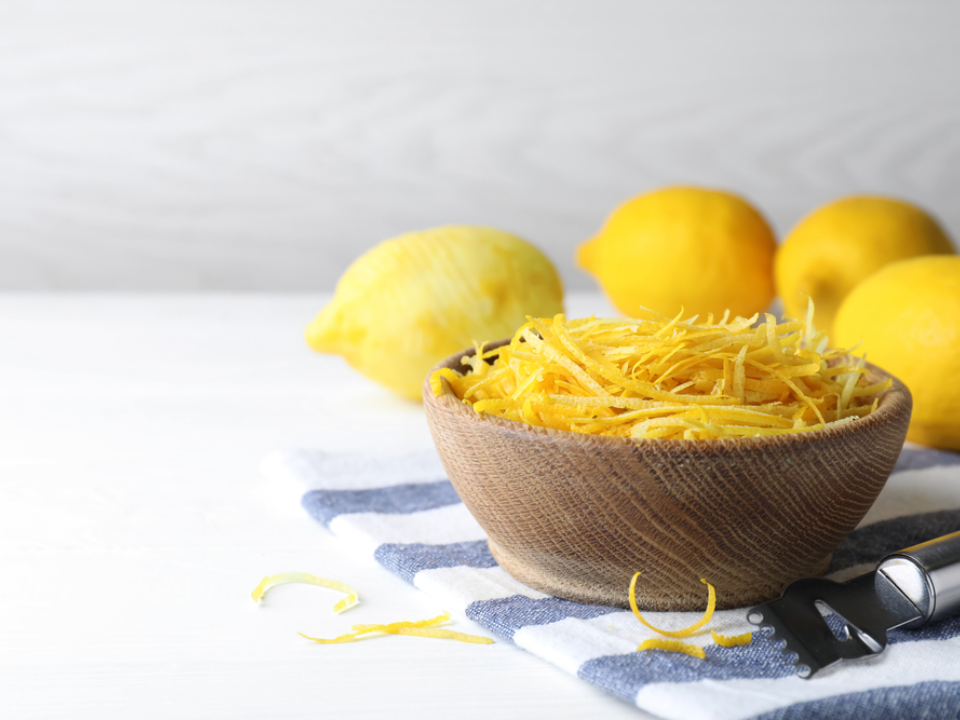
Lemon zest adds a fresh look and light citrus aroma to winter dishes. The yellow flecks brighten plates that use heavier ingredients. It works well on baked fish, roasted vegetables, and desserts. When used in baking, cakes often bake at 350°F for 30 to 35 minutes depending on size.
Use about one teaspoon of zest per recipe to keep the flavor balanced. Zest should be added just before serving for the best color. It pairs nicely with creamy sauces and butter-based dishes. Use a fine grater for an even texture.
Thyme Leaves

Thyme leaves add a gentle herbal touch to winter dishes. Their small size makes them easy to scatter evenly across plates. Thyme pairs well with roasted vegetables, poultry, and soups. When roasted, dishes often cook at 400°F for about 30 minutes depending on ingredients.
Use about one teaspoon of leaves per dish for balance. Thyme holds up well to heat while keeping its color. It adds visual interest without overpowering flavors. Strip leaves from the stem before using for a clean look.
Citrus Slices
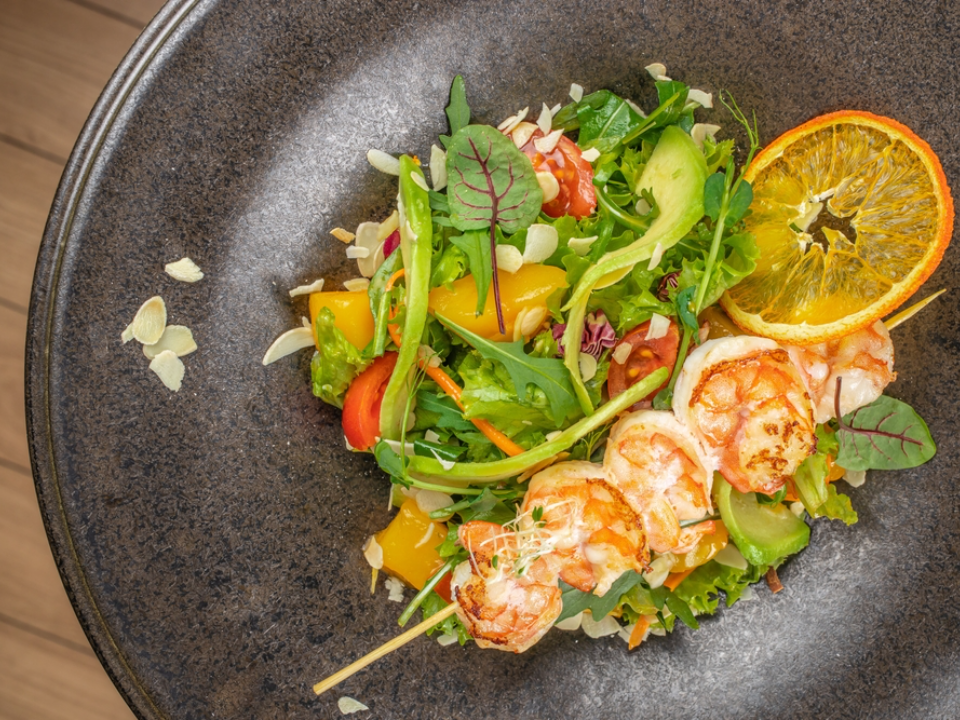
Thin citrus slices add color and freshness to winter dishes. Oranges, lemons, and blood oranges all work well for December meals. The bright shades stand out against roasted meats and baked desserts. Citrus slices can be dried in the oven at 225°F for 2 to 3 hours.
Slice them about one quarter inch thick for even drying. Turn slices halfway through drying time. Use one or two slices per serving platter. They add visual interest without adding moisture. Dried slices store well for several days.
Fresh Dill Fronds

Fresh dill fronds add a soft and feathery look to plates. They pair well with fish dishes and creamy sides common in December meals. Dill brings a gentle aroma that feels light during heavy winter cooking. It should be added after cooking to keep its shape.
About one teaspoon per serving is usually enough. Dill does not need baking and loses color when overheated. Place it just before serving for best appearance. The fine texture makes dishes look carefully finished. Keep dill chilled until use.
Finely Sliced Green Onions
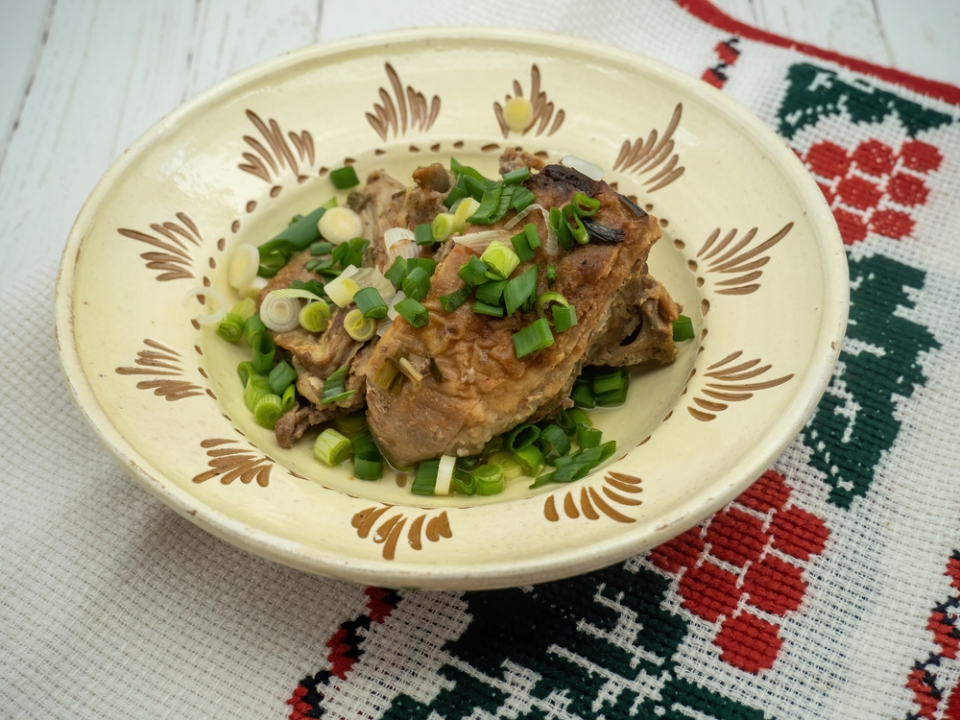
Finely sliced green onions add freshness and color to savory winter dishes. The bright green tops stand out against creamy and roasted foods. They work well on soups, casseroles, and mashed potatoes. Add them after cooking to keep their crisp look.
About one tablespoon per serving is usually enough. Green onions do not require baking and soften quickly with heat. Slice them thinly for even distribution. They add color without strong flavor. Keep them chilled until ready to use.
Sliced Fresh Cherries
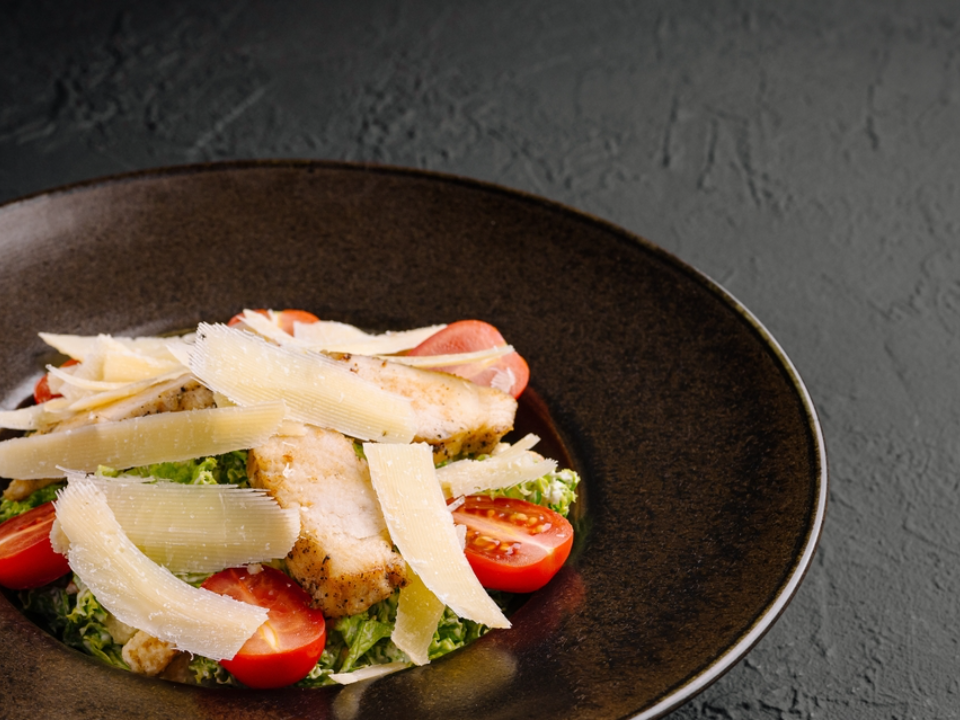
Fresh cherries add a vibrant pop of red to any December dish. Their sweet-tart flavor works well on desserts, salads, or even cheese boards. The deep color and shine make them a festive addition to cakes and tarts.
Add a few whole cherries just before serving to keep them looking fresh. Use about three to five cherries per serving for an eye-catching touch. The juicy texture contrasts well with drier elements, such as nuts or cream. Keep them chilled until ready to use for the best effect.
Crumbled Feta Cheese
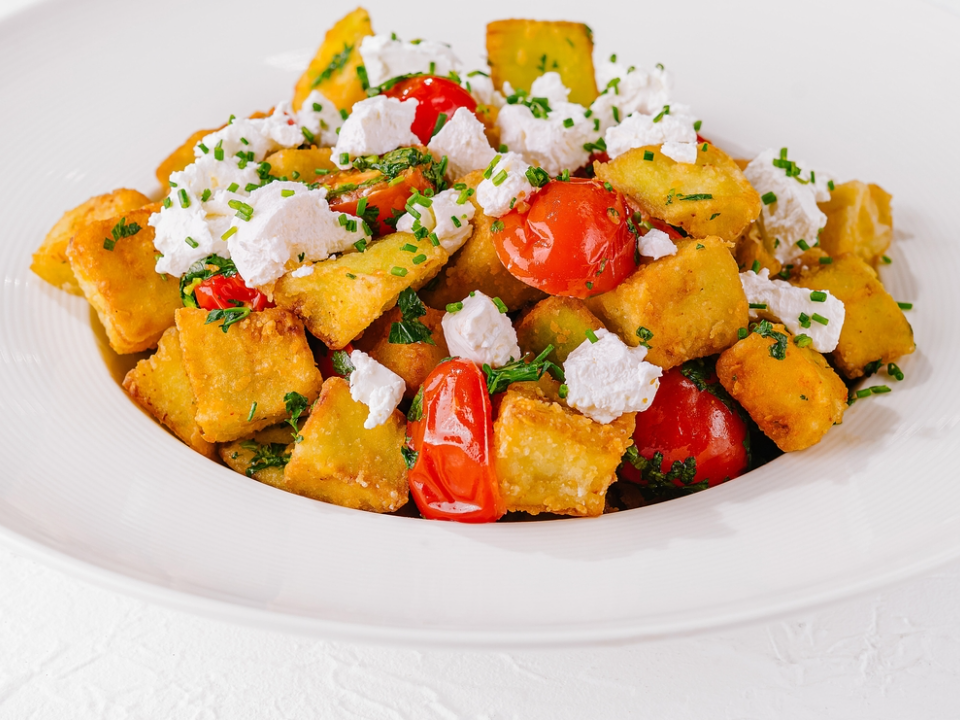
Crumbled feta cheese makes a simple yet elegant garnish that complements many dishes. Its tangy, creamy flavor enhances salads, roasted vegetables, and even soups. The small crumbles work well for visual appeal and balance out heavier flavors.
Sprinkle lightly over dishes just before serving to maintain its texture. About two tablespoons of feta per dish adds just the right amount of flavor. It pairs well with fresh herbs like parsley or basil. Feta’s crumbly nature adds a unique texture to the plate.
Grated Parmesan
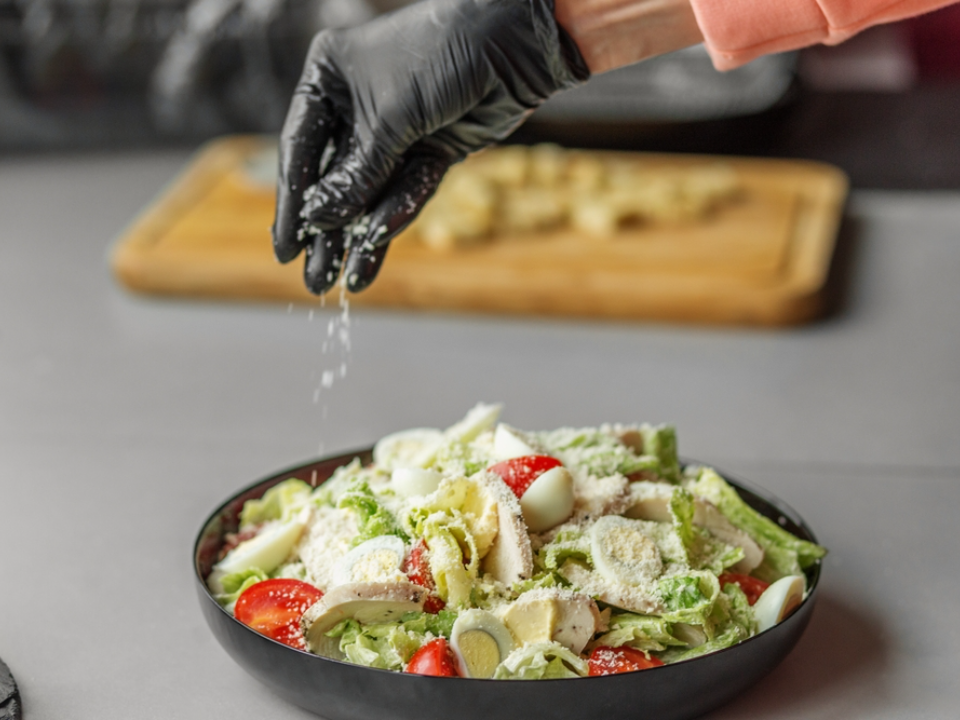
A light dusting of grated Parmesan adds a savory finish to any dish. It’s perfect for pastas, roasted vegetables, or even risottos. The rich, nutty flavor of Parmesan enhances the overall taste without overpowering the main dish.
A fine grater works best to create a smooth, even layer. Use about one tablespoon of grated cheese per serving for a subtle addition. Parmesan melts easily, so it’s great for hot dishes. It adds an extra layer of indulgence while maintaining a festive appearance.
Fresh Mint Leaves
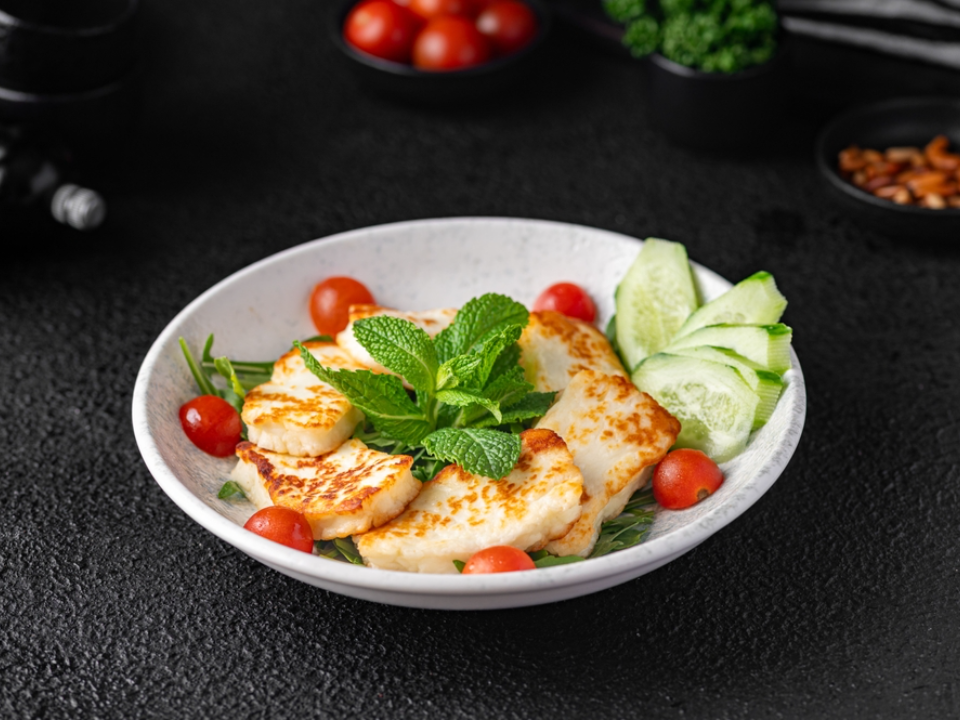
Fresh mint leaves are a simple and fragrant garnish that can brighten up any December dish. Their bright green color adds a refreshing contrast to heavier winter meals. Mint works beautifully with desserts, teas, and even some savory dishes like lamb or salads. Just a few whole leaves on top of a dish can make it look more inviting.
Use about three leaves per serving for a delicate yet noticeable touch. The cool aroma balances the warmth of spicier dishes or rich desserts. Fresh mint should be added right before serving to maintain its vibrant color.
This article originally appeared on Avocadu.