
10 Leafy Plants That Keep Their Color When Snow Starts Falling
Cold weather changes many gardens, but some plants continue to stand out. Leafy varieties can keep their rich shades, knowing frost and snow are on the way. These plants add texture and interest when flowers fade. Many gardeners rely on them for winter curb appeal. Take a closer look at which ones stay colorful all season long.
This post may contain affiliate links, which helps keep this content free. Please read our disclosure for more info.
Boxwood
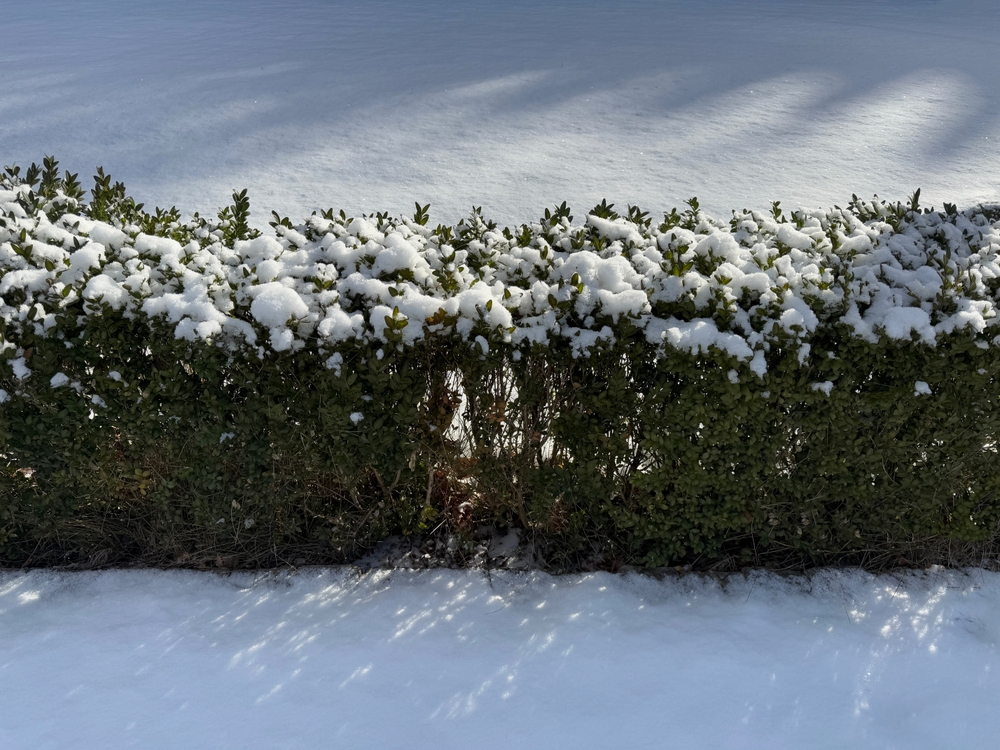
Boxwood is known for its dense green leaves that stay firm through winter weather. The leaves have a thick surface that helps limit moisture loss during cold conditions. Snow often rests on the branches without damaging the foliage. This makes boxwood a popular choice for winter borders and hedges.
This plant grows slowly and responds well to shaping, which helps it keep a tidy look year round. It prefers well-drained soil and some protection from harsh winds. Boxwood keeps its color best when watered before the ground freezes. Many gardeners use it to give structure when other plants fade.
Holly
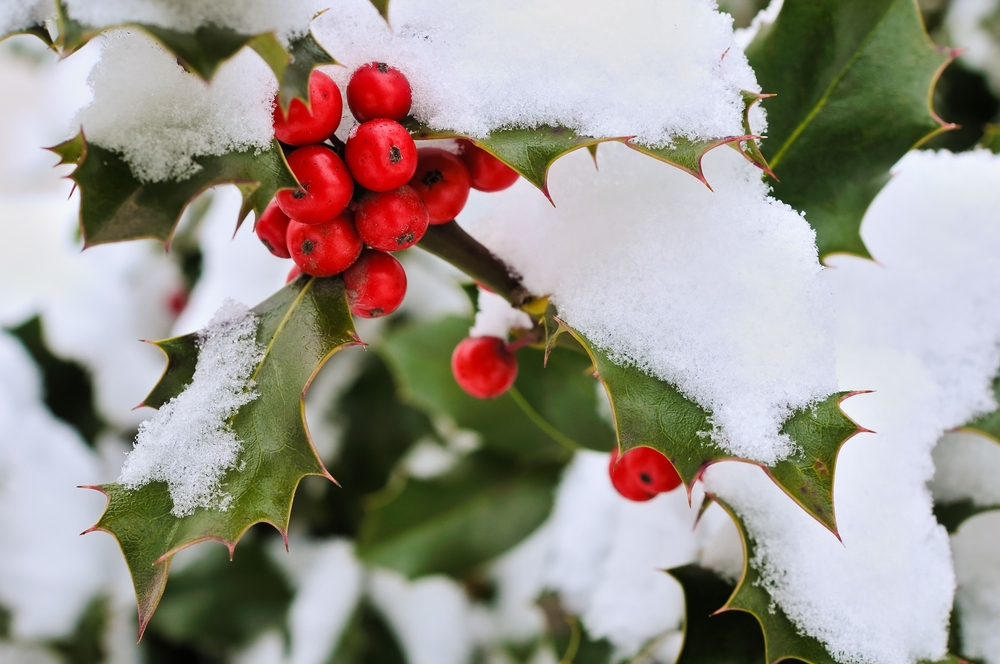
Holly keeps its deep green leaves even as snow begins to cover the ground. The stiff leaf surface helps protect it from cold air and drying winds. Female plants produce bright red berries that stand out against snow. These berries often remain through much of winter.
Holly grows well in partial shade and benefits from soil that drains well. It handles cold better when planted away from strong winter winds. The plant is often used as a backdrop in winter landscapes. Its color adds contrast when most plants lose their leaves.
Japanese Pieris
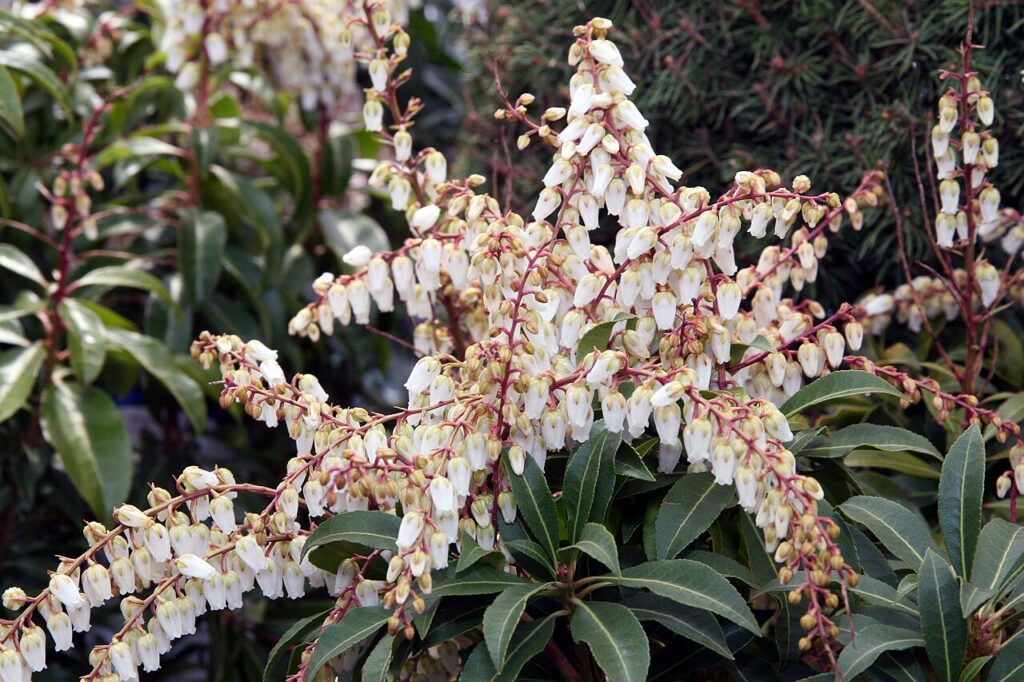
Japanese pieris has leathery leaves that keep their rich green tone through cold months. New growth often appears red before turning green, which adds interest. The leaves resist damage from snow due to their firm texture. This helps the plant keep its look during winter.
It prefers acidic soil and does best in sheltered areas. Snow can help protect the roots by acting as insulation. Pieris is often planted near foundations or paths for winter interest. Its foliage remains steady when temperatures drop.
Bergenia

Bergenia has large, rounded leaves that stay visible under light snow. The leaves often deepen in color during cold weather, sometimes turning reddish. This change adds interest rather than dullness. Snow usually does little harm to the thick leaves.
The plant grows close to the ground and spreads slowly over time. It does well in shaded or partly shaded areas. Bergenia handles freezing temperatures without losing leaf structure. It is often used along borders and walkways.
Wintercreeper
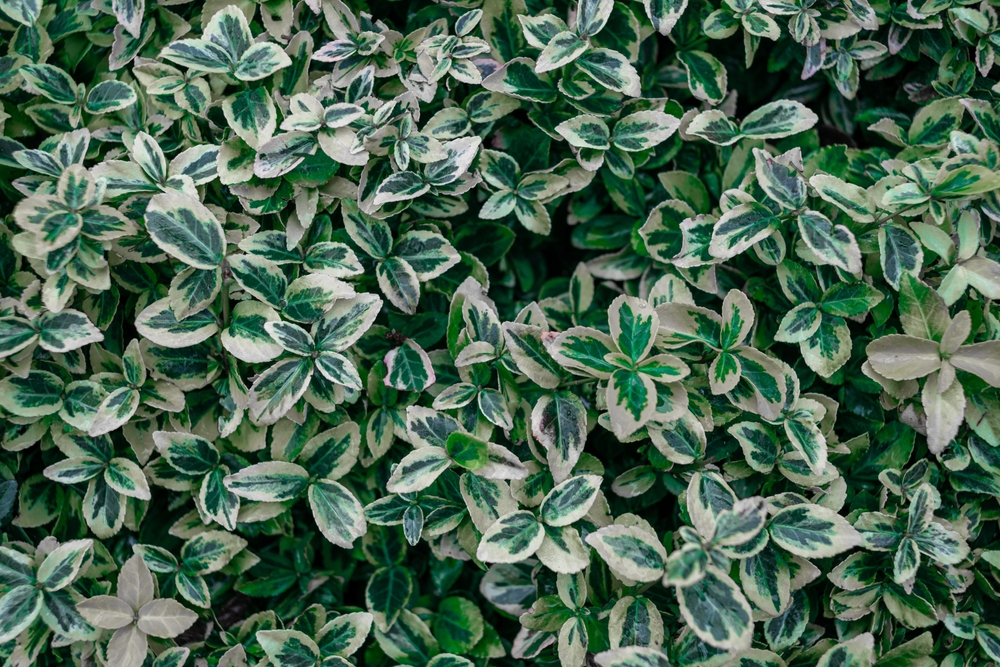
Wintercreeper keeps glossy leaves that remain colorful during winter. Some varieties show green mixed with yellow or white. The leaves hold firm even after repeated snowfall. This makes the plant useful for ground cover.
It grows well on slopes, walls, and open ground. Cold weather often deepens leaf color rather than fading it. Wintercreeper handles snow weight without much damage. Regular trimming helps keep it neat.
Heuchera
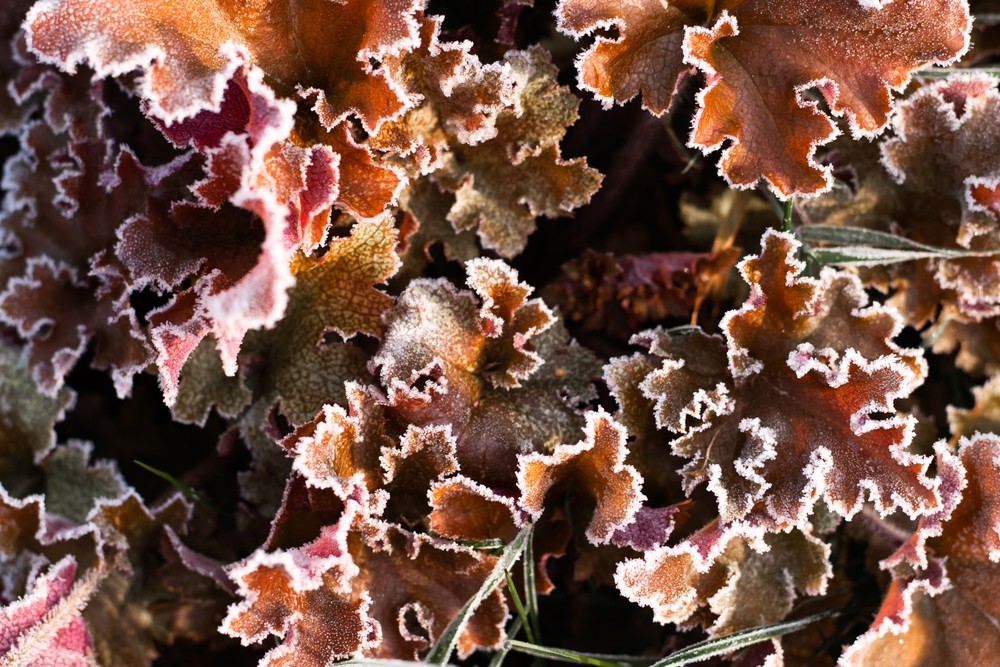
Heuchera is valued for its colorful leaves that last into winter. Leaf shades range from green to purple and bronze. The plant keeps its form even when snow falls. Its leaves sit low, which helps protect them from wind.
It grows best in well-drained soil with partial shade. Snow helps shield the roots during colder weeks. Heuchera works well in mixed beds and containers. The foliage adds steady color when flowers are gone.
Mahonia
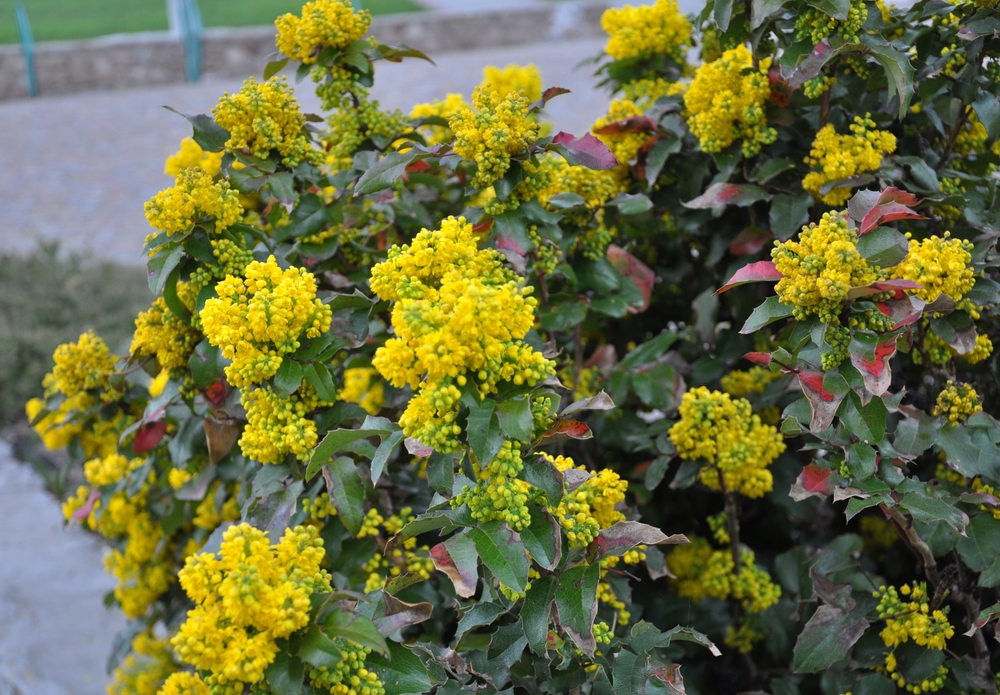
Mahonia has long, spiky leaves that stay deep green through winter. Cold weather can bring out red or bronze tones. The thick leaves help protect the plant from frost. Snow usually causes little harm.
Yellow flowers appear in late winter, adding early color. Mahonia prefers shade and well-drained soil. The plant offers both foliage and seasonal interest. It works well in woodland-style gardens.
Yew
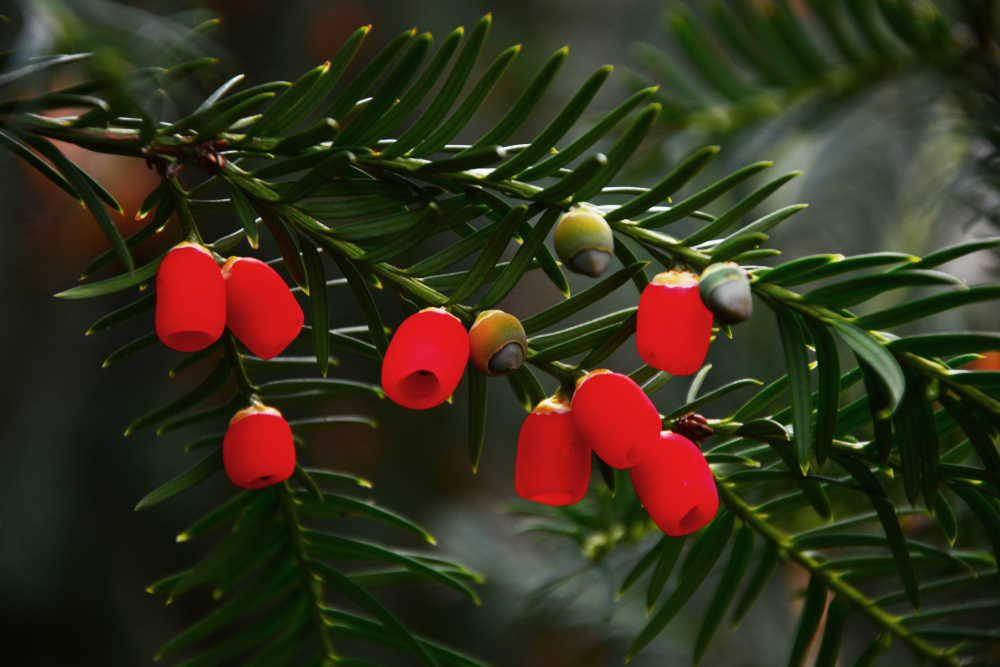
Yew keeps soft needle-like leaves that stay green under snow. The flexible branches bend under snow weight without breaking. This helps the plant recover easily after storms. Its color stays consistent through winter.
Yew grows well in shaded areas and tolerates pruning. It handles cold better than many leafy plants. The plant is often used for formal hedges. Winter care is minimal once established.
Daphne
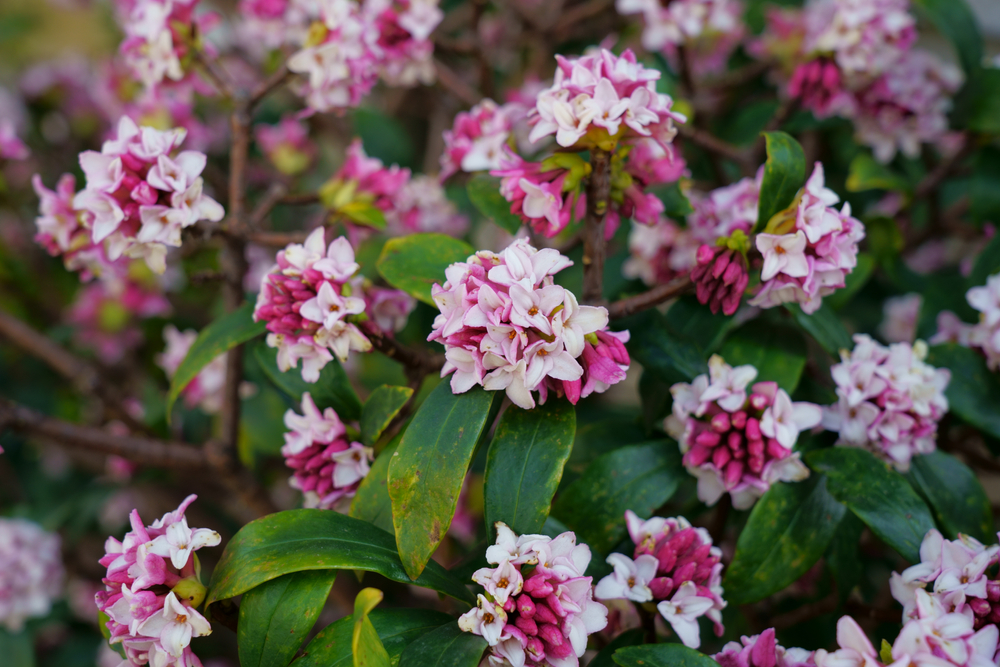
Daphne has leathery leaves that stay green during cold months. The compact growth helps protect the foliage from wind. Snow rarely damages the leaves due to their texture. The plant keeps a clean look in winter.
It prefers well-drained soil and shelter from strong winds. Fragrant flowers often appear late in winter. Daphne adds interest when little else is active. Its leaves remain neat through snow.
Oregon Grape
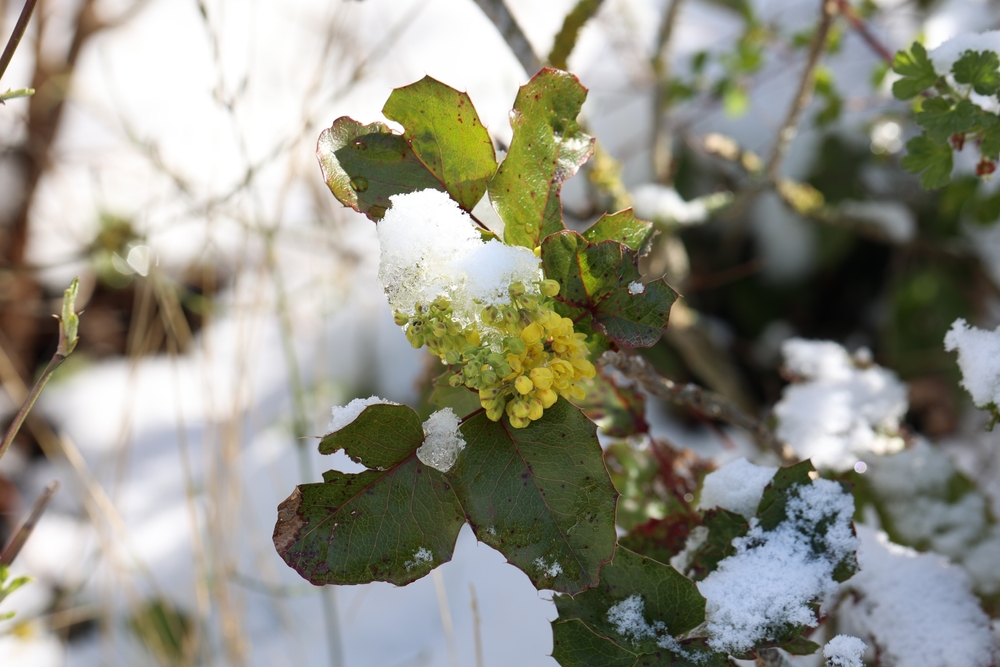
Oregon grape has glossy leaves that stay green through winter. Cold weather often brings out deep red tones. The leaves are thick and handle snow well. This gives the plant a strong winter presence.
It grows well in shaded areas with well-drained soil. Yellow flowers appear in early spring. Oregon grape offers color across several seasons. Its foliage remains noticeable even in snow-covered gardens.
This article originally appeared on Avocadu.