
11 Snowy Scenes From Movies That Never Get Old
Snowy scenes in movies have a way of staying with viewers long after the credits roll. Falling snow often sets the mood and gives each moment a sense of calm or wonder. These scenes feel familiar, almost like memories revisited year after year. As the story moves forward, the snow becomes part of what makes each moment feel lasting.
This post may contain affiliate links, which helps keep this content free. Please read our disclosure for more info.
It’s a Wonderful Life
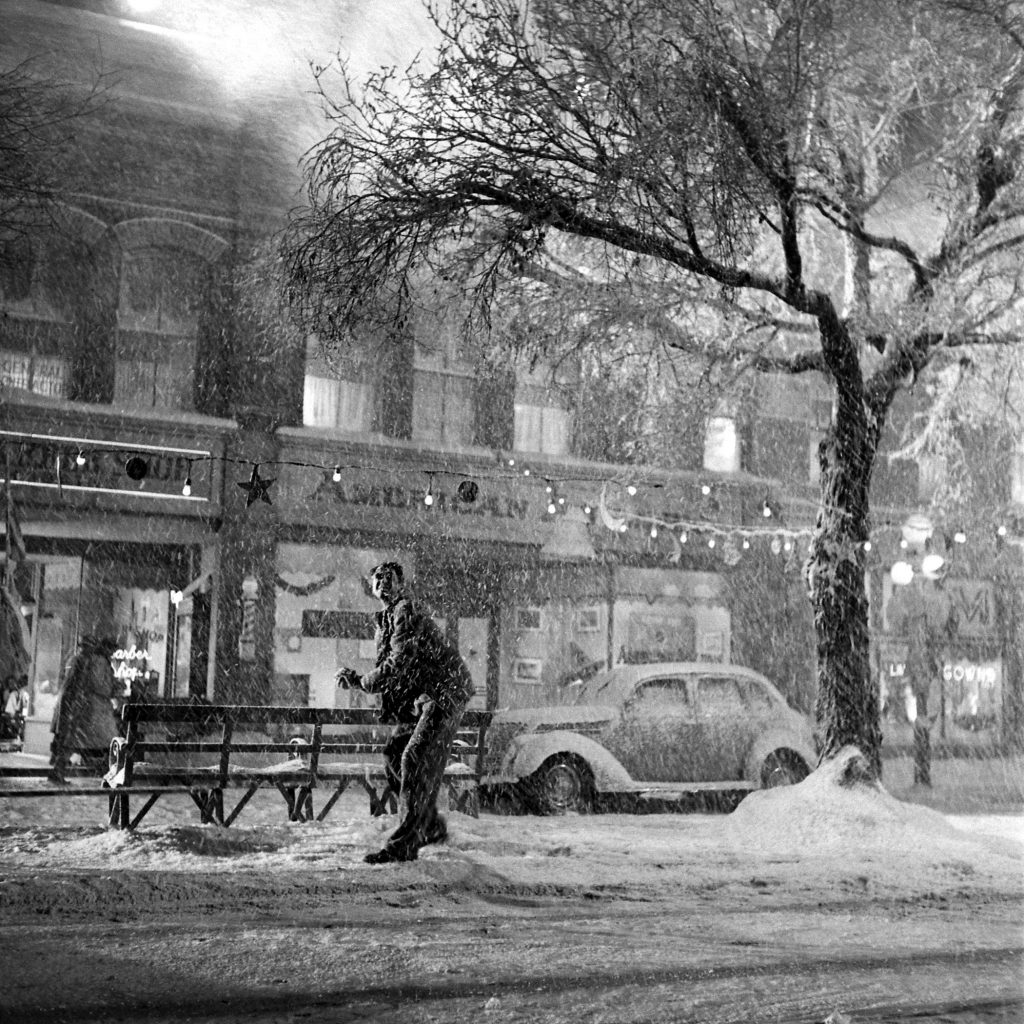
Released in 1946, It’s a Wonderful Life stars James Stewart as George Bailey alongside Donna Reed as Mary. The snowy scenes appear most prominently in Bedford Falls during the film’s final act. Snow falls as George realizes how deeply he is valued by his community. The winter setting softens the emotional weight of the story rather than making it feel heavy. Snow helps frame the town as a place shaped by shared kindness.
That closing snowfall was actually created using a new foam-based technique instead of painted cornflakes, which allowed for better sound recording on set. The visual effect gave the scene a more natural look for its time. Supporting actors like Lionel Barrymore help ground the moment with strong performances. The snow-covered streets highlight the contrast between despair and hope. These scenes remain familiar because they balance emotion, setting, and story with care.
Home Alone
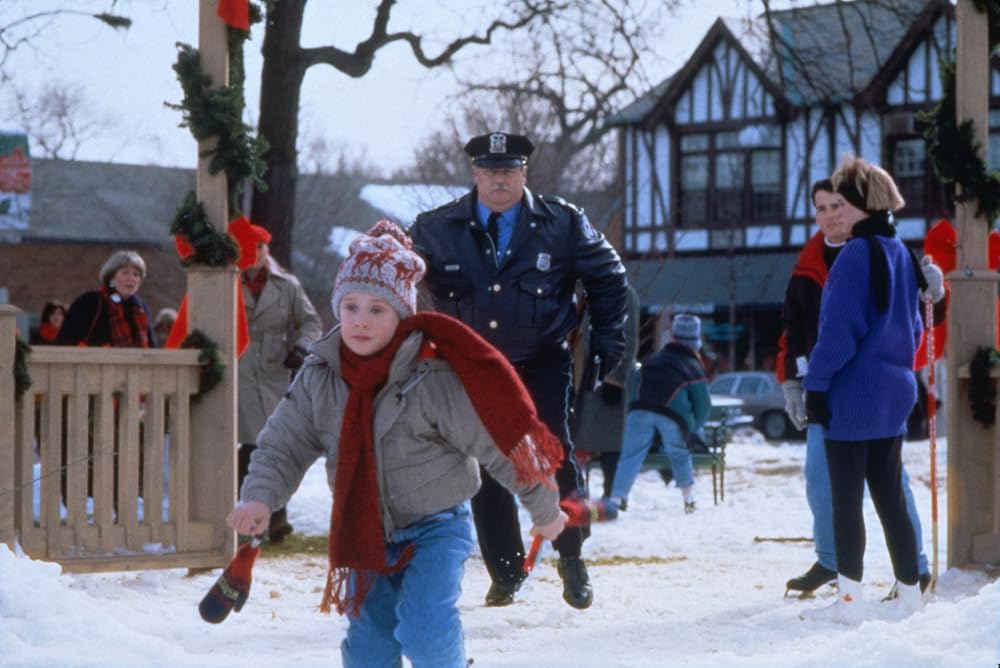
Home Alone was released in 1990 and features Macaulay Culkin as Kevin McCallister, with Catherine O’Hara and John Heard as his parents. Snowy Chicago streets establish the holiday setting early in the film. The winter visuals help slow the pace between comedic moments. Snow makes the neighborhood feel both quiet and safe.
The church scene is one of the most remembered winter moments. Snow outside reflects Kevin’s emotional shift toward forgiveness. John Williams’ score pairs gently with the winter setting. Snow also heightens the contrast between warmth inside and cold outside. These scenes continue to feel familiar because they balance humor with reflection.
Edward Scissorhands
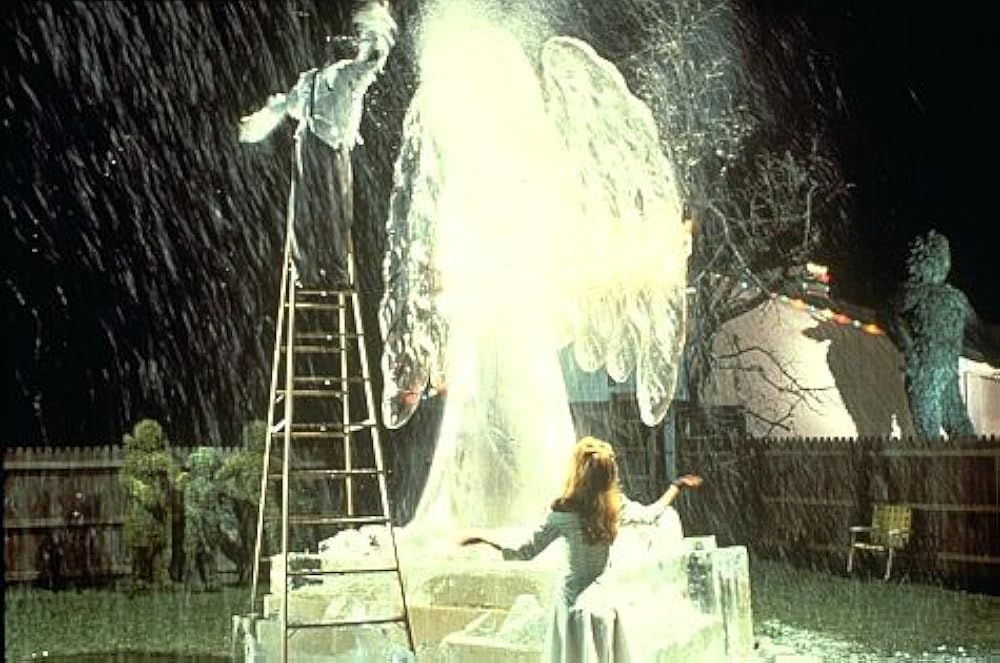
Released in 1990, Edward Scissorhands stars Johnny Depp and Winona Ryder. Snow appears when Edward carves ice sculptures from his yard. The falling snow is caused by the ice shavings drifting through the air. This scene contrasts sharply with the bright suburban setting. It adds a sense of quiet sadness to the story.
Winona Ryder’s character dancing beneath the snowfall remains one of the film’s most remembered moments. Danny Elfman’s music supports the gentle tone of the scene. The snow symbolizes beauty created through loneliness. It stands apart from the louder moments of the film. Viewers remember it because it feels emotional without dialogue.
The Chronicles of Narnia The Lion, the Witch, and the Wardrobe
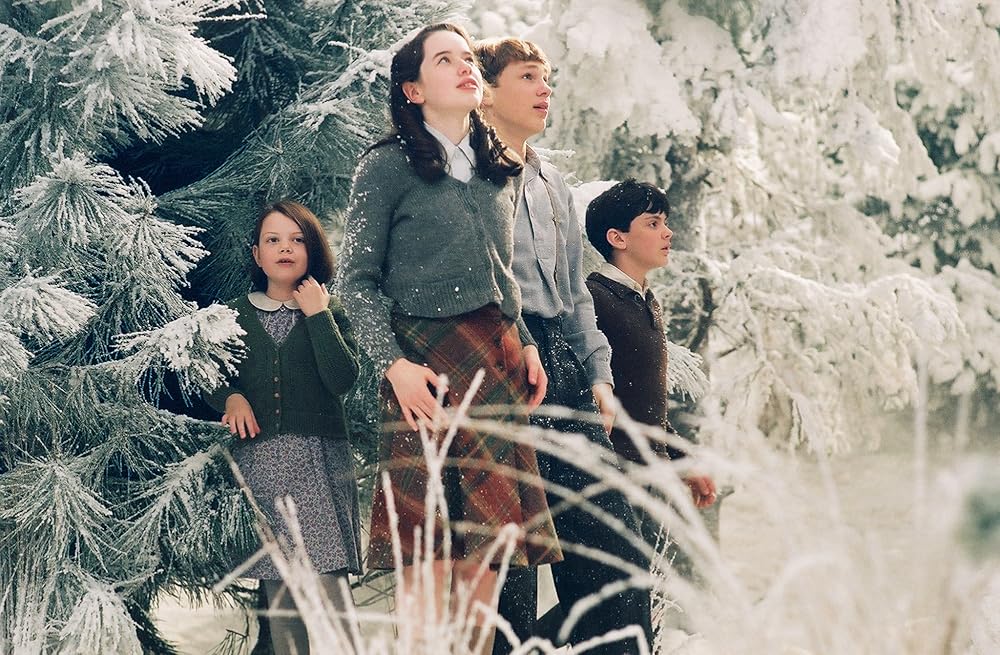
This film was released in 2005 and stars Georgie Henley, Skandar Keynes, and Tilda Swinton. Snow covers Narnia under the rule of the White Witch. Winter defines the world’s mood from the beginning. The cold setting reinforces themes of control and waiting. Snow becomes part of the story’s conflict.
Aslan’s return slowly brings change to the frozen land. Melting snow signals the shift in power. The contrast between endless winter and returning warmth feels clear. Visual effects were used to keep snow consistent across large sets. These scenes remain memorable because the setting directly supports the plot.
Fargo
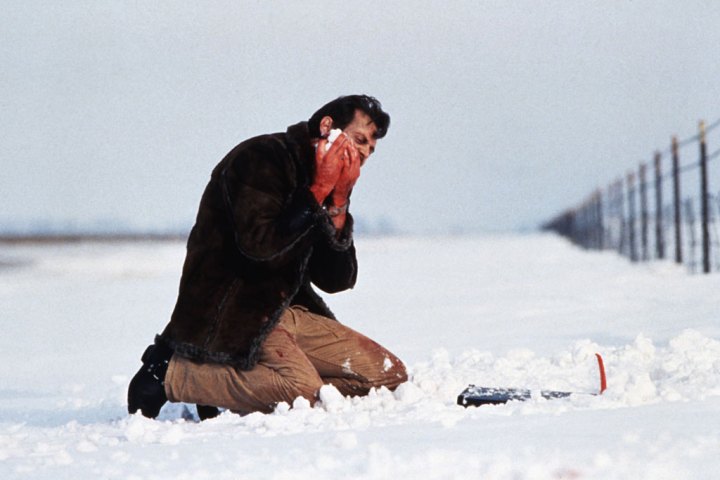
Fargo premiered in 1996 and stars Frances McDormand and William H. Macy. Snow blankets nearly every location in the film. The wide white landscapes create a sense of isolation. The setting mirrors the characters’ emotional distance. Snow becomes part of the film’s identity.
Many scenes were shot during real Minnesota winters. Natural light and overcast skies shape the film’s visual style. Snow reduces visual distractions, focusing attention on character actions. Frances McDormand’s calm performance contrasts with the harsh environment. The scenes stay memorable because the setting never fades into the background.
Harry Potter and the Sorcerer’s Stone
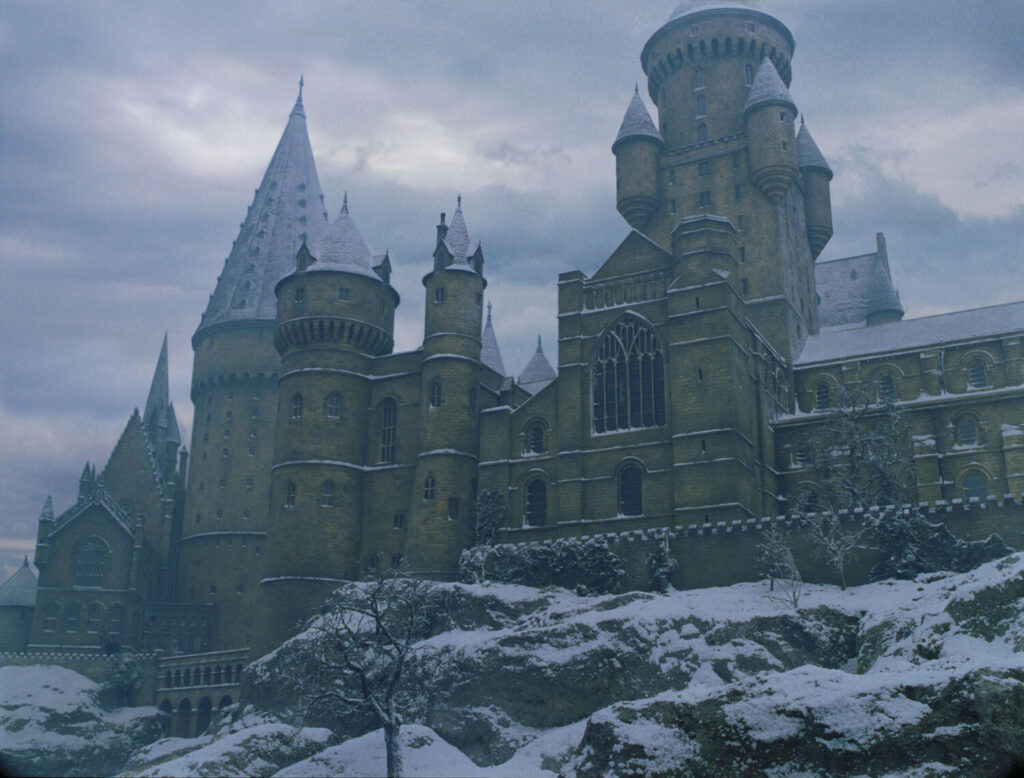
Released in 2001, this film stars Daniel Radcliffe, Emma Watson, and Rupert Grint. Snow-covered Hogwarts appears during the winter term. The castle feels quieter and more enclosed under snow. Winter scenes introduce viewers to magical traditions. Snow supports the sense of discovery.
The Christmas sequence at Hogwarts stands out visually. Decorated halls paired with snowfall create a comforting atmosphere. Snow emphasizes Hogwarts as a home away from home. The scenes rely on practical effects mixed with digital work. These moments remain familiar because they blend wonder with calm.
The Holiday
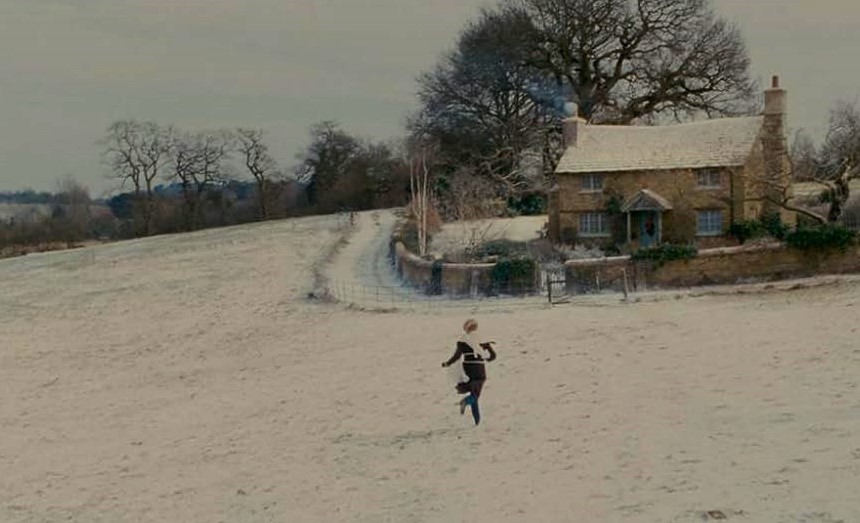
The Holiday was released in 2006 and stars Kate Winslet, Cameron Diaz, Jude Law, and Jack Black. Snow appears during emotional turning points in the story. English countryside scenes feel calm and reflective. Winter settings support themes of personal change. Snow slows the pace of the film.
The contrast between snowy England and sunny California adds balance. Winter scenes focus on quiet conversations. Natural lighting enhances the softness of the snow. The setting allows characters time to reflect. These scenes remain appealing because they feel grounded and sincere.
Doctor Zhivago
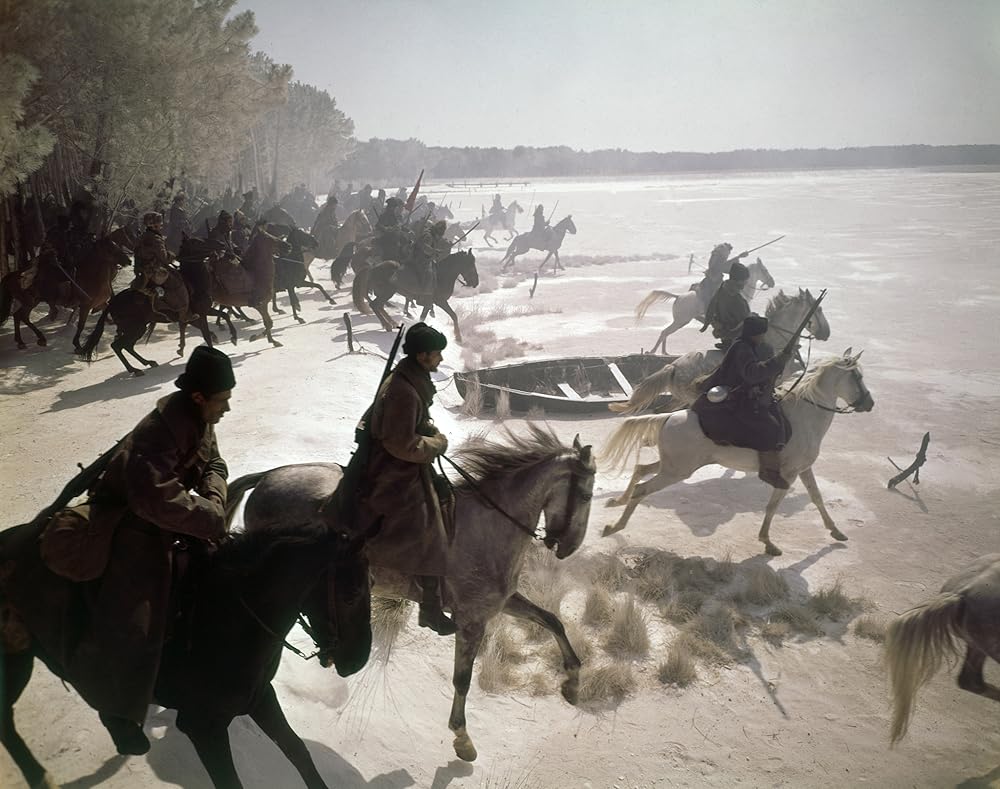
Released in 1965, Doctor Zhivago stars Omar Sharif and Julie Christie. Snow dominates much of the film’s visual design. Russian winters shape the characters’ struggles. The cold setting reflects emotional distance and hardship. Snow adds scale to the story.
Many exterior scenes were filmed in Spain using artificial snow. Despite this, the landscapes feel vast and cold. Snow-covered buildings create strong visual contrast. The setting reinforces themes of endurance and loss. These scenes remain striking due to their scale and atmosphere.
Star Wars-The Empire Strikes Back
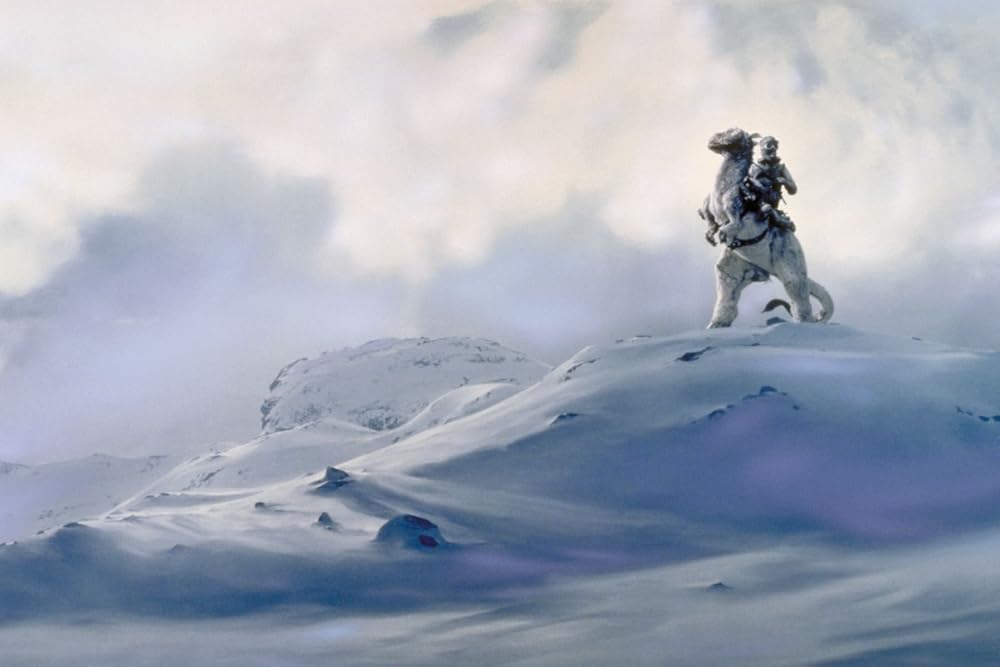
This film was released in 1980 and stars Mark Hamill, Harrison Ford, and Carrie Fisher. Snowy Hoth opens the story with tension. Ice fields and storms establish danger immediately. Snow emphasizes the harshness of the environment. The setting raises the stakes early.
Battle scenes stand out against white terrain. Practical effects were used to simulate snow and ice. Costumes and vehicles contrast sharply with the landscape. The environment becomes part of the conflict. These scenes stay memorable due to their clear visual impact.
Little Women
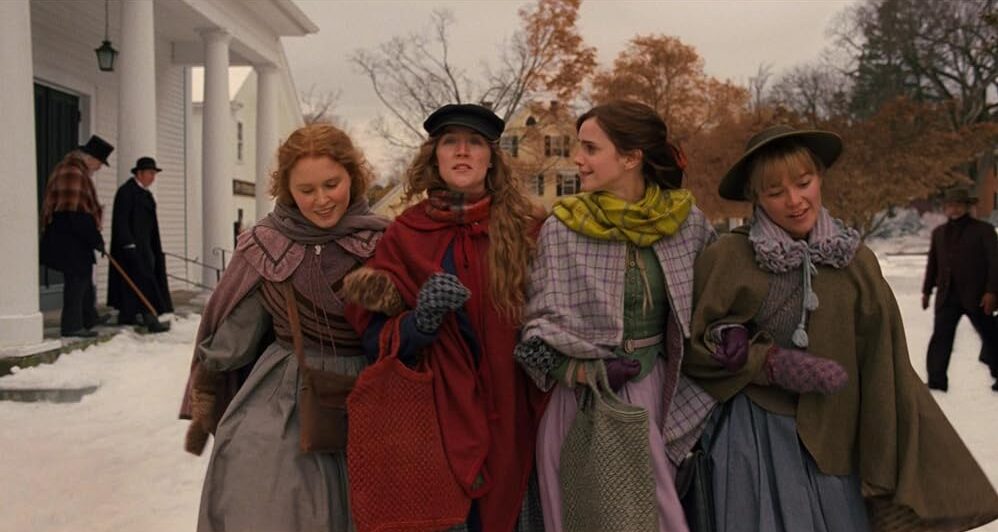
Greta Gerwig’s Little Women was released in 2019 and stars Saoirse Ronan, Florence Pugh, and Emma Watson. Snow appears during moments of reflection and change. Winter settings support themes of family and time passing. The town feels quiet and restrained under snow. Snow highlights emotional transitions.
Outdoor scenes rely on natural light. Winter colors soften the film’s palette. Snow mirrors moments of separation and reunion. The setting supports character development. These scenes remain memorable because they feel personal.
The Shining
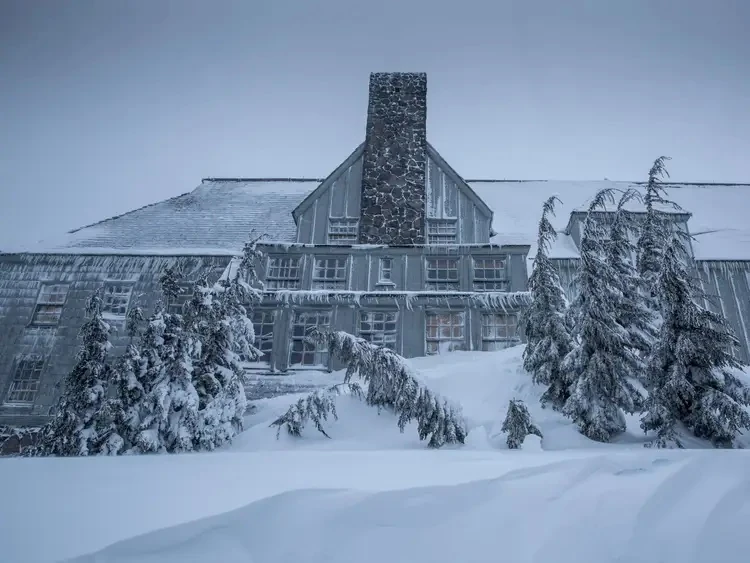
Released in 1980, The Shining stars Jack Nicholson and Shelley Duvall. Snow isolates the Overlook Hotel. Winter storms trap the characters inside. The setting increases tension steadily. Snow creates physical distance from safety.
Exterior shots emphasize isolation. The hedge maze scene relies heavily on snow for confusion. Cold temperatures affect character behavior. Snow supports the unsettling mood throughout. These scenes remain strong due to their atmosphere.
This article originally appeared on Avocadu.