
12 Underrated Animated Specials That Stuck With a Generation
Some animated specials quietly stayed with viewers long after the credits rolled. They showed up during holidays, weekend afternoons, or random reruns and left a lasting impression. These stories often felt personal, even when the animation was simple. Many people remember how they made them feel more than exact plot details.
This post may contain affiliate links, which helps keep this content free. Please read our disclosure for more info.
The Snowman (1982)
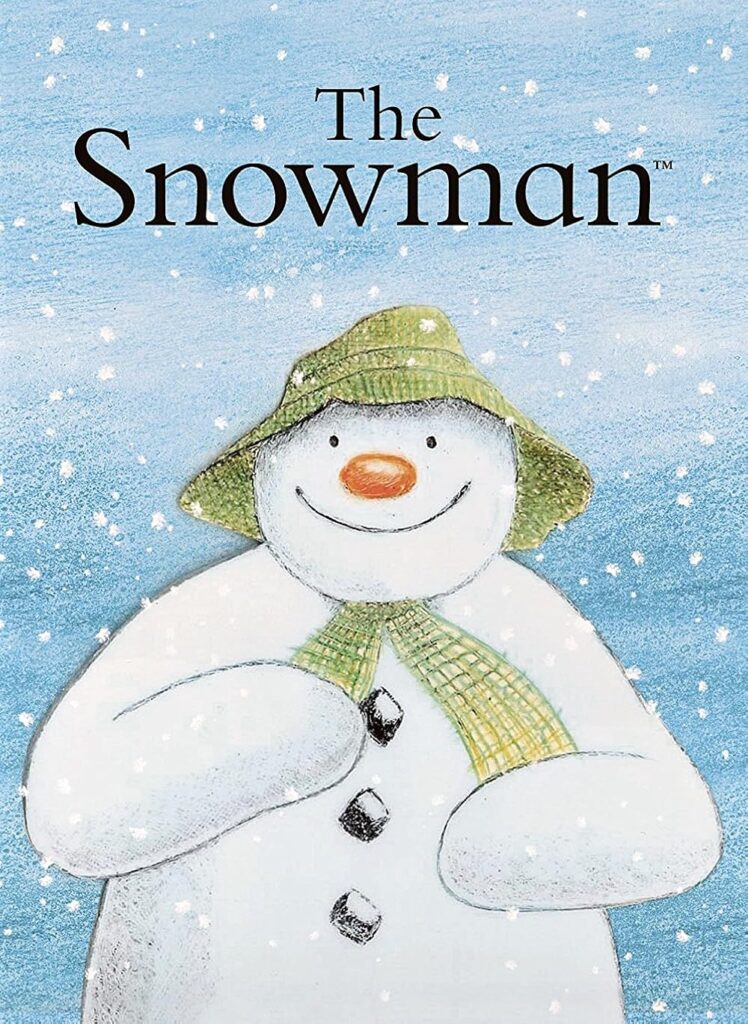
This animated special tells a quiet story about a child who builds a snowman that comes to life during winter. With no spoken dialogue, it relies fully on music, movement, and visuals to communicate emotion. That silence makes the experience feel personal and intimate for viewers of any age. Many people remember watching it during winter television schedules without fully knowing why it felt so moving.
The hand-drawn animation uses soft lines and pale colors that match the gentle mood. The flight sequence set to music remains one of its most remembered moments. Themes of wonder, connection, and loss are present without being explained outright. That subtle approach helped the story remain memorable long after childhood.
A Charlie Brown Thanksgiving (1973)
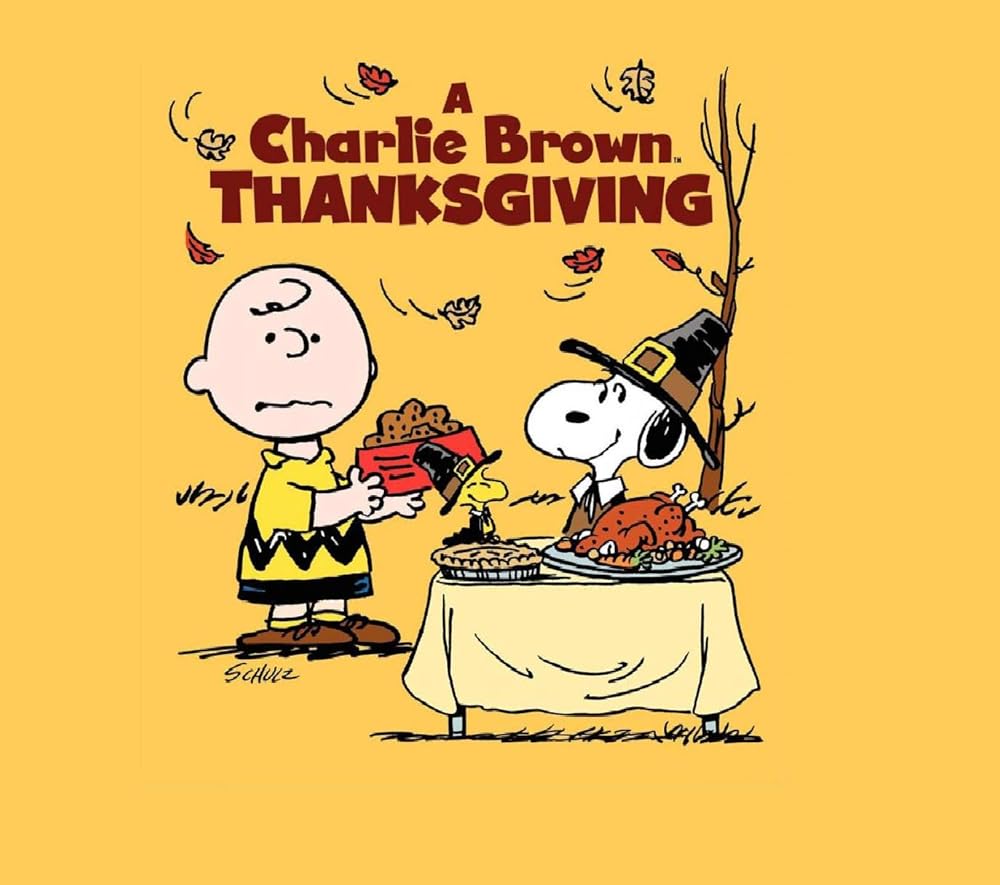
This holiday special centers on Charlie Brown hosting a Thanksgiving meal that turns awkward very quickly. Instead of a traditional feast, the group ends up with toast and popcorn, which leads to frustration and humor. The story focuses more on expectations than on celebration itself. That honest approach made it stand apart from other holiday programs.
The animation style stays simple, keeping attention on character interaction. Dialogue feels casual and reflective rather than overly jokey. The message about gratitude comes through naturally without heavy emphasis. Many viewers still remember specific conversations from the dinner scene.
The Last Unicorn (1982)
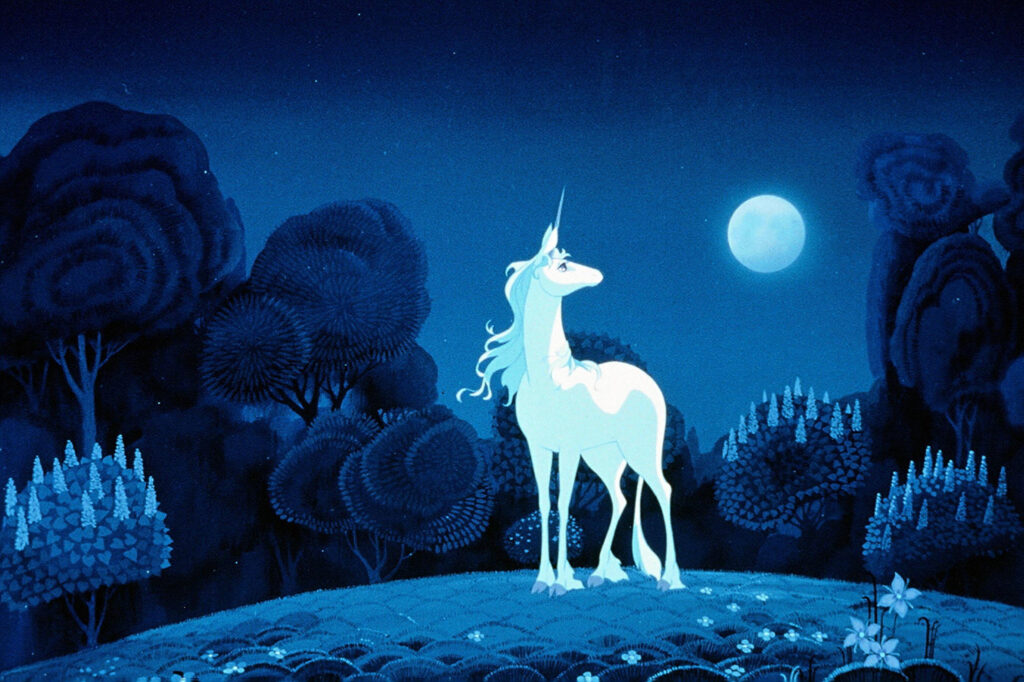
Often shown as a television event, this animated story follows a unicorn searching for others like her. The pacing is slower than most fantasy cartoons, which gives the story a thoughtful feel. Themes of loneliness and time passing appear throughout the journey. These ideas felt serious even to younger viewers.
Muted colors and detailed backgrounds create a bittersweet tone. The voice performances add depth and quiet sadness to the characters. Many people did not fully understand the story during childhood viewings. Its meaning often grew clearer years later.
Rudolph’s Shiny New Year (1976)
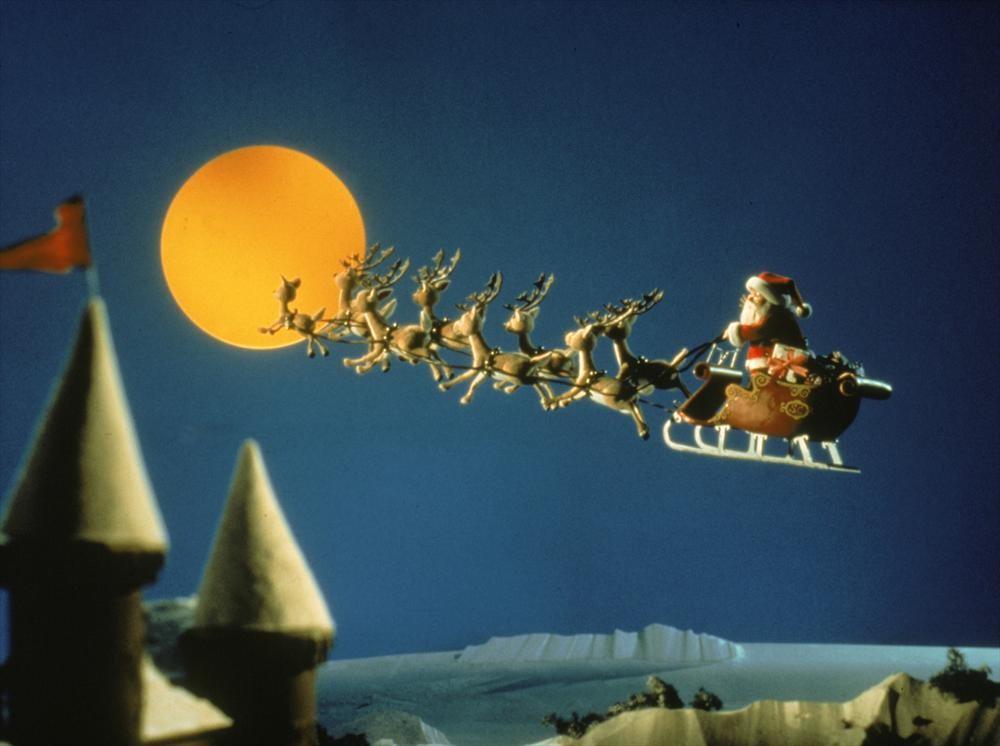
This special follows Rudolph after Christmas as he sets out to find the New Year Baby. It aired far less often than the original Rudolph story, making it feel unfamiliar. The plot includes strange locations and abstract ideas about time. That unusual structure made it stick in the minds of viewers.
The stop motion animation keeps the same visual style that fans recognized. Characters like Father Time left lasting impressions despite limited screen time. The story deals with change and uncertainty in gentle ways. Those themes stayed with many long after watching.
The Point (1971)
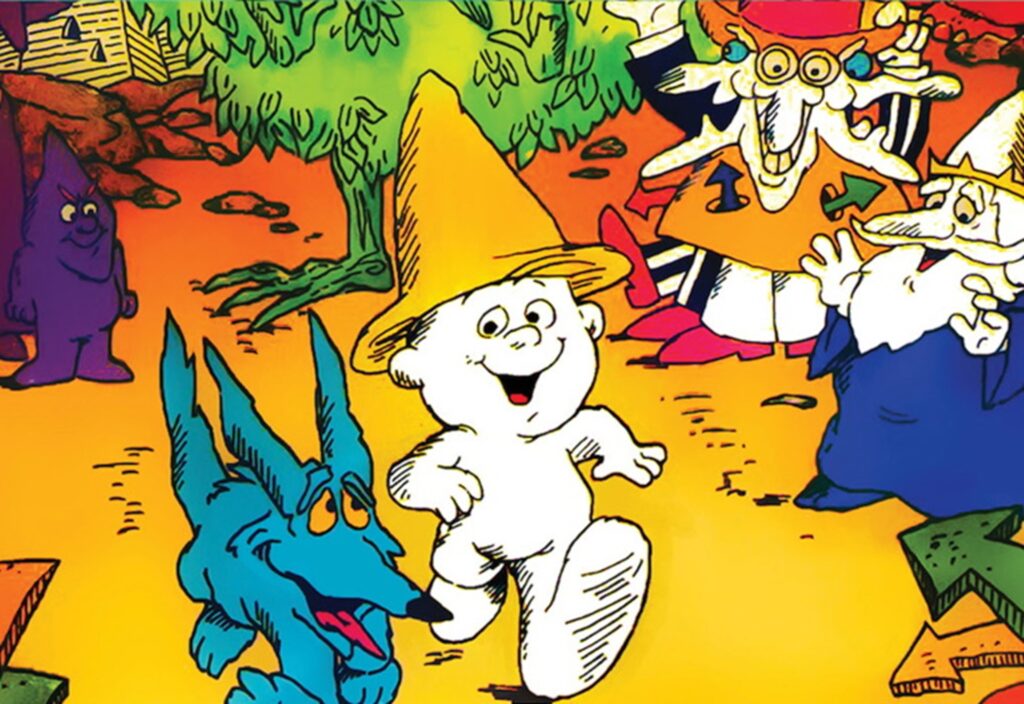
This animated musical takes place in a world where everyone must have a pointed head. The story follows a boy who does not fit that rule and is pushed aside. It presents ideas about belonging in a way that feels clear without explanation. Many viewers first encountered it during late night television.
Songs help explain the story rather than interrupt it. The animation looks playful while carrying serious meaning underneath. The narrator guides the audience calmly through each lesson. Its message often stayed with viewers longer than expected.
The Hobbit (1977)
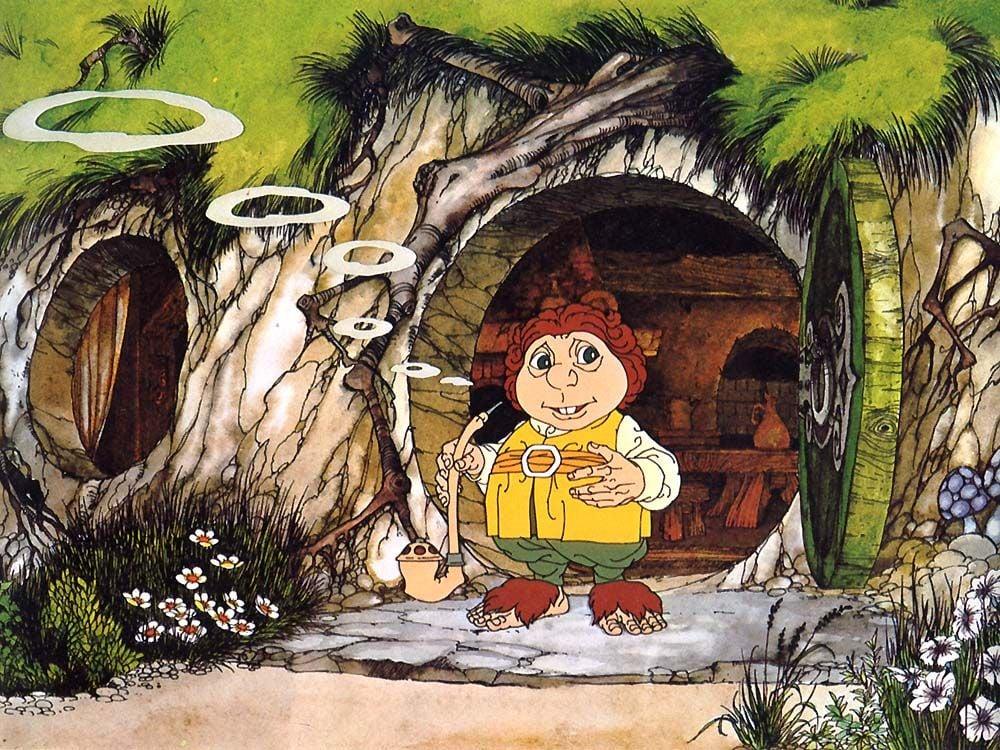
This animated adaptation introduced many viewers to Middle Earth for the first time. Aired as a television special, it balanced adventure with quiet character moments. The tone felt darker and more serious than most cartoons of its era. That seriousness made it stand out.
Character designs were unusual and sometimes unsettling. Musical numbers helped move the story forward smoothly. For many families, this version became a shared viewing memory. It remained a reference point long before later film adaptations.
Mad Monster Party (1967)
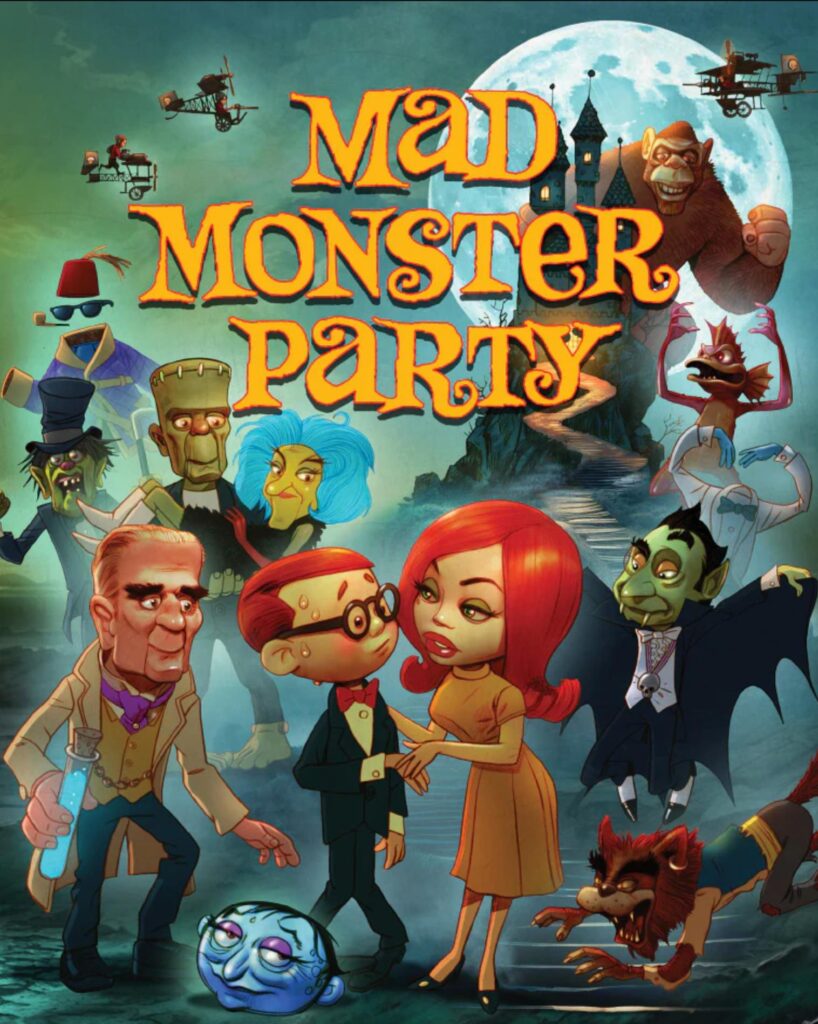
This stop motion special brought classic monster characters together in a comedic setting. It felt different from typical cartoons shown to children at the time. The humor leaned toward older audiences, which made it feel unusual. That difference helped it stand out.
The character designs are exaggerated and playful. Songs add to the strange charm of the production. It often aired late, giving it a hidden feel. That sense of discovery stayed with viewers.
Frosty Returns (1992)
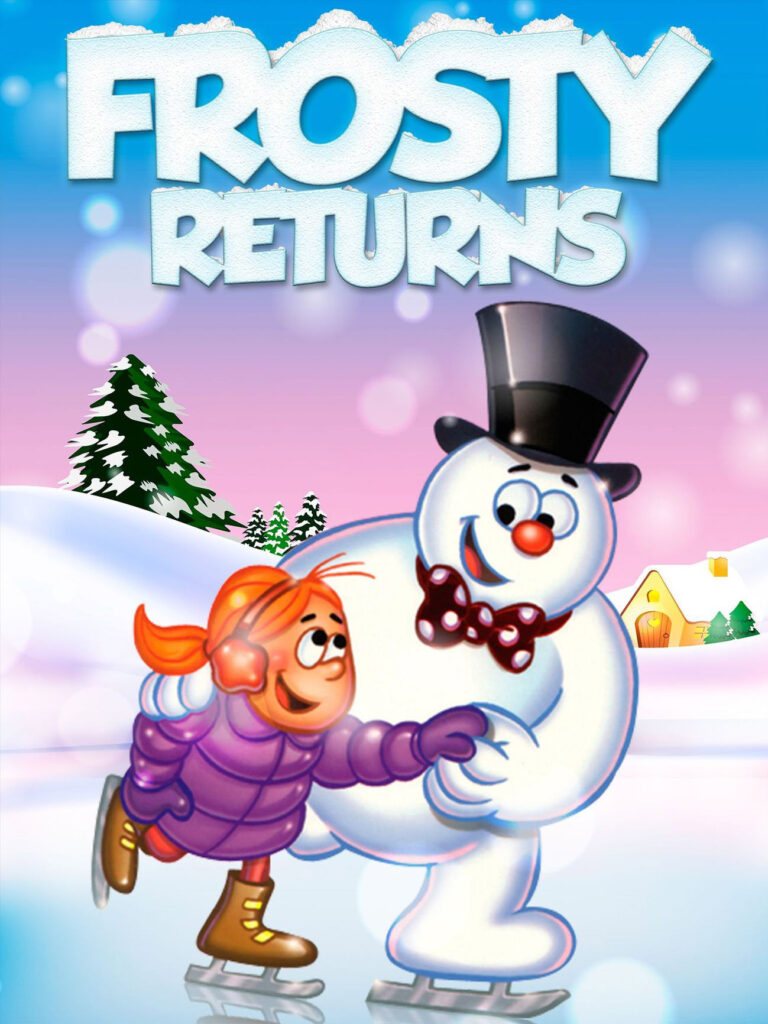
This sequel revisits Frosty with a different tone and conflict. New characters and ideas shift the focus away from pure holiday joy. The story introduces themes about weather and community. That change surprised some viewers.
The animation reflects early nineties television styles. While shorter than expected, it includes several memorable scenes. The music plays a smaller role than before. Those who watched it often remember its visuals clearly.
The Secret of NIMH (1982)
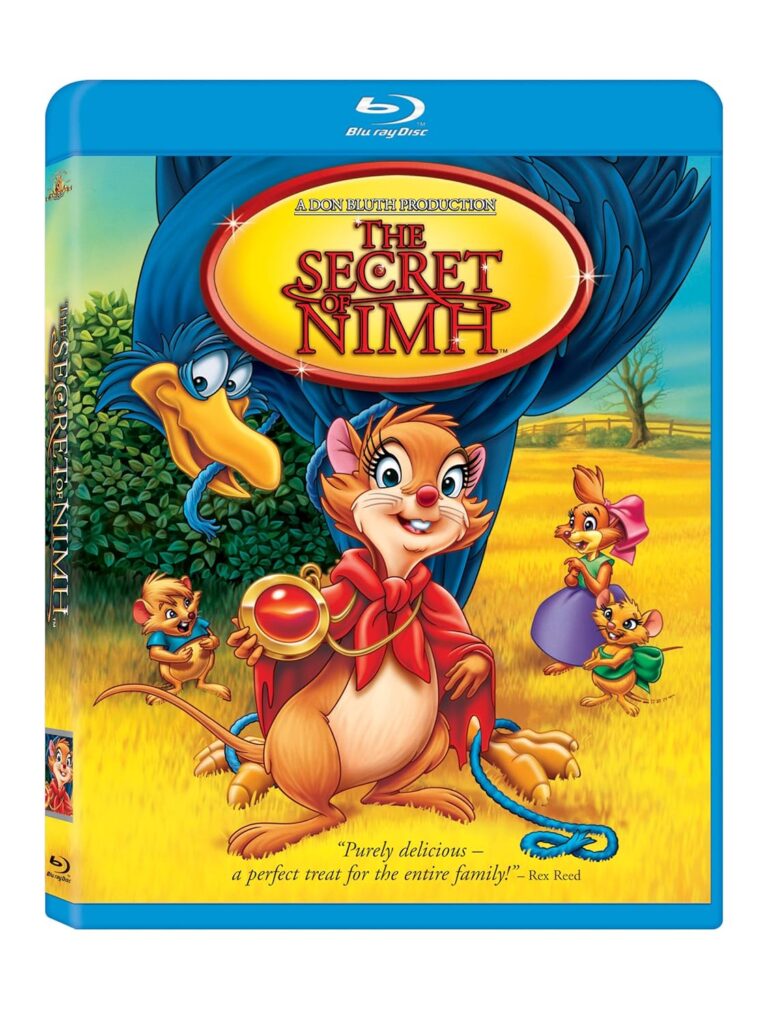
Although released in theaters, this film frequently aired on television. It follows a mother mouse trying to save her family from danger. The story treats fear and loss as real. That seriousness left a deep impression.
The animation is detailed and expressive throughout. Music builds tension rather than comfort. Many children found it unsettling yet impossible to ignore. It stayed memorable because it did not soften its themes.
Olive the Other Reindeer (1999)
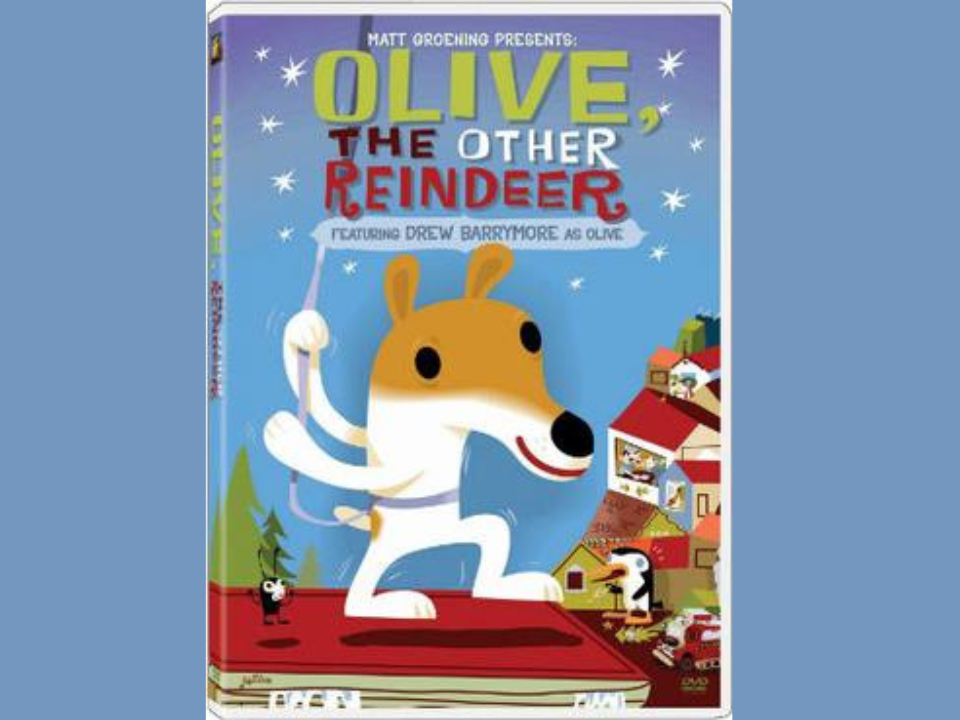
This holiday special followed a dog who believes she is meant to help Santa. Its humor felt fast-paced and self-aware for its time. The story moved quickly with sharp dialogue. It stood apart from traditional holiday cartoons.
Bright colors and strong lines define the animation style. Celebrity voice performances added energy to the cast. It aired inconsistently, which limited its exposure. Those who caught it often remembered it well.
The Brave Little Toaster (1987)
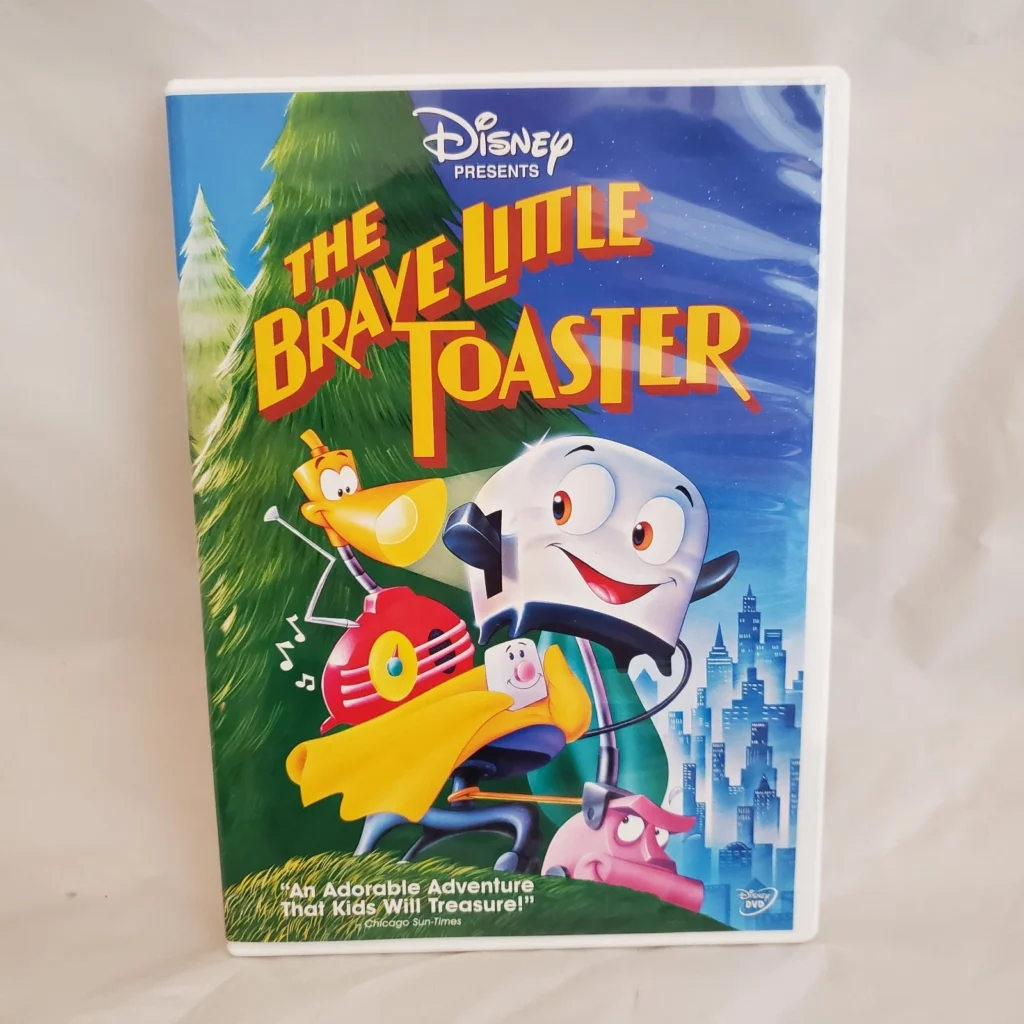
This animated film was often shown on television during family viewing hours. It follows household appliances searching for their owner. The story treats objects as emotional characters. That idea felt unusual and touching.
Several scenes explore fear, abandonment, and hope. Songs help express feelings that words do not fully explain. Many viewers recall specific moments vividly. The emotional weight surprised young audiences.
The Tune (1992)
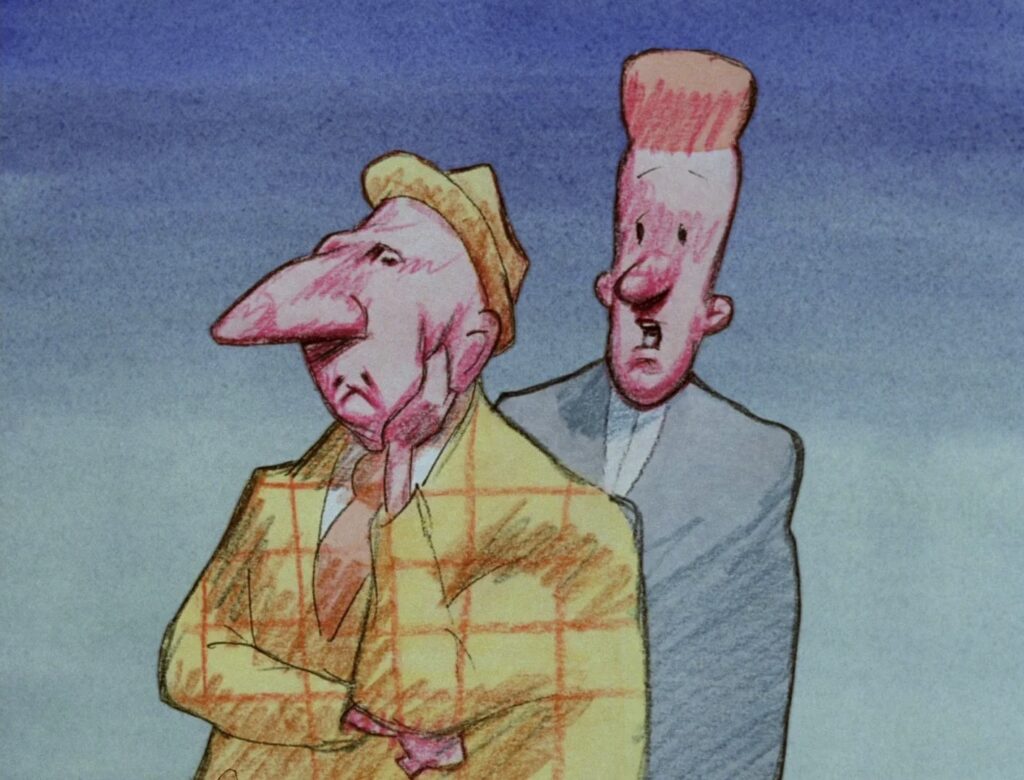
Created by Bill Plympton, this animated special aired on cable networks. It follows a man chasing a melody he cannot forget. The animation style feels loose and unpredictable. It stood apart from traditional cartoons.
Music guides the story more than dialogue. Visuals shift constantly, creating an unsettled feeling. Many viewers did not fully understand it at first. Its strange tone helped it linger in memory.
This article originally appeared on Avocadu.