
12 Fragrant Indoor Plants That Make Winter Days Feel Softer
When outdoor gardens rest, indoor plants continue to bring life into the home. Scented leaves and blooms add warmth that feels inviting during chilly days. These plants do more than look nice since their fragrance becomes part of daily living. Placed near windows or entryways, they add calm without noise.
This post may contain affiliate links, which helps keep this content free. Please read our disclosure for more info.
Jasmine
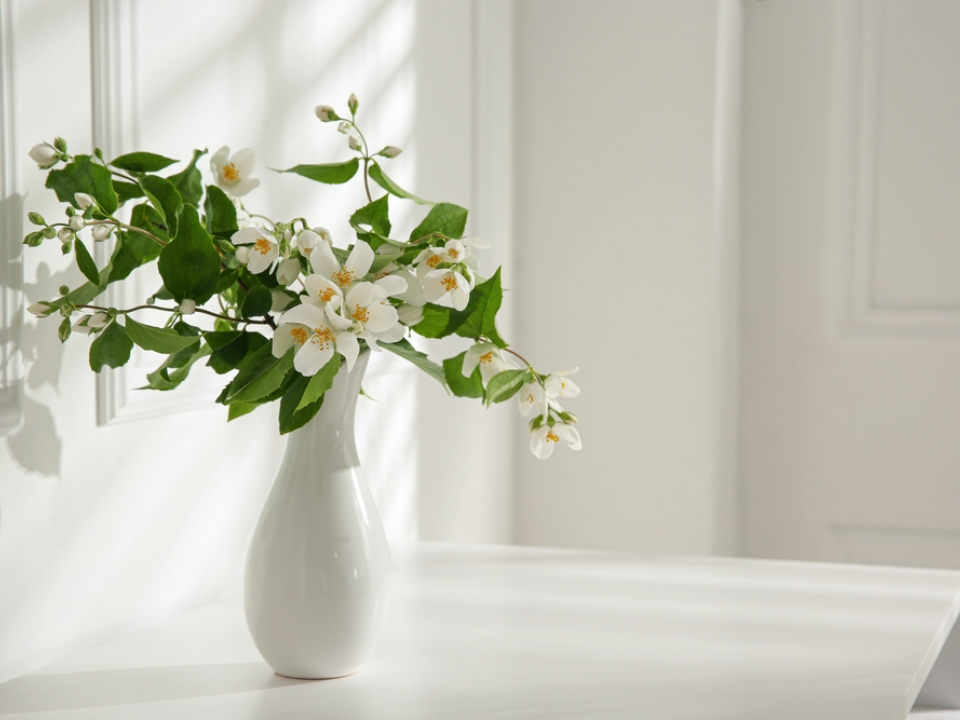
Jasmine is known for its sweet scent that carries well indoors. It prefers bright light near a window and steady watering without soggy soil. Many people place it in living rooms where air circulation helps spread its fragrance. Bloom time often brings the strongest scent during colder months.
During the day, jasmine benefits from sunlight, while cooler nights help support flowering. A small trellis can guide its vines and keep growth tidy. Pruning after blooms fade helps keep the plant healthy. Its scent is strongest in the evening, which suits quiet indoor hours.
Gardenia
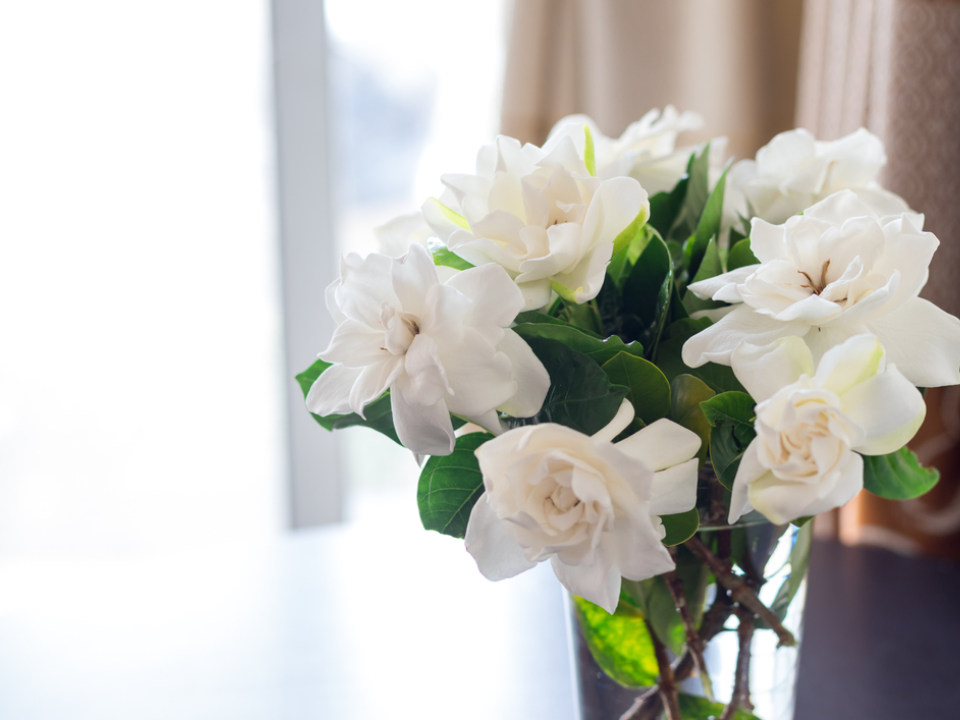
Gardenia produces creamy white flowers with a rich fragrance. It needs bright light and consistent moisture to stay happy indoors. Dry air can cause buds to drop, so gentle humidity helps. Many gardeners keep it away from heating vents.
The glossy leaves add visual appeal even when the plant is not blooming. Watering should be even, with no long dry periods. Gardenias prefer stable temperatures without sudden changes. When cared for well, the scent fills nearby rooms.
Lavender
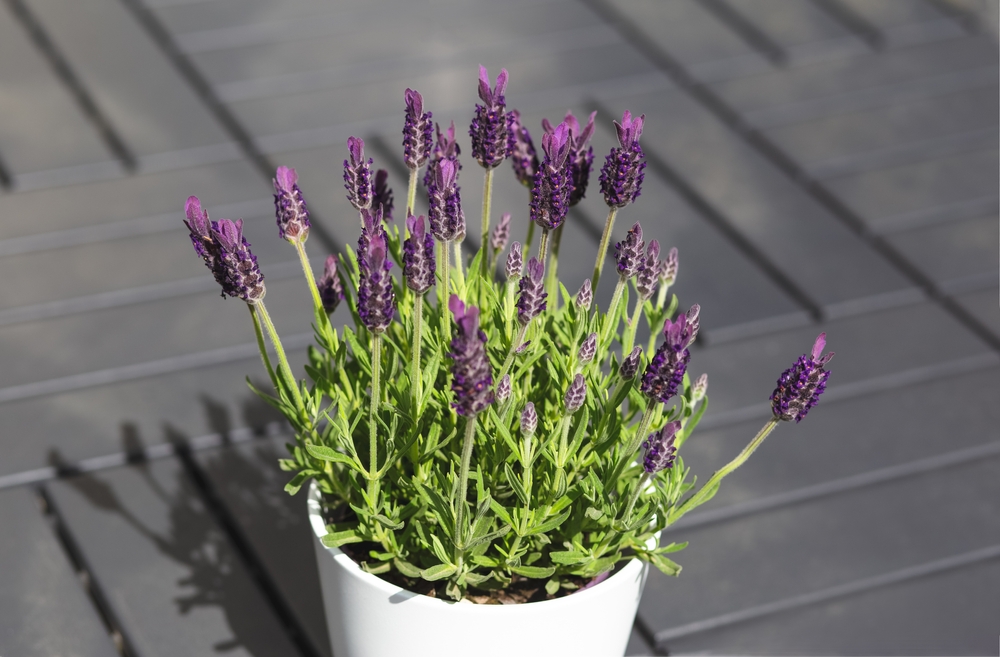
Lavender brings a clean and calming scent indoors. It grows best near a sunny window with good airflow. Soil should dry slightly between watering. The plant stays compact when trimmed lightly.
Its scent is strongest when leaves or flowers are brushed by hand. Lavender prefers cooler indoor spots rather than warm rooms. It does well in clay pots that allow moisture to escape. Many gardeners enjoy its scent throughout the day.
Eucalyptus
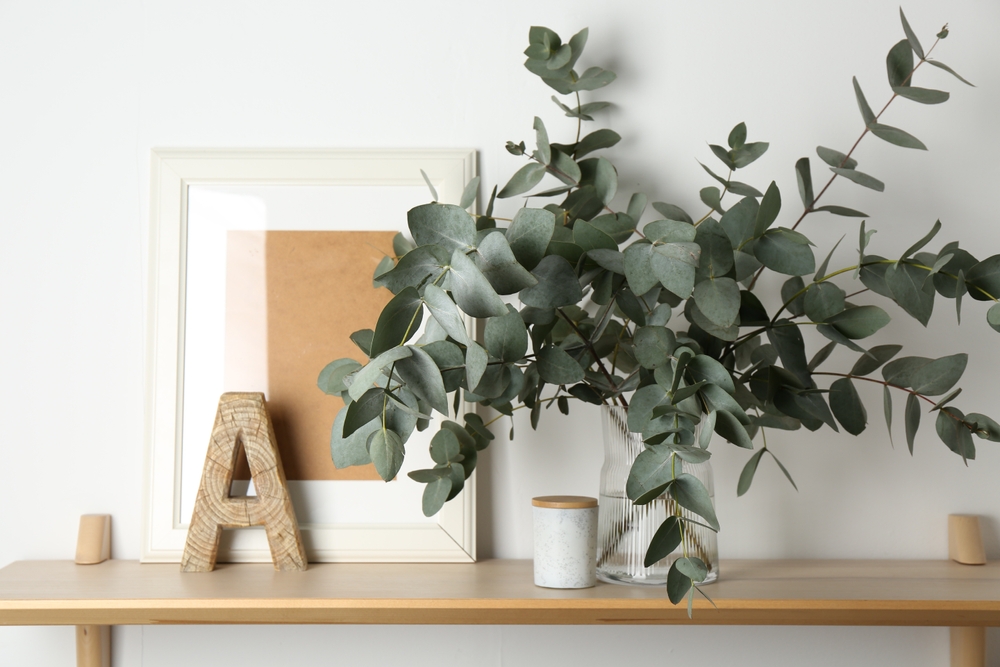
Eucalyptus offers a fresh and crisp scent that feels clean. Young plants adapt well to indoor conditions with bright light. Leaves release scent naturally without flowers. A spot near a window works best.
Watering should be moderate, allowing the soil to dry slightly. Rotating the plant helps it grow evenly. Pruned stems can be used in vases to spread fragrance. The scent stays present without being overpowering.
Scented Geranium
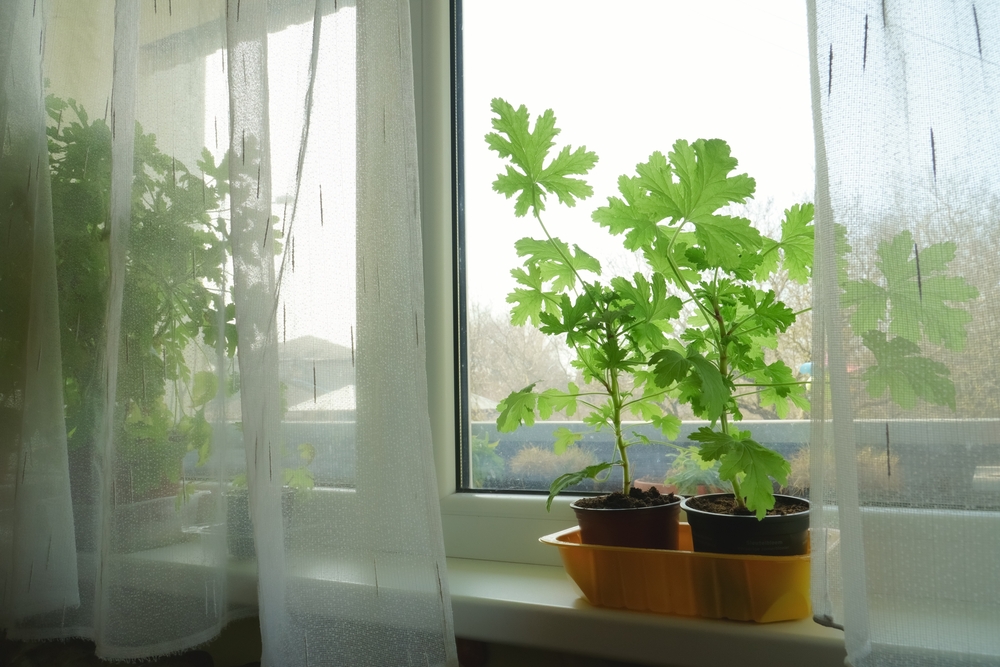
Scented geraniums release fragrance through their leaves rather than blooms. Scents range from rose to citrus, depending on the variety. They prefer bright light and light watering. Leaves release scent when gently touched.
This plant stays compact and works well on windowsills. Dry soil between watering helps avoid root issues. Trimming encourages fuller growth. Many people enjoy brushing the leaves while passing by.
Hoya
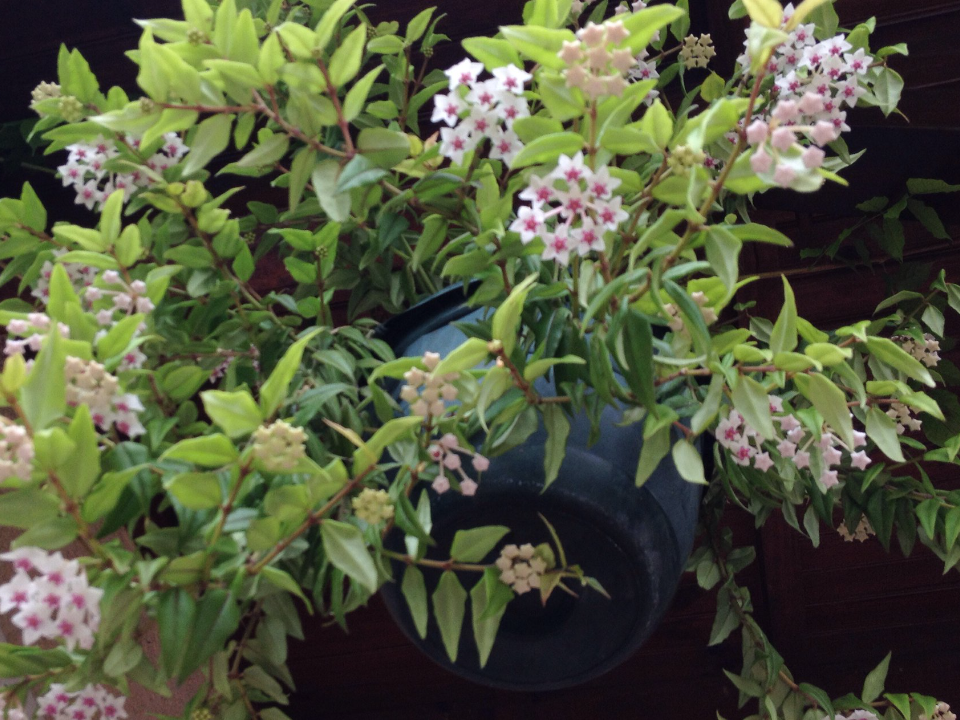
Hoya plants produce waxy flowers with a soft, sweet scent. They prefer bright indirect light and light watering. Blooms often appear once the plant settles into its space. The scent becomes stronger in the evening.
Vines can trail or climb with simple support. Hoyas prefer staying slightly root-bound. Overwatering can cause leaf drop. Once blooming begins, the scent lingers gently in the room.
Paperwhite Narcissus
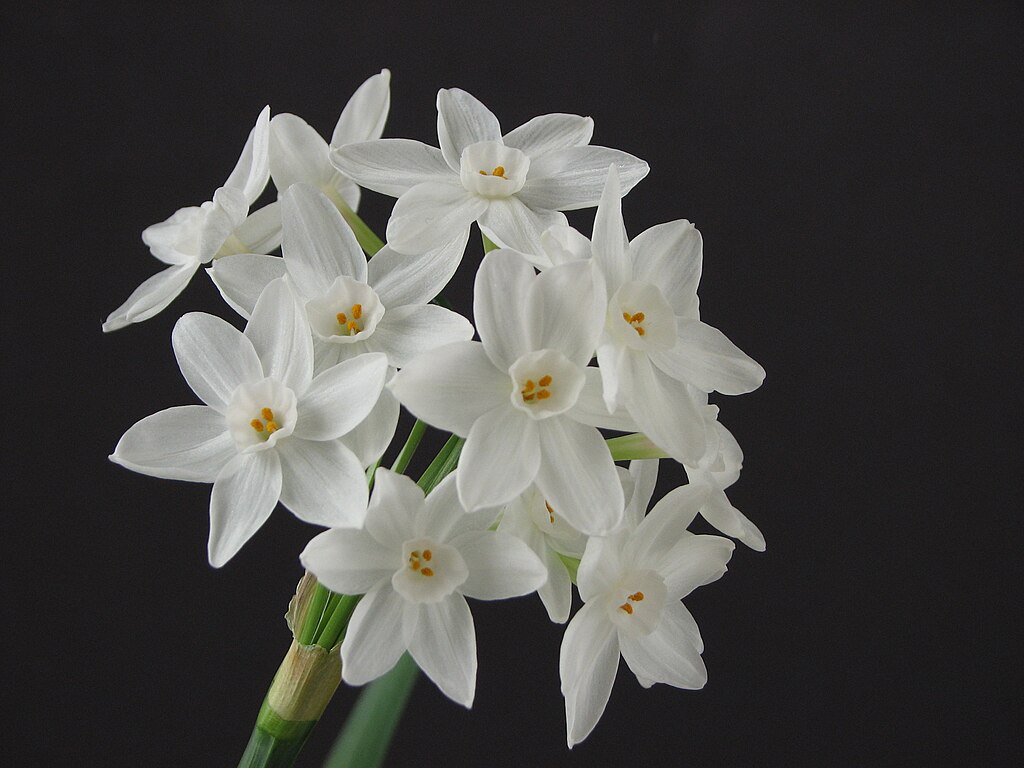
Paperwhite narcissus blooms indoors during colder months with ease. The flowers give off a strong and recognizable scent. Bulbs grow well in water or soil near bright light. Many people grow them on windowsills.
Flowers appear within a few weeks of planting. The scent can fill a room quickly, so placement matters. Cool temperatures help blooms last longer. After flowering, the bulbs can be composted.
Stephanotis
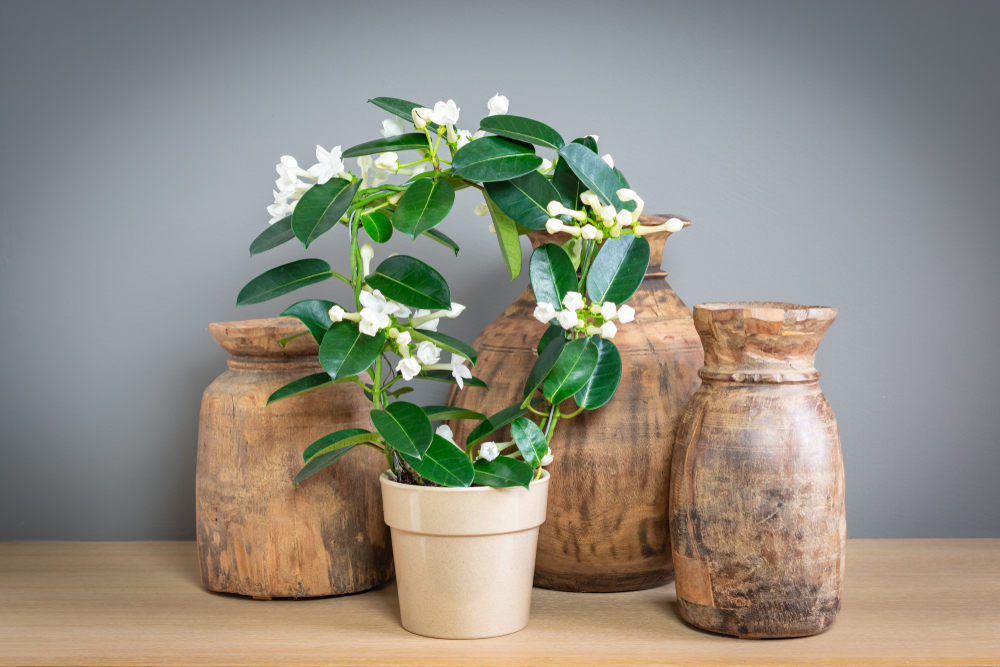
Stephanotis produces star-shaped white flowers with a smooth fragrance. It prefers bright light and steady warmth indoors. Vines often grow along small hoops or supports. Blooming periods bring a noticeable scent.
Watering should stay even without soaking the soil. Leaves remain glossy when the humidity is steady. This plant grows slowly but steadily. Its flowers are often used in floral arrangements.
Mint
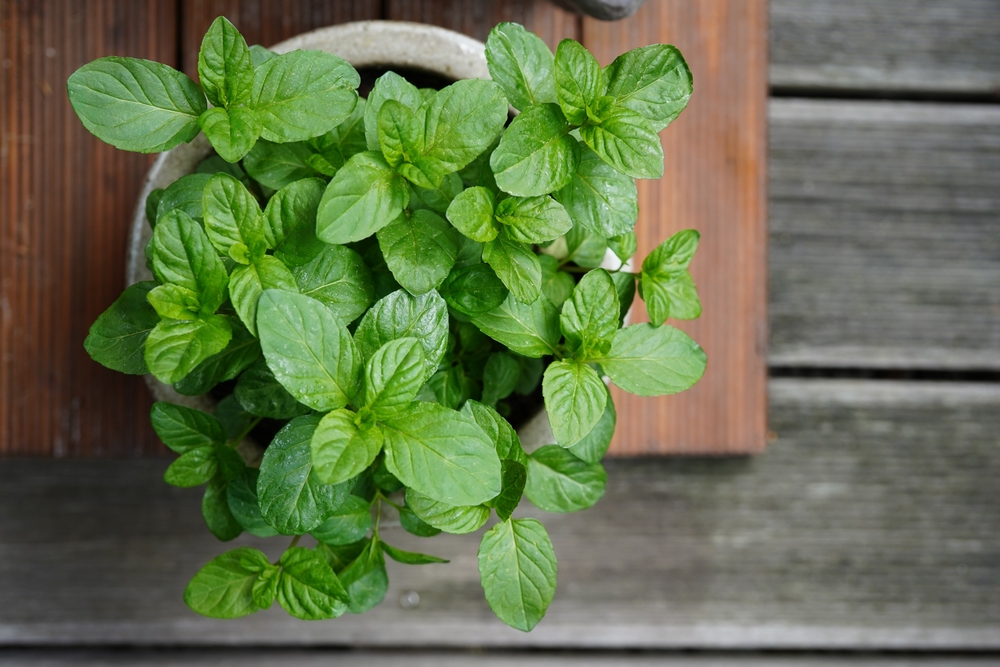
Mint grows easily indoors and releases a fresh scent. It prefers bright light and evenly moist soil. Leaves grow quickly and can be harvested often. The scent becomes stronger when the leaves are touched.
Keeping mint in a separate pot prevents spreading. Regular trimming helps keep growth full. It tolerates cooler indoor spots well. Many gardeners enjoy its scent near kitchens.
Lemon Balm
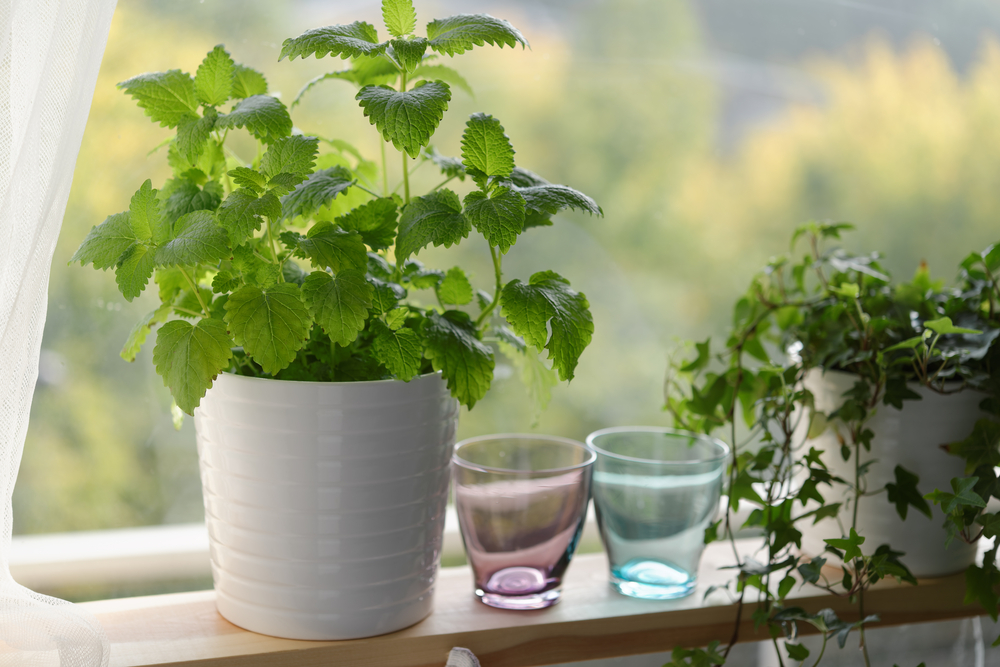
Lemon balm has soft leaves with a light citrus scent. It grows well indoors with bright light and regular watering. The plant stays manageable with frequent trimming. Its scent feels gentle rather than strong.
Leaves release aroma when brushed or cut. Lemon balm prefers cooler rooms. Overwatering can cause yellow leaves. Many people keep it near seating areas.
Rosemary
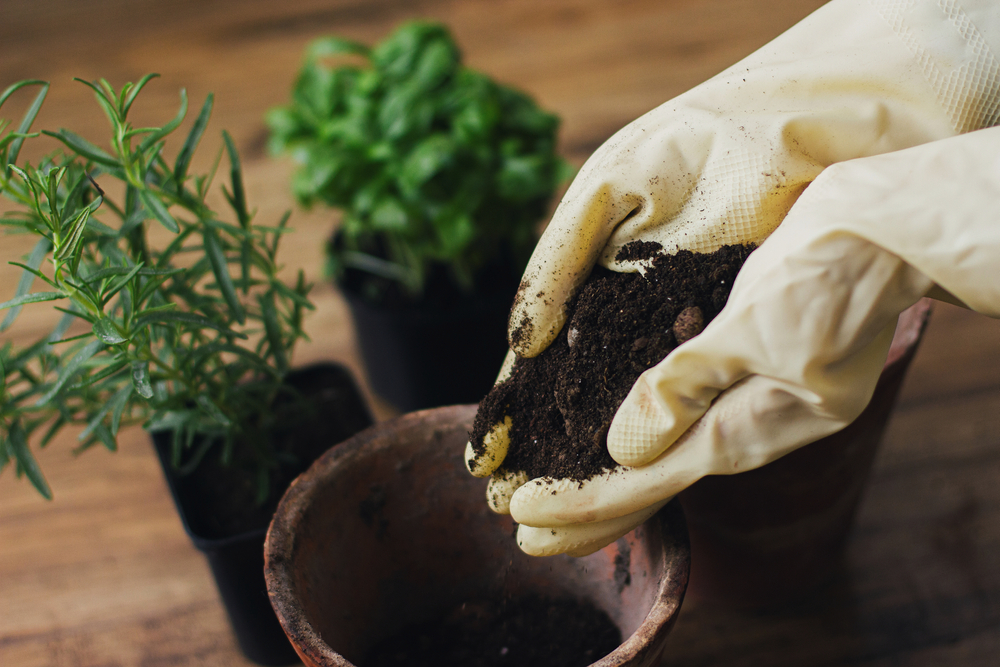
Rosemary offers a pine-like scent that feels grounding. It needs strong light and well drained soil indoors. Watering should be light and spaced out. Airflow helps keep leaves healthy.
Pruning helps keep the plant compact. Leaves release scent naturally without flowers. Rosemary does well in cooler rooms. Many gardeners enjoy its scent during daily tasks.
Kaffir Lime
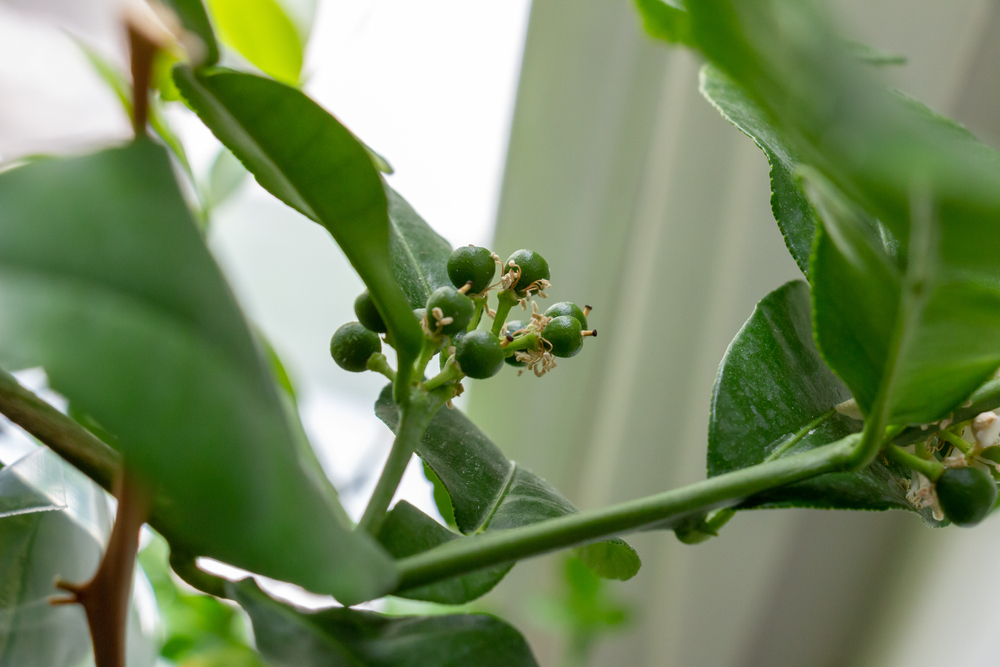
Kaffir lime trees have glossy leaves with a citrus scent. Leaves are the main source of fragrance rather than flowers. Bright light and warmth help growth indoors. The scent releases when leaves are handled.
Watering should be steady without soggy soil. The plant prefers stable temperatures. Leaves are often used in cooking. Its scent feels fresh and familiar.
This article originally appeared on Avocadu.