
13 Vintage Holiday Decorations Collectors Hunt for in December
Older holiday decorations often stand out because they feel familiar and meaningful. Collectors are drawn to items that show age, character, and original details. These pieces often remind people of childhood homes or long-held traditions. Talking about them brings a sense of connection across generations.
This post may contain affiliate links, which helps keep this content free. Please read our disclosure for more info.
Shiny Brite Glass Ornaments
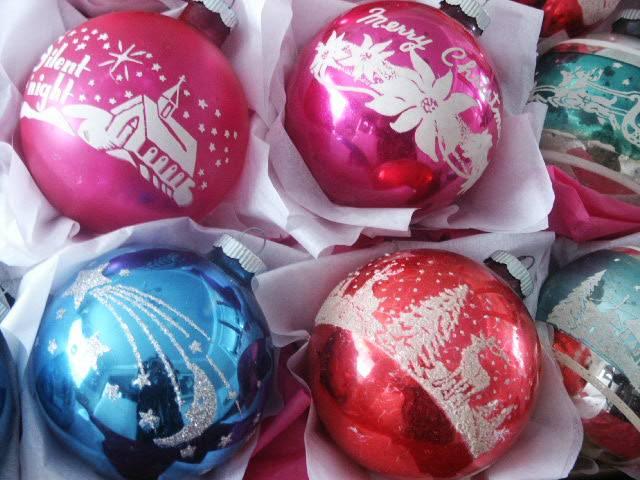
Produced mainly in the 1940s and 1950s, these ornaments became common in American holiday decorating after the war. Collectors hunt for them because they were hand painted and packed in colorful divided boxes. Shiny Brite is the brand most strongly associated with these glass sets. Market value usually ranges from $150 to $400 for complete boxed assortments. Condition of the paint and box plays a major role in pricing.
What keeps collectors interested each December is how well these ornaments reflect mid century style. Families enjoy their soft shine and classic shapes. Common designs include rounds, teardrops, and indents. Light wear is typical and often accepted. Original boxes increase demand significantly.
Blow Mold Santa Figures
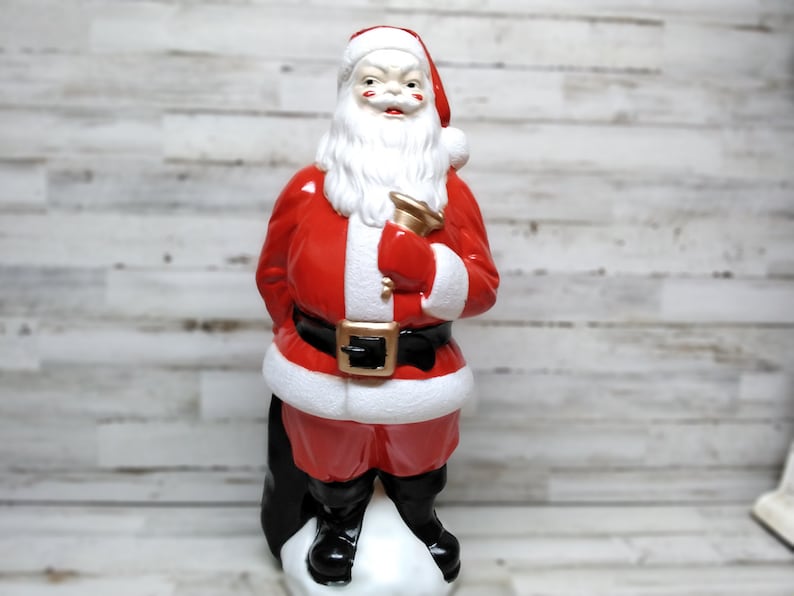
Large plastic Santa figures became popular during the 1950s with the rise of outdoor decorating. Collectors look for early examples because they mark a shift in holiday display trends. Empire Plastics is one of the most recognized brands from this period. Values range from $200 to $600 depending on size and condition. Original wiring adds noticeable value.
These figures remain popular because many families remember them from childhood yards. Paint fading lowers value but does not remove interest. Cracks or repairs reduce pricing. The soft glow makes them appealing for seasonal displays. December demand stays strong for intact examples.
Feather Christmas Trees
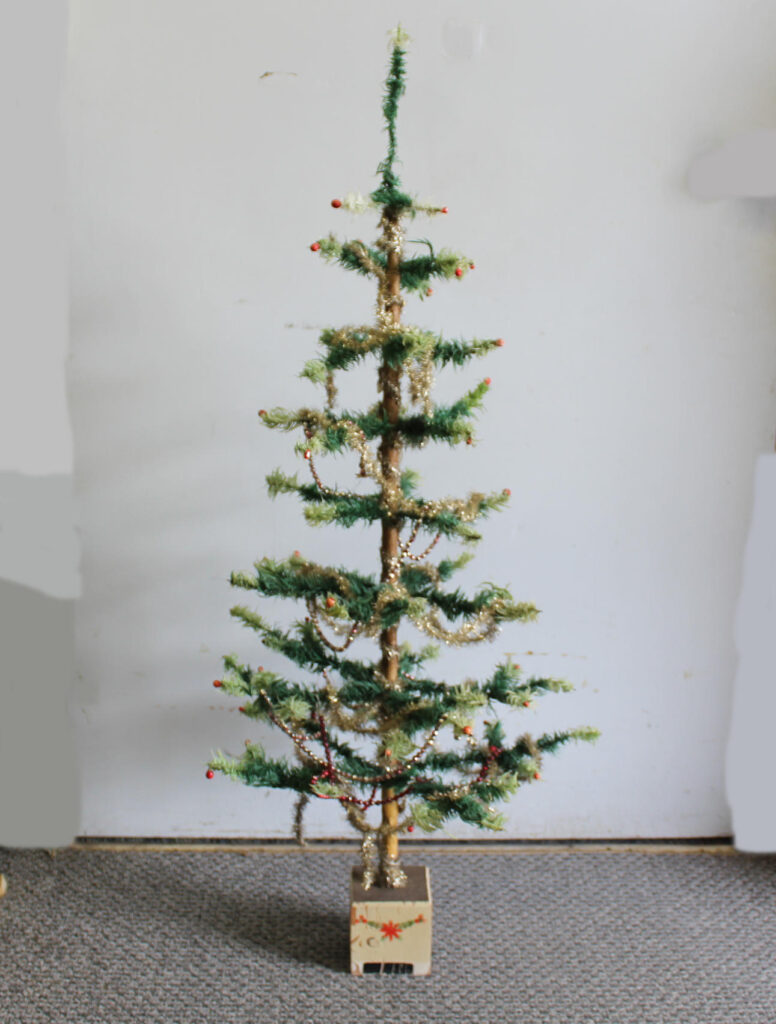
Feather trees date back to the early 1900s and were used before modern artificial trees became common. Collectors value them due to their connection to early European traditions. Belsnickle is a known brand associated with antique style feather trees. Authentic examples often sell for $300 to $1,000. Height and feather spacing strongly affect price.
What draws attention is their compact size and unusual texture. Families often use them on tables or mantels. Green trees are most common, while white versions bring higher prices. Missing branches lower value. Interest rises sharply in December.
Glass Tree Toppers
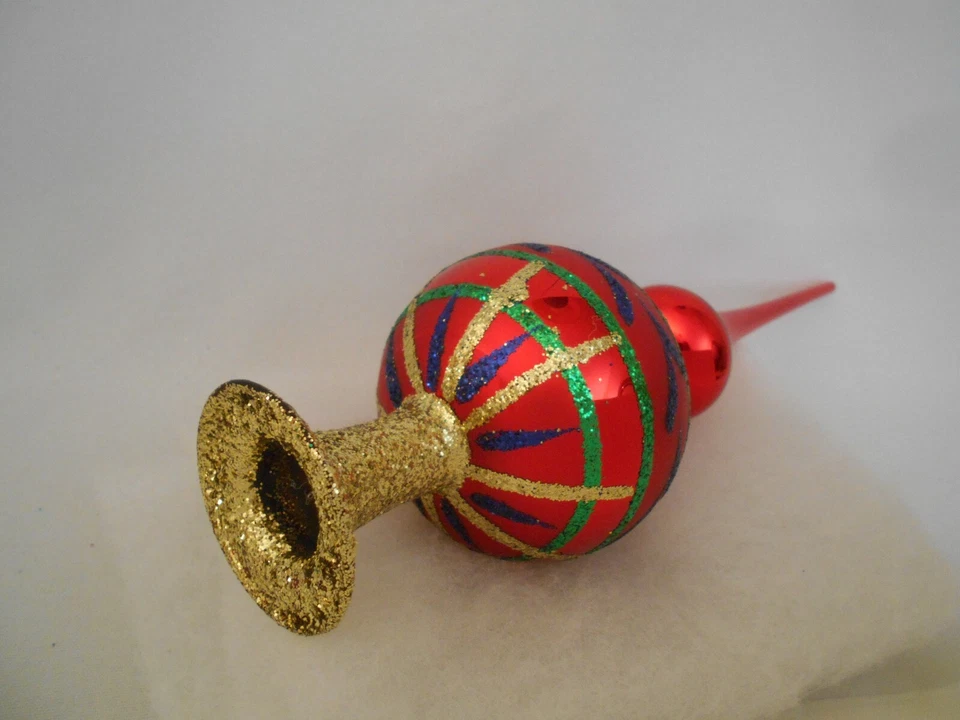
Tall glass toppers were widely produced between the 1930s and 1950s. Collectors seek them to complete vintage tree displays. Inge Glas is a brand tied to early German glass production. Prices usually range from $100 to $350. Hand painted details raise value.
These toppers stand out due to their height and reflective finish. Families enjoy using them as focal points. Star and finial shapes are most requested. Small chips near the base are common. Careful storage helps maintain value.
Putz Cardboard Village Houses
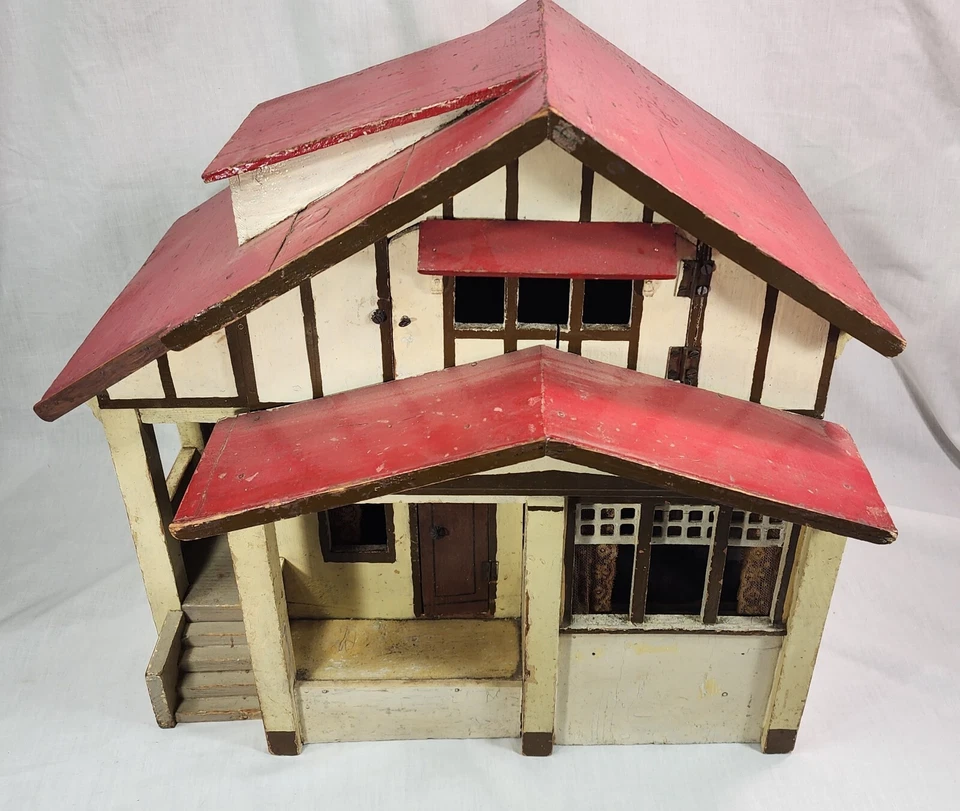
Cardboard village houses were produced mainly from 1910 through the 1930s. Collectors hunt for them because of their glittered roofs and painted windows. Moritz Gottschalk is a well-known German maker of these houses. Individual pieces often sell for $75 to $250. Complete village sets bring higher prices.
Their appeal comes from their handmade look and soft sparkle. Families use them to create winter scenes. Original mica glitter increases value. Fading paint is expected with age. December displays keep demand high.
Ceramic Christmas Trees
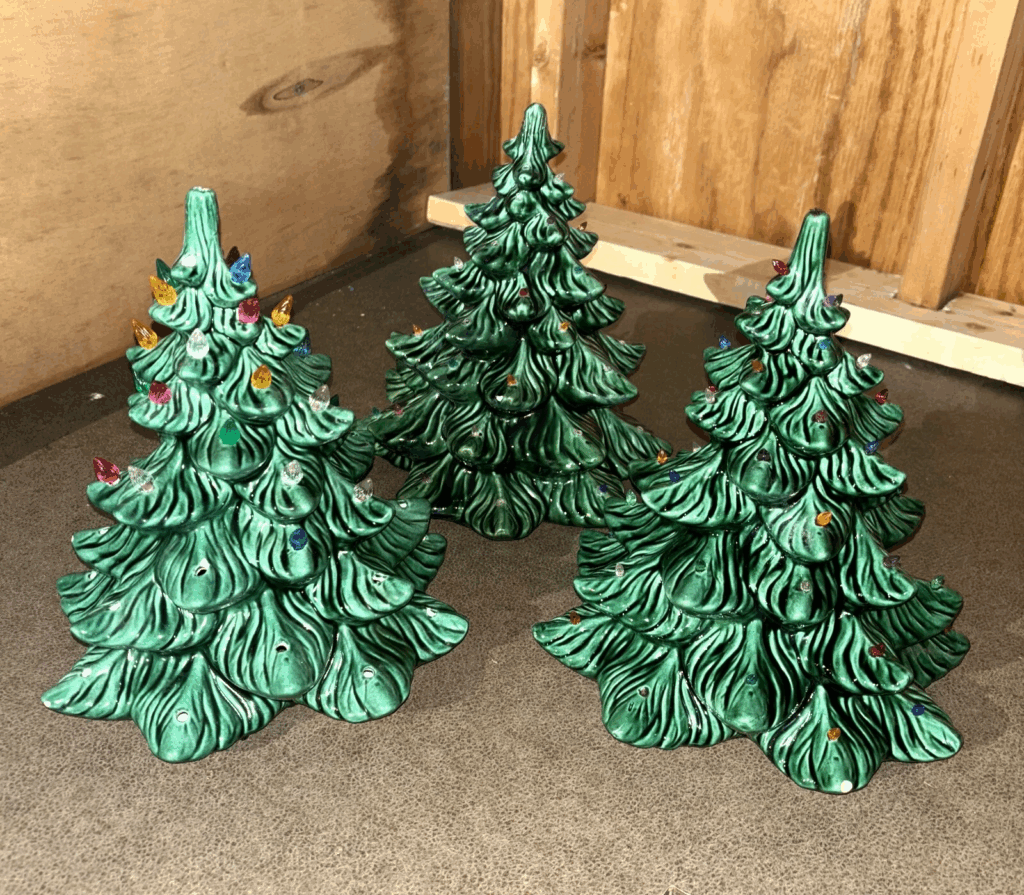
Ceramic light-up trees became popular during the 1960s and 1970s. Collectors value them due to strong family associations. Atlantic Mold produced many of the molds used for these trees. Prices typically range from $80 to $300. Color and height influence value.
What keeps interest strong is the glowing plastic bulbs. Families remember them on mantels and side tables. White trees with multicolor lights are especially popular. Missing bulbs lower value. December remains the peak season for these pieces.
Vintage Tinsel Garlands
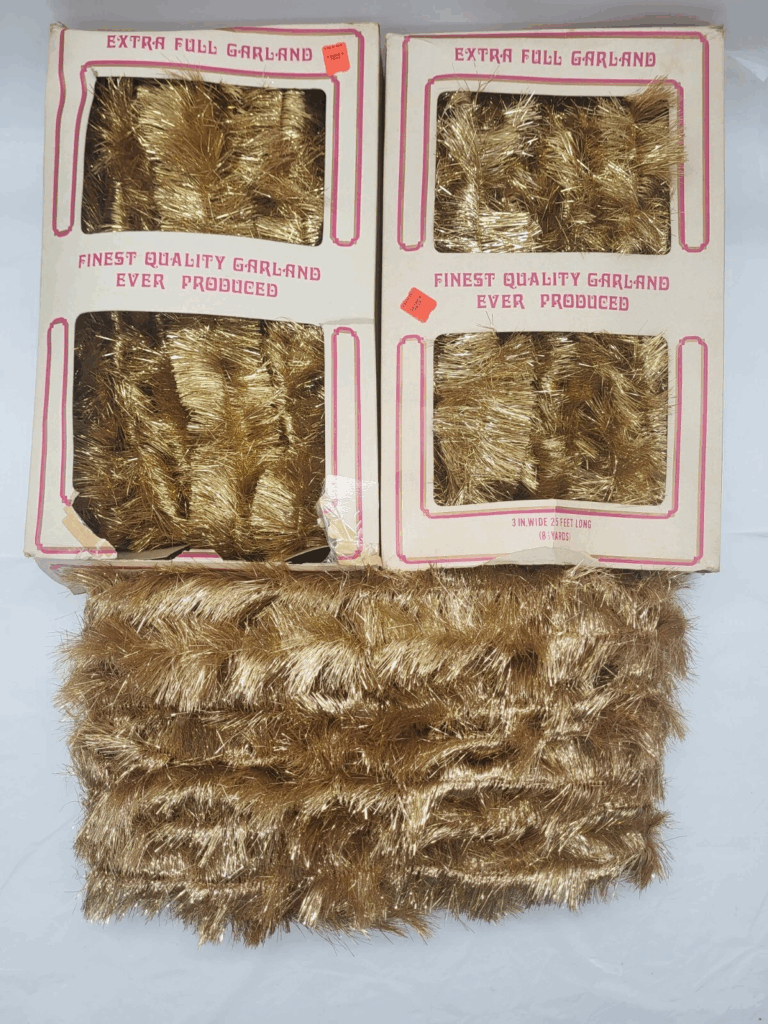
Metal tinsel garlands were widely used from the 1920s through the 1950s. Collectors search for older versions because they feel heavier than modern types. Kurt Adler is a recognized brand tied to holiday garlands. Boxed strands often sell for $50 to $150. Original packaging increases value.
These garlands reflect light softly on trees and shelves. Families enjoy their shimmer during evening hours. Tarnishing is common and often accepted. Broken strands lower interest. December decorating keeps demand steady.
Spun Cotton Ornaments
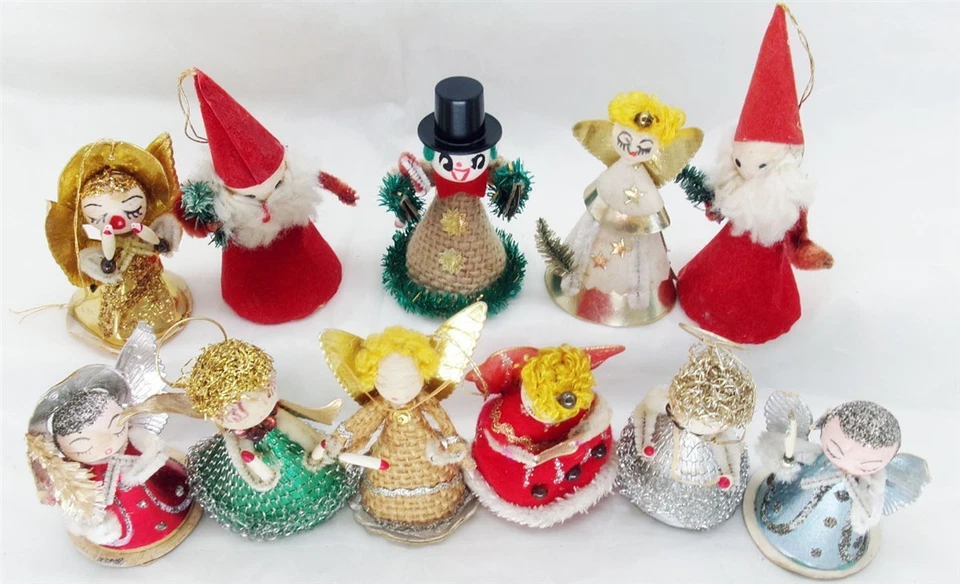
Spun cotton ornaments date back to the early 1900s. Collectors value them for their fragile and handmade appearance. Schuco is a known German brand linked to these decorations. Prices usually range from $75 to $300. Condition plays a major role in pricing.
Their appeal comes from their soft snow like texture. Families enjoy animal and figure designs. Moisture exposure causes damage over time. Repairs lower value. These ornaments are often stored carefully after the season.
Paper Honeycomb Decorations
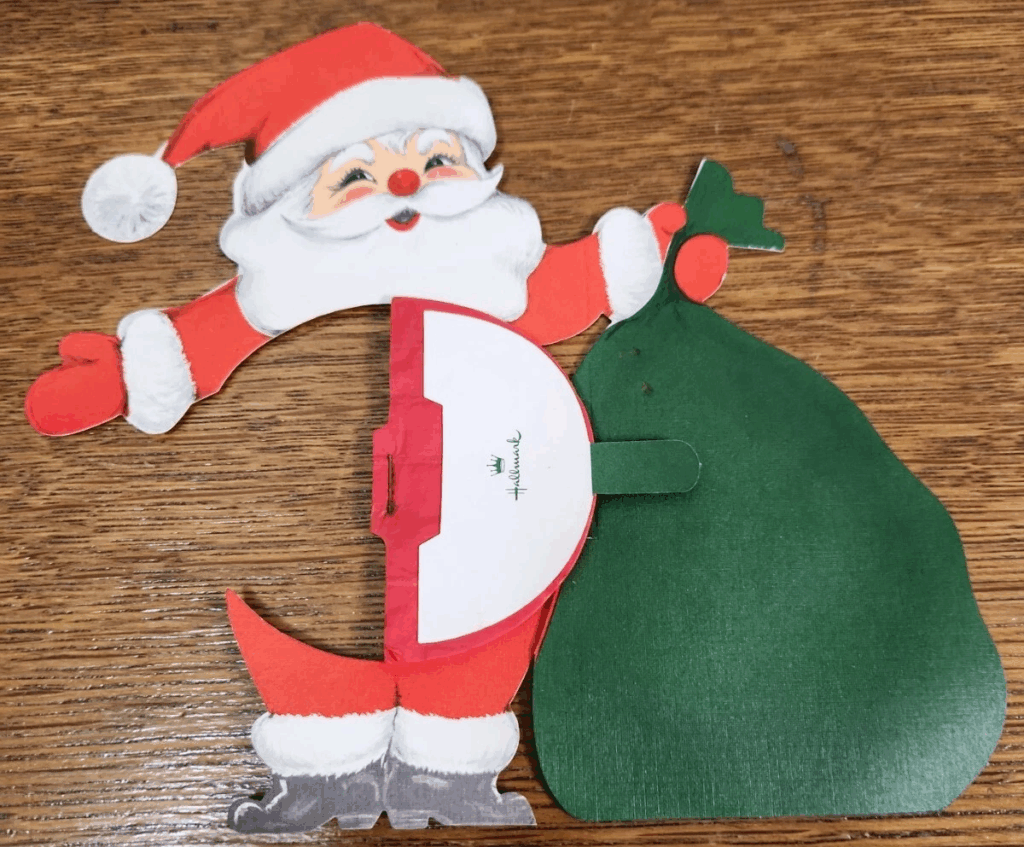
Paper honeycomb decorations became popular in the 1940s and 1950s. Collectors hunt for them because of their fold out construction. Hallmark produced many well-known examples. Prices range from $60 to $200. Original hanging strings raise value.
Their charm comes from simple materials and bright colors. Families often hang them in windows. Light exposure can fade paper. Tears reduce interest. December use keeps them popular.
Vintage Advent Calendars
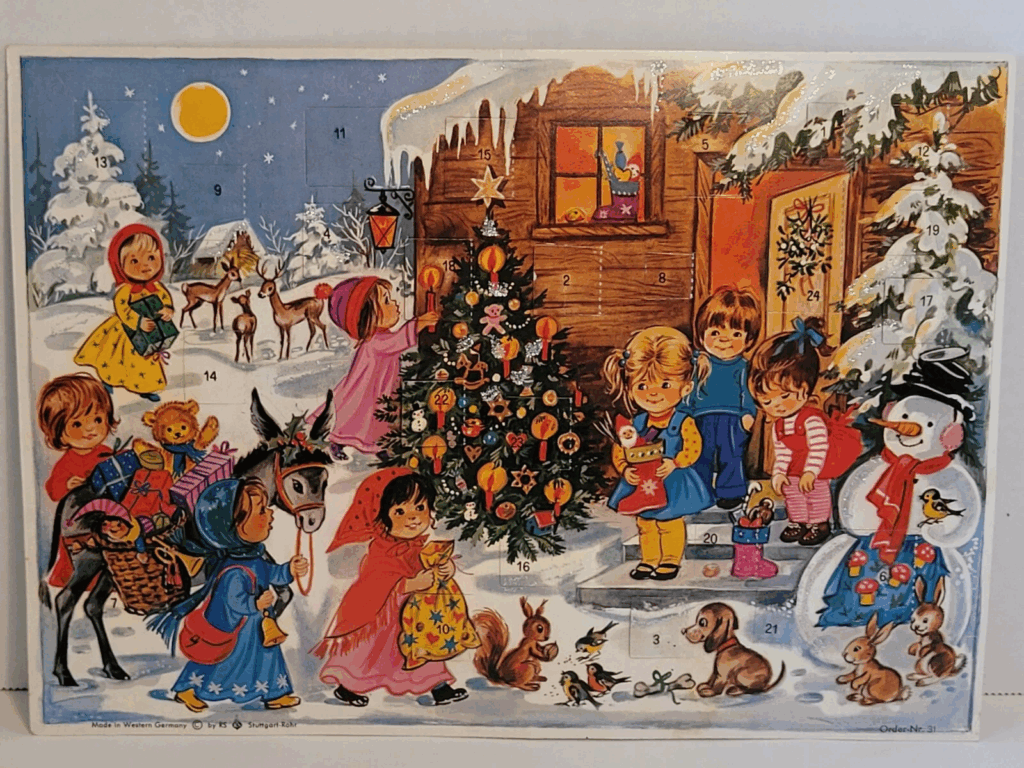
Printed advent calendars appeared widely during the 1920s and 1930s. Collectors value them for detailed artwork. Prices range from $100 to $400. Unopened doors raise value significantly.
Their appeal lies in daily holiday tradition. Families enjoy using them as countdown displays. Bright scenes attract attention. Missing flaps lower value. December remains the main display season.
Glass Icicle Ornaments
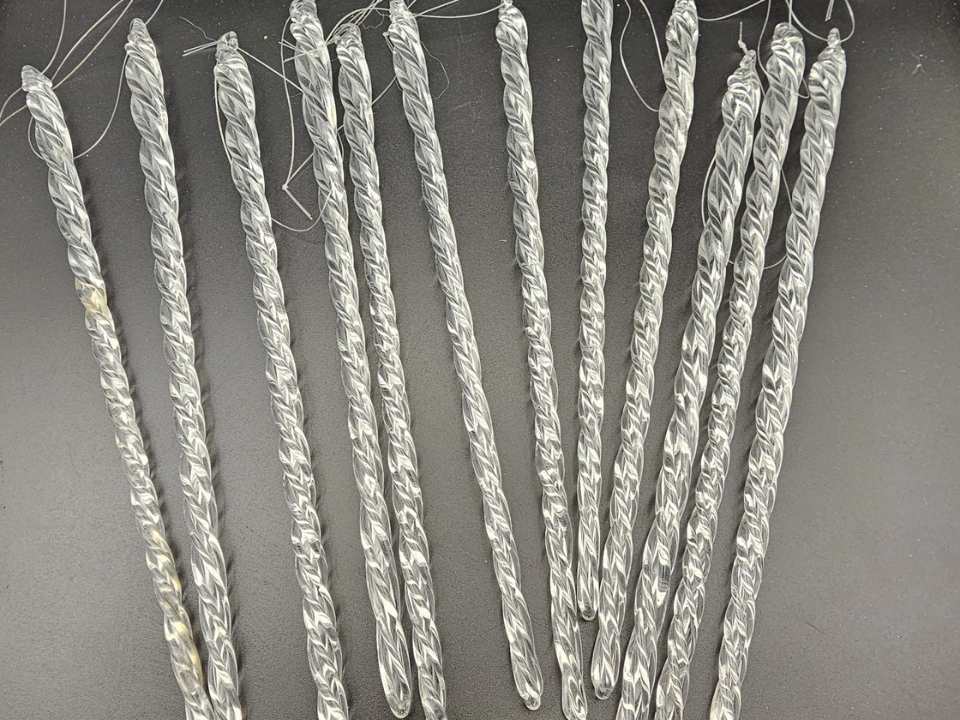
Glass icicles were popular during the 1930s and 1940s. Collectors hunt for thin hand blown examples. Shiny Brite produced boxed icicle sets during this period. Prices range from $50 to $200 per set. Breakage lowers value.
These icicles add sparkle to trees. Families enjoy their delicate appearance. Longer pieces bring higher prices. Chips reduce interest. December decorating keeps demand strong.
Flocked Bottle Brush Trees
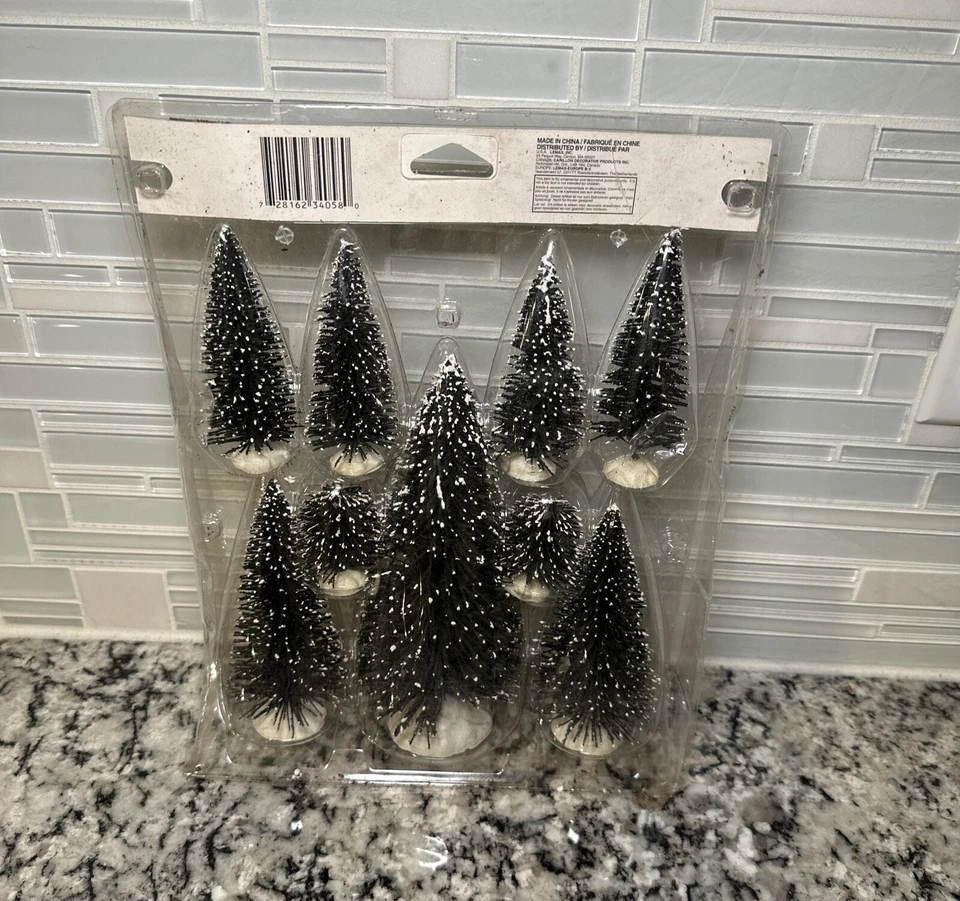
Bottle brush trees became widely used in the 1940s and 1950s. Collectors value early flocked examples. Made Rite Toys is a known producer of holiday brush trees. Prices range from $60 to $250. Height and color influence value.
Their snowy texture makes them popular for winter scenes. Families place them on mantels and shelves. Green trees with white flocking are common. Flocking loss lowers value. December displays increase interest.
Vintage Lighted Window Candles
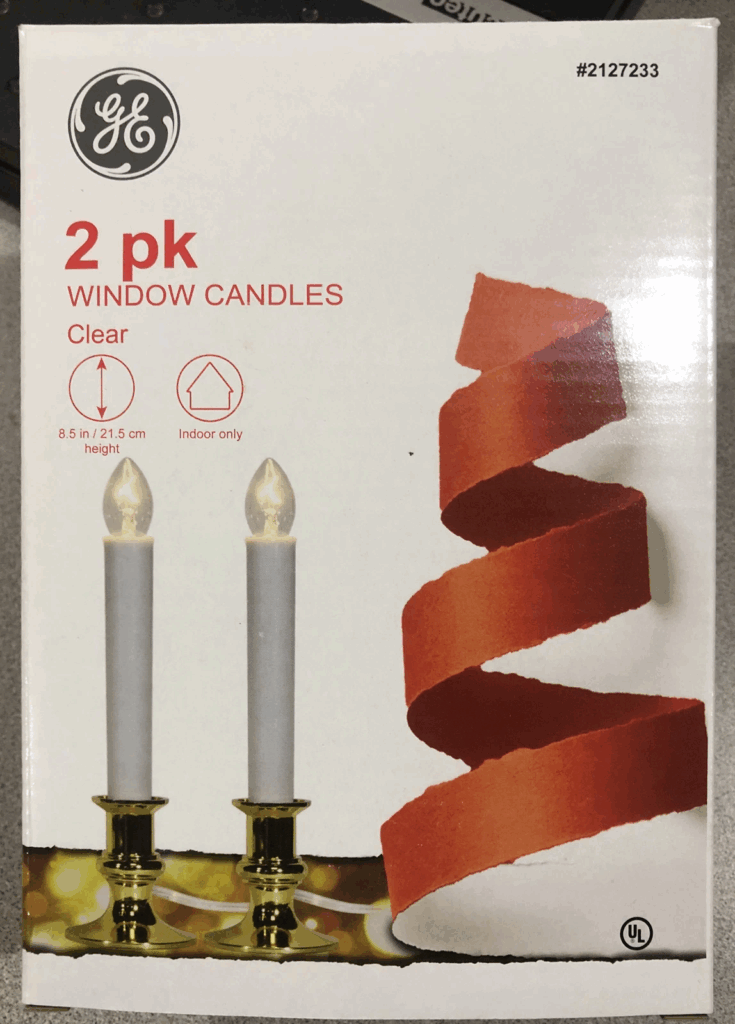
Electric window candles became popular during the 1930s and 1940s. Collectors hunt for early working sets. General Electric is a widely recognized brand. Prices range from $150 to $500. Original cords increase value.
These candles symbolized welcome during the holidays. Families remember seeing them glowing in windows. Bakelite bases raise interest. Cracks lower price. December remains peak season for these displays.
This article originally appeared on Avocadu.