
10 Tips for Making Your Home More Energy-Efficient in December
December often brings colder temperatures and higher electricity bills as heating systems work harder to keep homes comfortable. Making small changes around the house can help reduce energy use while still maintaining warmth throughout the season. Simple habits and practical adjustments can limit heat loss, reduce unnecessary power use, and improve overall comfort. Focusing on energy efficiency during winter can make a noticeable difference in monthly electricity costs without requiring major upgrades.
This post may contain affiliate links, which helps keep this content free. Please read our disclosure for more info.
Seal Drafty Windows and Doors
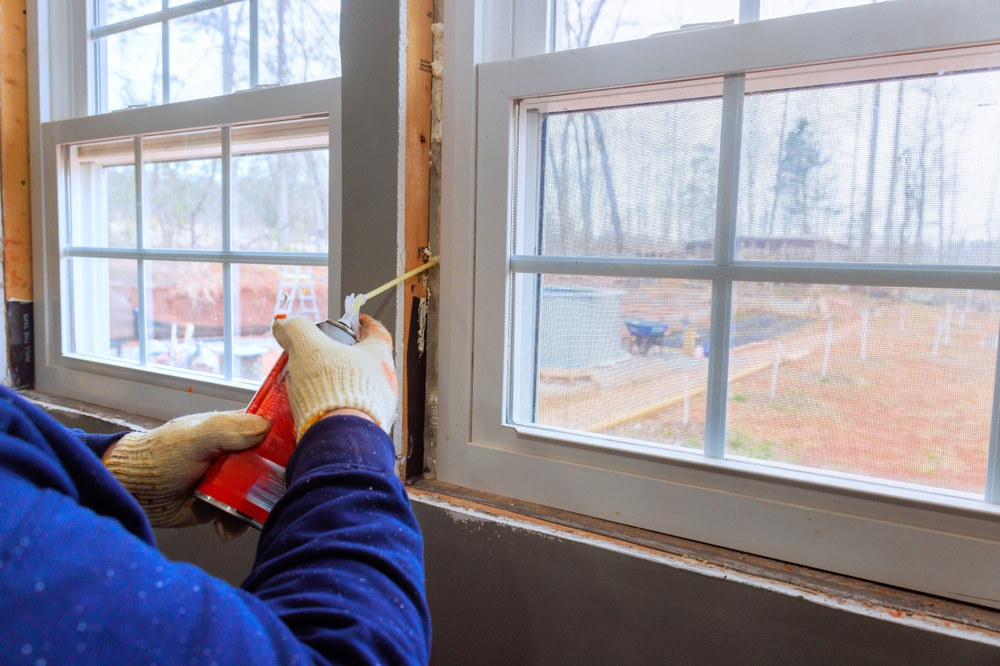
During December, even small gaps around windows and doors can allow cold air to enter and warm air to escape throughout the day and night. This constant air exchange causes heating systems to work longer and more often just to keep indoor temperatures steady. Over time, this leads to higher electricity use and noticeable increases in monthly utility bills. Drafts can also make certain rooms feel colder than others, which encourages people to raise the thermostat even more.
Applying weather stripping, door sweeps, or caulk helps block those unwanted air leaks and keeps heated air inside the home. When warm air remains indoors longer, heaters cycle less frequently and use less electricity overall. This simple step can lead to consistent indoor comfort while lowering energy use during the coldest weeks of December.
Use Heavy Curtains at Night
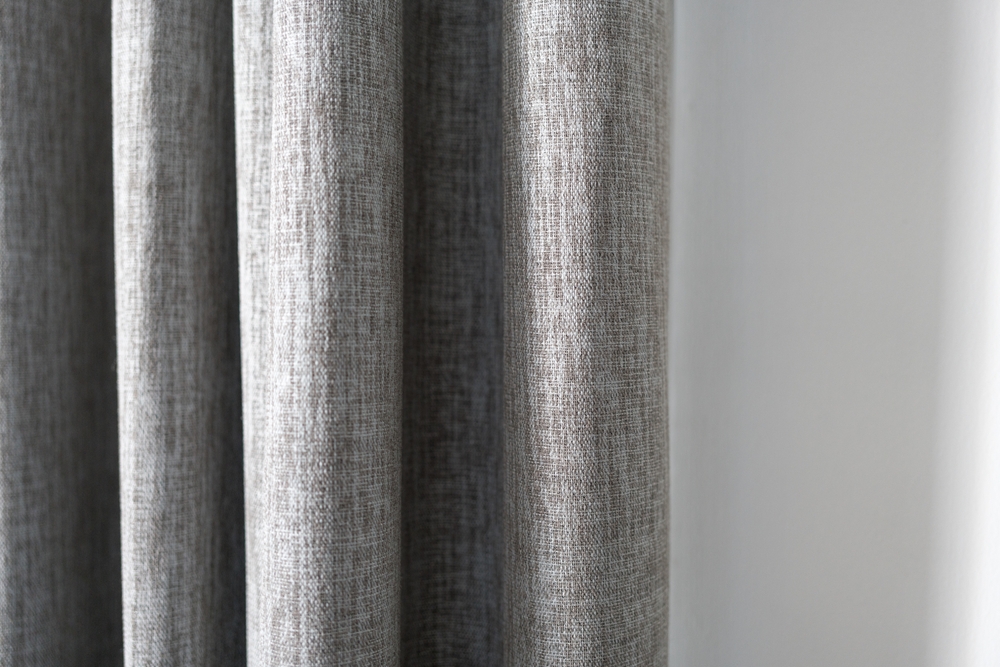
Windows are one of the largest sources of heat loss in winter, especially after sunset when outdoor temperatures drop quickly. Thin curtains or bare windows allow warmth to escape through the glass, forcing heaters to compensate for that loss. Heavy curtains create an extra layer between indoor air and cold glass, slowing heat transfer and keeping rooms warmer for longer periods. This can make a noticeable difference during overnight hours when heating systems often run continuously.
Opening curtains during the daytime allows sunlight to naturally warm rooms, especially those facing south or west. Closing them again before dusk helps trap that warmth inside. By working with daylight and nighttime temperature changes, this habit reduces electricity use while maintaining a comfortable indoor environment throughout December.
Lower the Thermostat Slightly
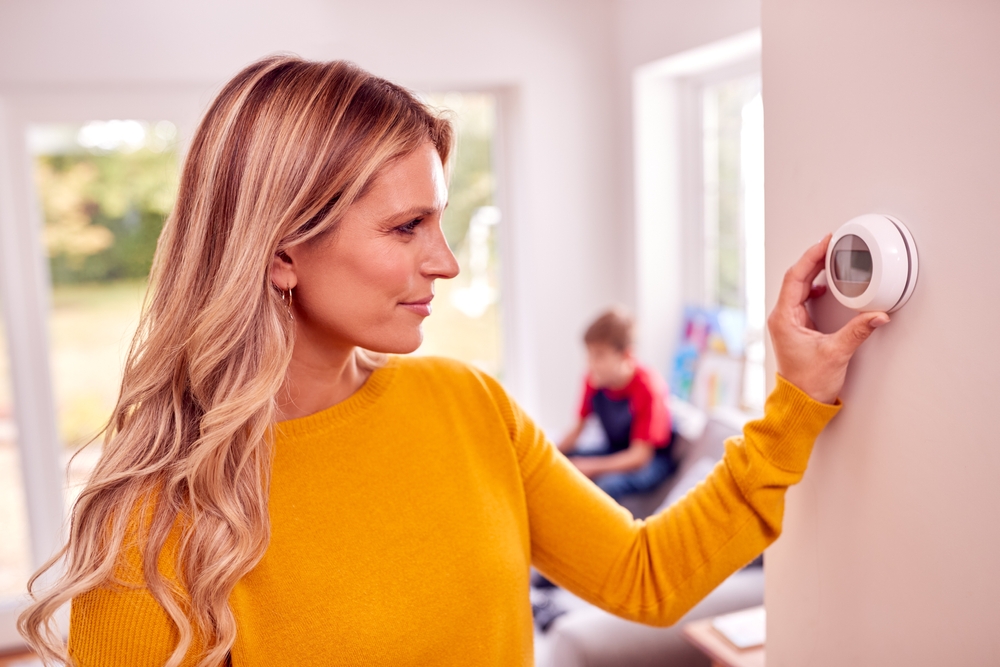
During December, heating accounts for a large share of household electricity use, especially when thermostats are set higher than needed. Lowering the thermostat by just a few degrees can reduce how often the heating system turns on throughout the day. Many people do not notice a major comfort change, especially when wearing warmer clothing indoors. Small adjustments add up over time and can noticeably reduce monthly electricity costs.
Keeping the thermostat lower at night or when the home is empty can further reduce energy use. Using blankets while sleeping or layering sweaters during the day allows the home to stay comfortable without extra heating. These habits reduce strain on heating equipment and help control electricity spending during winter.
Use Ceiling Fans on a Low Setting
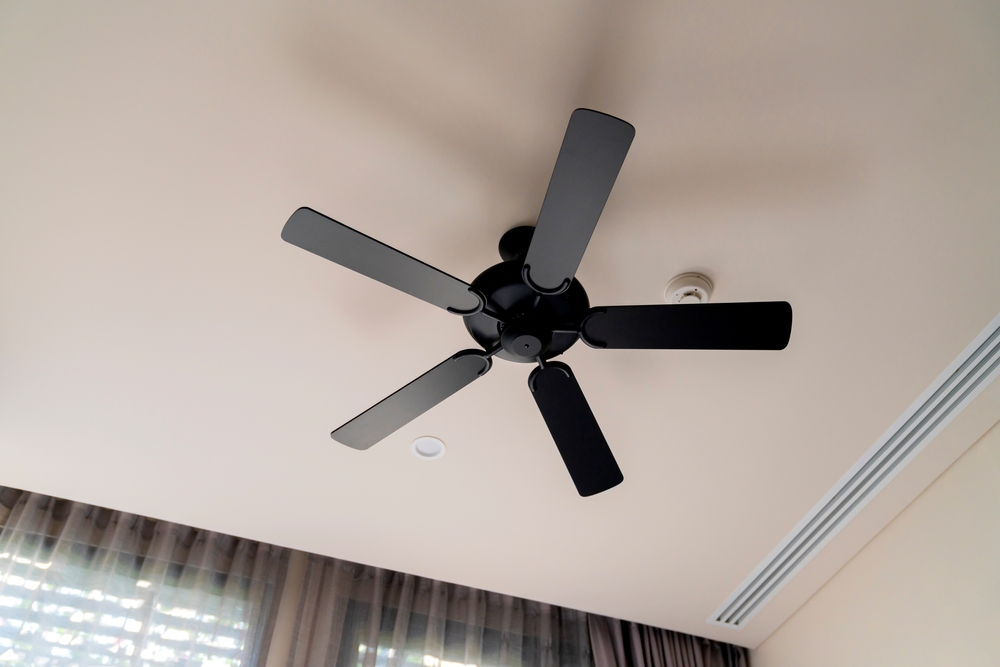
Warm air naturally rises and collects near ceilings, leaving cooler air closer to the floor. During December, this can cause heaters to work harder to warm living spaces where people spend their time. Running ceiling fans on a low speed in reverse helps push warm air back down into the room. This improves heat circulation without increasing electricity use significantly.
Better air circulation allows rooms to feel warmer at lower thermostat settings. As a result, heating systems cycle less often and consume less power overall. Ceiling fans use far less electricity than heaters, making this a practical habit for the winter months.
Replace Air Filters Regularly
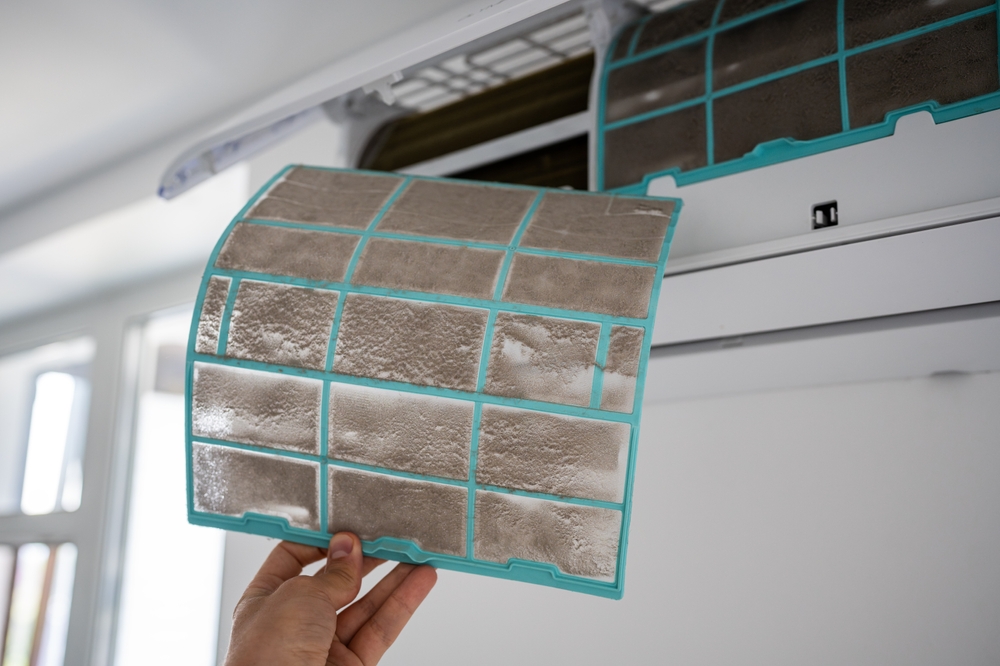
Dirty air filters make heating systems work harder during December because airflow becomes restricted. When air cannot move freely, the system takes longer to reach the desired temperature. This leads to higher electricity use and uneven heating throughout the home. Clean filters help maintain steady airflow and more consistent warmth in every room.
Replacing filters on a regular schedule reduces strain on the heating system. This helps lower electricity use while improving indoor air quality. It also supports longer system life by reducing unnecessary wear during peak winter use.
Close Off Unused Rooms
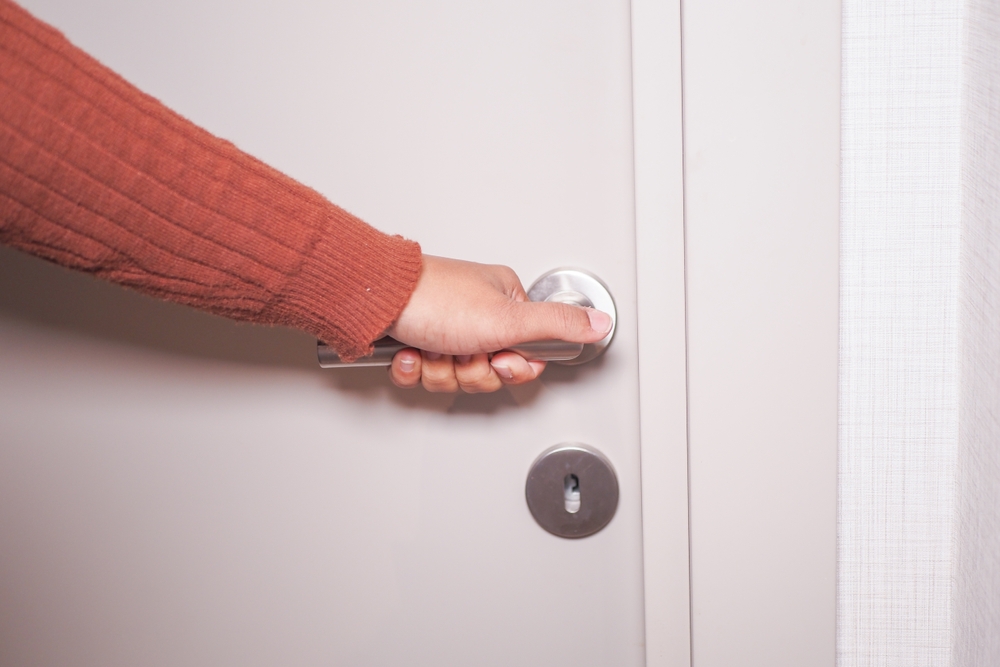
Heating rooms that are rarely used during December wastes electricity and raises overall energy use. Closing doors and vents in unused spaces helps concentrate heat in the areas where people spend the most time. This keeps living areas warmer without increasing heater run time. It also helps the system reach desired temperatures more quickly.
By limiting the heated space, the heating system cycles less often. This reduces electricity use while maintaining comfort in the main living areas. It also helps prevent cold drafts from unused rooms spreading into warmer spaces.
Use Area Rugs on Cold Floors
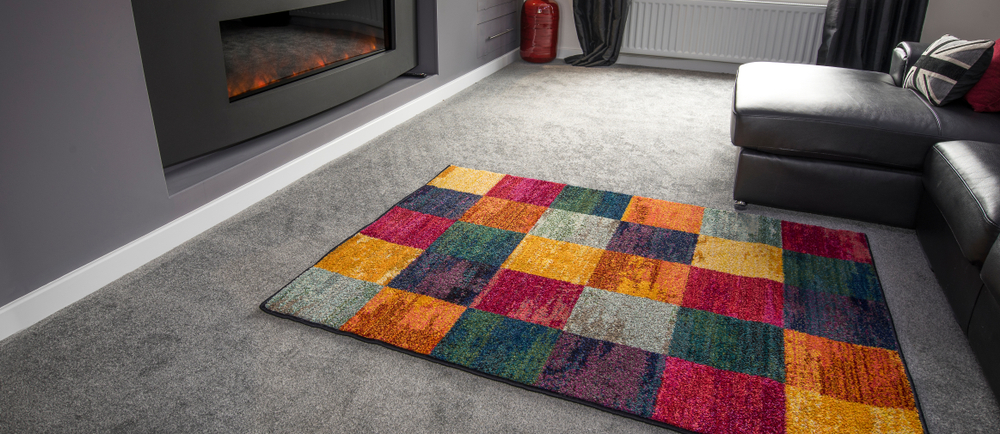
Hard floors can feel cold during December and allow heat to escape through the ground. Area rugs act as insulation by adding a barrier between feet and cold surfaces. This helps rooms feel warmer without raising the thermostat. Rugs are especially helpful in rooms with tile, wood, or concrete flooring.
Warmer floors improve overall comfort, reducing the urge to increase heating levels. This leads to lower electricity use throughout the month. Rugs also help reduce drafts that move across floors in colder homes.
Turn Off Space Heaters When Not Needed

Space heaters use a large amount of electricity, especially when left running for long periods. In December, it is common to forget to turn them off when leaving a room. This leads to unnecessary electricity use and higher bills. Using them only when needed helps control energy spending.
Relying more on central heating and less on space heaters helps reduce power use. Turning off heaters when sleeping or leaving the home makes a noticeable difference over time. This habit also supports safer indoor conditions during winter.
Keep Heating Vents Clear
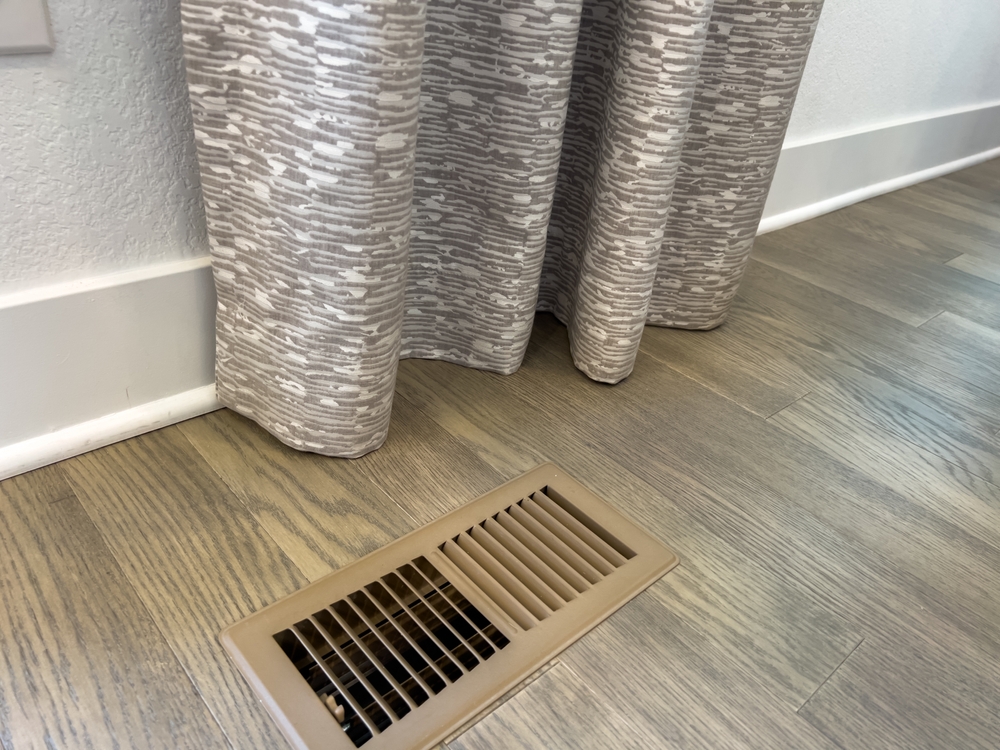
Blocked vents prevent warm air from circulating properly through a room. Furniture, curtains, or rugs placed over vents cause heat to build up in the system rather than warming the space. This forces heaters to run longer and use more electricity during December. Clear vents allow warm air to spread evenly.
Good airflow helps rooms heat faster and stay comfortable longer. This reduces the need to raise thermostat settings. Keeping vents clear is a simple habit with long-term benefits for energy use.
Cook More Meals in the Oven
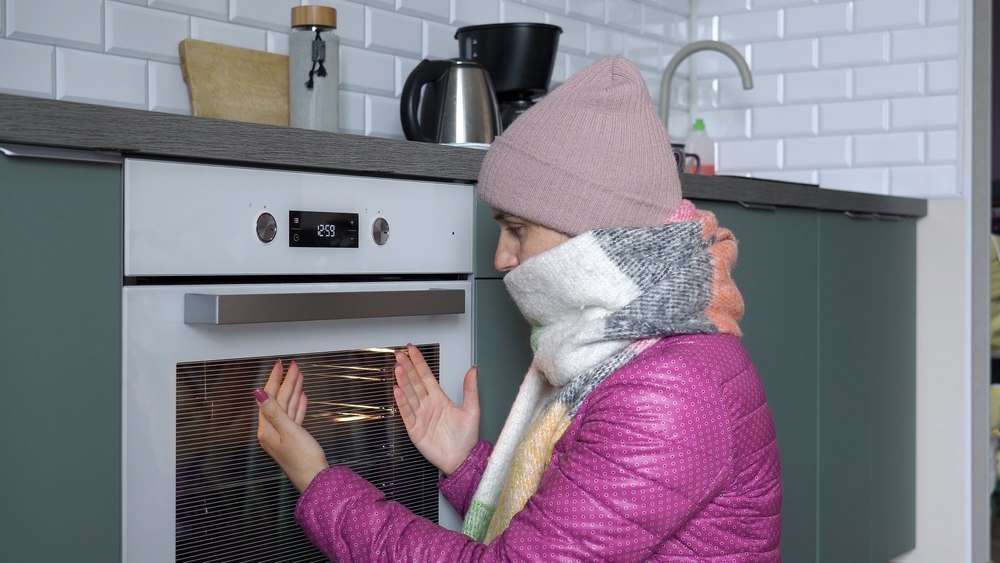
Using the oven during December adds warmth to the kitchen and nearby rooms. After cooking, leaving the oven door open for a short time allows heat to spread into the home. This helps reduce heating needs in the evening. It also makes use of heat that would otherwise be wasted.
Planning meals that use the oven can slightly reduce heater use during cooking hours. This works best during colder evenings when extra warmth is welcome. It is a small habit that supports lower electricity use over time.
This article originally appeared on Avocadu.