
9 Retro Advent Calendars Collectors Hunt For
An advent calendar is a holiday tradition that marks the days leading up to Christmas with daily reveals. Many classic designs were made from cardboard and featured winter scenes, cheerful characters, or religious imagery. Each small door represented a moment of anticipation during the season. Over time, these early calendars became keepsakes rather than disposable items. Take a closer look to see why these pieces still draw attention from collectors today.
This post may contain affiliate links, which helps keep this content free. Please read our disclosure for more info.
Gerhard Lang Paper Advent Calendar
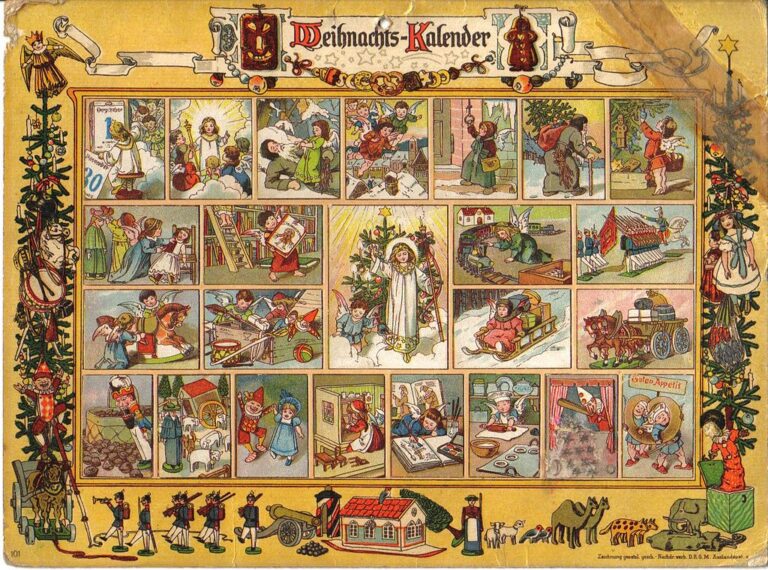
Produced in the early 1900s, this calendar is often linked to Gerhard Lang, who helped popularize the tradition in Germany. It features simple printed doors with holiday scenes rather than treats. Well-preserved examples can sell today for around $3,000 to $7,000 depending on condition. Collectors value the early printing style and its role in shaping holiday traditions. Many surviving pieces show wear, which makes cleaner copies more desirable.
What sets this calendar apart is its role as one of the earliest commercial designs. The artwork usually reflects religious or winter themes common at the time. Original coloring and intact doors increase its appeal. Some examples include German text that adds to authenticity. Demand remains steady due to its place in holiday history.
Die Krippe German Nativity Calendar
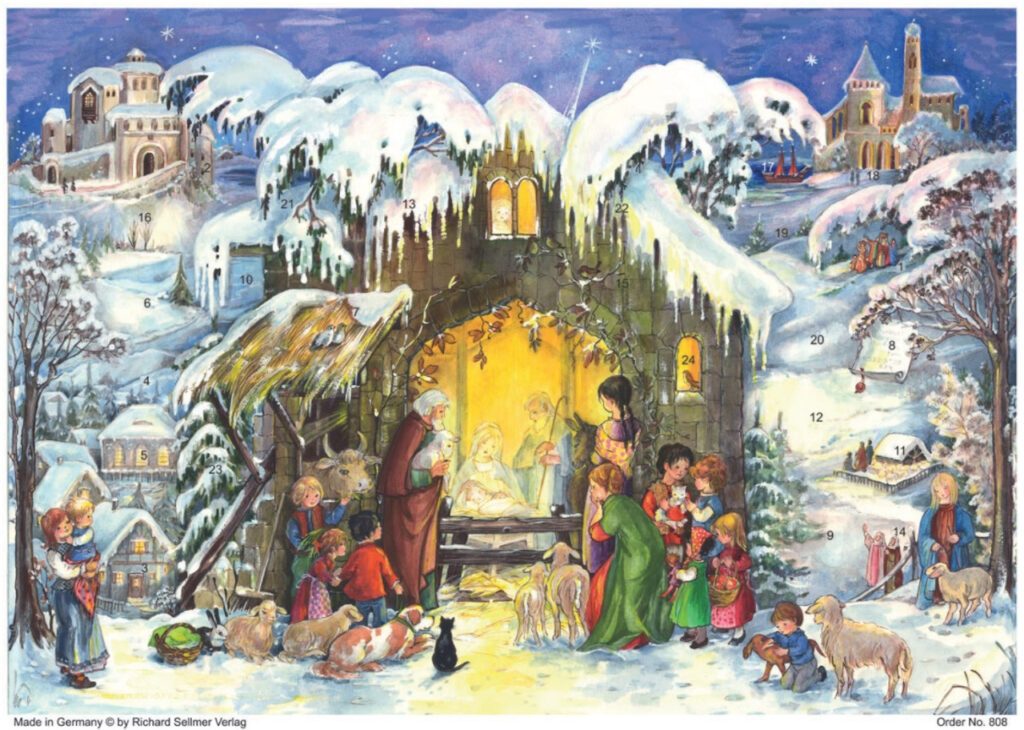
Released during the 1920s, this calendar centers on the Nativity story through illustrated windows. It was printed on sturdy paper meant to last multiple seasons. Current market prices often range from $1,500 to $3,500. Collectors appreciate the detailed artwork and traditional imagery. Many copies were carefully stored, which explains why some remain in good shape.
Each window reveals a small scene tied to the Christmas story. The muted colors reflect printing methods of the era. Calendars with minimal fading tend to sell faster. German holiday collectors often look for this design specifically. Its religious focus adds lasting interest.
Richard Sellmer Bavarian Village Calendar
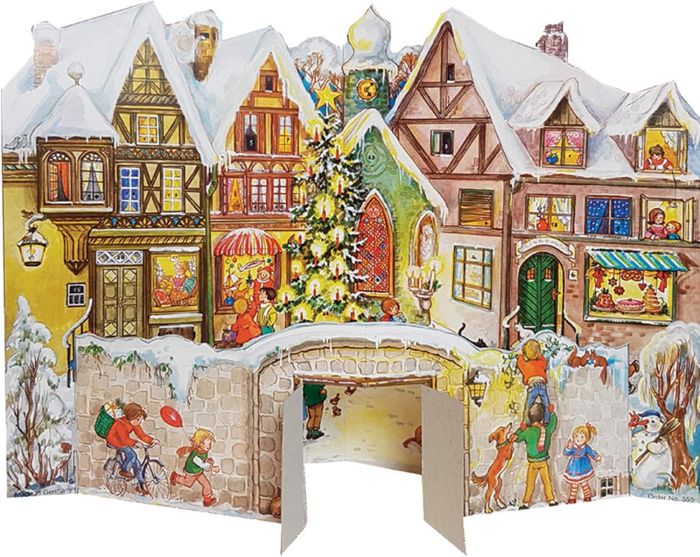
This design appeared in the 1930s and showcases a snowy Bavarian town. It was produced by the well-known Sellmer Verlag company. Market value today usually falls between $800 and $2,000. Collectors often favor the warm village scenes and fine detail. The calendar reflects pre-war holiday artwork styles.
Many versions include glitter accents that were popular at the time. Intact glitter adds to value. Sellmer calendars remain collectible due to consistent quality. Early production dates matter greatly to buyers. This piece remains a favorite among vintage paper collectors.
Post War Santa Chimney Calendar
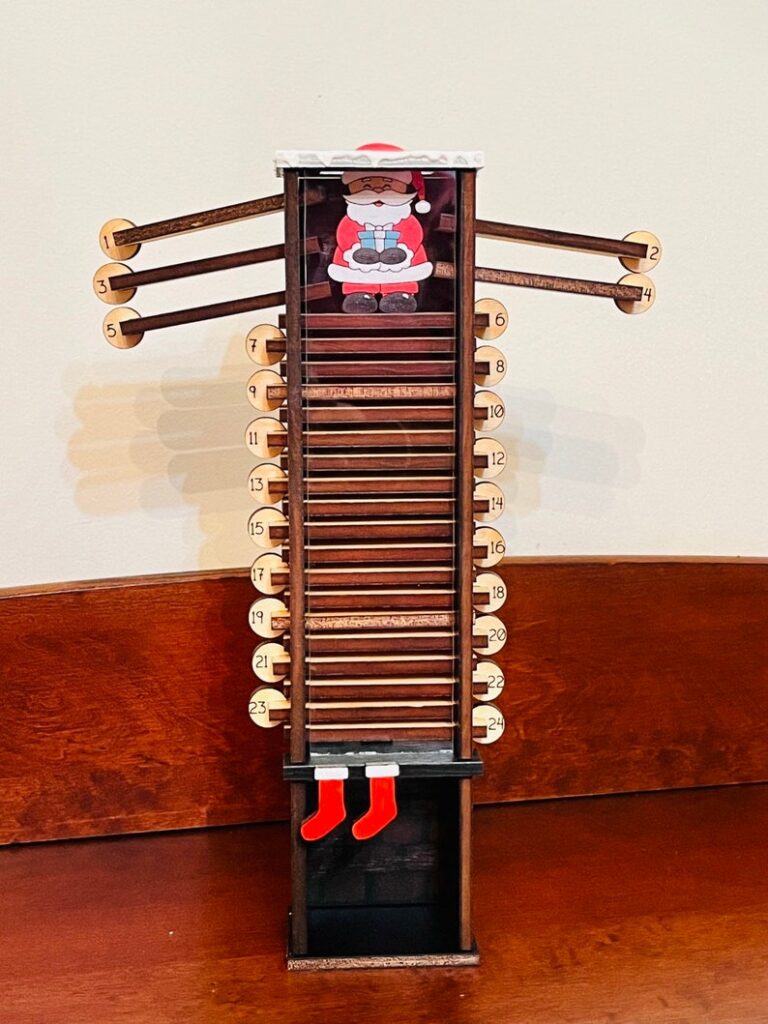
Manufactured in the late 1940s, this calendar highlights Santa climbing rooftops on Christmas Eve. It reflects a shift toward playful themes after the war years. Prices today typically range from $600 to $1,500. The cheerful tone appeals to collectors of mid-century holiday items. Many examples were sold across Europe and the United States.
Bright colors distinguish this calendar from earlier muted designs. The imagery shows changing holiday tastes. Calendars with all doors intact command higher prices. Light edge wear is common due to age. Collectors enjoy its upbeat style.
Santa Workshop Illustrated Calendar
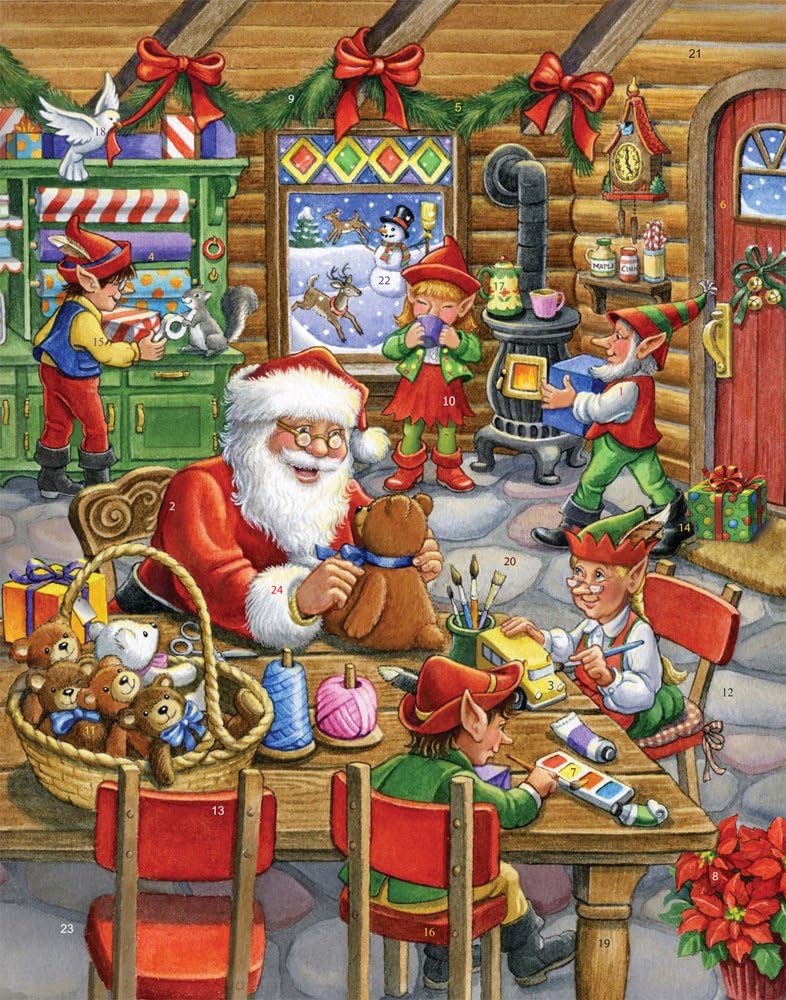
Released in the early 1960s, this calendar shows elves working inside Santa’s workshop. It reflects playful holiday themes of the time. Market prices usually range from $250 to $600. Collectors enjoy the busy illustrated scenes. The style fits well with mid-century décor.
Doors often reveal tools or toys behind them. Colors remain vivid on well-kept copies. Some designs include foil accents. Slight creasing is common. Seasonal interest keeps demand steady.
Children’s Storybook Advent Calendar
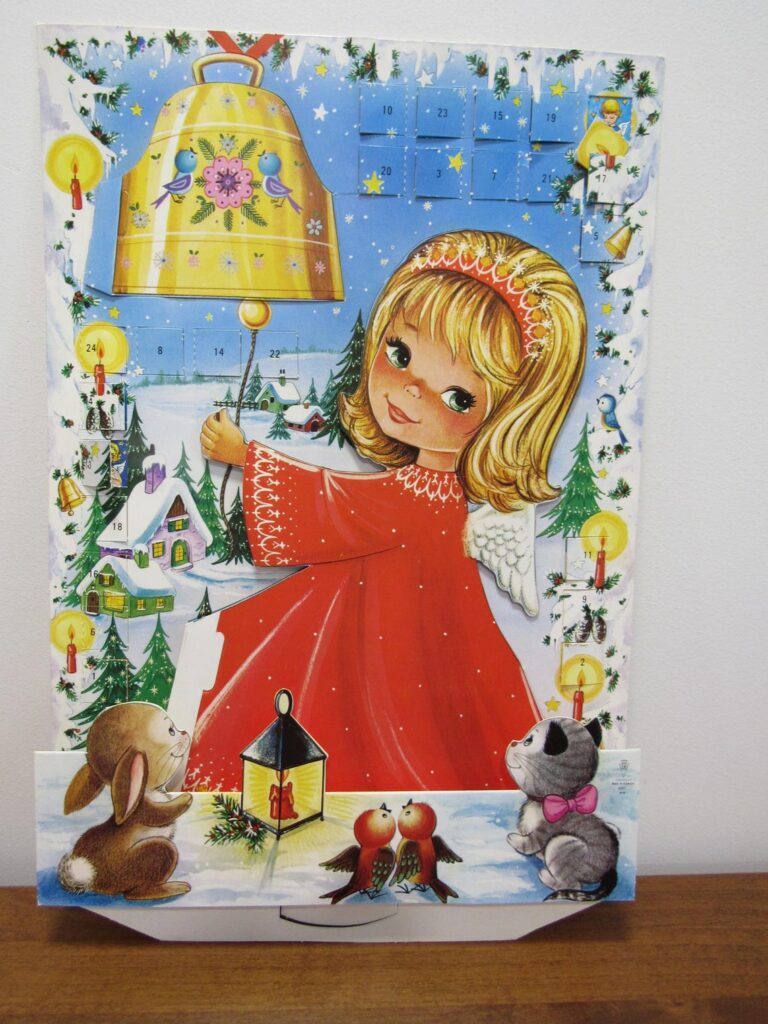
Produced during the 1960s, this calendar follows a short holiday story across its doors. Each window adds to the narrative. Current prices often fall between $200 and $500. Collectors enjoy the interactive storytelling aspect. It was popular among families with young children.
Illustrations reflect classic children’s book styles. Repeated use caused wear on many copies. Intact hinges add value. Some stories are region-specific. Buyers enjoy reading the full sequence.
Nativity Fold-Out Advent Calendar
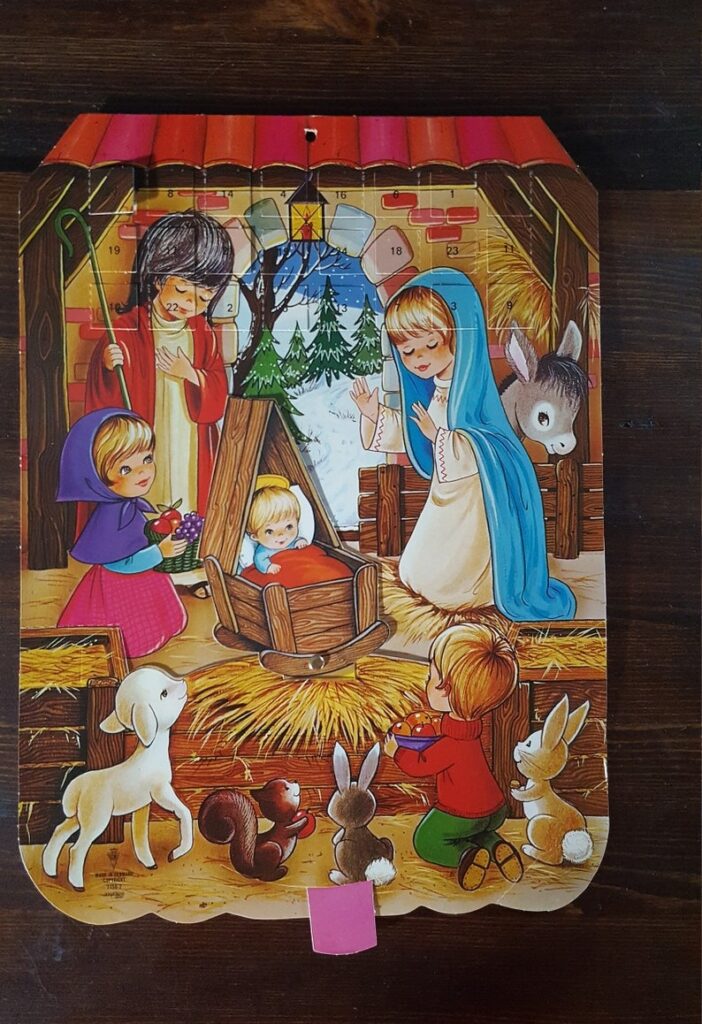
Produced in the 1970s, this calendar opens into a three-dimensional Nativity display. It combines paper engineering with tradition. Current values range from $350 to $900. Collectors enjoy the added depth and structure. These calendars were more delicate than flat designs.
Fold lines are key when assessing condition. Complete figures raise appeal. Many examples show minor tearing. Proper storage helps preserve shape. The display quality makes it popular.
Classic Santa Sleigh Calendar
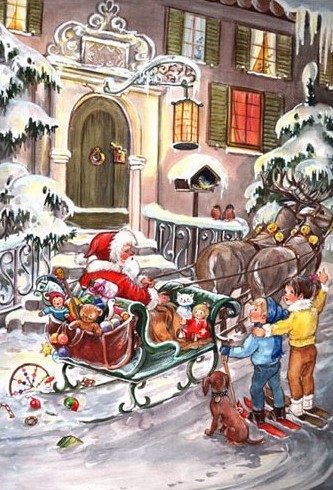
Released during the late 1970s, this calendar highlights Santa in a sleigh. It reflects common holiday imagery of the era. Prices today often land between $200 and $500. Collectors enjoy the cheerful action scene. The design feels familiar and comforting.
Bright reds dominate the artwork. Windows reveal small festive images. Paper quality improved by this time. Edge wear remains common. Seasonal interest stays consistent.
Early Plastic Window Advent Calendar
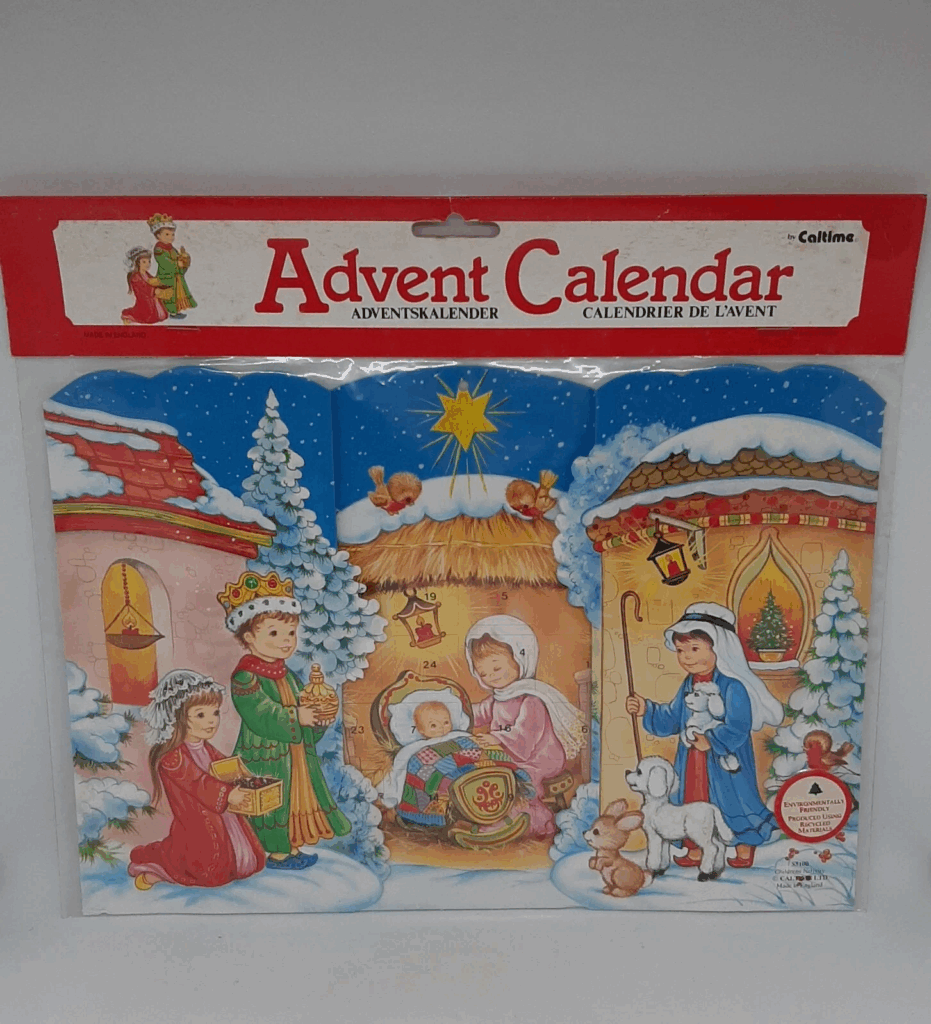
Introduced in the 1980s, this calendar blends cardboard with plastic windows. It marked a transition in materials. Current prices often fall between $150 and $400. Collectors see it as a bridge between old and modern designs. Durability improved compared to earlier paper versions.
Plastic windows reduce tearing issues. Artwork still follows traditional themes. These calendars survived in higher numbers. Clean plastic raises value. Interest continues among newer collectors.
This article originally appeared on Avocadu.