
14 Live Action Movies That Changed Kids TV Forever
When it comes to kids’ TV, certain live-action movies have left an undeniable mark. These films broke away from the traditional animated shows and introduced something fresh. They brought excitement, adventure, and memorable characters to young audiences everywhere. These movies also helped shape the way we think about live-action kids’ TV. Let us take a closer look at how these influential films changed the game.
This post may contain affiliate links, which helps keep this content free. Please read our disclosure for more info.
The Princess Diaries (2001)
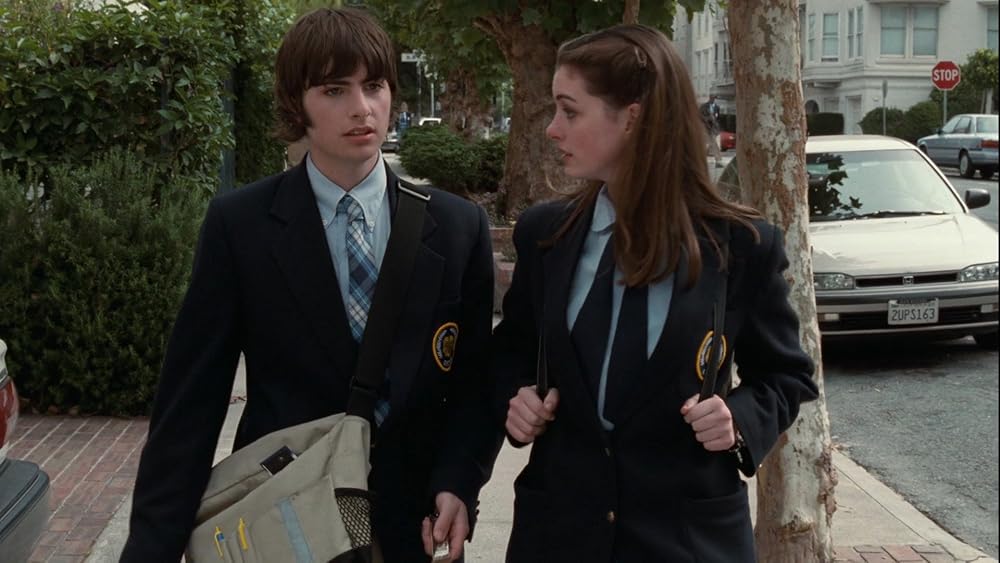
The Princess Diaries became a milestone for tween TV shows with its heartwarming storyline and relatable protagonist. The movie introduced audiences to Anne Hathaway as Mia Thermopolis, a teenager who discovers she is the heir to a European throne. It became a cultural touchstone, shaping the way young female characters were portrayed in movies and television. Its success led to a surge in films that explored personal transformation and self-discovery for young viewers.
The movie’s success also inspired a shift in the kinds of stories being told in kids’ TV, especially those that emphasized empowerment and self-confidence. Shows following The Princess Diaries often portrayed relatable young women navigating their way through life with humor and heart. Mia’s character resonated with many young viewers, and her story paved the way for future generations of princess-themed and coming-of-age series. The film’s influence on family-friendly content remains undeniable.
Matilda (1996)
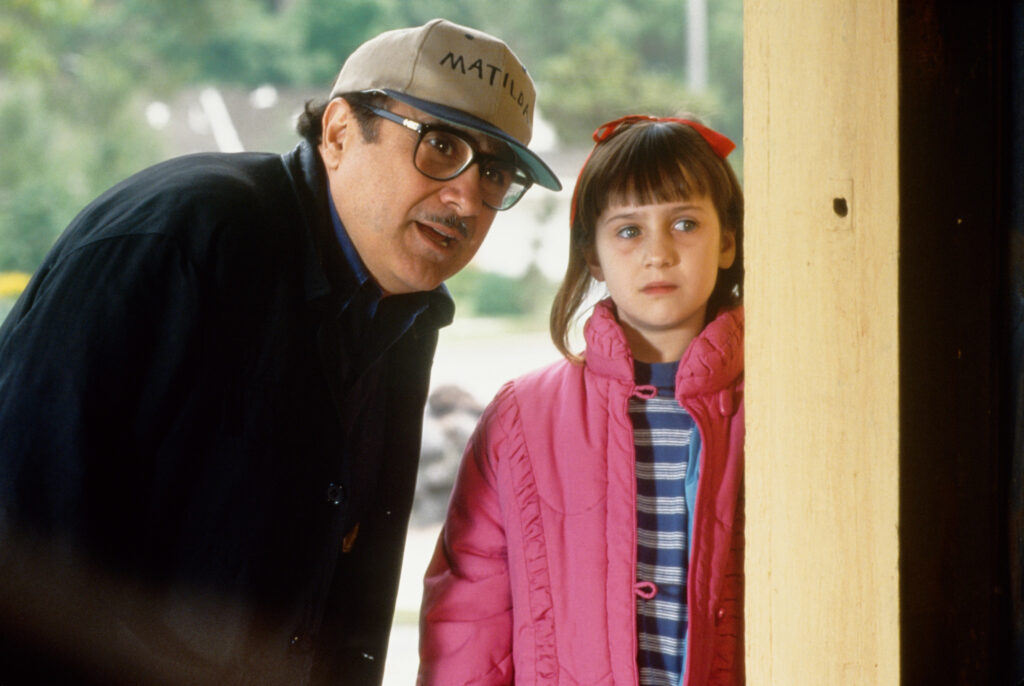
Based on Roald Dahl’s beloved novel, Matilda introduced a clever, misunderstood young girl with extraordinary powers. The film brought Dahl’s whimsical and darkly comedic world to life, showcasing a unique blend of fantasy and realism that captivated children. The movie’s portrayal of Matilda as a strong, intelligent young girl was groundbreaking for its time, setting a precedent for more empowering roles for young characters in TV shows.
Its influence spread to the small screen, inspiring kids’ TV shows to explore the theme of underdog characters overcoming adversity. Characters with unique abilities, like Matilda, became more common in children’s television. The film also reinforced the idea that intelligence and kindness were important virtues to be celebrated. Matilda changed the way young characters were written, giving them more depth and complexity.
Harry Potter and the Sorcerer’s Stone (2001)
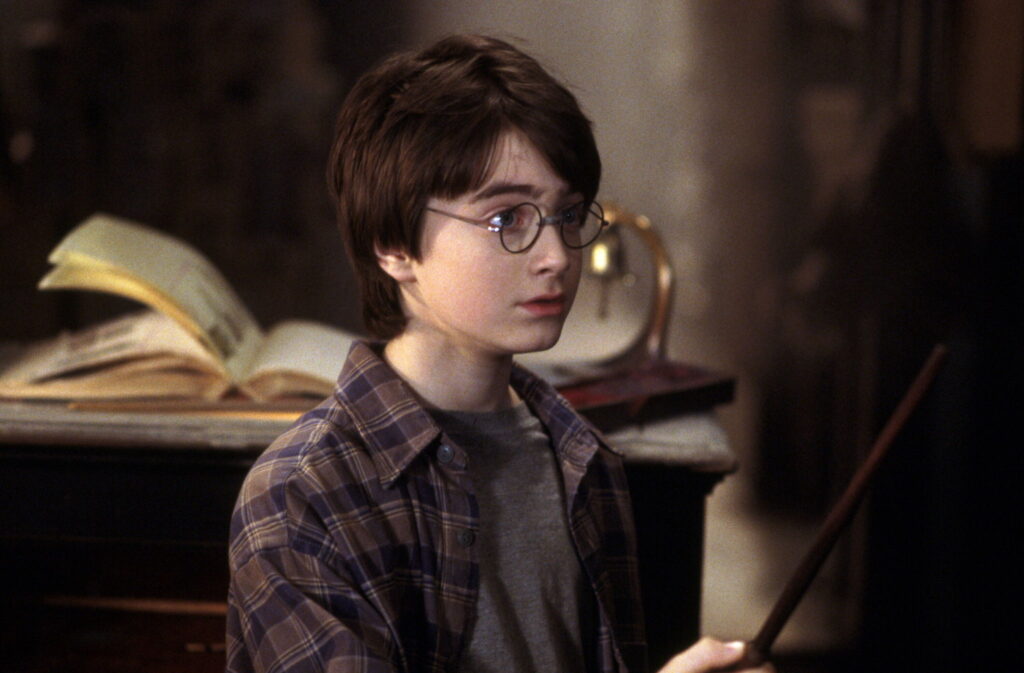
Harry Potter and the Sorcerer’s Stone marked the beginning of a cultural phenomenon that transcended books and movies to influence kids’ television. The movie introduced audiences to a world of magic and adventure, with characters that felt relatable despite their extraordinary circumstances. This blend of fantasy with a deeply human story created a lasting legacy in children’s media.
Following the movie’s success, children’s TV shows began embracing fantasy and magical elements more heavily. The genre expanded, with a surge in magical adventures, mythical creatures, and complex storylines for younger audiences. Shows like The Wizards of Waverly Place were inspired by Harry Potter, further solidifying the connection between fantasy and kids’ TV. The influence of the film series can still be seen in countless shows today.
The Karate Kid (1984)
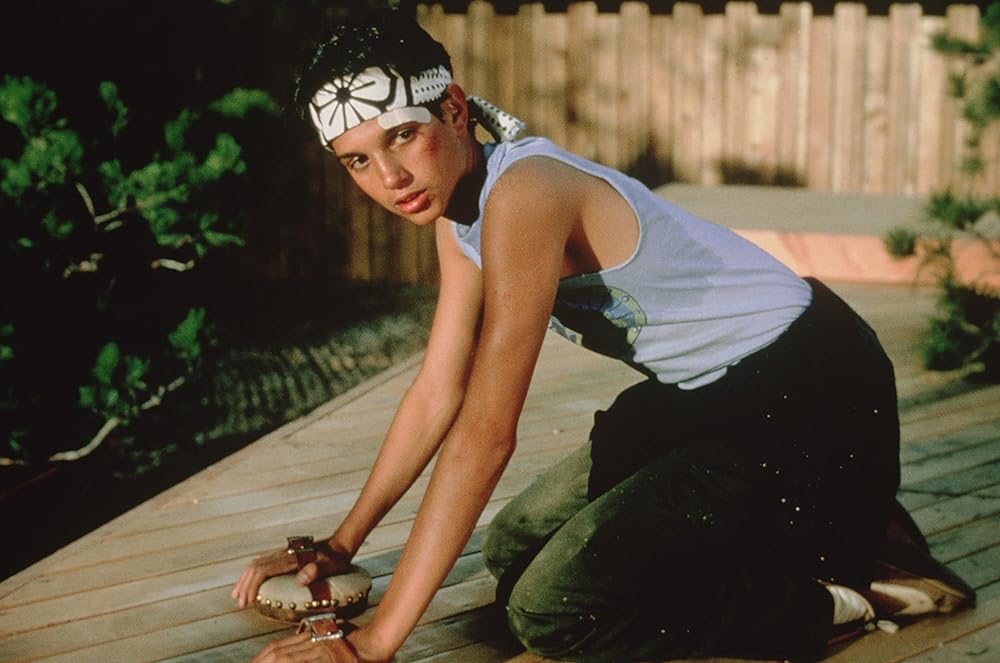
The Karate Kid became an iconic film that impacted not only martial arts but also the portrayal of young characters overcoming personal challenges. The story of Daniel LaRusso, a bullied teenager who learns martial arts from Mr. Miyagi, captivated audiences with its messages of perseverance and self-discipline. The movie’s appeal among young viewers led to its widespread influence on kids’ TV shows that focused on overcoming obstacles.
Kids’ TV began to incorporate more themes of mentorship, personal growth, and overcoming adversity. Shows like The Wonder Years and Boy Meets World reflected this shift, often focusing on the relationship between a young protagonist and a guiding figure. The Karate Kid solidified the archetype of the wise mentor, a staple that continued to appear in TV shows for years. The movie’s lasting legacy helped shape the way young heroes were portrayed in future TV content.
Space Jam (1996)
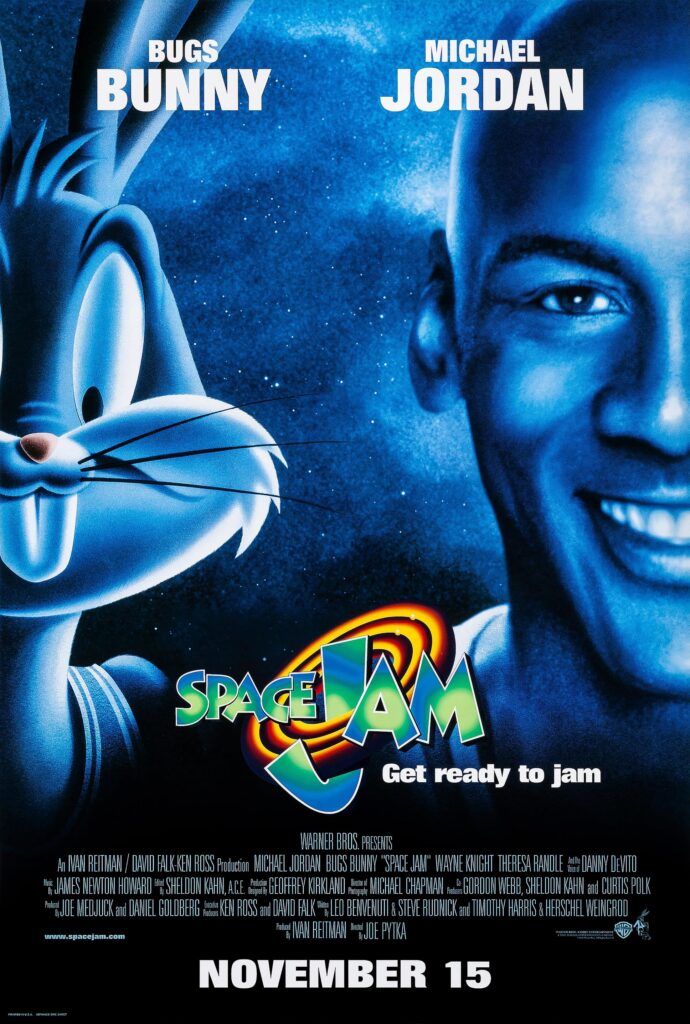
Space Jam combined live-action and animation in a way that was groundbreaking for kids’ movies. Featuring basketball legend Michael Jordan and the beloved Looney Tunes characters, the film captured the imagination of children worldwide. The movie’s unique blend of live-action and animation helped inspire a new era of cross-genre content, influencing kids’ television shows that merged real-life actors with animated characters.
The success of Space Jam helped lay the foundation for other hybrid shows, such as Who Framed Roger Rabbit and The Suite Life of Zack & Cody. It demonstrated that children’s media could blend genres and break traditional boundaries between live-action and animation. This sparked a movement that lasted into the 2000s, as TV shows began incorporating more animated elements into their storylines. Space Jam remains a beloved classic that reshaped how animation and live-action could be combined.
The Sandlot (1993)
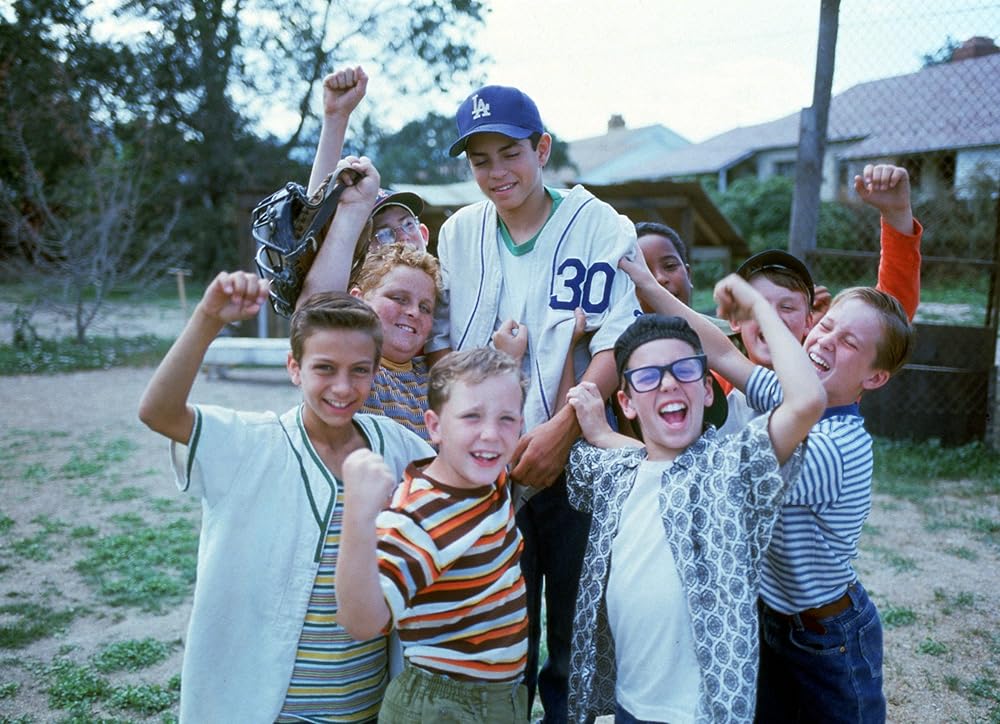
The Sandlot is often remembered as one of the most beloved sports films for kids, focusing on a group of young friends and their love for baseball. The movie is full of memorable moments and relatable themes of friendship, teamwork, and growing up. It showed kids overcoming their fears and achieving their goals, which made it both inspiring and entertaining.
The film’s influence on kids’ TV can be seen in the way sports and childhood friendships became central themes in many television series. Shows like The Wonder Years and All That incorporated similar ideas of friendship and teamwork, especially in a youthful setting. The Sandlot also popularized the idea of adventure and mischief among groups of friends, which became a staple in children’s media. The film’s timeless appeal continues to influence how sports and childhood camaraderie are portrayed on TV.
Jumanji (1995)
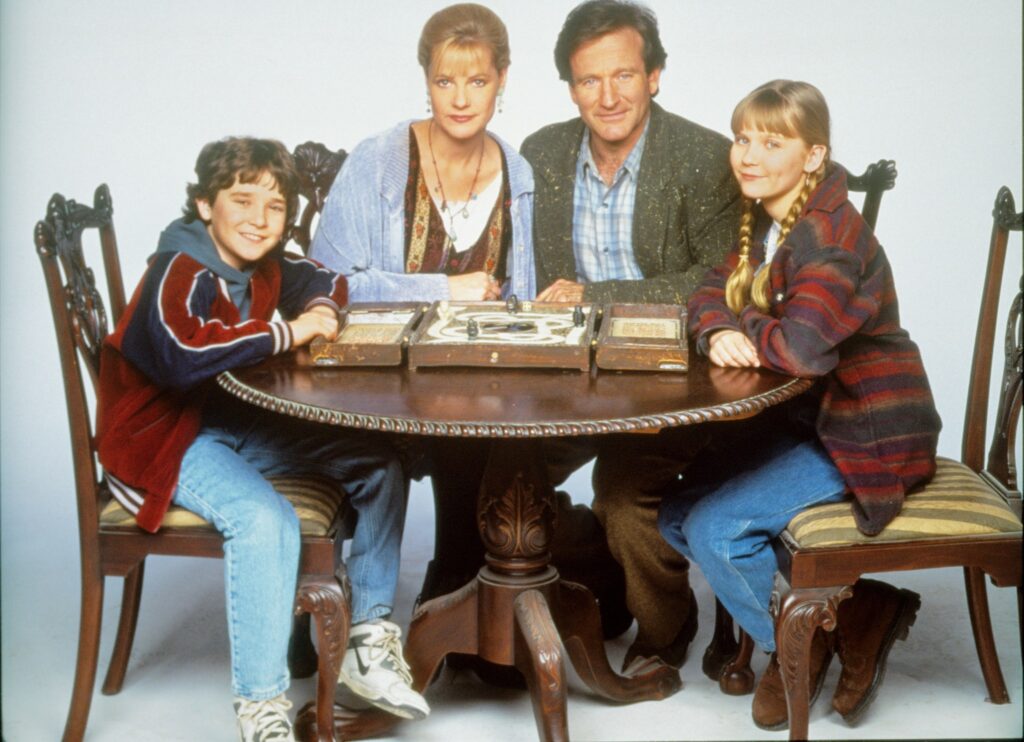
Jumanji combined thrilling adventure with elements of fantasy, offering young viewers a heart-pounding story about a magical board game that brings its wild elements to life. The movie’s unpredictable action and unique storyline set it apart, making it a standout film that would go on to influence kids’ entertainment. It introduced audiences to the idea that the rules of reality could be bent, and this idea was later adopted in many TV shows.
Following Jumanji, children’s TV began exploring more adventure-based content, often involving magical objects or strange occurrences that turned everyday life upside down. Shows like Goosebumps and Are You Afraid of the Dark? captured similar eerie and adventurous themes. The film’s popularity inspired a generation of creators to experiment with combining fantasy and reality. The Jumanji franchise continued to influence kids’ TV in new ways, helping to shape adventure-driven content.
The Chronicles of Narnia: The Lion, the Witch, and the Wardrobe (2005)

The film adaptation of The Lion, the Witch, and the Wardrobe introduced the world of Narnia to a new generation of young viewers. The story, set in a magical land filled with talking animals and epic battles, sparked an interest in fantasy narratives in children’s media. The movie’s success encouraged more TV adaptations of classic fantasy novels.
TV shows inspired by The Chronicles of Narnia drew heavily on the themes of magic, adventure, and the battle between good and evil. Series like Once Upon a Time and The Secret Garden began to gain traction, showcasing fantastical realms and strong, relatable characters. The film’s influence on children’s TV content is clear, as shows adopted similar narrative structures and fantastical elements. Narnia proved that young audiences craved immersive fantasy worlds, a demand that continues to be met today.
Spy Kids (2001)
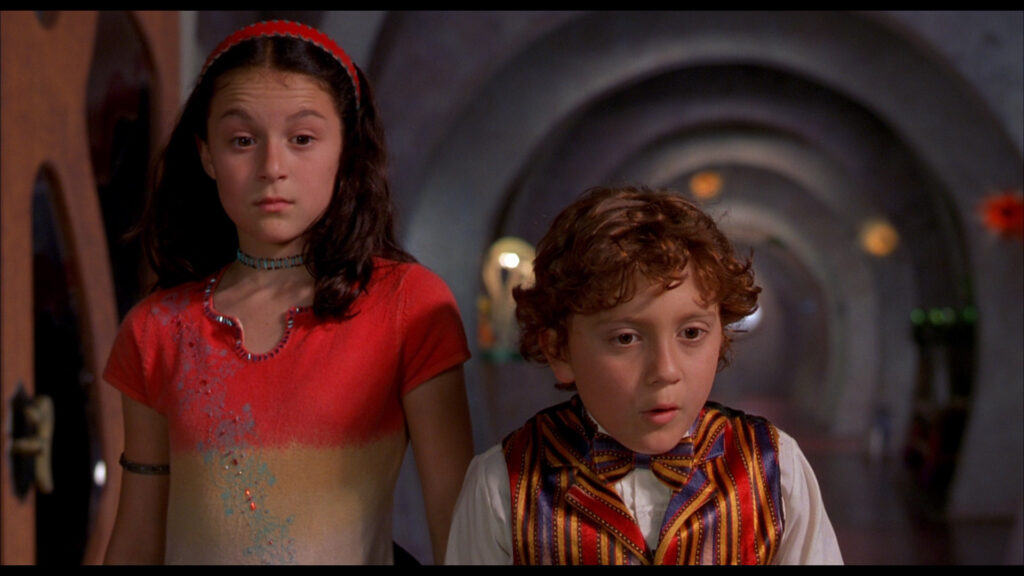
Spy Kids introduced a world where kids were not just sidekicks, but the heroes of their own action-packed stories. The movie’s inventive gadgets, fast-paced action, and vibrant characters captivated a generation of young viewers. It was one of the first films to show kids as capable, resourceful protagonists in their own right, paving the way for future movies and TV shows.
The influence of Spy Kids can be seen in TV shows that feature young characters stepping into roles of leadership and responsibility. The Thundermans and Big Hero 6: The Series embraced the theme of young heroes with extraordinary abilities. The blend of action and technology in the movie also influenced TV shows to explore high-tech environments and super-powered kids. Spy Kids remains a benchmark for children’s action and adventure, setting the stage for countless similar shows.
The Goonies (1985)
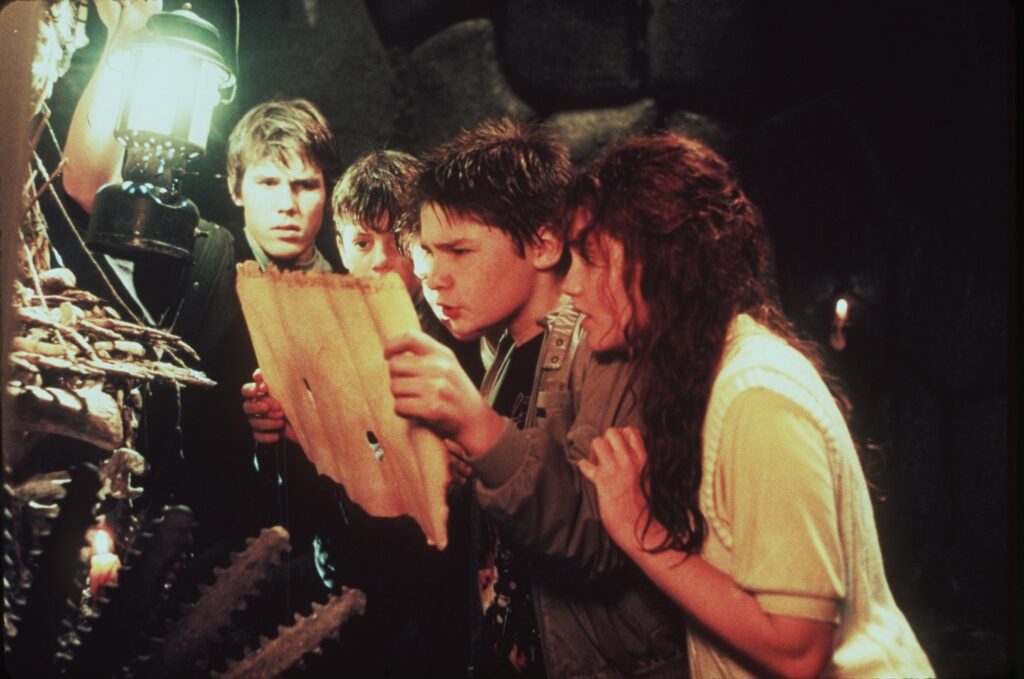
The Goonies captured the spirit of adventure, friendship, and the thrill of discovery, becoming a cornerstone for kids’ movies. The story of a group of friends on a quest to find hidden treasure resonated with many young viewers, who saw themselves in the fearless, quirky characters. It set the tone for many adventure films and shows that followed, with a focus on teamwork and loyalty.
TV shows like Stranger Things and The Adventures of Pete & Pete picked up on similar themes, exploring friendships and thrilling quests. The Goonies inspired many adventure-driven shows, especially those that involve groups of kids banding together to face challenges. The movie’s combination of humor, suspense, and heart made it a model for how children’s TV could balance lighthearted moments with serious adventure. It remains a classic that continues to inspire new generations.
E.T. the Extra-Terrestrial (1982)
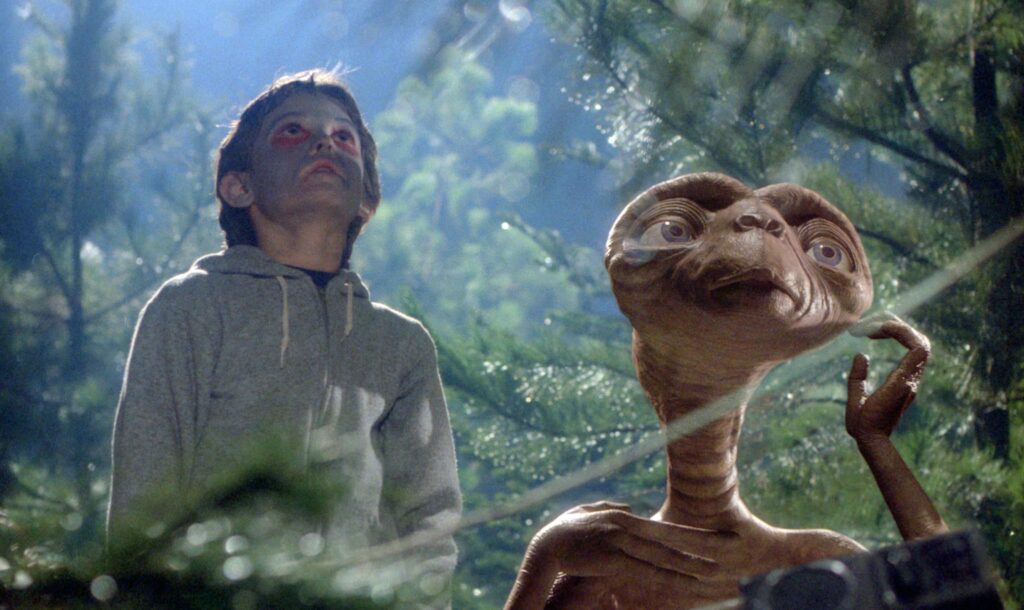
E.T. is a timeless story of friendship between a young boy and a stranded alien, blending adventure, humor, and heartfelt emotion. The film’s success showed that science fiction could resonate with young audiences, offering a story that was both fantastical and grounded in real emotions. It introduced a new way of portraying alien life, making it more accessible and relatable for children.
The influence of E.T. on kids’ TV can be seen in series like 3rd Rock from the Sun and ALF, which showcased extraterrestrial beings living among humans. The theme of alien friendship and the sense of wonder that the film captured was echoed in countless TV shows. E.T. proved that children’s entertainment could handle complex themes like loneliness, compassion, and acceptance. Its legacy in kids’ media continues to shape how extraterrestrial stories are told today.
Shrek (2001)
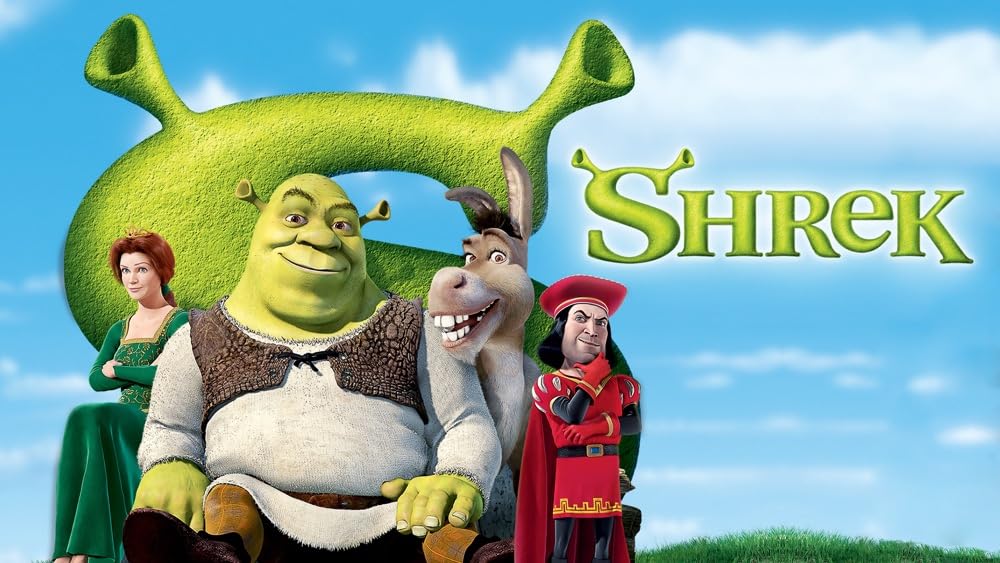
Shrek turned the traditional fairy tale on its head, introducing a quirky ogre who defied expectations. The film’s sharp humor, satirical take on fairy tale tropes, and lovable characters made it a favorite among both children and adults. It became a landmark in animation, showing that kids’ films could be both humorous and full of heart.
Following Shrek, many children’s TV shows adopted a similar approach, mixing humor with heartwarming messages. Shows like The Fairly OddParents and Phineas and Ferb blended absurdity with emotional depth, much like Shrek did. The movie’s influence can also be seen in TV shows that took a more irreverent approach to classic fairy tales. Shrek broke down the walls between genres, encouraging creators to experiment with mixing comedy and fairy tale elements.
The Incredibles (2004)
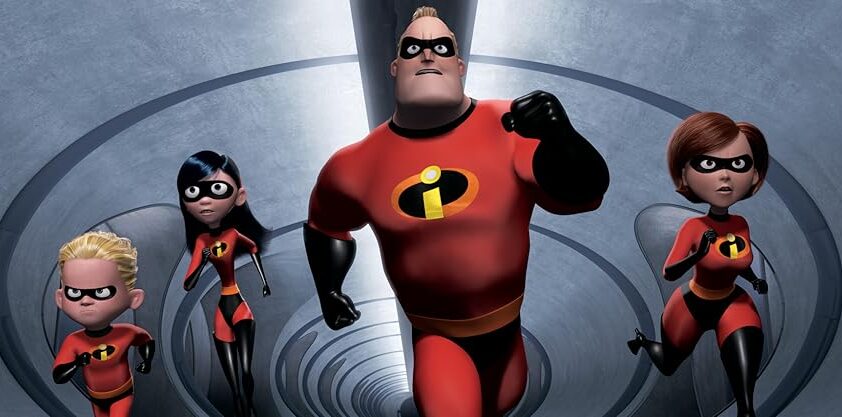
The Incredibles introduced a unique twist on the superhero genre by focusing on a family of superheroes trying to balance their powers with everyday life. The movie’s smart writing, character development, and stunning action scenes set it apart from other animated films. It showed that superhero stories could be grounded in family dynamics and real-world problems.
Its impact on kids’ TV can be seen in shows like The Spectacular Spider-Man and Teen Titans Go!, which mix superhero action with relatable themes. The Incredibles proved that superhero characters did not have to be alone in their adventures, and family can play a key role in saving the day. The film’s influence inspired TV shows to explore the dynamics of family and teamwork while still offering exciting superhero action. Its success cemented the idea that superhero stories could be both thrilling and emotionally resonant.
Zathura: A Space Adventure (2005)
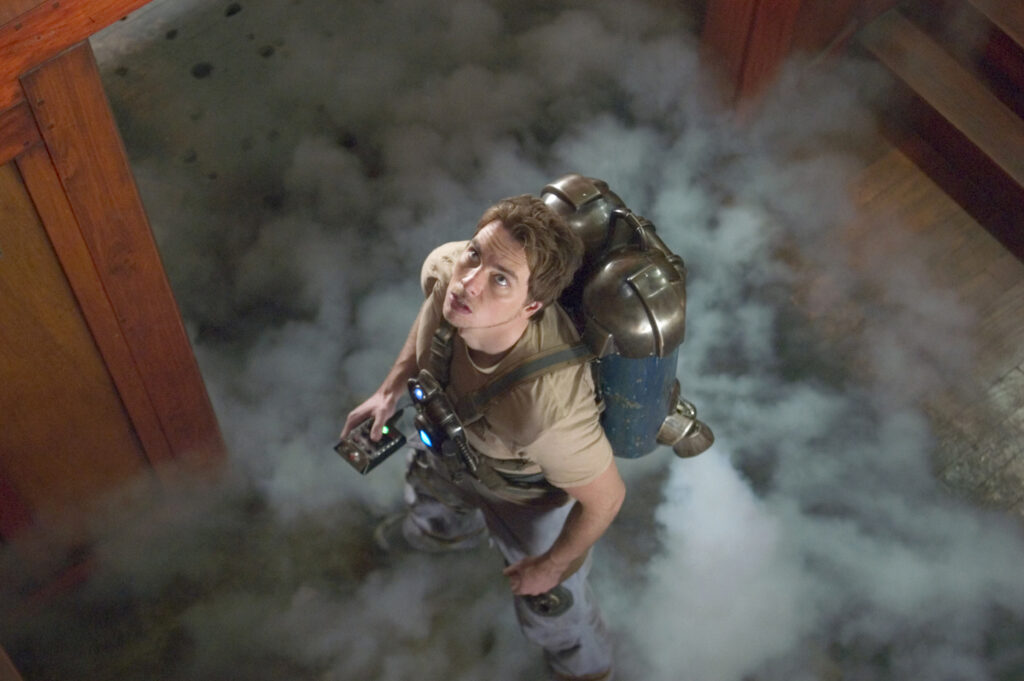
Zathura brought space adventure to the forefront, telling the story of two brothers who become involved in a space-themed board game that takes them on an intergalactic adventure. With its thrilling plot and visual effects, it captivated young audiences and expanded the possibilities for adventure stories in children’s media.
The film’s success helped inspire TV shows that combined adventure with high-stakes challenges, much like those seen in Zathura. Shows like The Magic School Bus and Thunderbirds Are Go embraced the idea of interactive, action-packed adventures with a sci-fi twist. Zathura remains a classic example of how space exploration can be blended with family-friendly storytelling. Its influence on children’s adventure TV continues to be seen in current space-themed series.
This article originally appeared on Avocadu.