
17 Low Light Plants That Still Look Lively in Winter
Winter can make many indoor spaces feel dim, yet some plants stay lively even when sunlight grows weaker each day. These plants handle shorter days with calm resilience and continue to bring fresh color into rooms that need a gentle lift. Their steady growth and simple care routines make them dependable companions through the cold season. Many of them thrive in corners that rarely see strong daylight, which makes them perfect for cozy homes. They help create a warm and welcoming setting when the weather outside feels heavy and quiet. Each plant has its own charm that shines through winter with soft leaves and steady shapes.
This post may contain affiliate links, which helps keep this content free. Please read our disclosure for more info.
Snake Plant

The snake plant holds its shape through winter with firm leaves that stay upright even when sunlight is limited. It handles cool rooms with ease and continues to show steady color without much care. Many people keep it in corners where other plants lose energy once temperatures shift. The plant manages low humidity well, which makes it a steady companion in winter homes.
A slow watering routine keeps it stable since its roots prefer a dry stretch between drinks. Even during short days, its leaves maintain a deep green tone with streaks that add interest to the room. This plant stays tidy through the season and brings a quiet sense of life to darker areas.
ZZ Plant
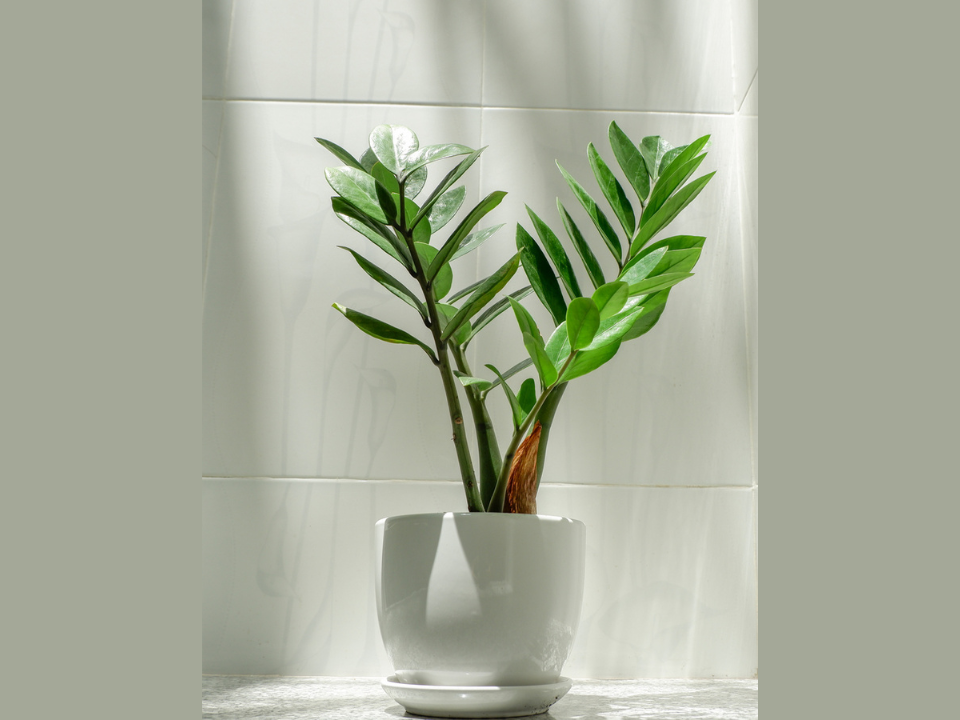
The ZZ plant looks lively in winter with thick stems that store moisture and help it handle erratic indoor conditions. Its waxy leaves hold a glossy surface that catches any available light, making the plant look fresh even in dim rooms. It can sit far from a window and still maintain its color without shedding leaves.
Winter dry air rarely bothers it because its underground rhizomes hold enough reserve to keep it steady. Watering it too often can cause issues, so a careful routine helps it thrive during colder months. The plant works well in offices or living rooms where light levels stay low throughout the day. Its steady presence brings a calm touch to winter spaces.
Pothos
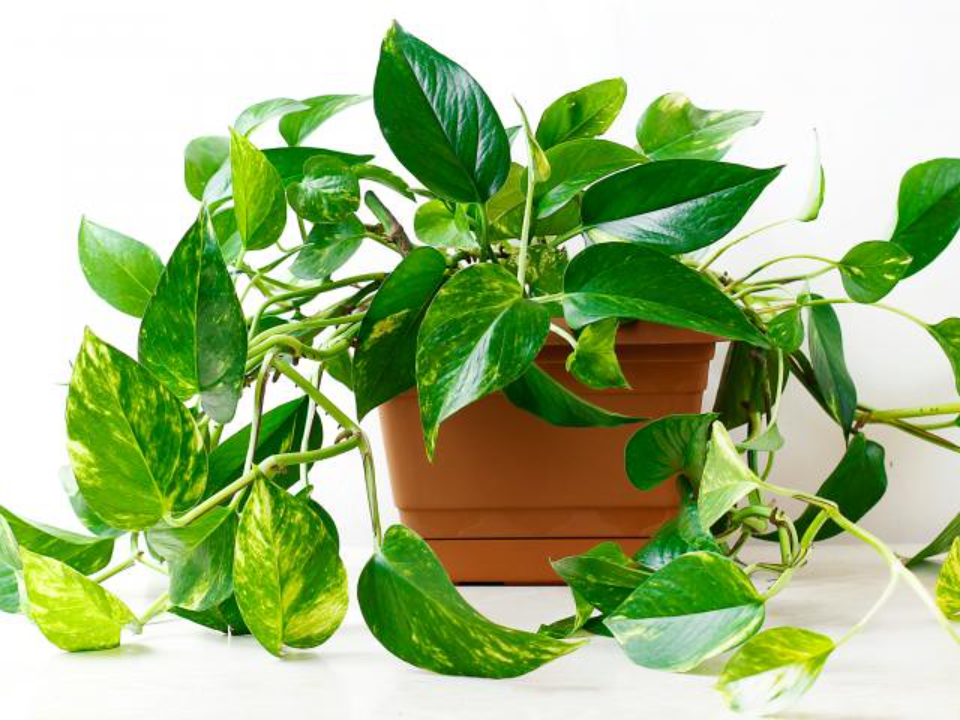
Pothos plants stay lively during winter with trailing vines that keep their shape even when the sun is weak. They do well on shelves or bookcases where natural light does not reach as strongly. Their leaves remain bright and full as long as the temperature stays stable indoors. Light watering keeps the soil from staying too moist, which is important during colder periods. Even when days grow short, the plant continues to push out new leaves at a measured pace. Many varieties have streaks or speckles that make the vines stand out against winter surroundings. This plant brings gentle movement to indoor spaces when the season feels still.
Cast Iron Plant
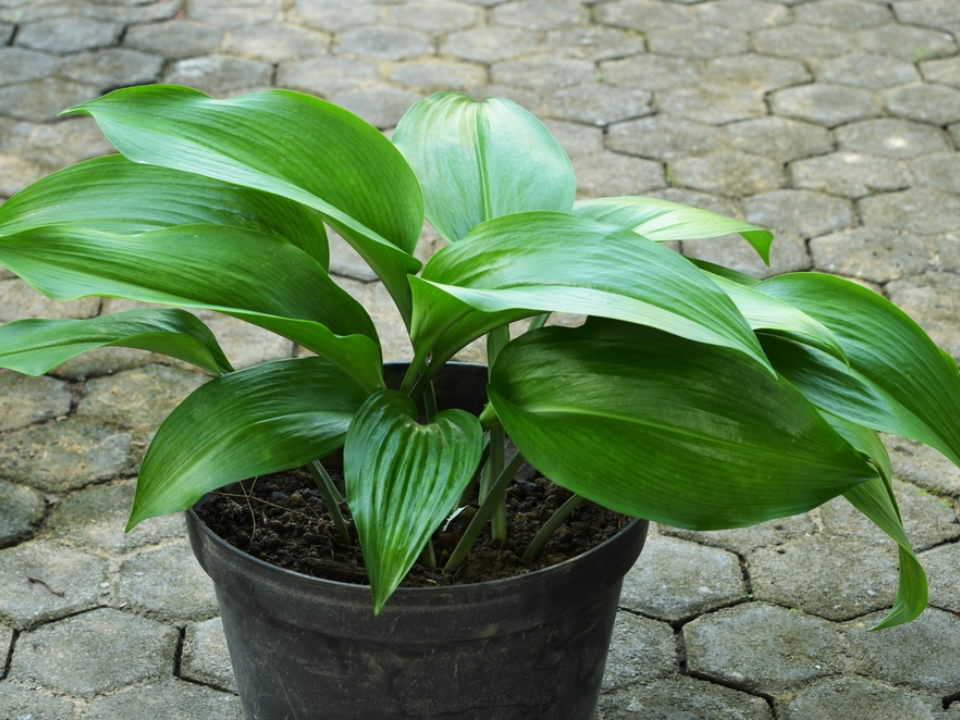
The cast iron plant lives up to its reputation during winter since it rarely loses shape under low light. Its long leaves hold a rich green tone that does not fade easily. It manages cold drafts better than many houseplants, which makes it useful in hallways or entry areas. A careful watering routine keeps it healthy since the plant prefers soil that stays slightly dry.
Dusting the leaves now and then helps it take in whatever light is available. The plant grows slowly during winter yet keeps a steady look that works well for quiet corners. It brings a strong and calm presence to rooms that need greenery during the colder months.
Peace Lily

The peace lily handles the winter season by maintaining steady leaves even when light levels drop. Its flowers may not appear as often during colder months, but the plant stays attractive with its smooth green foliage. It manages indoor dryness better when given a light mist from time to time.
The plant prefers low light but still appreciates sitting near a window that offers soft daylight. Watering needs remain consistent since the soil should stay lightly moist without becoming soggy. Even when days are short, the leaves continue to arch gracefully, which adds movement to the room. This plant stays full and lively when cared for with simple attention.
Chinese Evergreen
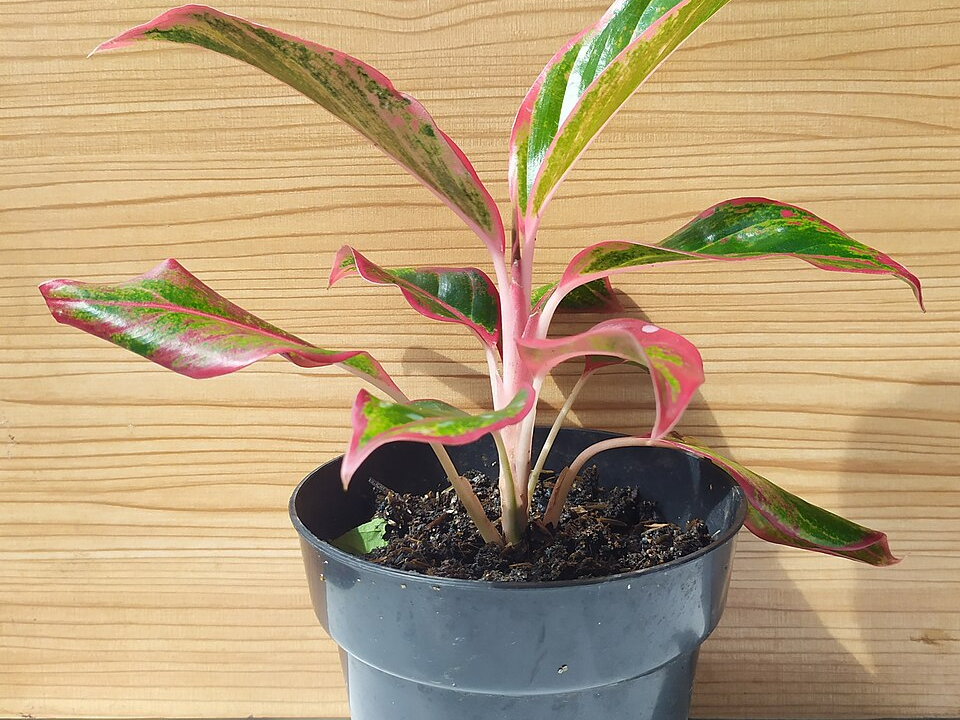
Chinese evergreen keeps its color during winter with patterned leaves that thrive in dim light. Many varieties show soft pink, silver, or green tones that remain steady through cold months. The plant enjoys warm indoor temperatures and does not respond well to drafts, so placing it away from doors helps.
It needs gentle watering to avoid soggy roots, which slow down during winter. Even with reduced sunlight, the leaves keep their shape and stay glossy. This plant brings a soft and decorative touch to desks and side tables. It maintains a lively appearance when other plants begin to fade.
Philodendron Heartleaf
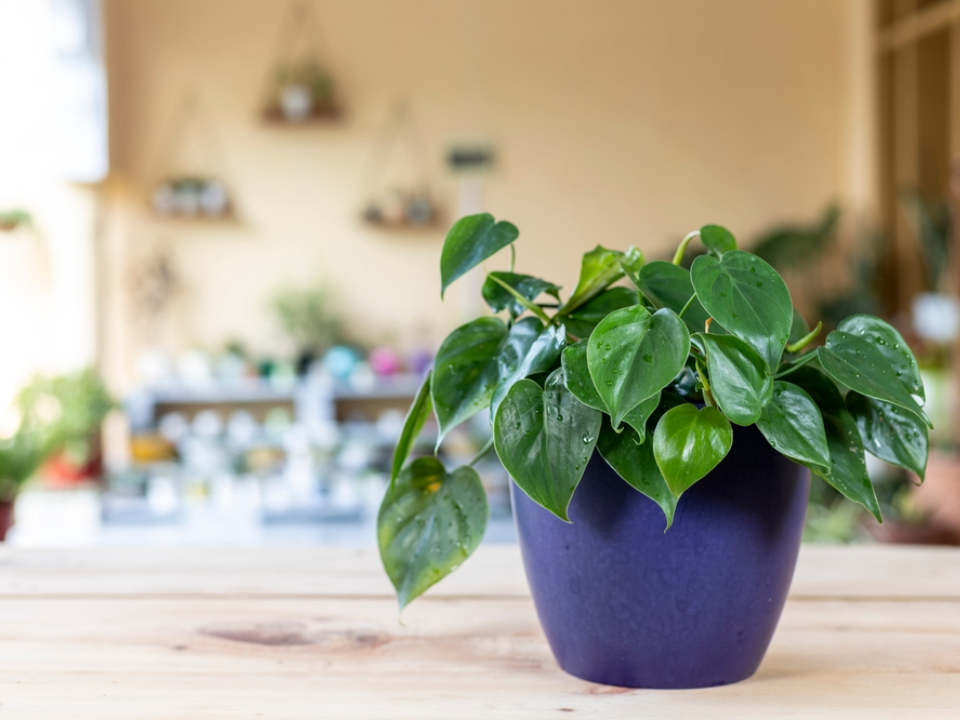
The heartleaf philodendron continues to grow in winter with vines that stretch gently toward any available light. Its leaves remain soft and heart shaped even in dim corners of the room. It responds well to moderate watering and prefers soil that dries slightly between sessions. Winter makes the plant grow more slowly, though its vines still hold a fresh green look.
It works well on shelves, hanging baskets, or mantle edges where it can trail gracefully. Even during the cold season, the leaves stay full and create a sense of movement indoors. This plant brings gentle color to spaces that feel quiet during winter.
Spider Plant
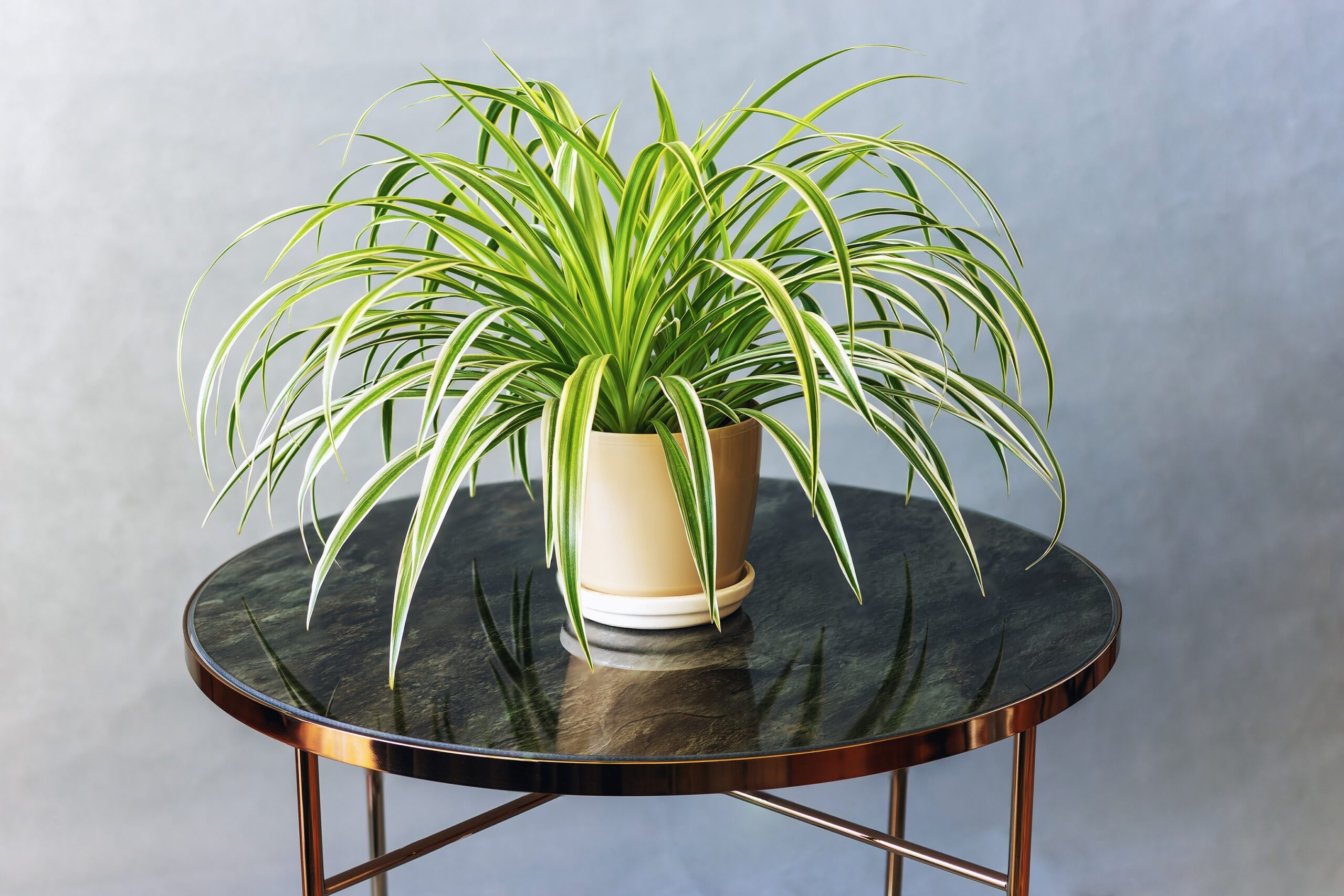
The spider plant remains lively through winter with arching leaves that tolerate low light more than many houseplants. Its fresh green and white streaks brighten a room even on darker days. The plant enjoys moderate watering that keeps the soil slightly damp without becoming heavy.
It can handle cool indoor temperatures as long as the air is not too cold near windows. Winter growth slows, yet the plant still maintains a steady shape that appeals to many homes. Hanging baskets help the plant display its natural form while keeping it away from drafts. This plant adds a cheerful look during the quiet winter months.
Lucky Bamboo
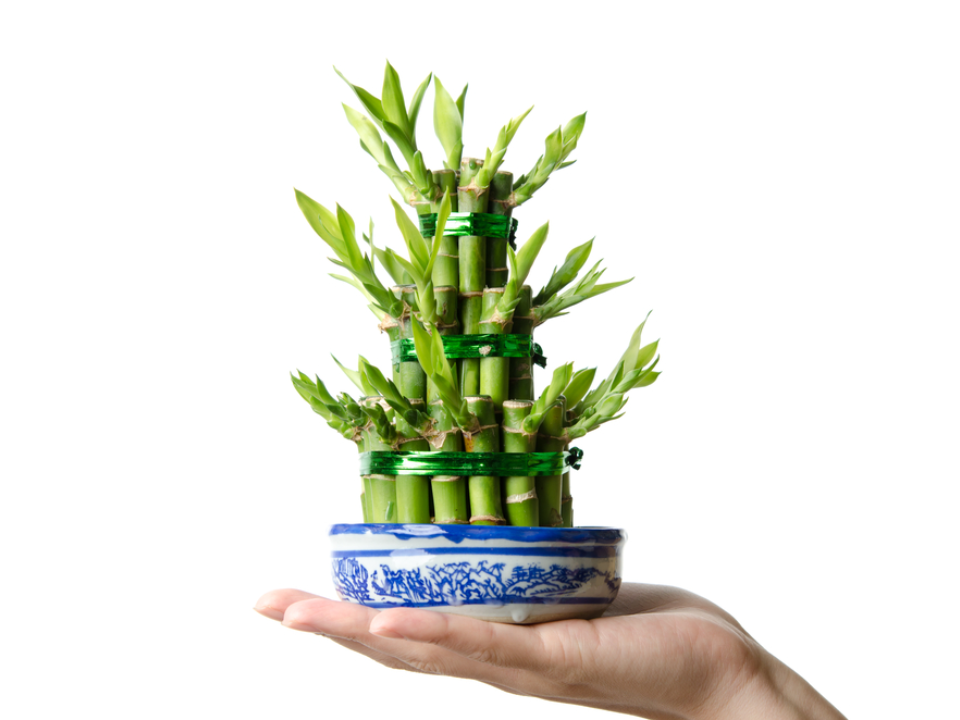
Lucky bamboo stays lively in winter because it thrives in rooms where sunlight is weak. Its stems stay bright and smooth, which helps the plant look healthy even when days grow short. Many people keep it on desks or shelves where soft indoor lighting is enough for steady growth. The plant stays comfortable in cool temperatures as long as it is not placed near drafty areas.
Water needs remain simple since the roots prefer clean water refreshed every week. The leaves hold a gentle green tone through the cold season, giving a calm atmosphere to the room. This plant brings a graceful presence during winter without much effort.
Dracaena Janet Craig
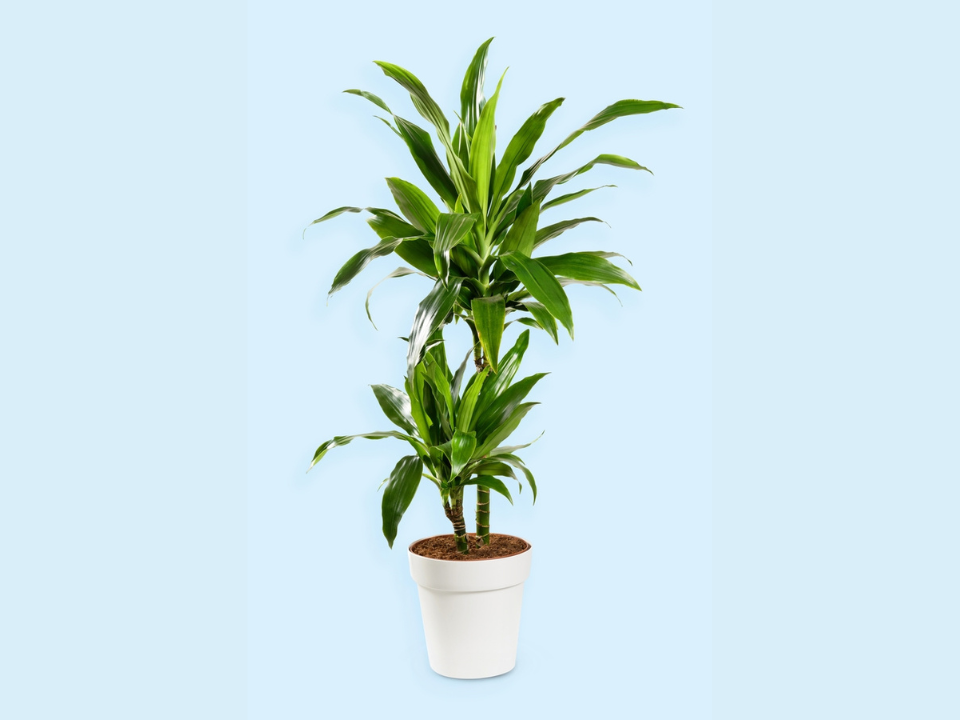
Dracaena Janet Craig manages winter well with broad, dark leaves that stay rich even in low light. It handles cool indoor temperatures better than many tropical plants. The foliage grows slowly during the cold season yet remains steady and full. Light watering keeps the soil from becoming soggy, which is important for healthy roots.
Dusting the leaves from time to time helps the plant take in whatever light is available. This plant works well in corners where sunlight does not reach fully. Its strong vertical shape adds quiet structure to winter interiors.
Birds Nest Fern
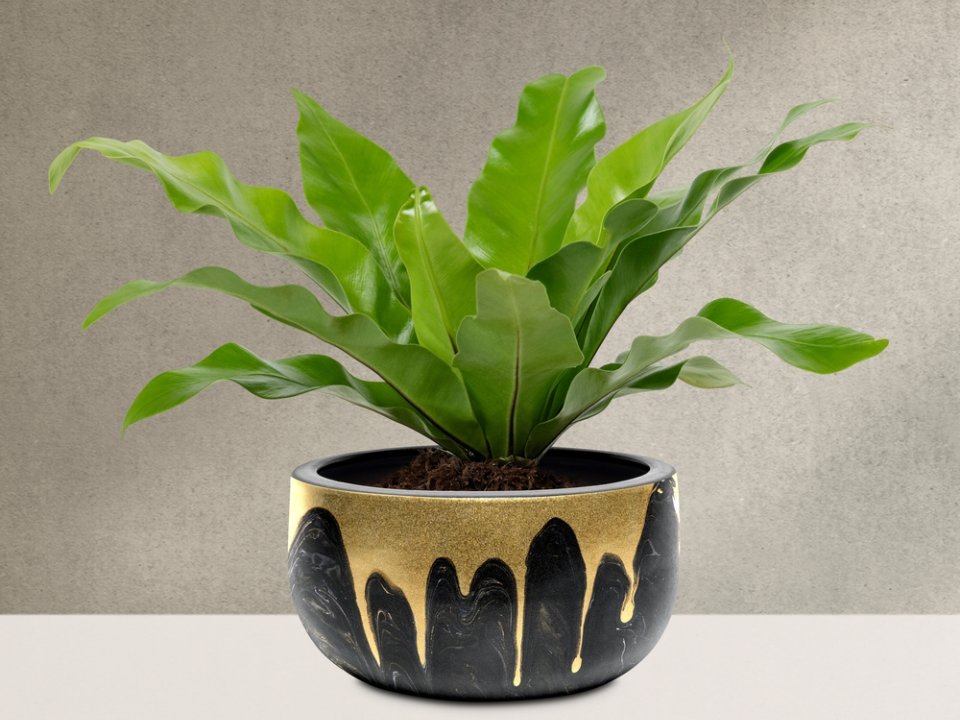
The birds nest fern stays lively in winter with wavy leaves that brighten rooms even when sunlight is limited. It prefers gentle light that filters softly through the space. Moist air helps the plant keep its leaves fresh, so placing it in a bathroom can support winter growth.
The soil should remain slightly damp, yet the plant responds well to a careful watering routine. Even during shorter days, the plant keeps its circular shape that looks full and welcoming. Light drafts do not bother it much as long as temperatures stay stable. This fern brings a soft, natural presence to winter rooms.
Monstera Adansonii
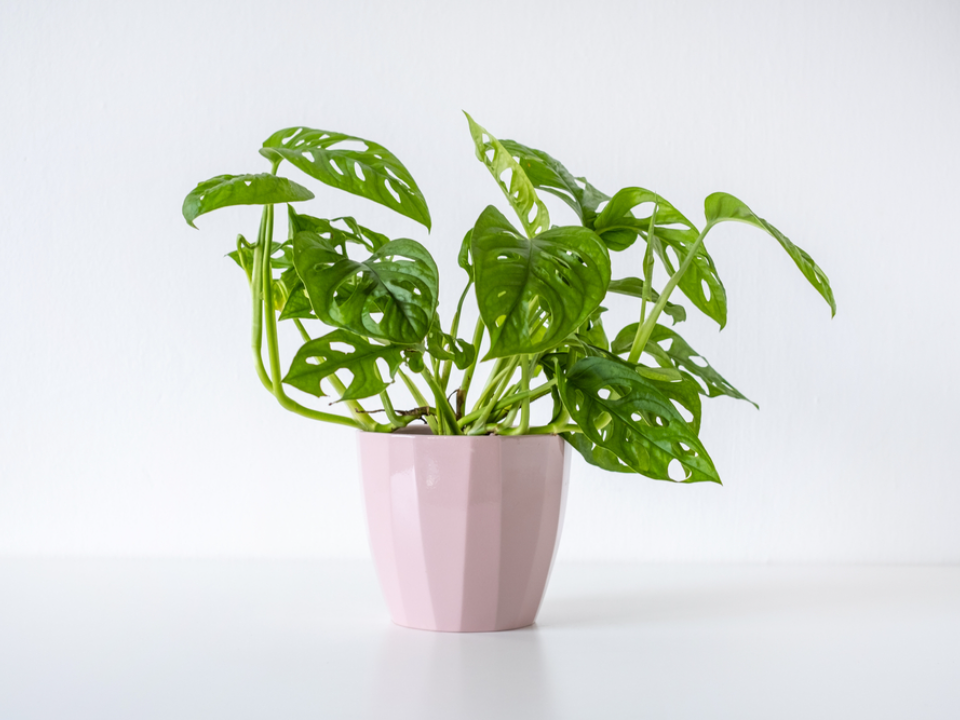
Monstera adansonii keeps a lively look in winter with leaves full of natural openings that draw the eye. It does well in gentle indoor light and continues to show fresh foliage at a slow winter pace. The plant enjoys moderate watering that keeps the soil slightly moist. It handles dryness better when given light misting to support the foliage.
Even in low light, the leaves stay vibrant and hold their unique pattern. It can trail or climb, which helps it adapt to different parts of the room during the cold season. This plant maintains a playful look during winter months.
Dieffenbachia
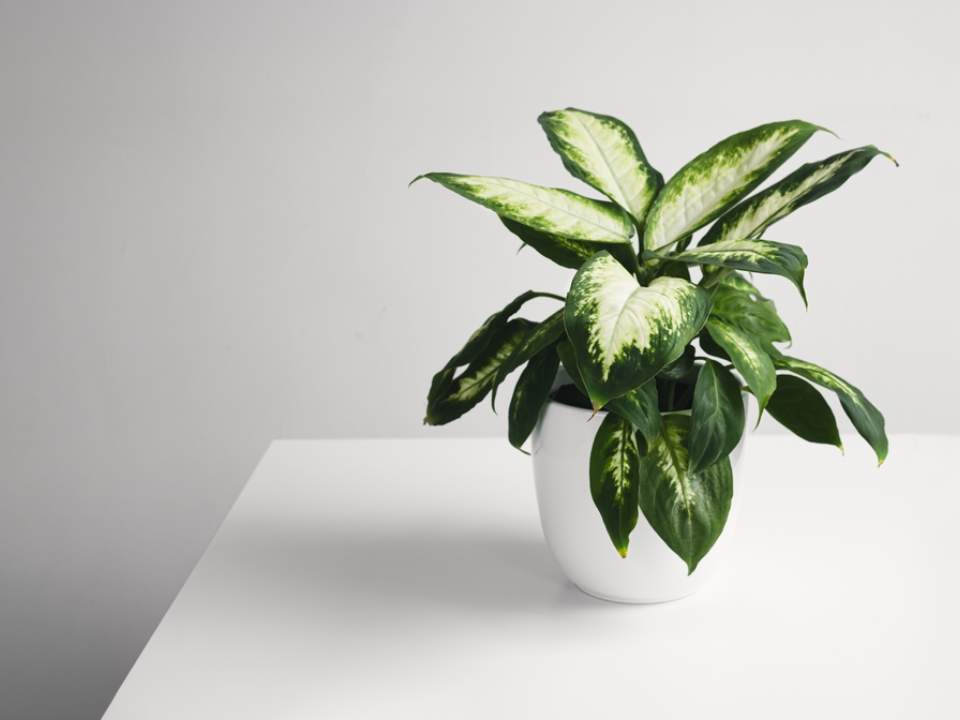
Dieffenbachia stays attractive in winter with bright patterned leaves that hold color even when sunlight weakens. Indoor warmth keeps it comfortable through the season, though it should be kept away from chilly windows. The plant prefers soil that dries a little between watering sessions. Its full leaves help brighten darker rooms, giving the space a soft and lively touch.
Winter growth may slow, yet the plant keeps a strong shape that remains appealing. Light cleaning of the leaves helps it manage low light conditions better. This plant brings steady color to indoor spaces during the colder months.
Swiss Cheese Plant
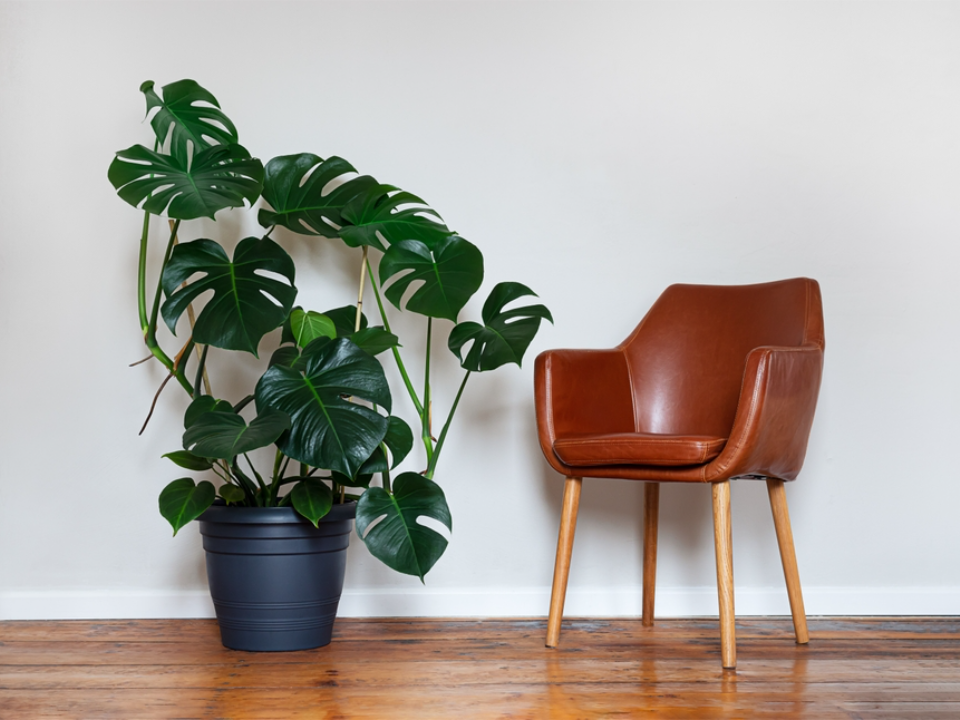
The swiss cheese plant stays lively during winter with large leaves that retain their shape even in dim corners. It handles reduced sunlight well as long as the room stays warm. The plant appreciates soil that is lightly moist, though winter watering should remain gentle. Light stakes or supports can help guide its growth when days grow short.
Even during cold months, the leaves maintain their distinct cuts that make the plant stand out. A bit of misting keeps the foliage from drying out in heated rooms. This plant adds strong visual interest throughout winter.
Peperomia Obtusifolia
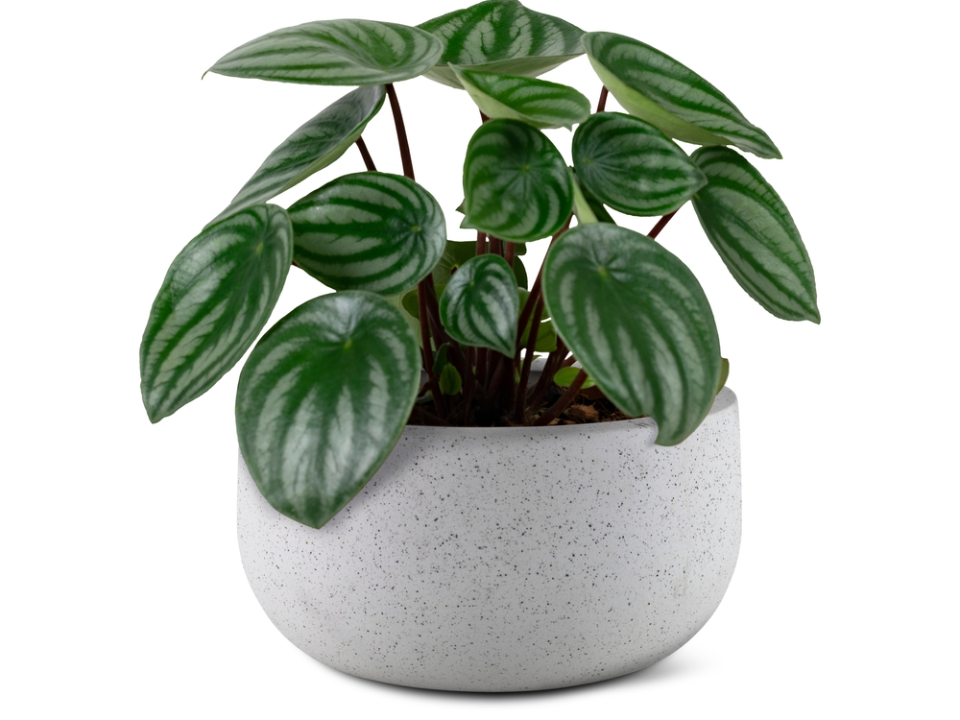
Peperomia obtusifolia stays fresh looking in winter with thick leaves that hold moisture well. It does not need strong sunlight to maintain its shape, which makes it suitable for offices and living rooms. Winter watering stays light since the plant prefers soil that dries slightly between sessions. Its rounded leaves keep their shine even when humidity drops indoors.
Growth may slow during winter, yet the plant remains compact and tidy. Gentle cleaning helps it take in soft indoor lighting more easily. This plant brings a clean and lively appearance to winter spaces.
Nerve Plant
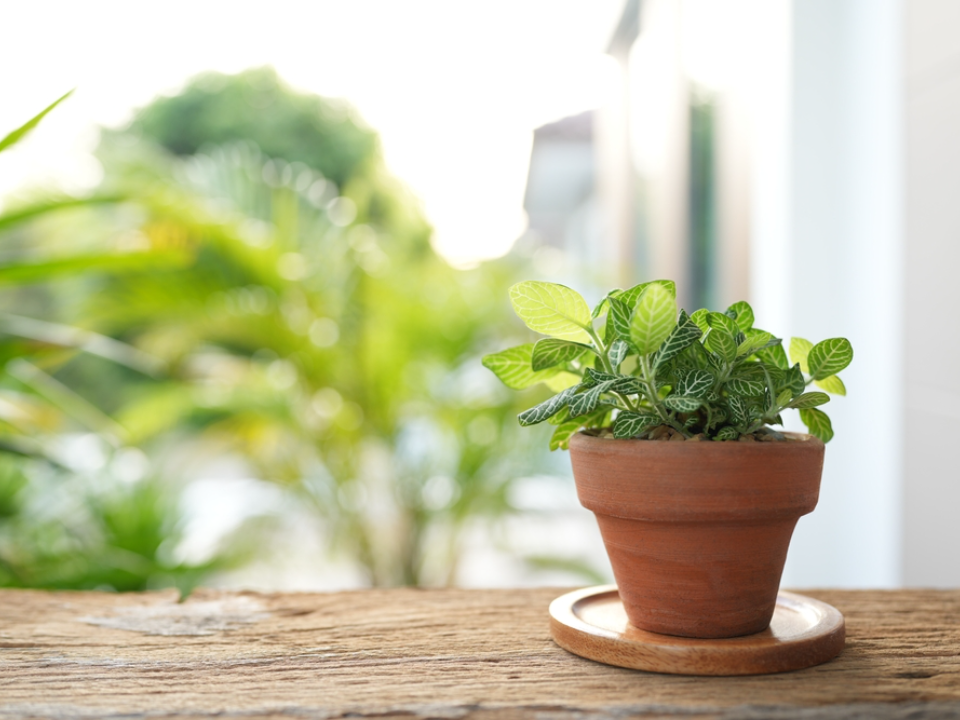
The nerve plant stays colorful through winter with patterned leaves that show bright lines in contrasting shades. It performs well in low light as long as the soil stays slightly damp. Dry indoor air can cause some curling, so gentle misting helps maintain a fresh look.
Even with short winter days, the plant keeps its vivid patterns that brighten darker corners. It stays compact, making it suitable for small shelves and side tables. Temperatures should remain steady to support winter growth. This plant adds personality when other plants begin to fade.
Maidenhair Fern Indoors
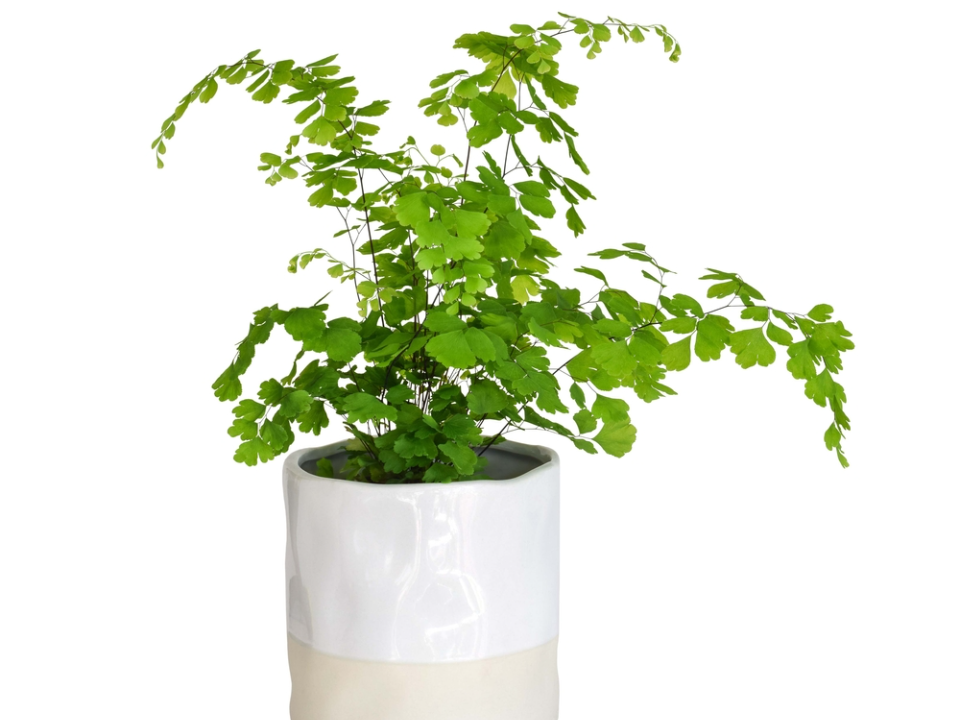
The maidenhair fern keeps a delicate and lively appearance during winter when placed away from drafts. It enjoys gentle light and steady indoor warmth. Winter dryness can affect its leaves, so regular misting keeps them soft and fresh. The plant grows slowly during colder months, yet it retains its feathery shape.
Soil should stay lightly moist without becoming heavy. Even in low light, the plant maintains a soft green tone that feels soothing. This fern adds quiet beauty to winter interiors.
This article originally appeared on Avocadu.