
11 U.S. Destinations with the Best Winter Wildlife Viewing
Winter is a magical time to explore the U.S. and observe wildlife in its natural habitat. From snowy mountains to coastal wetlands, the colder months bring unique opportunities to spot a variety of animals, including migrating birds, elusive predators, and large mammals. Whether you’re hiking through national parks or taking a wildlife tour, these destinations offer some of the best wildlife experiences to enjoy during the winter season.
This post may contain affiliate links, which helps keep this content free. Please read our disclosure for more info.
Yellowstone & Grand Teton, Wyoming
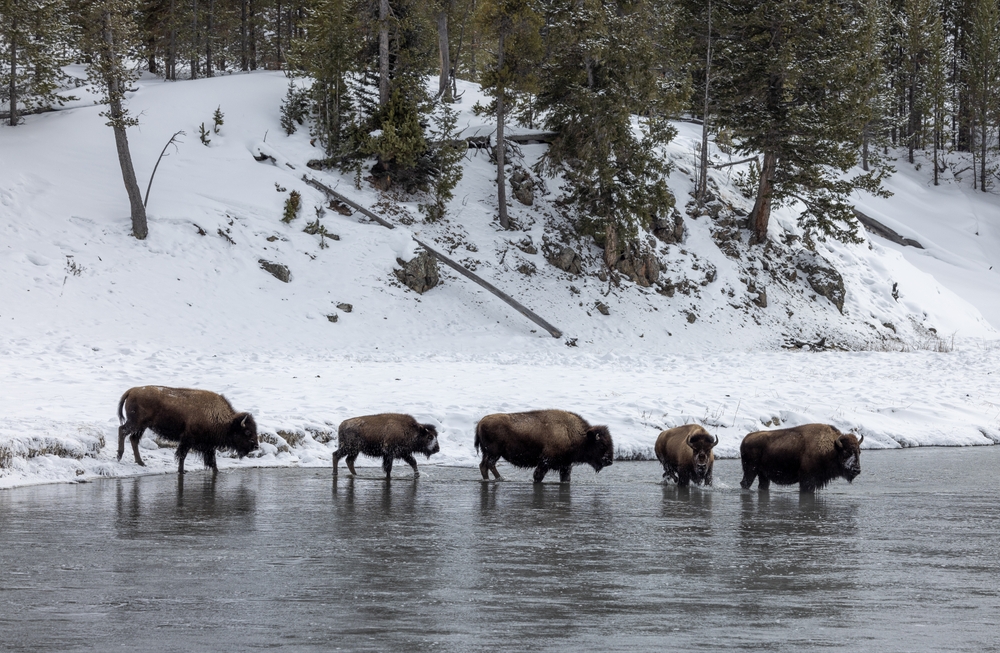
Yellowstone and Grand Teton National Parks, both nestled in Wyoming, are top wildlife destinations during the winter months. As snow blankets the landscape, large mammals such as bison, elk, moose, and wolves become easier to spot against the white backdrop. Yellowstone, especially in areas like Lamar Valley, is known for its large wolf packs that roam the park in search of prey. This valley, often called the “Serengeti of North America,” offers prime viewing for wolf watchers and photographers. Bison, one of the most iconic species of Yellowstone, also spend the winter in lower-elevation areas, where the snow is shallower, and food sources are more abundant.
Grand Teton National Park, located just south of Yellowstone, is another prime destination for winter wildlife. While the park’s towering peaks remain snow-capped, wildlife tends to move toward the valley floors where they can find food more easily. In winter, herds of elk are commonly seen in places like the National Elk Refuge, which sits at the base of the Tetons. These elk, along with bighorn sheep, mule deer, and even the occasional mountain lion, seek refuge from the harsher elements in the lower valleys. The winter landscape of the Tetons, combined with its wildlife, offers some of the most stunning and accessible wildlife photography opportunities in the country.
Everglades, Florida
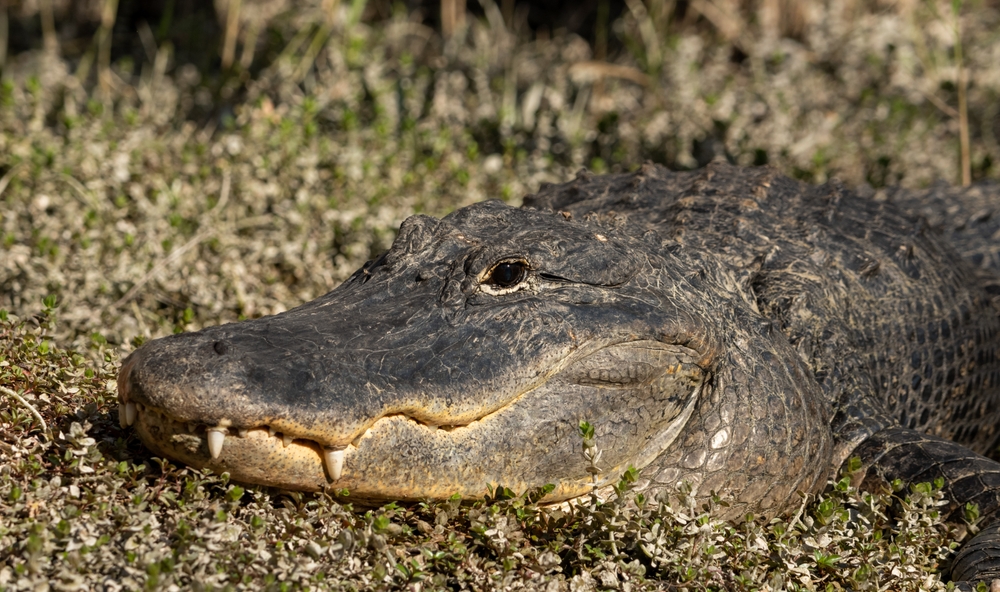
The Everglades National Park is an entirely different experience for winter wildlife viewing, offering warm weather and unique species that thrive in subtropical conditions. As temperatures drop in the northern U.S., the Everglades remain mild, making it the perfect place to spot alligators, manatees, and a wide variety of migratory birds. Alligators can often be seen basking in the winter sun along the park’s waterways and wetlands, their cold-blooded bodies taking full advantage of the sun’s warmth during these cooler months.
Winter also marks the arrival of migratory bird species, such as wading birds, herons, and egrets, which flock to the park’s marshes and estuaries. Manatees, which migrate to the warmer waters of the Everglades, can also be spotted in the park’s rivers and coastal areas. The combination of birds, reptiles, and mammals makes the Everglades a winter haven for wildlife watchers. The peaceful backdrop of vast marshes and the sound of tropical birds overhead make for a unique wildlife viewing experience that contrasts with the snowbound destinations of the northern U.S.
Rocky Mountain National Park, Colorado
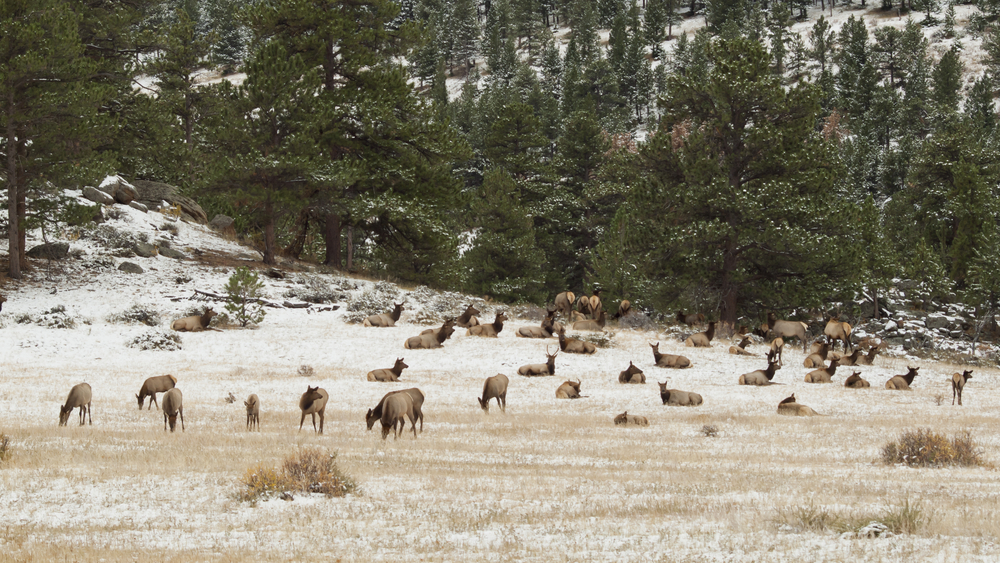
Rocky Mountain National Park is a stunning winter destination, offering a chance to see elk, bighorn sheep, mule deer, and the occasional mountain lion against a backdrop of snow-covered peaks. In the winter months, wildlife congregates in the lower elevations of the park, where food is more accessible. Elk, which are typically seen in higher areas during the warmer months, migrate to the valleys in search of food, and can often be spotted grazing in meadows and forest edges. These large mammals, especially in the early mornings or late afternoons, are often seen in herds, creating an awe-inspiring sight as they roam the park.
Bighorn sheep, another iconic species of the Rocky Mountains, can be found in the park’s rugged terrain during winter. The sheep, known for their impressive horns and agility in rocky environments, are especially active in the winter as they search for food and navigate the harsh winter conditions. Wildlife viewing in Rocky Mountain National Park can be done by foot, by snowshoe, or from the warmth of a vehicle on designated roads. The park’s varied wildlife and breathtaking winter scenery make it a must-visit for nature lovers and wildlife enthusiasts alike.
Denali National Park, Alaska
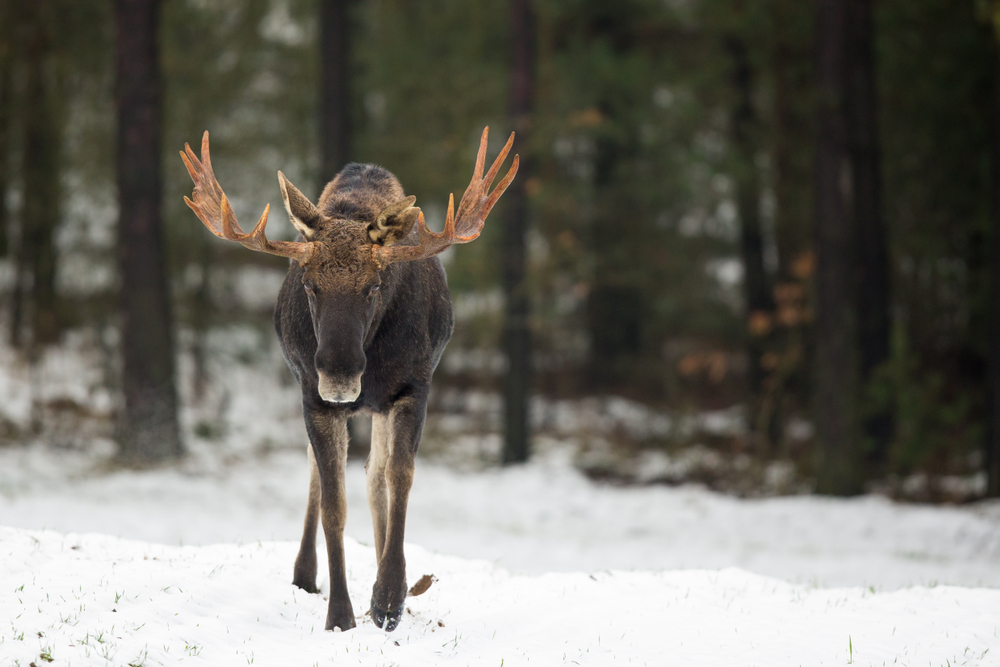
Denali National Park in Alaska is a premier destination for winter wildlife viewing, especially for those interested in seeing Arctic species that are rarely found in the lower 48 states. Winter in Denali is long and harsh, but it offers an unparalleled opportunity to observe wildlife such as caribou, moose, wolves, and even the elusive lynx. The park’s vast, remote landscapes become even more magical during the winter months, when snow transforms the environment into a winter wonderland.
In Denali, wildlife is less abundant but more concentrated in certain areas, as animals move down to the lower elevations in search of food. Moose, for example, can often be spotted near the park’s river valleys, where they forage for willows and other vegetation. Wolves, which are known to roam vast distances, are sometimes seen hunting in the park’s wilderness areas, making them a thrilling sight for winter visitors. Denali’s harsh winter conditions add a sense of adventure to wildlife viewing, where the cold, clear air and frozen landscapes make the sight of these hardy animals even more special.
South Padre Island, Texas
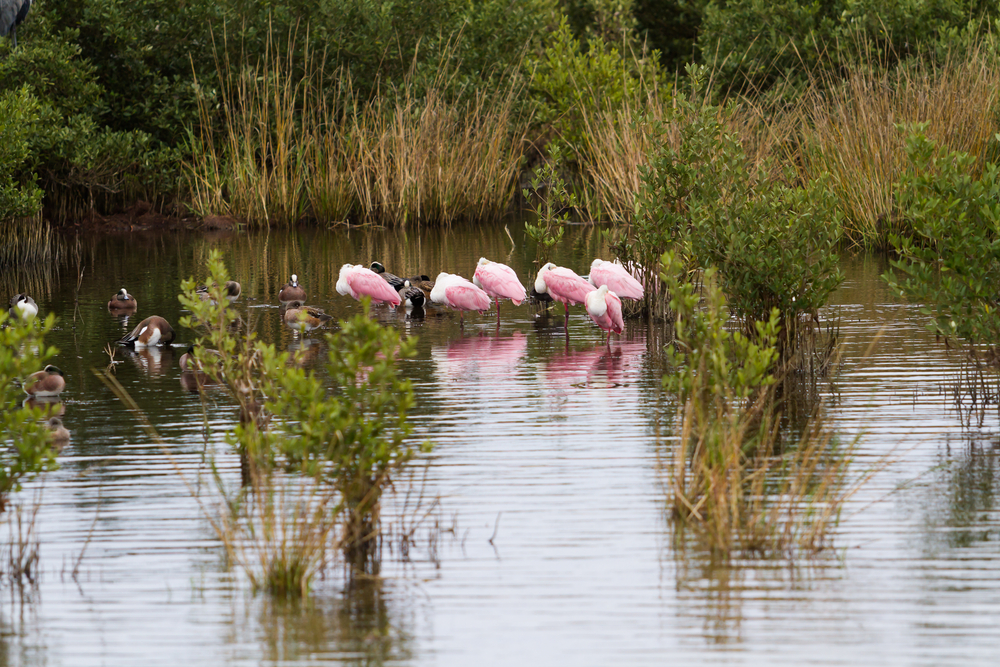
South Padre Island in Texas is renowned for its incredible winter bird migration, making it one of the best winter wildlife destinations in the southern U.S. During the colder months, thousands of migratory birds stop on the island, including species such as the redhead duck, sandhill cranes, and whooping cranes. The island’s coastal wetlands and grasslands provide crucial habitats for these birds, offering plenty of food and shelter during their long migratory journeys.
The South Padre Island Birding and Nature Center is an excellent spot for birdwatchers, with its elevated boardwalks and viewing platforms offering panoramic views of the island’s wetlands. In addition to birdwatching, visitors can also enjoy other wildlife such as sea turtles, dolphins, and various marine life that frequent the island’s shores. The combination of vibrant bird life and stunning coastal scenery makes South Padre Island a must-see destination for wildlife enthusiasts during the winter months.
Olympic National Park, Washington
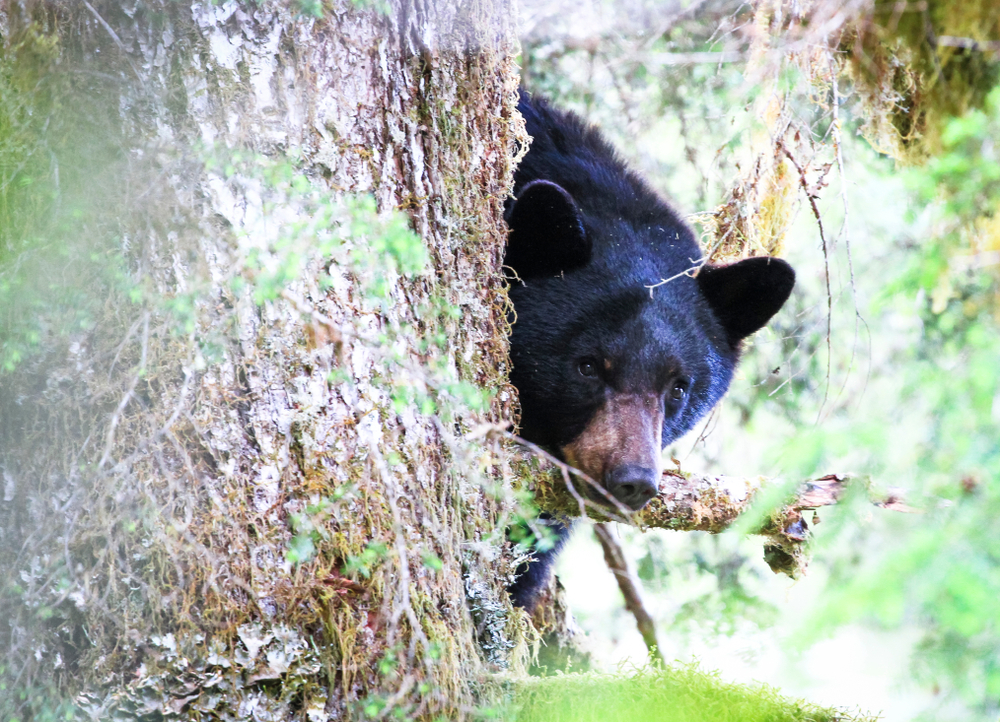
Olympic National Park, located on the Olympic Peninsula in Washington State, is an extraordinary destination for winter wildlife viewing. The park offers a diverse range of habitats, from coastal shores to temperate rainforests and snow-covered mountains, attracting a wide variety of species. In the winter, wildlife such as Roosevelt elk, black bears (still active in lower elevations), and snowshoe hares can be spotted in the park’s valleys and coastal areas. Roosevelt elk, known for their impressive size, are particularly visible along the park’s coastal meadows, where they search for food during the colder months.
In the higher elevations, the park’s snow-covered forests are home to various bird species, such as the northern goshawk, spotted owl, and the occasional bald eagle. The Olympic Peninsula’s unique geography and ecosystem make it a wildlife lover’s paradise, where the combination of marine, forest, and alpine habitats offers a variety of winter wildlife encounters. Whether on a winter hike or from the warmth of a viewing spot, the diversity of Olympic National Park’s wildlife and landscapes makes it a top destination for winter wildlife enthusiasts.
San Juan Islands, Washington
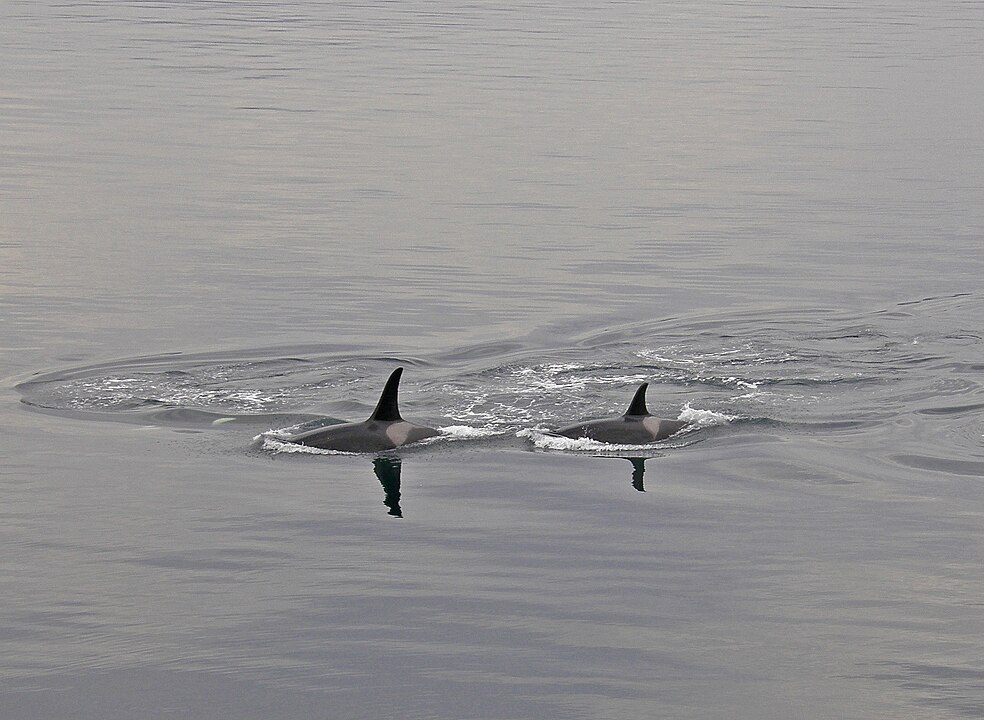
The San Juan Islands in Washington State are a fantastic winter wildlife viewing destination, especially for marine life. The winter months provide prime opportunities for spotting orcas and other whales as they migrate through the waters surrounding the islands. The San Juans are famous for being one of the best places in the world to see orcas, and winter is a particularly good time to spot these majestic creatures as they hunt for salmon in the colder months.
In addition to orcas, harbor seals, sea lions, and a variety of seabirds, such as puffins and eagles, are commonly seen around the islands. The surrounding waters and coastal cliffs offer prime viewing spots for wildlife, and guided tours make it easy to see these animals up close. The quiet, serene atmosphere of the San Juans during winter, combined with the abundance of marine life, makes this a peaceful yet exciting wildlife destination.
Acadia National Park, Maine
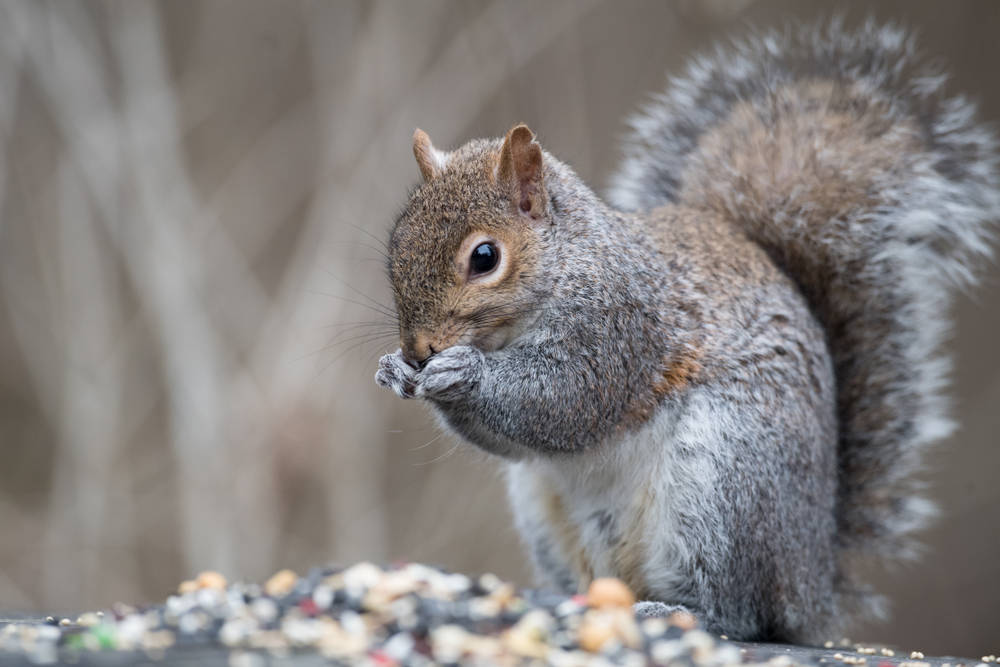
Acadia National Park in Maine offers a beautiful winter setting to view a variety of wildlife, especially for those who love coastal ecosystems. Winter in Acadia is a quieter, more peaceful time of year, allowing visitors to explore the park’s stunning landscapes and spot animals in a tranquil setting. White-tailed deer, moose, and wild turkeys are some of the most common mammals seen in the park during the winter, as they forage in the lower elevations for food. The park’s numerous ponds and marshes attract waterfowl such as ducks and geese, which can be observed against the backdrop of snow-covered woods and frozen lakes.
Additionally, Acadia’s coastal cliffs and beaches provide opportunities for birdwatchers to spot seabirds, such as puffins and eagles, that are active during the winter months. With its mix of rugged coastal terrain and quiet, snowy woodlands, Acadia offers a variety of wildlife viewing experiences in the winter that are both unique and serene.
Alligator River National Wildlife Refuge, North Carolina
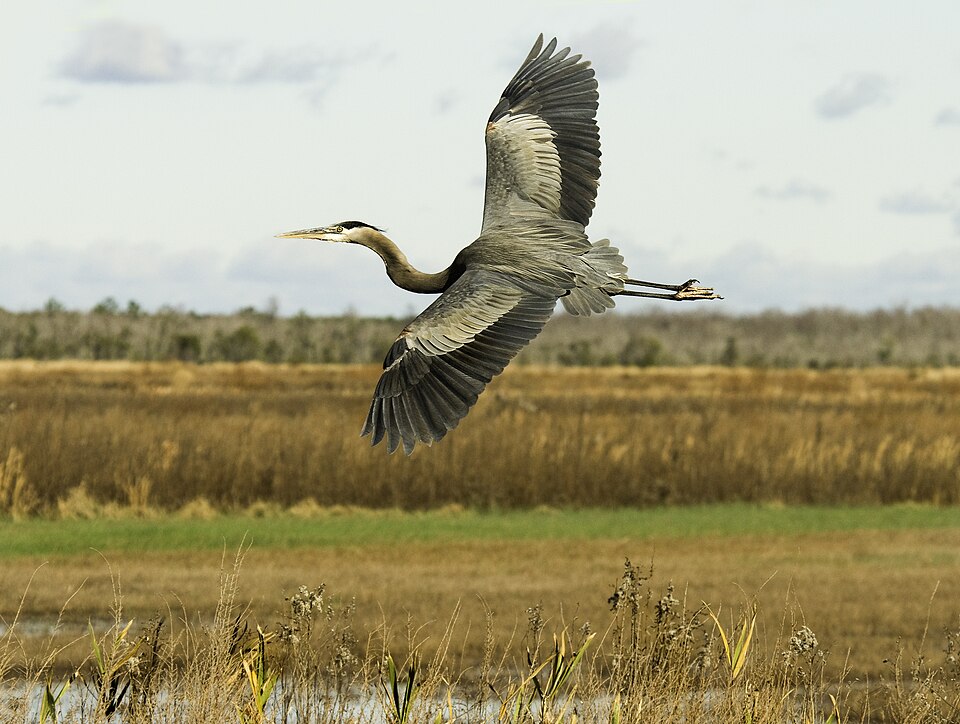
The Alligator River National Wildlife Refuge in North Carolina is a must-see destination for winter wildlife viewing, especially for those interested in spotting rare and elusive species. Located along the Outer Banks, the refuge offers a combination of wetland, forest, and agricultural habitats, making it an ideal spot for winter wildlife. During the colder months, the refuge becomes a critical habitat for migratory birds, including tundra swans, wood ducks, and Canada geese.
In addition to the birds, Alligator River is home to a variety of mammals, including black bears, white-tailed deer, and red wolves. The refuge is one of the few places where you might catch a glimpse of the critically endangered red wolf, which has made a comeback thanks to conservation efforts. With its unique wildlife and tranquil landscape, Alligator River National Wildlife Refuge offers an unforgettable winter experience for wildlife enthusiasts.
Channel Islands National Park, California
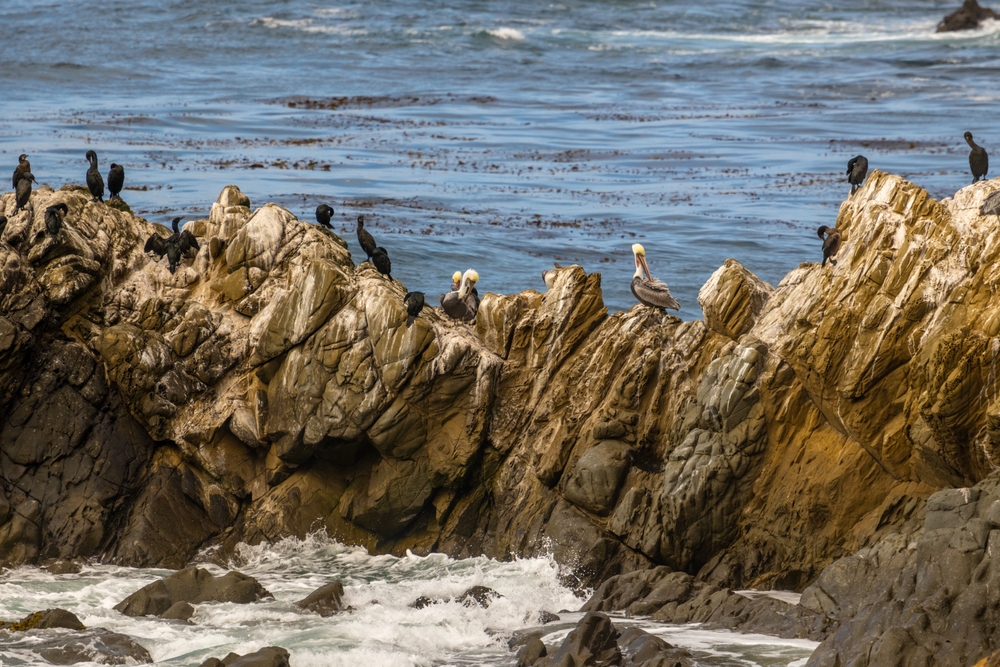
Channel Islands National Park, off the coast of Southern California, is an excellent winter wildlife destination. The park consists of five islands, each with its own unique ecosystem, attracting a variety of animals, both terrestrial and marine. Winter is an ideal time to visit, as the cooler weather brings an abundance of marine life to the shores. Visitors can spot gray whales migrating along the coastline, while the rocky beaches of the islands provide shelter for harbor seals and sea lions.
In addition to marine wildlife, the islands’ inland areas are home to unique species, including the Channel Islands fox and the island scrub jay, both of which are found nowhere else in the world. The combination of sea life and island wildlife makes Channel Islands National Park an exceptional destination for winter wildlife viewing, offering opportunities to explore both on land and at sea.
Great Smoky Mountains National Park, Tennessee/North Carolina
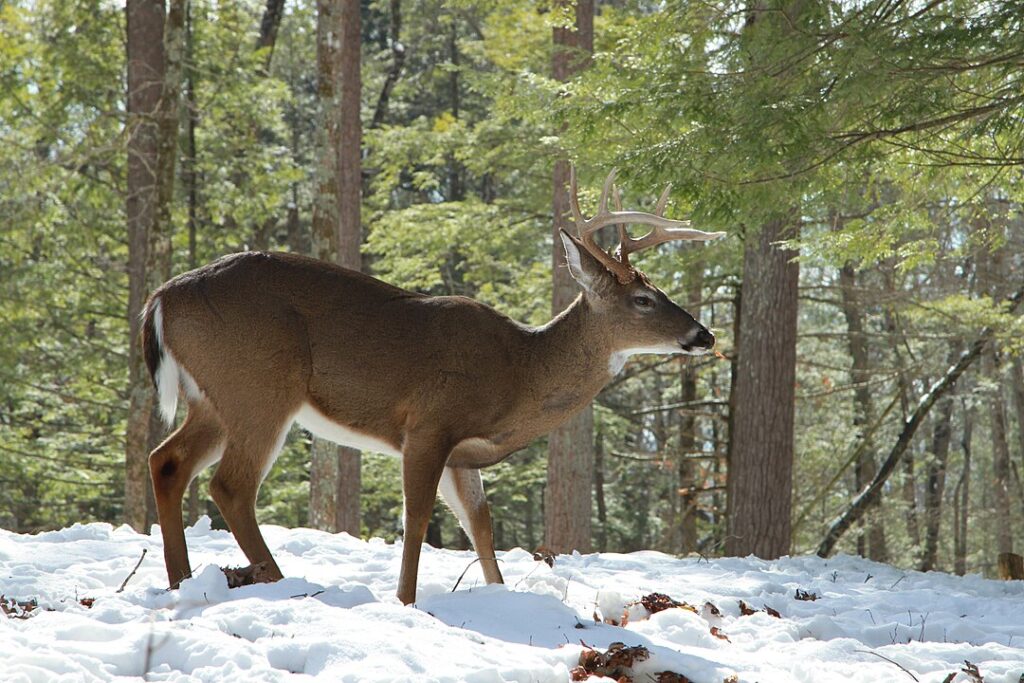
The Great Smoky Mountains National Park is one of the most biodiverse places in the U.S., and winter brings a quieter, more peaceful opportunity to observe its wildlife. As the temperatures drop, animals such as white-tailed deer, wild turkeys, and the occasional black bear move to lower elevations in search of food. The park’s abundant streams and rivers attract wintering waterfowl, including ducks and geese, while the snowy landscapes make it easier to spot tracks and signs of animals.
The park is also home to a variety of bird species that remain active throughout the winter, including the American robin, woodpeckers, and chickadees. With its mix of forested slopes, rolling hills, and rippling streams, the Great Smoky Mountains offers a peaceful winter escape for wildlife watchers looking to enjoy the region’s rich biodiversity.
This article originally appeared on Avocadu.