
16 Ways to Protect Your Perennials from Winter Damage
Winter can be tough on perennials, especially when temperatures change quickly and cold winds settle into the garden. Many plants that thrive through warm months need a little extra care once the chill arrives. A thoughtful routine helps protect their roots, stems, and new growth from harsh conditions. Small adjustments before the cold season can make a big difference in how well they bounce back in spring. Gardeners often find that a few steady habits keep plants healthier through long stretches of frost.
This post may contain affiliate links, which helps keep this content free. Please read our disclosure for more info.
Mulching the Base of Each Plant
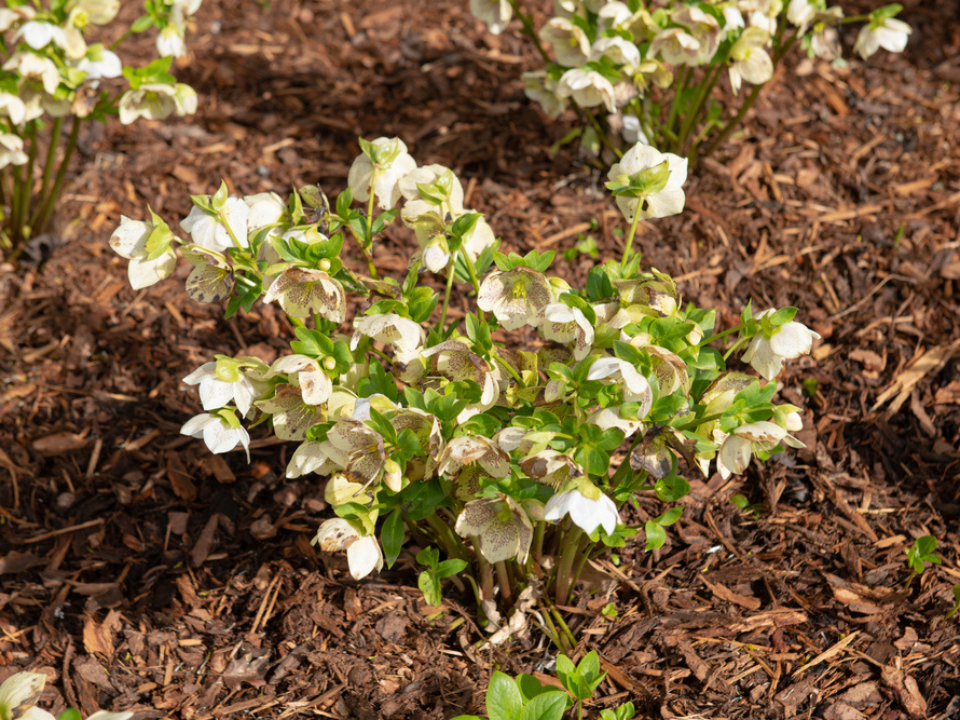
Applying a thick layer of mulch helps shield perennial roots from temperature swings that can harm their growth. The mulch holds moisture in the soil, which keeps roots from drying out during cold spells. This covering also helps prevent frost from pushing soil upward, which can expose roots to harsh weather.
Natural mulch materials such as shredded leaves or wood chips work well because they settle gently around the plant. It is important to add enough mulch to form a steady layer without piling it directly against the stems. This small step keeps your plants more stable as the cold season progresses. With steady protection, perennials tend to handle winter with fewer setbacks.
Watering Deeply Before the Ground Freezes

Giving your perennials a deep watering before the soil freezes helps strengthen them for the coming cold. Moist soil holds warmth better than dry soil, which creates a more stable environment for roots. This practice helps prevent stress that can occur when plants do not receive enough moisture during winter. It is helpful to water early in the day so the soil has time to absorb the moisture. Once the ground becomes firm from frost, watering is no longer effective, so timing matters. This final deep watering supports stronger root health through the cold months. With this preparation, your perennials maintain better resilience until spring.
Creating Windbreak Barriers
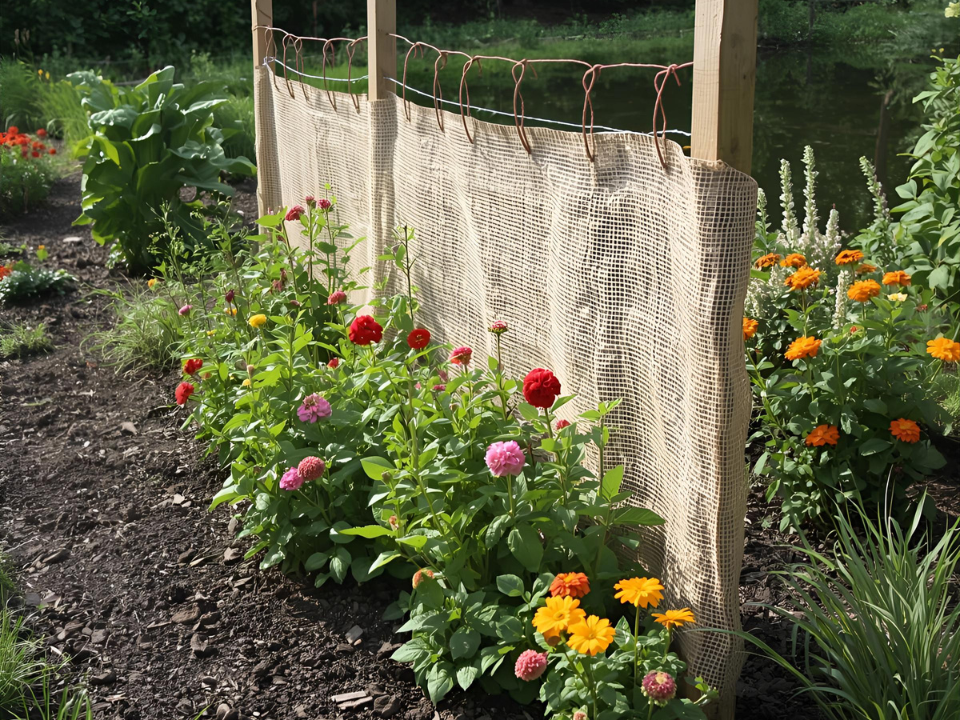
Cold winter winds can strip moisture from perennial foliage and soil, making damage more likely. Setting up simple windbreaks helps block harsh gusts before they reach your plants. Many gardeners use burlap or wooden stakes to create a sheltered space that softens the impact of strong wind.
This barrier also helps snow accumulate more evenly, reducing areas where cold can settle too heavily. The structure does not need to be tall, only steady enough to protect the planting area. Once in place, the windbreak remains helpful through the whole season. With less direct exposure, your perennials experience less stress during winter.
Applying Anti Desiccant Spray
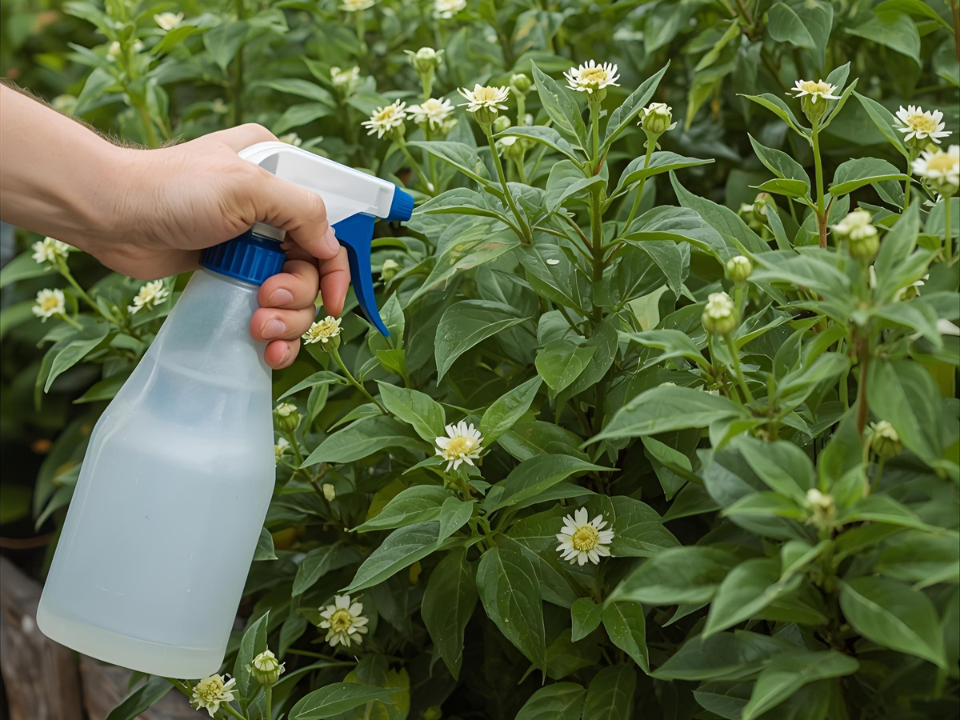
Some perennials suffer from moisture loss during winter because the cold air can dry their leaves. Anti desiccant sprays help coat the foliage with a protective layer that slows moisture loss. This type of treatment is especially useful for plants with evergreen foliage. It helps reduce winter burn, which appears as browning or drying along leaf edges.
The spray should be applied on a mild day so it can settle evenly. It is important to avoid spraying during freezing temperatures. With this added layer of care, plants maintain better moisture levels through winter.
Cutting Back Damaged or Weak Growth
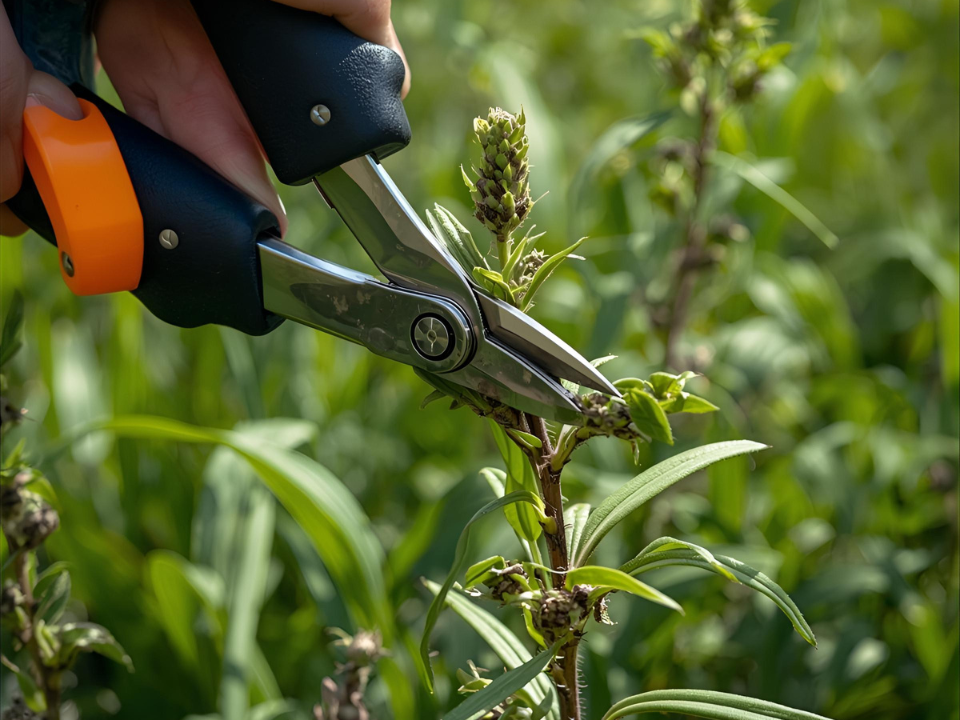
Trimming damaged or weak stems before winter helps the plant conserve energy during cold months. Removing this growth keeps the plant from carrying unnecessary weight that may break under snow. It also helps prevent disease from spreading, since damaged branches often allow moisture to collect.
A clean cut helps the plant heal before temperatures drop too low. This practice should be done with clean tools to avoid spreading issues from one plant to another. By focusing growth on strong stems, the plant directs its energy where it counts most. This preparation helps perennials enter winter in a more stable condition.
Protecting the Crown with Loose Soil
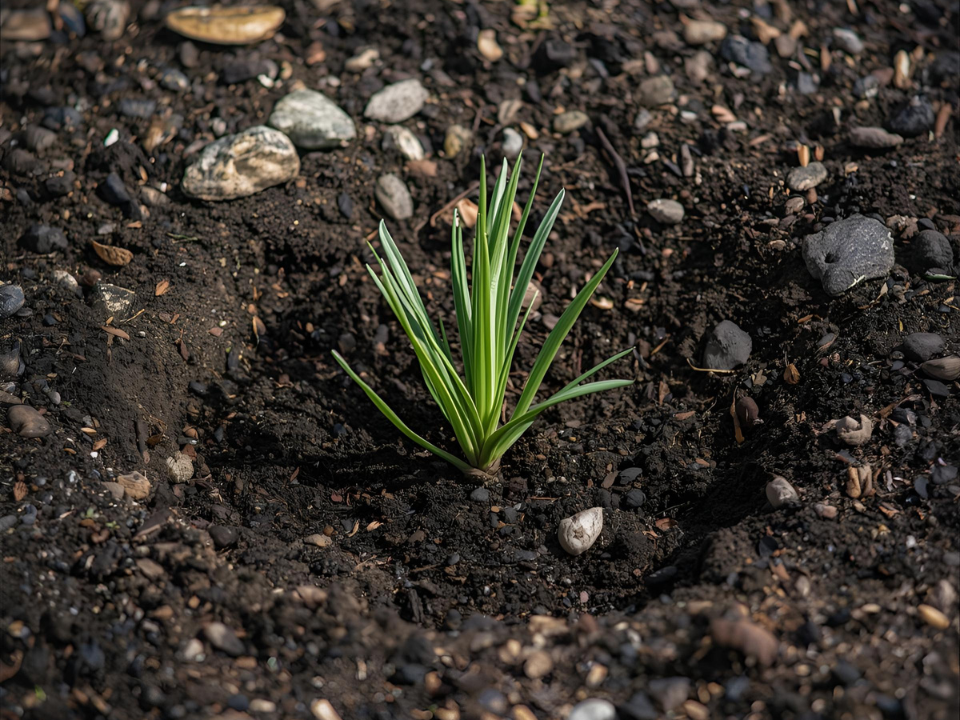
The crown of a perennial is vulnerable during severe winter conditions because it sits close to the soil surface. Adding a bit of loose soil around the crown gives it an extra layer of protection. This soil insulates the plant from direct exposure to cold air.
It helps prevent frost heaving, which can push the crown upward and expose delicate new growth. The soil should be loosened gently to avoid harming surrounding roots. Over time, this added layer settles naturally and continues to shield the plant. This simple step helps preserve the plant’s core structure through cold months.
Using Frost Blankets on Cold Nights
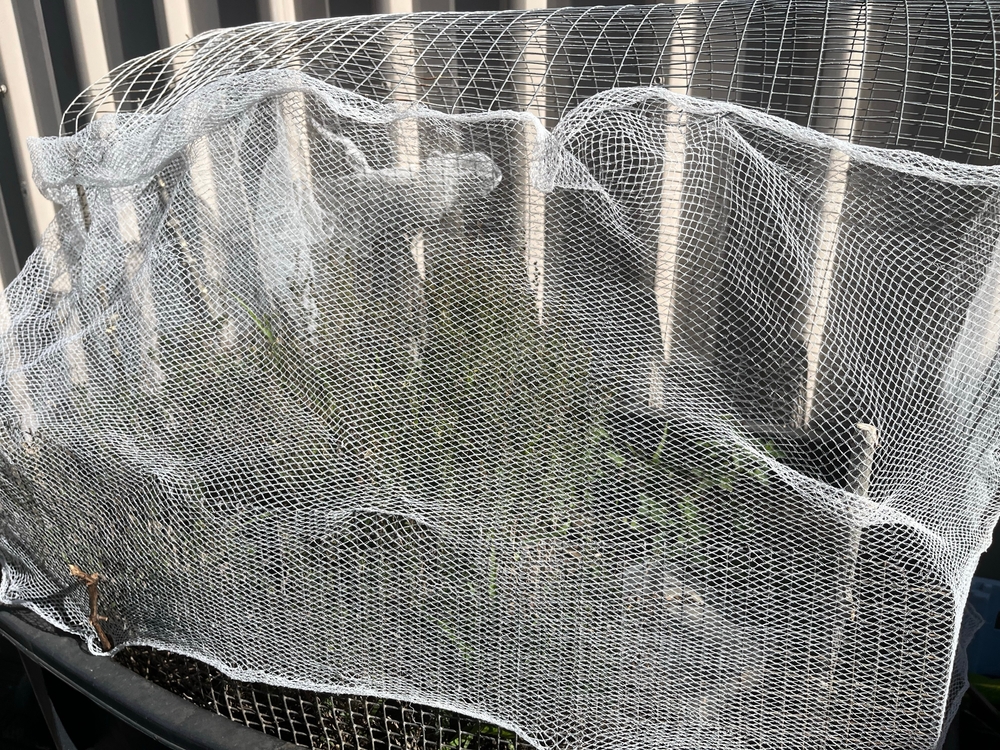
Frost blankets help protect perennials from unexpected drops in temperature that can harm new or tender growth. These covers trap warmth from the ground, creating a small buffer of heat around the plant. They are easy to place over garden beds and can be removed once temperatures rise again.
When used during sudden cold snaps, frost blankets help prevent tissue damage that may otherwise slow spring growth. It is important to secure the edges so winds do not lift the fabric. The blanket should rest loosely over the plant to avoid putting pressure on stems. With regular use during colder nights, perennials gain steady protection.
Diverting Snow Away from Fragile Plants
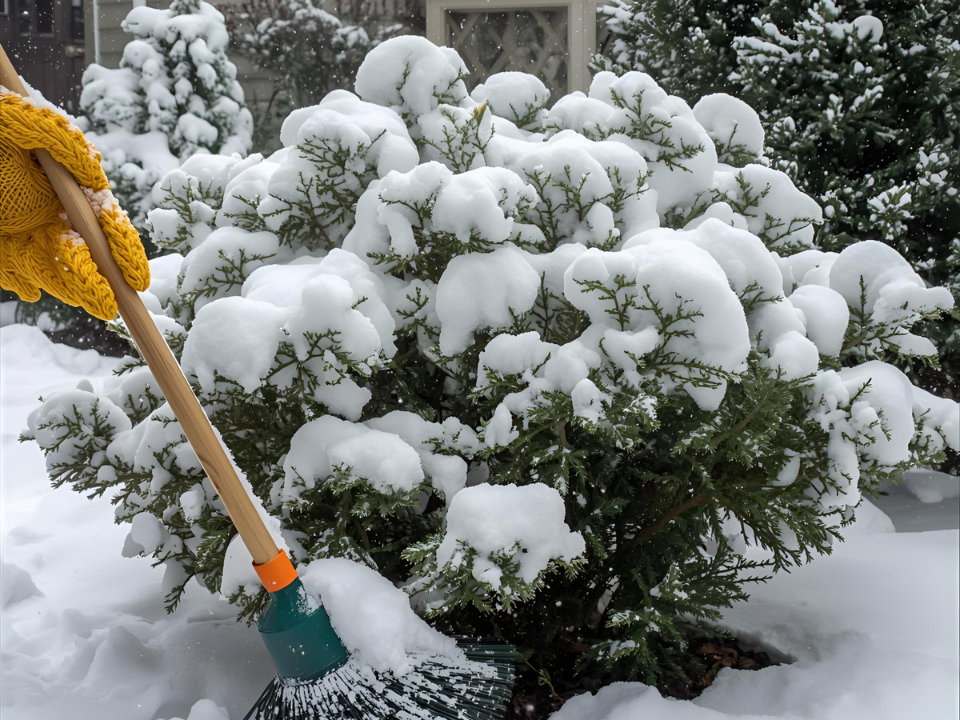
Heavy snow can weigh down and break delicate perennial stems. Gently guiding snow away from these plants helps prevent injuries that may linger into spring. Using a small broom or gloved hand makes this task gentle and safe for the plant.
It helps keep the plant from bending or splitting under wet, heavy snow. This approach is especially useful after storms where snow accumulates quickly. The goal is not to remove all snow but to prevent large piles from pressing down. With this careful attention, perennials remain more upright and healthy.
Marking Plant Locations Before Snowfall
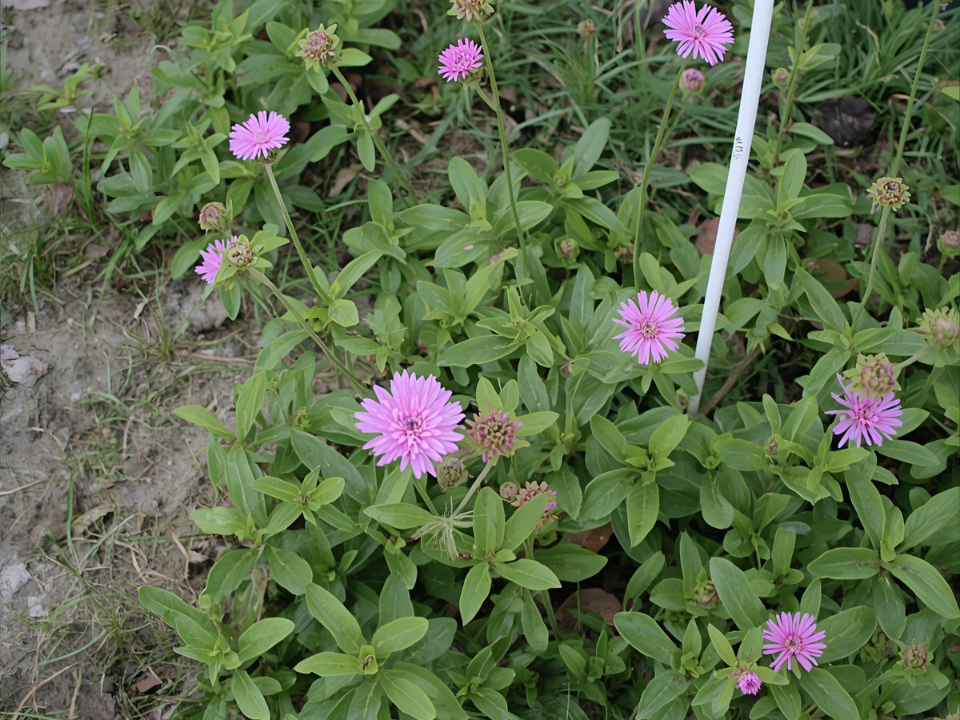
Many gardeners forget exactly where their perennials are located once snow covers the ground. Placing markers near each perennial helps prevent accidental damage from shoveling or walking over them. These markers can be simple stakes that stand tall enough to remain visible above snow.
Knowing where your plants sit reduces the chance of stepping on sensitive crowns. It also helps guide where to apply protection such as blankets or extra soil layers. This step supports smoother winter maintenance around the garden. Clear markers help safeguard your plants through the season.
Improving Soil Drainage Before Winter
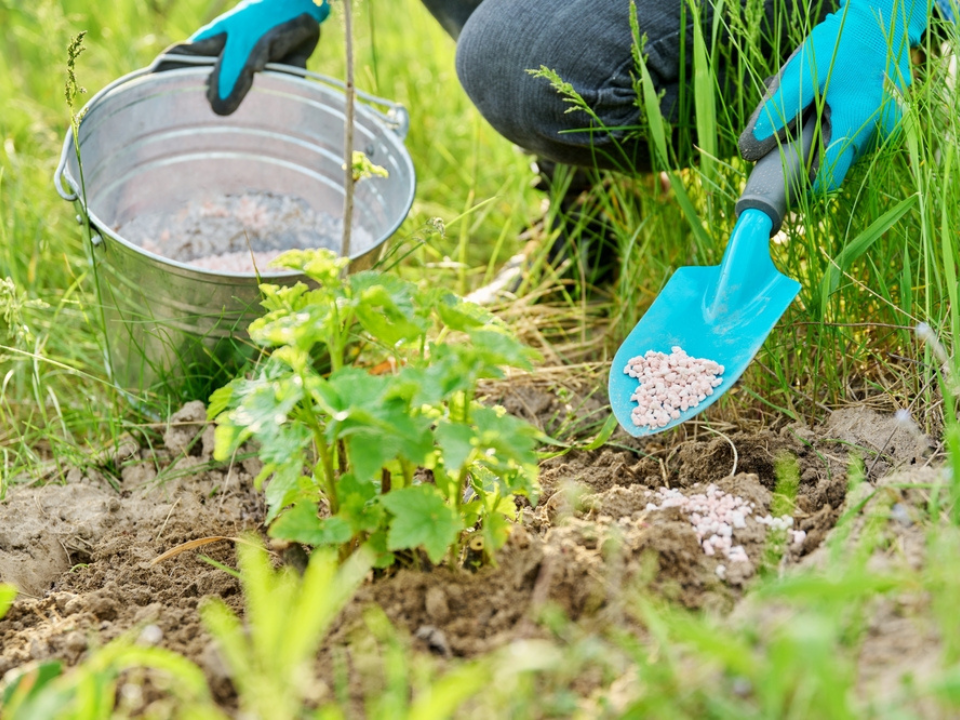
Poor drainage can cause excess water to freeze around perennial roots, which may stress or kill them. Adding organic matter or gently loosening the soil before winter improves airflow and drainage. This helps water move through the soil instead of pooling around the roots. Better drainage reduces the likelihood of ice buildup that suffocates roots.
It also supports healthier soil structure for spring growth. Completing this task before the ground freezes makes it more effective. With improved drainage, perennials handle winter moisture more comfortably.
Checking for Pests Before Cold Weather Arrives
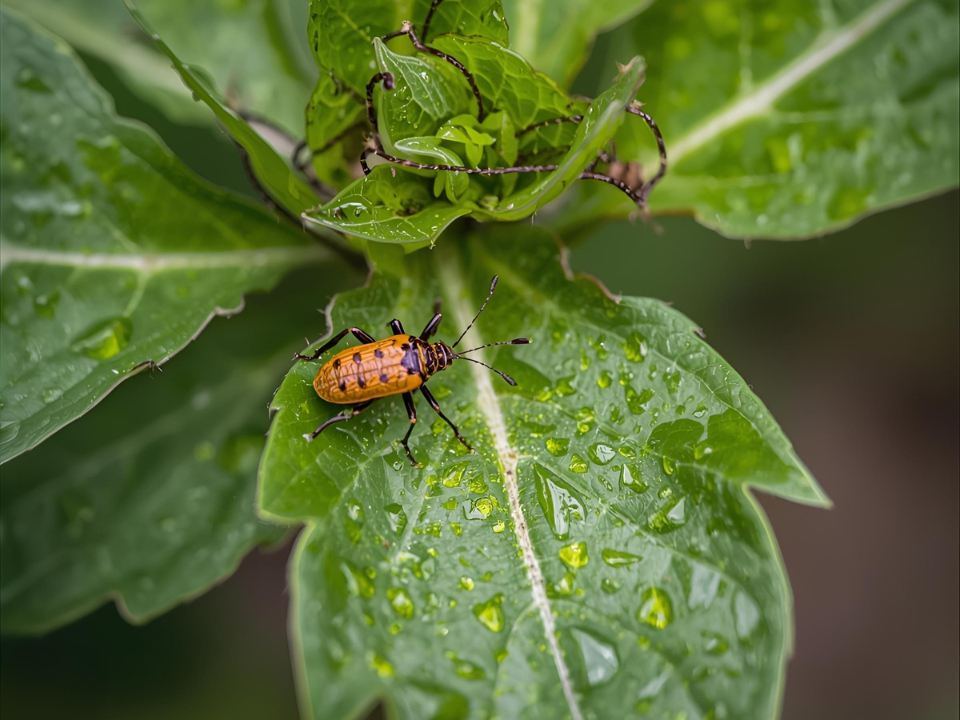
Pests often hide in old leaves or soil layers around perennials and can continue causing harm throughout winter. Inspecting the plant and removing old debris helps stop pests from settling in. This practice reduces the chance of winter damage caused by feeding or tunneling.
It also helps limit disease spread, since pests often carry issues that affect weakened plants. Removing old leaves improves airflow around the plant base. This cleanup gives your perennials a cleaner start heading into cold months. With fewer pest risks, the plant remains more stable through winter.
Applying Compost as a Winter Shield
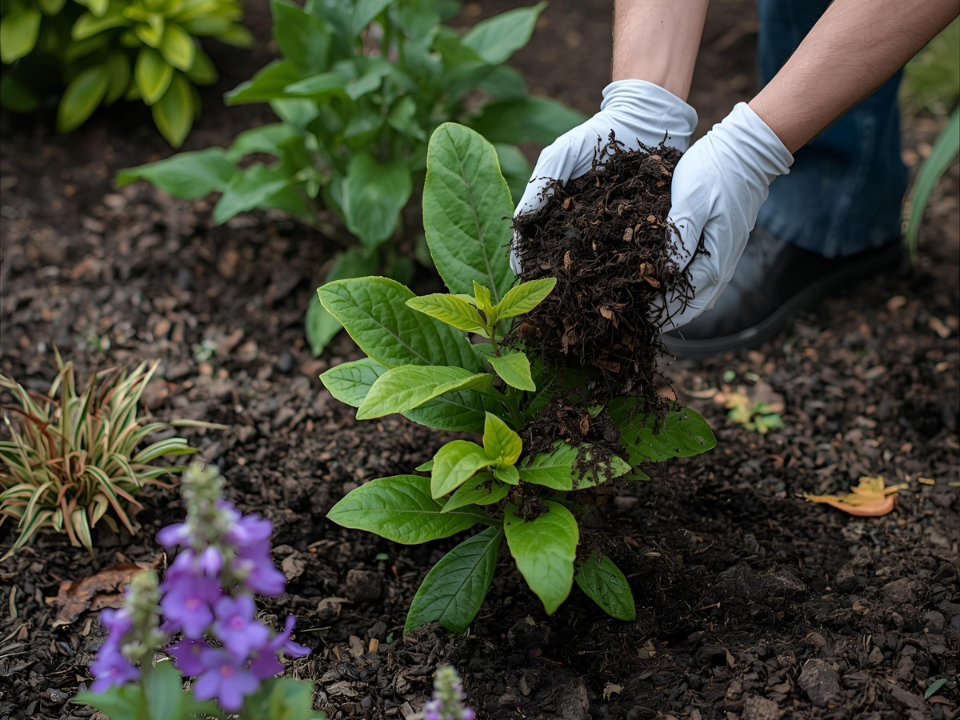
A light layer of compost placed around the base of perennials helps insulate their root systems. Compost holds warmth better than bare soil, which benefits the plant during sharp temperature changes. It slowly releases nutrients when conditions allow, giving the plant a gentle supply heading into spring.
The compost layer should not touch the stems directly to avoid moisture buildup. This method strengthens the soil environment while protecting roots. Over time, the compost blends naturally into the surrounding earth. This easy approach helps keep perennials steady through winter.
Grouping Potted Perennials Together
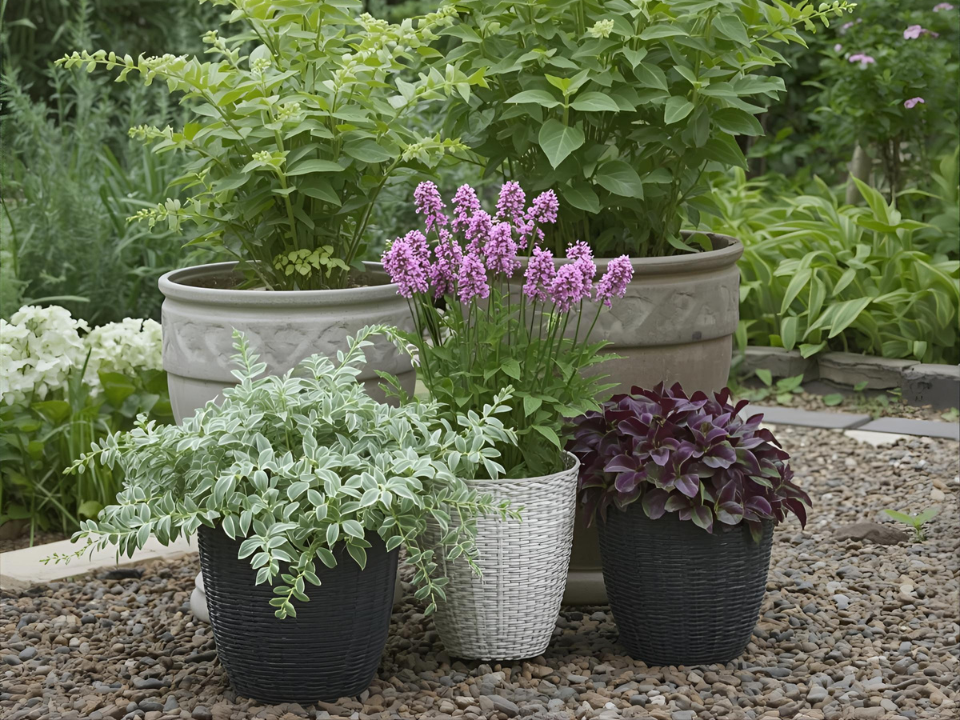
Potted perennials face greater risk during winter because their containers do not insulate roots as well as garden soil. Placing several pots close together helps them retain warmth and stay shielded from wind. The shared space creates a small microclimate that holds heat more effectively.
You can place these pots against a wall or fence for even better protection. Grouping them also makes it easier to cover them quickly with frost cloth when needed. The pots should rest on the ground rather than raised surfaces where cold travels more quickly. This arrangement helps potted perennials survive winter conditions with fewer setbacks.
Wrapping Vulnerable Plants with Burlap

Some perennials have delicate stems or foliage that benefit from light wrapping during winter. Burlap provides a breathable cover that protects the plant from wind, frost, and heavy snow. The wrap should be loose so air can move around the plant without trapping excess moisture.
This covering is especially helpful for tall or shrub-like perennials. Securing the burlap with soft ties helps keep it from shifting during storms. The wrap creates a calming environment around plants that struggle in cold weather. With this added layer, vulnerable perennials gain steadier protection.
Clearing Fallen Leaves That Smother Plants
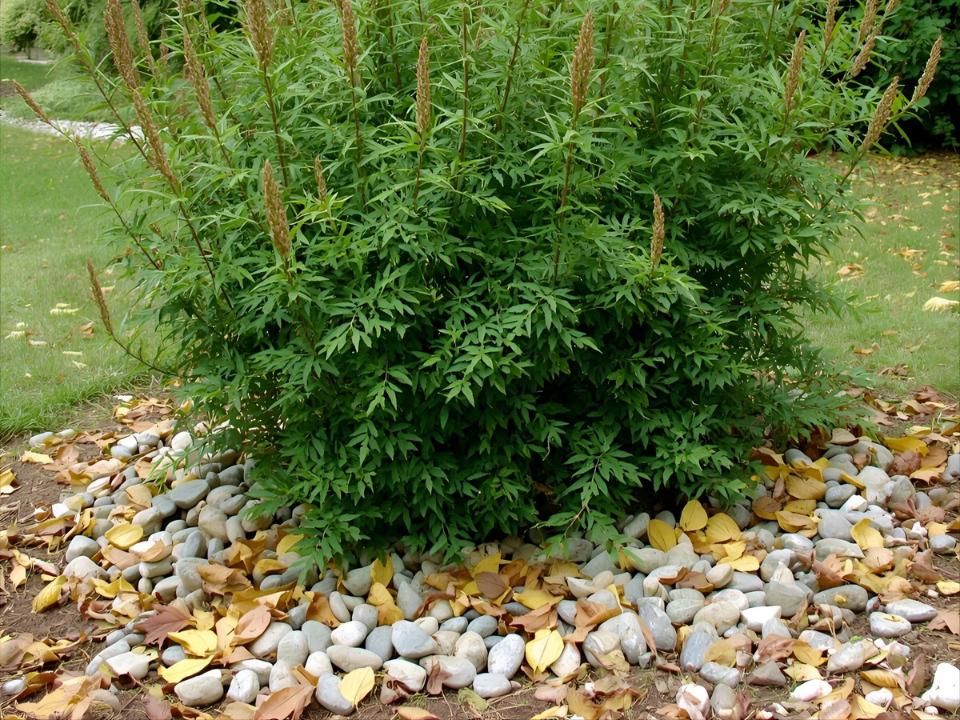
A thick blanket of fallen leaves may seem harmless, but it can trap moisture and smother perennials during winter. Removing heavy leaf layers helps prevent rot from forming around plant crowns. It also reduces the chance of mold growth, which can spread quickly under damp conditions.
A light sprinkling of leaves is fine, as it can act like natural mulch, but heavy piles should be cleared. This cleanup helps air and light reach the plant before snow arrives. The area looks cleaner and feels healthier for your plants. With less trapped moisture, perennials stay stronger through winter.
Using Raised Beds for Cold Sensitive Perennials
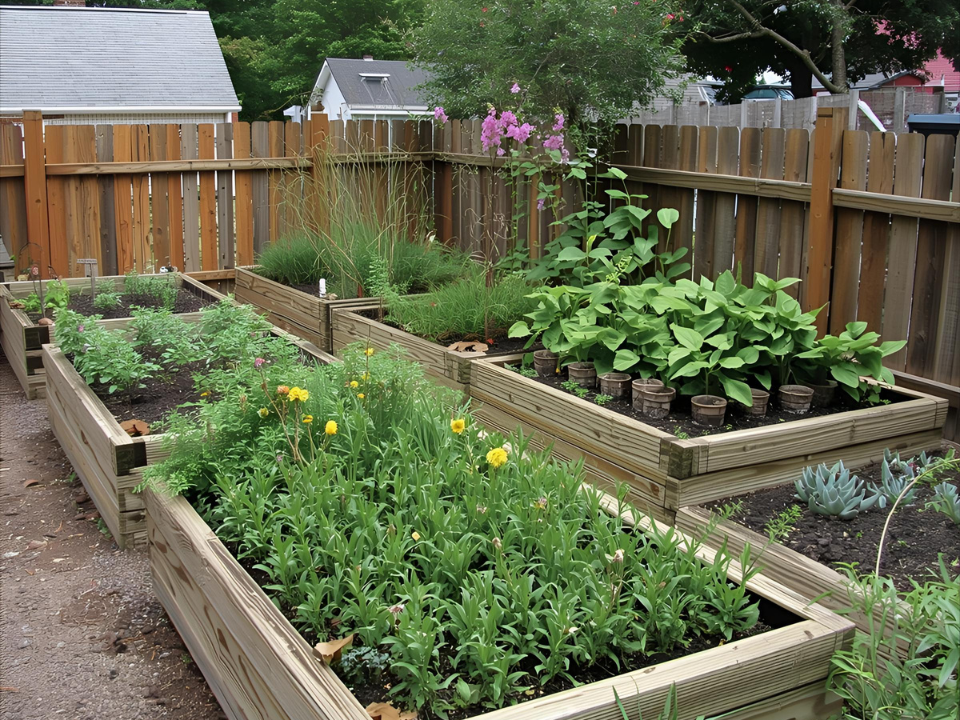
Raised beds help improve drainage and reduce the amount of standing water that can freeze around roots. This structure keeps perennials slightly warmer than ground level planting beds. It also helps reduce frost heaving, since the soil in raised beds tends to settle more evenly. Cold sensitive varieties benefit greatly from this setup.
The soil warms more quickly in spring, which helps the plant return to growth smoothly. Raised beds also make winter care easier because they are more accessible. This arrangement supports healthier perennial growth from season to season.
This article originally appeared on Avocadu.