
8 Christmas Villains and Mischief Makers Who Steal the Scene
Christmas is a time for joy, but not all characters share in that festive spirit. From mischievous figures to outright villains, some steal the spotlight in holiday tales. These characters often bring chaos, creating unforgettable moments that leave an impact. Whether they are up to no good or just misunderstood, their presence adds excitement to the season.
This post may contain affiliate links, which helps keep this content free. Please read our disclosure for more info.
The Grinch
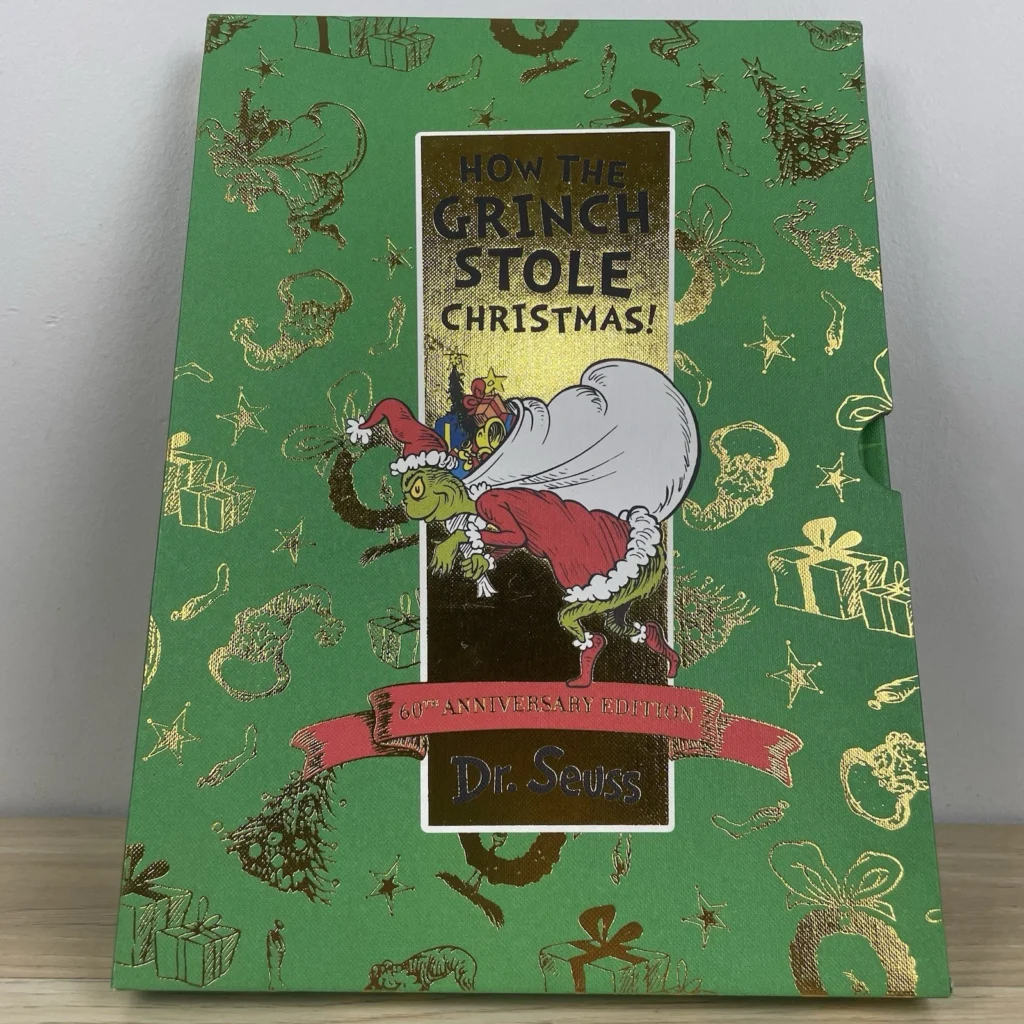
The Grinch is arguably the most famous Christmas villain. Initially, he despises Christmas and the Whos in Whoville, plotting to steal their holiday spirit by taking their presents, trees, and decorations. His heart eventually grows three sizes, but his initial schemes make for one of the most memorable Christmas stories. His transformation from villain to hero makes him an enduring figure in holiday tales.
Despite his initial actions, the Grinch is more complex than a simple villain. His deep-seated loneliness and dislike of Christmas are due to past trauma, which adds depth to his character. The Grinch’s journey reminds us that redemption is possible, even for the most mischievous of characters. His antics provide humor and excitement throughout the story, making him a standout Christmas figure.
Scrooge McDuck (A Christmas Carol)
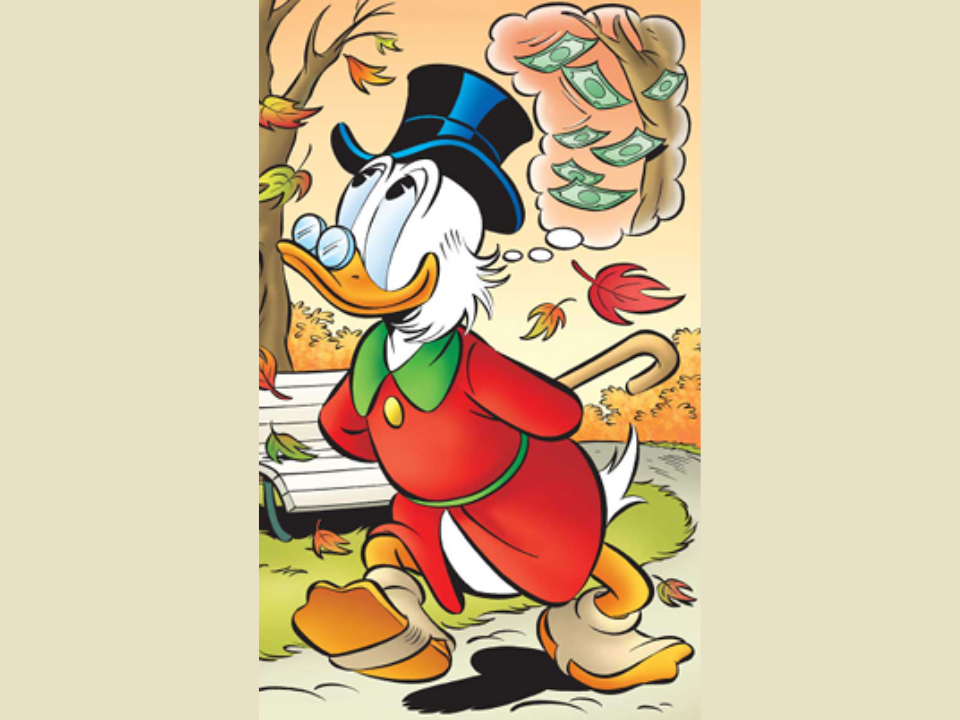
Scrooge McDuck, inspired by Charles Dickens’ famous character Ebenezer Scrooge, is another villain who transforms over Christmas. A wealthy, miserly duck who values money over everything else, he learns the true meaning of Christmas after visits from the Ghosts of Christmas Past, Present, and Yet to Come. His transformation from bitter old miser to a generous philanthropist is a staple of Christmas storytelling. His character adds a layer of morality to the holiday season, reminding us of the importance of kindness and generosity.
In the animated version of A Christmas Carol, Scrooge McDuck adds a unique, humorous twist to a classic story. His grumpy demeanor and reluctance to embrace the holiday spirit make him a perfect foil for the warmth and joy of Christmas. The lessons he learns from the spirits resonate with both young and old viewers. Scrooge’s change of heart highlights the power of compassion during the Christmas season.
Jack Skellington (The Nightmare Before Christmas)
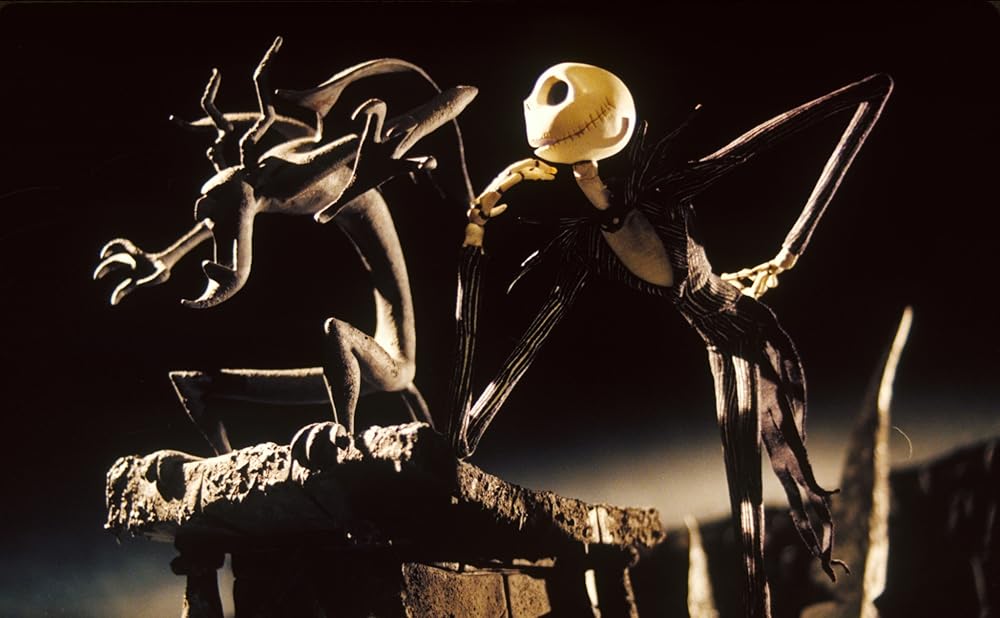
Jack Skellington, the Pumpkin King of Halloween Town, stumbles upon Christmas Town and becomes obsessed with taking over Christmas. His well-meaning but misguided attempts to “improve” the holiday lead to chaos, and he ends up kidnapping Santa Claus. Though his intentions are not entirely malicious, his lack of understanding of Christmas customs causes a series of misadventures. Jack’s story is one of self-discovery as he learns to appreciate the spirit of Christmas, despite his initial missteps.
Jack’s role as an unwitting villain makes him both an amusing and relatable character. His frustration with his own holiday, Halloween, leads him to try something new, resulting in a mix of humor and mishaps. His journey back to embracing Halloween, while respecting Christmas, creates a lasting, heartwarming message about being true to oneself. His antics provide a memorable spin on Christmas, especially with his distinct blend of spooky and festive elements.
The Snow Miser and Heat Miser (The Year Without a Santa Claus)
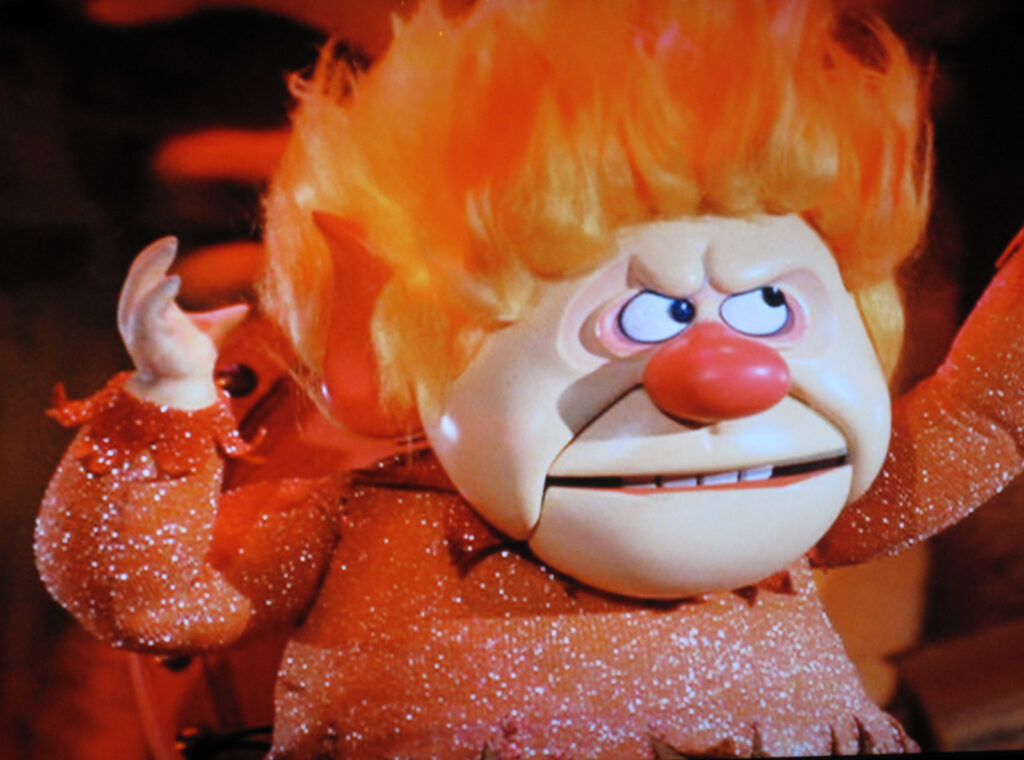
The Snow Miser and Heat Miser are mischievous brothers who control the weather in The Year Without a Santa Claus. While the Snow Miser controls the cold and snow, the Heat Miser is responsible for the warmth and heat, and the two are constantly at odds. Their rivalry creates a fun and chaotic dynamic, as Santa tries to resolve the tension between them. The brothers’ antics add a touch of humor and lighthearted conflict to the otherwise heartwarming story.
Their constant bickering and competing powers represent the balance between extremes, and they show how working together can solve problems. Despite their differences, both brothers are ultimately key to Santa’s mission of bringing joy back to the world. Their humorous personalities and catchy songs make them unforgettable figures in holiday folklore. The Snow Miser and Heat Miser remind us of the importance of cooperation, even among those with opposing viewpoints.
The Wicked Stepmother (Cinderella)
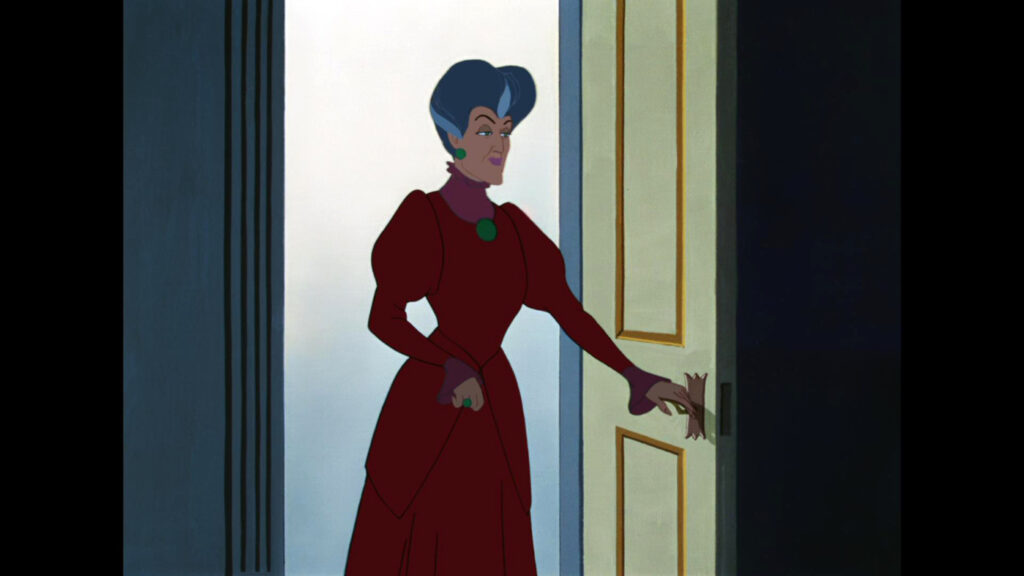
In many versions of Cinderella, the Wicked Stepmother is the main antagonist who works against Cinderella’s happiness. Her jealousy and cruelty make her one of the most iconic villains in fairy tales. She tries to keep Cinderella from attending the royal ball and later sabotages her chances for a better life. Her attempts to thwart Cinderella are central to the drama, as they create a conflict that drives the plot forward.
Though she is often seen as a villain, the Wicked Stepmother represents the harshness and challenges that many people face during the holidays. Her jealousy and bitterness serve as a contrast to the kindness and joy of Christmas. Despite her malicious actions, Cinderella’s eventual triumph offers a positive message about the power of perseverance and kindness. Her story continues to resonate as one of the classic tales of overcoming adversity.
The Krampus
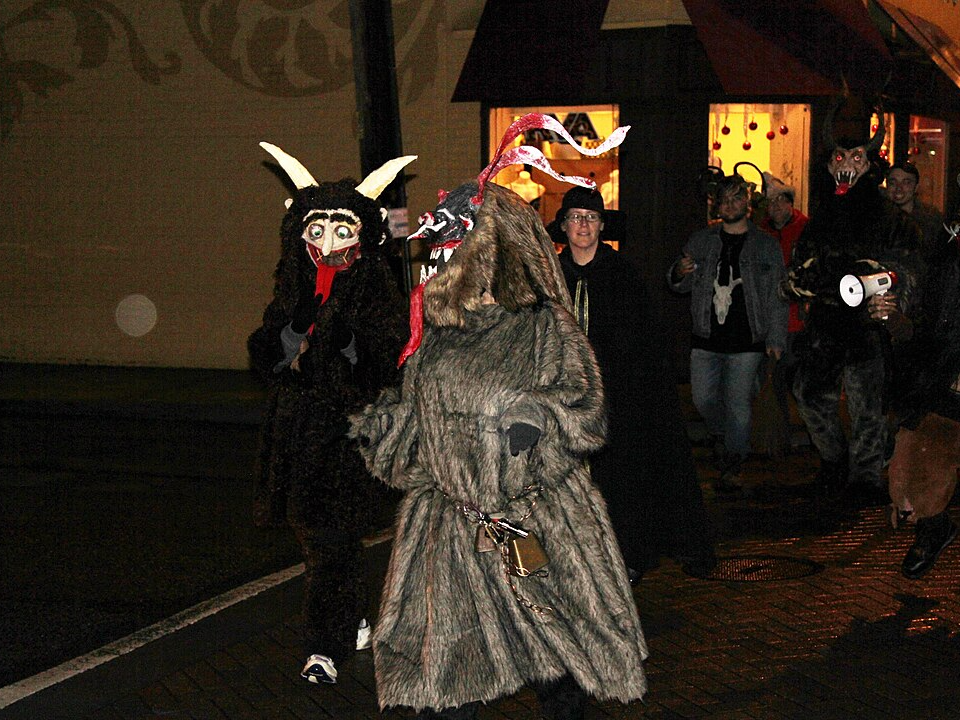
The Krampus is a dark figure in Christmas folklore, often seen as the counterpart to Santa Claus. While Santa rewards well-behaved children, Krampus punishes those who misbehave, delivering frightening consequences. His appearance varies, but he is often depicted as a horned, demon-like creature who carries chains and a bundle of sticks. His role as a Christmas villain reminds us of the importance of good behavior, especially during the holiday season.
In modern times, Krampus has gained popularity through movies, festivals, and folklore. His frightening image and sinister role add an eerie element to the otherwise joyful holiday. Though he is rarely featured in traditional Christmas stories, his presence has become more mainstream. Krampus serves as a reminder that Christmas is not only about joy and giving, but also about the importance of morality.
The Wicked Queen (Snow White and the Seven Dwarfs)
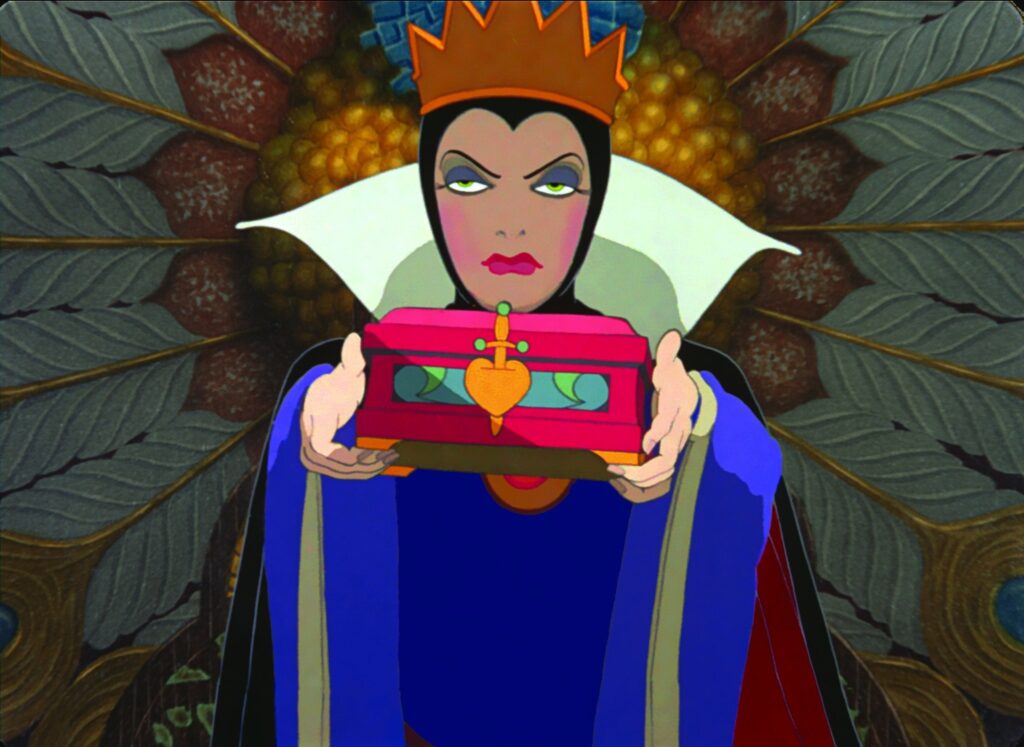
The Wicked Queen in Snow White and the Seven Dwarfs is driven by vanity and jealousy. She cannot stand the idea that Snow White is more beautiful than her, and so she attempts to have Snow White killed. Using a poisoned apple, she sets in motion the events that will lead to Snow White’s temporary death. Her cruel and envious nature makes her a memorable villain in holiday storytelling.
The Wicked Queen’s obsession with beauty and youth leads her to commit terrible deeds in her quest for power. Her transformation into the Evil Queen represents the lengths she is willing to go to maintain her position. Snow White’s eventual triumph is a testament to the power of innocence and goodness. The Wicked Queen’s defeat is one of the most satisfying moments in holiday fairy tales, as it shows how evil can be overcome.
The Ice Queen (Narnia: The Lion, the Witch, and the Wardrobe)

The Ice Queen, also known as the White Witch, is the main villain in The Lion, the Witch, and the Wardrobe. She has cast a spell over Narnia, making it an eternal winter, and uses her powers to maintain control over the land. Her tyrannical rule makes her one of the most memorable villains in Christmas-themed stories. She tries to prevent Aslan from returning and disrupting her reign of fear.
The Ice Queen’s actions represent the harshness and oppression that can arise when power is abused. Her evil nature and desire for control are central to the conflict of the story. Her eventual defeat is significant because it restores peace, freedom, and warmth to Narnia. The Ice Queen’s role as a villain reminds us of the importance of hope and fighting against the forces of darkness during the holidays.
This article originally appeared on Avocadu.