
11 Indoor Plants That Help Fight Stale Winter Air
As winter sets in and indoor heating systems kick into high gear, the air inside your home can become dry and stale. Fortunately, certain indoor plants not only add beauty to your space but also help improve air quality by filtering out toxins and boosting humidity. These plants are natural air purifiers, offering a simple, effective way to create a healthier, more comfortable indoor environment during the colder months. Whether you’re dealing with common pollutants or need some extra moisture in the air, these green companions can make a noticeable difference in the air you breathe.
This post may contain affiliate links, which helps keep this content free. Please read our disclosure for more info.
Snake Plant (Sansevieria trifasciata)
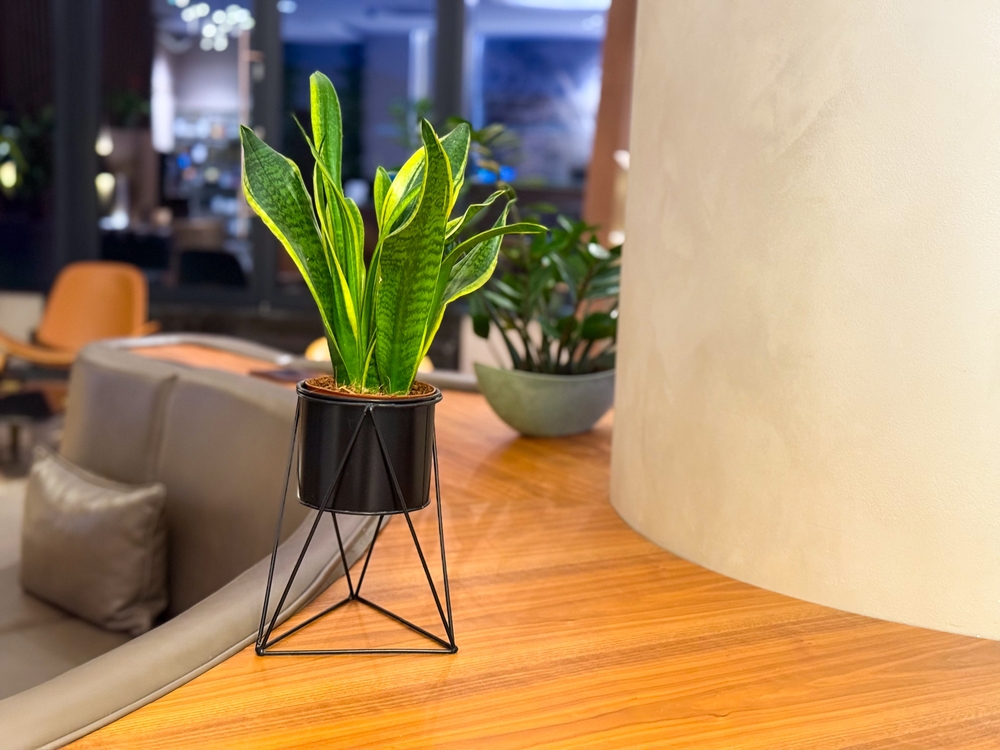
The Snake Plant is a resilient and low-maintenance plant known for its air-purifying qualities. It thrives in low light conditions and can tolerate periods of neglect, making it perfect for homes with busy lifestyles. Snake Plants remove harmful toxins such as formaldehyde, benzene, and xylene from the air, improving overall indoor air quality. This is particularly helpful in winter, as indoor spaces tend to accumulate pollutants due to heating systems.
One of the standout features of the Snake Plant is its ability to continue releasing oxygen even at night. Most plants only do so during the day through photosynthesis, but the Snake Plant works around the clock, contributing to a fresher atmosphere. With minimal water requirements and no need for direct sunlight, this plant is ideal for beginners and anyone looking to enhance indoor air quality without extensive care.
Peace Lily (Spathiphyllum)
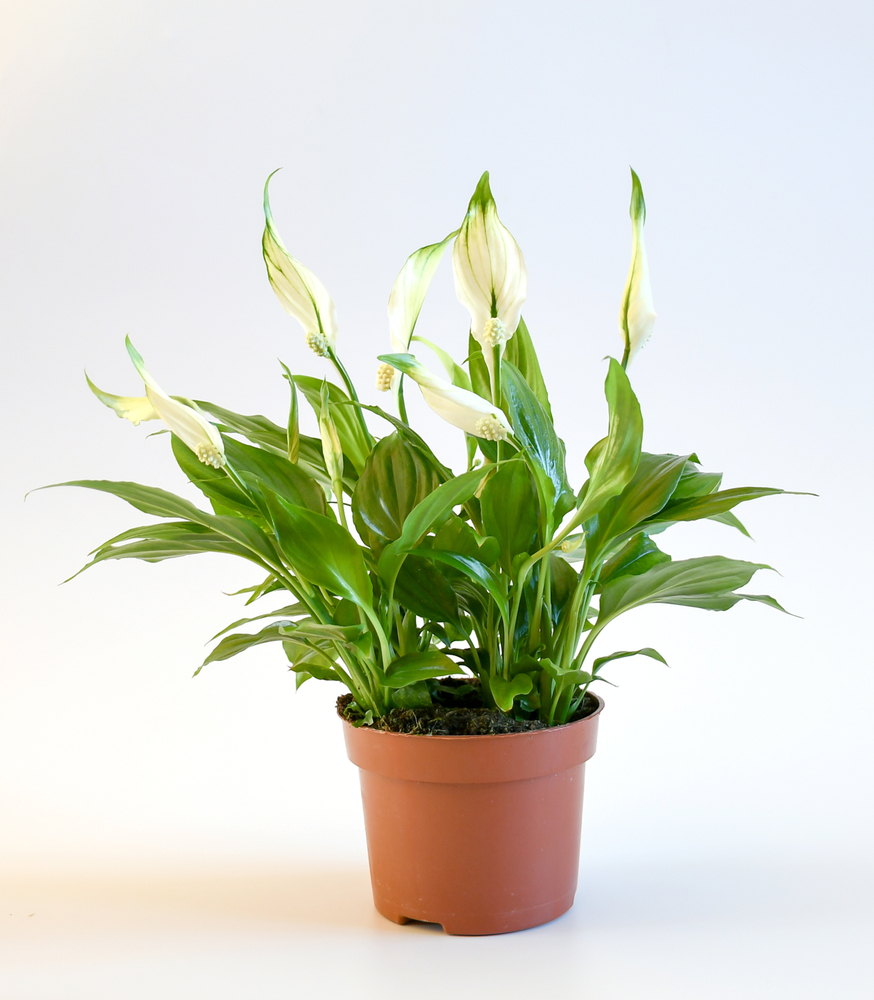
Peace Lilies are not only beautiful but also highly effective at purifying the air. Known for their ability to absorb common indoor pollutants like ammonia, benzene, and formaldehyde, Peace Lilies are excellent for improving air quality during winter months when indoor spaces tend to get stuffy and dry. Their large, dark green leaves help trap toxins, while their white flowers bring a touch of elegance to any room.
Additionally, Peace Lilies naturally increase humidity by releasing moisture into the air. This makes them ideal for combating the dryness caused by heating systems, helping to maintain a comfortable and healthy environment. They thrive in moderate to low light and require only occasional watering, making them a simple yet powerful choice for purifying the air in any space.
Spider Plant (Chlorophytum comosum)
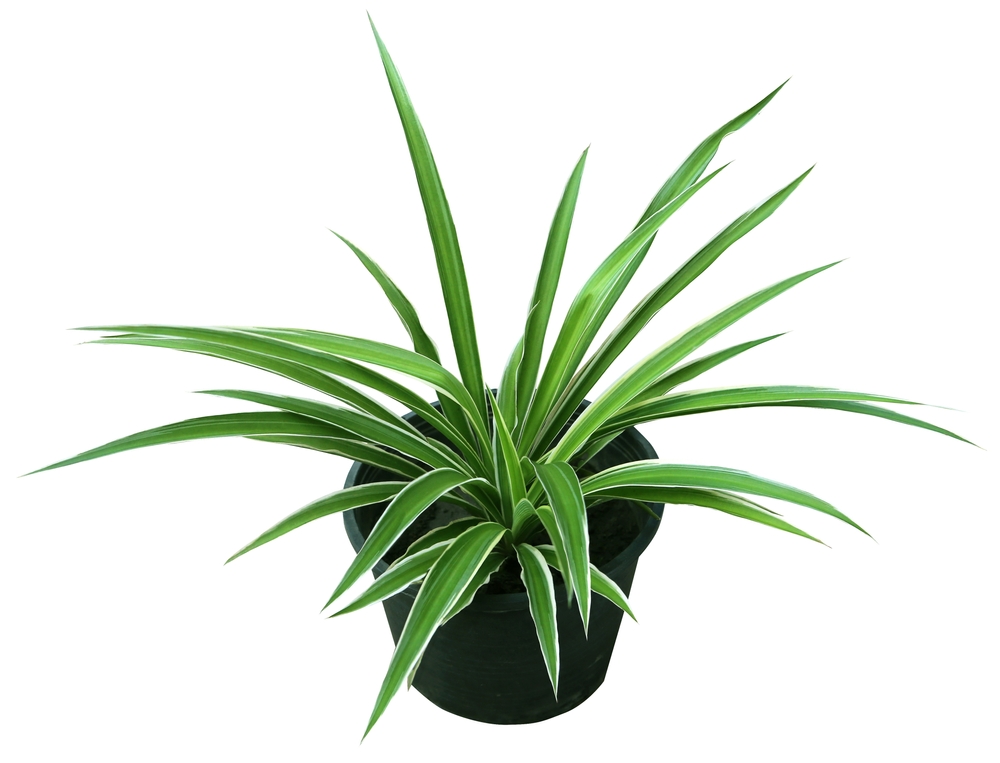
Spider Plants are easy to grow and extremely effective at cleaning the air. They can absorb carbon monoxide, formaldehyde, and other volatile organic compounds (VOCs) commonly found in indoor environments. During the winter, when air circulation is often poor and heating systems exacerbate the buildup of pollutants, Spider Plants act as natural filters to improve indoor air quality.
This plant also contributes to better humidity levels, making it a great option for homes suffering from the dry air typical of colder months. Spider Plants are particularly easy to care for, requiring indirect light and moderate watering. Their ability to thrive in a variety of conditions and purify the air while adding greenery to the home makes them a top choice for winter air improvement.
English Ivy (Hedera helix)
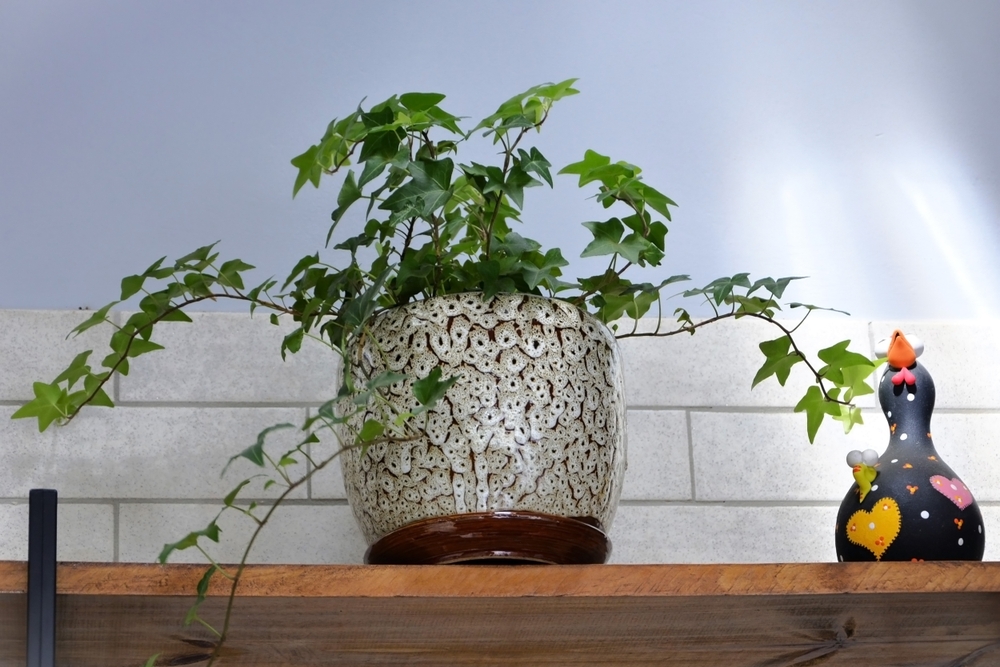
English Ivy is a versatile and attractive plant known for its ability to filter out a wide range of pollutants, including formaldehyde, benzene, and trichloroethylene. It’s especially effective at improving indoor air quality by removing airborne mold spores, making it a valuable asset in homes that experience moisture buildup, particularly during the winter months. Its trailing vines can quickly cover surfaces, adding a lush, natural touch to your decor.
In addition to purifying the air, English Ivy helps maintain better humidity levels in indoor spaces. The plant thrives in moderate light and needs only occasional watering, making it a low-maintenance air purifier. This makes it ideal for winter, when heating systems often dehydrate the air, leading to discomfort and poor air quality.
Aloe Vera
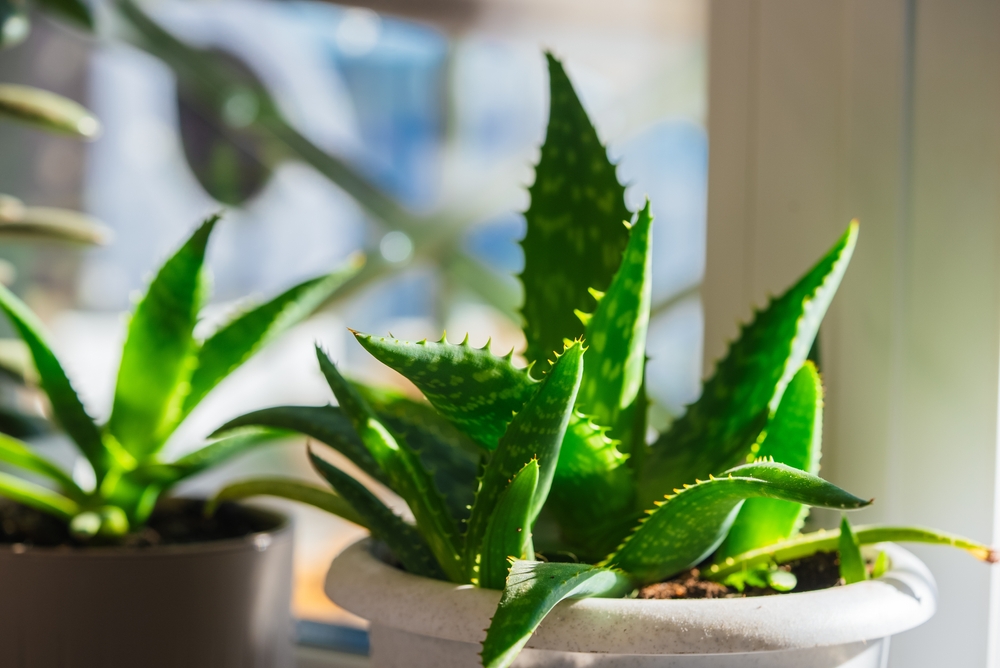
Aloe Vera is a well-known plant for its soothing properties, but it also offers impressive air-purifying benefits. It absorbs formaldehyde and benzene, two common pollutants found in cleaning products and paints. Aloe Vera releases oxygen during the night, which can help improve the quality of the air you breathe while sleeping, making it an excellent choice for winter months when the air tends to feel more stagnant.
This plant requires very little care and thrives in bright, indirect light. Aloe Vera is also drought-tolerant, needing only occasional watering, which makes it perfect for those who want an easy-to-maintain plant that helps improve air quality. Beyond its air-purifying abilities, it also serves as a natural remedy for skin burns and irritations, adding extra value to any home.
Bamboo Palm (Chamaedorea seifrizii)
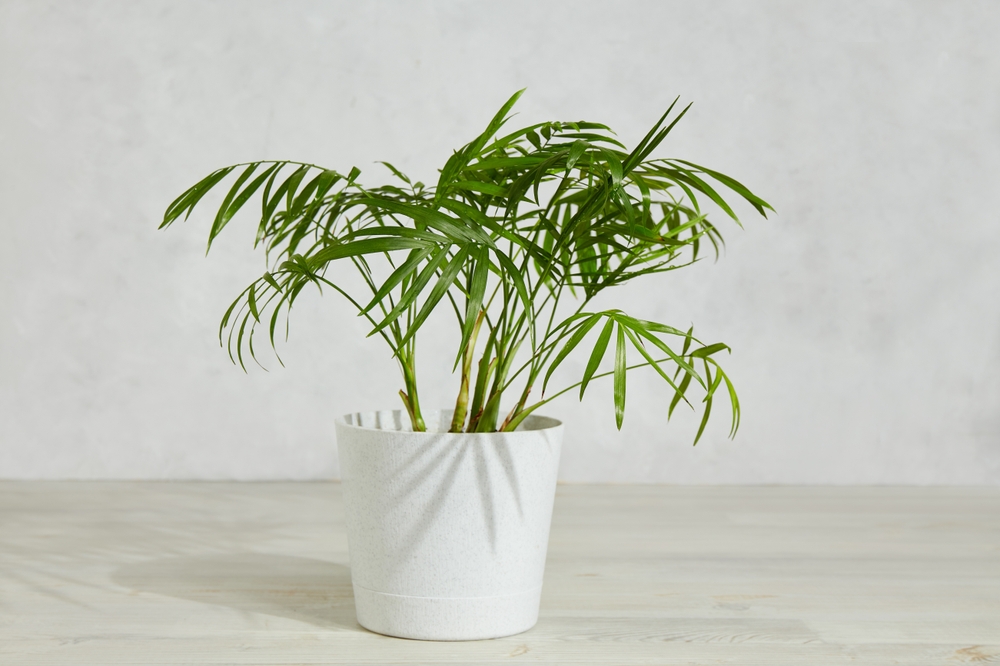
The Bamboo Palm is an elegant indoor plant that thrives in low to medium light conditions, making it an excellent choice for homes with limited natural light during the winter. This palm is highly effective at filtering out harmful chemicals like benzene, formaldehyde, and trichloroethylene, which are commonly found in household items such as cleaning agents, paints, and varnishes.
In addition to purifying the air, the Bamboo Palm adds a touch of tropical greenery to your space. Its large, feathery fronds help increase humidity levels, making it especially beneficial during the winter months when indoor heating systems dry out the air. It requires only moderate watering and does well in indirect light, making it an easy-to-care-for plant that enhances both air quality and aesthetics.
Areca Palm (Dypsis lutescens)

Areca Palms, often referred to as butterfly palms, are excellent at removing airborne toxins like formaldehyde, xylene, and toluene. These palms are particularly effective at filtering the air in rooms where people spend a lot of time, such as living rooms and bedrooms. During the winter, when windows are often closed and air circulation is limited, Areca Palms work hard to purify the air by absorbing pollutants.
Beyond their air-purifying capabilities, Areca Palms are great for increasing humidity. Their large, lush fronds naturally release moisture into the air, helping to combat the dryness caused by indoor heating. With proper care, including regular watering and indirect light, the Areca Palm can thrive and provide long-lasting benefits to indoor air quality throughout the colder months.
Gerbera Daisy (Gerbera jamesonii)
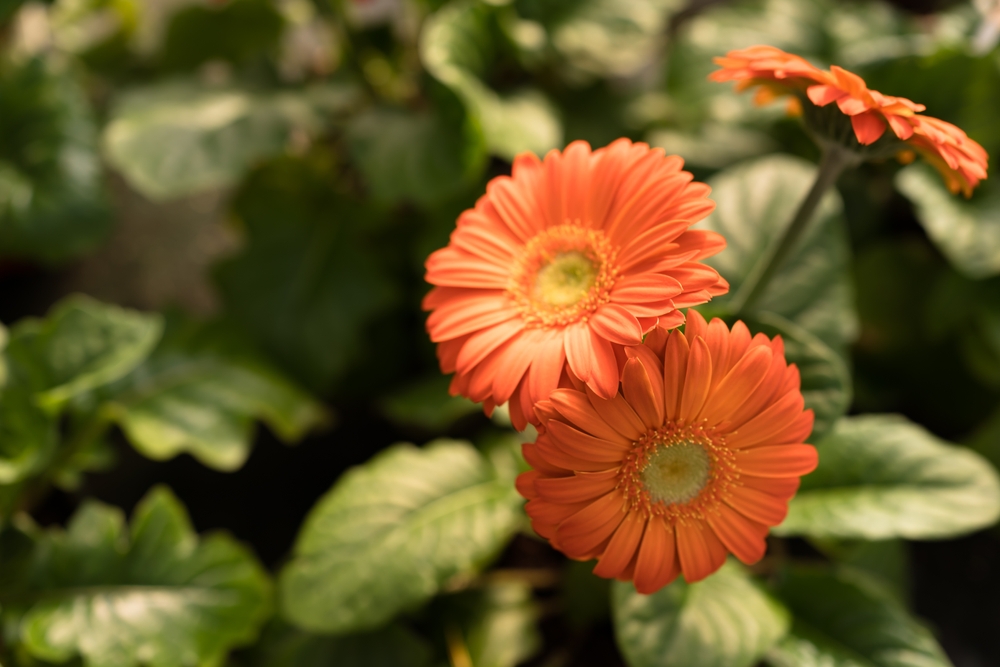
Gerbera Daisies are more than just a colorful addition to your home; they also purify the air by absorbing carbon dioxide and releasing oxygen. These vibrant plants are effective at filtering out toxins like benzene and formaldehyde, which are commonly found in household products and furniture. During the winter, when indoor air quality can suffer from heating systems and a lack of ventilation, Gerbera Daisies help maintain a healthier atmosphere.
While they do require bright, indirect light and regular watering, Gerbera Daisies are relatively easy to care for. Their bold colors and vibrant blooms make them a beautiful focal point in any room, while their air-purifying properties help combat the stale air that often accumulates during colder months. They provide a natural way to refresh indoor spaces while adding a burst of color.
Rubber Plant (Ficus elastica)
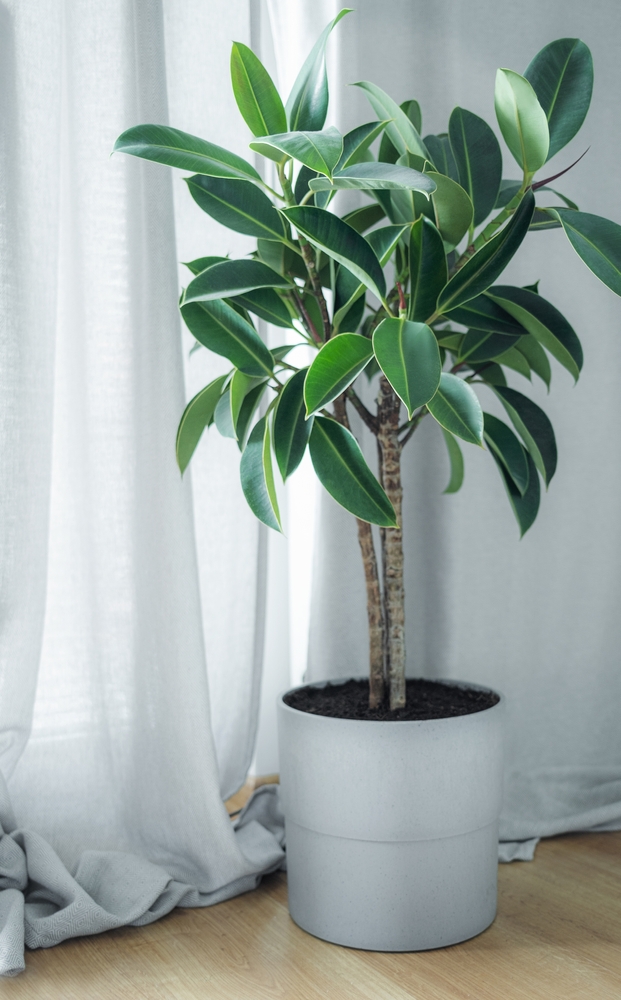
The Rubber Plant is another excellent air purifier that can thrive in lower light conditions, making it suitable for winter indoor environments. It is particularly effective at removing formaldehyde from the air, which is commonly released by furniture, carpets, and cleaning products. The plant’s large, glossy leaves are great at trapping dust and absorbing pollutants, helping to improve air quality in the home.
This plant’s ability to thrive in various lighting conditions and its relatively low care requirements make it a great addition to any home. During winter months, when the air can feel heavy and stuffy, the Rubber Plant works to purify and refresh the atmosphere. Its beauty, combined with its air-purifying abilities, makes it an ideal choice for those seeking a natural way to combat winter air.
Lavender (Lavandula angustifolia)
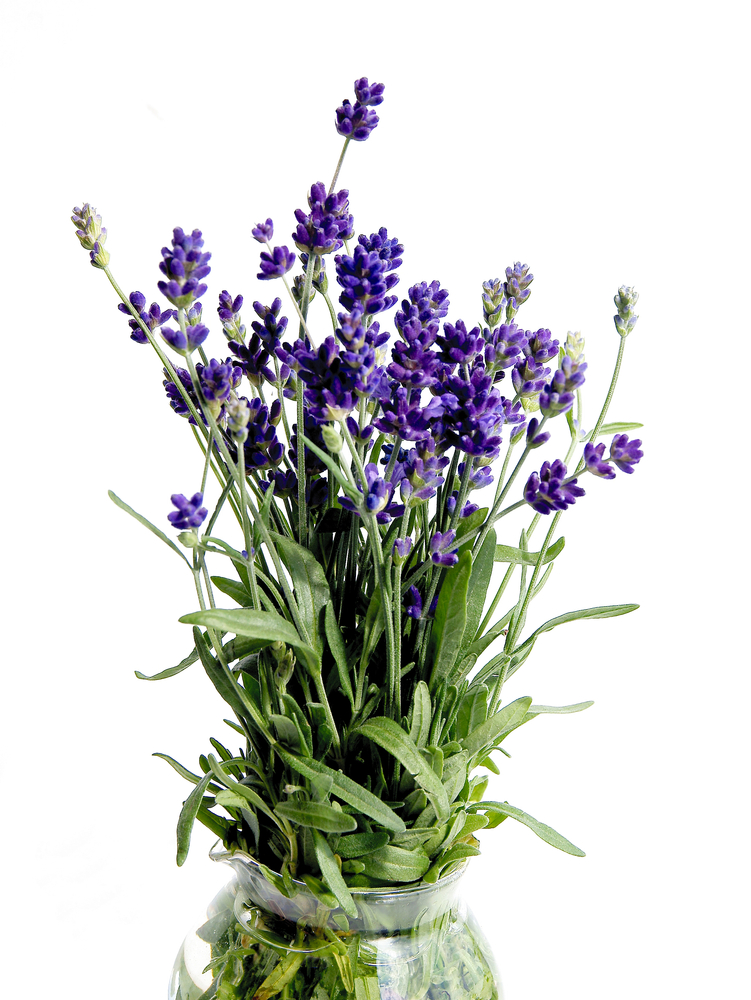
While known for its calming fragrance, Lavender also offers impressive air-purifying qualities. It is effective at absorbing airborne pollutants such as formaldehyde and benzene. In addition to purifying the air, Lavender helps increase oxygen levels and can improve overall air quality, making it a great option for the winter months when heating systems can cause the air to become stale and dry.
Lavender thrives in bright, indirect light and requires minimal watering, making it a low-maintenance plant. Its pleasant scent also acts as a natural stress reliever, helping to improve your mood and create a peaceful indoor environment. With its combined benefits of air purification and aromatherapy, Lavender is a valuable plant to have indoors, particularly during the colder months when indoor air quality can be compromised.
Pothos (Epipremnum aureum)
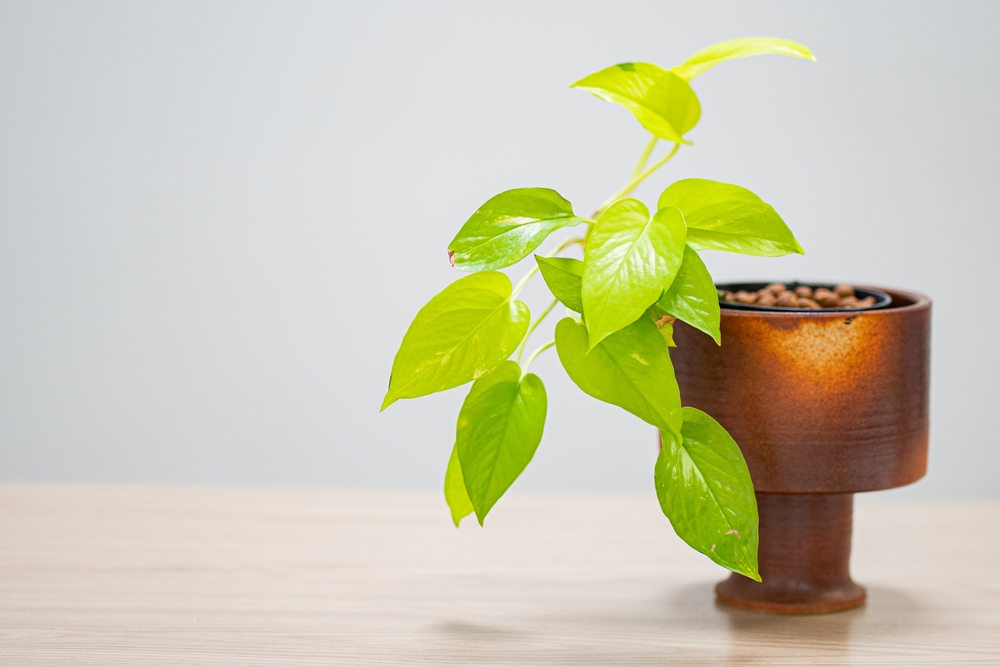
Pothos is one of the most popular and versatile houseplants, known for its air-purifying properties. It is effective at removing formaldehyde, benzene, and xylene from the air, making it an excellent option for homes with poor ventilation during the winter months. The trailing vines of Pothos can grow long, making it an attractive plant for hanging baskets or shelves.
In addition to its air-purifying benefits, Pothos is a low-maintenance plant that requires minimal care. It thrives in low to moderate light and only needs occasional watering. Pothos is an ideal plant for improving indoor air quality without much effort, making it perfect for those who want to enhance their environment during the winter without having to spend too much time on plant care.
This article originally appeared on Avocadu.