
11 Fun Indoor Gardening Projects To Try During Winter Break
Winter break is the perfect time to indulge in indoor gardening projects that bring joy and creativity. Whether you are an experienced gardener or just getting started, there is something fun for everyone. From small plant arrangements to DIY planters, these projects can add a burst of life to your home. Gather your tools and supplies, and get ready to dive into some hands-on gardening.
This post may contain affiliate links, which helps keep this content free. Please read our disclosure for more info.
DIY Succulent Terrarium
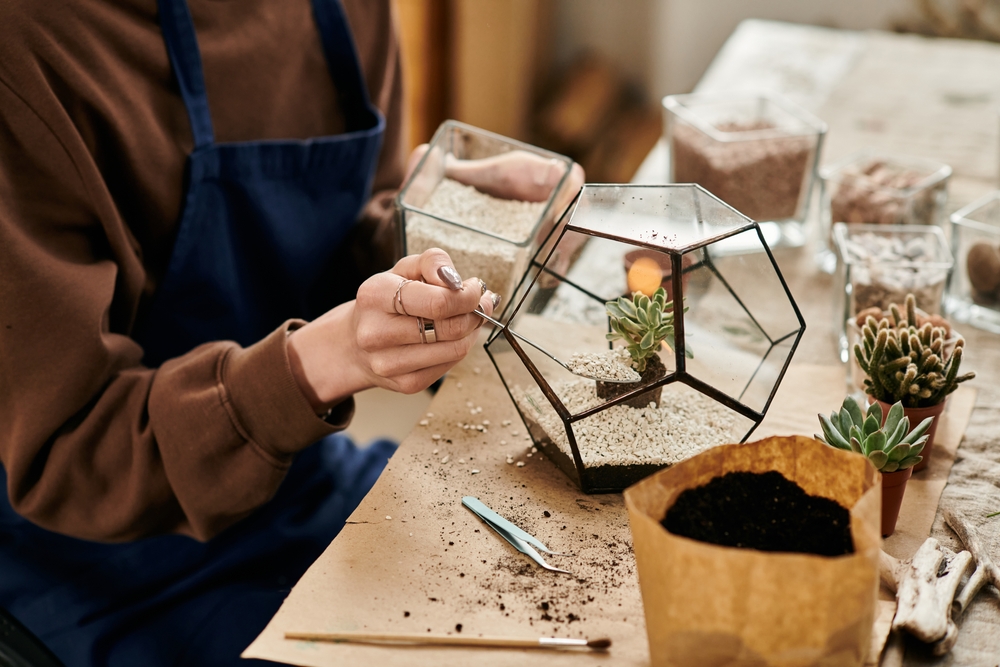
Creating a succulent terrarium is a fun and simple way to add greenery to your home during winter. You will need a glass container, small rocks, sand, soil, and a few succulents to start your project. The process is easy, as you layer the materials inside the container, placing the plants last. This project does not require a lot of maintenance, making it perfect for beginners.
Succulents thrive in low light and do not need to be watered often, which is ideal for winter months. A terrarium also creates a beautiful focal point for any room. You can arrange the plants in a creative way, using stones or small decorations to add character. Once finished, place the terrarium in a sunny spot and watch your succulents grow.
Indoor Herb Garden
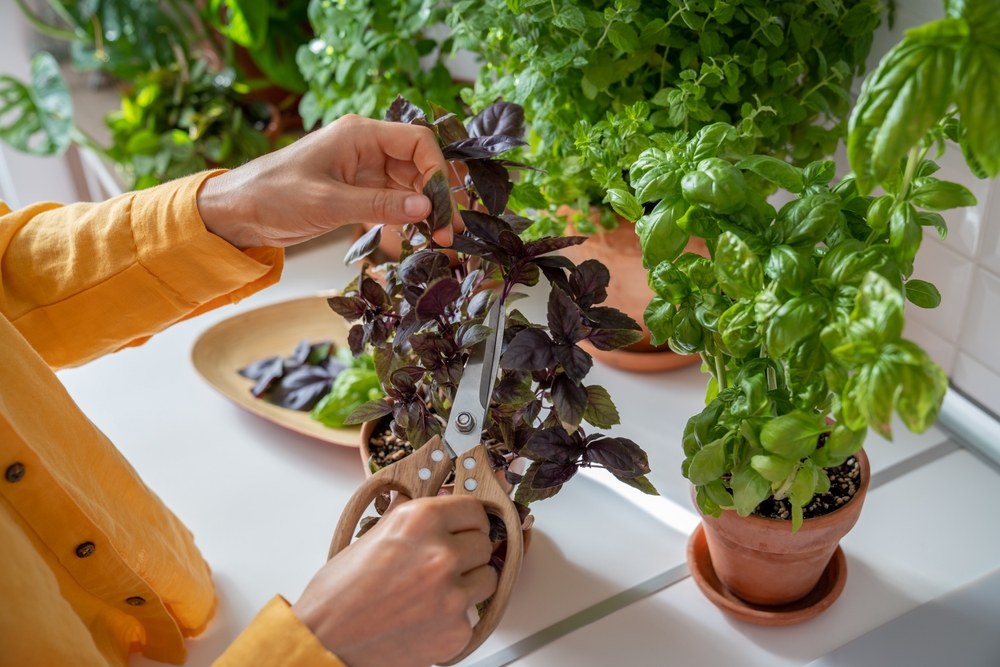
An indoor herb garden is a practical and enjoyable project to try over the winter break. You can use small pots or a long container to grow a variety of herbs, such as basil, thyme, or rosemary. Herbs are relatively easy to care for and can be used in your cooking, making them a useful addition to your home. They require plenty of sunlight, so choose a sunny windowsill or another well-lit area.
Growing your own herbs indoors allows you to enjoy fresh flavors all season long. Plus, they are compact enough to fit on a kitchen counter or balcony. Be sure to water them regularly, but avoid overwatering, as herbs prefer well-drained soil. Keep your herbs trimmed to encourage new growth and prevent them from becoming leggy.
Air Plant Display
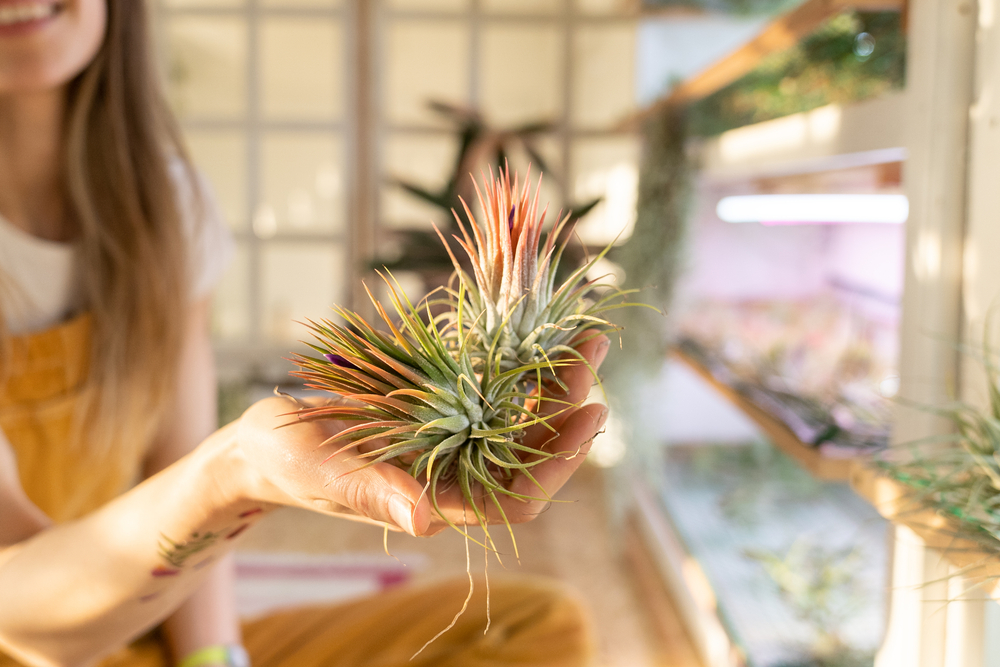
Air plants, also known as Tillandsia, are unique plants that do not require soil to grow. They thrive on air, moisture, and occasional misting, making them perfect for winter indoor gardening. To display air plants, use creative containers such as glass globes, wooden holders, or driftwood. These plants are low-maintenance, adding a whimsical touch to your home.
Because air plants require little care, they are ideal for beginners. Simply soak them in water for about 20 minutes once a week and place them in a spot with indirect light. You can also group several air plants together for a dynamic display. With their unique shapes, air plants make for interesting and modern indoor decorations.
Indoor Flowering Plants
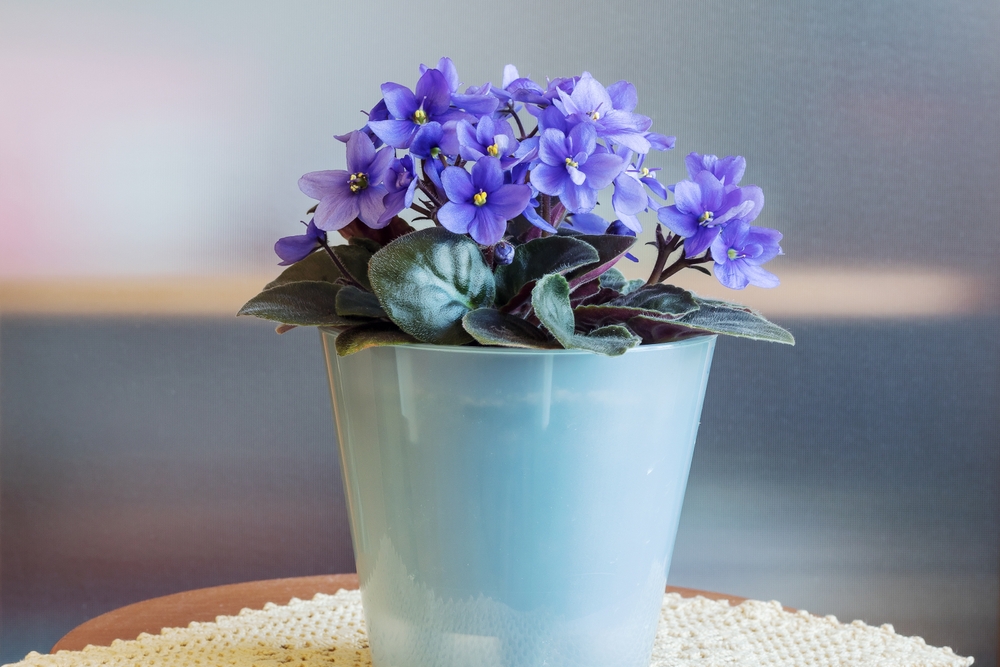
Winter can be a great time to experiment with indoor flowering plants. Plants like cyclamen, African violets, and begonias bloom indoors even when it is cold outside. These plants are relatively easy to care for and will add vibrant colors to your space during the winter months. Make sure they have access to bright, indirect sunlight and keep the soil consistently moist, but not waterlogged.
Indoor flowering plants are perfect for adding a touch of life to any room. They do well in containers, and you can place them near windowsills or other areas that receive plenty of light. As the flowers bloom, they will bring color and joy to your home. Regularly remove dead flowers to keep the plants looking their best.
DIY Window Box Planter
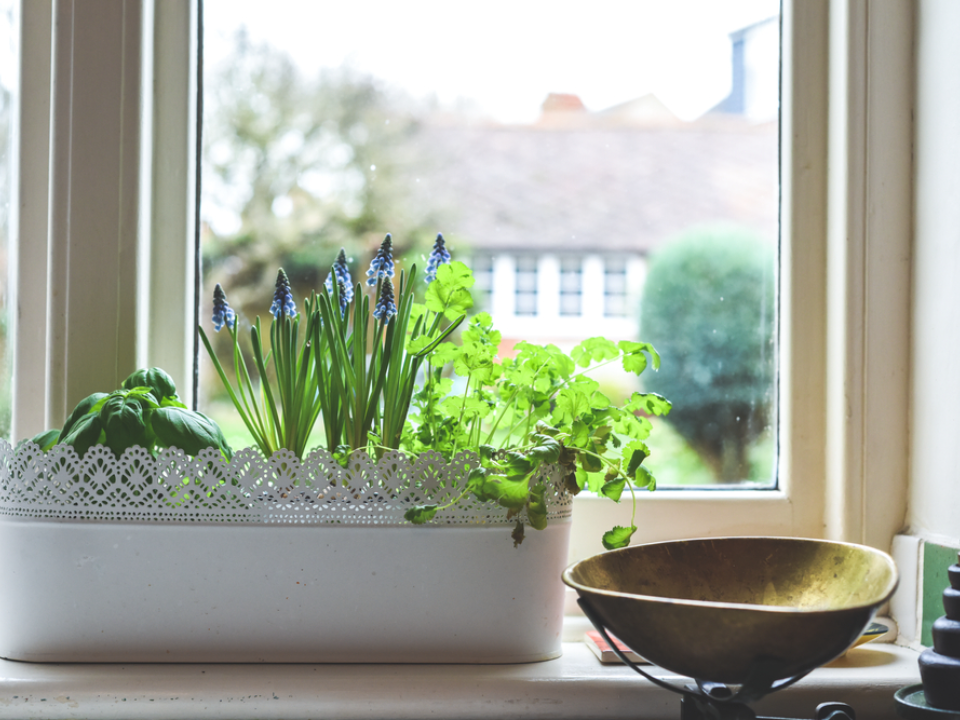
A window box planter can turn any windowsill into a beautiful indoor garden. It is an easy project that requires only a window box, soil, and plants that suit indoor conditions. You can plant a mix of flowers, herbs, or small vegetables that will thrive inside. Make sure the window box has drainage holes to prevent water from collecting and causing root rot.
Window boxes bring color and life to any room. They can also help make the most of limited space by utilizing the windowsill area. Choose plants that do well indoors, such as petunias, marigolds, or lettuce. Regular care, including watering and occasional pruning, will keep your window box thriving throughout the winter months.
Growing Microgreens Indoors
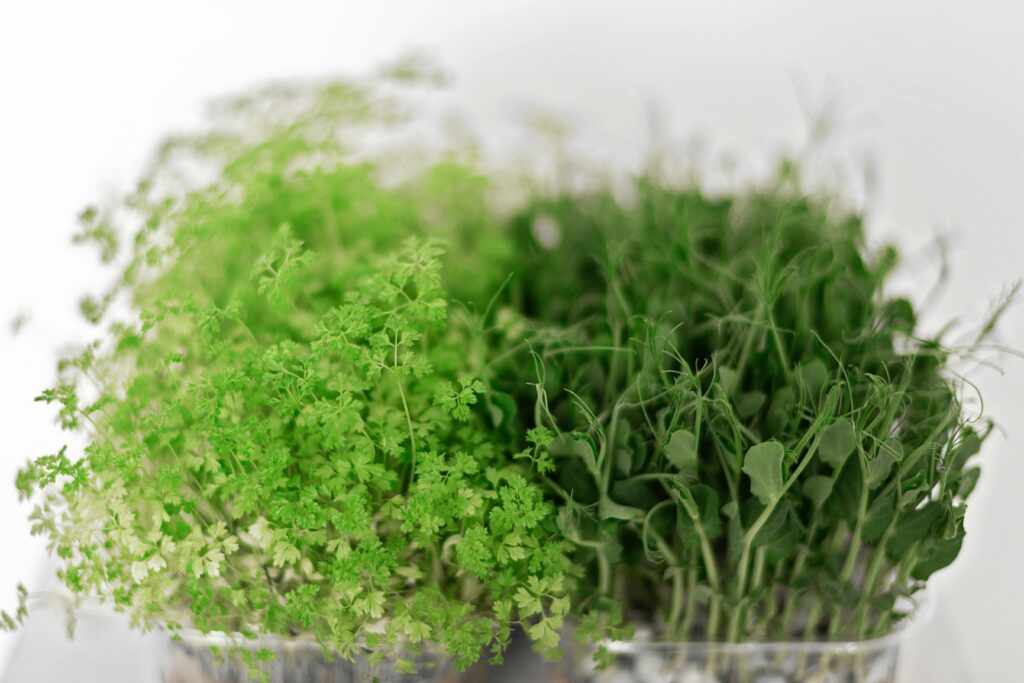
Growing microgreens is a rewarding and quick gardening project. These small, flavorful plants can be grown in shallow containers on a windowsill. Microgreens such as spinach, radishes, and mustard greens grow rapidly and can be harvested in just a few weeks. You will need to provide them with well-drained soil and place them in a sunny spot to promote healthy growth.
Microgreens are packed with nutrients, making them an excellent addition to your diet. They are easy to grow, require minimal maintenance, and can be harvested as needed. Use them in salads, sandwiches, or as a garnish for various dishes. Growing microgreens indoors is a great way to enjoy fresh greens throughout the winter.
Indoor Cactus Garden
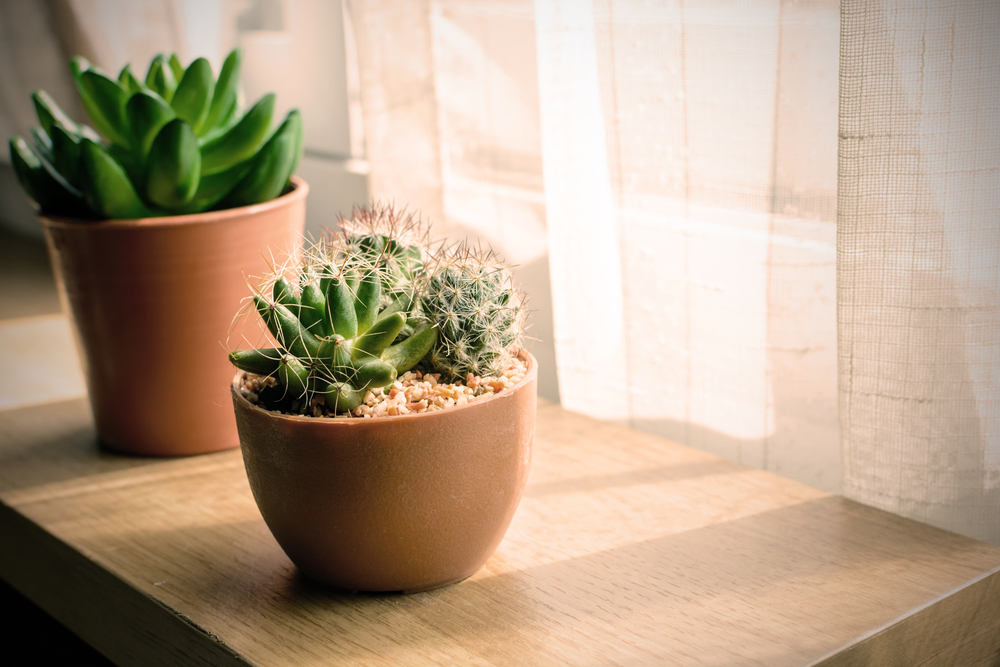
An indoor cactus garden is a unique and low-maintenance way to add greenery to your home. Cacti are known for their ability to thrive in dry conditions, making them perfect for indoor gardening during winter. You can arrange them in decorative containers or a shallow dish for a stylish display. Just be sure to choose a spot with plenty of sunlight, as cacti love bright conditions.
Cacti are incredibly easy to care for. They require little water and are ideal for those who do not have the time for frequent maintenance. With their diverse shapes and sizes, cacti make for interesting and beautiful indoor plants. Over time, they can grow into a striking collection that adds character to your home.
DIY Vertical Garden
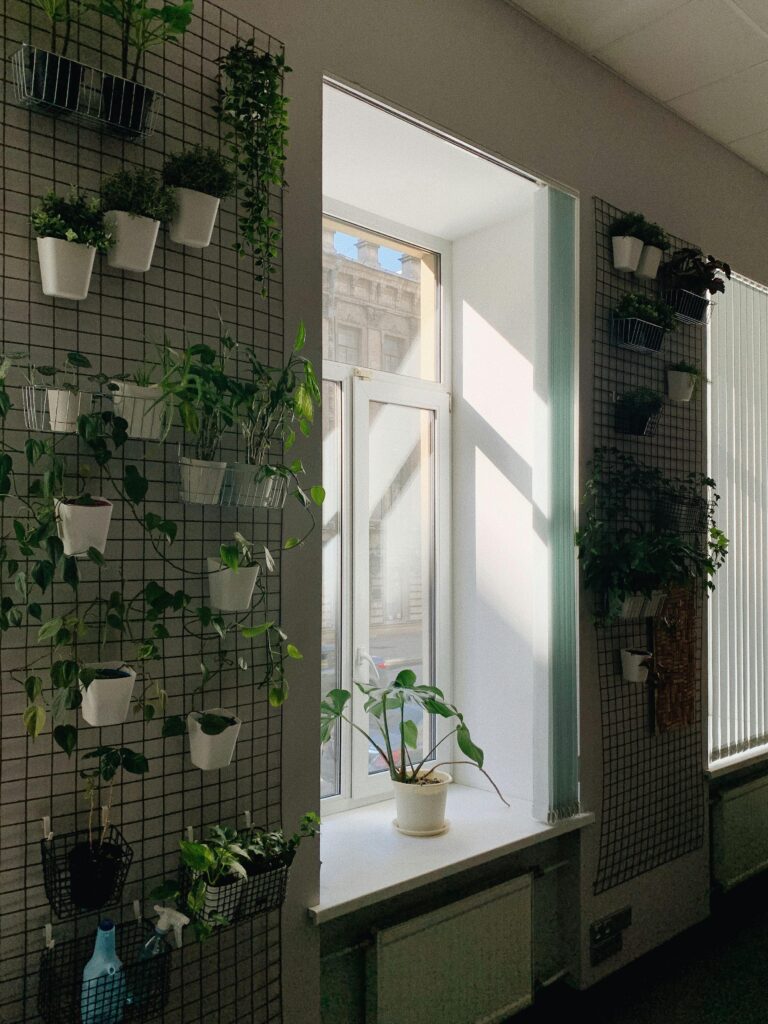
A vertical garden is a creative solution for gardening in small spaces. You can build your own by using a vertical structure like a trellis or hanging planters. Choose plants that thrive indoors, such as ivy, ferns, or small flowering plants. Vertical gardens are a great way to maximize space while still enjoying a lush, green environment.
Creating a vertical garden is a fun way to experiment with gardening indoors. The vertical design allows you to grow a variety of plants without taking up much room. These gardens work well in smaller apartments or homes with limited outdoor space. Regular watering and ensuring proper light exposure will help your vertical garden thrive.
Indoor Bonsai Tree
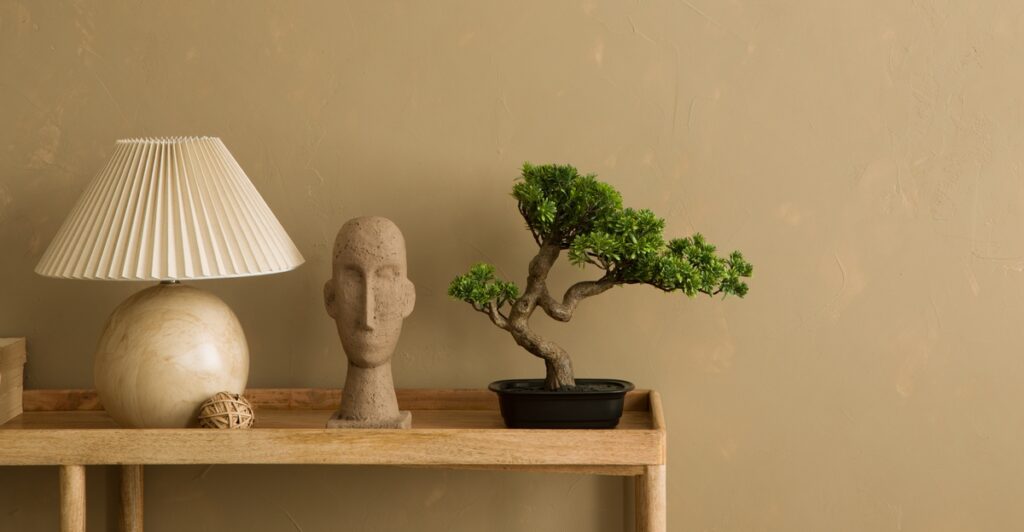
Bonsai trees are a popular indoor gardening project that requires patience and care. These miniature trees are carefully pruned to maintain their small size, making them a beautiful addition to any room. Bonsai trees come in many varieties, including juniper and ficus, each offering a different look. Make sure to water them properly and place them in a spot with indirect light to keep them healthy.
Growing a bonsai tree can be a rewarding experience, as it teaches the art of patience and attention to detail. These trees can live for many years with the right care, and some are passed down through generations. The process of shaping and trimming the tree can become a relaxing and meditative activity. Bonsai trees are ideal for those who enjoy a more involved gardening project.
DIY Hydroponic Garden
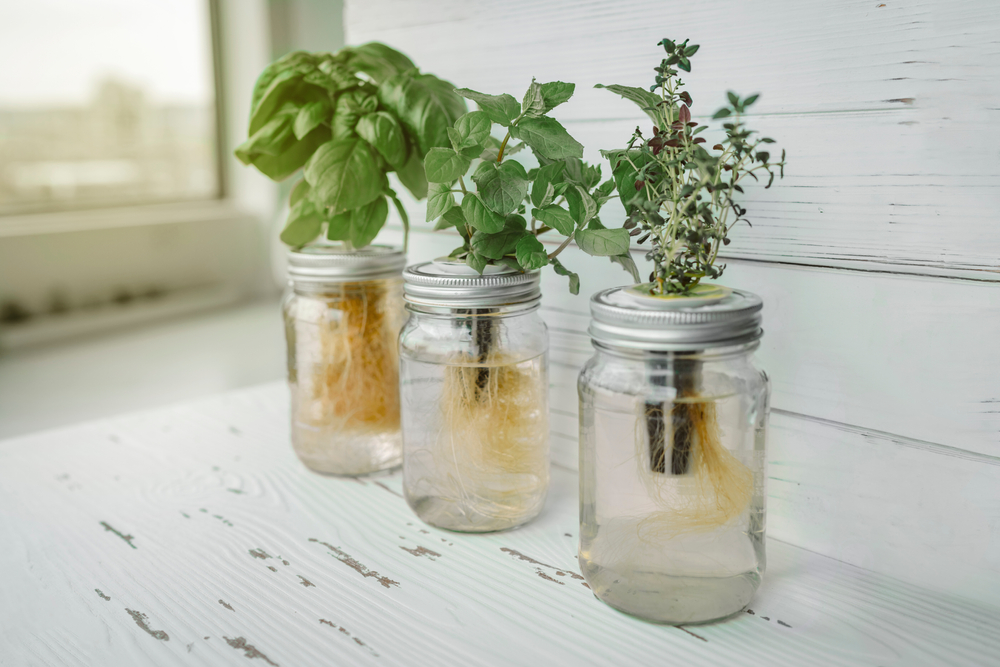
Hydroponic gardening allows you to grow plants without soil, using a nutrient-rich water solution. You can create your own hydroponic garden indoors using containers and a few simple materials. This system works well for growing herbs, lettuce, or even strawberries. Hydroponics is an innovative way to enjoy fresh produce year-round, especially during the colder months.
Hydroponic gardening is ideal for those who want to grow plants indoors but do not have access to traditional garden space. The system provides the plants with everything they need to thrive while using less water than traditional soil gardening. Keep an eye on the water level and nutrient balance to ensure your plants remain healthy and productive. Hydroponic systems can be simple or complex, depending on your experience level.
Indoor Vegetable Garden

Growing vegetables indoors during winter can be both fun and rewarding. You can use containers, grow bags, or raised beds to create your own indoor vegetable garden. Common indoor vegetables include lettuce, spinach, and radishes, which thrive in containers with good drainage. Choose a sunny windowsill or set up grow lights to ensure your plants receive enough light.
An indoor vegetable garden allows you to enjoy fresh, homegrown produce even in the winter months. Many vegetables do well in smaller spaces, making them perfect for apartments or homes with limited outdoor areas. Growing your own vegetables also ensures you have access to organic, chemical-free food. Regularly check for pests and keep your plants well-watered to promote healthy growth.
This article originally appeared on Avocadu.