
11 Beginner-Friendly Indoor Plants for Dark Winter Homes
Winter can make it challenging to keep indoor plants healthy, especially when natural light is limited. However, there are several indoor plants that thrive in low-light conditions, making them perfect for those darker months. Whether you’re a beginner or just looking for low-maintenance options, these plants are easy to care for and add a touch of greenery to your home. From resilient succulents to lush foliage, these plants can brighten up any corner of your home, even when the days are shorter.
This post may contain affiliate links, which helps keep this content free. Please read our disclosure for more info.
Snake Plant (Sansevieria)
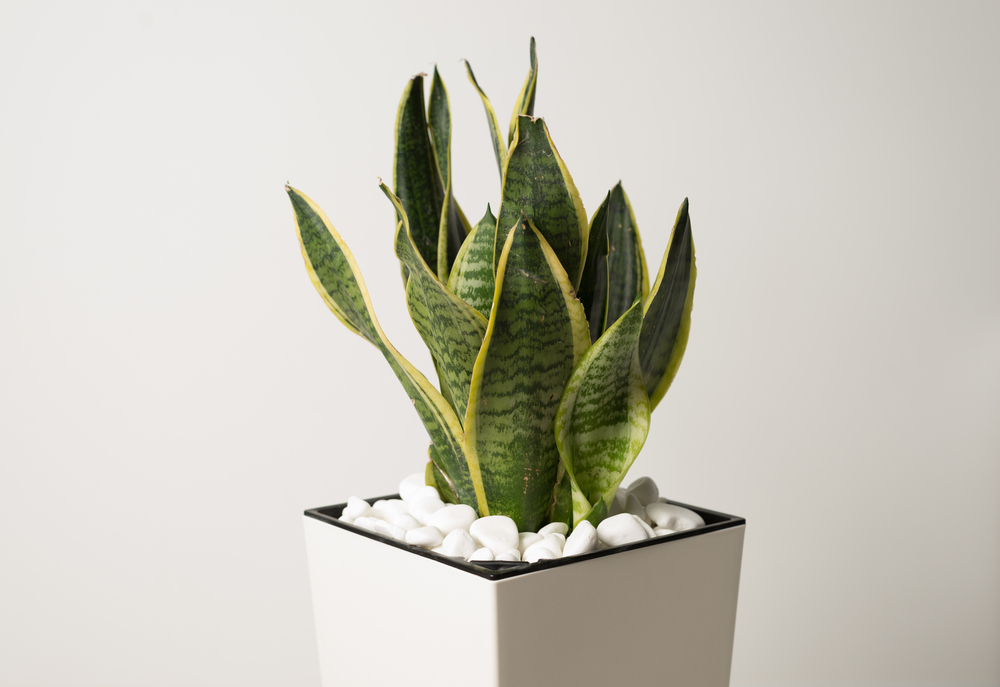
The snake plant is one of the easiest and most forgiving indoor plants you can grow, making it perfect for beginners, especially during the dark winter months. This plant is well-known for its ability to thrive in low light, which is often a challenge for many other plants in winter when natural sunlight is scarce. Snake plants have long, upright, sword-like leaves that are typically green with yellow edges, giving them a striking, architectural appearance that suits almost any home decor style.
What makes the snake plant ideal for dark homes is its incredible adaptability. It can tolerate a wide range of lighting conditions, from bright indirect light to the near-dark corners of a room. Additionally, snake plants require minimal watering. Over-watering is one of the most common mistakes people make with this plant, but during winter, it prefers the soil to dry out completely between waterings. Watering it every two to three weeks is often sufficient. This plant is also an air purifier, improving indoor air quality by removing toxins, making it not only a beautiful but also a health-promoting addition to your home.
ZZ Plant (Zamioculcas zamiifolia)
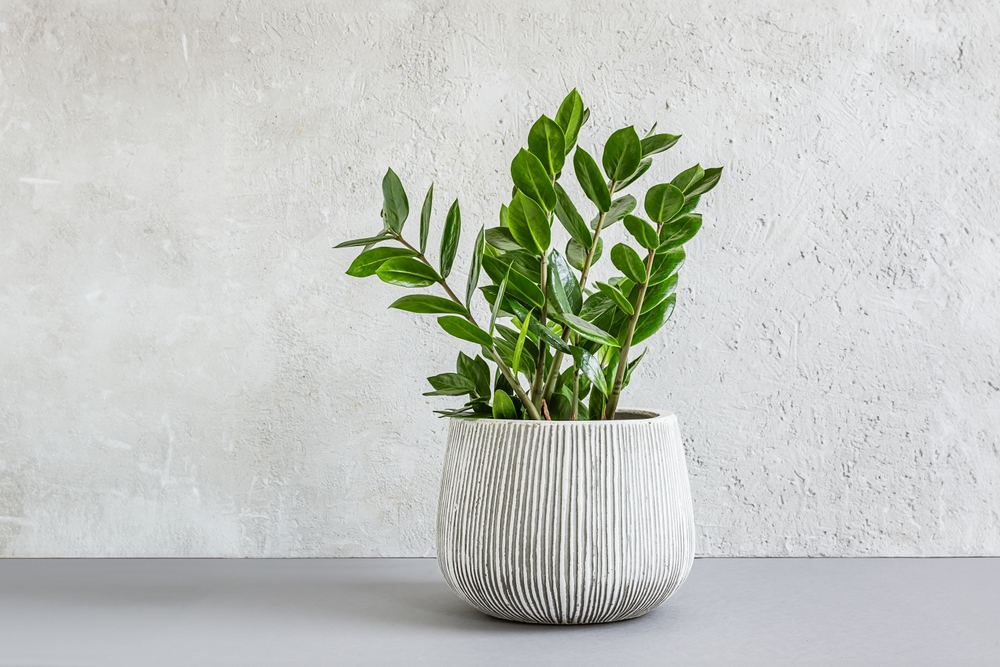
The ZZ plant is another perfect choice for beginners, particularly in darker, winter homes. This plant is known for being exceptionally resilient and can handle neglect, making it an ideal option for people who may not have the time or energy to tend to more demanding plants. The ZZ plant thrives in low light conditions, which makes it a great fit for homes that don’t receive much natural sunlight during winter. It features glossy, deep green leaves that create a lush, tropical look, even in dim corners or areas without direct light.
ZZ plants are also highly drought-tolerant, so they can survive if you forget to water them occasionally. In fact, over-watering is more of a concern than underwatering, as it can lead to root rot. During the winter months, you can water the ZZ plant about once a month, as the soil will stay moist for longer periods due to cooler indoor temperatures. With its low light tolerance and minimal care requirements, the ZZ plant is a true winner for anyone looking to add greenery to their dark winter home.
Pothos (Epipremnum aureum)
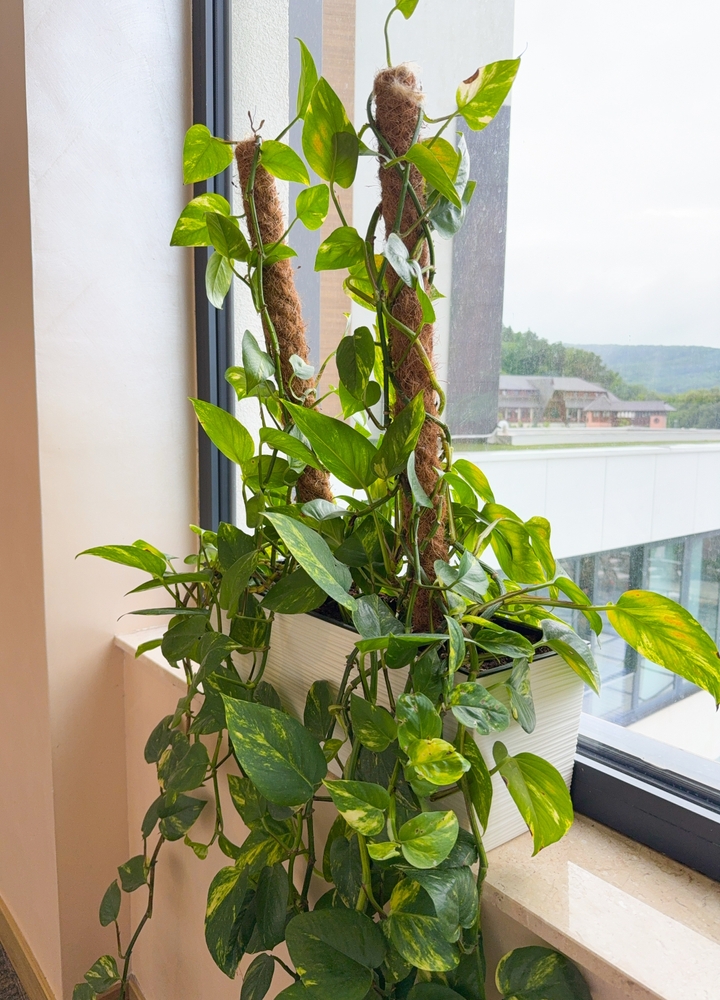
Pothos is one of the most popular indoor plants, especially for beginners. It’s well-suited for low-light environments, making it an excellent option for rooms with limited sunlight during the winter months. Pothos has long, trailing vines with heart-shaped leaves that are usually green with splashes of yellow, white, or even silver, depending on the variety. These plants are perfect for hanging baskets or draping down from shelves, adding a touch of elegance to your indoor space.
One of the reasons pothos thrives in low-light conditions is its ability to adapt to a variety of environments. While it does best in moderate light, it can easily tolerate lower light levels, which makes it perfect for winter months when sunlight is scarce. It also requires little maintenance, and its ability to bounce back from neglect makes it a forgiving choice for beginners. Watering it once every 1-2 weeks during the winter is typically enough. If the leaves start to yellow, it may be an indication of over-watering, so it’s best to let the soil dry out between waterings.
Spider Plant (Chlorophytum comosum)
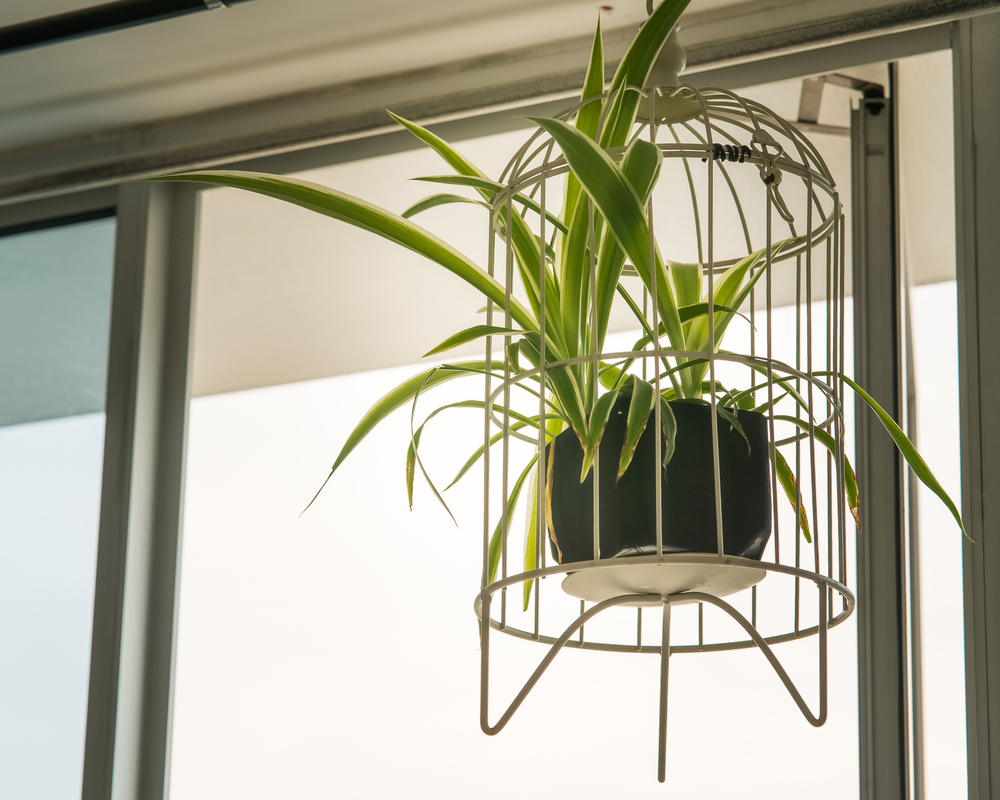
Spider plants are another great option for beginner gardeners looking to add greenery to a winter home. These plants are incredibly versatile and easy to care for, thriving in a variety of light conditions, including low light. Spider plants have long, arching green leaves that often have a variegated white stripe running down the center. During the growing season, they produce small, white flowers and plantlets, which can be propagated to create new plants. These features make them an attractive addition to your home, especially during the darker months when other plants may struggle to thrive.
While spider plants can survive in lower light, they do tend to grow best with a bit of indirect sunlight. However, they are still capable of thriving in darker corners, making them a great fit for winter. Spider plants are also relatively low-maintenance and can go for longer periods without water, which makes them ideal for busy individuals. Watering them once a week or when the top inch of soil feels dry should keep them happy. Additionally, spider plants are excellent at purifying the air by removing toxins, further adding to their appeal in an indoor setting.
Peace Lily (Spathiphyllum)
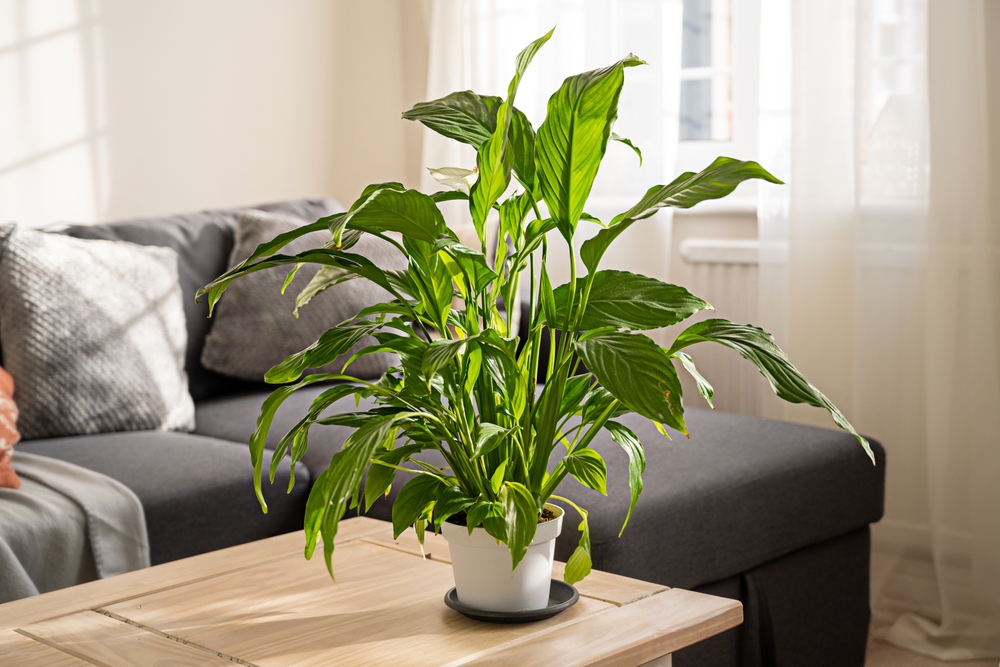
The peace lily is a beautiful and resilient indoor plant that thrives even in low-light conditions, making it a fantastic choice for dark winter homes. Known for its elegant, glossy green leaves and striking white flowers, the peace lily adds a touch of sophistication to any room. Despite its delicate appearance, the peace lily is quite easy to care for and can tolerate the dimmer light found in the winter months. It is often considered a low-maintenance plant that thrives with minimal attention.
The peace lily’s adaptability to low light is one of its most attractive features. While it does better with brighter indirect light, it can still thrive in spaces that only receive limited light, such as shaded corners or rooms with smaller windows. It also enjoys humidity, so placing it in bathrooms or kitchens with higher moisture levels is ideal. Watering it once a week, or when the top inch of soil feels dry, will keep it content. One of the added benefits of the peace lily is its ability to purify the air by removing common household toxins, making it both a beautiful and health-conscious addition to your home.
Cactus (Opuntia, Mammillaria, etc.)
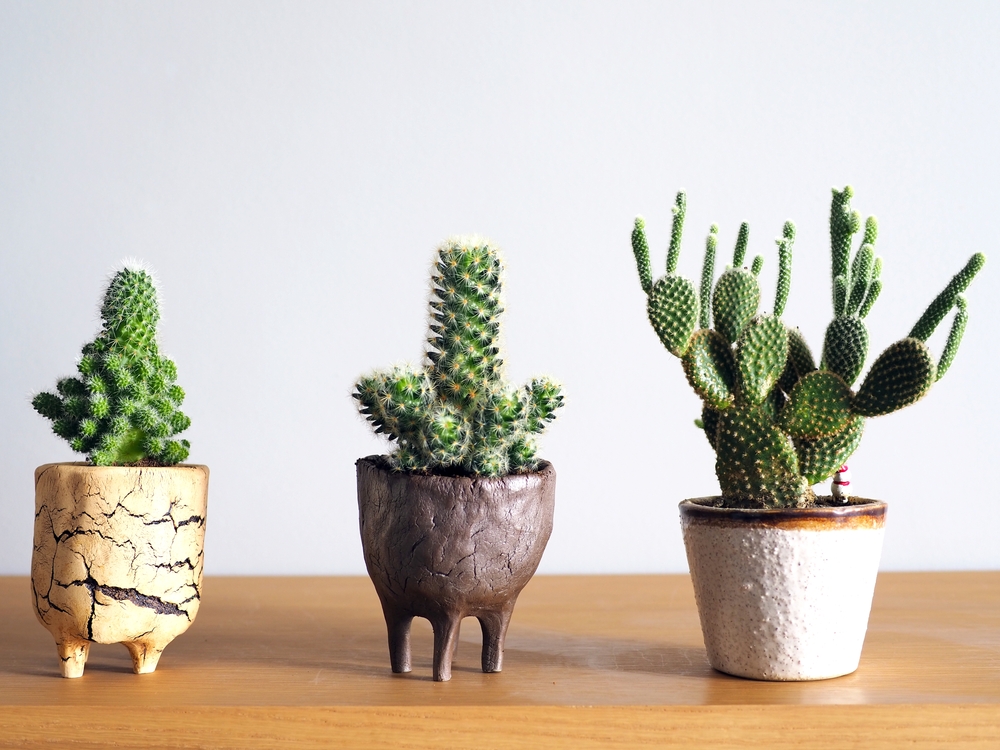
Though cacti are often associated with bright, sunny conditions, many species are well-suited for indoor environments, even in darker spaces. Certain varieties of cactus, such as the Christmas cactus or the moon cactus, thrive in low light conditions and can tolerate the cooler, drier air typical of winter homes. These plants have a unique, spiny appearance that adds a different texture to your indoor plant collection. They are especially well-suited for those who might forget to water their plants frequently, as they store water in their thick, fleshy stems.
Cacti generally require minimal care, making them perfect for beginners. They do well in indirect light, and some varieties even flourish with very little sunlight. During the winter, watering every 2 to 3 weeks is often sufficient, as the soil needs to dry out between waterings. Be cautious not to overwater, as cacti are prone to root rot. Their ability to thrive in dry environments and tolerate low light levels makes them an ideal choice for those looking to bring some desert charm into their dark winter homes.
English Ivy (Hedera helix)
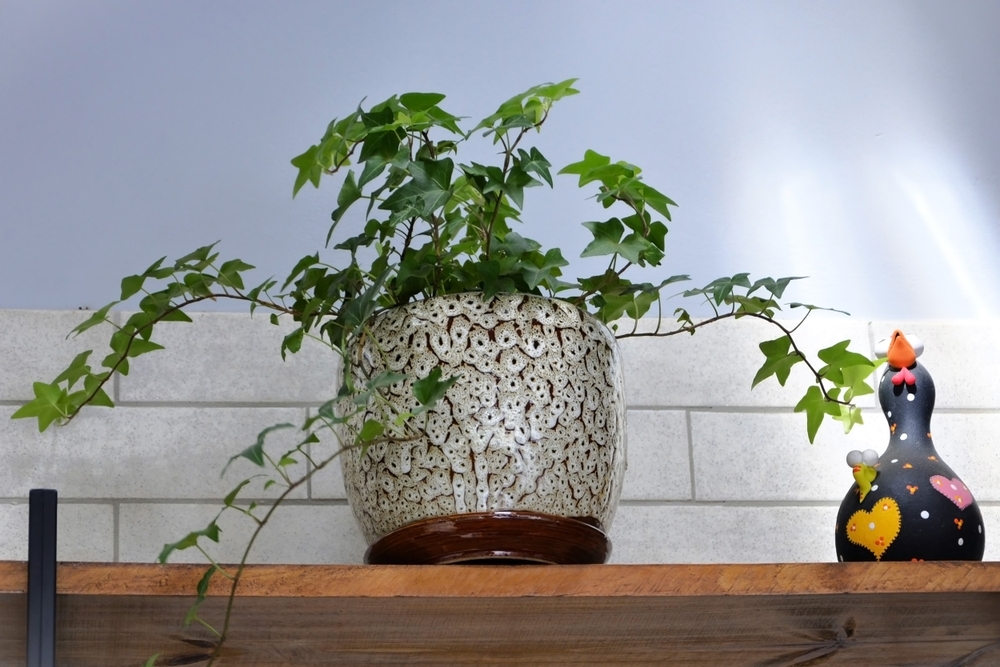
English ivy is a versatile and attractive climbing plant that does well in a variety of indoor environments, including darker, winter homes. This plant is perfect for beginners who want a low-maintenance plant that requires minimal attention. English ivy has small, lobed leaves that are typically a deep green, although some varieties have a touch of yellow or white. It can be grown in hanging baskets, as a trailing plant, or even trained to climb a trellis or other support.
One of the reasons English ivy is so well-suited for low-light areas is its ability to adapt to different growing conditions. While it prefers moderate to bright indirect light, it can tolerate low light, making it ideal for darker rooms during winter. English ivy needs to be watered regularly, but it’s important to let the soil dry out slightly between waterings. Too much water can lead to root rot, so it’s best to err on the side of underwatering. English ivy also helps purify the air, which is an added benefit for indoor spaces.
Chinese Evergreen (Aglaonema)
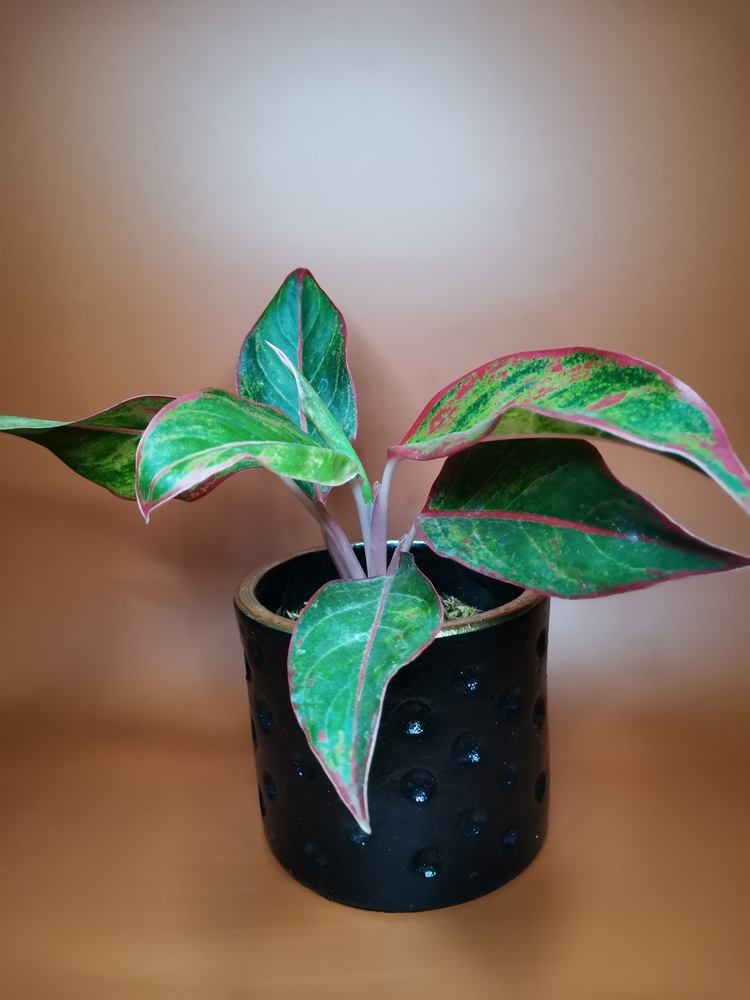
Chinese evergreen is another plant that is perfect for dark winter homes due to its low light tolerance. It has striking, glossy leaves that come in shades of green, silver, and even red, making it an attractive addition to any room. This plant thrives in low to medium light conditions, making it ideal for the dimmer lighting typical in winter months. The Chinese evergreen is also known for its air-purifying properties, helping to remove toxins from the air in your home.
The Chinese evergreen is relatively easy to care for, requiring minimal watering and little attention. It does well in temperatures between 60°F and 75°F, making it suitable for winter environments. To keep the plant healthy, it’s best to water it when the top inch of the soil feels dry. Like many low-light plants, it’s important not to over-water the Chinese evergreen, as this can lead to root rot. Its ability to tolerate neglect and thrive in low-light conditions makes it an excellent choice for beginners.
Philodendron
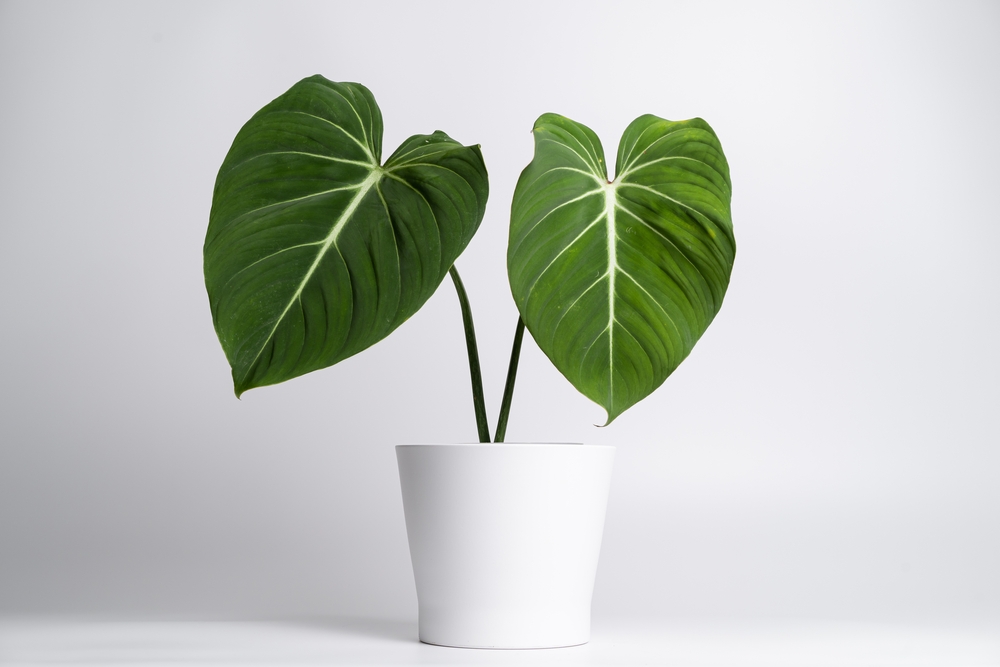
Philodendrons are known for their heart-shaped leaves and easy-care nature, making them a popular choice for indoor gardeners. These plants do well in low to medium light, making them perfect for darker spaces during winter. Philodendrons are also forgiving, meaning they can tolerate a bit of neglect and still thrive. They come in various species, such as the trailing varieties, which make great hanging plants, or the more upright varieties that work well on shelves or in corners.
Philodendrons are generally low-maintenance, requiring only occasional watering and minimal care. It’s best to water them when the soil feels dry to the touch. They will also tolerate a variety of indoor conditions, from low light to medium indirect light, but they do best in warmer temperatures. As with most indoor plants, it’s important to avoid letting them sit in water, as this can cause the roots to rot. This easy-going nature makes philodendrons ideal for beginners.
Prayer Plant (Maranta leuconeura)
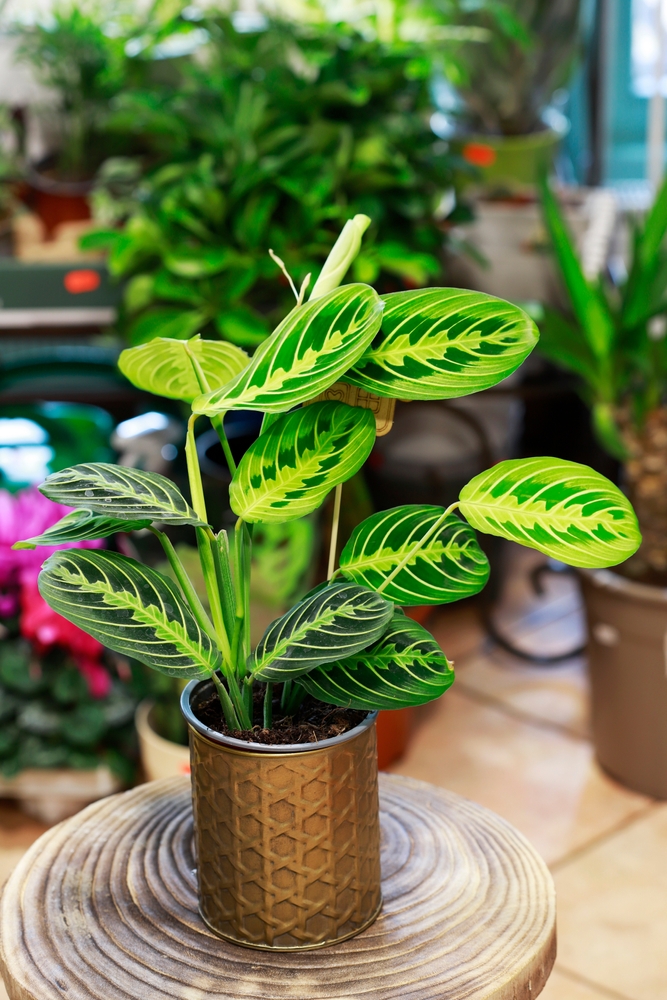
The prayer plant is a striking addition to any home, with its colorful, patterned leaves that fold up at night like hands in prayer. These plants are well-suited for low-light environments, making them ideal for dark winter homes. They do best in indirect light, which is often available in areas with limited natural sunlight. Prayer plants are relatively small and compact, making them perfect for tabletops, desks, or window sills.
Despite their beauty, prayer plants are relatively easy to care for, requiring just a little attention to thrive. They enjoy consistently moist soil, so it’s best to water them when the top of the soil feels dry. They also appreciate humidity, which makes them ideal for bathrooms or kitchens. If the leaves start to curl or turn brown, it may be a sign that they’re not getting enough moisture, so it’s important to keep the soil evenly moist. This plant adds a touch of vibrancy to the home, even during the winter months.
Lucky Bamboo (Dracaena sanderiana)
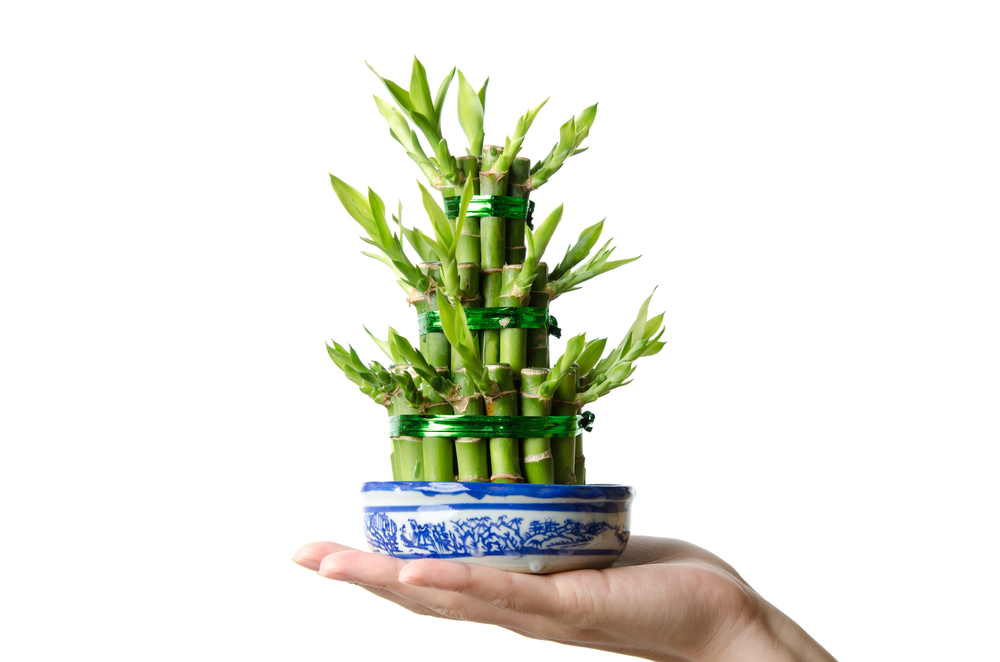
Lucky bamboo is not technically a bamboo, but its long, slender stalks make it an attractive plant that brings a sense of tranquility to any room. This plant is incredibly low-maintenance and thrives in low light, making it ideal for dark winter spaces. Lucky bamboo can grow in water, which makes it an excellent choice for beginners who want to avoid worrying about soil. It requires minimal attention, and its resilience in dim areas makes it a perfect addition to winter homes with little natural light.
While lucky bamboo can tolerate low light, it will still grow best if placed in a spot with indirect light. It is important to change the water regularly to prevent stagnation, but you do not need to water it like a traditional potted plant. This plant is also commonly associated with good luck and is often placed near entrances or in areas where you want to create a sense of harmony. Its easy care and unique appearance make it a great choice for anyone looking for a simple yet decorative plant.
This article originally appeared on Avocadu.