
13 Common Houseplant Problems That Pop Up in December
Cold days and short sunlight hours can cause small changes in how your plants behave. You might notice leaves looking tired or soil drying faster than you expect. December often brings indoor conditions that catch people off guard, so a few common problems tend to show up around this time. A quick look at what plants face can help you spot trouble early and keep them steady through winter.
This post may contain affiliate links, which helps keep this content free. Please read our disclosure for more info.
Droopy Leaves From Low Light

Short winter days make it harder for plants to take in enough sun, which often leads to soft or sagging leaves. You might see this happen most near shaded corners or rooms with small windows. The plant uses less energy during this time, so leaves may look tired even when the soil is fine. A spot change to a brighter area can usually help the plant settle.
Many people notice the change suddenly, which can be confusing when the plant looked fine a week earlier. Try rotating the plant every few days so light reaches all sides. You can also pull curtains back a little longer each morning. Small steps like this give the plant the light it needs to perk up again.
Browning Tips From Dry Indoor Air
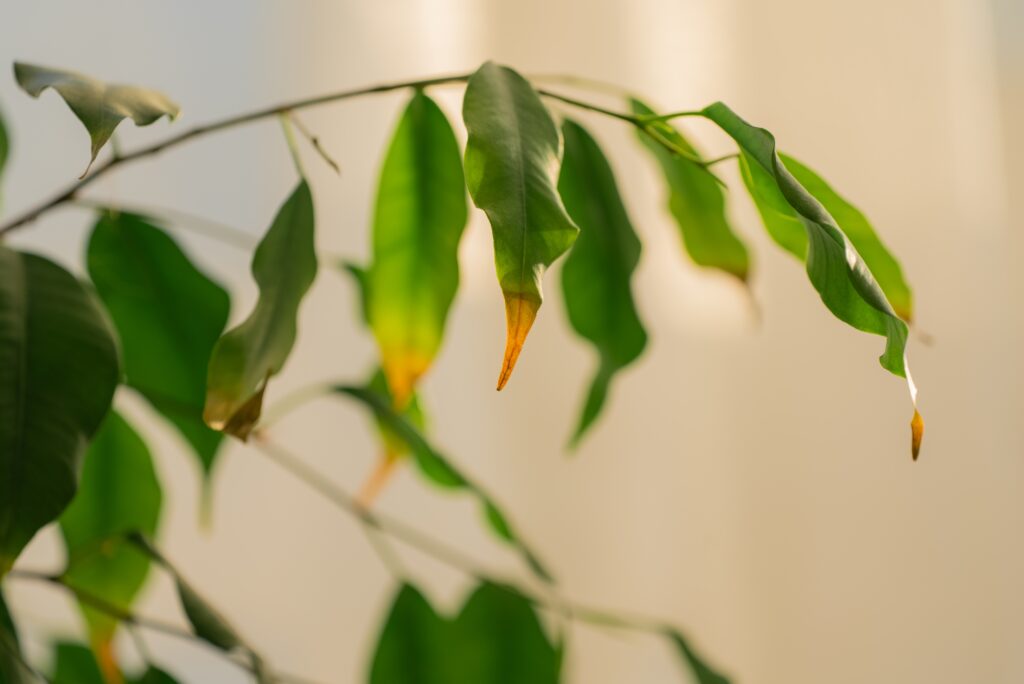
Indoor heat pulls moisture from the air, and the dry environment shows up first on leaf tips. Those edges start to turn pale before shifting into a deeper brown. This can happen fast if the plant sits near a heater or vent. Some plants with thin leaves show the change sooner than others.
You can place a tray of water near the plant or move it away from heat sources to slow the drying. A soft mist in the morning helps leaves settle into the day. Even shifting the plant to a cooler room can make a difference. Once the tips turn brown they will not return to green, so the goal is to slow it from spreading.
Yellow Leaves Caused By Overwatering
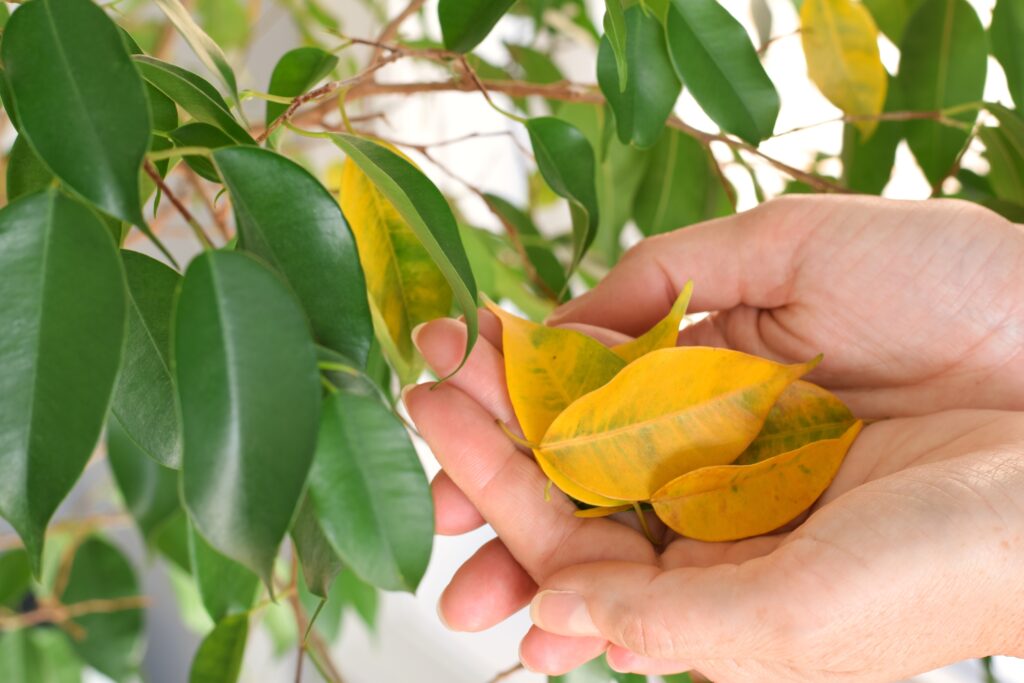
Plants need less water during winter, which surprises many plant owners. Soil stays wet for a long time, and roots sit without air, leading to yellow leaves. The plant may also drop older leaves first, which can look like a major problem even though it is a common reaction. You might notice the stem feeling soft near the base as well.
Letting the soil dry more between waterings can fix the issue over time. Use your finger to check deeper soil since the top layer can be dry while the bottom stays soaked. A lighter watering schedule helps the roots breathe again. Once the plant regains balance, new growth should appear stronger.
Soil That Stays Wet Too Long
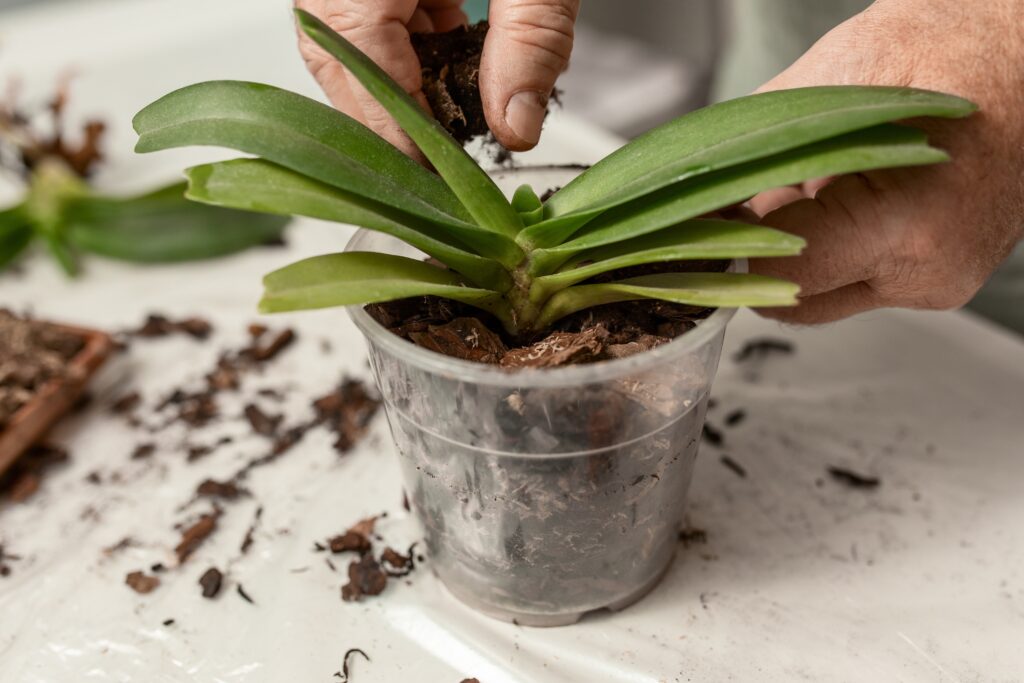
Cooler rooms slow the drying process, so soil can stay damp for days. This sets the stage for fungus growth or root troubles. You might notice a musty smell when you check the pot. In many cases the plant starts leaning slightly as the roots weaken.
Try loosening the soil gently with a small stick to let air move through the pot. A pot with extra drainage holes can help too. Adjusting watering amounts is important since big pours of water sit longer than usual. Over time the soil will dry at a steady pace again.
Sticky Leaves From Hidden Pests
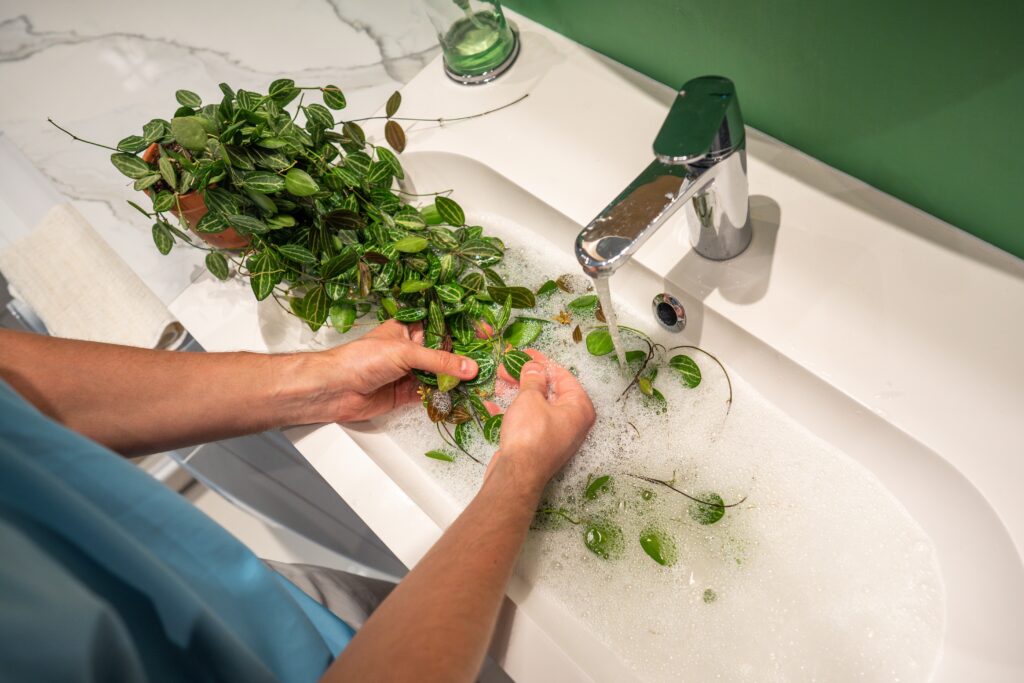
Sticky leaves often reveal tiny insects hiding under the foliage. These pests release a sugary residue that clings to surfaces. It tends to show up first on low leaves, making it easy to overlook. The shiny film sometimes attracts dust and makes the problem more obvious.
Rinse the leaves in the sink or shower to remove the residue. Wipe both the top and underside of leaves since insects hide in tight spots. Keep the plant away from others until you know the pests are gone. A repeat cleaning may be needed if the insects return.
Mushy Stems From Root Rot
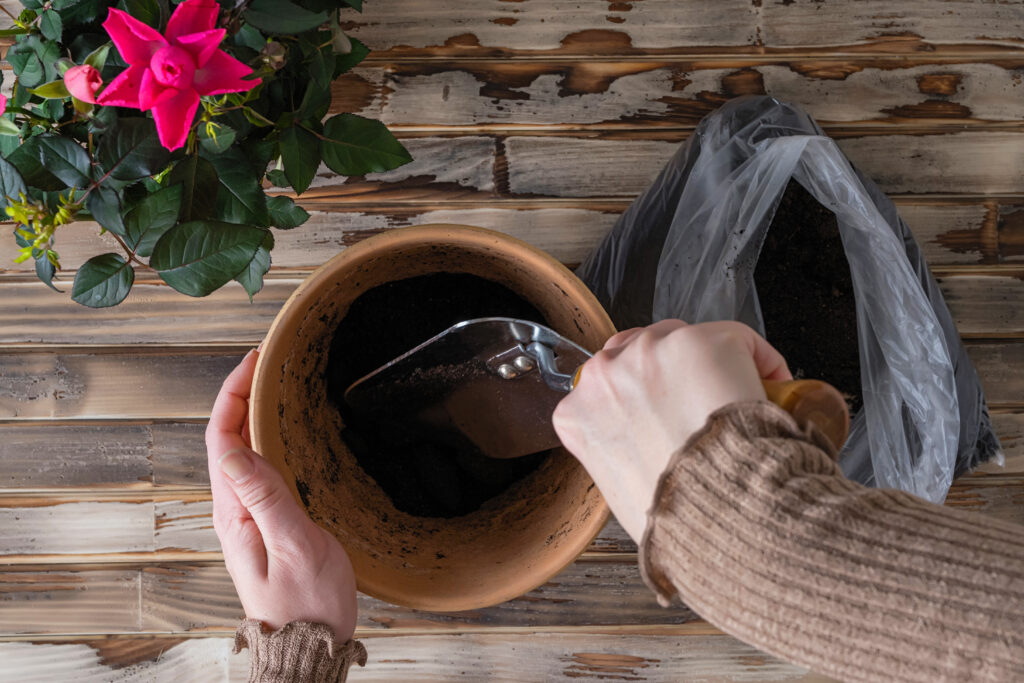
A soft stem usually means the roots have been sitting in water for too long. This condition can spread under the soil before you notice the stem changing. The plant may start leaning or losing leaves. A damp smell from the pot is another clue.
Remove the plant from its pot and check the roots if you suspect this problem. Trim any dark or mushy sections and repot the plant in fresh soil. Use a pot that drains well to prevent the issue from returning. After repotting, keep the soil lightly moist rather than soaked.
Slow Growth During Shorter Days

Winter naturally slows growth, even for strong plants. The plant focuses on holding its current leaves instead of producing new ones. You might notice new stems forming slowly or staying small. This shift is common and usually temporary.
Give the plant steady light and avoid adding extra fertilizer during this time. Forcing growth can stress the roots. A gentle routine helps the plant conserve energy through the season. Fresh growth should appear when days lengthen again.
Curling Leaves From Cold Drafts
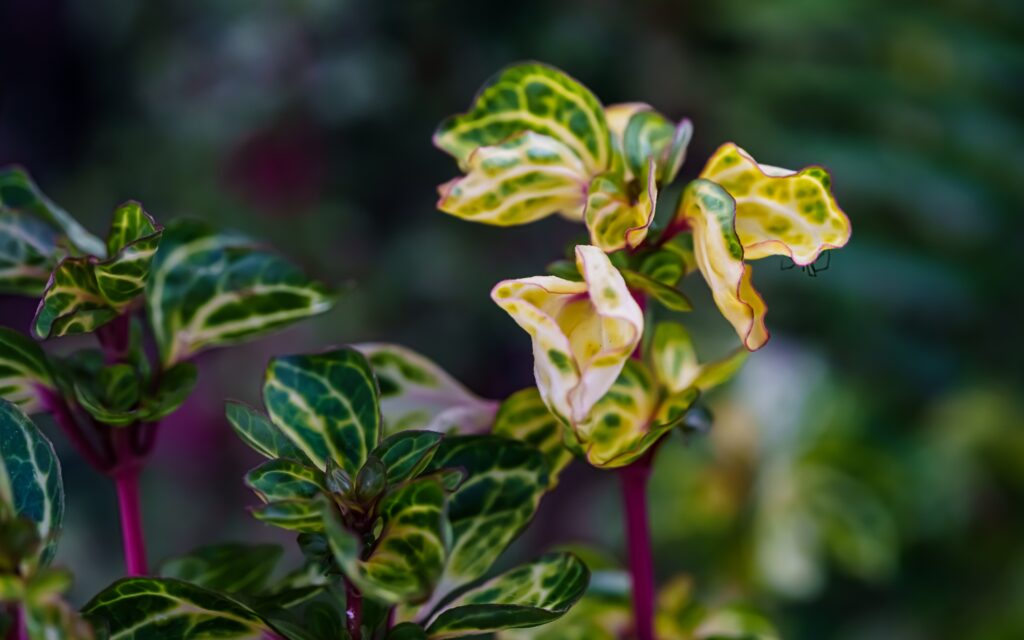
Cold air can cause leaf edges to curl inward. This reaction helps the plant protect itself from sudden chill. Drafts may come from windows that seem closed but still leak cold air. Plants sitting on cold tile floors can show the same reaction.
Raising the plant slightly or moving it away from the draft helps prevent more curling. Closing nearby gaps with simple weather strips can soften the cold. Once the plant warms up, leaves may slowly open again. Continued curling means the draft might still be reaching the plant.
Pale Leaves From Lack Of Sun
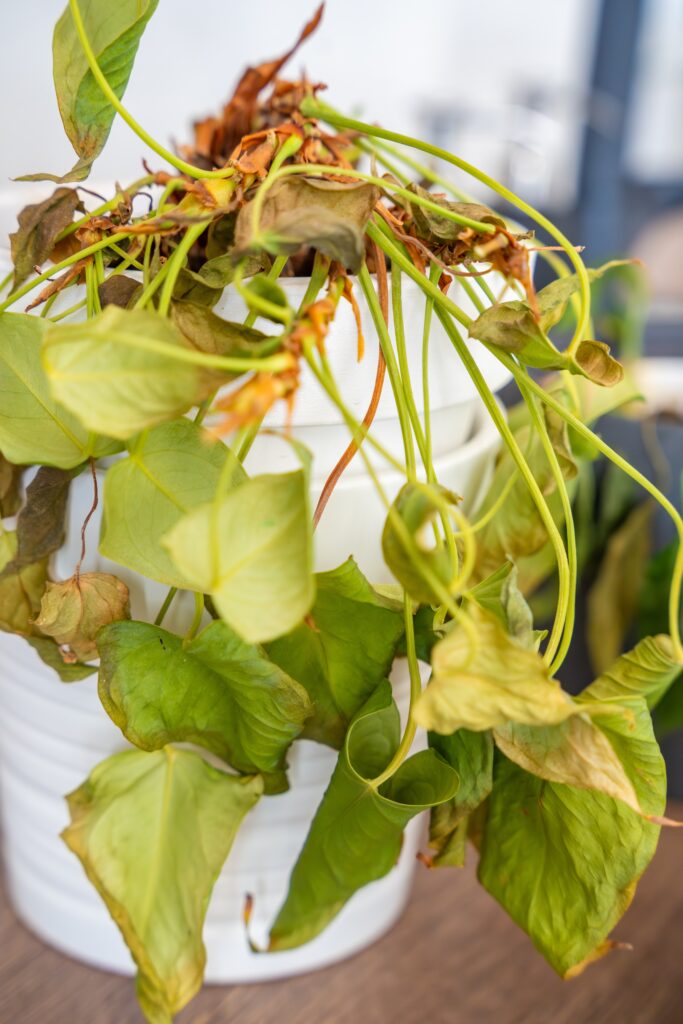
With weak winter light, many plants start to lose their rich color. Leaves may fade into a soft yellow or pale green. The change usually starts near the top of the plant. You might see the plant stretching toward the nearest window.
Moving the plant closer to a sunny spot can help restore the color. Clean any dust off the leaves so they can take in more light. Try turning the plant each week so all sides get a fair share of sun. The color should improve as the plant receives steadier light.
Spider Mites Thriving in Dry Rooms
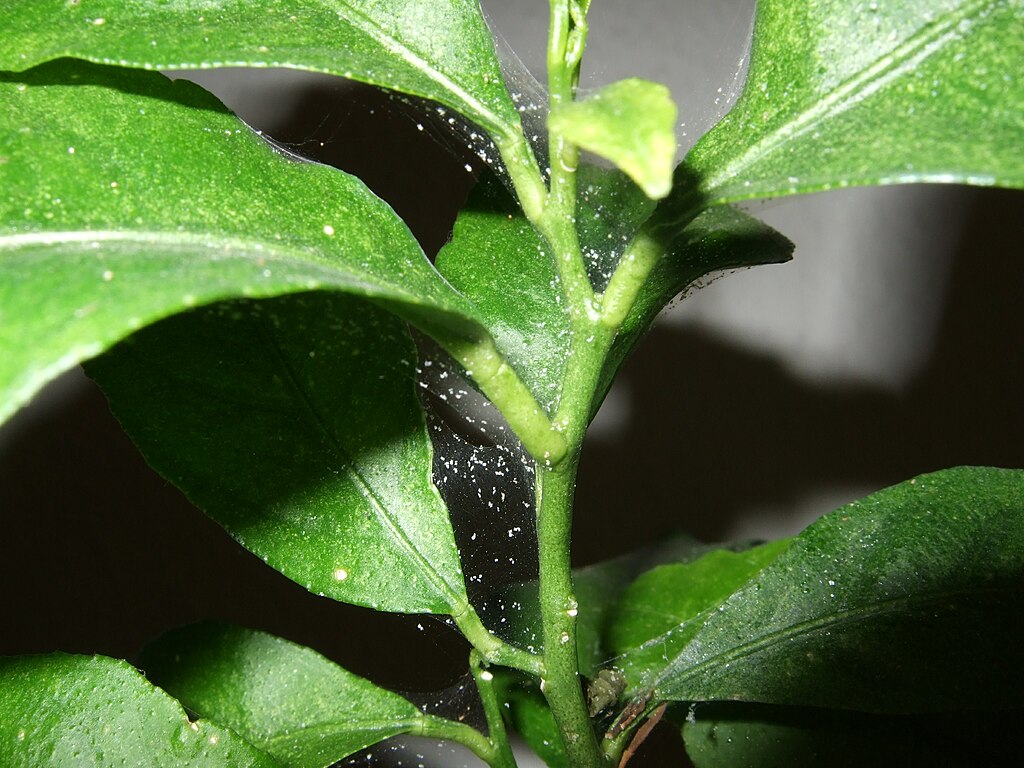
Spider mites love warm and dry rooms during winter. They hide under leaves and create tiny specks that look like dust. When you shake the leaves lightly, you might see faint movement. Webbing around leaf joints is another sign.
Rinsing the plant can knock many mites away. A regular mist in the morning adds moisture that discourages them. Keep plants with mites away from others until the issue is under control. A second rinse a few days later helps keep them from spreading again.
Wilting From Underwatering

Some people cut back watering too much during winter. Leaves start to droop and stems soften when the plant gets too dry. The soil often feels dusty and pulls away from the pot edges. Even sturdy plants can show quick wilting in dry rooms.
Water the plant slowly so the soil absorbs moisture evenly. Press the soil lightly afterward to help it settle. A steady watering rhythm is easier for the plant than large gaps between waterings. Keep an eye on the soil so it never becomes bone dry.
Brown Spots From Fungal Issues
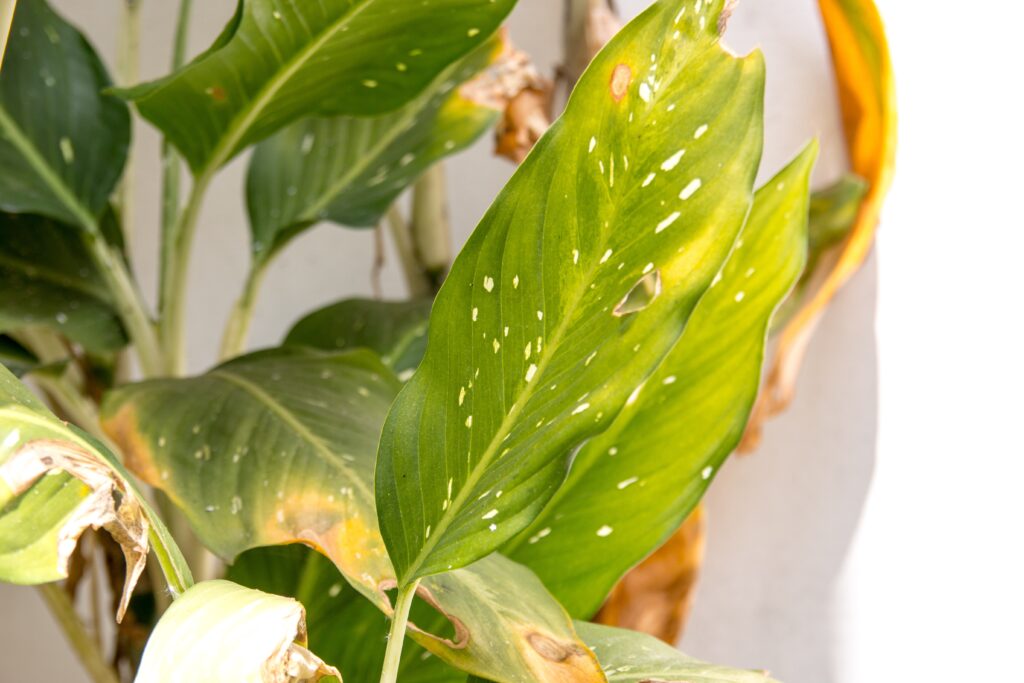
Cool and damp soil can encourage small fungal patches. These appear as brown or rusty marks on the leaves. Sometimes the spots spread in circles before they connect. Plants with dense foliage may see this more often since airflow is limited.
Trim damaged leaves to stop the spread. Move the plant where air can move around it more easily. Water the soil directly rather than wetting the leaves. With better airflow and a lighter watering routine, the spots usually stop forming.
Plants Leaning Toward Windows Due To Weak Winter Light
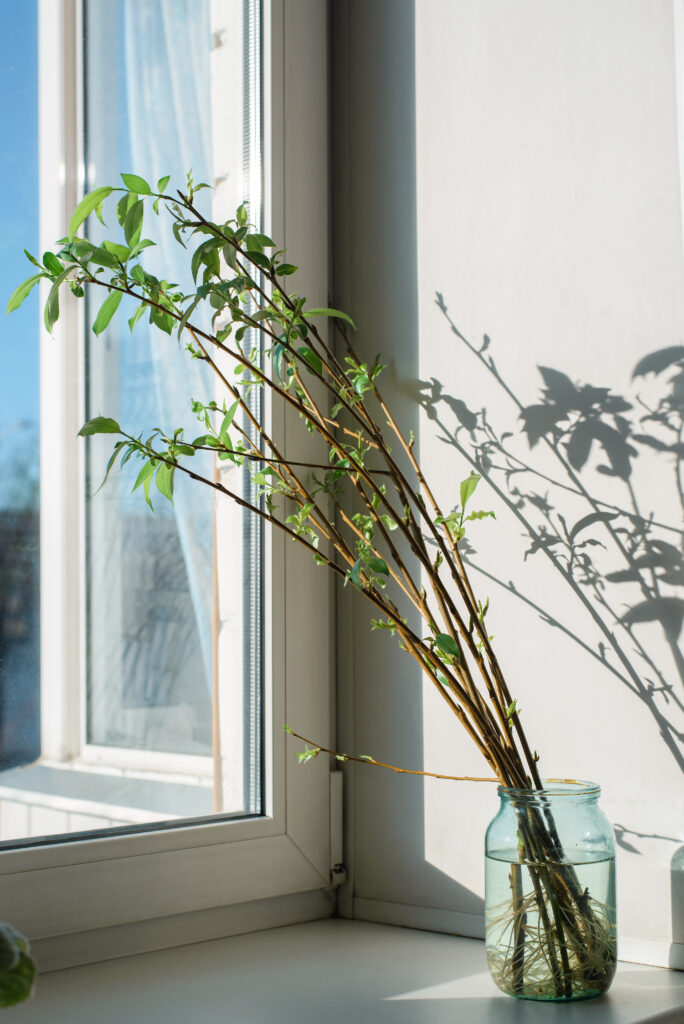
Weak sunlight causes plants to reach toward the nearest window. Over time the stems bend in one direction. You might notice the pot tilting slightly as the plant grows off balance. Leaves near the window often look stronger than those on the opposite side.
Turn the pot every few days to help the plant grow evenly. A brighter spot can reduce the leaning as well. Clean the window glass since dust can block light. Once the plant adjusts, new growth will stand straighter.
This article originally appeared on Avocadu.