
15 Signs Your Houseplants Need Extra Care in December
Many houseplants struggle a bit once December rolls in, thanks to dry air and shorter days. You might see small changes at first, and they can be easy to miss during a busy season. A quick look at your plants can tell you when they need a little extra care. These signs will help you spot problems early so your plants stay steady through winter.
This post may contain affiliate links, which helps keep this content free. Please read our disclosure for more info.
Drooping Leaves That Look Tired
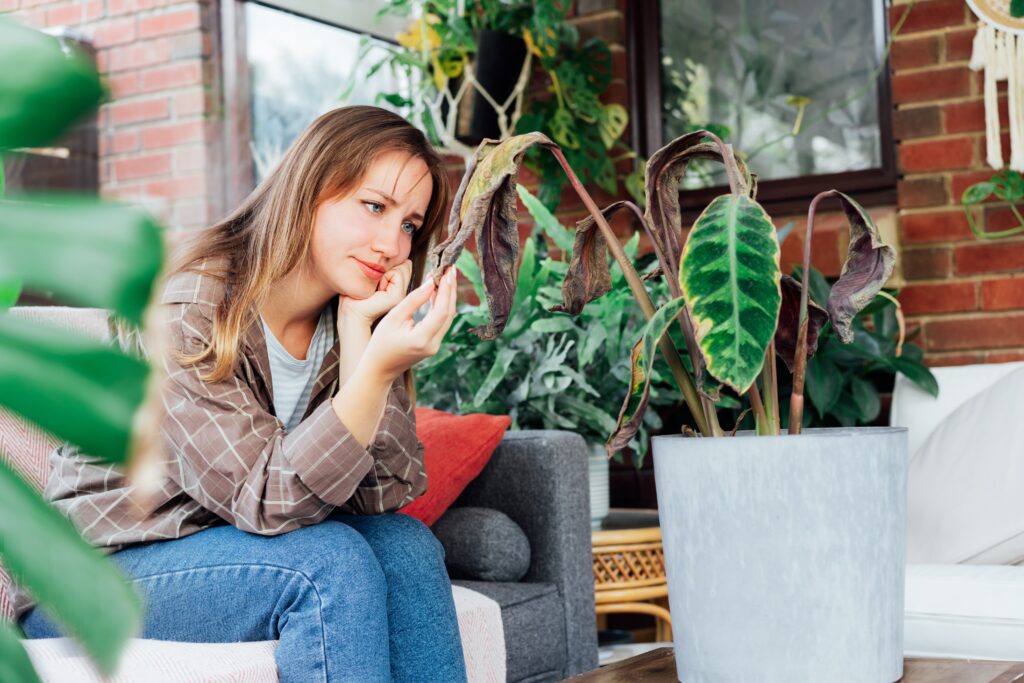
Leaves that slump downward can show that a plant is stressed by dry air or cold drafts. The weight of the leaves may feel heavier than usual when you touch them. Some plants wilt slowly, while others seem to droop in a single day. It often happens during long stretches without steady indoor moisture.
A plant may perk up once conditions improve. A gentle watering or a warmer spot can make a difference. You might see the leaves lift on their own within a day. If they stay limp, the plant may need a closer look.
Soil That Dries Out Much Faster Than Usual
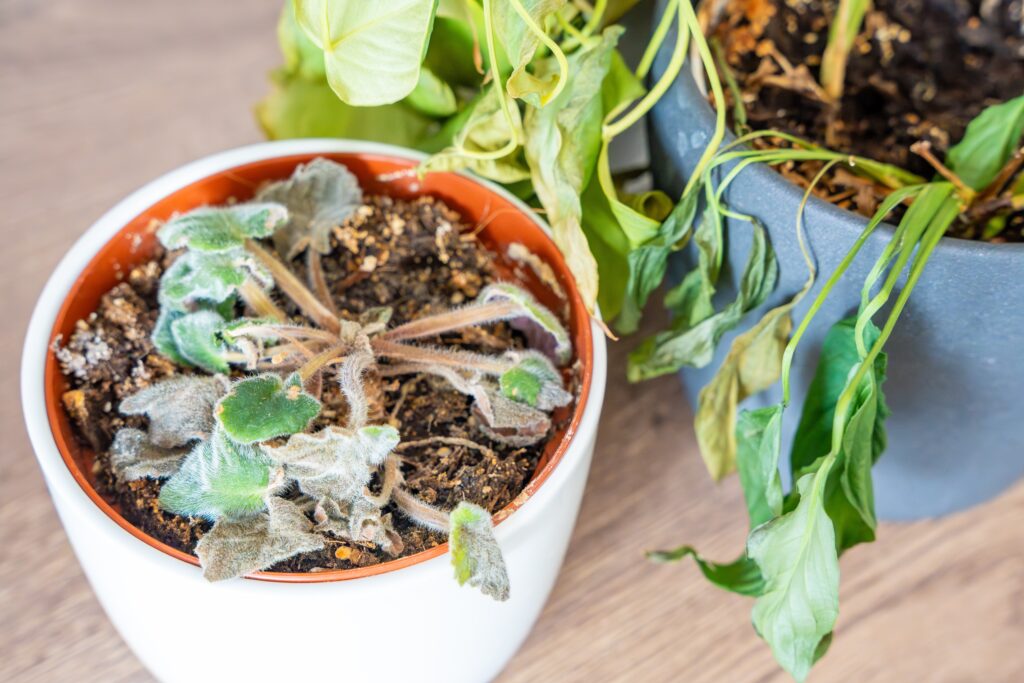
Dry indoor heat can pull moisture from the soil quicker than you expect. A light tap on the pot may sound hollow when the mix dries all the way through. You might notice the surface turning pale or crusty. The pot can feel lighter when lifted.
Frequent dryness means the plant may need a schedule change. Watering a bit earlier than usual can keep the roots steady. A layer of humidity around the plant can help slow down moisture loss. Small shifts can stop the cycle before stress spreads.
Leaves Turning Crispy Around the Edges
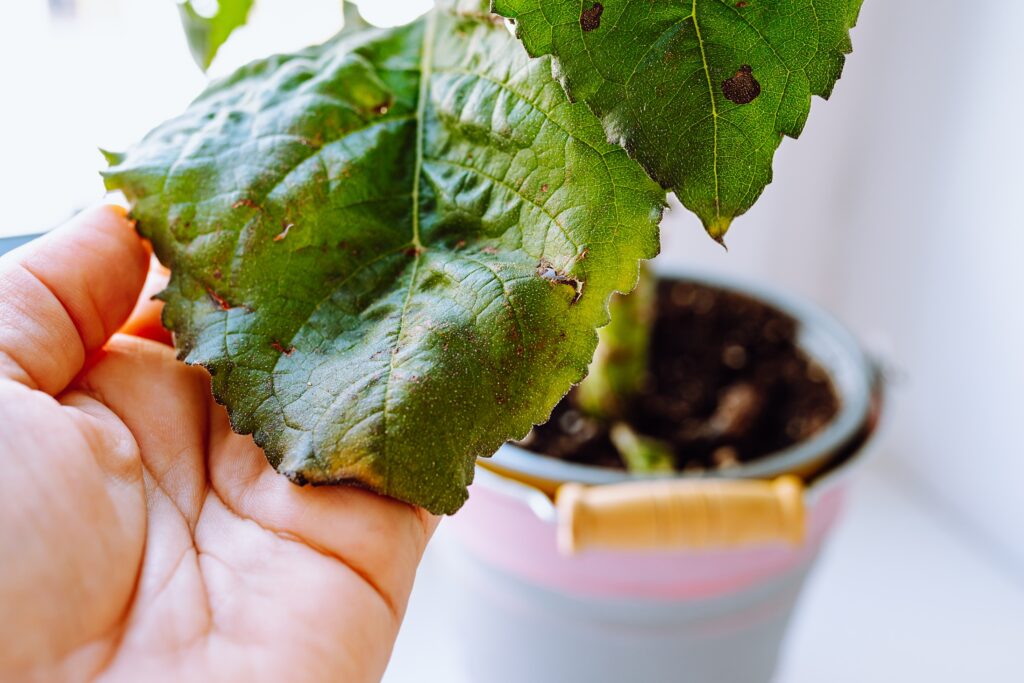
Crispy edges often show up when the air becomes too dry. The leaf tips may feel sharp or brittle. Colors can fade to tan before breaking away. Touching the area may cause tiny pieces to crumble.
Extra humidity can calm this problem. Some people place their plants farther from heating vents to protect the leaves. A tray of water nearby may lift moisture around the plant. Slow changes tend to help the leaf edges stay soft.
Yellow Patches Spreading Across Older Leaves
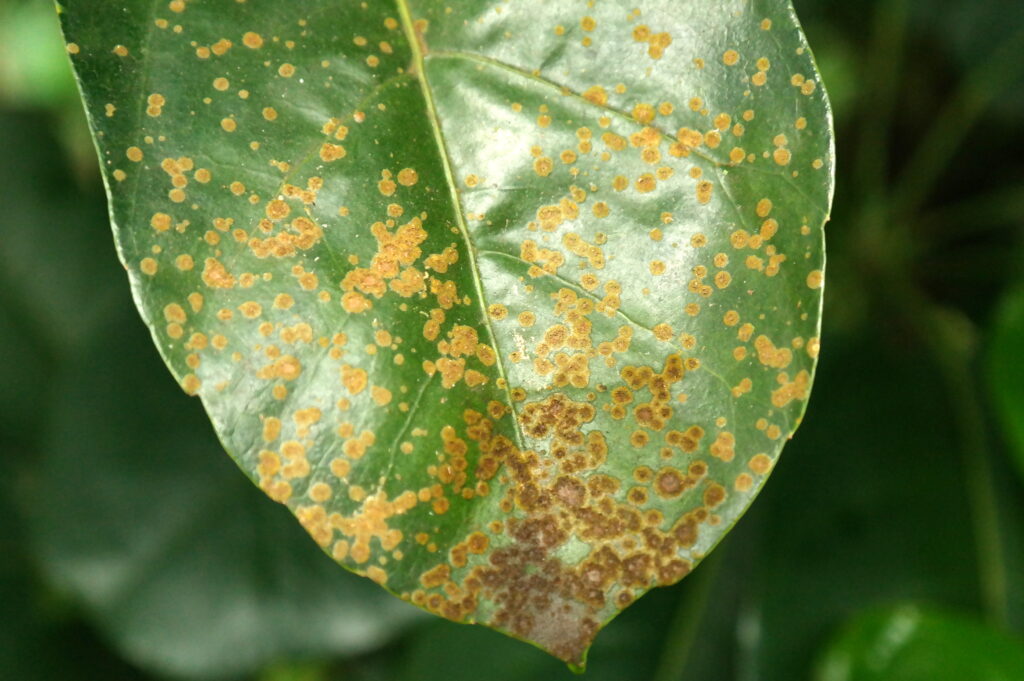
Older leaves with yellow spots often signal that the plant feels stressed by winter shifts. The patches may start small before stretching outward. Each spot can look different depending on the plant. Many indoor plants show this sign on their lowest leaves.
A gentle trim can help keep the plant tidy. If new leaves stay green, the plant might simply be adjusting to shorter days. Some growers lighten their watering during this time. Calm care usually slows the spread.
New Growth Slowing Down or Stopping
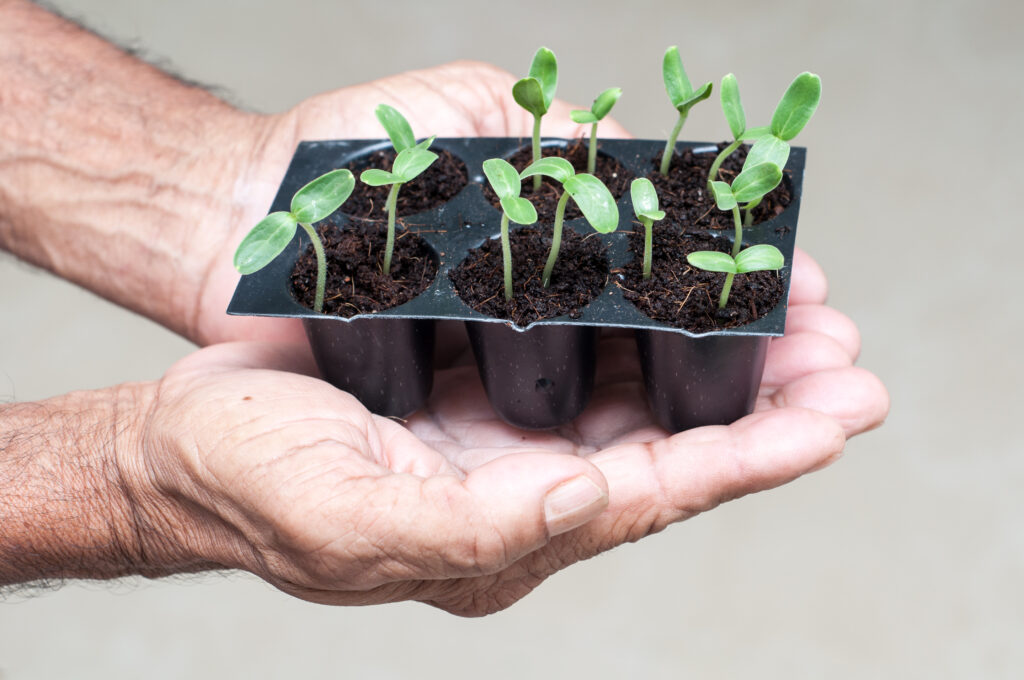
Plants often pause during winter, and new growth may shrink or stop altogether. This change can be subtle if the plant grows slowly. Shoots may look smaller or take longer to open. Some plants hold new buds until light returns.
Patience tends to work best here. The plant may pick up its pace once spring light returns. A warm room with steady moisture can support it through this pause. Many plants ride out the season without trouble.
Potting Mix Pulling Away From the Sides of the Container
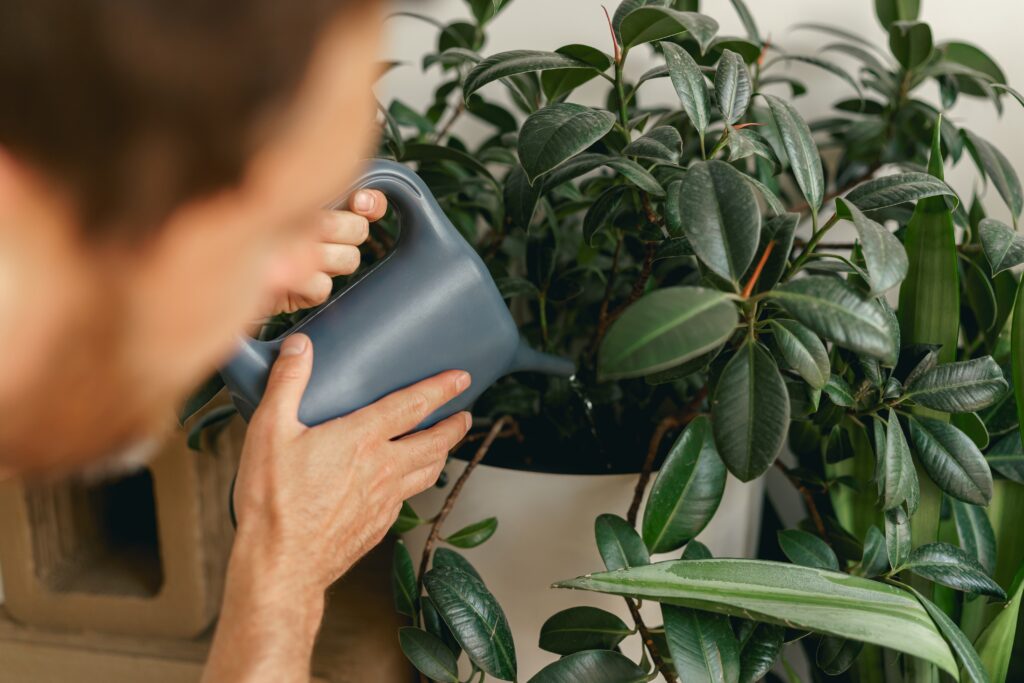
When soil gets very dry, it can shrink and form gaps inside the pot. Water may run down the sides instead of soaking in. You might notice a thin space between the pot and the mix. This is common with older potting blends.
Rehydrating the mix can help. Slow pours allow the soil to take in water again. Some people bottom-water to help the roots drink at their own pace. This can reset the pot for the season.
Brown Leaf Tips Showing Up Overnight
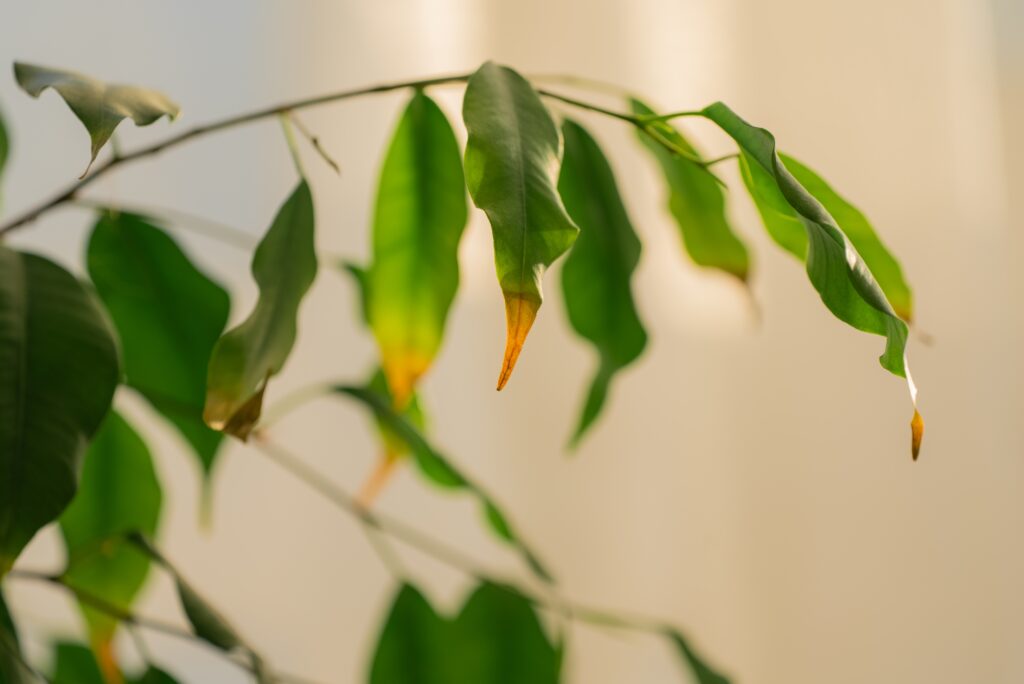
Brown tips can appear quickly when a plant feels stressed by indoor heat. The edges may harden within hours. Some plants show small dark dots before the tips turn brown. You might see this more often during cold snaps.
Snipping the tips can keep the plant tidy. The trim will not harm new growth. Shifting the plant away from direct heat may slow the browning. Steady moisture around the plant can help, too.
Plants Leaning Hard Toward the Nearest Window
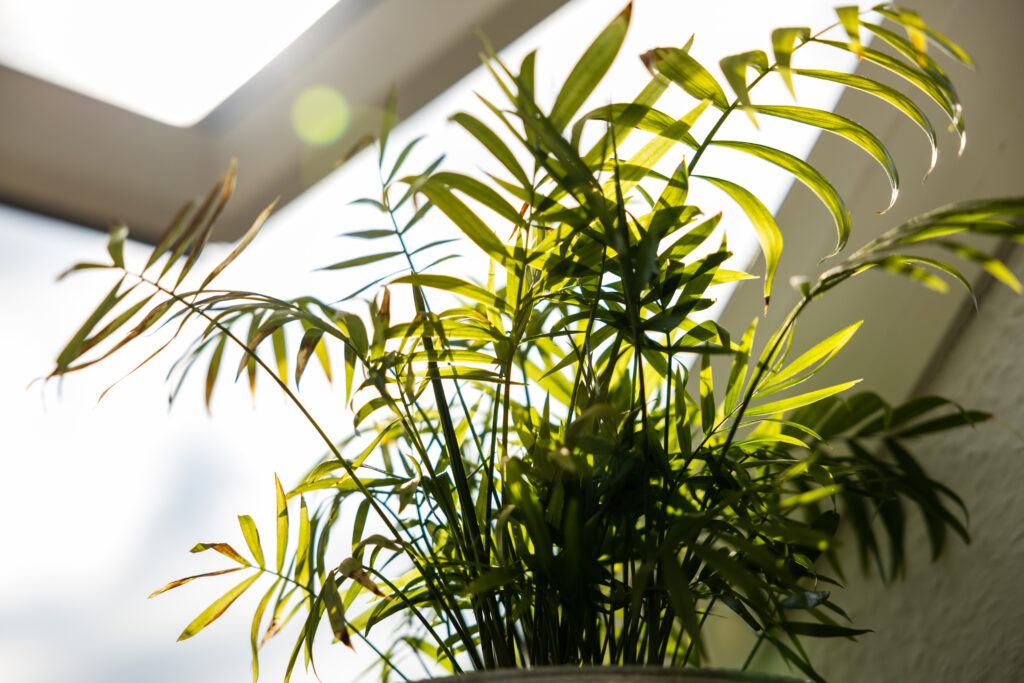
Plants often tilt when they cannot get enough light. The stems stretch toward the brightest area in the room. Leaves may all face the same direction. Some plants even twist slightly.
Turning the pot a little each week can help the plant stand straighter. A brighter spot can also help it settle. Growth may level out once it finds the right amount of light. Many indoor plants grow steadier with gentle adjustments.
Curling Leaves That Feel Thin or Papery
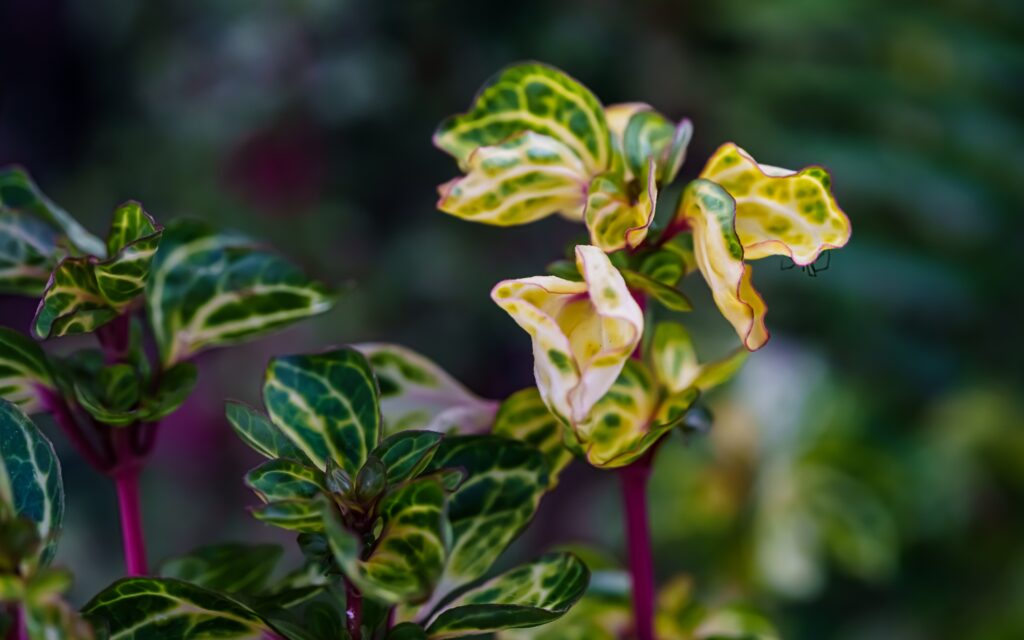
Thin leaves that curl inward often show signs of dryness. A quick touch may reveal a papery feel. Some leaves may roll up more on one side than the other. This can happen when the air shifts overnight.
Adding soft moisture to the air can help uncurl the leaves. Some growers mist gently, though others prefer a nearby tray of water. Warm rooms may require more attention. The leaves may slowly soften once the plant feels steady again.
Fungus Gnats Appearing After Watering
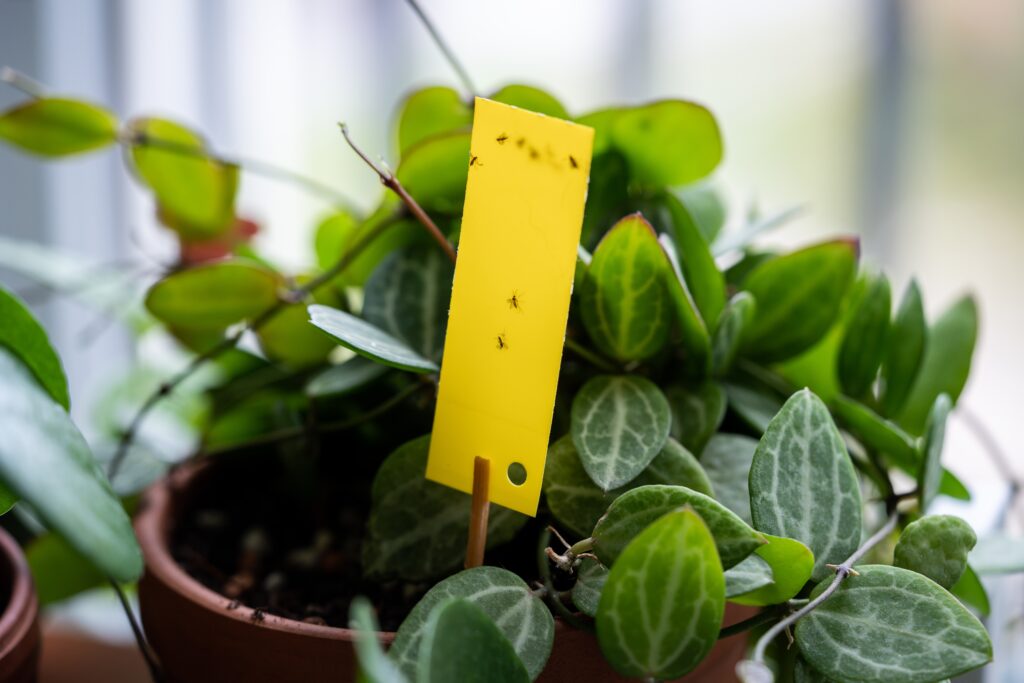
Tiny gnats often appear when soil stays damp longer than expected. They tend to hover around the pot after watering. Some may gather near drainage holes. Their presence often means the mix is staying wet for too long.
Letting the soil dry out a bit more can calm the issue. Sticky traps can help catch the adults. A small break between waterings often stops the cycle. Most plants handle this short pause just fine.
White Dusty Spots Showing Up on Leaf Surfaces
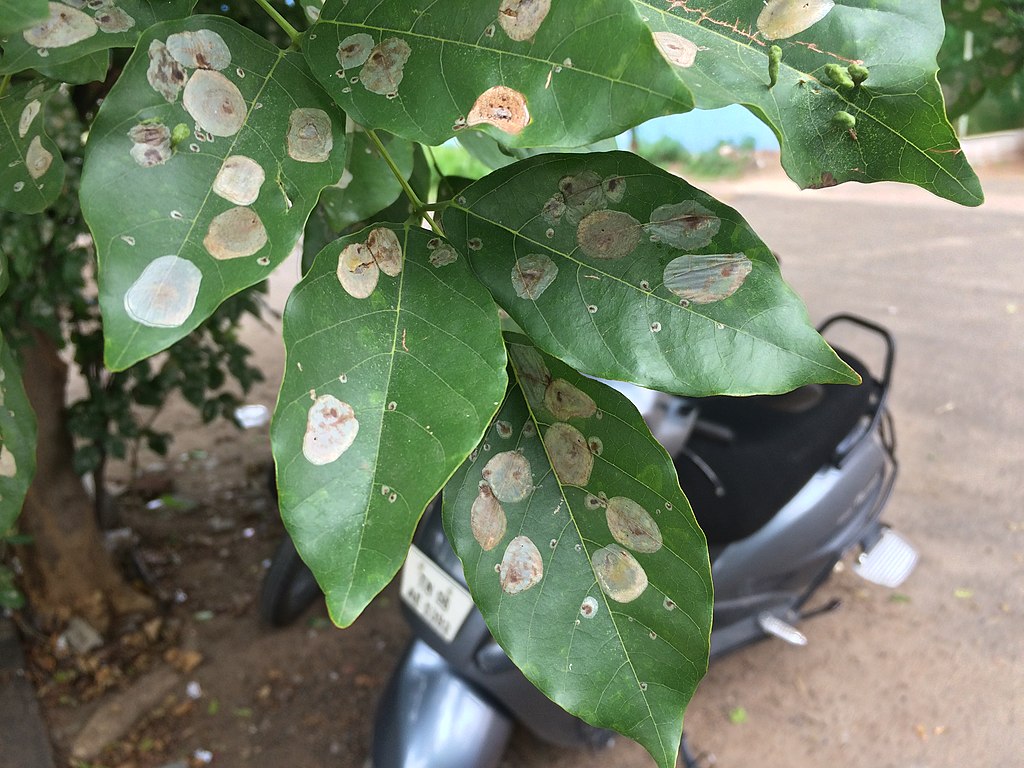
White patches on the leaves may point to a fungal issue tied to winter humidity swings. These spots may look powdery or chalky. They can spread across the top of the leaf if left alone. Some plants show the spots on only a few leaves.
Wiping the leaves gently can help keep the surface clean. Improving airflow around the plant can slow the spread. Many growers space their plants out a bit during winter. This can reduce the chance of patchy leaves.
Roots Circling the Top of the Soil or Poking Through Drainage Holes
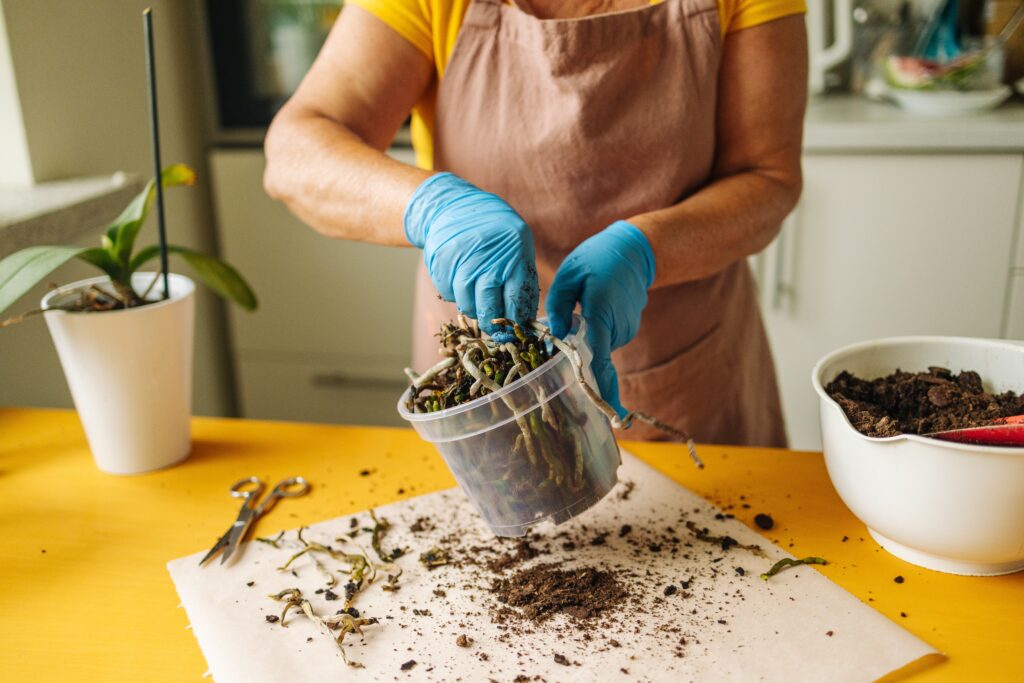
When roots climb to the surface, the plant may be outgrowing its pot. You may see pale strands winding around the top of the soil. Some roots slip through the drainage holes underneath. This can limit how well the plant drinks.
Repotting in early spring may help the plant stretch comfortably again. A slightly larger pot often gives the roots more room. Waiting until warmer months can keep the plant from stressing further. Many plants respond well once they have fresh space.
Sudden Leaf Drop After a Cool Night
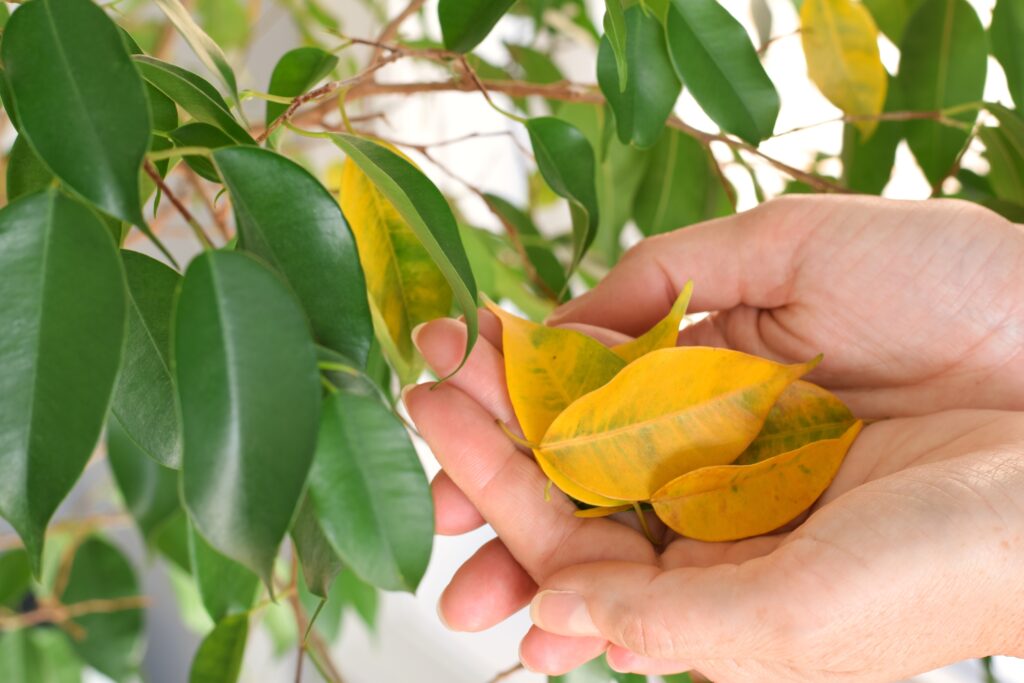
A chilly room can cause leaves to fall without warning. You might find a small pile under the plant in the morning. The remaining leaves may feel cold or limp. Some plants react strongly to quick temperature dips.
A warmer placement usually stops the drop. Keeping the plant away from windows at night may help. Once the room stays steady, new leaves may appear again. Many plants bounce back after a short shock.
Soil Staying Wet for Far Too Long
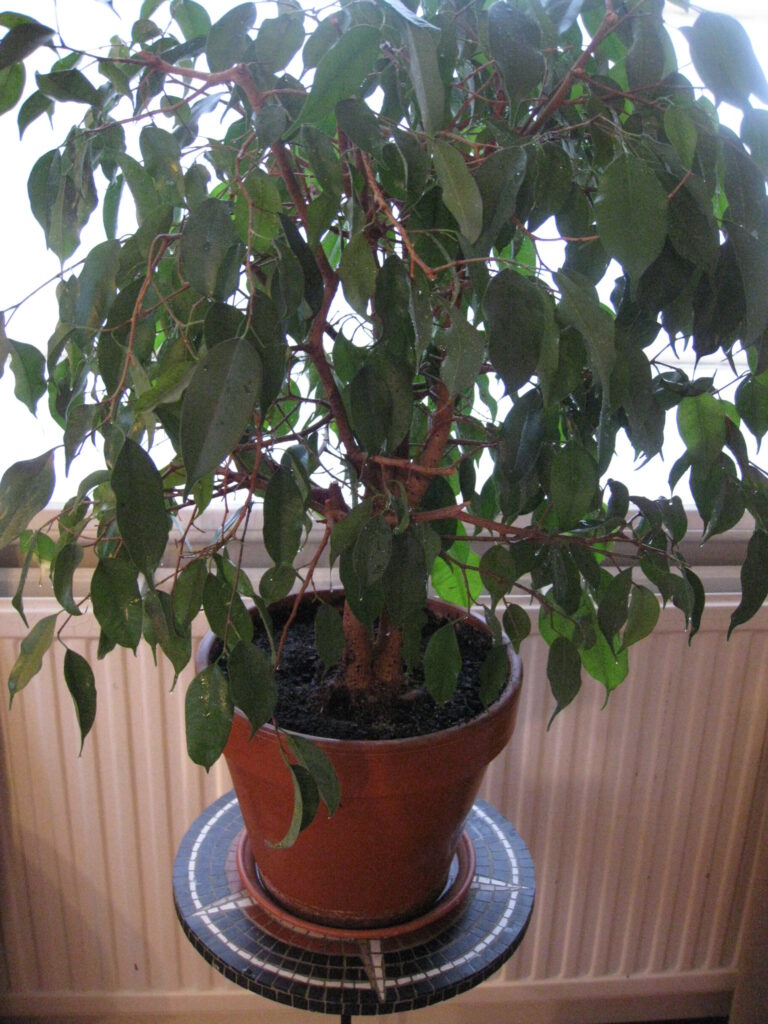
When the soil stays damp for days, the roots may struggle. A pot that feels heavy for a long time may hold water deep inside. You might notice a musty smell near the soil. Some plants react with soft stems.
Adjusting the watering routine can help. Waiting a bit longer between waterings may protect the roots. Warmer air circulation around the pot can help it dry naturally. It often takes only a small shift to help the mix settle.
Colors Fading on Variegated Leaves
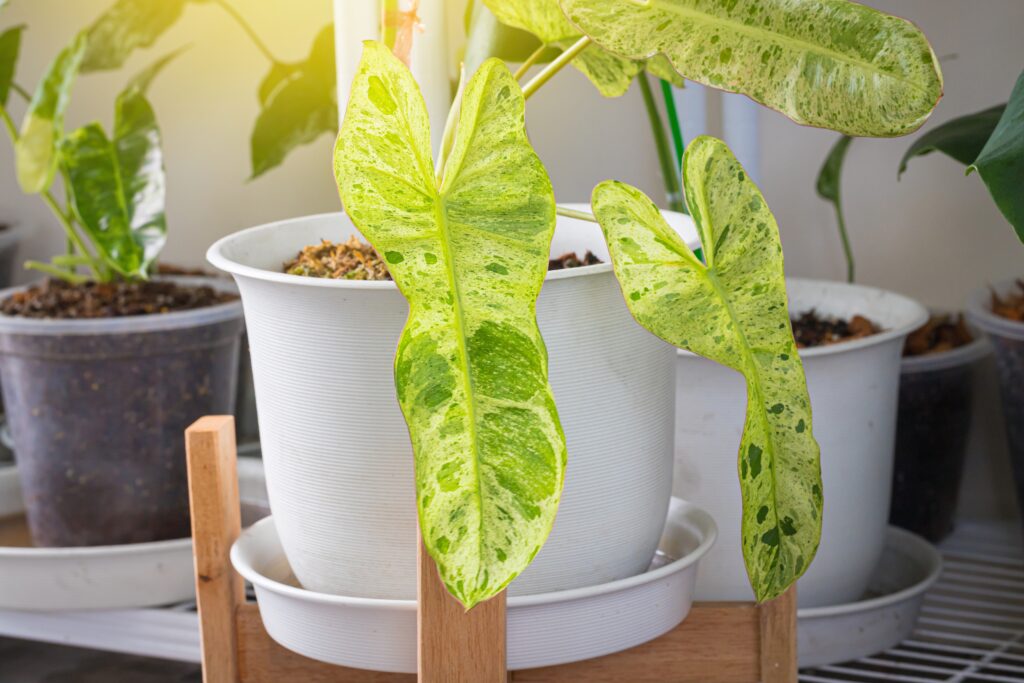
Variegated plants can lose some of their patterns under low light. Pale patches may slowly blend into the green. Some leaves may show dull or washed-out tones. The plant may shift its colors to save energy during winter.
A brighter window can help hold onto the patterns. Turning the pot each week may also support steady light. Some growers use sheer curtains to soften harsh rays. With time, new leaves may show clearer markings again.
This article originally appeared on Avocadu.