
10 Vintage Model Trains with Surprising Auction Results
Model trains have long been a passion for collectors, but some have far exceeded expectations at auction. Whether it’s the rarity of the piece or the incredible condition, certain models have fetched prices that leave even seasoned collectors in awe. The world of model train auctions can be unpredictable, with some seemingly modest sets drawing intense interest and impressive bids. These surprising results highlight just how valuable certain models have become over time. Enthusiasts often pay top dollar for a piece that completes their collection or holds historical significance.
This post may contain affiliate links, which helps keep this content free. Please read our disclosure for more info.
O Gauge Märklin 4‑4‑0 Locomotive with British Railway Livery
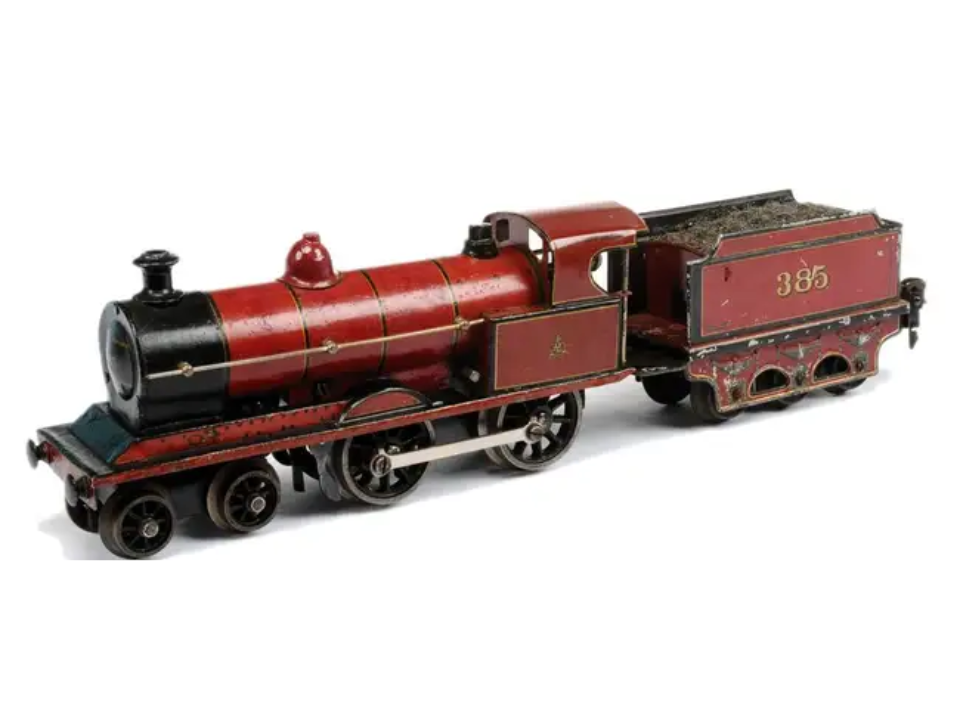
This model began life as a standard early 20th-century European model made by Märklin, but what made it remarkable at auction was the fact that it carried the colours of a British railway line rather than the generic painting typical for its time. The attention to detail, particularly the iconic livery, captivated enthusiasts, and its rarity helped elevate its value beyond ordinary models of the era. At auction, it fetched a surprising hammer price of £9,000, which equates to roughly $11,000.
Its price reflected not only the historical value but also the specific demand from collectors of British railway memorabilia. Such models are highly sought after due to the specificity of the livery, making it a prized addition for anyone interested in the historical train line’s design and operation. This unique variation made it far more desirable than standard Märklin trains.
Märklin E 800 LMS Locomotive
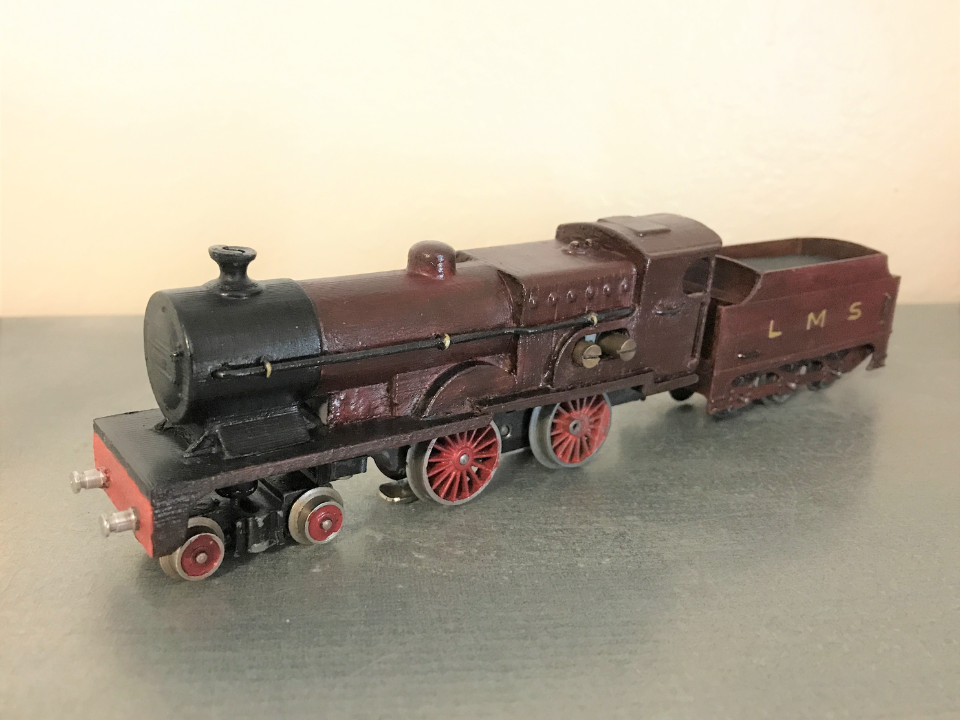
One of the rare export versions of Märklin trains was the E 800 LMS locomotive sold with three coaches. These sets are seldom found in pristine condition, which raised their appeal, especially in the high‑end model train market. The locomotive’s condition and the inclusion of original packaging made it particularly valuable. This rare find realized a sale price of well over $20,000 at a live auction.
The higher value of this set came from its rarity and the fact that it was tailored for an export market outside of Germany, making it uncommon among collectors. Its beauty lies in its condition and the fact that it was not widely produced outside Märklin’s domestic market. As a result, it is a highly collectible piece, and any similar models in excellent condition are expected to fetch high prices.
Lionel 400E Standard Gauge Set From 1934
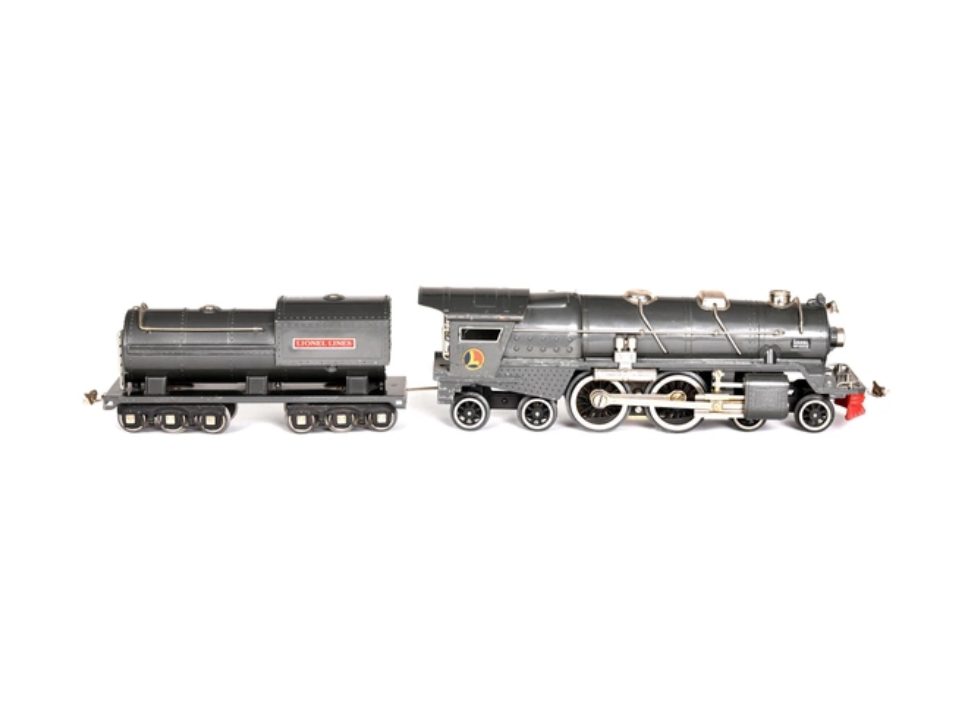
A full set of Lionel 400E Standard Gauge from 1934 came up for auction while still new in box and in pristine condition. The set’s condition, combined with its age, made it one of the most surprising sales in the model train auction world, fetching $250,000, setting a record for its class. The rarity of a model in such good condition, especially one that was over 80 years old, made it an irresistible find for serious collectors.
The price can be attributed to the set’s rarity and historical significance. Collectors value trains from the 1930s, especially in untouched condition. Given that the Lionel 400E was one of the most sought-after models of its time, this particular find was seen as a rare gem in the hobbyist world.
O Gauge 2‑6‑2T Class 3MT Locomotive by James Stanley Beeson
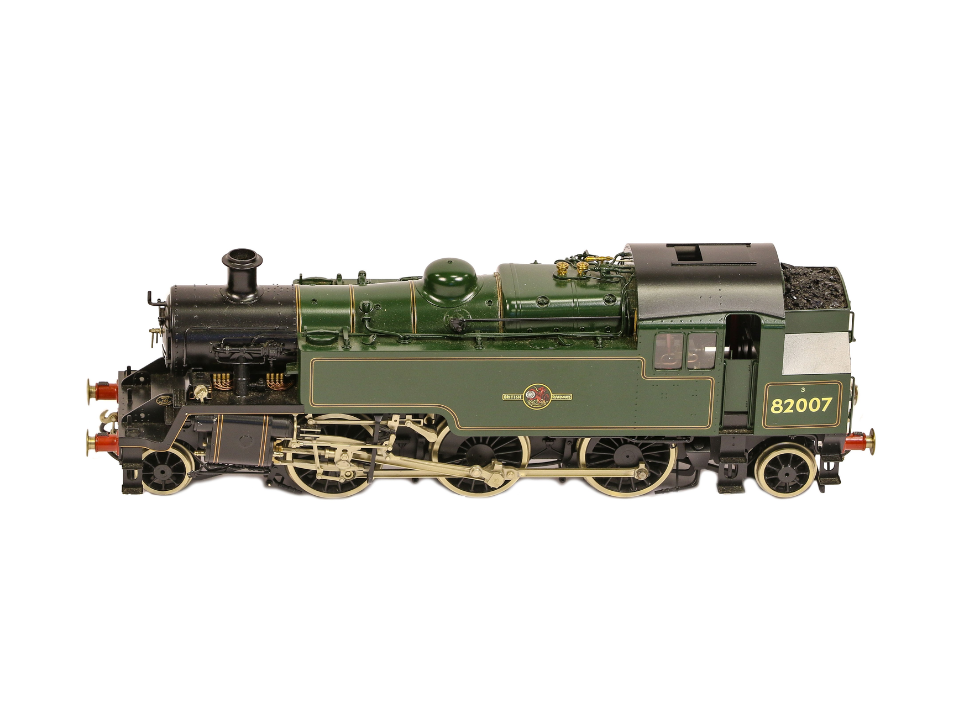
This O gauge locomotive, built by renowned modeler James Stanley Beeson, has a distinctiveness that sets it apart from mass-produced models. The locomotive, finished to resemble BR 82007, is an example of Beeson’s impeccable craftsmanship. Sold for £16,000 at auction, it reflects the growing demand for handcrafted models by skilled artisans.
Beeeson models are considered high-end by collectors, and his limited-run pieces are seen as rare artifacts. His attention to detail and commitment to historical accuracy in recreating locomotives has earned him a significant following in the model train community. The rarity of this model and its meticulous detailing ensured it achieved a price far above ordinary models.
Postwar Lionel 2338 Milwaukee Road GP7 Diesel Locomotive
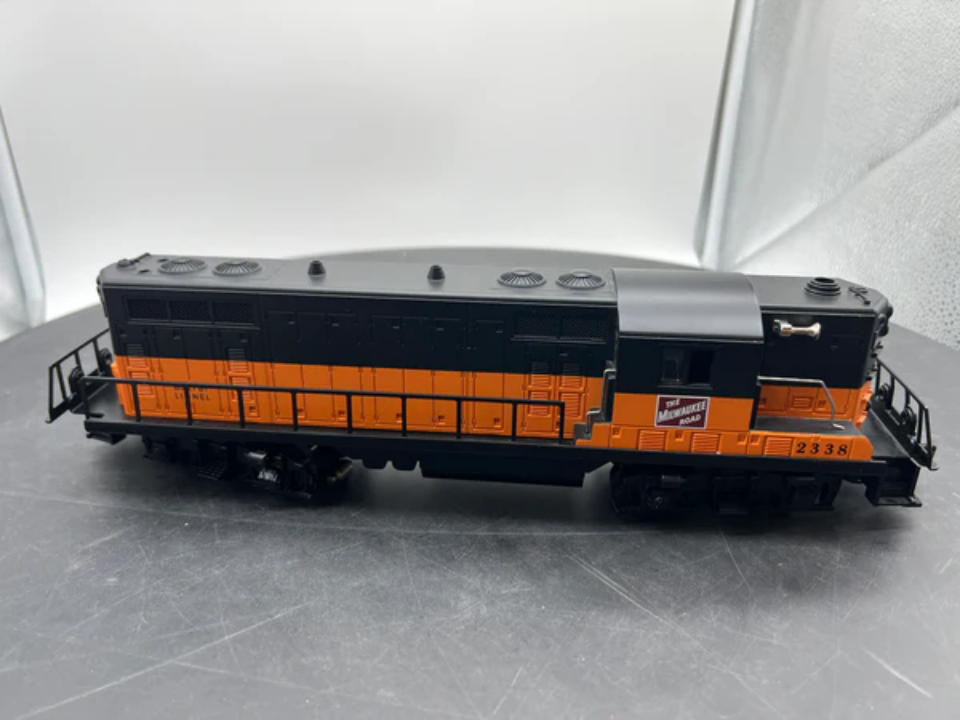
The Lionel 2338 Milwaukee Road GP7 diesel locomotive, still in its original box, was sold for a significantly high price, considering its production in the postwar era. The presence of the original packaging raised the value significantly, making it a rare find in this condition. Collectors have shown increasing interest in well-preserved postwar Lionel models, and this locomotive was no exception.
The combination of historical interest in postwar models and the enduring popularity of the Milwaukee Road livery contributed to its high auction result. Lionel trains from the late 1940s and early 1950s are often in demand, and the inclusion of original packaging made this set even more sought after. Such sales demonstrate that collectors are willing to pay top dollar for models that maintain their integrity and provenance.
Vintage Lionel 2373 Seven‑Piece Canadian Pacific Passenger Set
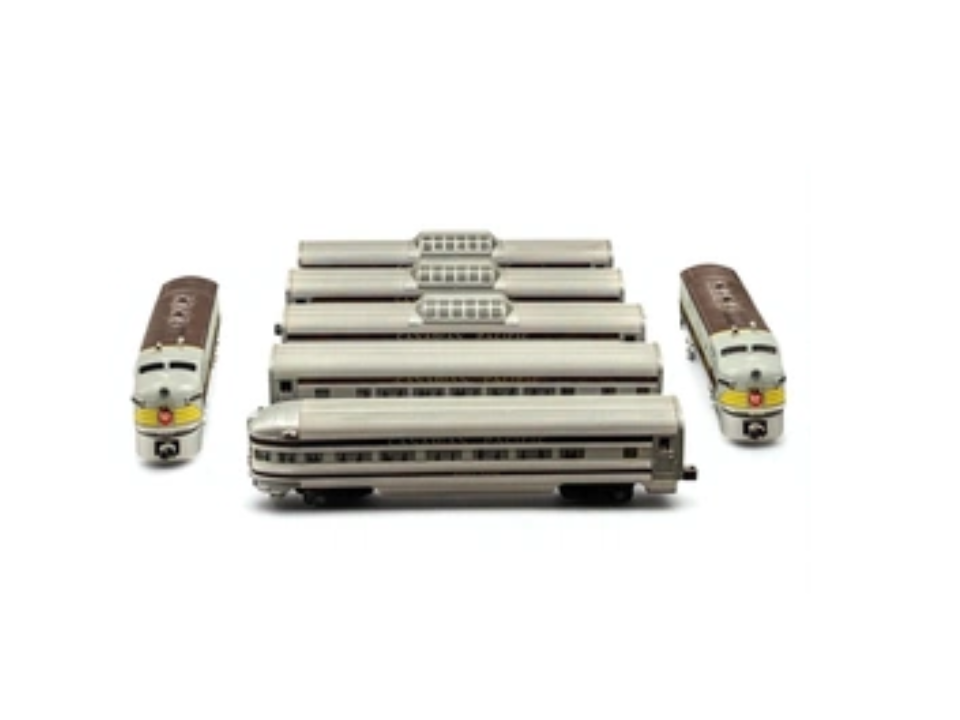
An older Lionel passenger set with Canadian Pacific livery, the #2373 seven-piece set, has long been considered a valuable find. The set fetched approximately $300 at a recent auction, surprising many who thought its market value would remain modest. The Canadian Pacific livery is particularly sought after by collectors interested in North American railroading history.
While this set did not reach the heights of some rarities, it nonetheless holds a certain charm for those passionate about North American railway models. Its complete set of seven pieces, combined with the nostalgic appeal of Canadian Pacific branding, made it highly desirable. Buyers seeking to add vintage Canadian-themed trains to their collections found this a worthwhile investment.
A LNWR Ramsbottom 0‑6‑0T “Special Tank”
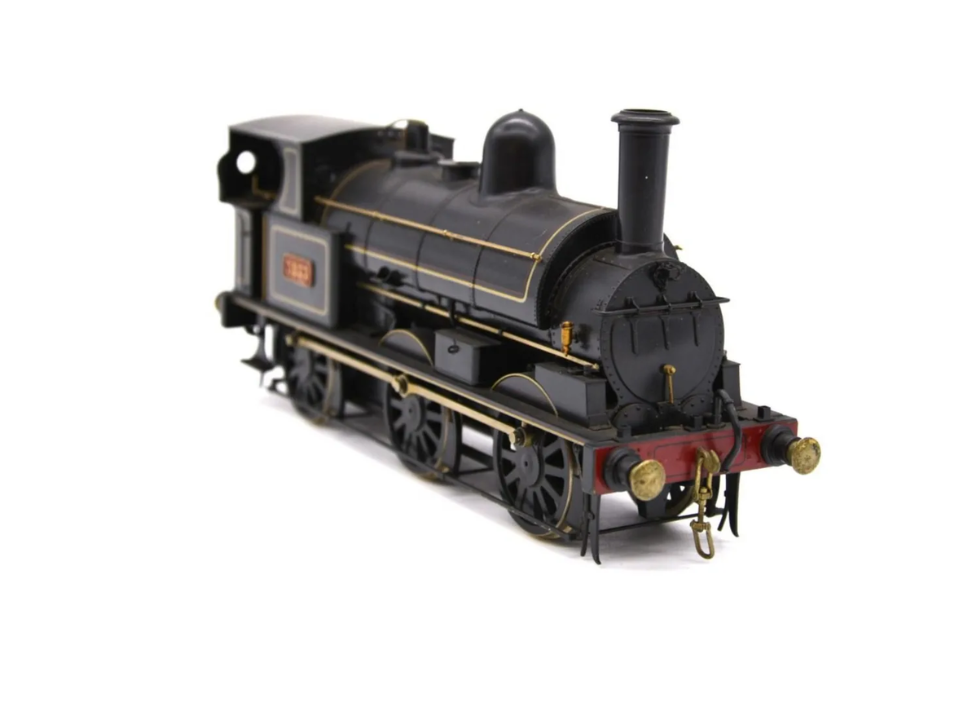
The LNWR Ramsbottom 0‑6‑0T “Special Tank” stood out for its accurate recreation of the original design used by the London and North Western Railway. Bidders responded to its historical appeal and attention to detail. It sold for about $9,200 at auction.
This model appealed strongly to enthusiasts of British railway heritage. The preserved condition and clear reference to the original locomotive contributed to its high demand in the collector community.
1940s LNWR 4‑6‑0 136 “Minerva”
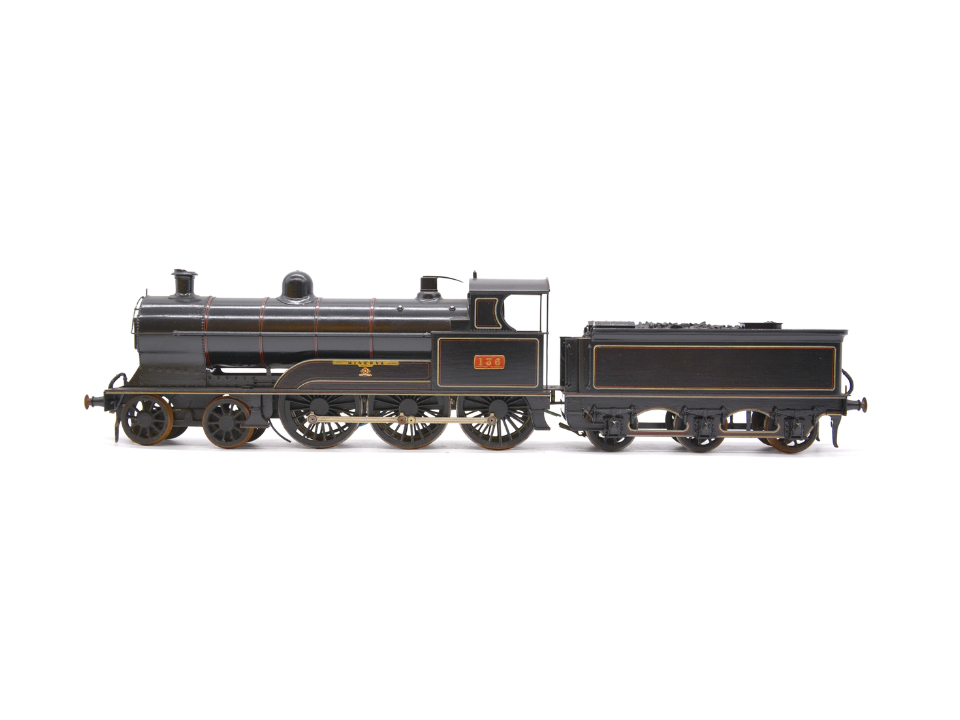
The 1940s LNWR 4‑6‑0 136 “Minerva” model captured attention because it evoked the style of steam engines used in mid‑20th century Britain. Its authentic styling and well maintained state made collectors take notice. At auction the item reached roughly $12,750.
Many buyers recognized the value in a model that closely mirrored a real 4‑6‑0 locomotive from that era. The combination of historical context and good condition gave it appeal beyond standard hobby level models.
A 1958 locomotive “Belted Will”
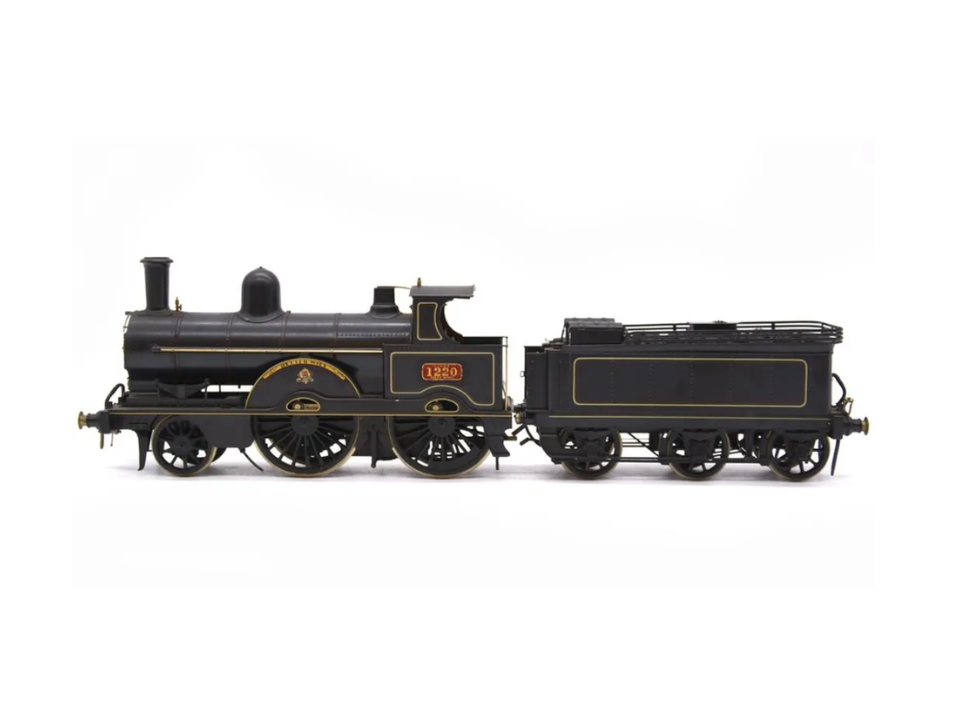
The 1958 locomotive known as “Belted Will” represents a postwar model design that appeals to those fascinated with changes in locomotive engineering after the steam era. Its polished finish and carefully preserved elements added to its appeal. It sold for around $7,400 at auction.
Interest was driven by nostalgia for late steam and early diesel transition era locomotives. For collectors who appreciate models from that transitional period the “Belted Will” offered a rare opportunity to own a piece of that history.
700E Hudson Brass Prototype
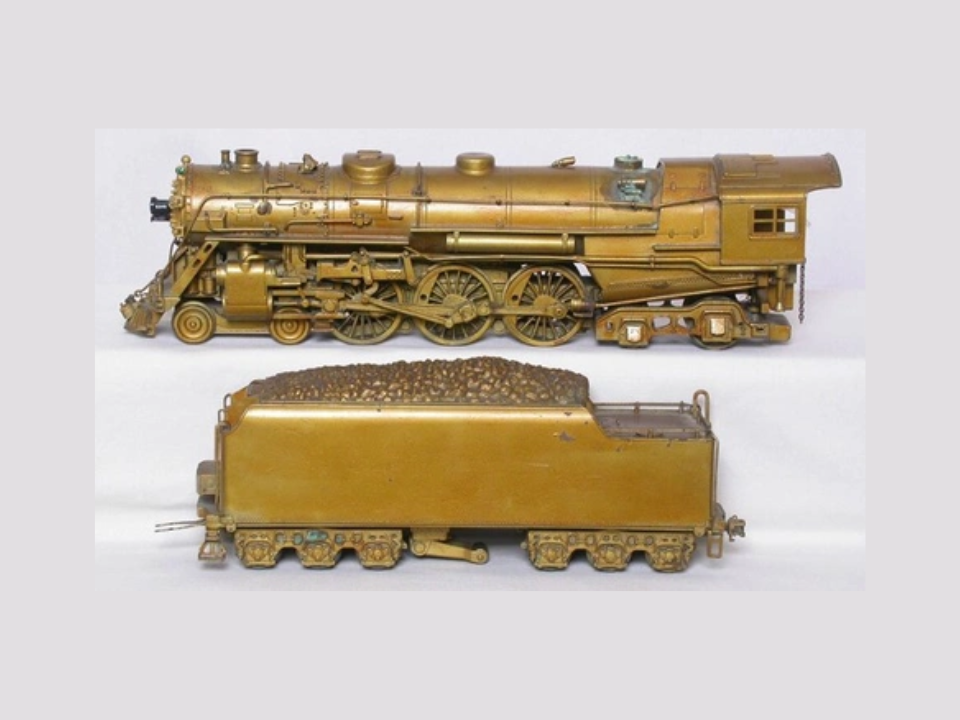
The 700E Hudson Brass Prototype gained notice because it was a brass model representing a prototype locomotive rather than a common production version. Its heavy metal body and sharp detailing caught the eye of serious collectors. Auction results showed a final bid near $15,300.
Such prototype models are often rare because they were never mass produced in plastic or tin. Their scarcity and the fact that this example remained in good shape after decades made it especially desirable.
This article originally appeared on Avocadu.