
15 Ways To Keep Plants Happy Indoors When Heating Is On
Indoor plants can feel stressed when heaters run through the colder months, so a few small changes can help them stay comfortable. Simple shifts in placement, watering, and humidity can keep leaves from drying out. With steady care, your plants can stay healthy even while the air inside feels warm and dry.
This post may contain affiliate links, which helps keep this content free. Please read our disclosure for more info.
Use Room Temperatures That Stay Steady

Warm indoor air can shift quickly when heaters cycle on and off, and plants can feel those changes. A steady setting helps roots stay calm since sudden swings can shock them. Many people set the thermostat a little lower to slow the drying effect. It keeps the room comfortable without stressing the leaves.
A gentle routine works best during cold months. Rooms that stay within a moderate range help plants adjust more easily. The slow and steady air keeps moisture in the soil longer. Leaves stay firm rather than drooping from surprise chills or bursts of heat.
Add Humidifiers Near Plant Groups
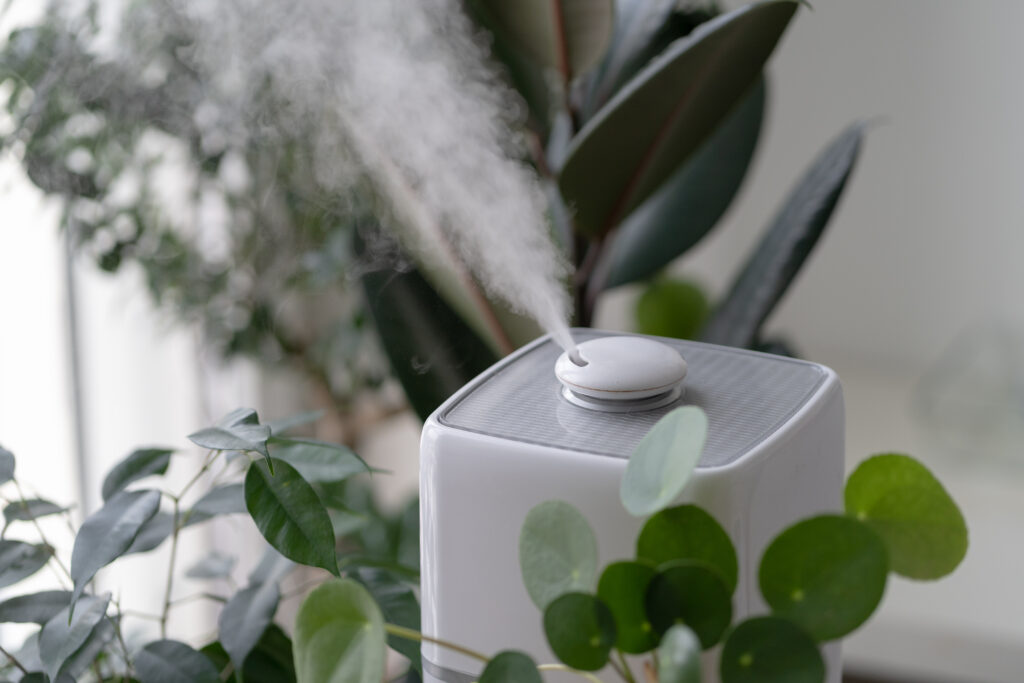
Dry air can pull moisture from leaves faster than usual, and a small humidifier can ease that strain. It sends a soft mist that helps the air feel calmer around your plants. Light humidity keeps edges from turning brown. You can run it on low beside a cluster of pots.
Many people use a timer so the mist comes in short cycles. This helps avoid soggy soil or condensation on windows. A little rise in moisture makes a noticeable difference during weeks when heaters run nonstop. Plants stay fresher because the air feels gentler.
Water Slowly and More Mindfully
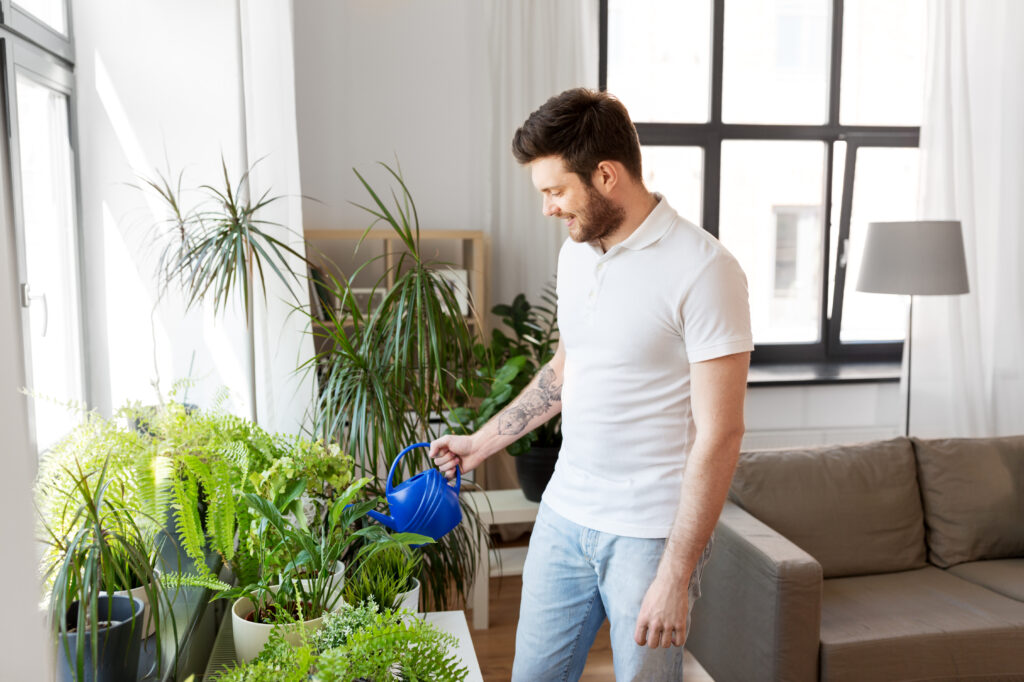
Heated rooms dry soil sooner, so slow watering helps the roots take in what they need. Pouring water in small amounts keeps it from rushing through too quickly. The soil absorbs moisture more evenly this way. Leaves respond with a steady, healthy look.
Cold months can tempt people to water too often, yet slow checks work better than guessing. Lightly pressing the soil tells you if the top layer simply feels dry or if the pot needs a full drink. This easy habit prevents root issues that form when soil stays soaked for too long. Plants stay balanced through the season.
Keep Plants Away From Radiators and Vents
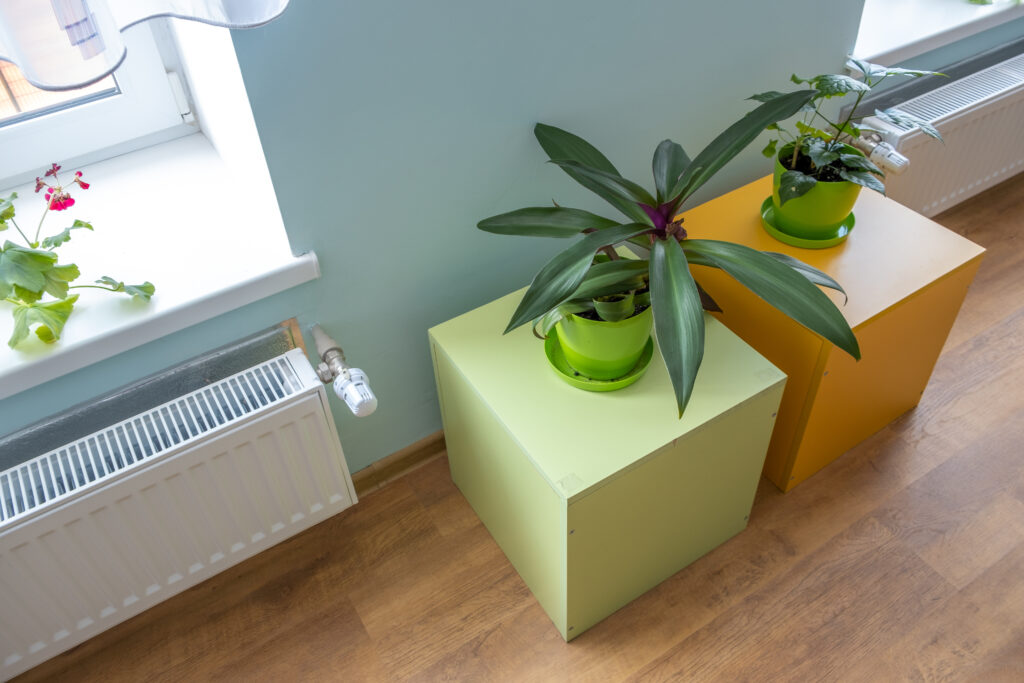
Warm bursts from heaters can scorch leaves, especially on delicate varieties. Moving pots a few feet away protects them from direct airflow. A small shift in placement keeps the heat from pulling moisture too quickly. The leaves stay smoother and less stressed.
Rooms feel cozier when vents run hard, so people sometimes forget how strong the airflow can be. Checking for drafts around plants helps reduce damage. A simple glance at nearby vents or radiators can guide where a pot should sit. Even small adjustments give plants a calmer space.
Mist Leaves When They Look Tired
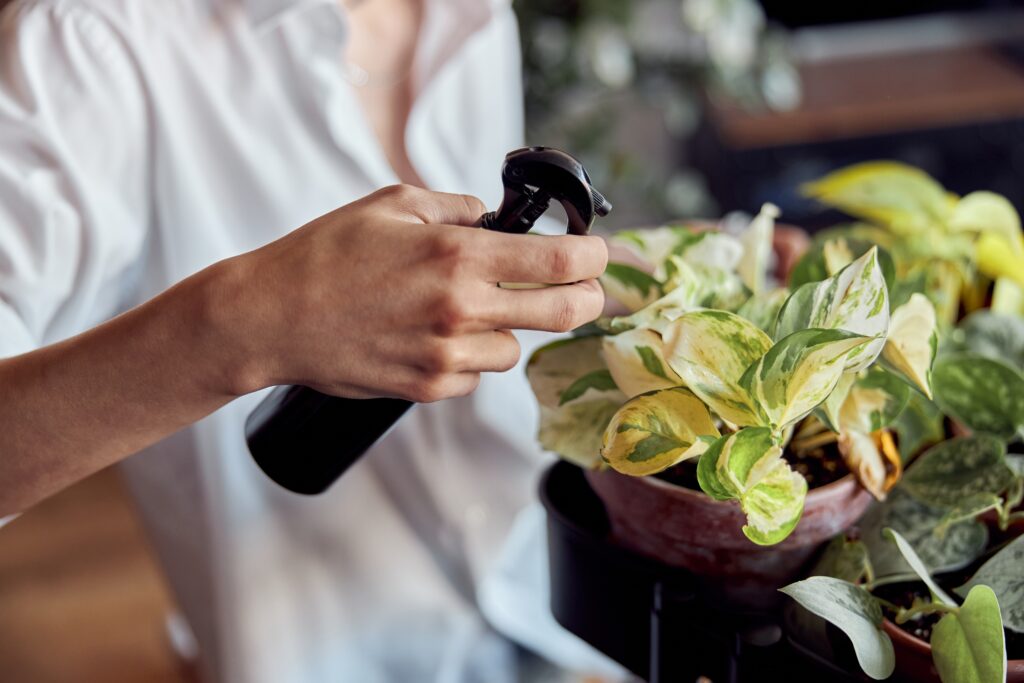
Sometimes leaves look a bit dull from dry air, and a light mist can refresh them. A quick spritz adds moisture without soaking the soil. Many houseplants perk up from this small gesture. It is gentle enough to use every few days.
Some people mist early in the day so the water can dry slowly without sitting overnight. Fine droplets cling to the surface and give leaves a soft, fresh look. It helps especially during long heating cycles. The plant gets a small lift during the driest hours.
Use Pebble Trays To Add Gentle Moisture
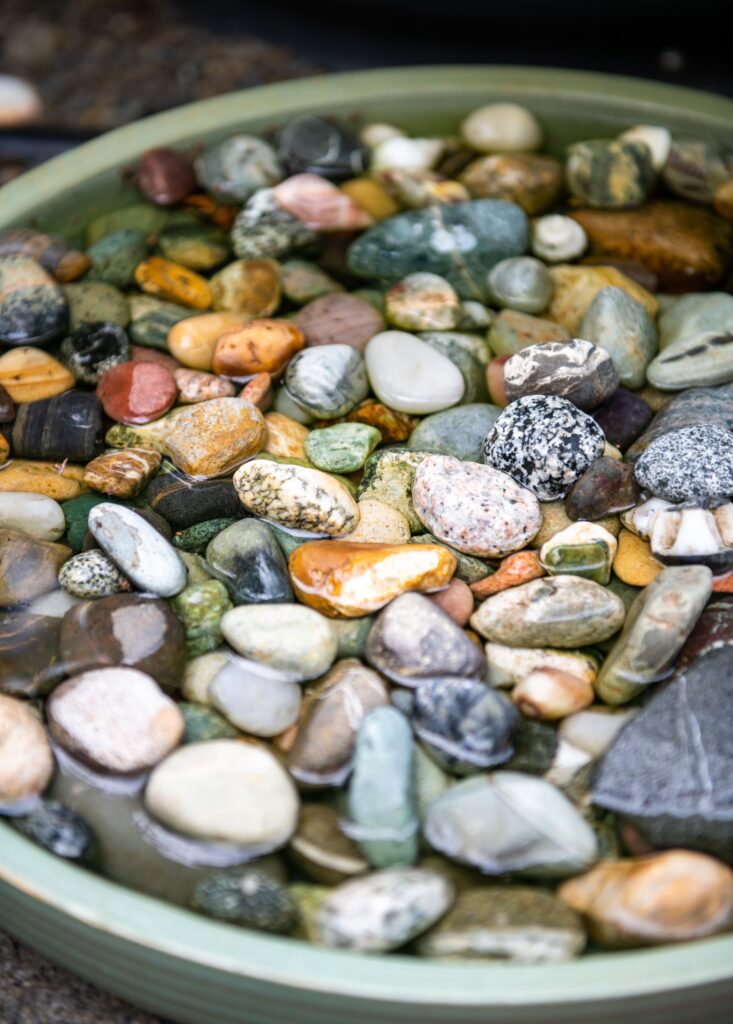
A shallow tray with pebbles under a pot sends slow moisture into the air as the water evaporates. This helps the immediate area feel softer without making the soil soggy. It is simple to set up and works nicely near leafy plants. The tray only needs a little water to be helpful.
Families often use this trick for plants that struggle with brown tips. It provides steady moisture without machinery or frequent misting. The pot never sits directly in water, which keeps roots safe. This creates a small buffer during months when heaters run long hours.
Choose Pots With Good Drainage
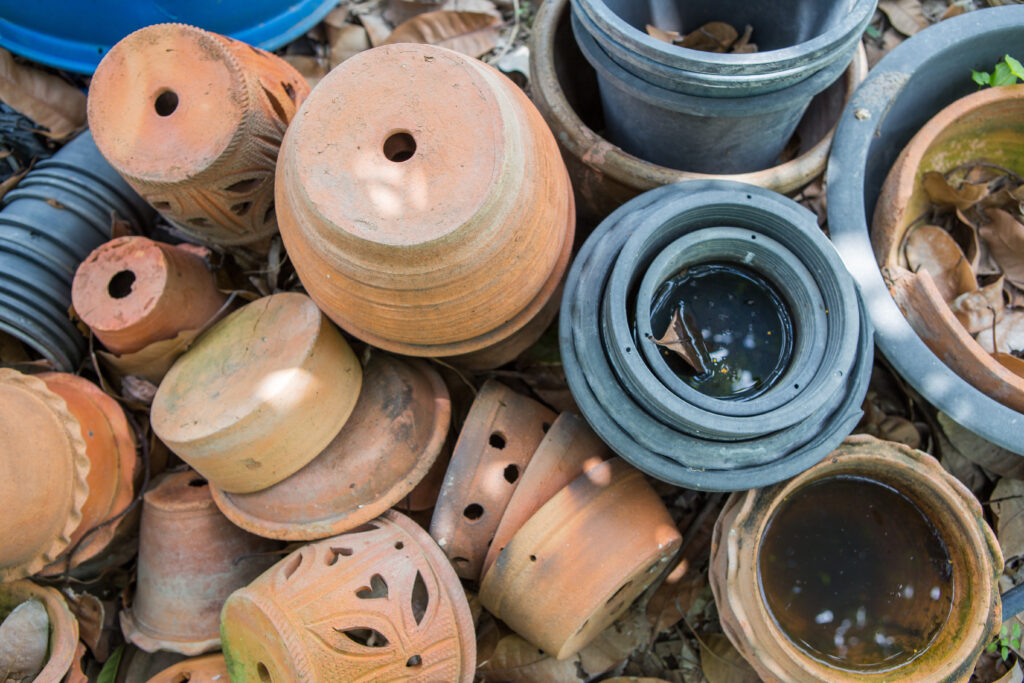
Warm rooms keep soil drying at the surface, but deeper layers can still hold too much water. Pots with drainage holes prevent water from getting trapped below the roots. This keeps plants from sitting in conditions that lead to rot. The soil stays aerated and lighter.
People sometimes switch to pots with better openings during winter checkups. A quick test with a watering can helps show how well the pot drains. Good flow means roots can breathe more easily. Plants respond with stronger, firmer growth.
Rotate Plants So All Sides Get Light
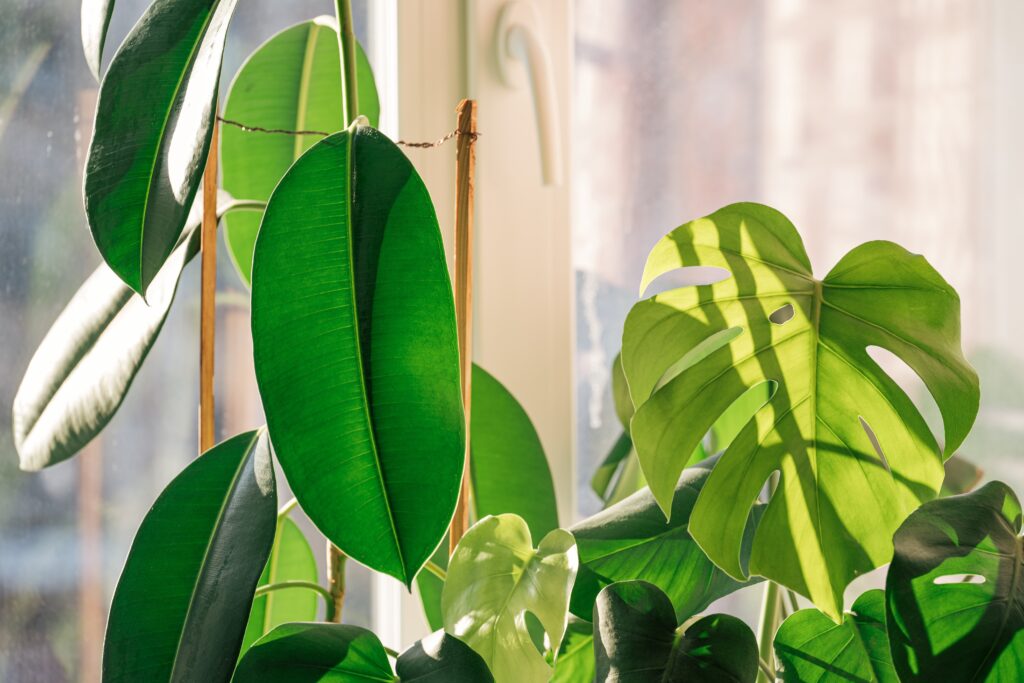
Short winter days mean less light reaches each side of a plant. Turning the pot a little each week helps leaves grow evenly. The slow rotation gives every side a fair chance to soak in the brightness. Plants keep a fuller shape this way.
Some people pair this routine with their weekly watering. It makes the habit easier to remember. As the sun sits lower during cold months, light tends to hit from one angle. Shifting the pot helps the plant stay balanced and strong.
Clean Dust Off Leaves Regularly
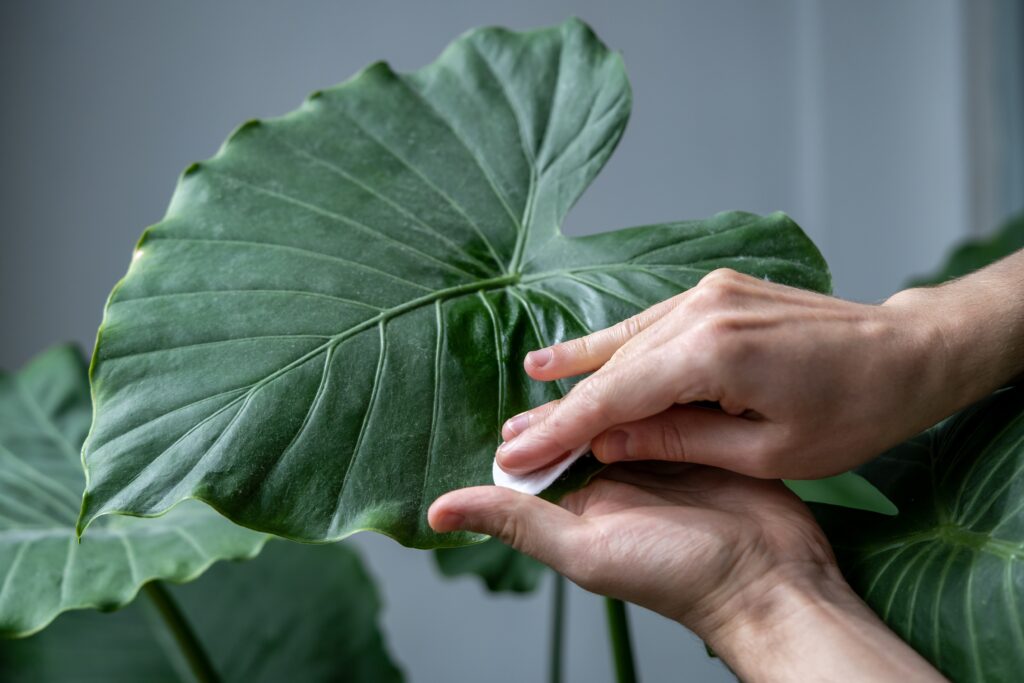
Heated rooms collect dust more quickly, and leaves can get coated faster than usual. A soft cloth helps wipe the surface so the plant can breathe comfortably. Clean leaves take in more light. They also look fresher with this easy step.
A quick wipe every week or two keeps buildup low. Some people use a slightly damp cloth to make the process smoother. Gentle cleaning helps indoor plants handle low light during the season. It also prevents dust from blocking new growth.
Give Plants a Little Extra Space
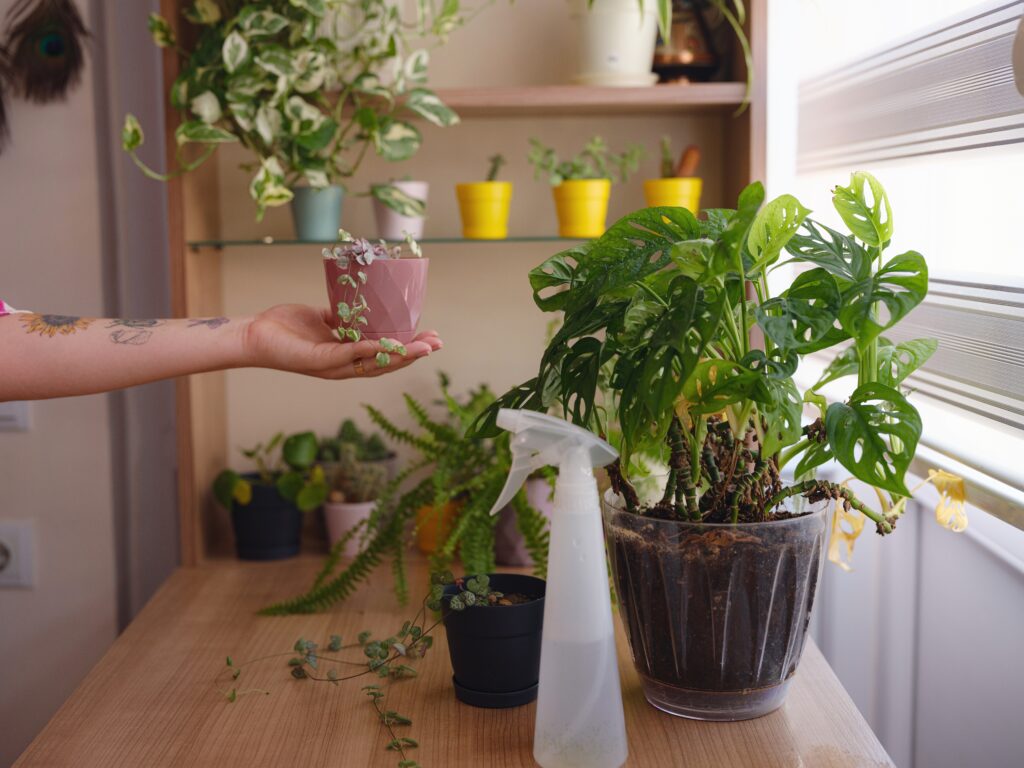
As heaters run, air circulation shifts around furniture and walls. Plants can feel cramped when airflow becomes uneven. A small gap around each pot helps them breathe. The setup also lowers the chance of mold forming on damp soil.
Families often move plants a few inches apart during colder months. The added space helps leaves stay dry on the surface. It reduces the chance of pests settling in tight corners. Plants grow more comfortably when air can move around them.
Use Grow Lights On Short Winter Days
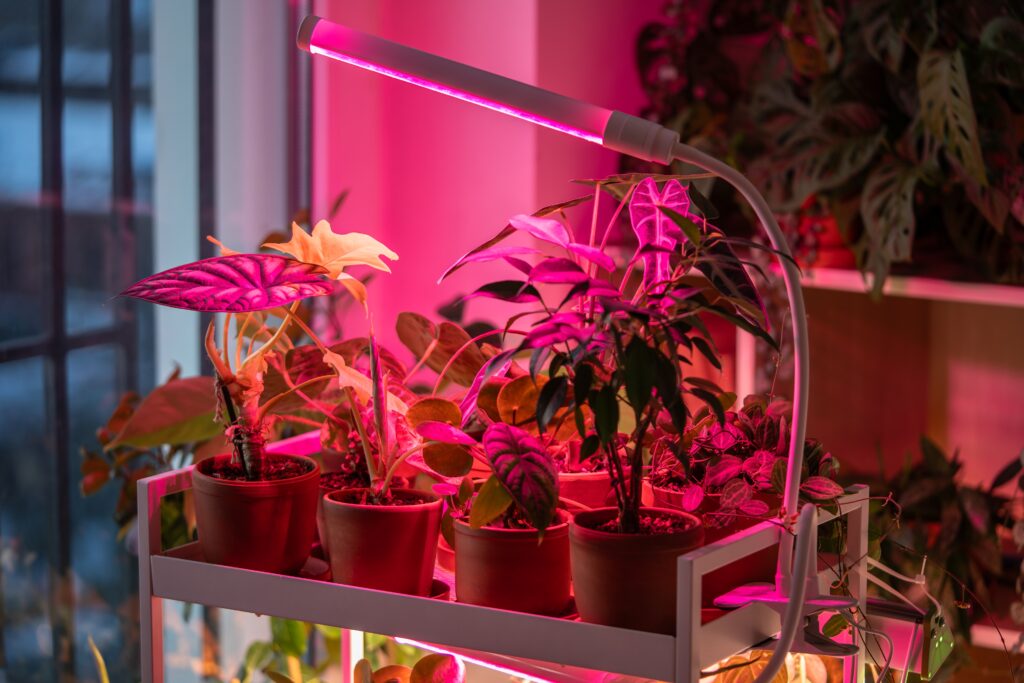
Winter sunlight does not always reach indoor spaces well. A small grow light can fill the gap with steady brightness. This keeps plants from stretching too far toward windows. Short daily sessions make a clear difference.
Many people use a simple timer so the plants get a steady routine. The light does not have to run all day to be useful. A few hours during late afternoon or evening can help a lot. Plants stay more compact and colorful.
Group Plants With Similar Needs
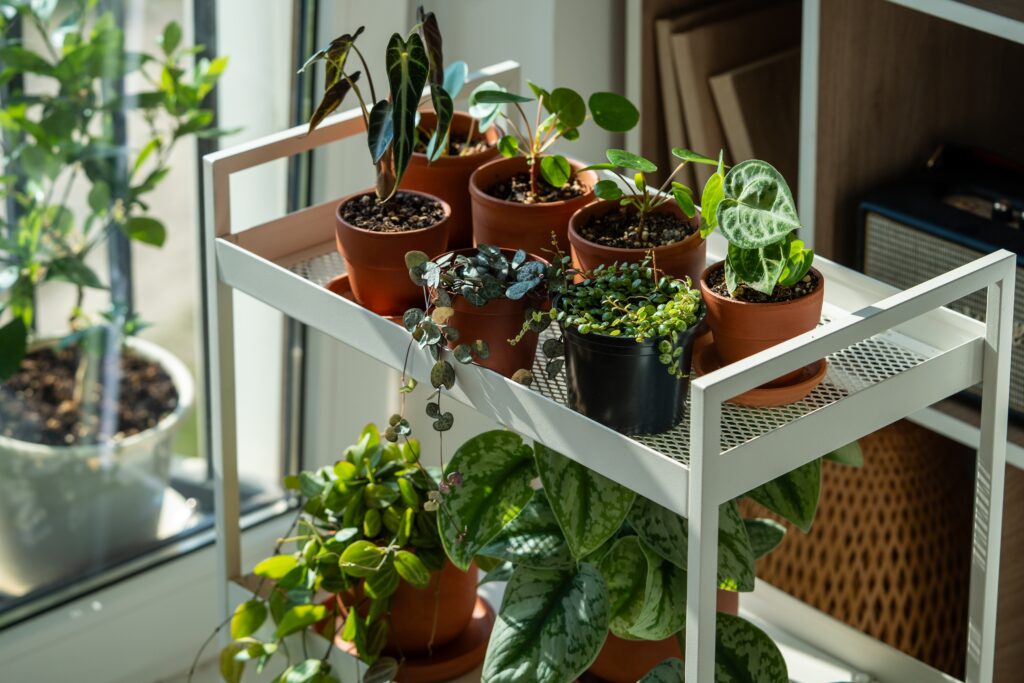
Plants that enjoy similar humidity or warmth do well when placed together. Their combined moisture helps create a small pocket of comfort. This makes the area feel calmer for delicate types. Leaves look less stressed when they share these gentle conditions.
Grouping also simplifies winter care. You can check soil, light, and leaf health in one area instead of running around the room. This lowers the chance of forgetting which plant needs what. The shared space brings a steady rhythm to your routine.
Check Soil More Often Than Usual
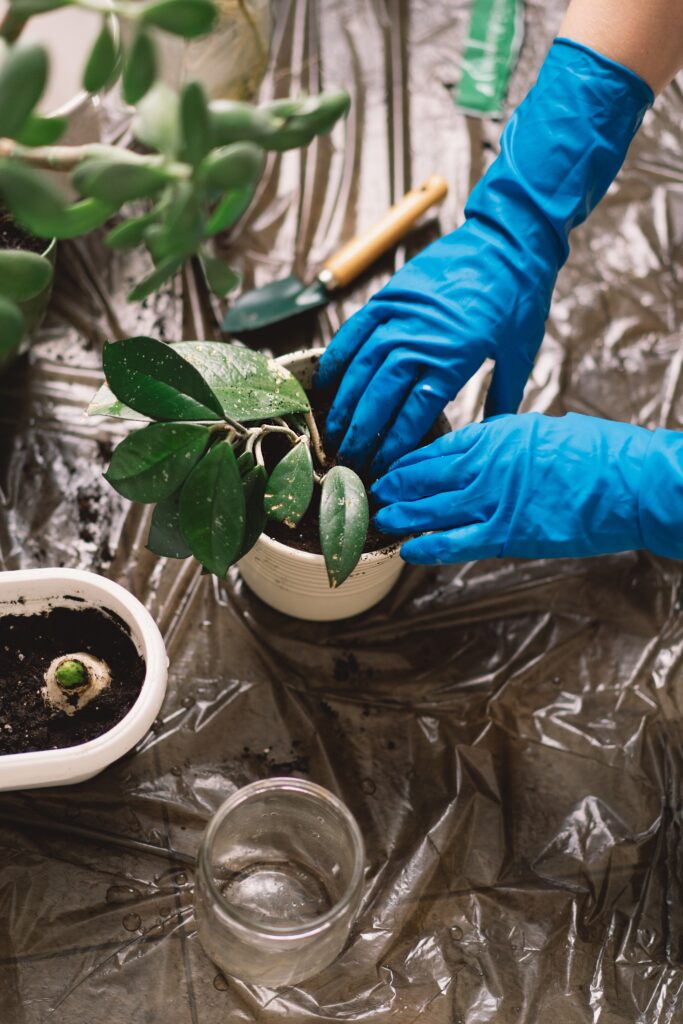
Heated air dries soil at uneven rates, and a quick check every few days helps you keep track. A light tap on the surface or gentle press reveals how fast it changes. The top may dry first while the deeper soil stays moist. Regular checks prevent surprise issues.
People often assume winter means less watering, though the heater changes that pattern. Careful attention helps you avoid dry spells that weaken roots. You gain a better sense of each plant’s needs as the season shifts. This steady awareness keeps them healthier.
Repot Only When You Truly Need To
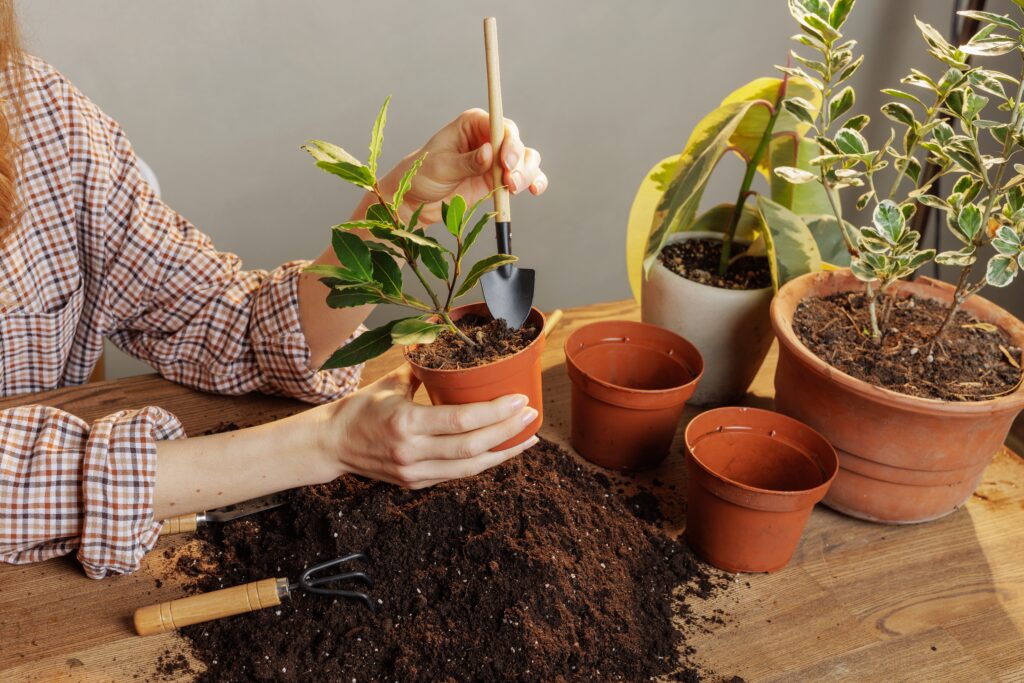
Winter does not offer the best conditions for repotting, since plants rest during colder months. Moving them into new soil can cause stress when the air already feels dry. Waiting until spring gives roots a smoother transition. The plant can settle in more naturally.
If repotting becomes necessary, a gentle hand works best. Choosing a pot only one size larger helps keep the shift small. Careful watering after the move supports the roots while they adjust. The plant settles more easily with this slow pace.
Let Some Plants Rest During the Cold Months
Many plants slow their growth naturally during winter. Forcing extra growth in heated rooms can tire them out. Letting them rest keeps energy focused where it matters. Their pace will pick up once warmer days return.
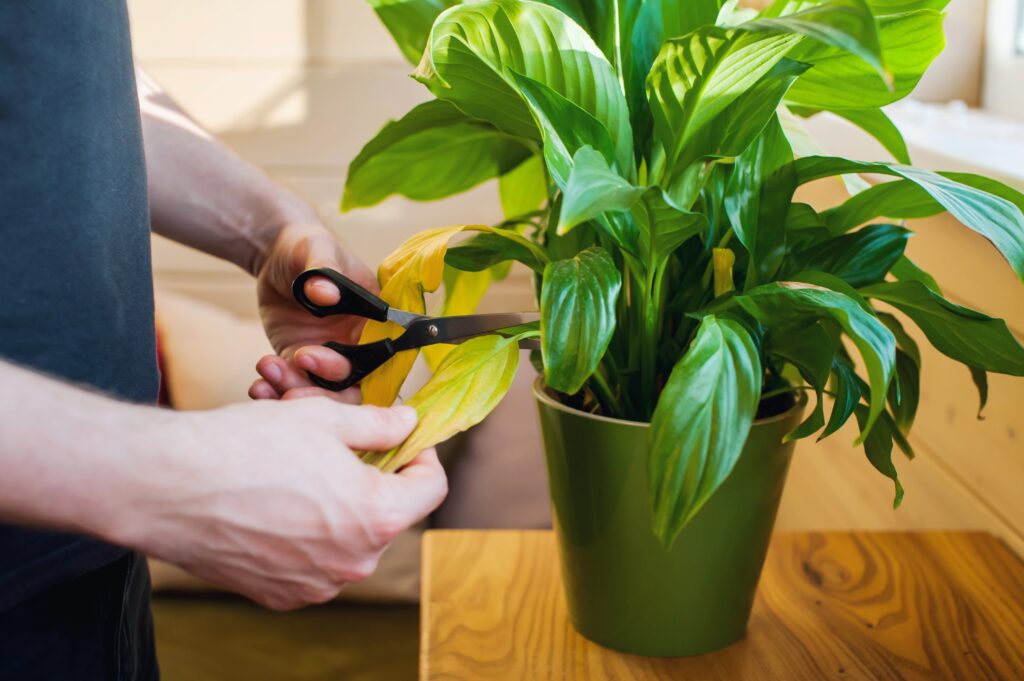
This quieter season lets you observe small changes more easily. Light watering and soft attention give them enough support without pressure. You can trim off tired leaves without disturbing new growth. The simple routine keeps them strong for the months ahead.
This article originally appeared on Avocadu.