
14 Winter Houseplant Mistakes People Make in December
Many people adjust their homes for the colder season, yet their houseplants often get overlooked during this change. December brings dry air, shorter days, and cooler spots around windows, so small habits can affect how plants handle the month. This list keeps things simple and helps you avoid common slipups so your plants stay steady through winter.
This post may contain affiliate links, which helps keep this content free. Please read our disclosure for more info.
Watering on a Summer Schedule
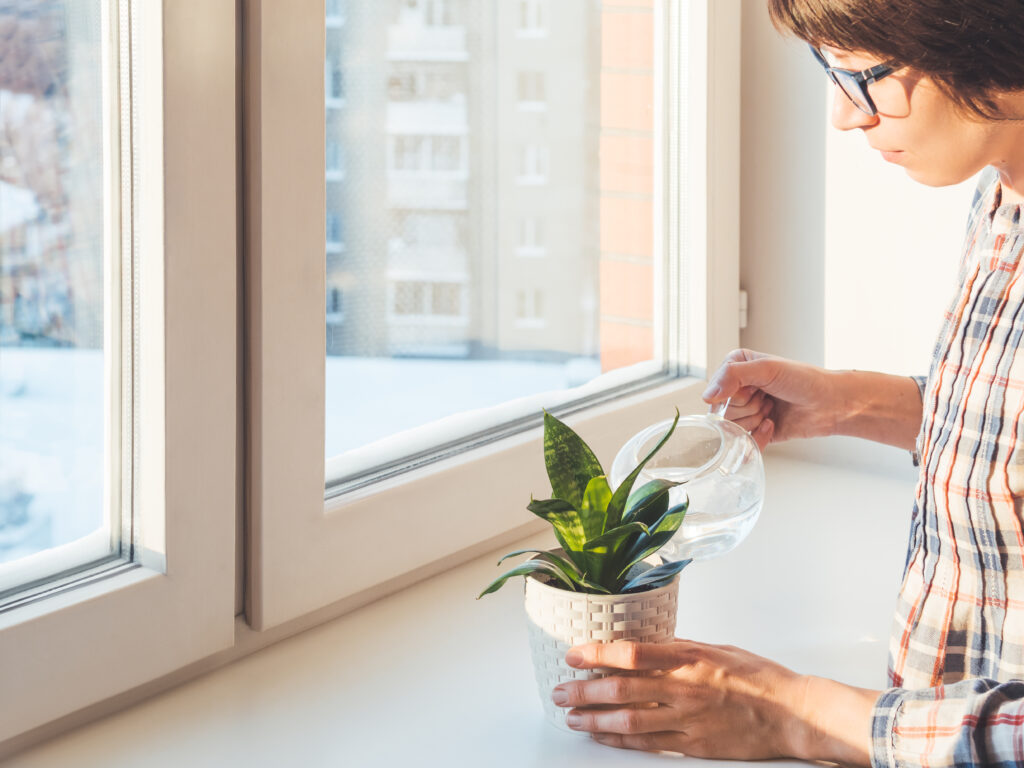
Many people keep watering their plants the same way they did in warm months, and that can lead to soggy soil. Growth slows as the temperature drops, so plants take up moisture at a slower pace. The soil often stays wet for longer than you expect, and that can cause roots to struggle.
A quick check with your finger can help you avoid pouring too much. Letting the top layer dry a bit makes a big difference in winter. It keeps the soil balanced and gives the plant a steady rhythm through the cold month.
Placing Plants Too Close to Drafty Windows
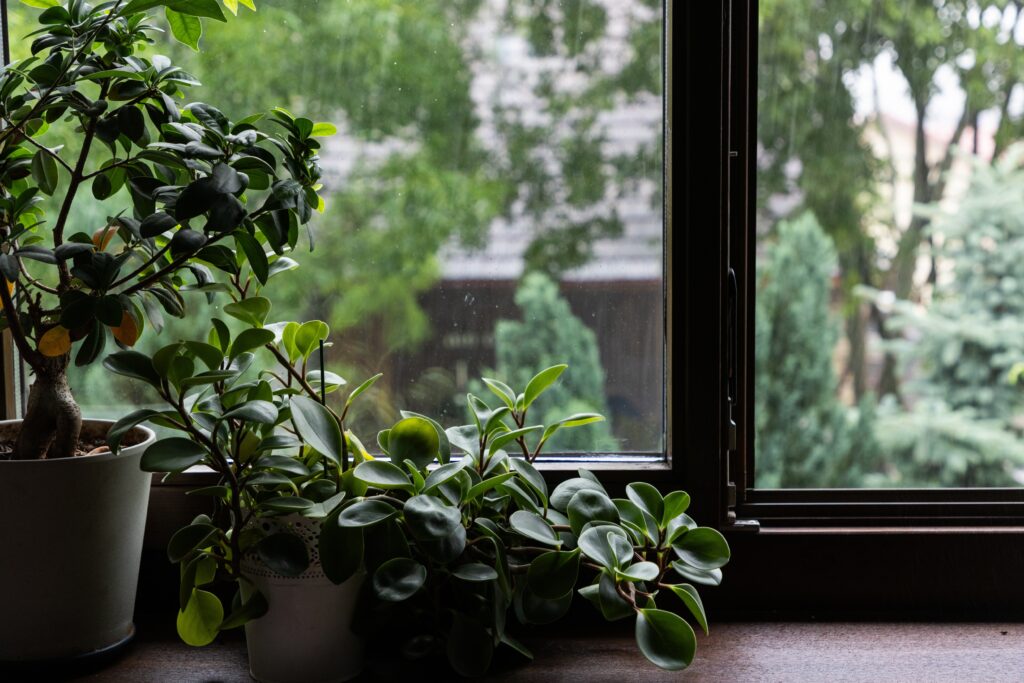
Cold air slips through window gaps, and that sudden chill can stress many houseplants. Leaves may droop or develop spots when they sit directly against a cold pane. The temperature shift can surprise tropical plants that enjoy steady warmth.
A small move a few inches away from the glass keeps them steadier. Using a curtain can soften the cold air as well. This small adjustment helps the plant stay comfortable through December.
Forgetting to Increase Indoor Humidity
Indoor air becomes dry once heaters run throughout the day. Plants that love moisture feel this shift first and may show dry tips. The sudden drop can sneak up quickly around December, especially in smaller rooms.
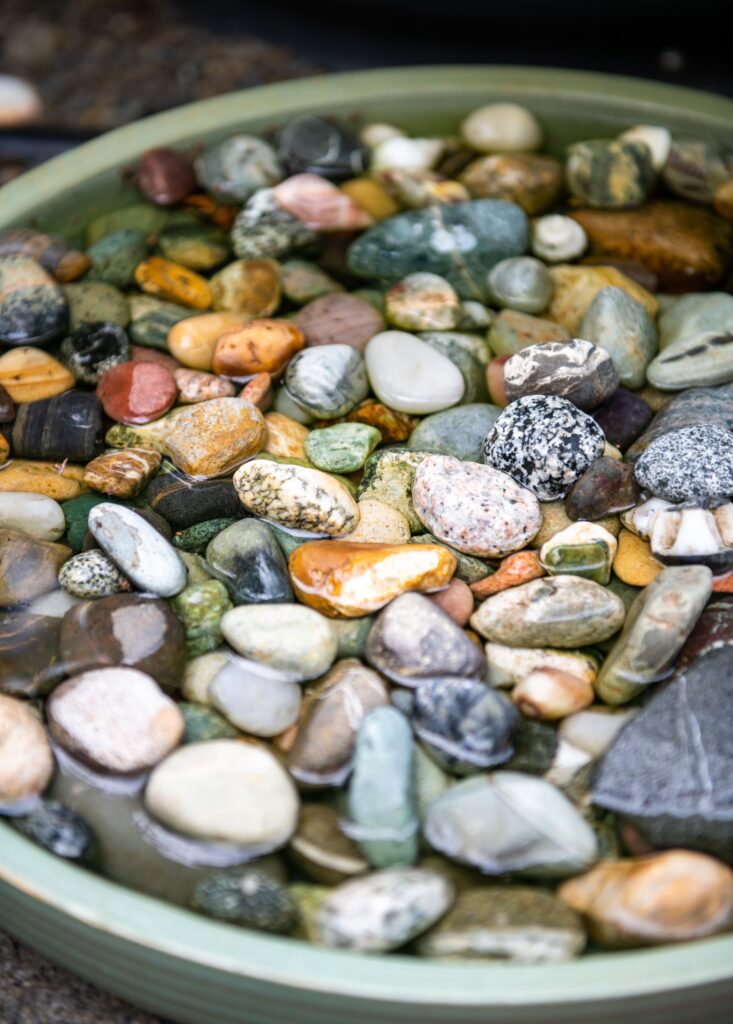
A simple tray with water and pebbles helps create a gentle rise in moisture around the plant. Grouping a few plants together also helps them share humidity. These little habits support healthier leaves during the driest weeks.
Using Cold Tap Water Straight From the Sink
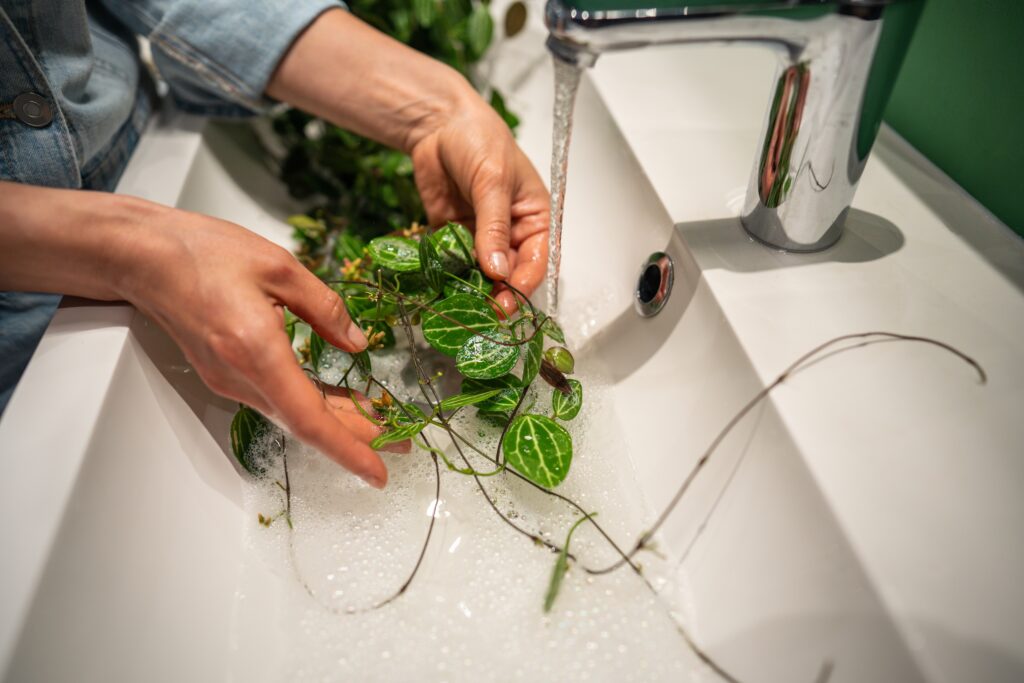
Cold water can shock the roots when temperatures outside are low. Plants react with slowed growth or sudden leaf drop when the root zone gets chilled. This happens more often when people water straight from the faucet on a cold morning.
Letting water sit until it reaches room temperature makes a gentle difference. This small step gives the plant a calmer drink. It leads to steadier growth through December.
Ignoring Early Signs of Dry Soil
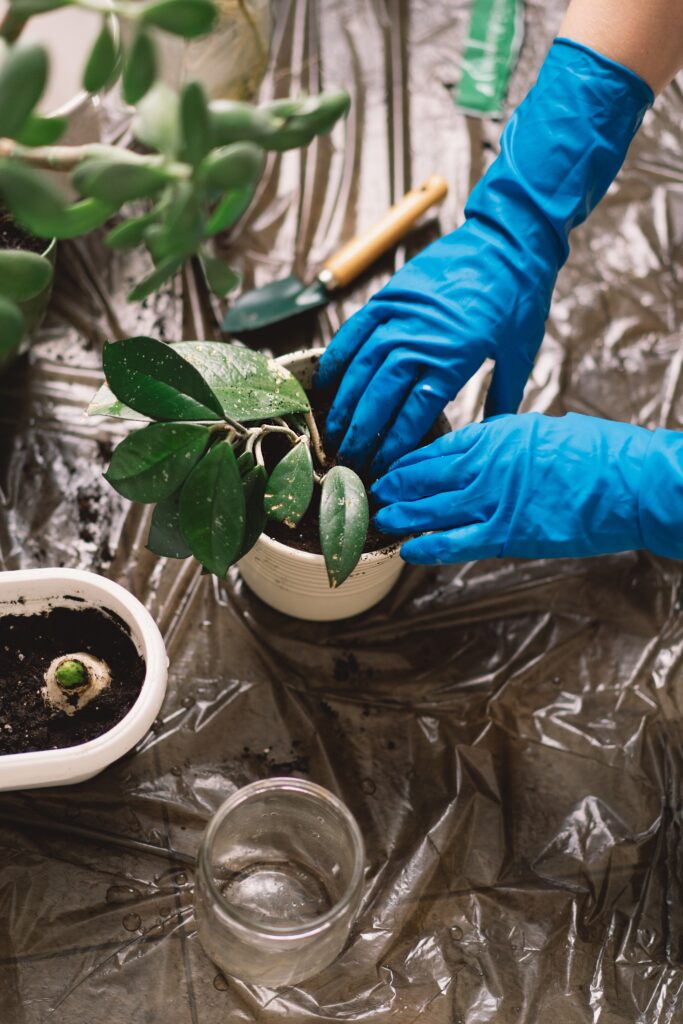
Winter air dries out soil slowly at the top but faster underneath. Many people only look at the surface, which can seem damp even when the lower level is dry. This trickiness can cause long stretches without enough moisture.
Checking a bit deeper with a finger keeps you aware of the true condition. You can water before leaves start to droop. Paying attention to this early sign keeps plants stable.
Letting Dust Build Up on Leaves
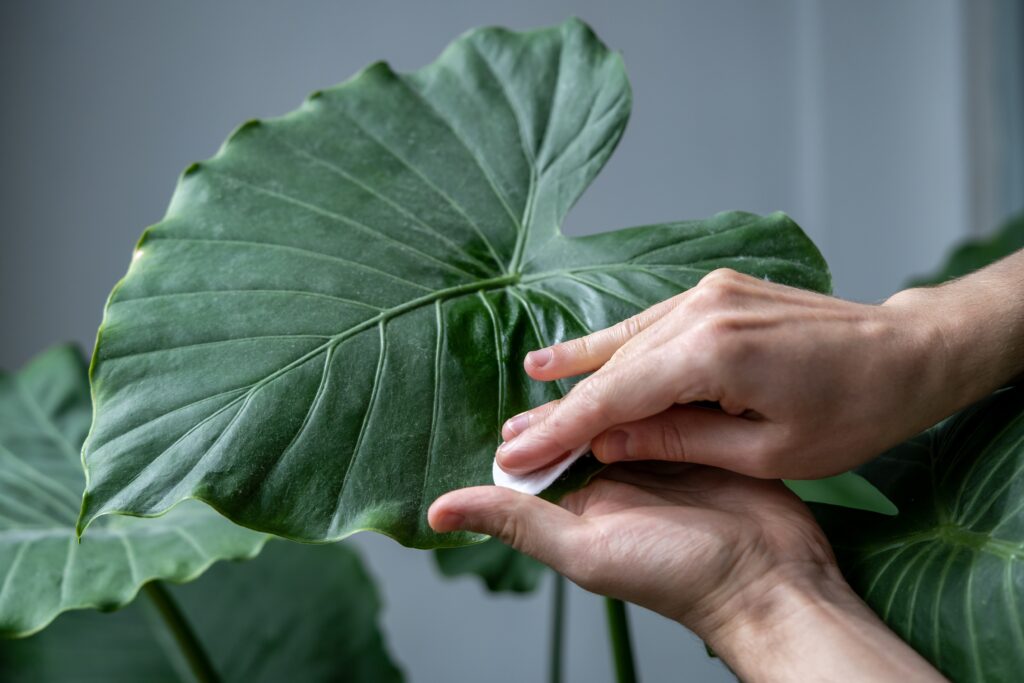
Dust settles more during winter since windows stay shut for long hours. A thin layer of dust makes it harder for leaves to catch available light. Plants already deal with shorter days, so this layer adds extra strain.
A quick wipe now and then helps them take in more light. You can use a soft cloth and gentle strokes to clean each leaf. Doing this regularly helps them stay bright through the darker month.
Skipping a Regular Light Check as Days Get Shorter
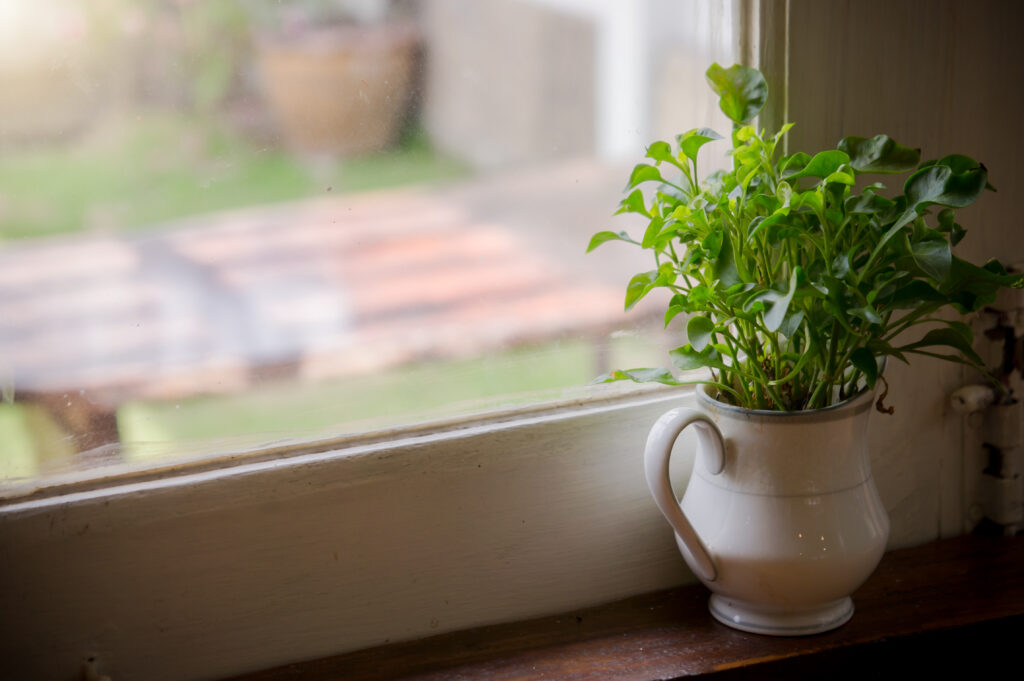
Light drops dramatically in winter, and many windows receive less sun than usual. Plants that loved a sunny corner in summer may suddenly get far less. This shift reduces growth and can cause pale leaves.
Watching how the light falls each week helps you adjust placements. Shifting a plant to a brighter window can bring stronger growth. These small checks make a steady difference during December.
Crowding Plants Too Tightly Together
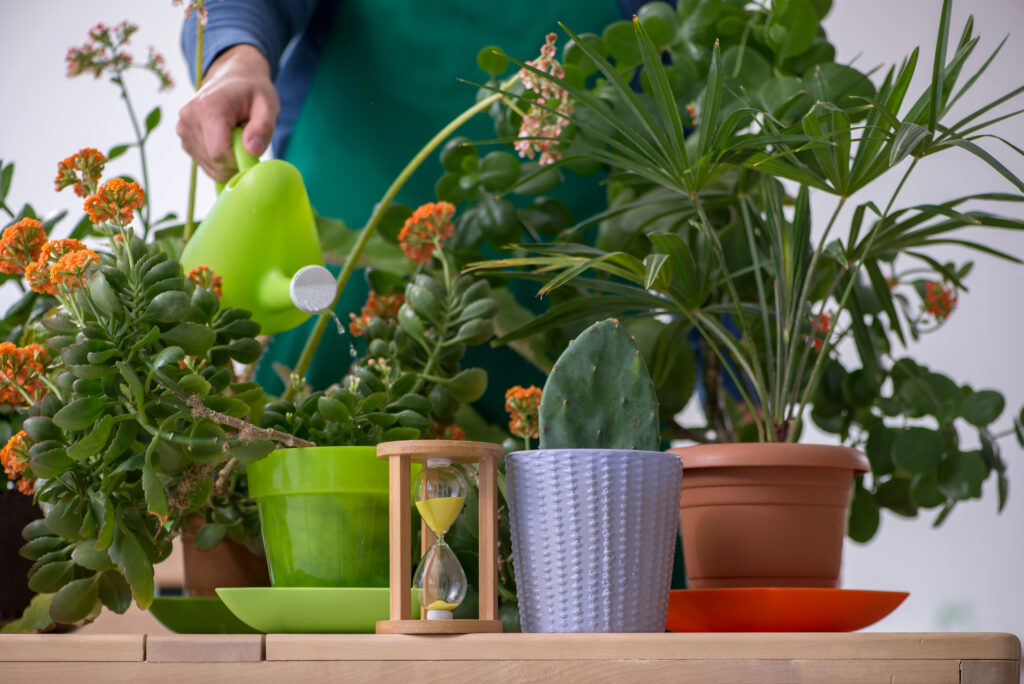
Plants packed closely may block each other from receiving light. Airflow drops in these tight clusters, which can cause moisture to linger. This makes it easier for pests to settle in unnoticed.
Spacing them out allows each plant to breathe. Light reaches more leaves, and airflow stays steady. This simple setup helps them manage winter changes.
Overfeeding With Fertilizer During Dormant Months

Plants slow down in winter, yet many people continue to feed them as if they are in full growth. Extra nutrients pile up in the soil when the plant cannot use them. This sometimes leads to yellowing leaves or crispy tips.
Waiting until spring keeps the soil calmer. A plant can rest without extra stress. Holding off during December lets the plant settle into its natural rhythm.
Moving Plants Around Too Often

Frequent movement exposes plants to shifting temperatures and light levels. Each spot offers different conditions, and plants need time to adjust. The constant change can slow growth or cause leaf drop.
Try keeping each plant in a steady place. Move them only when you notice a true problem. This gentle consistency helps them settle through winter.
Not Checking for Winter Pests Like Spider Mites
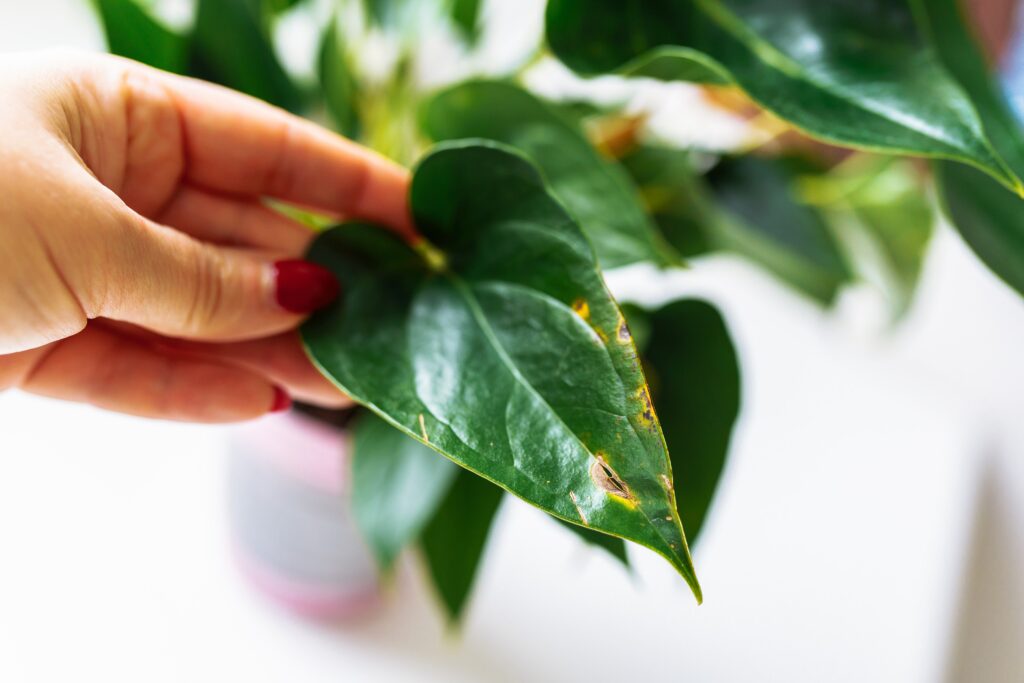
Dry air encourages tiny pests that thrive in warm rooms. Spider mites and similar insects spread faster when plants share tight spaces. Their tiny size makes them tough to notice at first.
A simple leaf check each week helps you catch them early. Wiping leaves and misting lightly keeps pests from taking hold. Quick action helps protect the plant during December.
Repotting When Plants Are Resting
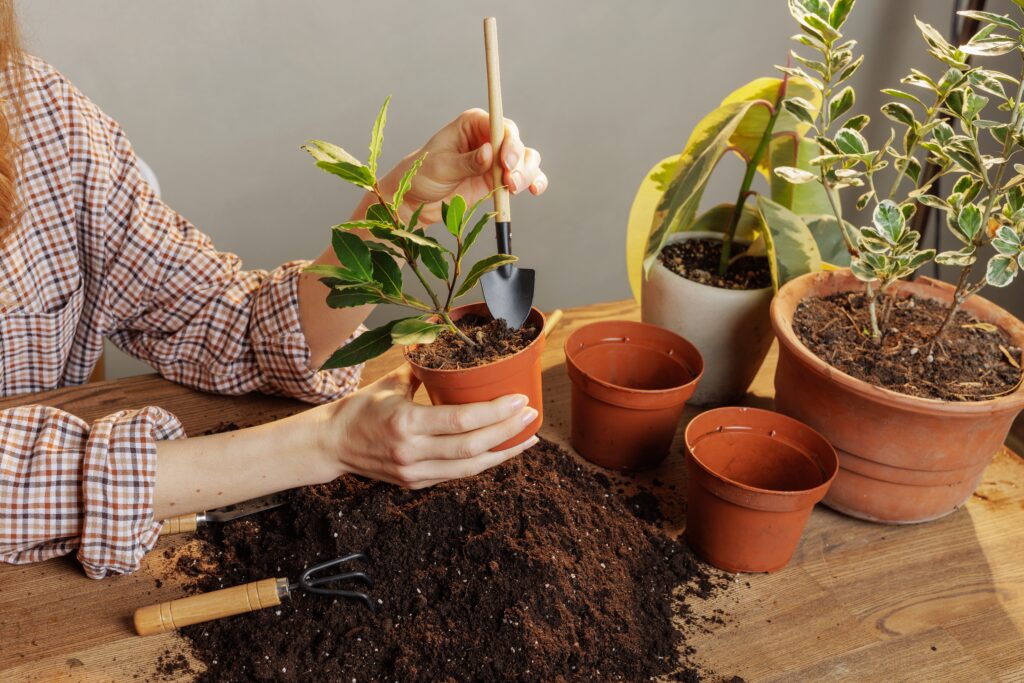
Winter is a slow season for most houseplants, and repotting interrupts this resting time. Roots struggle when placed in fresh soil they cannot fully explore. This can lead to wilted leaves or delayed growth.
Waiting for warmer months gives the plant strength for the shift. Spring soil feels more welcome to new roots. Holding off helps the plant stay steady in December.
Leaving Holiday Decor Lights Touching Foliage
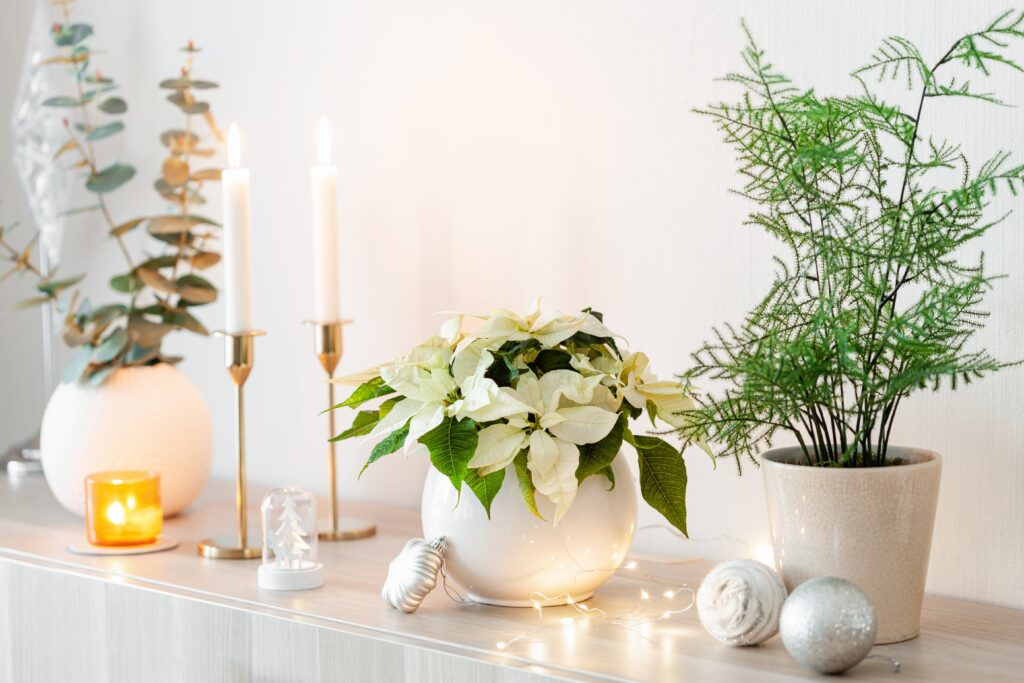
Holiday lights can warm leaves more than expected. When they sit directly on the plant, they may create small burnt spots. This often goes unnoticed until the damage appears.
Keeping lights a bit off the plant helps prevent this. You can place decor around the pot instead. The plant stays safer while still fitting into the holiday theme.
Watering Late in the Evening When Rooms Stay Cooler
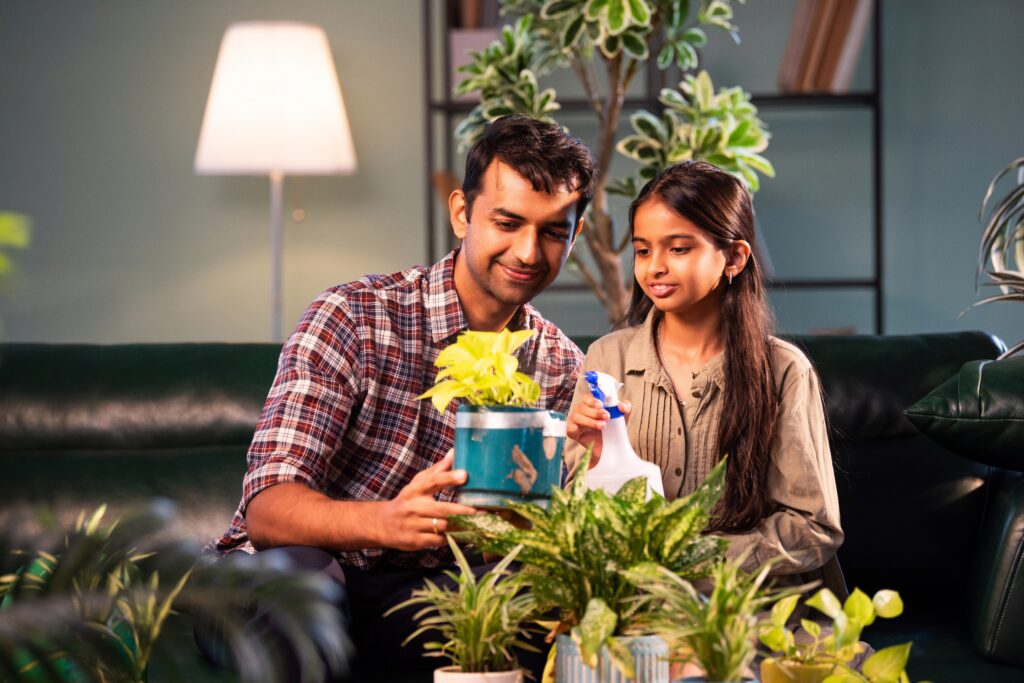
Evening water sits longer in the soil when temperatures drop overnight. Cold soil makes the root system slow down. This slow drying period invites fungus or root trouble during winter.
Watering earlier gives the soil time to warm and dry slowly. It supports healthier roots throughout the month. Adjusting your routine helps create a more stable environment.
This article originally appeared on Avocadu.