
14 Flowering Plants That Bring Color to Winter Rooms
During winter, it is easy for homes to feel a little dreary, but plants can help change that. Many flowering plants thrive indoors during the colder months, making them a wonderful addition to your space. Their bright blooms can lift your spirits and add a cozy touch to any room. Whether on a windowsill or as part of a larger arrangement, these plants will bring cheer. Let’s dive into which ones will thrive in your home this winter.
This post may contain affiliate links, which helps keep this content free. Please read our disclosure for more info.
African Violet
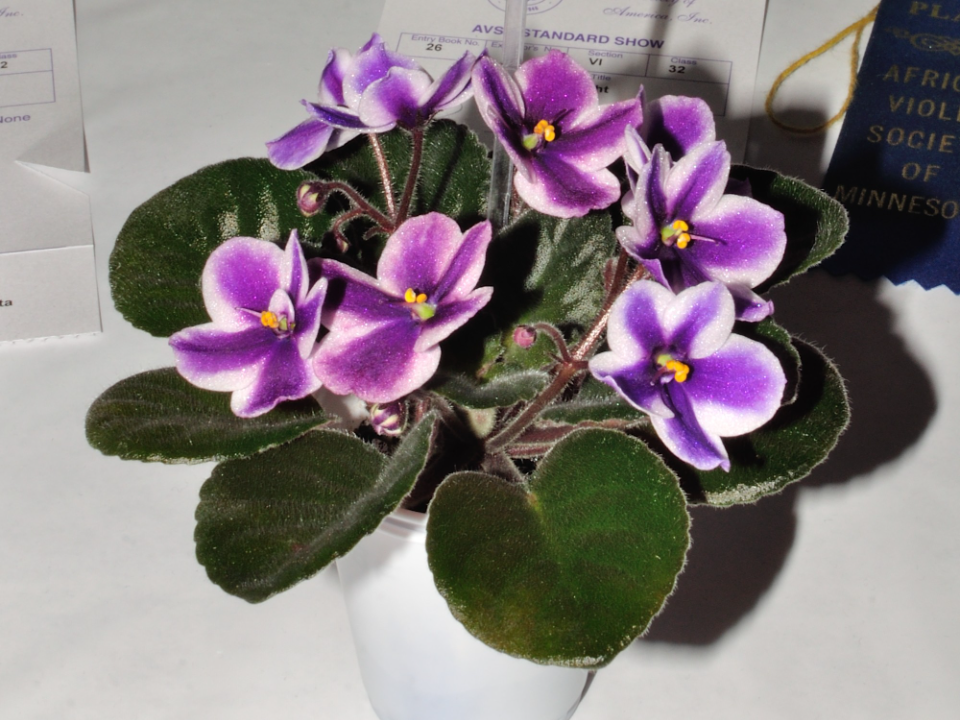
African violets are a popular choice for indoor winter flowering plants. Known for their vibrant purple, pink, or white blooms, they thrive in moderate indoor temperatures and indirect light. These plants are easy to care for and bloom year-round with the right conditions. Keep the soil moist, but avoid waterlogging to ensure healthy growth.
In addition to their color, African violets can help brighten up any room. They are compact in size, making them perfect for small spaces like windowsills or shelves. They need a bit of humidity, so occasional misting is helpful. Their flowers provide a cheerful burst of color throughout the colder months.
Christmas Cactus
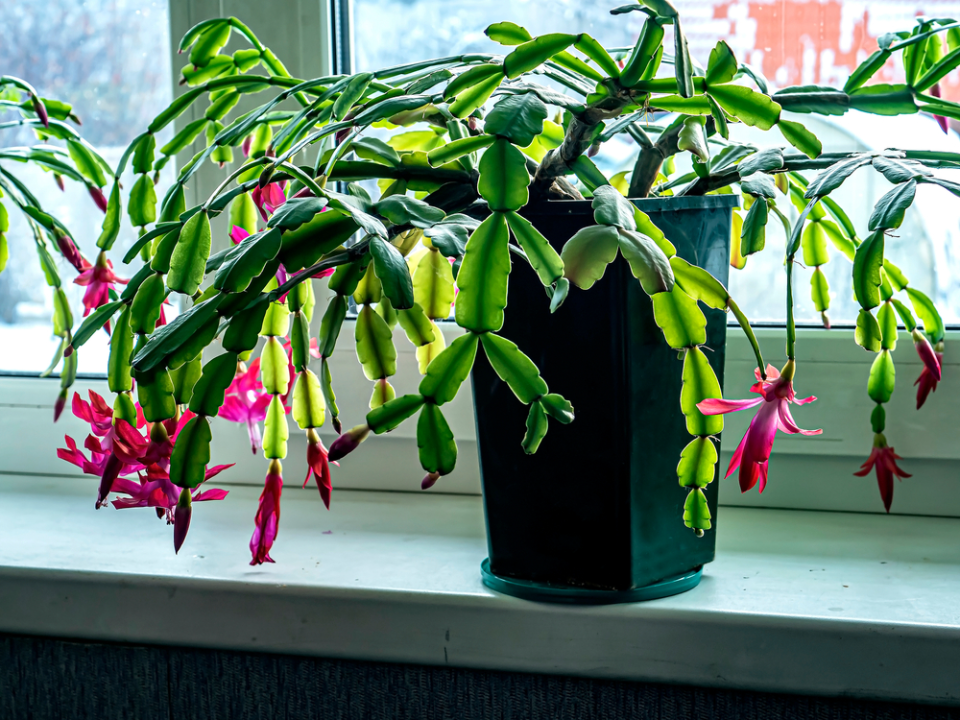
The Christmas cactus is a holiday favorite, often seen in full bloom during winter. Its colorful flowers can be pink, red, purple, or white, and they create a stunning contrast against the green foliage. This plant is unique in that it blooms during the holiday season, making it a perfect addition to winter décor. Keep it in a cool room with indirect light for optimal blooming.
To care for a Christmas cactus, avoid overwatering it, as this can lead to root rot. A few weeks of cooler temperatures before blooming encourages the plant to flower. This plant’s flowers last for several weeks, adding lasting color to your indoor space. Its trailing stems can also create a lovely cascading effect.
Poinsettia
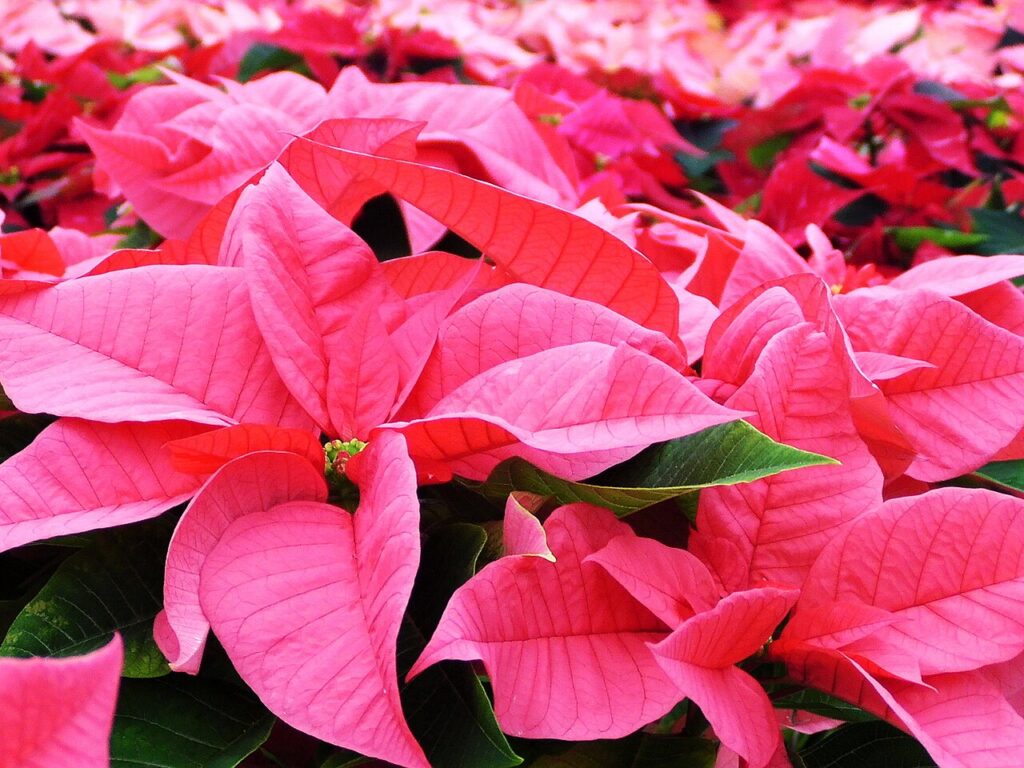
Poinsettias are a classic winter plant known for their bright red or white bracts, which look like petals. These plants thrive in bright, indirect light and need warmth to bloom properly. With proper care, poinsettias can last well beyond the holiday season, maintaining their colorful display for several weeks. Water them when the soil feels dry, but avoid letting them sit in water.
Aside from their striking appearance, poinsettias are relatively easy to care for indoors. Their bracts can also come in pink, cream, and even marbled patterns, offering a variety of color options. They are often used as holiday decorations but make a lasting impact with their winter hues. Display them in a decorative pot to enhance their vibrant look.
Amaryllis
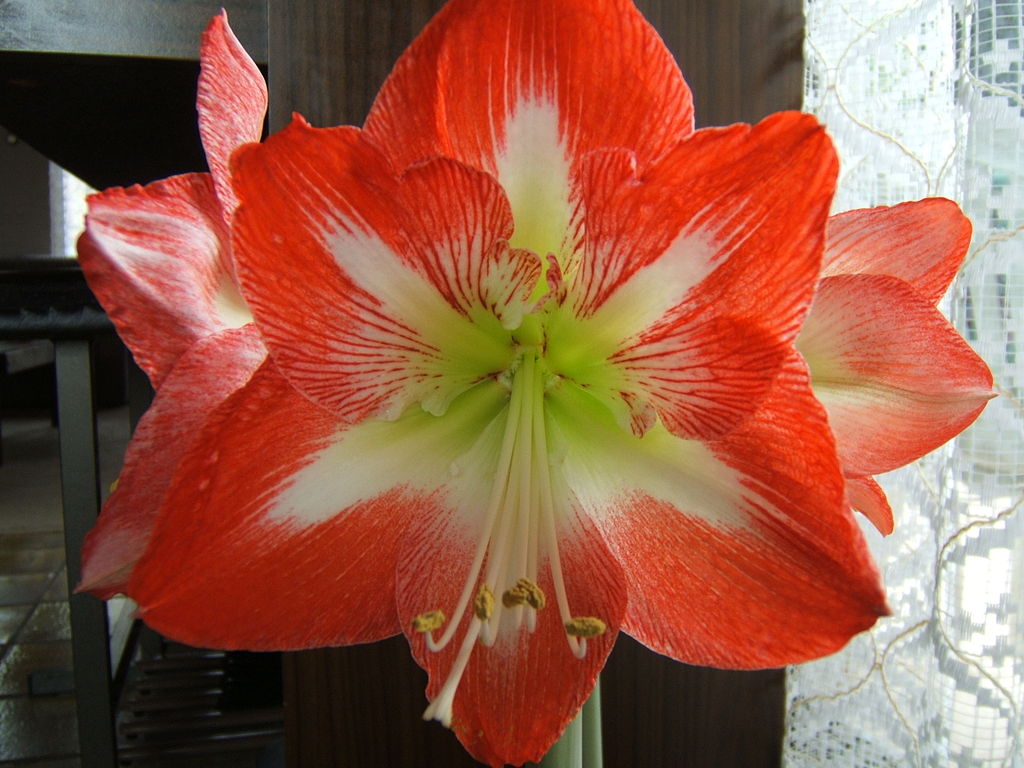
Amaryllis is a dramatic flower known for its large, trumpet-shaped blooms. These flowers come in shades of red, pink, white, and orange, and they can reach up to 6 inches across. Amaryllis is grown from bulbs that bloom in the winter, making it a popular plant for holiday arrangements. Place it in bright, indirect light to encourage strong flowering.
Although it requires minimal care, amaryllis needs regular watering and well-drained soil. After flowering, its long green leaves continue to grow, adding lush greenery to any room. It thrives in a warm environment, which helps the flowers bloom quickly. With the right care, an amaryllis bulb can bloom for several seasons.
Cyclamen
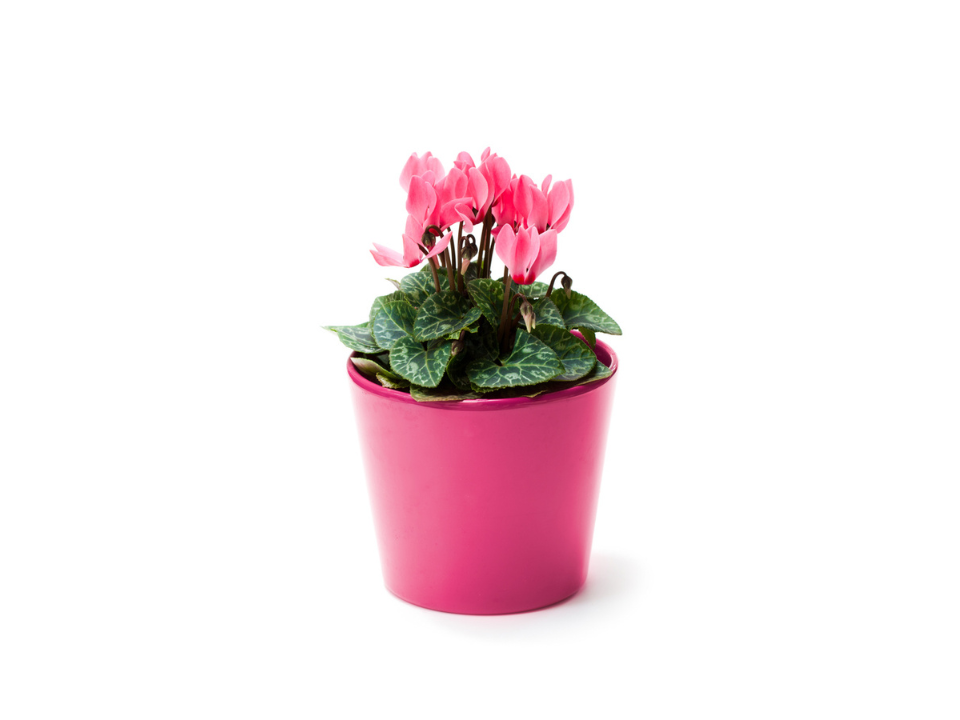
Cyclamen plants add delicate beauty to winter indoor gardens with their unique, butterfly-like flowers. These flowers can be found in shades of pink, white, and red, and they often have a sweet fragrance. Cyclamen prefer cooler temperatures, making them ideal for winter indoors. They do best in indirect light and require well-drained, slightly acidic soil.
Cyclamen need regular watering but should not sit in water to avoid root rot. After blooming, their leaves remain attractive, with heart-shaped foliage adding to their charm. Cyclamen are often used in seasonal décor due to their rich colors. Their vibrant flowers and textured leaves create a dynamic and beautiful display in any room.
Primrose
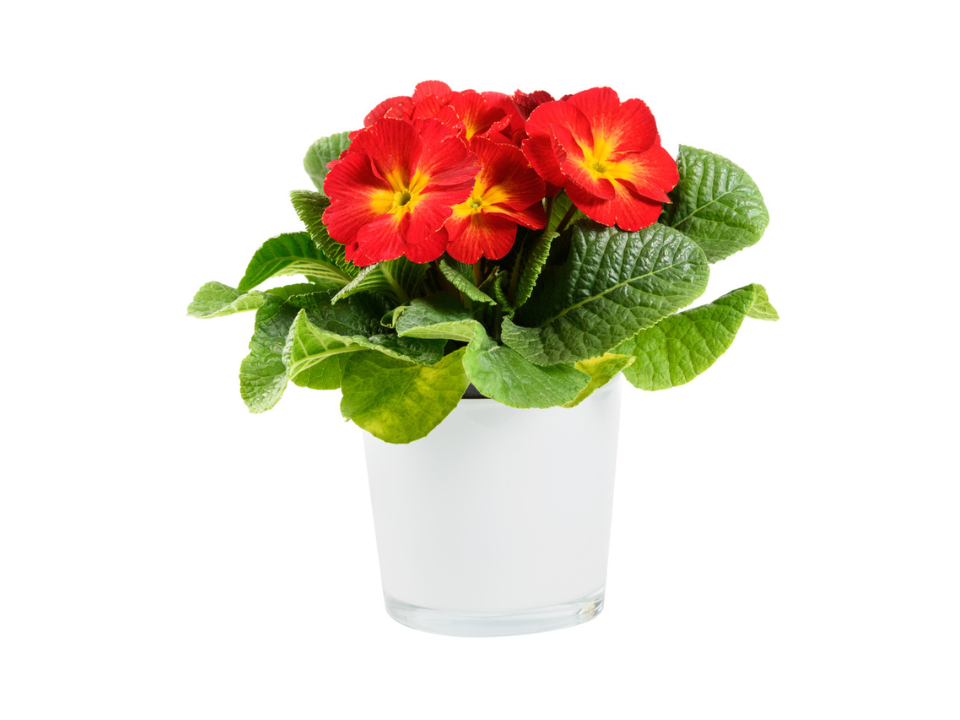
Primroses are well-known for their bright, cheerful flowers in vibrant hues of yellow, pink, red, and purple. These plants prefer cool, humid conditions and do best in bright, indirect light. Primroses are perfect for bringing color to winter windowsills, as they bloom during the colder months. Keep their soil moist, and they will continue to thrive throughout the winter season.
Primroses are low-maintenance, making them suitable for indoor environments. Their blooms last for several weeks, providing continuous color indoors. They do not like to be overwatered, but a consistent watering schedule ensures the best results. Primroses are perfect for adding a touch of cheer to any room during the winter months.
Paperwhite Narcissus
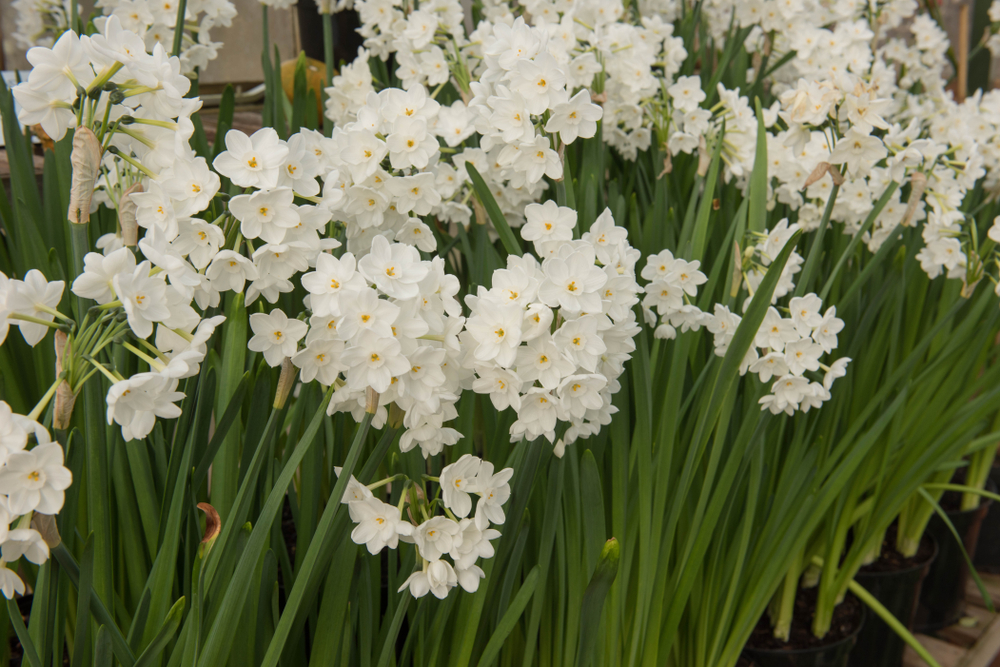
Paperwhite narcissus is a variety of daffodil that can bloom indoors during winter. Its fragrant white flowers are a beautiful contrast against the dark green leaves. These plants are easy to grow in containers and require minimal care. They thrive in bright, indirect light and only need occasional watering.
These flowers are typically grown from bulbs, and their blooms appear quickly, often within a few weeks. Paperwhites are known for their sweet scent, which makes them a popular choice for holiday centerpieces. Their simple elegance adds a touch of freshness to winter interiors. Display them in decorative pots for a stylish addition to your indoor garden.
Hellebore
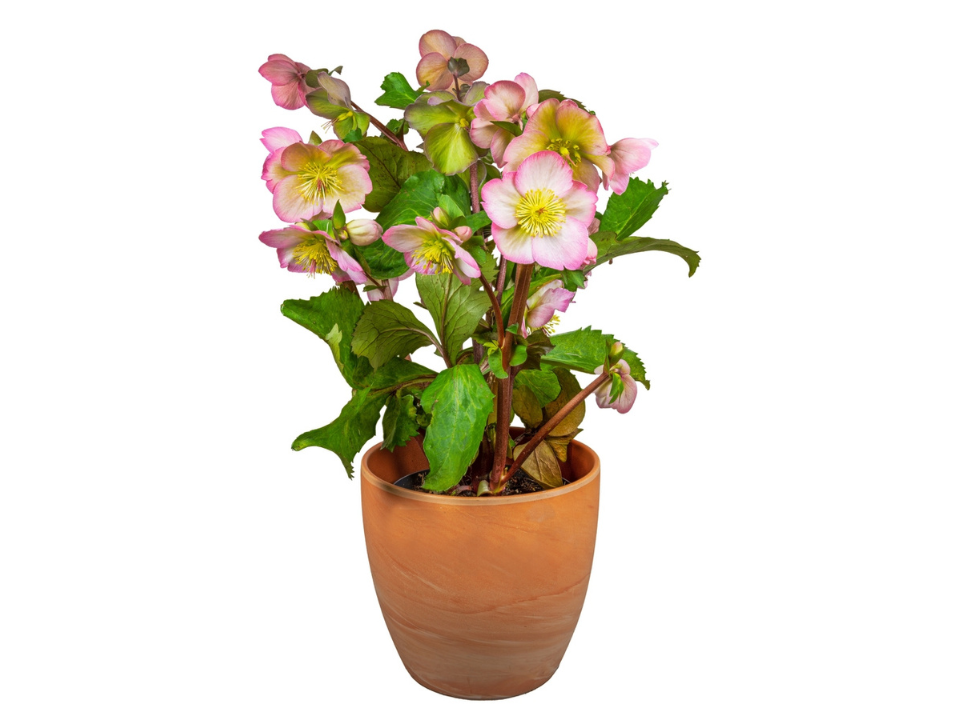
Hellebore, also known as the winter rose, is a hardy perennial that blooms during the winter months. Its flowers come in a range of colors, including pink, white, and purple, and they often appear before the first frost. Hellebores prefer cool temperatures and thrive in areas with indirect light. They do best in well-drained, slightly acidic soil.
These plants can survive in colder temperatures, making them perfect for winter gardens. Hellebores often bloom in clusters, creating a striking visual display. Their ability to bloom in the middle of winter makes them a sought-after addition to any indoor garden. After blooming, their glossy evergreen leaves continue to brighten up spaces.
Kalanchoe
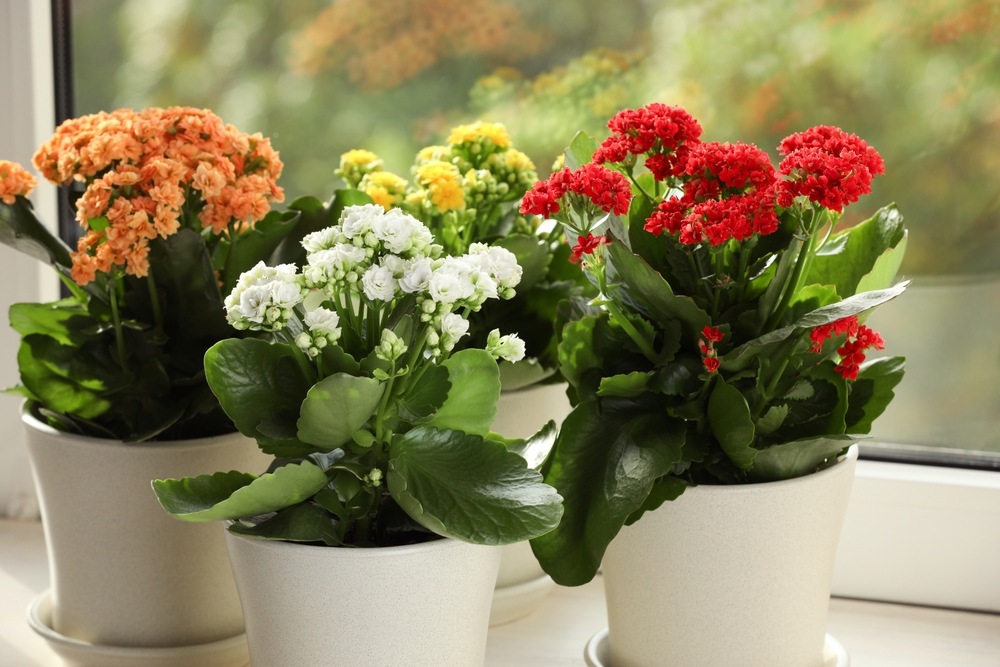
Kalanchoe is a popular succulent that can bloom indoors during the winter months. Known for its clusters of small, colorful flowers, this plant adds a pop of color to any room. Kalanchoe thrives in bright, indirect light and prefers to dry out between waterings. It is relatively easy to care for and requires very little maintenance.
These plants are available in several colors, including red, yellow, and orange, making them perfect for winter displays. Kalanchoe’s small, succulent leaves are just as attractive as its flowers. The plant blooms for several weeks, providing lasting color during the winter. Kalanchoe is ideal for brightening up windowsills or as a centerpiece in a cozy room.
Begonia
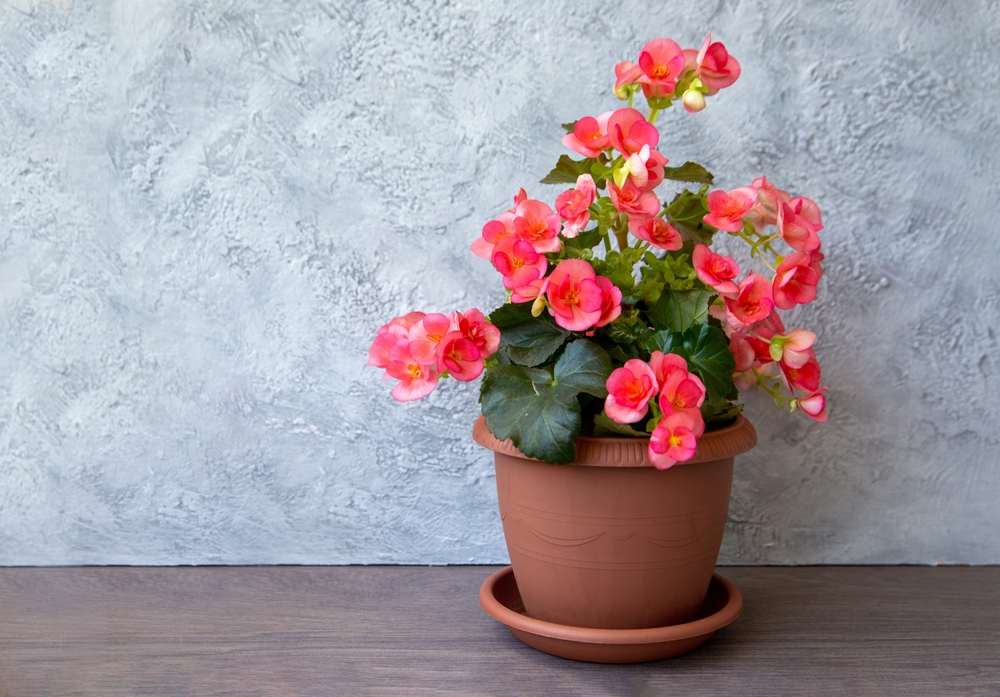
Begonias are another excellent choice for adding color to your indoor garden during the winter months. These plants come in a variety of colors, including pink, red, white, and orange, and their leaves can be equally striking. Begonias prefer bright, indirect light and need to be watered regularly, though they do not like to sit in water.
Begonias bloom multiple times a year, with their most significant display happening during the winter months. Their compact size makes them great for indoor spaces like desks, tables, or windowsills. With proper care, begonias will provide continuous blooms throughout the season. Their colorful flowers brighten up any space, making them a perfect choice for winter decoration.
Pansy
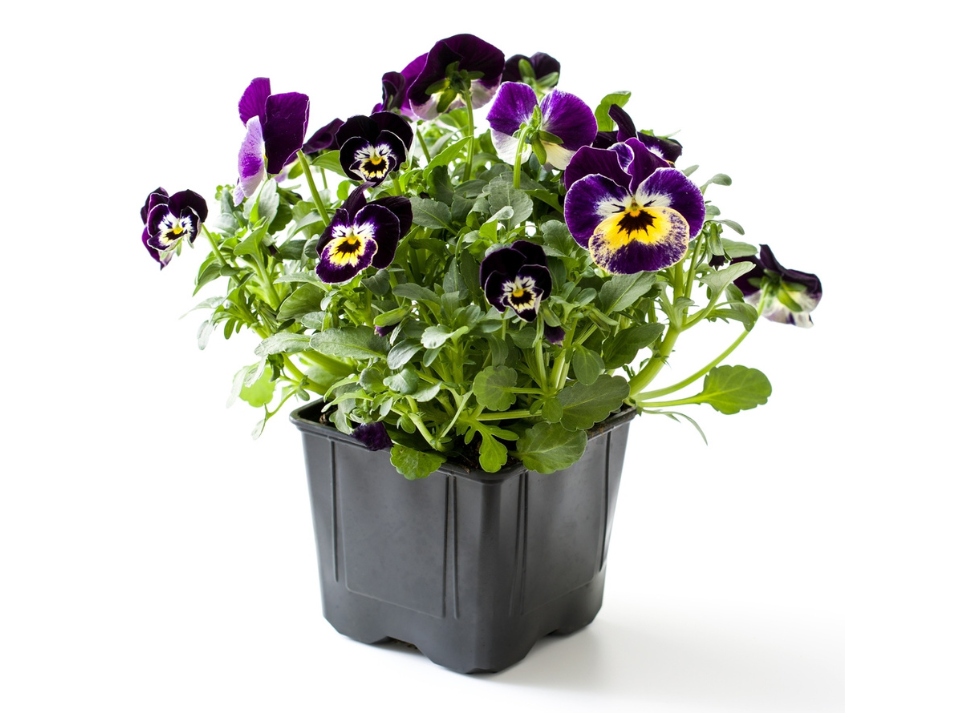
Pansies are known for their large, colorful flowers and are often seen in late winter or early spring. These plants thrive in cool weather and are perfect for brightening up indoor spaces during the winter months. They come in a variety of shades, including purple, yellow, orange, and blue. Pansies are relatively easy to care for and grow well in containers with well-drained soil.
Pansies prefer indirect light and should be watered regularly, but they do not like to sit in soggy soil. They bloom for weeks at a time, providing a steady source of color indoors. Pansies’ bright flowers can lift your spirits on the dreariest winter days. These versatile plants can be displayed in hanging baskets, window boxes, or as part of larger floral arrangements.
Clivia
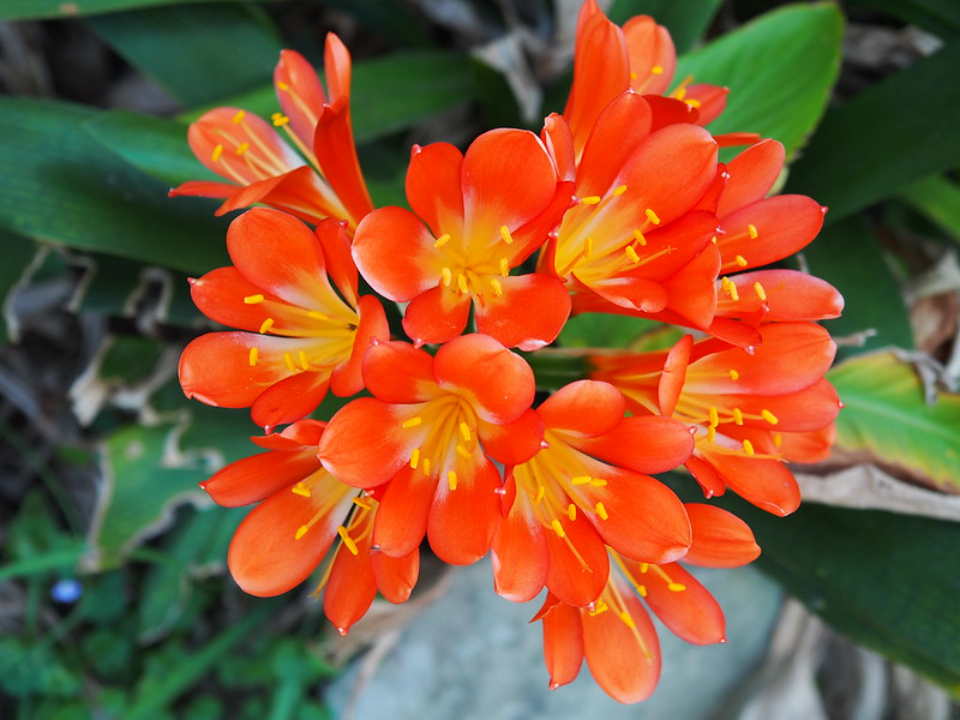
Clivia is a striking plant known for its vibrant orange and yellow flowers. It blooms during the winter months and can brighten up any room with its bold color. Clivia prefers bright, indirect light and should be kept in a warm space. It requires little maintenance but should be watered sparingly to avoid root rot.
Clivia’s flowers grow in clusters, creating an eye-catching display. These plants can thrive in lower light conditions, making them perfect for rooms with limited sunlight. Their long-lasting blooms provide vibrant color during the winter season. Clivia is an excellent choice for adding a splash of color to your indoor garden.
Fuchsia
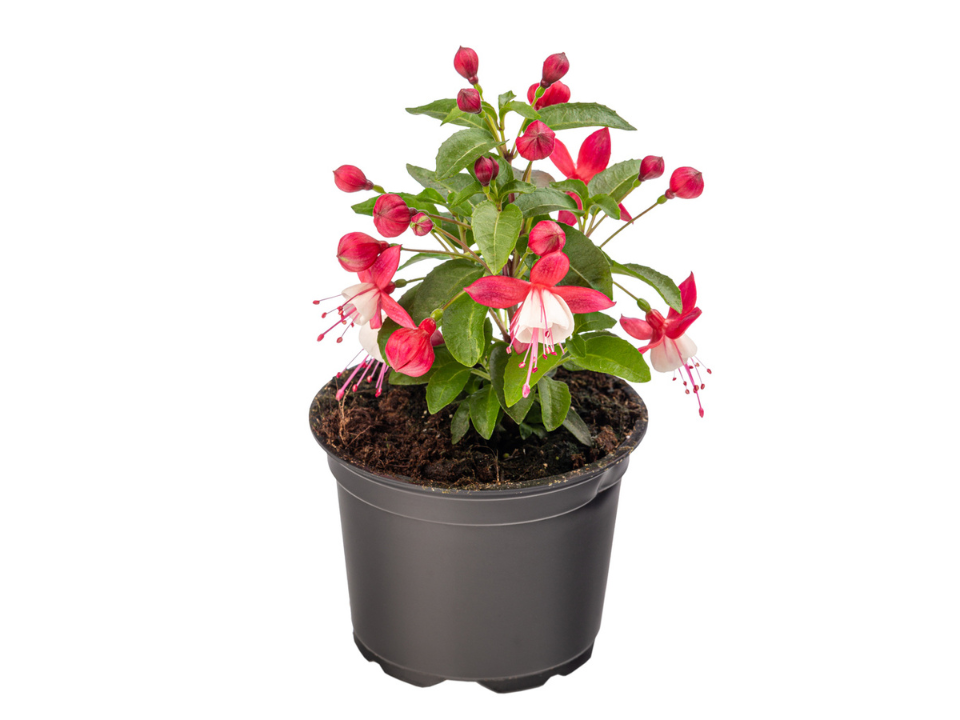
Fuchsia is a stunning plant known for its unique, drooping flowers in bright pink, purple, and red hues. This plant can bloom indoors during winter, adding color and movement to any room. Fuchsia prefers cooler temperatures and indirect light, making it perfect for brightening up your home during the colder months. Regular watering is important, but be careful not to overwater.
Fuchsia flowers have a delicate appearance, with their dangling petals adding elegance to any space. The plant blooms for several weeks, and its flowers can attract hummingbirds if grown near a window. Fuchsia’s bright colors and graceful blooms create a beautiful contrast against the winter’s neutral tones. It is a lovely addition to any indoor garden.
Orchid
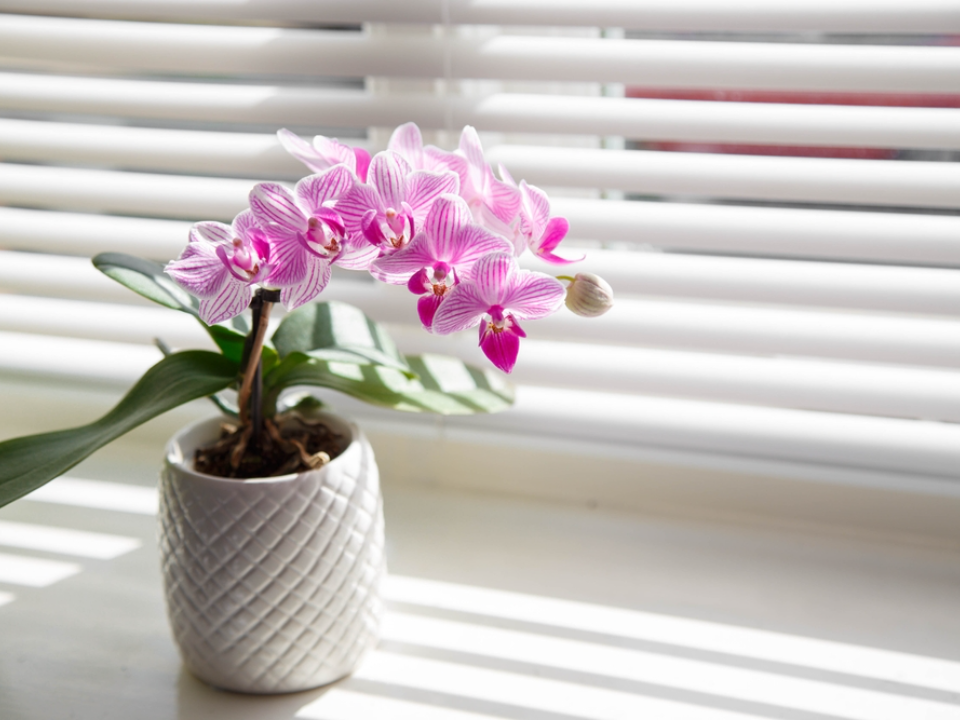
Orchids are a luxurious and exotic plant that can bloom indoors throughout the winter. Known for their intricate and colorful flowers, orchids can add a touch of elegance to any room. They thrive in bright, indirect light and need well-drained soil. Orchids bloom for an extended period, offering months of color to your indoor space.
Orchids require specific care, including regular watering and occasional fertilizing, to encourage blooms. These plants can adapt well to indoor environments, making them a popular choice for winter months. Their long-lasting flowers come in various colors, including purple, white, and yellow. Orchids create a striking focal point and brighten any corner of the room.
This article originally appeared on Avocadu.