
14 December Skincare Tips Dermatologists Swear By
The winter chill can take a toll on your skin, making it feel dry and irritated. Fortunately, dermatologists have a few simple strategies to keep your skin nourished throughout December. With the right care, you can maintain a healthy glow even in the coldest weather. From rich moisturizers to gentle cleansers, there are easy changes you can make today. So, let’s explore some tips that will help your skin stay smooth and hydrated all month long.
This post may contain affiliate links, which helps keep this content free. Please read our disclosure for more info.
Moisturize Your Skin Daily to Lock in Hydration

Moisturizing your skin is a must, especially during the colder months when the air is drier. Dermatologists recommend applying a rich moisturizer right after showering to trap in moisture. This simple step helps your skin stay soft and smooth throughout the day. It’s important to use a product that suits your skin type to avoid any irritation or heaviness. Regular moisturizing can also help combat flaky skin and keep it feeling nourished even in harsh weather.
Beyond just hydration, moisturizing helps strengthen the skin’s natural barrier. With consistent use, it can reduce the risk of irritation, redness, and dry patches. Look for creams that contain ingredients like ceramides and hyaluronic acid, which are known for their skin-replenishing properties. Hydrated skin also has a better chance of staying elastic and resilient, minimizing the appearance of fine lines. For best results, apply moisturizer before heading out into the cold and again before bed.
Switch to a Gentle Cleanser to Avoid Skin Dryness

As temperatures drop, harsh soaps can strip your skin of essential oils, leaving it dry and irritated. Dermatologists suggest switching to a gentle, hydrating cleanser to maintain your skin’s moisture balance. Choose a formula free of sulfates, which can be drying, and opt for a cream-based cleanser. These types of cleansers cleanse without compromising your skin’s natural oils. A mild cleanser keeps your face feeling fresh while preserving its protective layer.
A gentle cleanser also helps in keeping your skin’s pH balance intact. This is crucial for maintaining healthy skin, especially during the colder months when the environment is less forgiving. Using a non-foaming, hydrating cleanser twice a day is typically enough to remove dirt and impurities. Avoid hot water, as it can further dry out your skin, and instead use lukewarm water. This simple adjustment can prevent the discomfort caused by dry skin throughout winter.
Apply Sunscreen Even on Cloudy Days

Many people believe sunscreen is only necessary on sunny days, but dermatologists emphasize its importance year-round. Even during cloudy weather or when staying indoors, UV rays can still damage your skin. Choose a broad-spectrum sunscreen with SPF 30 or higher to protect your skin from both UVA and UVB rays. Applying sunscreen every morning helps prevent premature aging and skin damage caused by invisible UV radiation. Make it a part of your daily routine, no matter the weather outside.
Even in December, when the sun’s rays seem less intense, your skin remains vulnerable to UV exposure. Dermatologists suggest using sunscreen daily to prevent long-term damage, including dark spots and wrinkles. Sunscreen is also essential when spending time outdoors, whether you’re skiing or walking in the park. Choose a sunscreen that’s hydrating if your skin tends to be drier in the winter. Regular use is key to protecting your skin’s youthful appearance throughout the colder months.
Incorporate Vitamin C for a Brighter Complexion

Vitamin C is a powerful antioxidant that can help brighten dull, tired-looking skin during the winter. Applying a vitamin C serum in the morning can help reduce the appearance of dark spots and promote an even skin tone. It works by neutralizing free radicals that cause skin damage from environmental factors, even indoors. Dermatologists recommend using a serum that’s packed with stabilized vitamin C to get the most out of its benefits. It also helps boost your skin’s natural collagen production, contributing to a more youthful appearance.
Vitamin C is especially beneficial during the colder months when the skin tends to look lackluster. It not only helps lighten hyperpigmentation but also protects the skin from oxidative stress. For the best results, apply it before your sunscreen to maximize its effectiveness. If your skin is sensitive, start with a lower concentration to avoid irritation. Vitamin C can quickly become a favorite in your routine for a brighter, more vibrant complexion.
Exfoliate Gently to Remove Dead Skin Cells

Exfoliating your skin once or twice a week is an important step in maintaining a fresh appearance in December. Cold air can lead to the buildup of dead skin cells, which can make your skin look dull and rough. Gentle exfoliation removes this buildup, leaving your skin smoother and more radiant. Dermatologists recommend using a mild scrub or chemical exfoliant with AHAs or BHAs to avoid harshness. This step promotes cell turnover, revealing brighter, healthier-looking skin.
Exfoliation also helps improve the absorption of your skincare products by allowing them to penetrate deeper into the skin. By sloughing off dead skin cells, your moisturizer and serums can work more effectively. However, over-exfoliating can strip the skin, so it’s important not to overdo it. Always follow up with a moisturizer to keep your skin hydrated. Gentle exfoliation is key to avoiding irritation while still reaping the benefits of glowing skin.
Use a Humidifier to Combat Dry Indoor Air

Indoor heating systems often dry out the air during the winter, which can lead to parched skin. To help prevent your skin from becoming too dry, dermatologists recommend using a humidifier in your bedroom or living room. A humidifier adds moisture back into the air, helping to keep your skin hydrated overnight. This simple device can also ease other winter skin irritations like itching and tightness. Place it near your bed to enjoy a more comfortable sleep while helping your skin maintain its moisture balance.
By maintaining a steady level of humidity, a humidifier helps prevent the dryness caused by artificial heating. It also protects your skin’s natural barrier, ensuring it remains soft and supple. Hydrated skin is less prone to irritation and redness, which is especially helpful in December when the temperature fluctuates. For best results, consider running the humidifier in areas where you spend the most time. It’s an affordable and effective way to support your skin during the cold months.
Use a Rich Night Cream for Extra Hydration
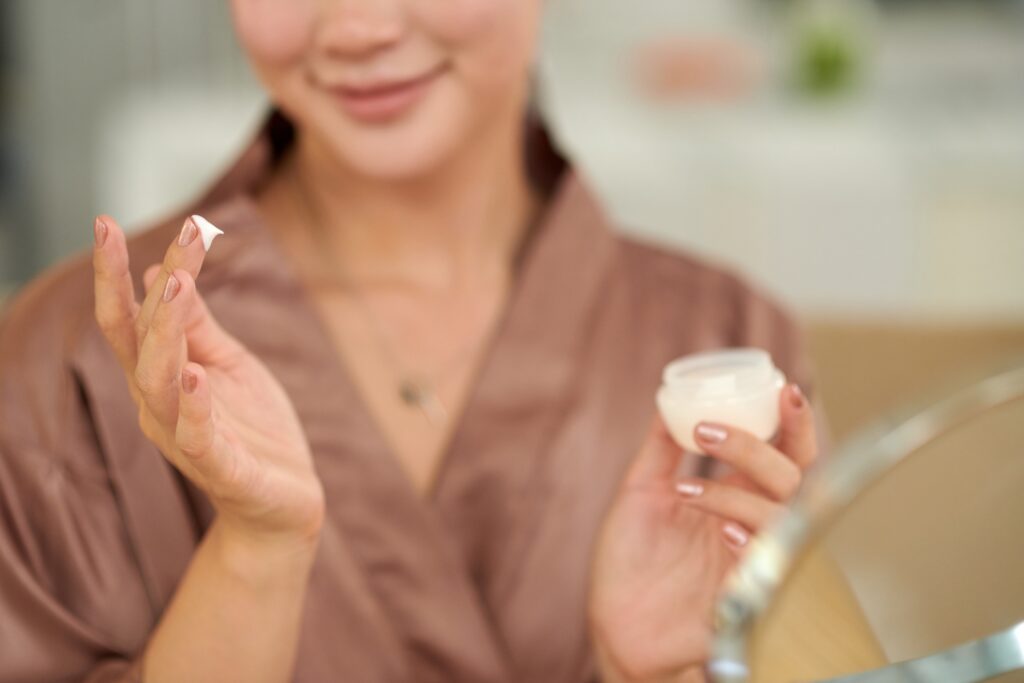
Nighttime is the perfect opportunity to provide your skin with the deep hydration it needs. Dermatologists recommend using a rich night cream before going to bed to allow the skin to absorb essential moisture while you sleep. Night creams are formulated with nourishing ingredients like ceramides and peptides that support the skin’s repair process. They also tend to be thicker and more emollient than daytime moisturizers, which can help keep your skin soft throughout the night. Consistent use can lead to smoother, more hydrated skin by morning.
Night creams are particularly beneficial in December when your skin is exposed to harsher environmental factors. The cold and dry weather can leave your skin feeling tight, and a rich night cream can combat this effect. Apply the cream after cleansing and before heading to bed to lock in moisture overnight. This extra layer of hydration can make a noticeable difference in the morning, leaving your skin feeling replenished. For those with very dry skin, a night cream can be a game-changer for achieving soft, comfortable skin all season.
Switch to an Oil-Based Cleanser for Extra Nourishment

If your skin feels especially dry in December, dermatologists suggest switching to an oil-based cleanser. These cleansers are great at removing makeup, dirt, and impurities while providing moisture. Unlike traditional foaming cleansers, oil-based options help replenish oils that are stripped away by harsh winter conditions. Choose a gentle cleansing oil that suits your skin type for the best results. This cleanser type ensures that your skin feels clean without feeling tight or dry afterward.
Oil-based cleansers work by gently lifting makeup and grime, while maintaining the integrity of your skin’s natural oils. They’re perfect for those with dry or sensitive skin, offering both cleansing and nourishing benefits. Use the oil-based cleanser in the evening to remove the day’s buildup while giving your skin an extra dose of hydration. You may notice your skin feeling softer and more balanced after switching to this nourishing alternative. For added comfort, rinse with lukewarm water rather than hot.
Hydrate From Within by Drinking Plenty of Water

While we often focus on topical products, dermatologists remind us that skin hydration starts from within. Drinking plenty of water is essential to keep your skin hydrated and plump, even in winter. Water helps flush toxins from the body and supports the skin’s elasticity. In December, when the air is drier, it’s important to drink enough water to keep your skin looking dewy and healthy. Make it a habit to carry a water bottle with you throughout the day to stay on track.
Hydration also plays a key role in preventing skin conditions like dryness and irritation. For added benefits, consider drinking herbal teas that can soothe the skin and promote hydration. This simple habit can improve your skin’s texture and tone over time. While moisturizing externally is important, drinking water is an internal solution that should not be overlooked. Keep hydrated, and you’ll see the results reflected in your skin’s natural glow.
Add a Face Mask to Your Weekly Routine
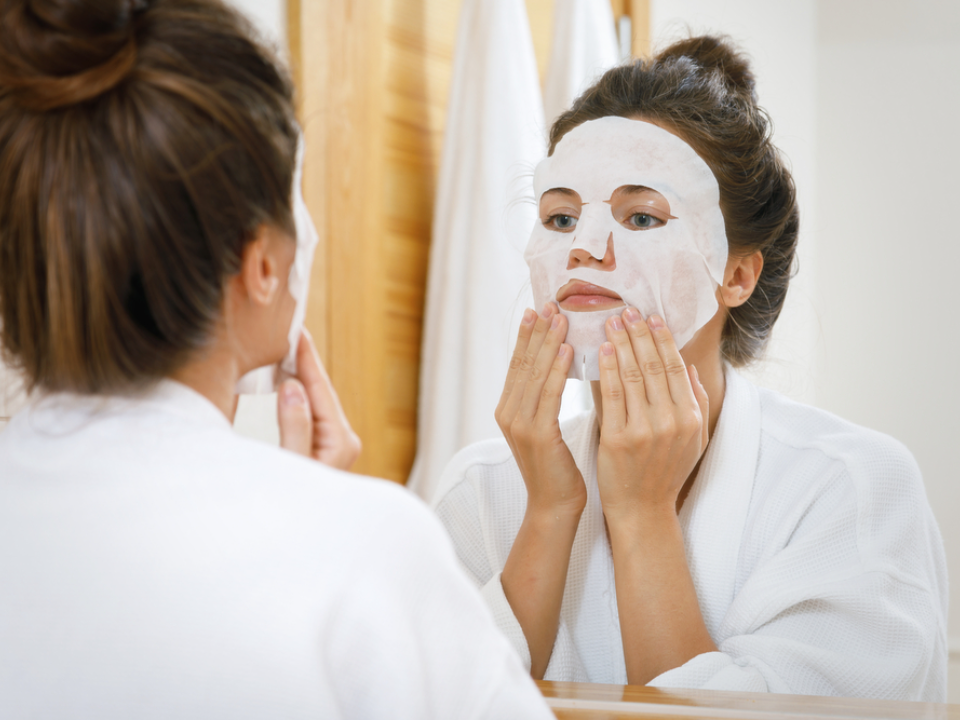
Face masks are a great way to give your skin an extra boost of hydration, especially in December. Dermatologists recommend using hydrating masks once or twice a week to lock in moisture and soothe the skin. Look for masks that contain ingredients like honey, aloe, or glycerin to provide long-lasting hydration. Apply the mask after cleansing and leave it on for the recommended time to reap the benefits. A weekly mask can help your skin feel refreshed and ready to face the winter season.
A good face mask can also help target specific skin concerns like dryness, redness, or dullness. It’s an excellent way to pamper your skin while providing deep nourishment. Many masks are designed to work in under 20 minutes, making them easy to incorporate into your routine. After removing the mask, follow up with your favorite moisturizer to lock in the hydration. With consistent use, your skin will feel replenished and rejuvenated.
Use Hyaluronic Acid for Deeper Skin Hydration

Hyaluronic acid is a powerhouse ingredient that can deliver intense hydration to the skin. It attracts moisture from the environment and helps the skin retain it, making it a perfect addition to your December routine. Dermatologists recommend applying a hyaluronic acid serum to damp skin to maximize its hydrating effects. This ingredient is particularly useful for those experiencing dehydration during the winter months. Hyaluronic acid helps keep your skin plump and radiant, even in the driest conditions.
This ingredient works well for all skin types, whether dry, oily, or combination. It can be layered with other skincare products to boost hydration and improve overall skin texture. A few drops of hyaluronic acid serum can make a noticeable difference in your skin’s appearance, giving it a more youthful glow. For best results, use it before applying a moisturizer to lock in the benefits. It’s a must-have for anyone looking to keep their skin hydrated through December’s chill.
Use a Gentle Lip Balm to Prevent Cracked Lips

Chapped lips are a common issue in December, but dermatologists have a simple solution: lip balm. Applying a nourishing lip balm throughout the day helps prevent dryness and cracking. Look for lip balms that contain hydrating ingredients like beeswax, shea butter, or lanolin. It’s also essential to apply lip balm before going to bed to keep your lips hydrated overnight. Regular use can keep your lips soft, smooth, and protected against the cold weather.
The skin on your lips is thinner and more sensitive than the rest of your face, making it more prone to drying out. Dermatologists advise avoiding lip balms with artificial fragrances or menthol, as these can irritate the skin. Instead, choose products with natural, soothing ingredients that provide a barrier against the elements. Keep a tube of lip balm in your bag, desk, or car to reapply as needed. This small step can prevent discomfort and keep your lips feeling smooth.
Avoid Hot Showers to Prevent Skin Dryness
While it may feel relaxing to take a hot shower, it can actually strip your skin of essential moisture. Dermatologists recommend using lukewarm water instead, as hot water can disrupt your skin’s natural oils. Prolonged exposure to hot water in the winter can lead to dry, itchy skin, especially on the face and hands. For the health of your skin, aim for shorter showers and avoid steaming hot water. This simple change can prevent your skin from becoming overly dry and irritated.
Switching to cooler water will not only protect your skin but also help your body maintain better hydration levels. Hot water can cause blood vessels to dilate, leading to redness or inflammation. Lukewarm water is gentler on the skin and prevents these adverse effects. After your shower, pat your skin dry gently with a towel and apply moisturizer immediately to lock in hydration. This adjustment will help maintain the softness and suppleness of your skin throughout the winter.
Eat Skin-Healthy Fo

What you eat can significantly affect the appearance of your skin, especially during the winter months. Dermatologists suggest incorporating foods rich in antioxidants, omega-3 fatty acids, and vitamin C to support skin health. Foods like salmon, berries, and leafy greens can help nourish your skin from the inside out. These nutrients help protect against skin damage and reduce inflammation. Consider adding more of these skin-loving foods to your diet to support a healthy complexion through December.
In addition to benefiting your skin’s appearance, a balanced diet also supports your overall well-being. Eating foods rich in antioxidants can help combat the effects of environmental stressors, such as dry air and UV exposure. You’ll notice that nourishing your skin from within can result in a more radiant complexion. Hydrating foods like cucumbers and watermelon also contribute to your skin’s moisture levels. Maintaining a diet high in nutrients ensures your skin stays glowing and healthy throughout the colder season.
This article originally appeared on Avocadu.