
13 Hardy Ferns That Stay Green Through Winter
Ferns bring life to shady corners of the garden, even when most plants fade in winter. Some hardy types keep their fronds green through frost, snow, and chilly winds, adding color when everything else looks bare. These tough ferns need little care and return strong year after year. Here are some that stay lush and vibrant through the cold months.
This post may contain affiliate links, which helps keep this content free. Please read our disclosure for more info.
Christmas Fern (Polystichum acrostichoides)
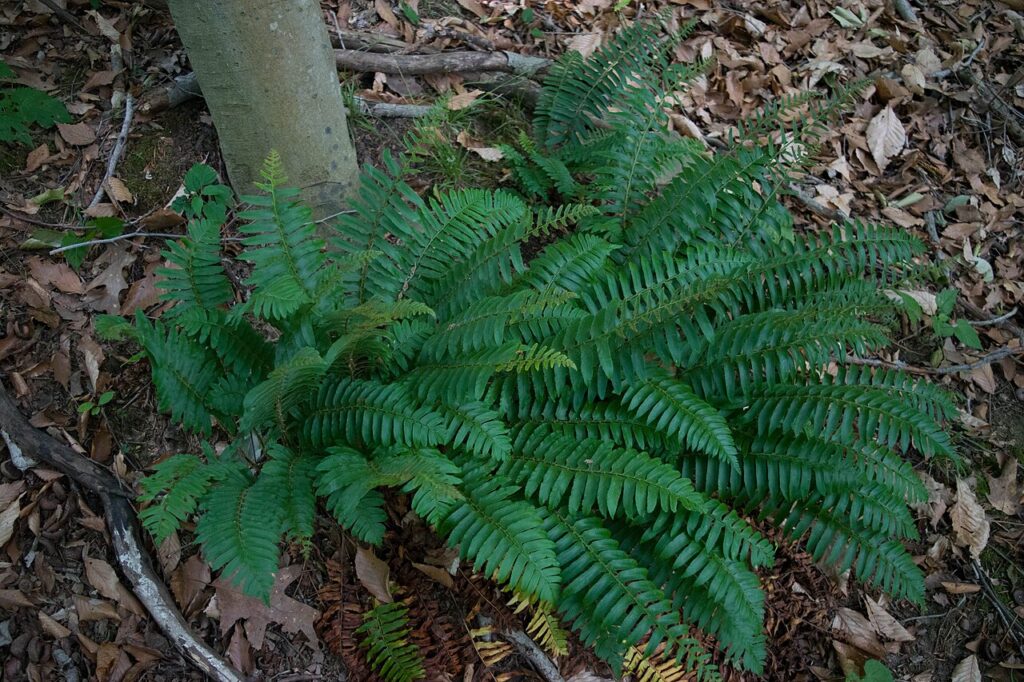
This fern is a winter garden favorite for its ability to stay green even under snow. Its leathery fronds fan out in a tidy shape that adds life to shady beds and woodlands. It grows well in well-drained soil and can handle dry winter air better than many other ferns. Deer and rabbits usually leave it alone, which makes it a dependable choice for natural landscapes.
New fronds appear in spring curled like fiddleheads before unfurling into shiny green leaves. They often lie flat on the ground in winter yet still keep their color. With minimal upkeep, the Christmas fern provides a year-round accent and thrives in zones 3 through 9. It is an easy plant to tuck into borders or rocky areas for steady green texture.
Western Sword Fern (Polystichum munitum)
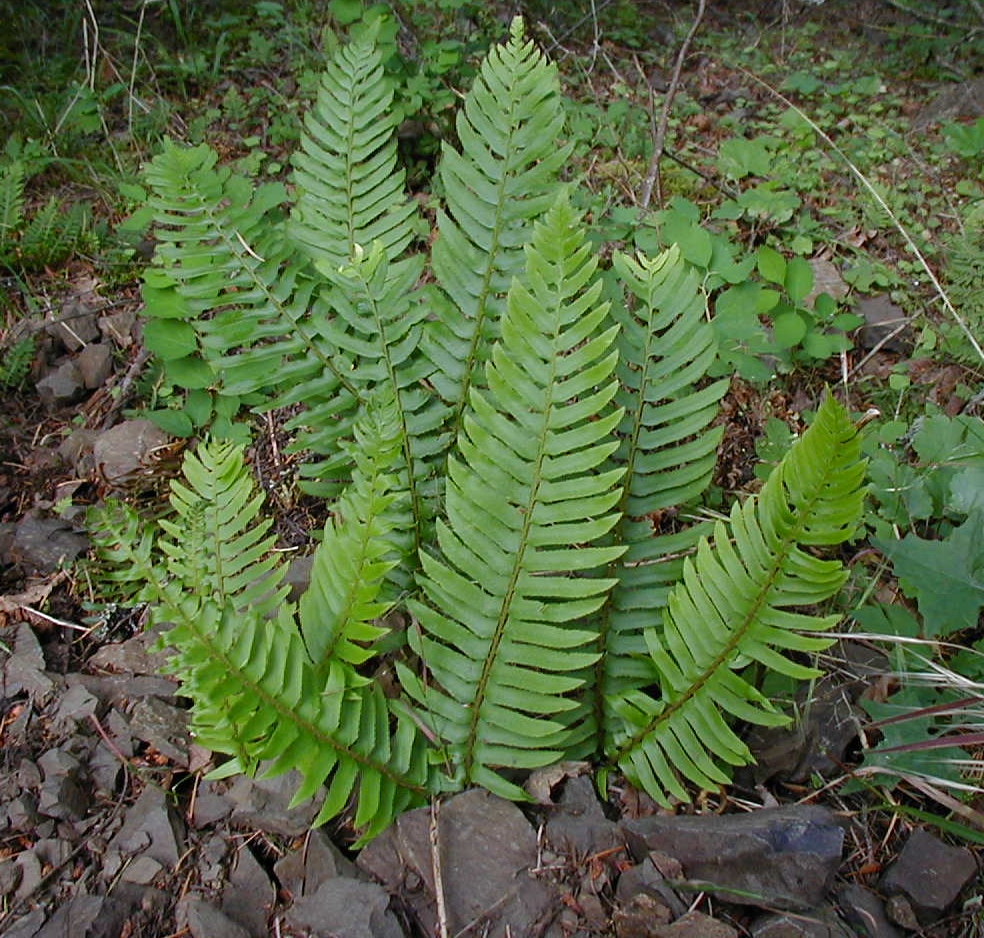
Native to forested areas of the Pacific Northwest, this fern thrives in cool, damp air. Its tall fronds reach up to four feet and arch outward, creating a graceful form that looks lush all year. The fronds remain sturdy through frost and snow, keeping their deep green tone. It is perfect for shaded slopes, woodland gardens, or under tall trees.
Once established, the sword fern is surprisingly low-maintenance. It grows best in moist, rich soil but adapts to drier conditions once mature. Old fronds can be trimmed in early spring to make room for new growth. This plant’s evergreen habit and large size make it a strong anchor in any shade garden.
Japanese Holly Fern (Cyrtomium falcatum)
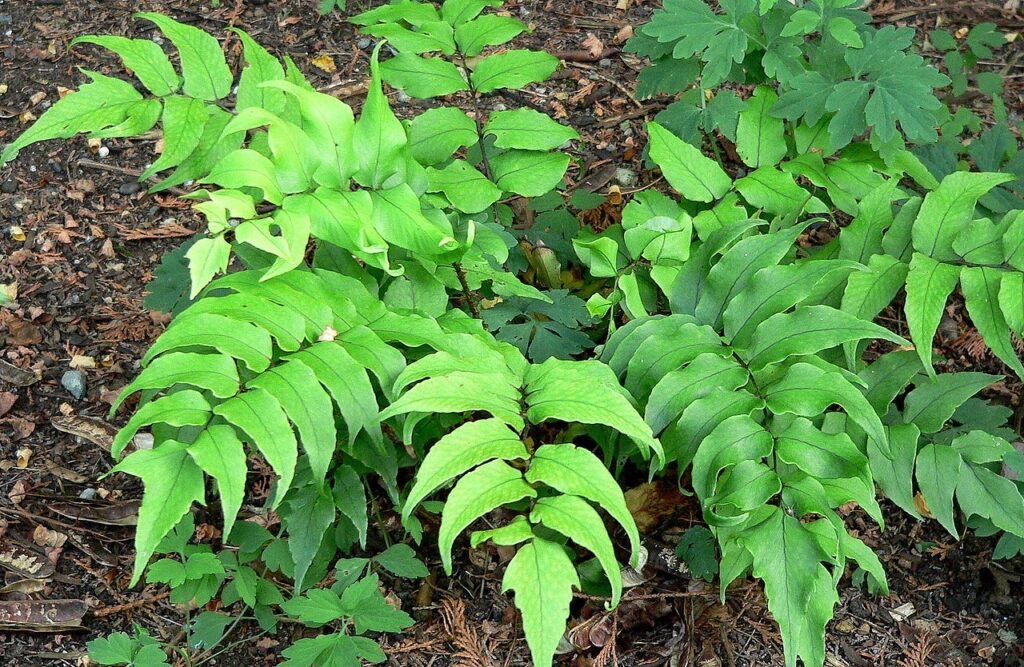
The Japanese holly fern has glossy, dark green leaves shaped like holly. It thrives in mild or coastal regions where winters are cool but not harsh. Each frond reflects light beautifully, bringing shine to shaded areas. Its slow, clumping growth makes it ideal for containers or small garden spaces.
It does best in humus-rich, moist soil with good drainage. In colder climates, the fronds may die back but quickly return when spring arrives. Indoors, it also grows well as a houseplant in low light. Its bold leaves and steady color make it a reliable evergreen option for gardeners.
Hart’s Tongue Fern (Asplenium scolopendrium)
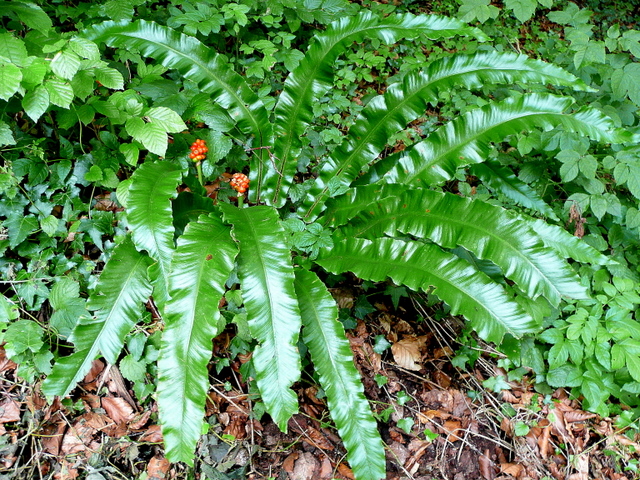
Unlike most ferns, this one has smooth, tongue-shaped leaves instead of feathery fronds. The bright green blades form tidy clumps that stay attractive through most winters. It enjoys shady, damp spots like rock gardens or along stone walls. The unique shape of its leaves adds contrast to typical fern plantings.
Hart’s tongue fern prefers alkaline or neutral soil and can tolerate cold better than many delicate ferns. In harsh winters, some fronds may brown but usually bounce back quickly. The plant grows slowly yet steadily, expanding its neat rosettes each year. It’s a great choice for adding a splash of evergreen color to shaded corners.
Autumn Fern (Dryopteris erythrosora)
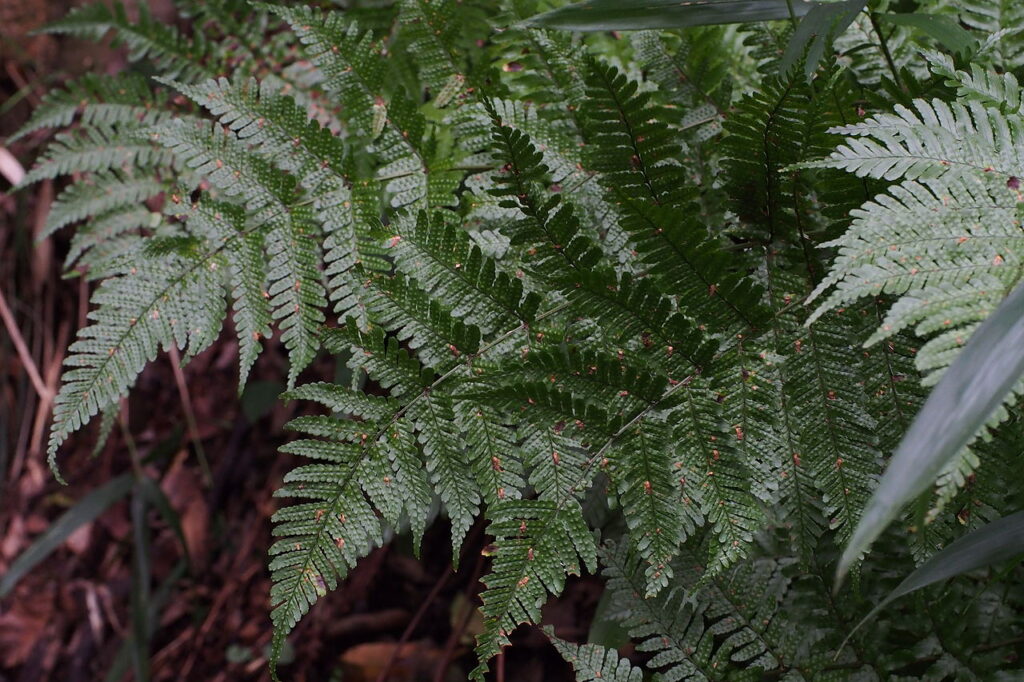
This fern is named for its coppery new fronds that appear in spring before turning green. The changing tones create a lovely display that continues even as temperatures cool. It stays semi-evergreen in cold climates and fully green in milder zones. The textured fronds look good both on their own and mixed with hostas or heucheras.
Autumn ferns like moist, humus-rich soil and partial to full shade. They spread slowly, making them easy to control in smaller spaces. As temperatures drop, their fronds remain sturdy and often take on a bronze tint. This fern is both decorative and durable, adding warmth to winter gardens.
Tassel Fern (Polystichum polyblepharum)
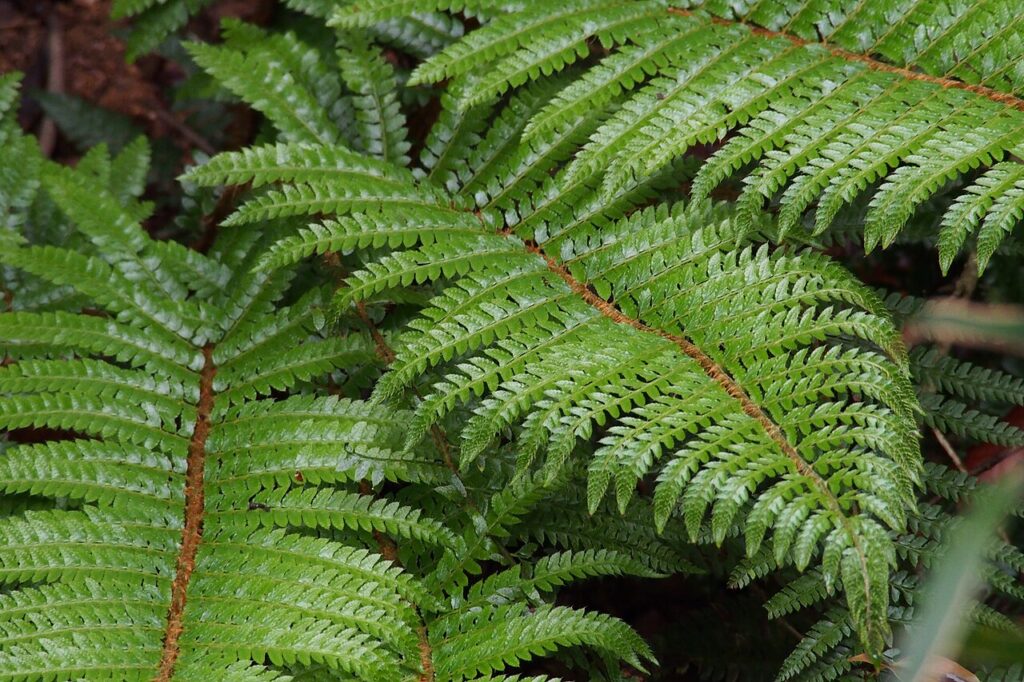
With shiny, dark green fronds that arch gracefully, this fern has a polished appearance year-round. New fronds unfurl in a curled form resembling tassels, giving it its name. It thrives in partial to full shade and tolerates frost without losing its form. The fronds have a leathery texture that helps them withstand cold winds.
Tassel ferns grow best in well-drained, moist soil and can adapt to container life. They rarely need dividing, growing into tidy clumps over time. Trimming old fronds in early spring keeps them looking neat. Their glossy color and structure make them stand out in shady garden beds.
Shield Fern (Dryopteris marginalis)
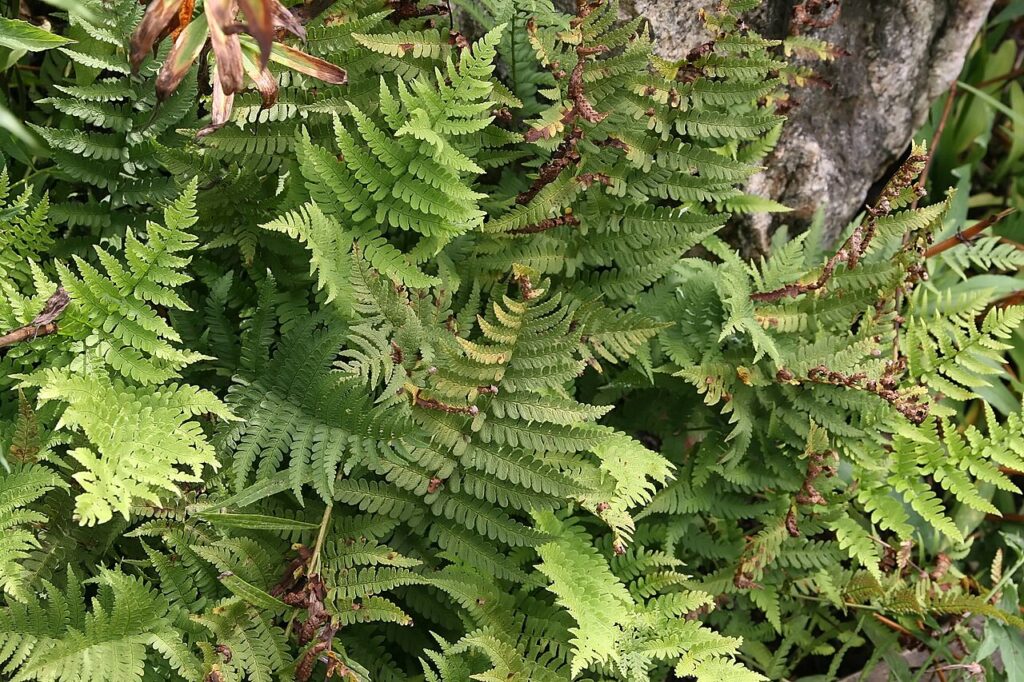
This North American native fern has sturdy fronds that resist harsh winter weather. Its bluish-green leaves form a vase shape that adds depth to shaded borders. It grows well on slopes or rocky ground where few plants thrive. Its durability and color make it a great background plant for other woodland perennials.
Shield fern thrives in evenly moist soil but tolerates brief dry spells. It holds its color deep into winter and revives quickly in spring. The fronds can be left on through the season to protect new shoots beneath. It’s a reliable, low-maintenance choice for naturalistic gardens.
Himalayan Maidenhair Fern (Adiantum venustum)
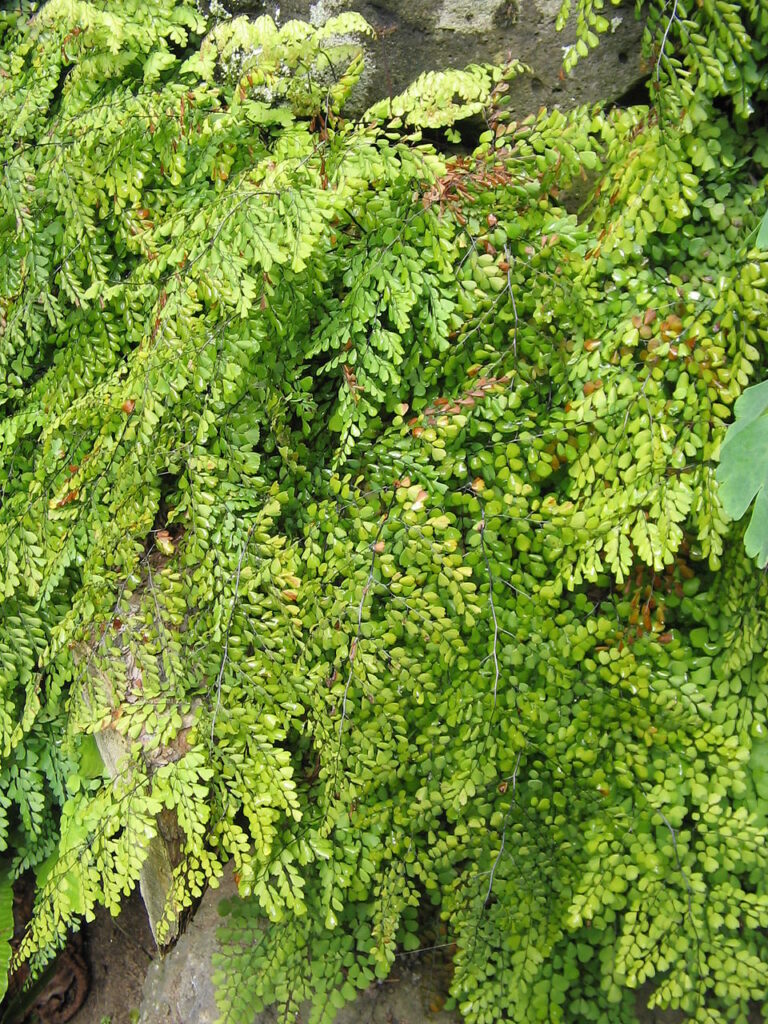
This fern’s fine, lacy fronds and wiry black stems give it a delicate look, but it’s tougher than it appears. Native to the Himalayas, it can handle cold winters and still stay green. The fronds form a soft, spreading mat that works beautifully as ground cover. It thrives in partial shade and moist, rich soil.
During the coldest months, some fronds may bronze but rarely die back completely. By spring, fresh green growth quickly fills in. It pairs well with mosses, hellebores, and spring bulbs. Its airy form adds lightness to winter plantings.
Soft Shield Fern (Polystichum setiferum)
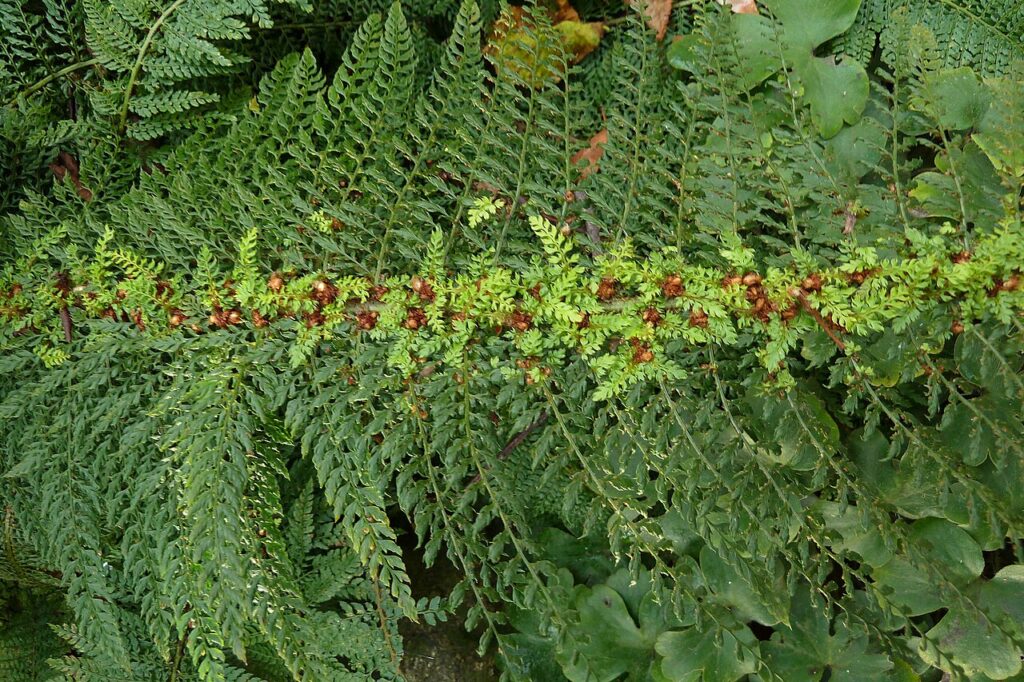
This fern has finely divided fronds that stay lush throughout most of winter. Its soft texture gives shaded beds a full, graceful look. It thrives in cool, damp climates and grows well under trees. The fronds arch gently outward, creating a sense of movement even in still winter air.
Soft shield fern prefers loamy, moist soil and benefits from a light mulch before frost. It tolerates cold well and often stays green even in light snow. Older fronds can be cut back in early spring to make way for new ones. This fern adds lasting texture to shaded gardens all year long.
Korean Rock Fern (Polystichum tsus-simense)
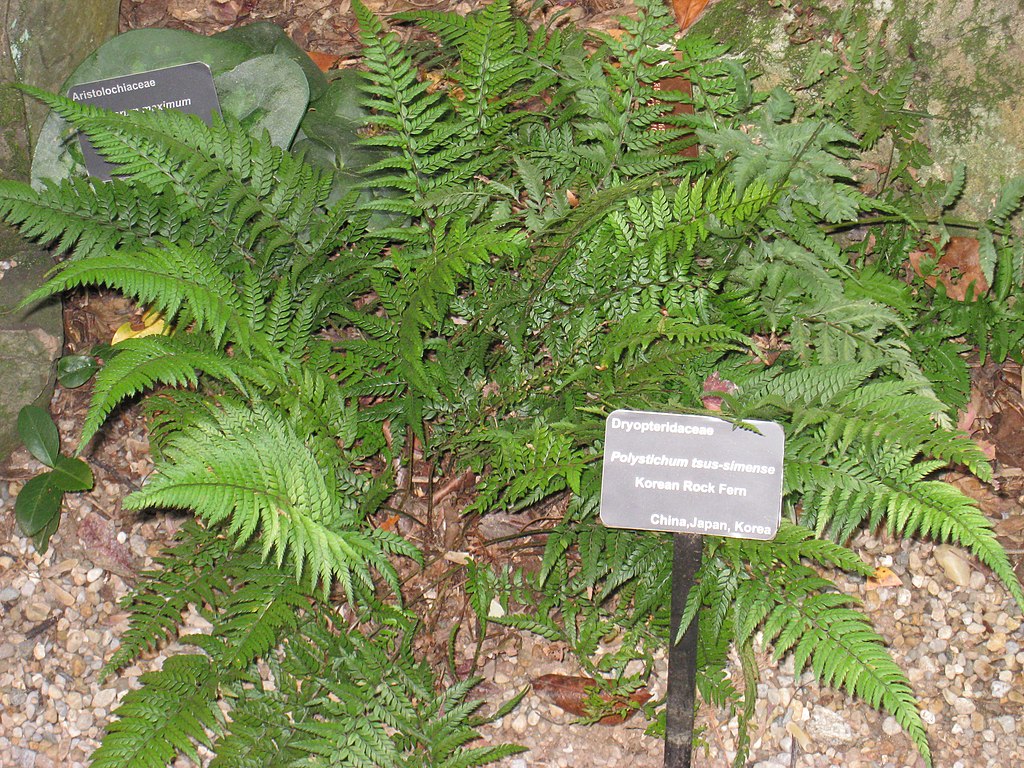
Compact and tidy, this fern is ideal for smaller gardens or container plantings. Its deep green fronds stay fresh-looking even during winter freezes. The plant grows slowly and forms dense clumps that keep their shape well. It looks especially nice when paired with mosses or small evergreens.
Korean rock fern prefers well-drained soil and partial shade. It’s hardy down to about zone 5 and performs best in consistently moist conditions. The fronds are tough enough to survive light snow cover. It’s a great option for adding evergreen texture to shaded patios or rocky corners.
Leatherleaf Fern (Rumohra adiantiformis)
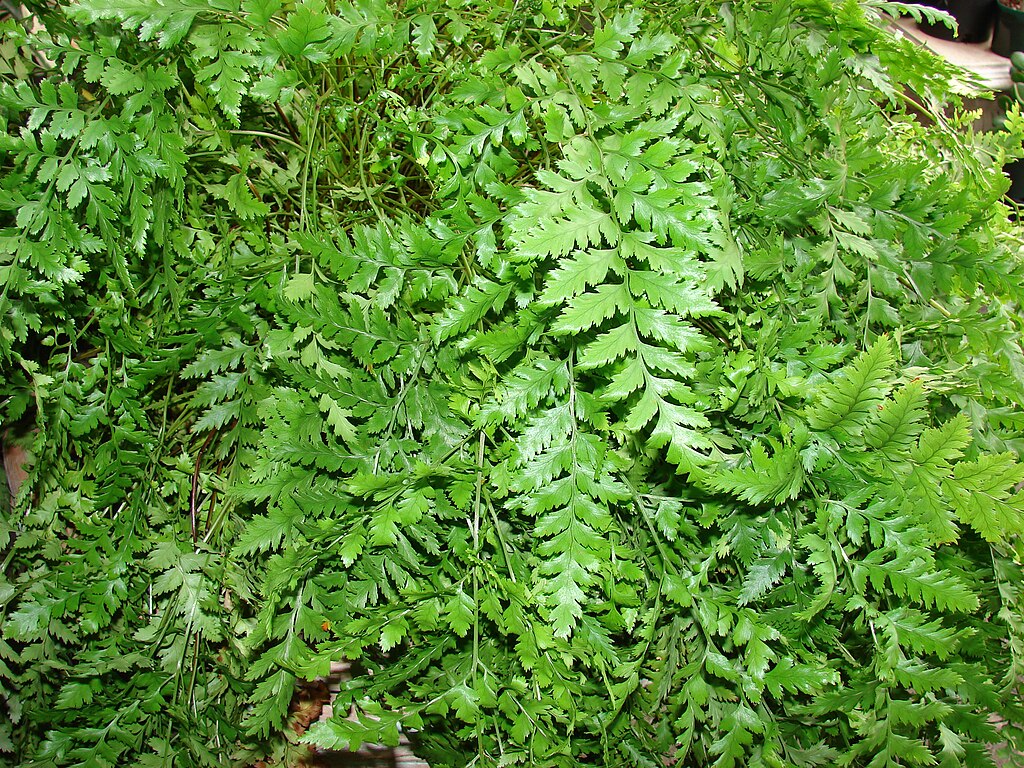
Known for its glossy, leathery fronds, this fern holds up beautifully to cold and drought. It’s often used in floral arrangements because of its sturdy texture. In the garden, it creates a lush backdrop for flowering plants. Its fronds remain green year-round in warm climates and semi-evergreen in cooler ones.
Leatherleaf fern grows best in shaded, moist spots and thrives in containers or ground beds. It can handle brief dry periods once established. Regular watering and occasional feeding keep it full and glossy. It’s a timeless evergreen that looks elegant in any setting.
Holly Fern ‘Rochfordianum’ (Cyrtomium fortunei)
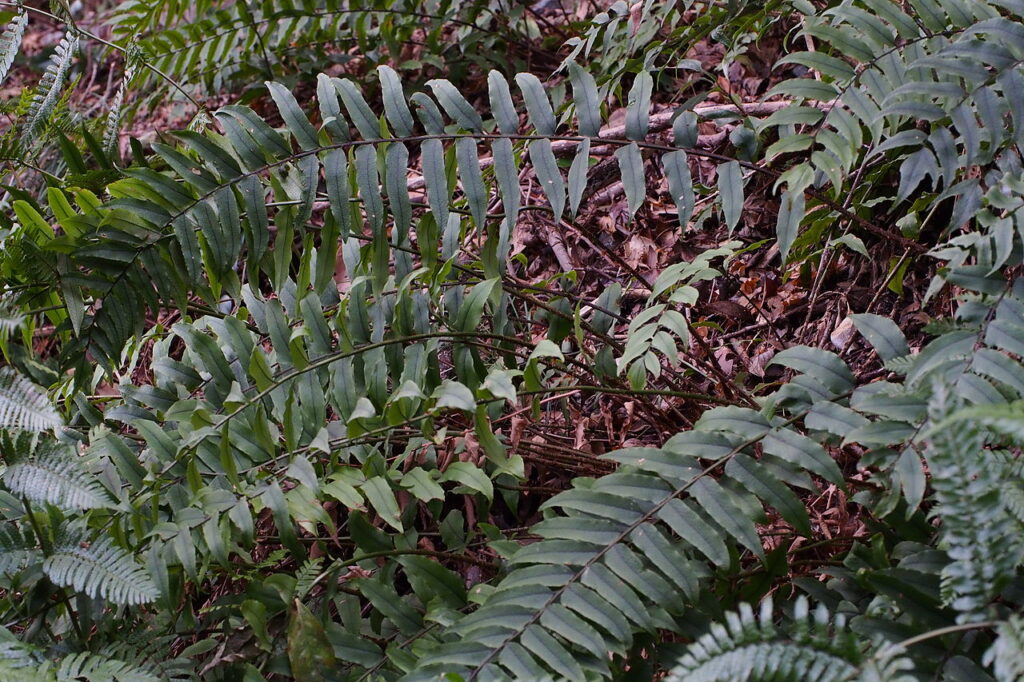
This hardy holly fern variety stands out with its broad, shiny leaves that keep their color all winter. It tolerates more cold than other holly ferns, making it suitable for temperate gardens. The fronds grow upright before arching slightly, forming a neat, sculptural look. It’s perfect for shaded walkways or as underplanting for trees.
It prefers moist, well-drained soil and thrives in partial to full shade. Even after frost, the leaves maintain their shine and texture. In early spring, trimming old fronds encourages new, healthy growth. This fern offers reliable winter greenery with minimal care.
Male Fern (Dryopteris filix-mas)
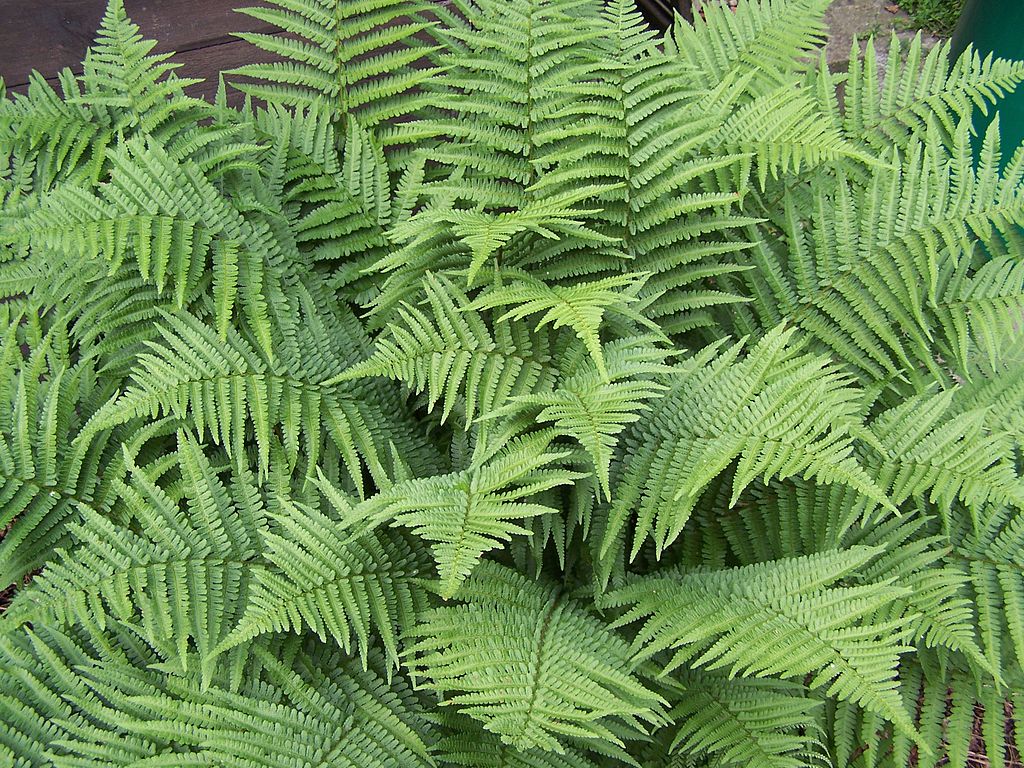
The male fern is a hardy garden classic that often stays green through mild winters. Its strong fronds rise in a vase-like shape, adding structure to shaded beds. It tolerates cold, wind, and frost better than many other species. This fern spreads slowly by rhizomes, forming attractive clumps over time.
It thrives in moist, rich soil but can handle brief dry spells once established. In winter, the fronds may droop but usually stay green. By early spring, new shoots appear to refresh its full shape. It’s a dependable fern that brings life to shady gardens all year long.
This article originally appeared on Avocadu.